 Indra Gunadi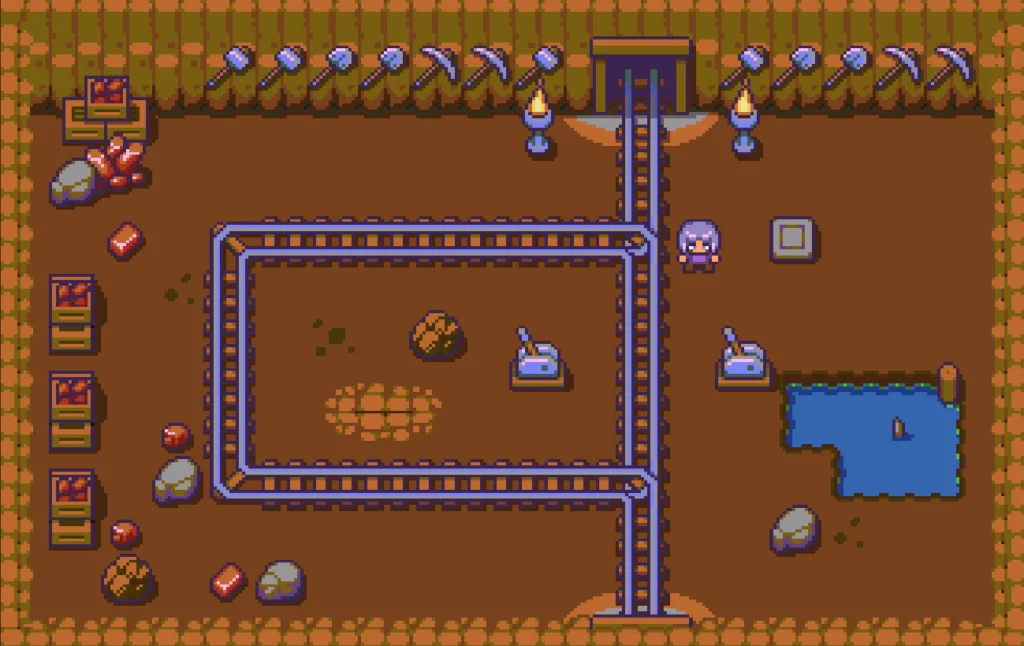
The landscape of contemporary Commodore Amiga development has witnessed a significant addition with the September 29, 2026, release of a new role-playing game demo titled The Adventure Of Node. Developed by Bad Pun Studio, the project is specifically engineered for Amiga AGA (Advanced Graphics Architecture) hardware, targeting the A1200 model with a minimum requirement of 2MB of RAM. This release represents a growing trend in the retro-computing community: the sustained development of new software for hardware platforms that have been commercially defunct for decades.
Overview of the Development and Technical Scope
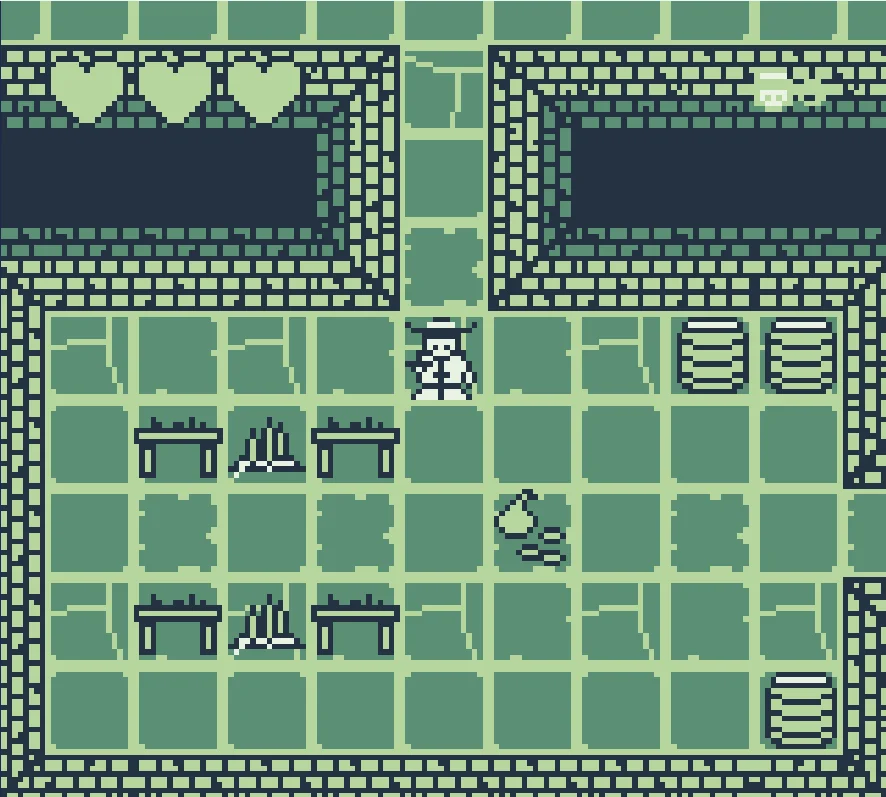
The Adventure Of Node invites players to step into the role of Node, a protagonist hailing from Archon Village, tasked with the restoration of his home. The game mechanics combine traditional action-adventure elements with logic-based puzzles, requiring players to utilize both combat reflexes and analytical skills to navigate an enchanted forest. As a work-in-progress demonstration, the title serves as a proof of concept for the studio’s design vision, showcasing the capability of the Amiga’s custom chipset to handle modern game logic and aesthetic complexity.
The decision to develop for the Amiga AGA chipset—specifically the Motorola 68020-based A1200—is a deliberate choice that dictates the project’s performance parameters. AGA machines, introduced in 1992, offered a significant leap over the original chipset (OCS) and the Enhanced Chipset (ECS) by providing a larger color palette and improved sprite handling. Bad Pun Studio’s utilization of these resources suggests a focus on mid-90s graphical fidelity, bridging the gap between late-era Amiga classics and modern independent game design standards.
Chronology of the Amiga Indie Renaissance
The release of The Adventure Of Node occurs within a broader historical context of the "Amiga Renaissance." Following the bankruptcy of Commodore International in 1994, the Amiga platform entered a long period of niche hobbyist support. However, the last decade has seen a quantifiable surge in software production.
- 2015–2018: The emergence of specialized development tools, such as the Scorpion Engine and Amos Professional updates, began lowering the barrier to entry for developers looking to create new titles for legacy hardware.
- 2020: The COVID-19 pandemic catalyzed a shift in hobbyist activity, leading to a surge in retro-development projects as developers found more time to dedicate to long-form coding efforts.
- 2024: Major community platforms, including itch.io and various Amiga-centric repositories, reported a record volume of new game uploads, signaling a shift from merely porting games to creating original, native content.
- September 2026: The release of The Adventure Of Node marks a continuation of this momentum, demonstrating that developers are moving beyond simple arcade clones into more complex genres like the RPG.
Technical Analysis of AGA Hardware Constraints
Developing for the A1200 in 2026 requires an intimate understanding of the hardware’s limitations. With a standard configuration of 2MB of Chip RAM, developers are constrained by the amount of graphical data that can be loaded into memory at any given time. Unlike modern PCs that utilize dynamic memory allocation and high-speed GPU offloading, the Amiga requires meticulous optimization of memory buffers.
The Adventure Of Node likely employs advanced color-palette management to achieve its aesthetic. The AGA chipset allows for 256 colors on-screen from a palette of 16.8 million, a significant improvement over the 32 or 64 colors available on older models. By focusing on the A1200, Bad Pun Studio is able to leverage these hardware-level color palettes to create atmospheric depth in the game’s enchanted forest environments, a task that would be significantly more difficult on OCS machines. Furthermore, the reliance on logic-based gameplay is an efficient way to manage system resources; by prioritizing puzzle-solving over complex, frame-intensive physics calculations, the developers ensure a stable frame rate within the strict constraints of the 14MHz CPU clock speed inherent to the base A1200.
Broader Industry Implications and Community Impact
The existence of Bad Pun Studio and similar independent developers highlights a shift in the perceived value of retro hardware. No longer viewed solely as collectors’ items, these machines are now treated as viable creative platforms. The "Adventure Of Node" is not merely an exercise in nostalgia; it is an exploration of constrained design.
From an industry perspective, the rise of the "Amiga Indie" movement provides valuable case studies for game designers. By working within the technical boundaries of 1990s hardware, developers learn the importance of memory management, efficient code loops, and sprite-based graphical economy—skills that are arguably underutilized in the modern era of high-performance computing.
Furthermore, the distribution model for such titles has matured. By hosting their demo on itch.io, Bad Pun Studio is integrating into a modern distribution pipeline that allows for immediate feedback, community engagement, and rapid iterative updates. This hybrid model—old hardware, modern distribution—is the primary driver for the sustained longevity of the Amiga community.
Statements and Theoretical Perspectives
While specific public statements from Bad Pun Studio regarding their long-term roadmap are limited, the nature of a "work-in-progress" demo suggests an intent to expand the project into a full-length commercial or shareware release. In the wider Amiga development community, projects of this nature are frequently evaluated by their "playability index"—a subjective but critical metric used by enthusiasts to determine if a new release honors the "feel" of classic Amiga titles while providing enough innovation to justify the time spent playing it.
Analysts tracking the retro-software market note that RPGs are among the most difficult genres to develop for the Amiga due to the necessity of complex data structures and save-game management. The fact that an independent team has chosen this genre indicates a high level of confidence in their current engine and a commitment to delivering a substantive narrative experience, rather than a brief technical demo.
Future Outlook for the Amiga Platform
As the community looks toward the end of 2026, the success of The Adventure Of Node will likely be measured by its adoption rate among A1200 users. If the project receives positive feedback, it may encourage other developers to utilize the same development methodologies to port or create even larger-scale RPGs.
The sustainability of this ecosystem is bolstered by the ongoing production of modern hardware peripherals for the Amiga, such as solid-state drive (SSD) replacements for mechanical drives and FPGA-based accelerators. These modern enhancements mean that a game designed for a 2MB A1200 can, in practice, run on hardware that is significantly faster and more reliable than what was available in the 1990s.
In conclusion, The Adventure Of Node is a representative milestone in the modern life cycle of the Commodore Amiga. By balancing the technical constraints of the AGA chipset with the expectations of a modern gaming audience, Bad Pun Studio has contributed to a specialized but thriving digital landscape. The project serves as a reminder that the utility of computing hardware is not strictly defined by its commercial lifespan, but by the ongoing ingenuity of the community that continues to engage with it. The progress of the "Adventure Of Node" in the coming months will be a point of interest for those tracking the intersection of historical hardware preservation and contemporary independent software development.