 Arya Paningal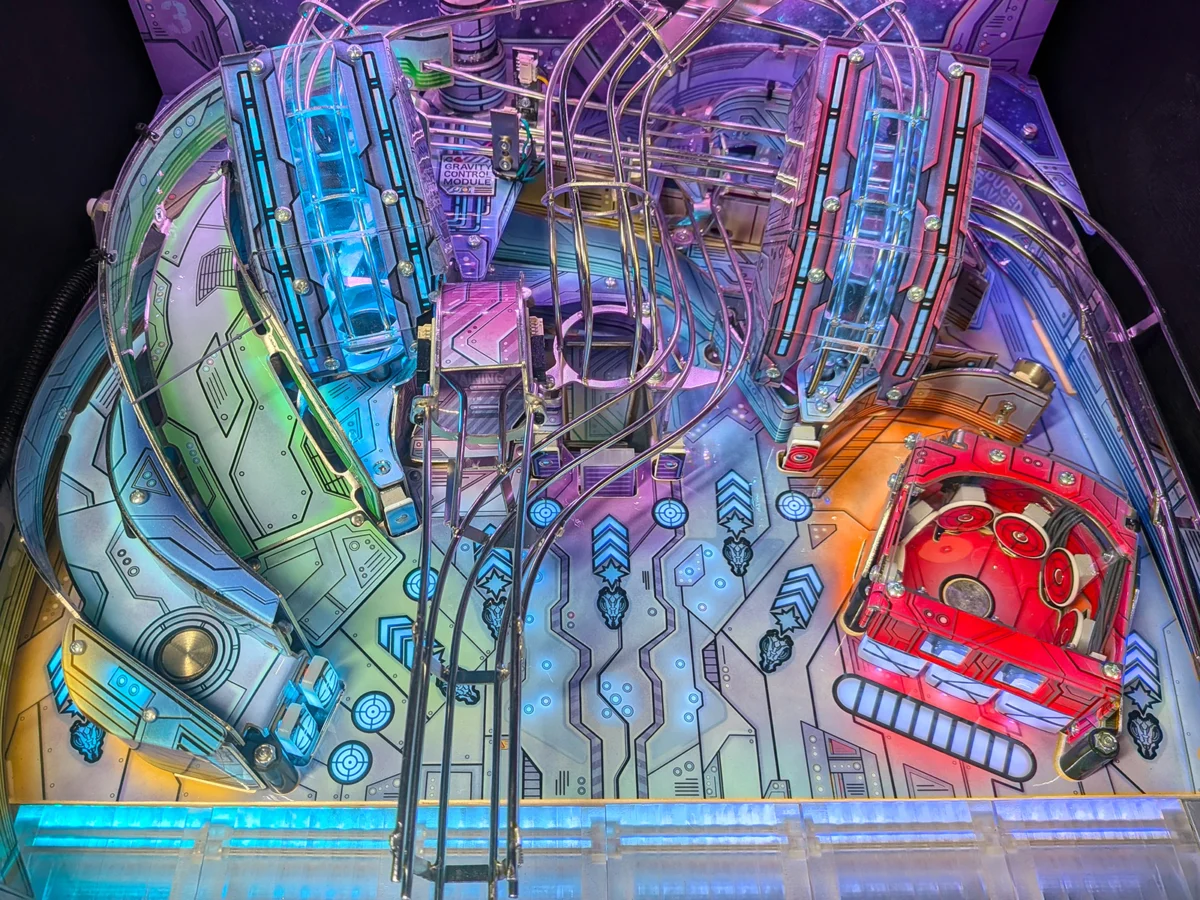
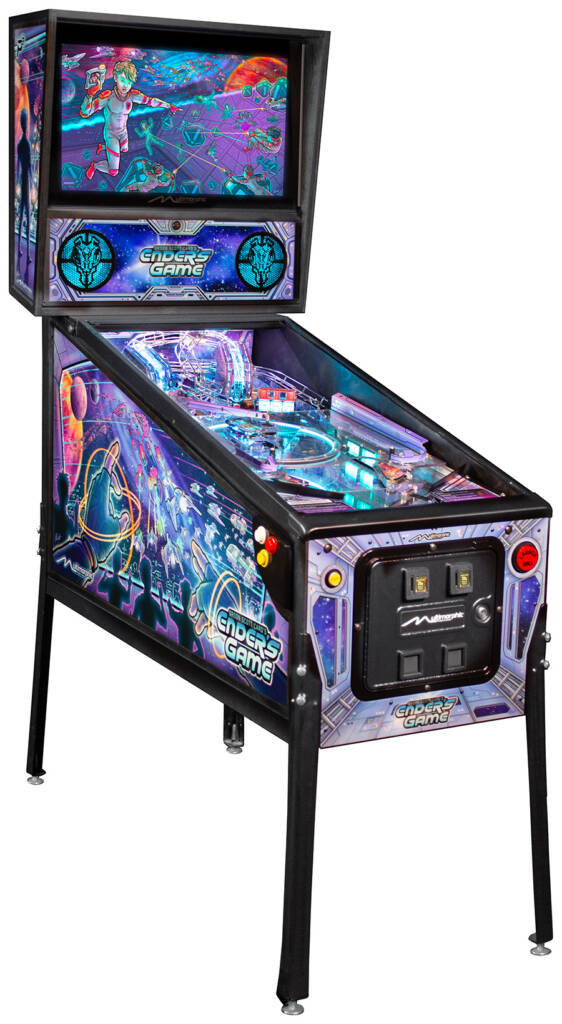
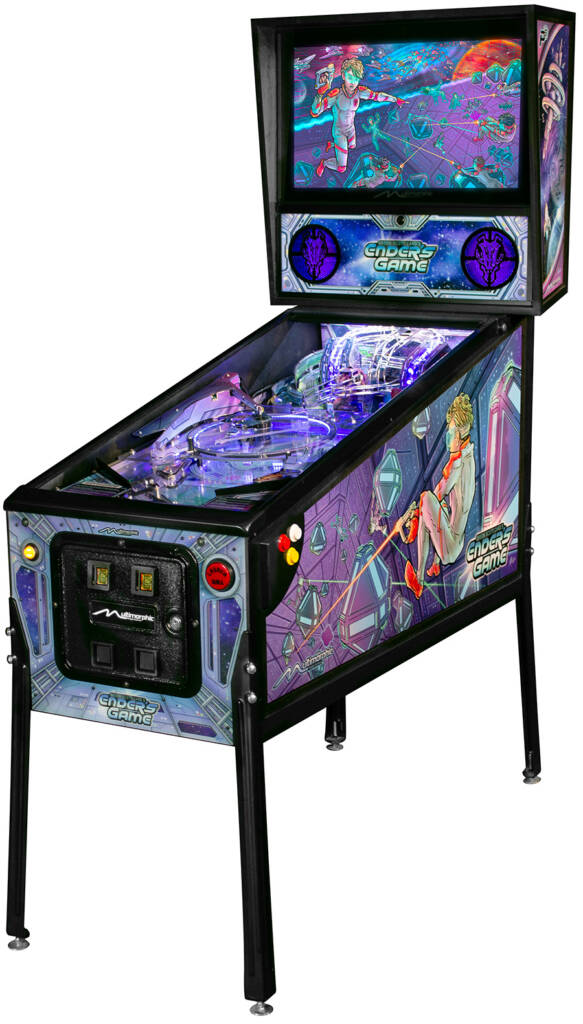
Multimorphic, the innovative manufacturer behind the modular P3 pinball platform, has officially announced the launch of its latest title, Ender’s Game. This release represents a significant strategic shift for the company, as it arrives in a simultaneous dual-launch alongside the company’s other new project, Dungeon Crawler Carl. While both titles share a common physical playfield architecture, Multimorphic has gone to great lengths to ensure each game maintains a distinct identity through bespoke artwork, immersive sound design, unique software rule sets, and specialized callouts. The announcement marks one of the most ambitious product rollouts in the company’s history, signaling a move toward high-velocity development cycles that capitalize on their modular hardware capabilities.
A Unified Design Philosophy
The genesis of this dual-release strategy was rooted in practical engineering efficiencies. Initially, the design teams for both projects were working in isolation, developing separate playfield concepts for their respective themes. However, as the physical requirements for both games matured, the engineering team realized that the mechanical layouts required to effectively represent the narratives of both Orson Scott Card’s science fiction classic and the popular Dungeon Crawler Carl series were nearly identical.
By unifying the two projects under a shared physical footprint, Multimorphic was able to streamline its manufacturing processes while allowing the creative teams to focus entirely on the "skin" of the machine—the narrative, visual, and audio layers that differentiate the player experience. This approach does not compromise the distinctiveness of the titles; rather, it highlights the flexibility of the P3 platform, which allows owners to swap software and playfield modules with relative ease.
Narrative Depth and Thematic Integration
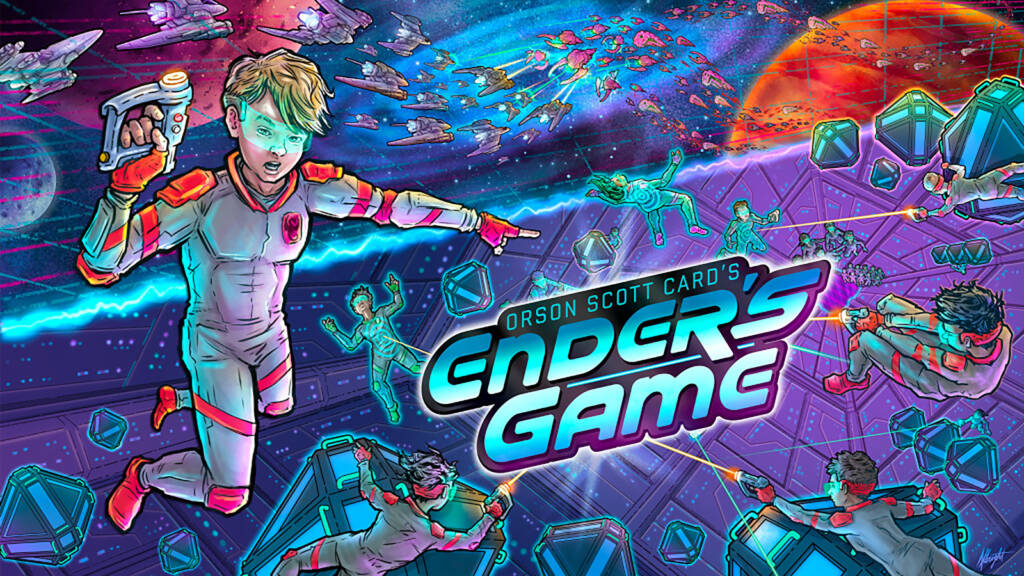
Ender’s Game, based on the 1985 novel by Orson Scott Card, presents a complex, character-driven story that moves away from the more kinetic, creature-focused design of its companion release. The game follows the trajectory of Andrew "Ender" Wiggins, a child prodigy recruited into the International Fleet’s Battle School to prepare for a third invasion by an insectoid alien species known as the "Buggers."
The narrative complexity of the source material—which explores themes of isolation, moral ambiguity, and the psychological burden of leadership—required a nuanced approach to game design. Multimorphic opted to avoid relying on the 2013 motion picture adaptation for assets, choosing instead to interpret the book’s original text. This decision necessitated a massive internal effort to build every visual and audio asset from the ground up, ensuring the machine reflects the specific tone and characterizations found in the novel. The game spans the entirety of the book’s narrative, guiding players through Ender’s growth from a bullied child to a weary fleet commander.
Mechanical Innovation: The Balance Mech
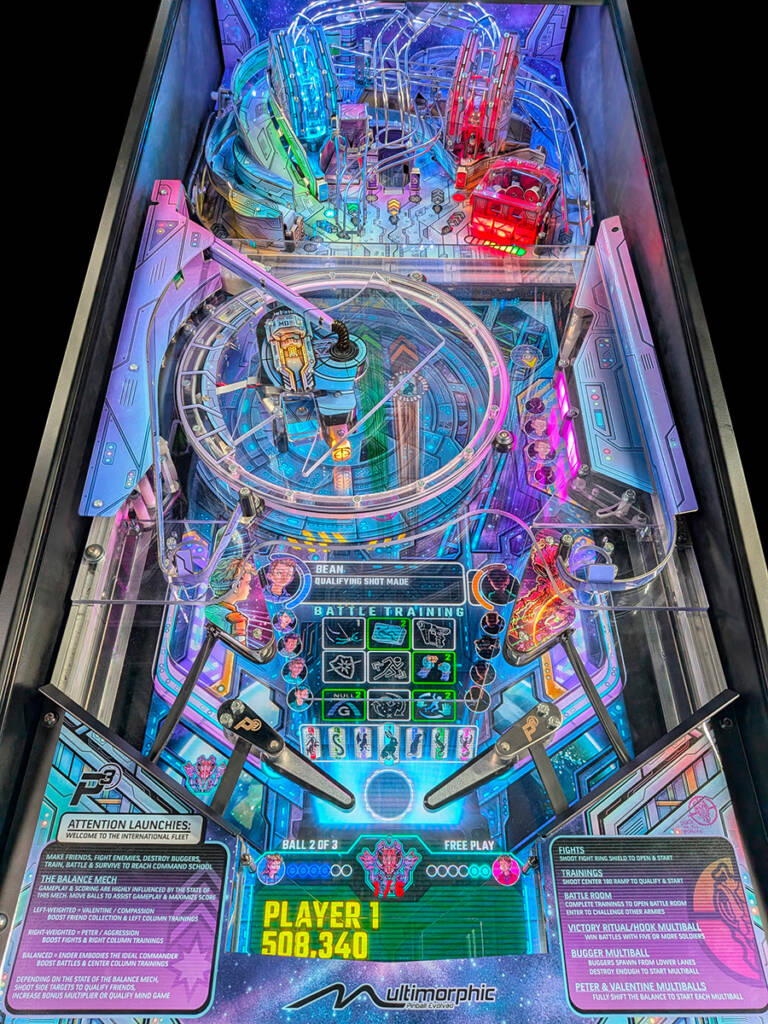
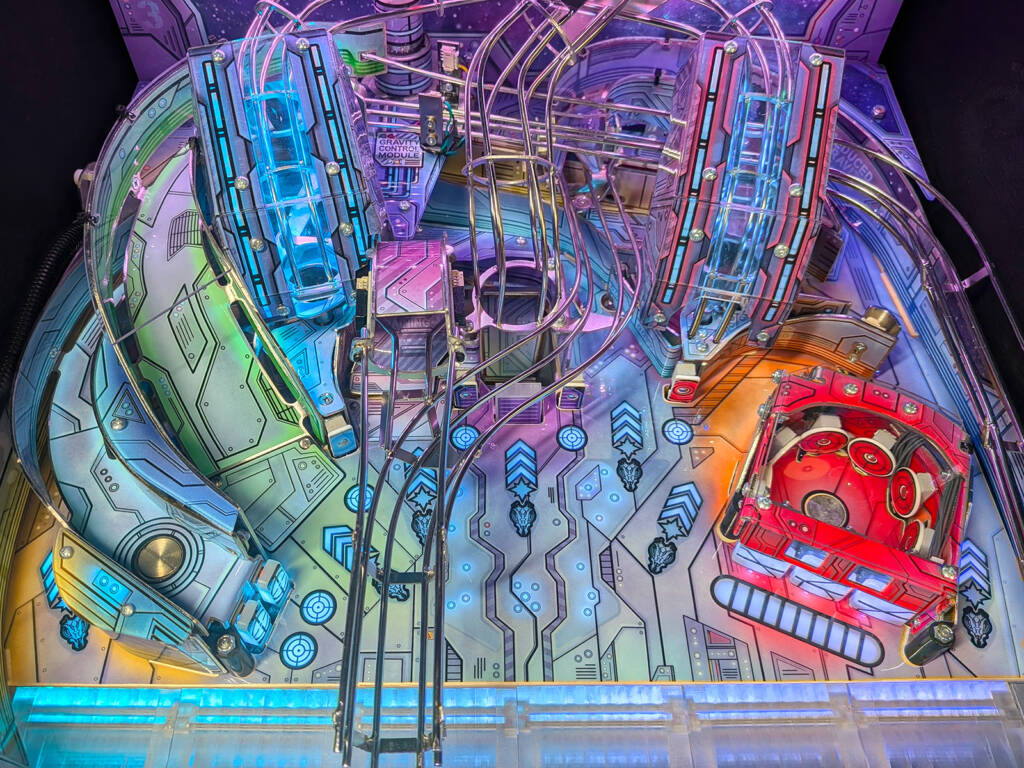
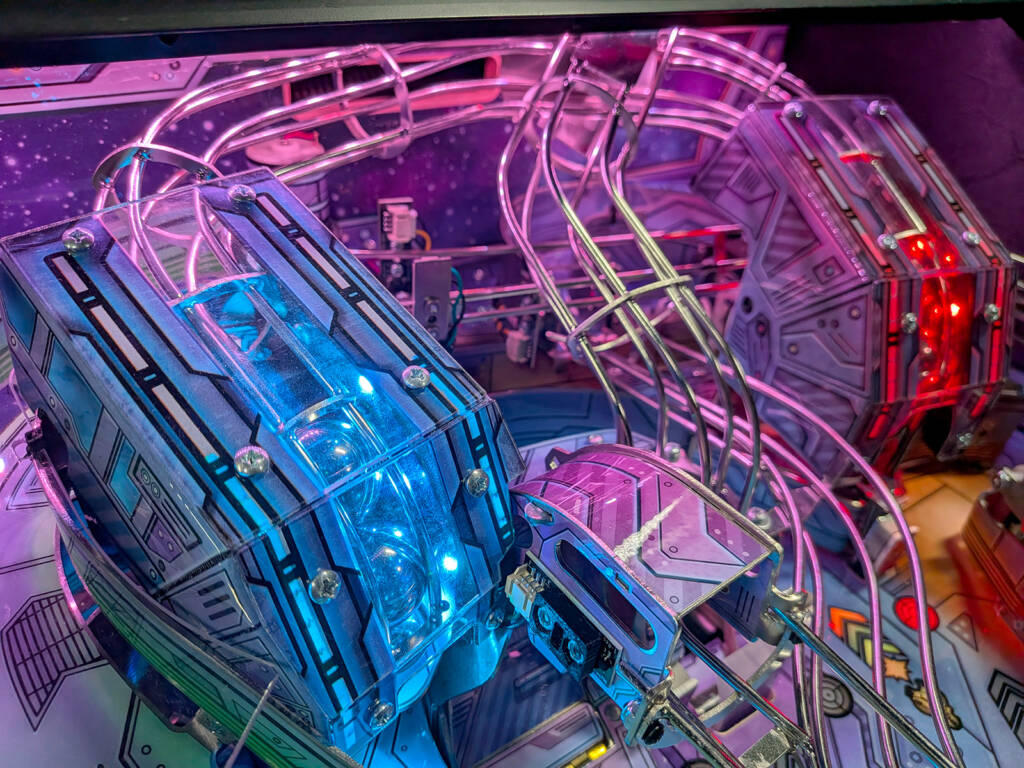
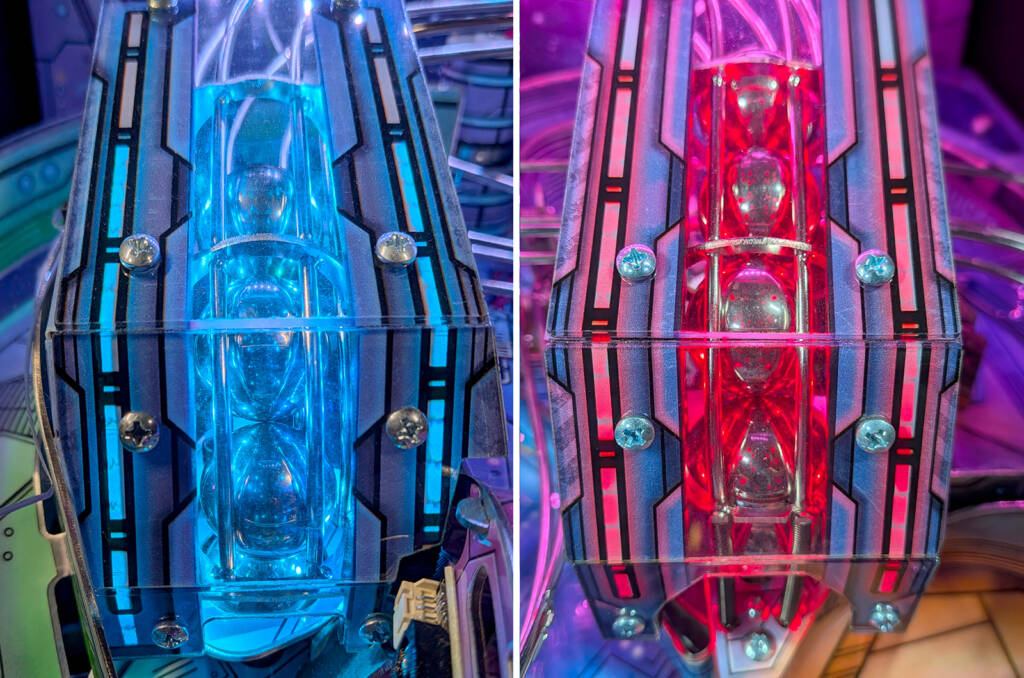
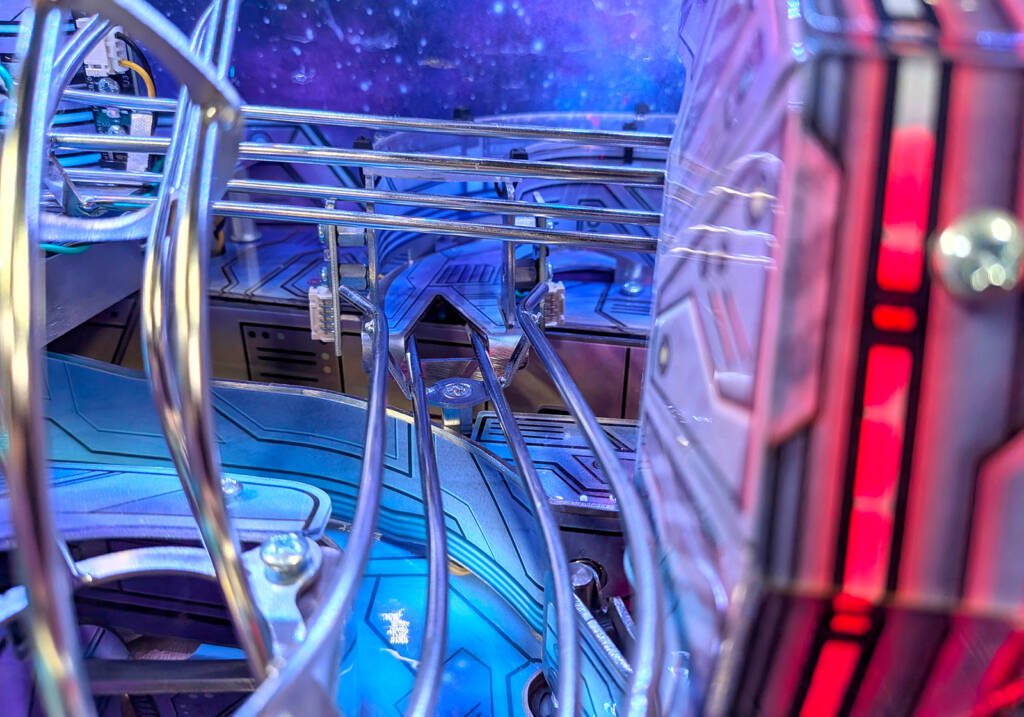
The standout feature of the Ender’s Game playfield is the "Balance Mech," a dual-stacker system that serves as a physical metaphor for the central psychological conflict of the story. The left stacker, associated with Ender’s empathetic sister Valentine, provides a softer, controlled release of pinballs into play. Conversely, the right stacker represents his sociopathic brother, Peter, and features a more aggressive expulsion mechanism.
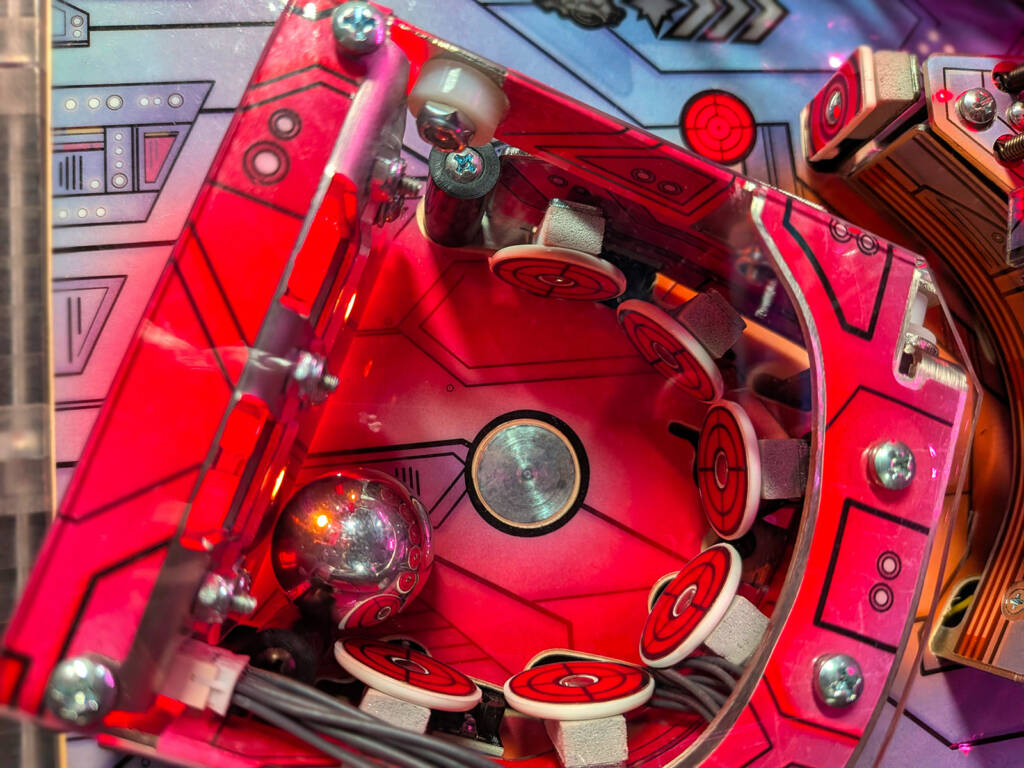
The game mechanics reward the player for maintaining equilibrium between these two forces. By managing the number of balls in each stacker via a center Vertical Up-Kicker (VUK), the player must balance their own play style, shifting between "compassion" and "aggression" to progress through the game’s modes. The inclusion of a rotating, clear acrylic disk—suspended over the playfield and equipped with a cannon—further elevates the complexity. This disk, which utilizes slip rings to maintain power and signal connectivity while rotating, allows for dynamic, player-directed shots, simulating the tactical nature of fleet command.
Aesthetic and Technical Specifications
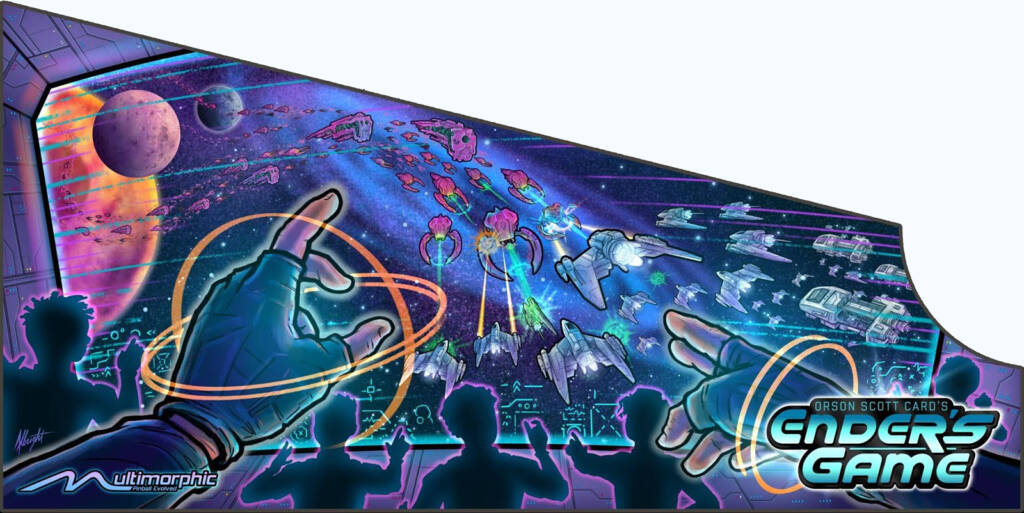
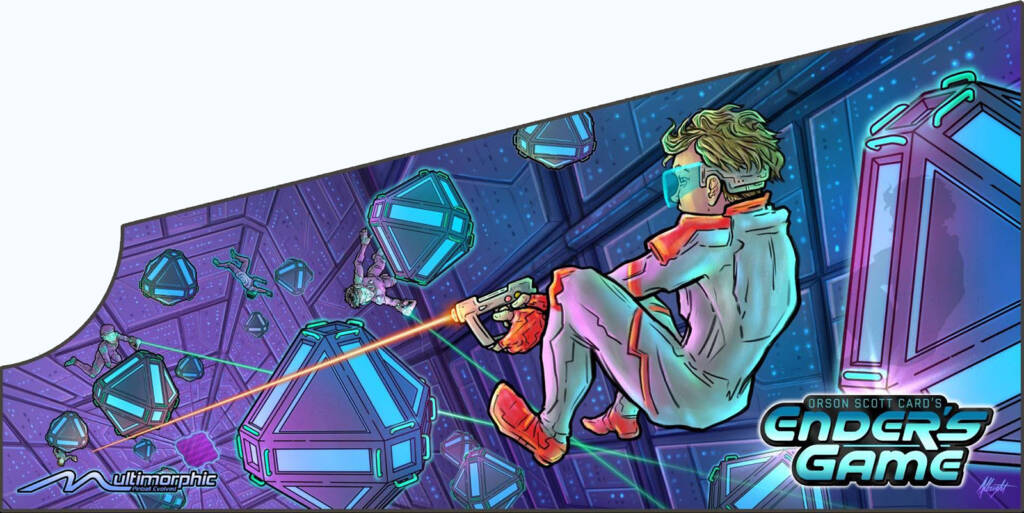
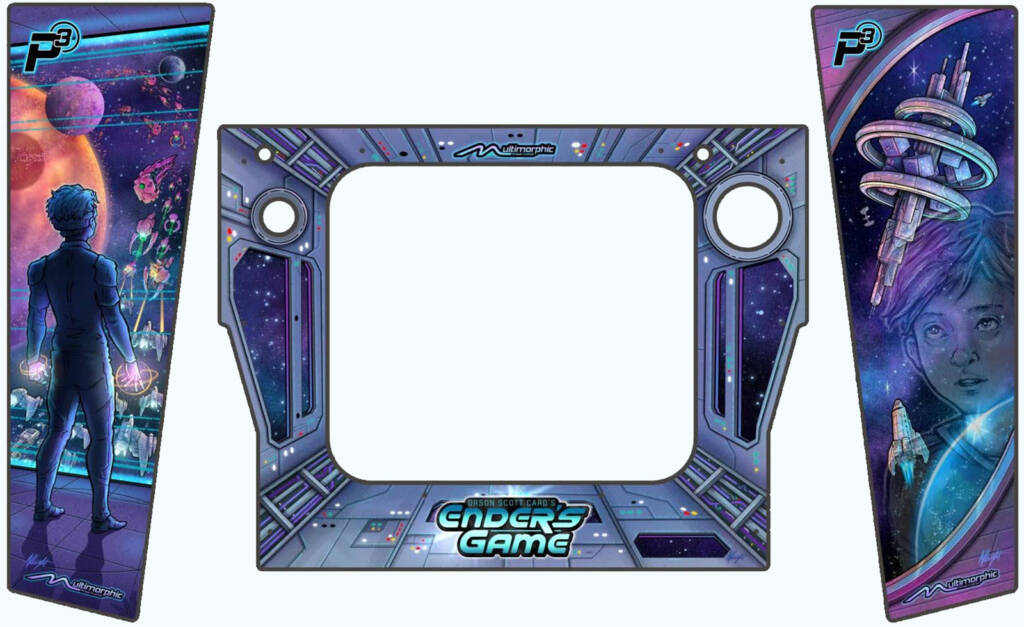
Artist Brad Albright, who previously contributed to the development of Multimorphic’s Portal machine and worked on the Winchester Mystery House title for Barrels of Fun, spearheaded the visual identity of Ender’s Game. His work, which includes the cabinet, backbox, and playfield art, avoids the reliance on physical sculpts found in Dungeon Crawler Carl, opting instead for a clean, high-tech aesthetic that focuses on the psychological landscape of the protagonist.
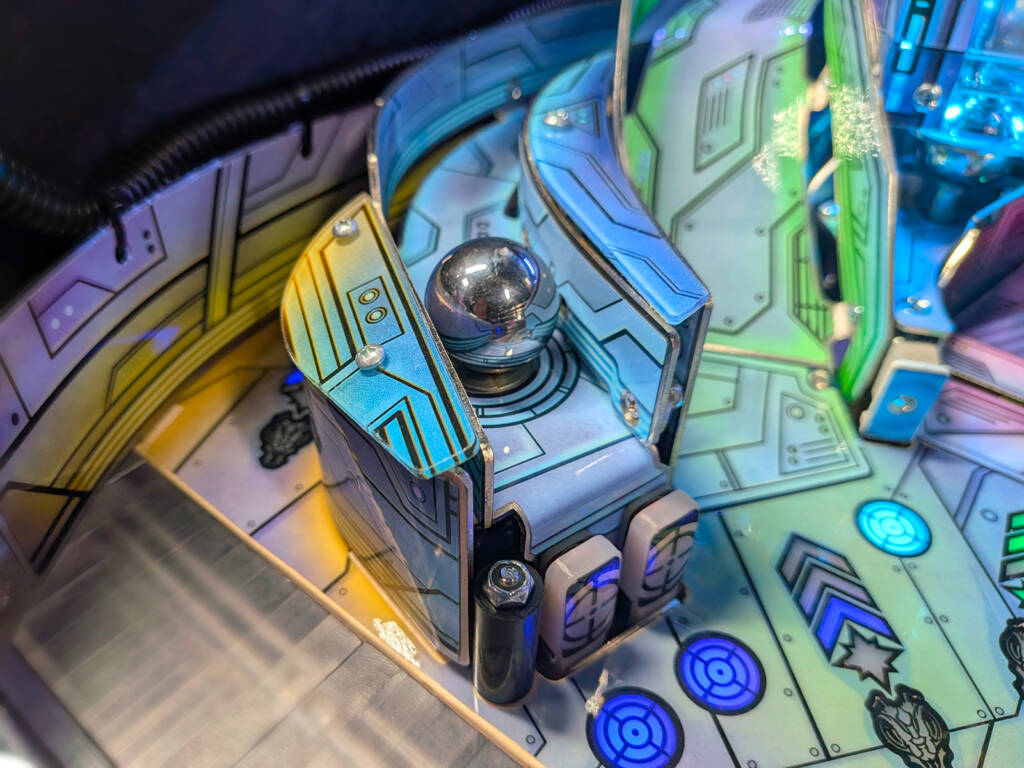
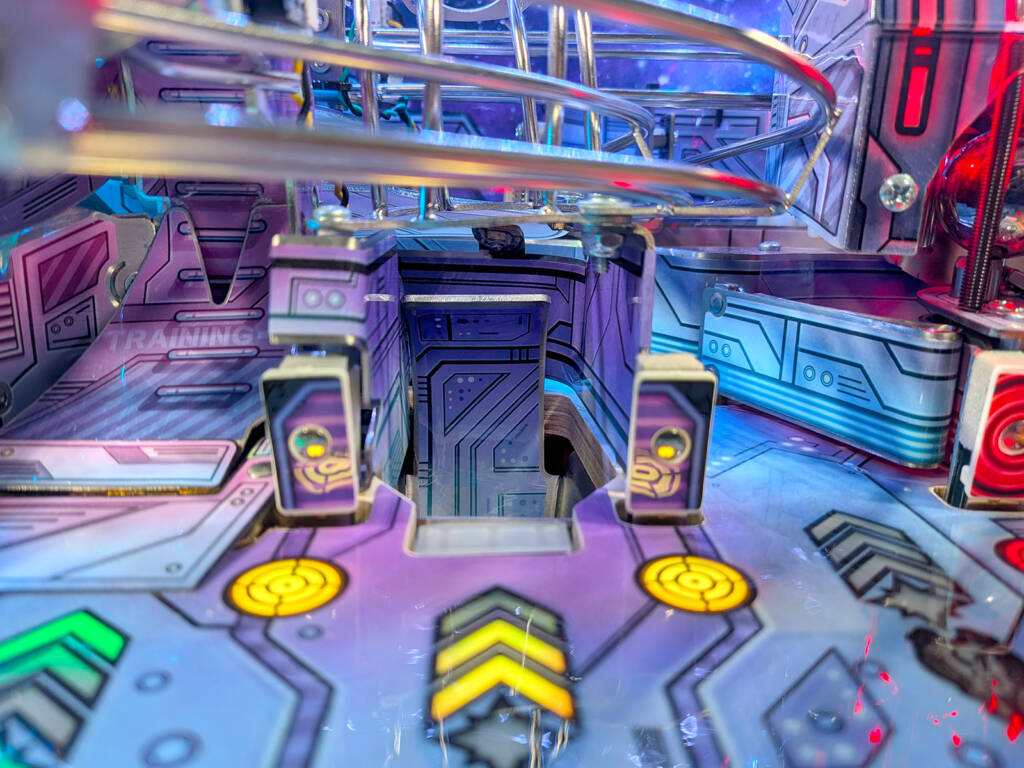
The game also introduces a new iteration of the P3’s slingshot assembly. By integrating small physical stoppers into the slingshot armatures, the developers have created a way to hold the ball in the inlanes during mode introductions or for tactical pauses, a feature that can be retrofitted to older P3 units. This, combined with the P3’s existing infrared sensor grid, allows for precise ball tracking without the need for additional switches, demonstrating Multimorphic’s commitment to backward compatibility.
Commercial Strategy and Production Timeline
Multimorphic has priced the full Ender’s Game P3 machine at $11,750, with a conversion kit available for existing P3 owners at $4,400. Production is scheduled to commence in late 2026. According to Gerry Stellenberg, head of Multimorphic, the company expects to fulfill orders for both the complete units and the kits in parallel.
The current lead time for P3 machines sits at approximately 10 to 12 weeks, though the company acknowledges that new title releases often precipitate a surge in demand, which may extend these timelines. This production model highlights the company’s niche but resilient position in the market; by focusing on modularity, they mitigate the risk associated with producing fixed-cabinet machines, allowing them to iterate faster than traditional manufacturers.
Industry Impact and Future Outlook
The decision to release two distinct games simultaneously is a calculated risk that reflects the evolving landscape of the boutique pinball industry. By leveraging a single hardware platform for two different creative directions, Multimorphic is testing the appetite of the collector community for more frequent software and playfield updates.
The inclusion of voices from various contributors, including younger voice actors to represent the child characters of the book, underscores the company’s focus on maintaining a family-friendly, yet intellectually stimulating, experience. The industry will be closely monitoring the reception of this dual-launch strategy. If successful, it could provide a roadmap for other manufacturers to maximize the utility of their proprietary hardware.
For those interested in a deeper analysis of the design process, Multimorphic representatives, including Gerry Stellenberg and lead designer Stephen Silver, are slated to appear on the upcoming episode of the Pinball News and Pinball Magazine PINcast. This segment will provide further insight into the collaborative efforts behind the creation of both Ender’s Game and Dungeon Crawler Carl, as well as the broader implications for the future of the P3 platform.
Technical Credits
The development of Ender’s Game involved a cross-functional team, with rules design led by Colin MacAlpine and software development overseen by Josh Kugler, Steve Shoyer, and Ian Harrower. Mechanical systems were engineered by TJ Weaver and Trey Jones, while the audio package was crafted by Glenn Waechter, Aaron Williams, and Paul Farrer. This collaborative model, which avoids rigid top-down management in favor of shared creative ownership, has become a hallmark of Multimorphic’s development culture. As the industry moves into the latter half of the decade, titles like Ender’s Game serve as a testament to the continued viability of high-concept, narrative-heavy pinball, proving that even as technology advances, the core tenets of tactical play and thematic immersion remain the driving forces behind the hobby.