 Hartono Sudibyo
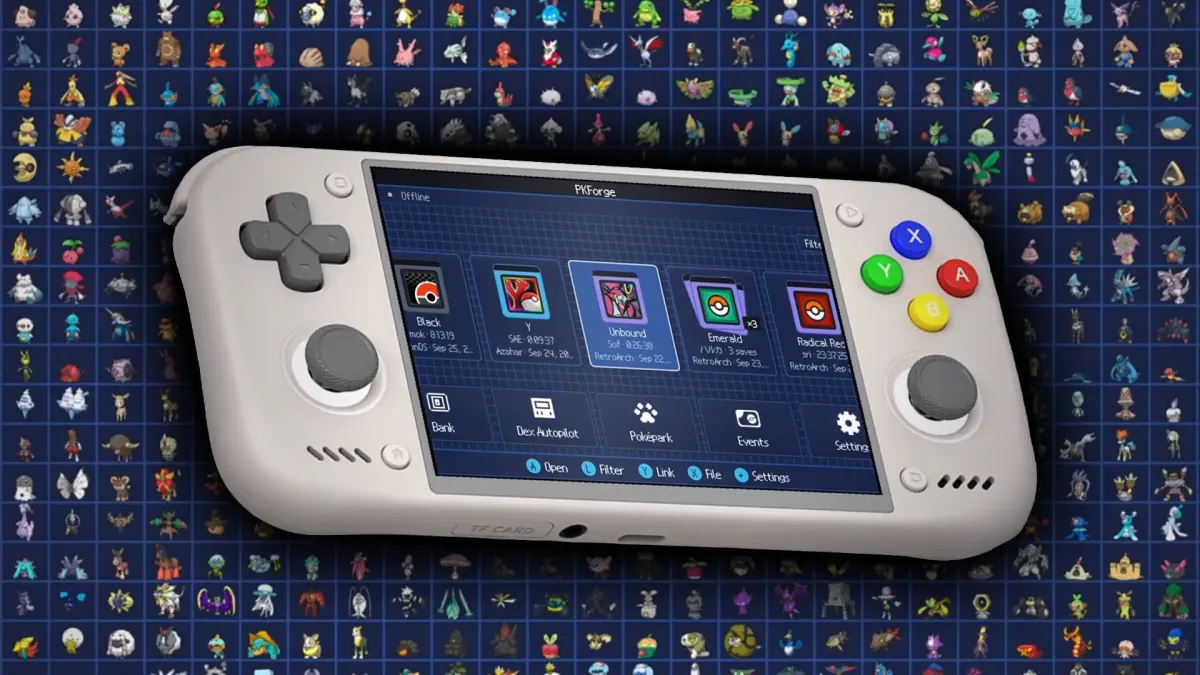
The landscape of retro gaming and fan-created content has experienced a significant technological advancement with the release of PKForge version 3.0. Designed specifically for Android-powered retro handheld devices such as the AYN Thor, this free, open-source application functions simultaneously as a comprehensive Pokémon save editor and a centralized cloud-like storage bank. In an ecosystem where enthusiasts often juggle dozens of distinct save files across various generations of official titles and complex fan-made ROM hacks, PKForge introduces a unified hub intended to streamline management and facilitate the long-standing goal of completing a comprehensive "living Pokédex."
As the popularity of portable Android gaming devices continues to surge, software utilities that bridge the gap between traditional emulation and modern convenience have become increasingly vital. PKForge addresses a long-standing logistical challenge for retro gamers: the isolation of save data. By automatically scanning an Android device for compatible save files, the application aggregates stored creatures into a single database, allowing users to transfer Pokémon fluidly between different games without the hardware limitations or official server dependencies that historically restricted older generations of the franchise.
Comprehensive Feature Set and Functionality
The rollout of the 3.0 update marks a massive overhaul of the platform, introducing a robust suite of tools that cater to both casual players and dedicated save-file editors. At its core, PKForge acts as an intelligent file aggregator. Once installed, it scans local directories to identify save data associated with a wide array of supported titles and emulators, compiling a master list of captured Pokémon.
Beyond simple storage and retrieval, the application incorporates advanced editing capabilities. Users can execute bulk modifications to manage large volumes of data efficiently, altering parameters such as nicknames, held items, move sets, levels, and evolutionary states. Furthermore, the platform includes tools to verify and adjust legality parameters—ensuring that modified or transferred entities conform to the internal logic of specific games so they are successfully recognized without triggering glitch states. To enhance the user experience further, the software integrates access to a database containing over 4,000 historical mystery gifts, enabling players to reclaim event-exclusive distributions that would otherwise be permanently inaccessible on discontinued hardware.
Compatibility Across Platforms and Emulators
A primary obstacle in the development of cross-game management tools has been the vast fragmentation of save formats across different hardware generations and emulator platforms. PKForge seeks to mitigate this fragmentation through extensive compatibility parameters. The application currently supports over 40 distinct official Pokémon titles, spanning multiple console generations from the Game Boy era up through later handheld iterations.

In addition to official releases, the software extends its functionality to include support for prominent ROM hacks and fan-made variations, which have seen a massive rise in creative output over recent years. To interface with these diverse files, PKForge is engineered to work seamlessly alongside 11 different Android emulation applications. This broad compatibility ensures that whether a user is playing a classic cartridge dump or a contemporary community-driven modification, the underlying save data can be read, edited, and synchronized within the central hub.
Background and Development Context
The release of PKForge arrives amid a broader renaissance in the retro handheld market and the Pokémon ROM hacking community. Over the past decade, community-driven development has shifted from basic text and map editing to sophisticated total conversions featuring custom regions, original narratives, and adjusted mechanical rulesets. Concurrently, specialized Android gaming hardware has evolved from experimental niche products into mainstream consumer electronics capable of emulating complex systems with high fidelity.
Historically, managing Pokémon across disparate generations required proprietary hardware, physical link cables, or official online infrastructure such as the Nintendo Network and the subsequent paid Pokémon Bank and Pokémon HOME services. With official servers for older generations phased out, retro enthusiasts have increasingly relied on homebrew solutions to preserve and transfer their digital collections. PKForge emerges directly from this open-source ethos, providing a decentralized, user-controlled alternative that operates entirely locally on the user’s hardware without reliance on corporate servers or ongoing subscription fees.
Technical Access, Security Considerations, and Community Response
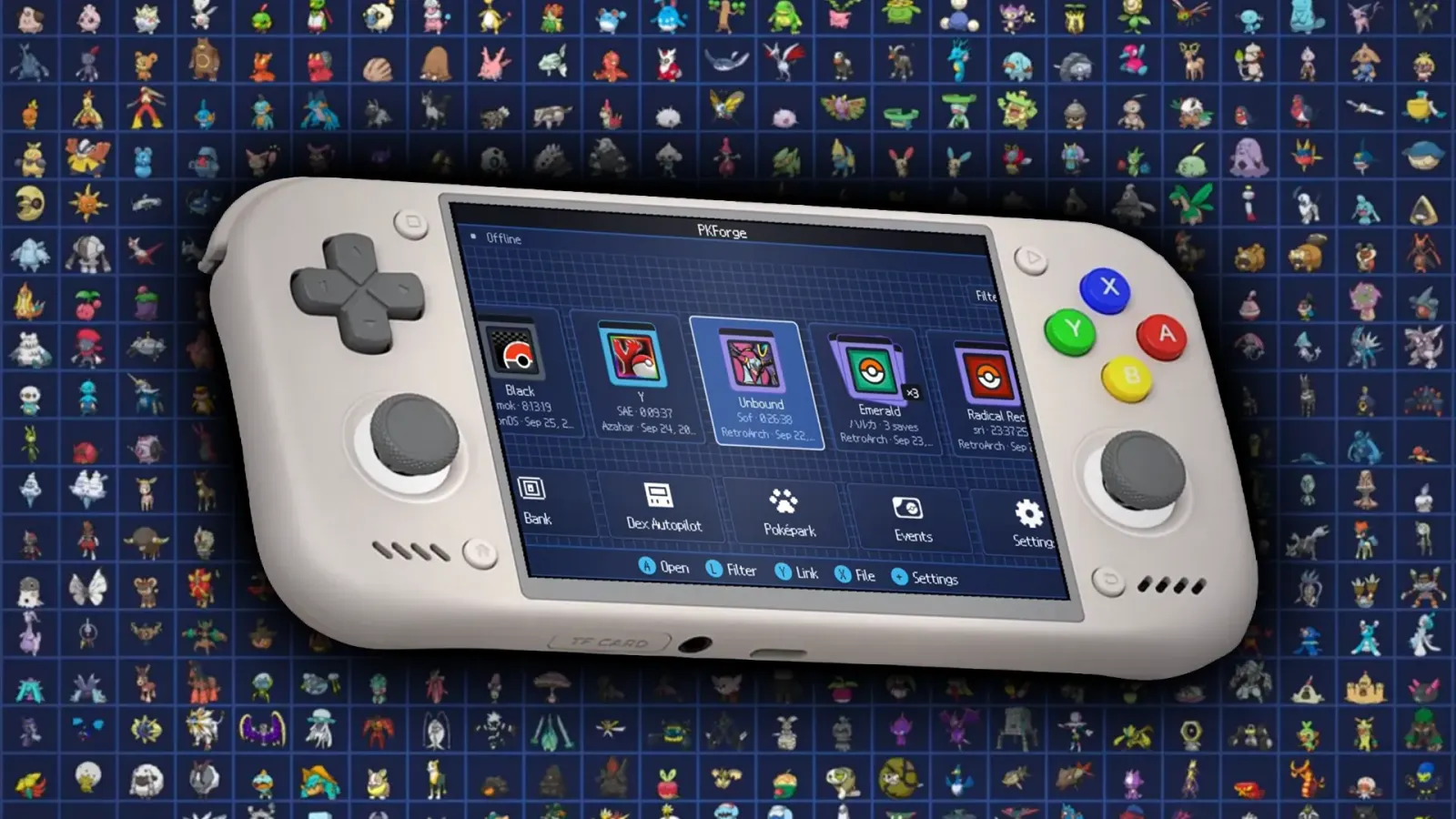
PKForge is distributed freely to the public via GitHub, allowing technical users to inspect the source code, verify its operational security, and contribute to its ongoing development. However, the reliance on third-party code repositories necessitates a standard degree of digital caution. Security analysts and community administrators consistently advise users to exercise due diligence when downloading and executing software applications from open-source repositories, ensuring that installation packages originate from verified developer profiles.
As with many modern utilities developed within the emulation space, questions surrounding the methodology and potential incorporation of automated or artificial intelligence tools in the coding process have been raised by community observers. Independent developers and open-source contributors are increasingly utilizing AI-assisted programming tools to accelerate software deployment and debugging. At the time of publication, formal clarification regarding the specific development pipeline of PKForge remains pending from the primary maintainers, though community updates are expected as the application’s user base expands.
Broader Industry Implications and Future Outlook
The introduction and rapid adoption of tools like PKForge highlight a fundamental shift in how retro gaming communities interact with legacy software. Rather than treating vintage titles as static, isolated experiences, modern enthusiasts increasingly approach retro libraries as interconnected ecosystems where data flows freely between official releases and fan modifications.

For the emulation community on Android, applications that bridge save file management with quality-of-life editing set a new benchmark for utility software. As Android handheld hardware continues to advance in processing power and display fidelity, the demand for sophisticated, localized management tools is projected to grow. PKForge demonstrates the feasibility of cross-generational data integration outside of official corporate frameworks, offering a glimpse into how digital collections can be sustained and curated independently by the communities that cherish them.