 Ganda Hendra Perkasa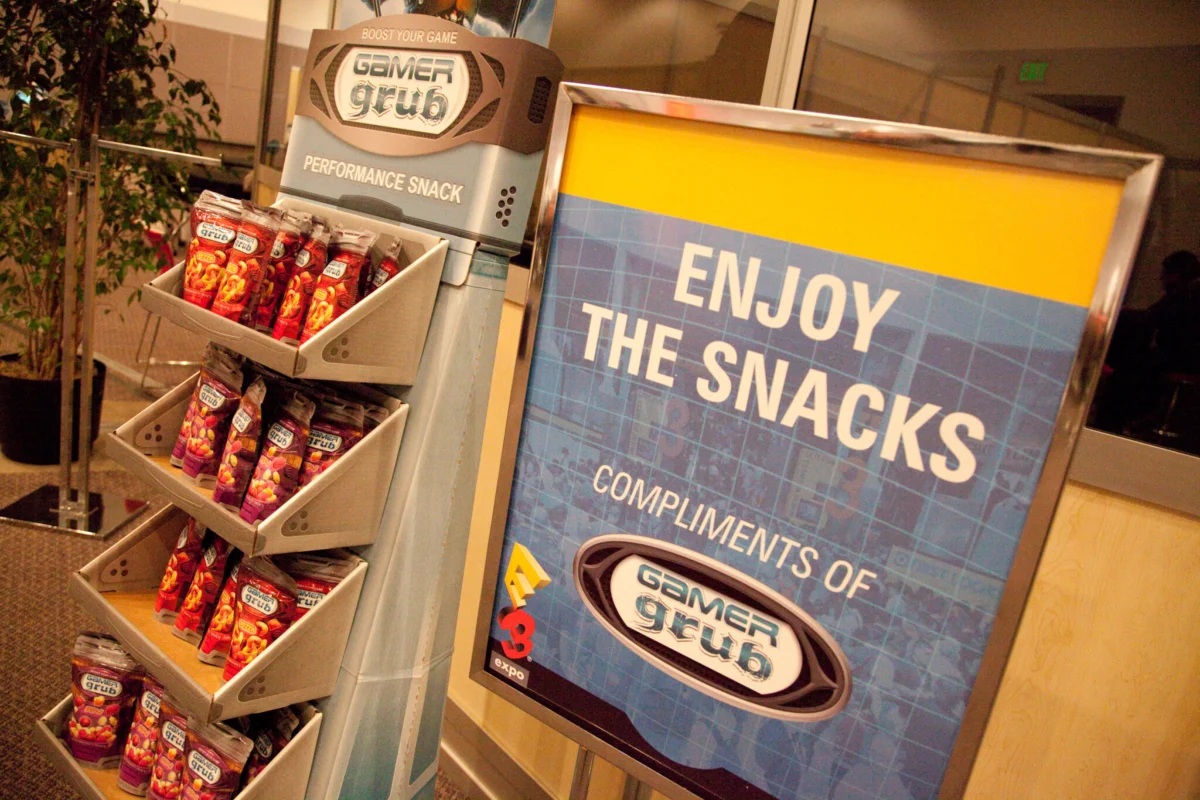
The Video Game History Foundation has recently spotlighted a remarkably comprehensive yet under-discussed archival acquisition: a collection of more than 1,600 promotional photographs documenting the Electronic Entertainment Expo (E3) in 2009. Sourced from a donated DVD-R provided by Carolyn Rauch, former senior vice president of the Entertainment Software Association (ESA), the cache provides a granular, behind-the-scenes look at a pivotal inflection point in the modern history of the interactive entertainment industry. Captured primarily by event photographer Asa Mathat and distributed across entities including the ESA and IDG Communications, the images transcend the standard, highly curated press releases of the era to document everything from bustling convention floors and quiet registration booths to private corporate lounges and ubiquitous promotional partnerships.
Background and Context of E3 2009
To understand the historical weight of the 2009 photo collection, one must examine the turbulent state of the video game industry and its premier trade show in the mid-2000s. Established in 1995 by the Interactive Digital Software Association (IDSA, later rebranded as the ESA), E3 rapidly grew into the undisputed epicenter of global gaming culture. For over a decade, the Los Angeles Convention Center played host to an annual spectacle defined by staggering corporate expenditures, deafening concert-level audio, towering booths, and overwhelming crowds of tens of thousands of media members, developers, and industry insiders.
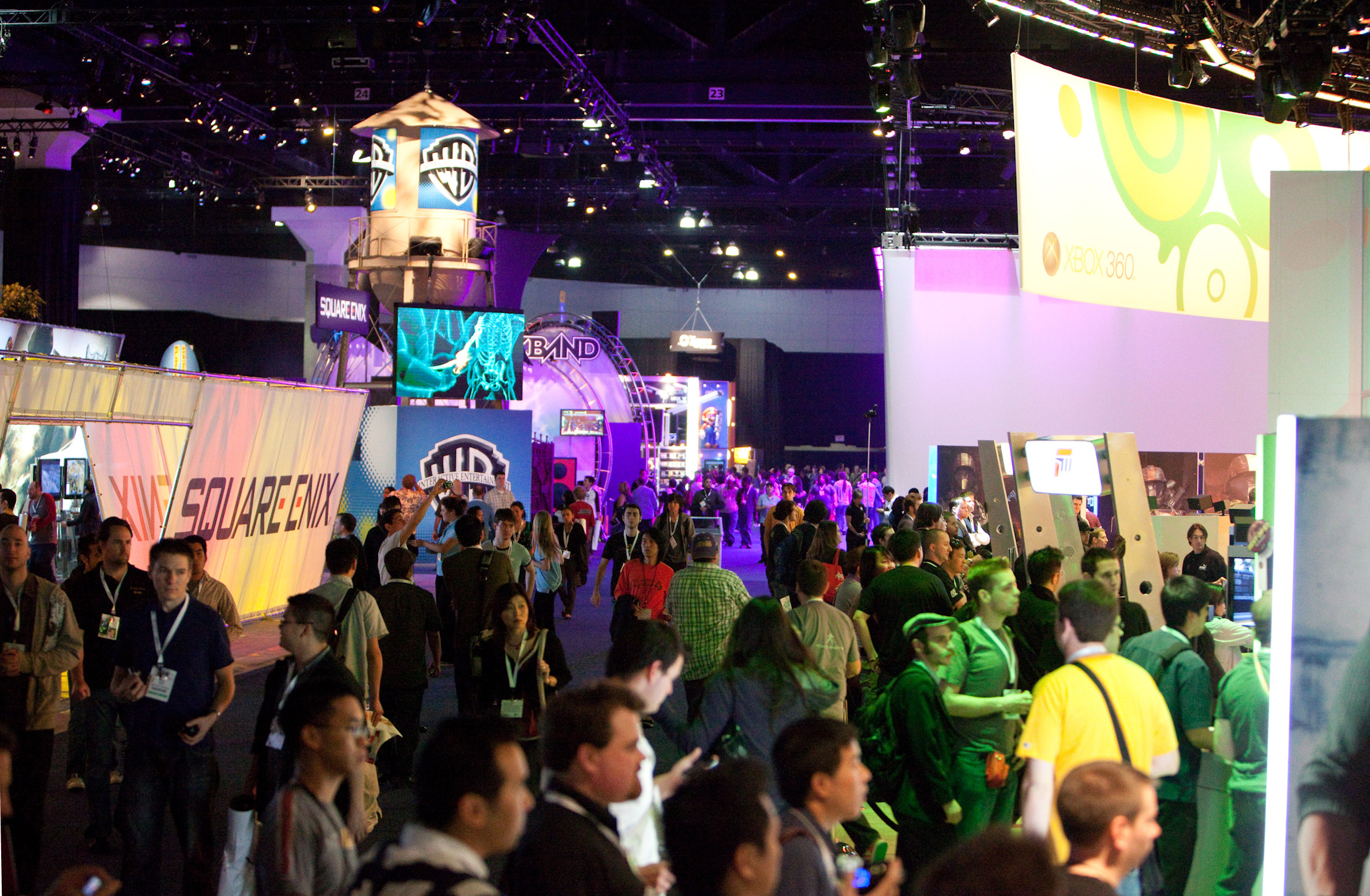
However, by 2006, the sheer logistical weight and financial burden of the convention began to alienate major publishers. Exhibitors complained that the hyper-stimulating environment made actual business negotiations and meaningful software demonstrations nearly impossible. Seeking a more intimate, cost-effective alternative, the ESA drastically scaled down the event for 2007 and 2008, recasting E3 as an invitation-only media summit dubbed the "E3 Business and Media Summit." These smaller gatherings—initially held at the Barker Hangar in Santa Monica before moving to a hotel setting in Los Angeles—effectively eliminated the public spectacle and drastically reduced attendance figures.
While the media summits succeeded in cutting operational costs, they stripped E3 of its cultural magnitude and consumer excitement. Recognizing that the industry needed a unified flagship showcase, organizers engineered a compromise for 2009. E3 returned to the expansive halls of the Los Angeles Convention Center as a full-scale trade convention, yet it was deliberately structured to be more restrained, disciplined, and business-focused than its pre-2006 predecessors.
Chronology and Evolution of the Reborn Expo
The structural shifts implemented for E3 2009 are vividly chronicled across Rauch’s donated photographic archive. Running from June 2 to June 4, 2009, the convention marked a psychological and operational reset for major stakeholders navigating the height of the seventh console generation—dominated by the Xbox 360, PlayStation 3, and Nintendo Wii.
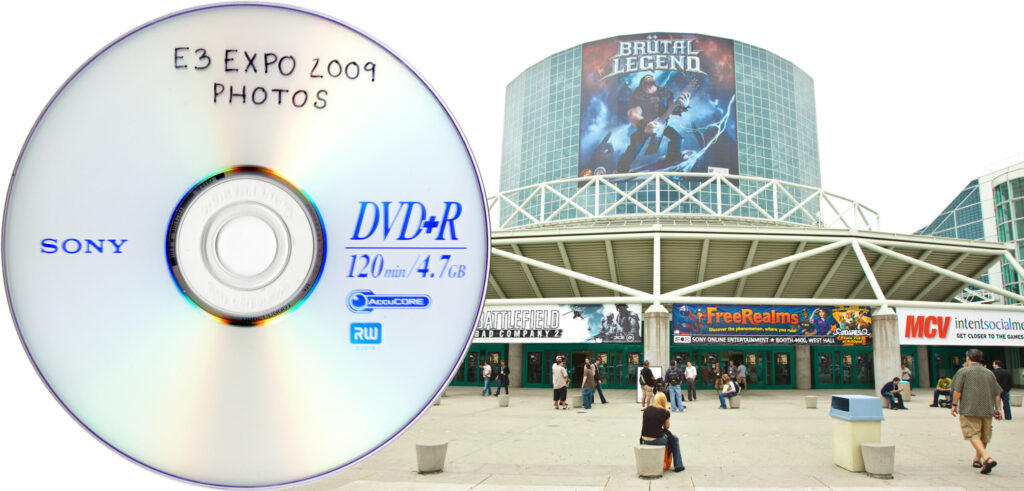
Chronologically, the visual record begins well before the general public or media entered the convention halls, capturing the meticulous labor of booth construction, registration desk setup, and early morning press briefings. Unlike the chaotic show floors of the early 2000s, the images reveal an exhibition space marked by cleaner architectural lines, more uniform booth sizing, and targeted promotional zones. Major publishers such as Microsoft, Sony, and Nintendo retained dominant footprints, but their structural designs favored accessibility, designated play-testing pods, and private meeting quarters over bombastic theme-park attractions.
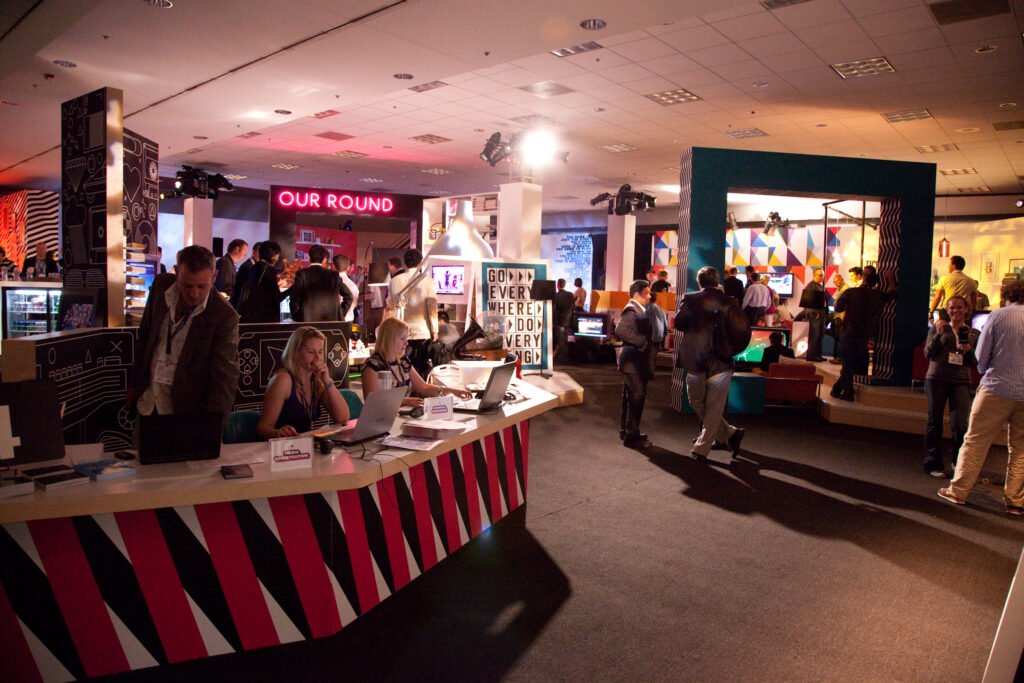
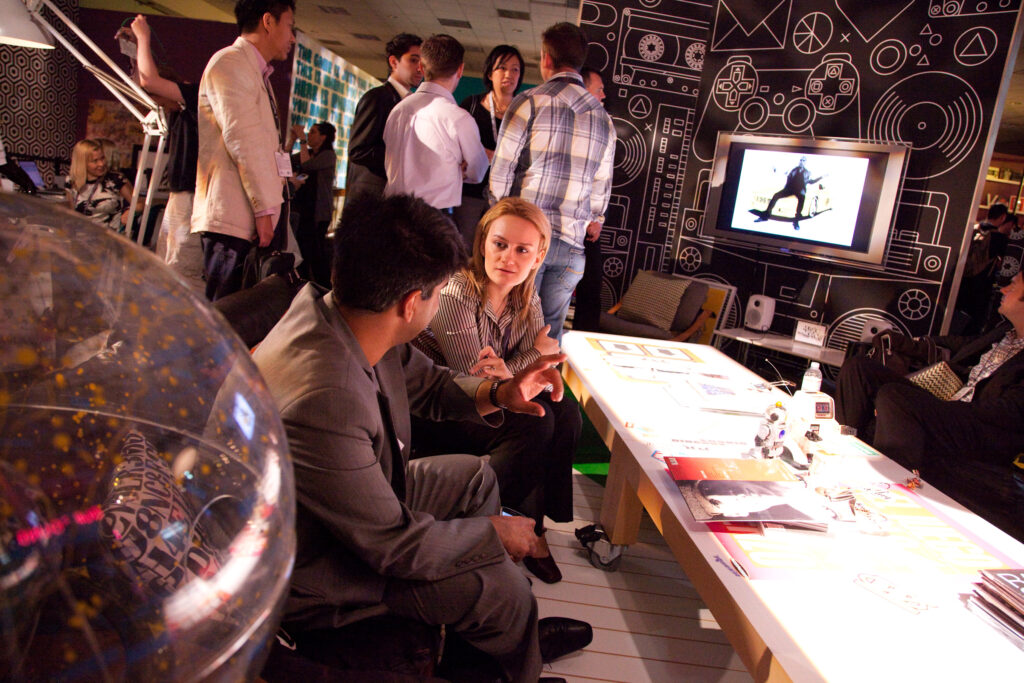
Furthermore, the archive highlights the growing importance of VIP hospitality and segregated media spaces. Numerous frames depict closed-door executive suites and designer-furnished breakout lounges—such as a dedicated Sony Computer Entertainment Europe hospitality room—where high-profile partners and press members could conduct interviews and play unreleased software away from the general exhibition commotion.
Supporting Data and Corporate Partnerships
The 2009 exhibition also serves as a fascinating economic time capsule for non-endemic brand integration within gaming culture. Among the most prominent recurring visual motifs throughout the photo gallery is the heavy presence of "Gamer Grub," a short-lived, gamer-oriented performance snack mix that heavily subsidized and branded various points of the convention. Baskets overflowing with pizza-flavored and peanut-butter-flavored snack pouches, paired with custom E3-branded signage, illustrate how startup snack brands attempted to capture the burgeoning demographic of competitive and casual console players during the late 2000s economic recovery.
Quantitatively, the collection comprises 1,642 distinct high-resolution image files stored on an archival DVD-R. The comprehensive nature of the cataloging suggests a deliberate effort by the ESA leadership to document every operational facet of the convention’s resurrection. Statisticians and industry analysts examining the era note that E3 2009 attracted approximately 41,000 attendees—a substantial rebound from the tightly restricted media summits of the previous two years, yet a carefully controlled figure designed to prevent overcrowding and manage venue expenditure.
Official Insights and Retrospective Analysis
Reflecting on the operational philosophy behind the 2009 convention during appearances on industry history programs, key organizers have emphasized the delicate balance required to resurrect the brand. Carolyn Rauch, alongside IDSA co-founder Doug Lowenstein, has characterized E3 2009 as a pragmatic survival strategy. The overarching objective was to reclaim the global media spotlight that competitors like the Tokyo Game Show and Gamescom were beginning to challenge, while simultaneously reassuring corporate chief financial officers that the event would not descend into unsustainable fiscal excess.
The unearthing and public hosting of these archival photographs by the Video Game History Foundation provide researchers with crucial primary-source material. Historically, public perception of trade shows like E3 has been dictated by polished promotional trailers, press conference live streams, and stylized media reviews. By contrast, candid photographic documentation of registration queues, exhausted support staff, break rooms, and corporate lounges offers an unvarnished sociological portrait of the labor, capital, and logistics required to stage a multi-million-dollar global entertainment convention.
Broader Impact and Implications for Digital Preservation
As physical trade shows face a declining trajectory in the modern digital landscape—highlighted by the eventual permanent cancellation of E3 itself in recent years—the preservation of physical and digital ephemera from trade events assumes heightened academic importance. Collections such as the Carolyn Rauch event ephemera archive bridge the gap between corporate history and cultural anthropology, ensuring that future generations of historians can analyze not only the software products that shaped an era, but the physical and social ecosystems that brought those products to the world stage.
The complete E3 2009 photo gallery is currently accessible to researchers, journalists, and enthusiasts via the digital archives of the Video Game History Foundation, providing an enduring window into a defining moment of transition for the interactive entertainment industry.