 Hartono Sudibyo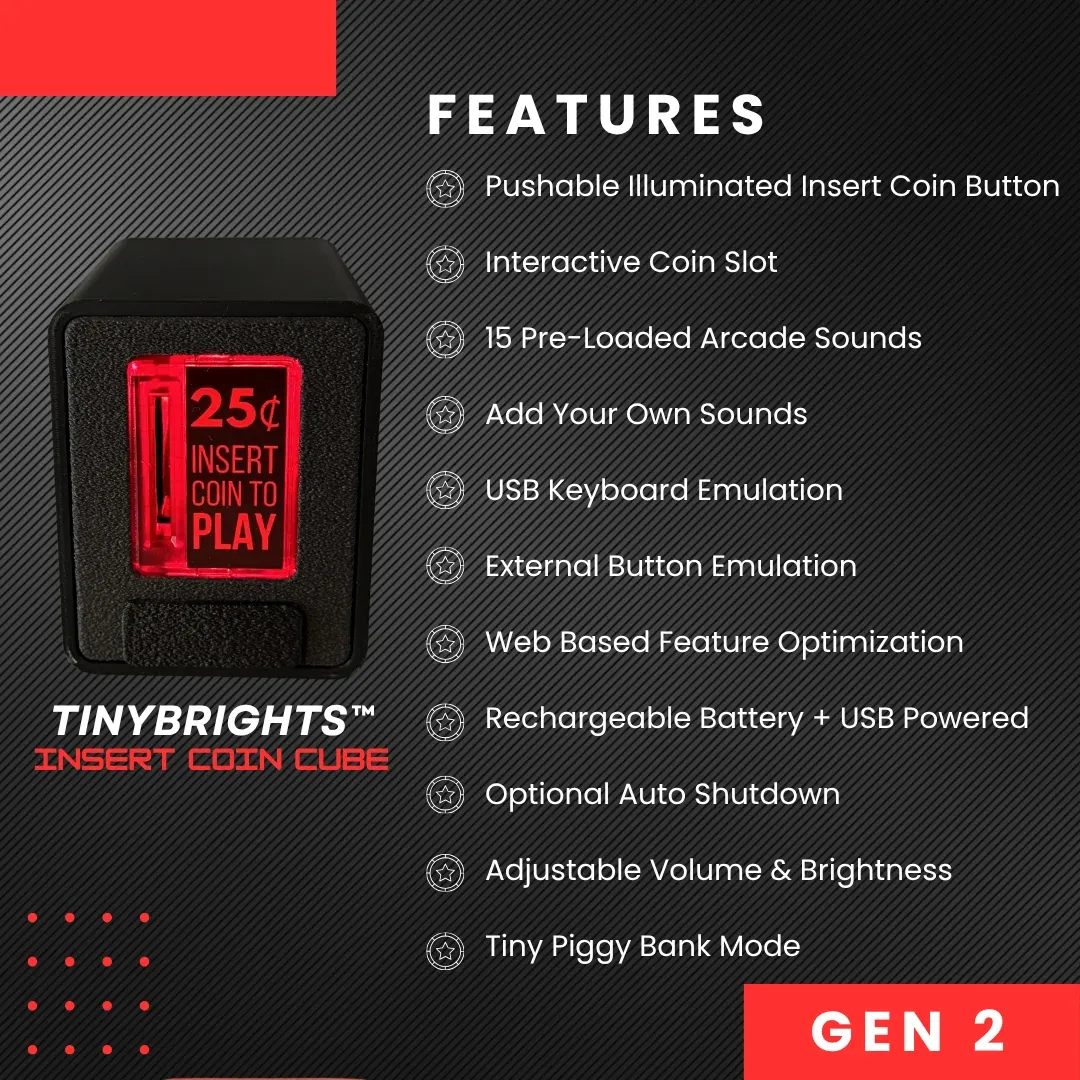
The intersection of physical nostalgia and digital emulation has taken a significant step forward with the introduction of the Insert Coin Cube by Chronic Concepts. As retro gaming hardware continues to evolve through advanced handhelds, dual-screen setups, and custom-built home arcade cabinets, the desire for authentic physical interactions has never been stronger. Chronic Concepts has addressed this niche by developing a specialized USB-compatible peripheral that bridges the gap between modern software emulators and the tactile ritual of dropping a quarter into an arcade cabinet to secure a credit. Retailing at $29.99, this second-generation device represents a growing market segment dedicated to preserving the ritualistic elements of 1980s and 1990s arcade culture within contemporary digital gaming environments.
The Evolution of Arcade Emulation and Physical Interfaces
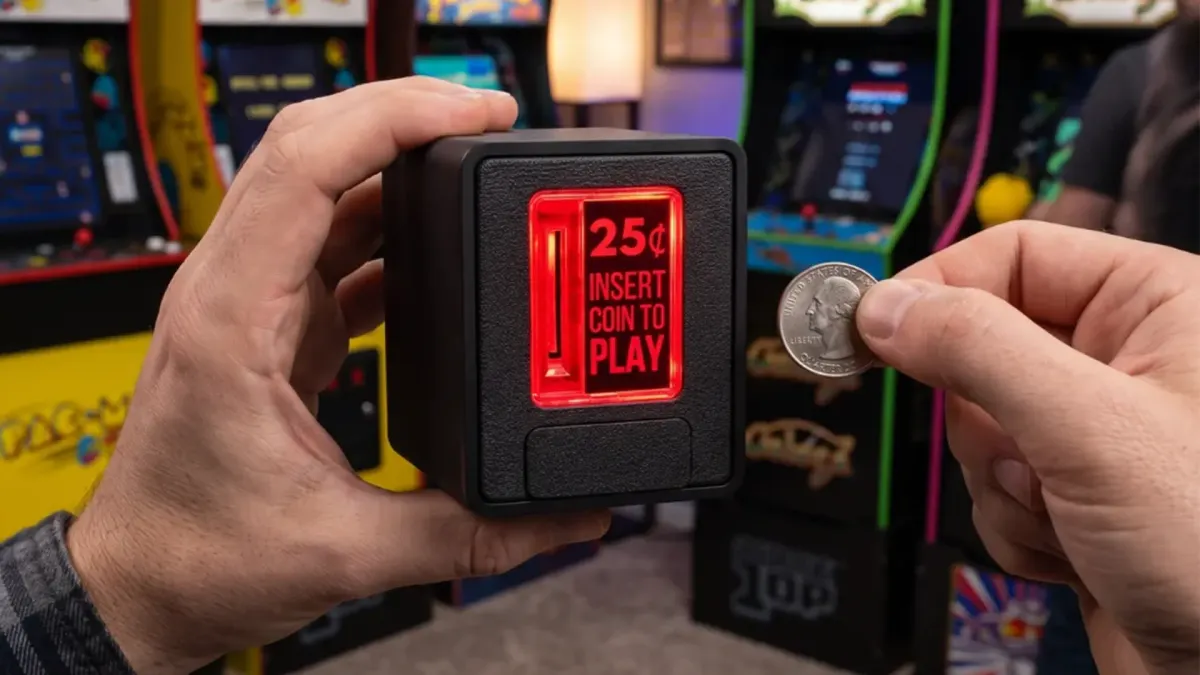
For decades, arcade emulation has relied primarily on standard computer keyboards, modern gamepads, and dedicated arcade sticks equipped with microswitch joysticks and buttons. While these input devices successfully replicate the directional controls and action buttons of classic titles like Pac-Man, Street Fighter II, and Metal Slug, they inherently lack the physical ceremony that defined the arcades of the twentieth century. The act of sliding a heavy metal token or a United States quarter down a coin slot, feeling the mechanical clunk of the internal mechanism, and hearing the characteristic electronic chime or mechanical drop has long been absent from home setups unless enthusiasts invested in expensive, full-sized cabinet restorations.
The Insert Coin Cube seeks to democratize this specific sensory experience. Functioning as a USB-HID keyboard device, the compact peripheral is designed to integrate seamlessly with a wide array of operating systems and emulation frontends, including Windows, macOS, Linux, RetroPie, and MAME. By mapping the internal coin insertion mechanism to a single keyboard stroke or controller input, users can replicate the classic "Insert Coin to Start" prompt authentically. This development highlights a broader trend within the retro gaming community: a shift away from purely digital convenience toward hybrid physical-digital experiences that prioritize immersion, sentimentality, and sensory feedback.
Hardware Design, Engineering, and Customization Features

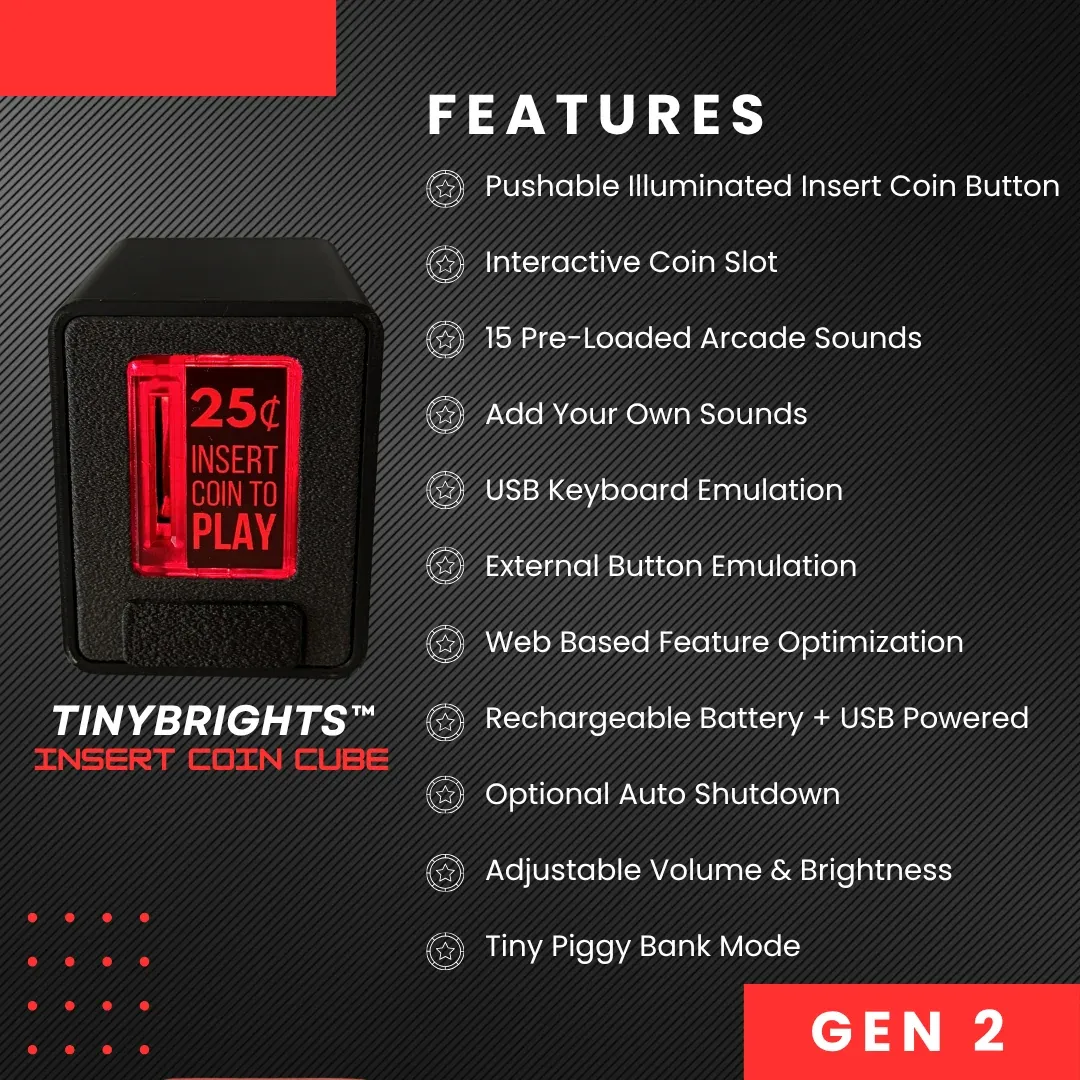
The second iteration of the Insert Coin Cube introduces notable hardware improvements over its predecessor, including a more robust injection-molded plastic shell, refined internal electronics, and an expanded color palette to suit various desktop aesthetics. The unit is engineered to house up to five physical quarters or standard tokens simultaneously, featuring a transparent, pushable door mechanism that illuminates during operation.
Beyond its physical construction, the device incorporates modern configurability through a built-in internal speaker capable of cycling through up to 15 distinct audio cues whenever a coin is processed. For users seeking a personalized touch, Chronic Concepts has developed a dedicated offline web application that allows gamers to upload custom sound effects. This web-based configuration tool operates locally via a standard USB connection to any PC, Mac, or Linux machine. Crucially, the application functions as a static web page rather than a cloud-dependent service, ensuring long-term usability and independence from external servers or internet connectivity.
Power management has also been addressed in the second-generation model. The cube features an intelligent auto-shutdown function designed to preserve battery life when idle, automatically reactivating the moment a new coin is inserted into the slot. This combination of physical durability, offline software support, and low power consumption positions the accessory as a practical addition to both casual emulation setups and dedicated home arcade environments.
Integration with Modern Emulation Software and Compatibility
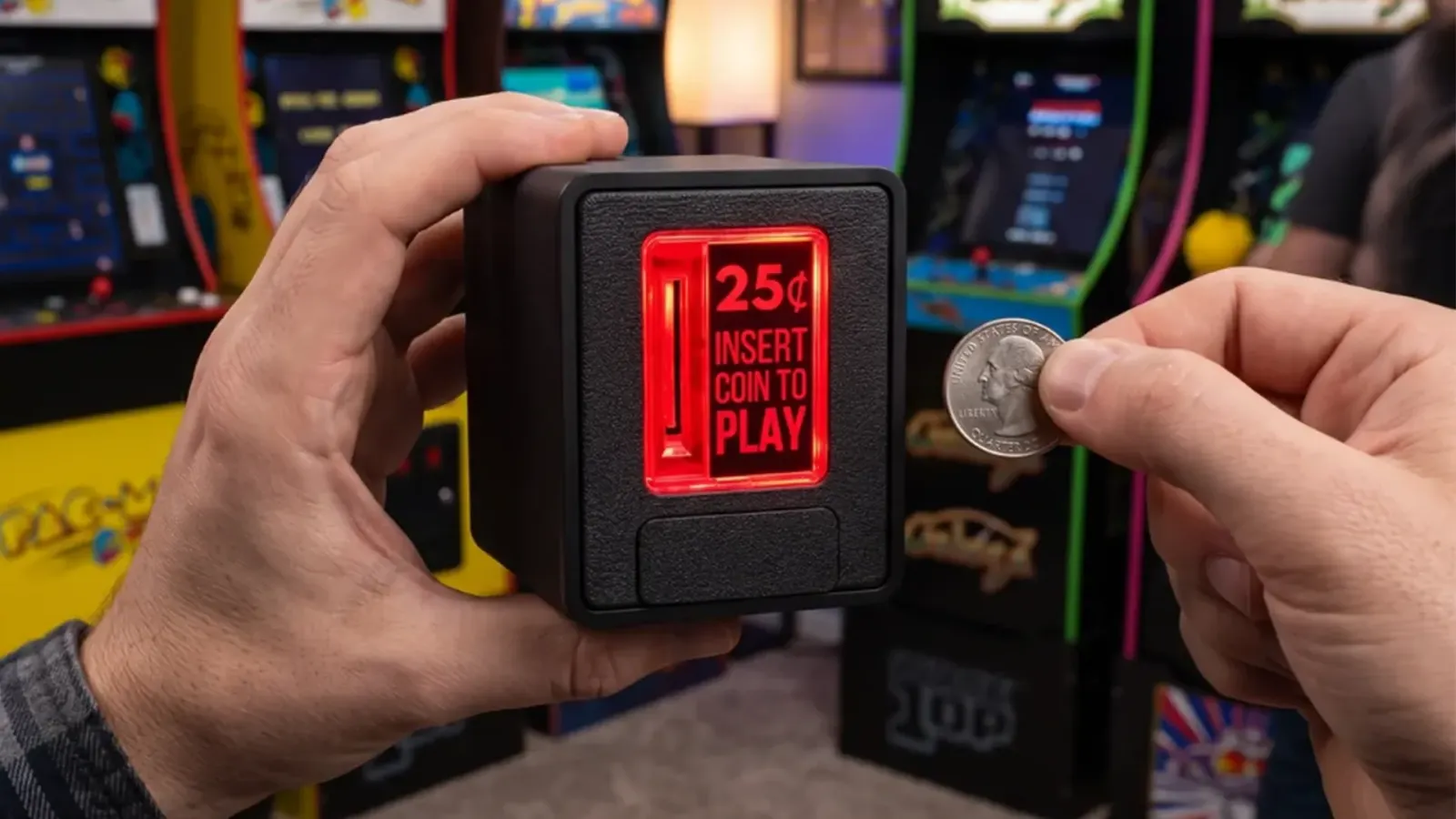
Setting up the Insert Coin Cube has been designed for broad accessibility, requiring minimal technical proficiency. Because the device is recognized by host computers and emulation hardware as a standard USB keyboard, configuration within popular frontends such as MAME or RetroPie is straightforward. Users simply assign the coin-drop action to the standard arcade credit command within their emulator of choice, transforming the physical act of inserting money into a functional game command.
This plug-and-play compatibility extends across a diverse range of hardware platforms. Whether connected to a high-end desktop gaming rig running complex arcade emulation suites, a dedicated media center PC in a living room, or a compact Raspberry Pi-powered home arcade cabinet, the cube functions reliably without requiring proprietary drivers or complex background software. This universal approach has garnered attention from retro gaming enthusiasts and technology reviewers alike, who view the accessory as a creative and cost-effective solution for enhancing immersion without the spatial and financial commitments of a full-scale arcade cabinet build.
Industry Implications and the Market for Retro Gaming Peripherals
The commercial release of the Insert Coin Cube reflects a thriving subsector within the broader video game industry: nostalgic hardware modifications and bespoke peripherals. As official publishers increasingly rely on digital distribution and subscription services for retro content, independent hardware manufacturers have found commercial viability in catering to hobbyists who value tangible interaction.
Market analysts note that the demand for authentic retro accessories has surged alongside the popularity of open-source handheld consoles and DIY arcade kits. Products that successfully merge modern utility with historical reverence—such as USB rotary dials, replica flight yokes, and now, physical coin insertion units—tap into a powerful psychological attachment to the past. By offering a tactile connection to arcade history for under thirty dollars, Chronic Concepts has established a blueprint for how independent developers can innovate within a mature, nostalgia-driven market. As shipments for the Gen 2 Coin Cube commence globally, the reception from the emulation community will likely serve as a barometer for future crossover products that blend physical artifacts with digital entertainment.