Hartono Sudibyo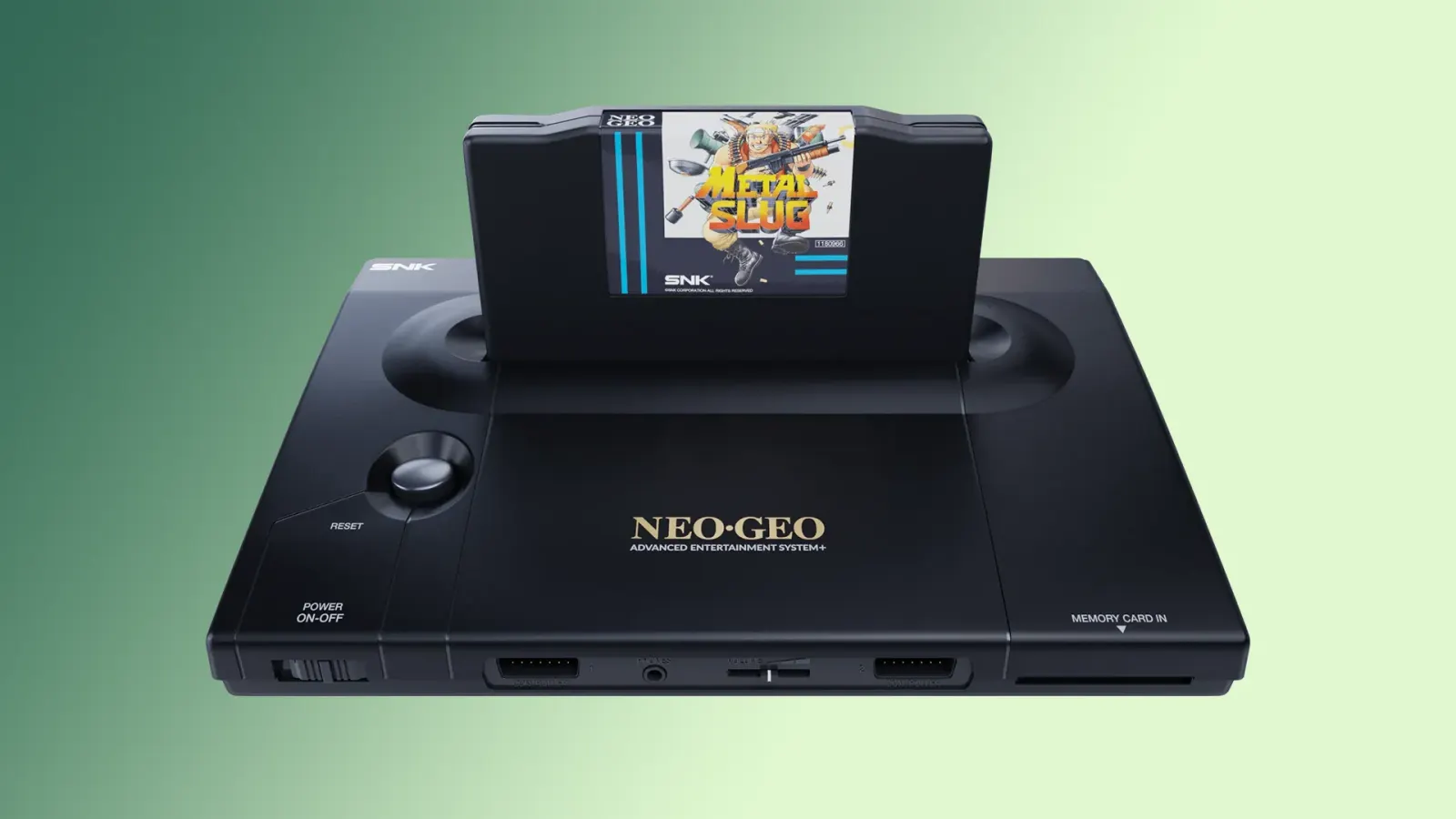
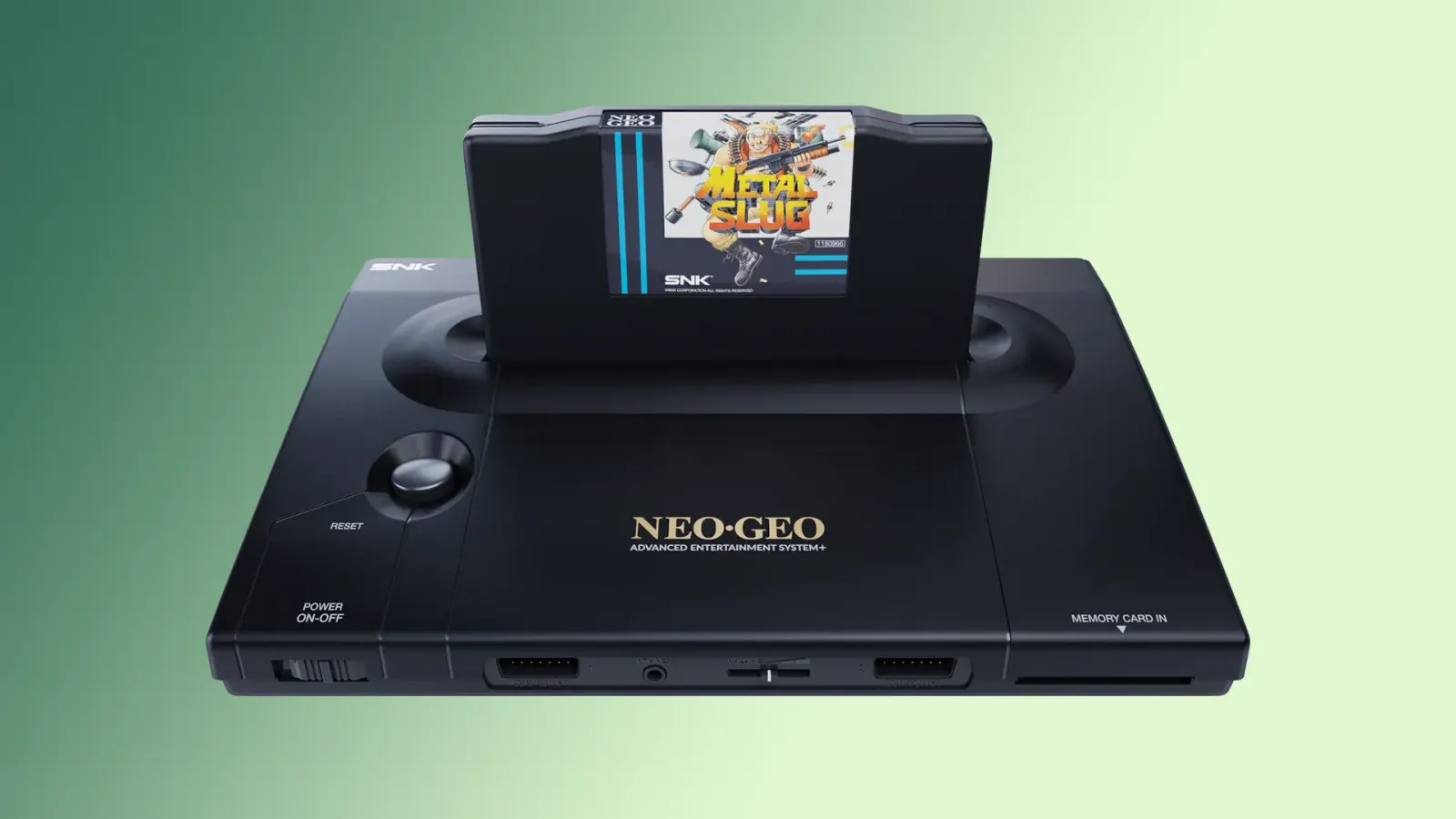
The global semiconductor supply chain continues to experience profound disruptions, bleeding far beyond the automotive and artificial intelligence sectors and directly into the specialized hardware markets of the retro gaming industry. Recent disclosures regarding the heavily anticipated NEOGEO AES+ console have illuminated the operational hurdles hardware manufacturers face when unexpected consumer demand collides with an AI-driven component shortage. Originally scheduled for an earlier release, the NEOGEO AES+ encountered a significant one-year delay that initially sparked frustration and confusion among early adopters. The situation was further compounded by a communication breakdown, wherein news of the setback trickled out unofficially via international customer service inquiries months before corporate confirmation was issued.
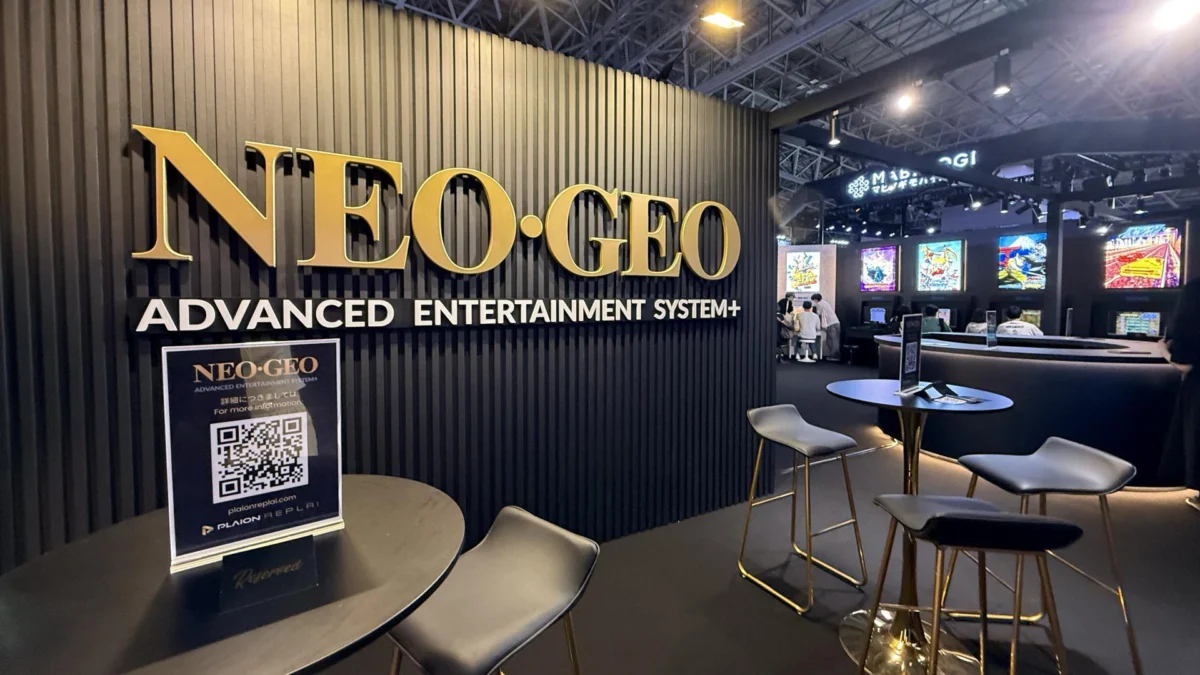
Industry insights gathered at the Tokyo Game Show have since brought clarity to the crisis. Ben Jones, Director of Hardware and Software at Plaion—the publishing and distribution partner handling the revived NEOGEO hardware line—detailed the harrowing logistical ordeal in an interview with Video Games Chronicle. According to Jones, the overwhelming volume of pre-orders that flooded in immediately following the initial announcement of the AES+ created an unanticipated bottleneck in the manufacturing pipeline. When corporate partners in the Far East were approached to secure the necessary silicon for assembly, Plaion encountered an unprecedented obstacle: component suppliers outright refused their purchase orders.
The root cause of this rejection ties directly into the booming global artificial intelligence infrastructure market. Massive capital expenditures by tech conglomerates building out hyperscale data centers have prioritized high-performance computing chips, memory modules, and specialized semiconductors, effectively squeezing legacy and niche hardware manufacturers out of foundry allocations. For an enterprise that has operated within the consumer electronics and retro hardware space for nearly two decades, being turned away from component procurement due to the overwhelming gravitational pull of the AI market marked a first-of-its-kind crisis.
Chronology of the Development and Delay Crisis
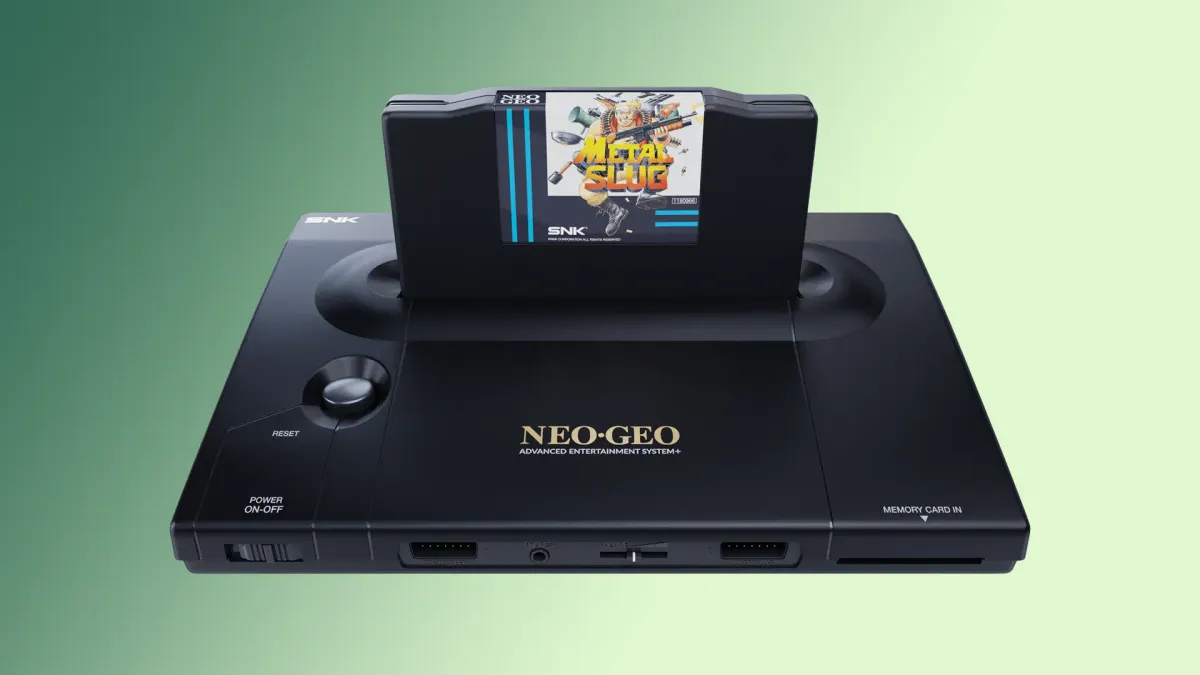
The trajectory of the NEOGEO AES+ project spans multiple years of careful engineering, market research, and design refinement aimed at honoring the legacy of SNK’s iconic late-1980s and 1990s arcade and home entertainment ecosystem. The system was conceived not merely as a simple plug-and-play emulator, but as a premium hardware solution tailored for purists and collectors willing to invest heavily in authentic retro experiences.
Following the public unveiling of the AES+, pre-order metrics exceeded internal corporate forecasts. Buoyed by this enthusiastic market response, the procurement phase was swiftly initiated to secure the component inventory required for mass production. However, shortly after placing the initial manufacturing requirements with overseas partners, Plaion’s procurement teams hit a brick wall. Suppliers reported that foundry capacity was severely restricted, driven by heavy contract commitments to the artificial intelligence sector.
The subsequent silence from corporate channels caused growing anxiety within the retro gaming community. Rumors began circulating when Japanese consumers inquiring about their order statuses were privately informed of a prospective delivery postponement. It took months of internal reassessment and logistical restructuring before an official announcement confirmed that the delivery window would be pushed back by an entire year. During this blackout period, the project hovered dangerously close to cancellation as engineers scrambled to find viable engineering workarounds to salvage the hardware architecture.
Engineering Workarounds and Supply Chain Adaptations
Faced with a complete procurement stalemate regarding the specific memory chips originally specified for the AES+ architecture, hardware engineers were forced into a high-stakes redesign process. The original design relied heavily on parallel flash memory components, which have become increasingly scarce and expensive as semiconductor fabrication plants pivot toward advanced memory configurations dictated by modern computing demands.

To bypass the bottleneck, Plaion’s engineering division tasked itself with identifying an alternative component class that could deliver identical performance without relying on scarce parallel architecture. The solution lay in the adoption of Serial NOR flash memory. While Serial NOR flash is far more readily available and manageable within current supply chain parameters, integrating it into a system architected around parallel flash required complex engineering modifications. Because the native NEOGEO system structure utilizes parallel flash, engineers had to design and implement a custom hardware conversion bridge to allow the system to process data seamlessly from the more accessible serial format.
This technical pivot required extensive international travel and hands-on coordination. Jones detailed expeditions to manufacturing hubs in Taiwan, where engineering teams engaged directly with fabricators, component suppliers, and assembly plants to exhaust every possible logistical avenue. Had this technical workaround failed to materialize, the entire initiative would have likely collapsed under the weight of component unavailability. Instead, the rigorous troubleshooting process secured a viable pathway to production, preserving the core mission of bringing the upgraded console to market.
Broader Implications for the Retro Gaming Industry
The supply chain tribulations encountered by the NEOGEO AES+ are indicative of a broader systemic vulnerability affecting the wider retro gaming hardware ecosystem. Across the industry, boutique manufacturers and independent developers specializing in retro handhelds, reproduction cartridges, and FPGA-based consoles have reported persistent difficulties in sourcing stable supplies of memory components, power management integrated circuits, and quality display panels.
Ironically, many of these manufacturing entities operate within or maintain direct supply lines to the very regions where components are physically fabricated, yet they still find themselves outbid or deprioritized against high-margin tech sectors. The explosive growth of generative artificial intelligence and high-performance cloud computing has permanently altered the economics of semiconductor manufacturing. Foundries allocate wafer starts based on profitability and volume, leaving mature nodes and specialized legacy components vulnerable to sudden allocation cuts.
For consumers, these structural shifts mean that hardware pre-order timelines are increasingly fragile. Projects that rely on crowdfunding or early capital accumulation to trigger production runs face heightened exposure to macroeconomic volatility. The NEOGEO AES+ situation demonstrates that even established corporate entities backed by major international distributors are not immune to the cascading effects of global supply chain competition.
Outlook and Future Market Expectations
Despite the severe setbacks and the subsequent one-year delay, the outlook for the NEOGEO AES+ remains cautiously optimistic. By securing a reliable manufacturing partner, finalizing the Serial NOR flash conversion engineering, and locking in revised production schedules, the project has successfully navigated its most perilous operational hurdle.
The depth of consumer demand demonstrated during the initial pre-order window validated the commercial viability of the product, providing the financial and psychological momentum necessary for the project leadership to push through the crisis. A one-year delay introduces long-term market risks, as consumer sentiment and macroeconomic conditions remain fluid; however, the transparent acknowledgment of the supply chain challenges has helped realign stakeholder expectations.
As the industry looks toward the revised delivery window, the NEOGEO AES+ serves as a case study in modern hardware development—highlighting the complex interplay between nostalgic consumer products and the cutting-edge industrial forces dominating global semiconductor manufacturing. The ability of hardware architects to adapt their designs under duress will likely become a required competency for any enterprise attempting to resurrect classic gaming technology in an era defined by high-tech component scarcity.