Cecilia Chamidah Nur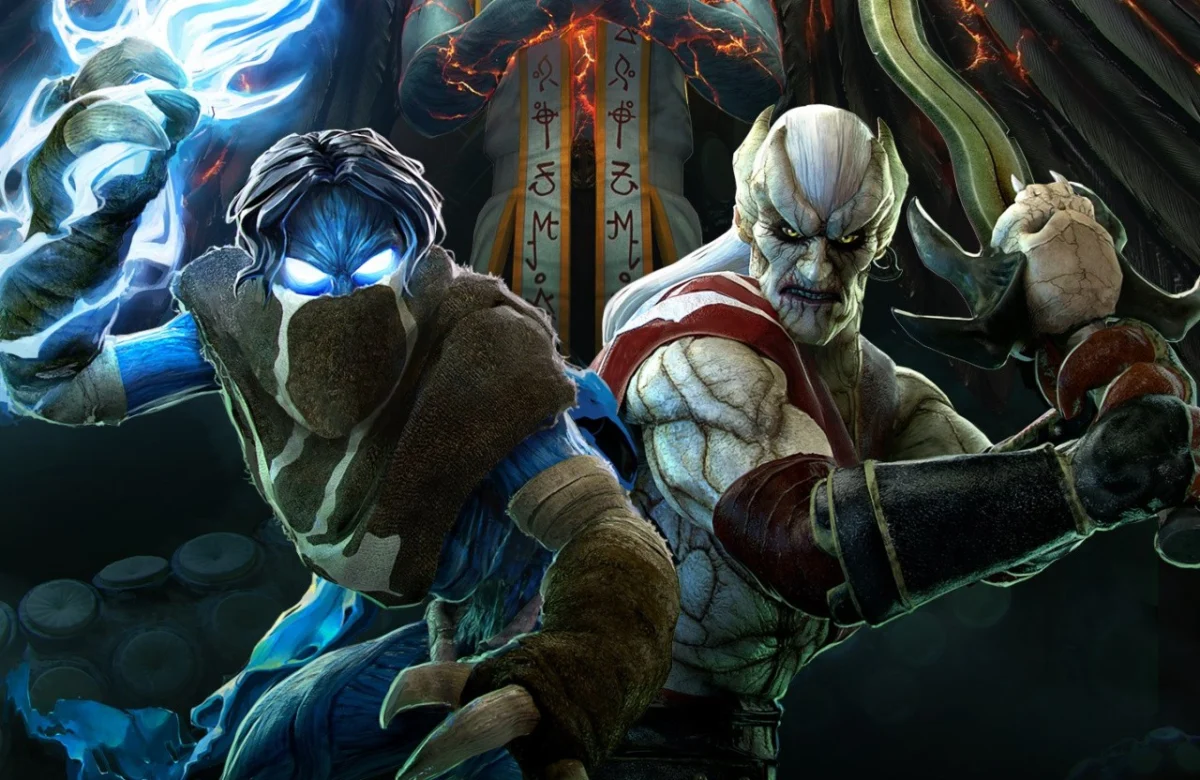
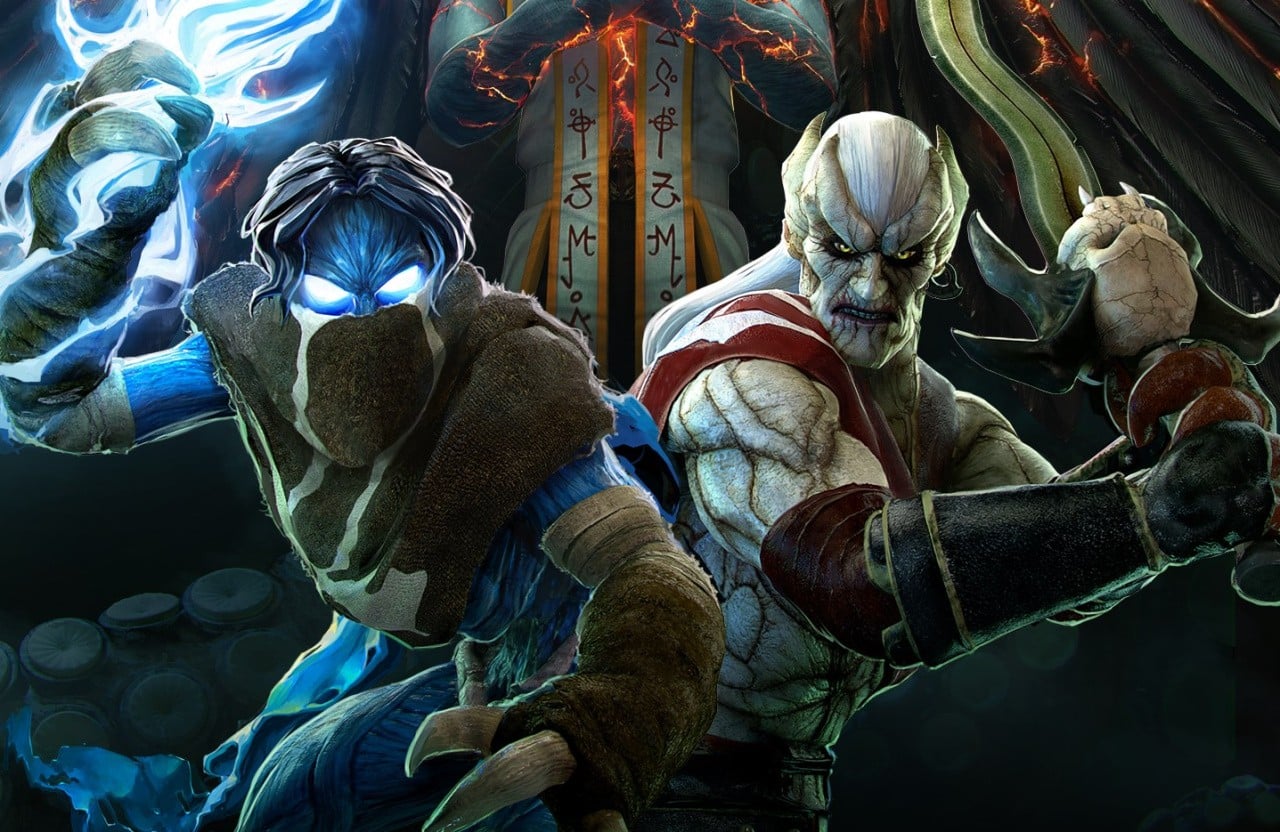
Crystal Dynamics, in collaboration with the international distribution firm PLAION, has officially confirmed that the cult-classic title Legacy of Kain: Defiance Remastered will receive a physical retail release on November 13. This development marks a significant milestone for the franchise, which has seen a resurgence in interest following the successful digital debut of the remastered edition earlier this year. The physical copies will be made available for PlayStation 5, Xbox Series X/S, and the Nintendo Switch, expanding the reach of the 2003 gothic action-adventure beyond its initial digital-only storefront presence.
Historical Context of the Legacy of Kain Franchise
The Legacy of Kain series remains one of the most revered narrative-driven action franchises in gaming history. Conceived by Amy Hennig and developed by Silicon Knights and later Crystal Dynamics, the series is celebrated for its Shakespearean dialogue, complex time-travel mechanics, and the grim, decaying world of Nosgoth.
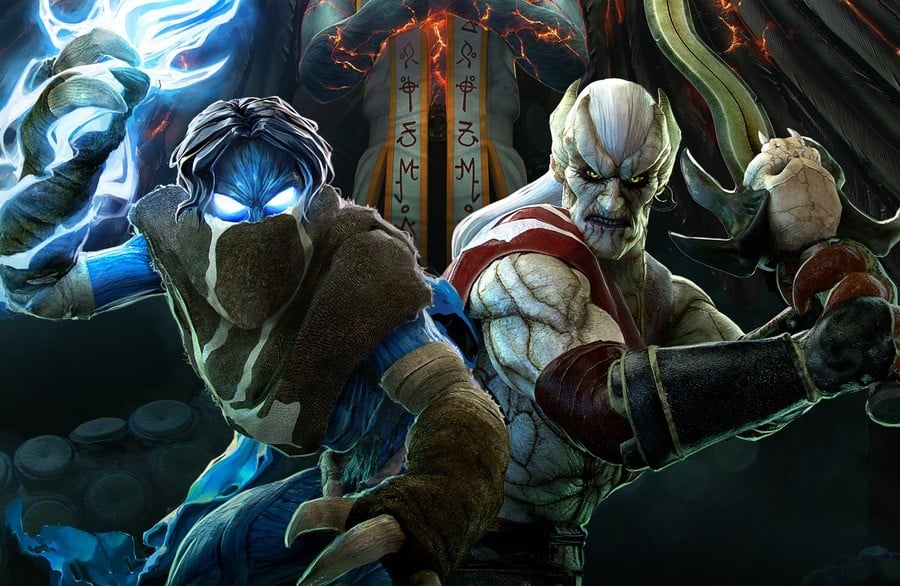
The saga began with the 1996 release of Blood Omen: Legacy of Kain, followed by the critically acclaimed Soul Reaver sub-series. Defiance, released in 2003, served as the fifth installment and the narrative climax of the series. It unified the disparate storylines of Kain, the vampire tyrant, and Raziel, his spectral lieutenant, into a singular, cohesive experience. By remastering this specific entry, Crystal Dynamics has aimed to provide modern audiences with a polished version of the title that defined the late-PS2 and Xbox era of action gaming. The decision to bring this experience to contemporary consoles underscores the ongoing commercial viability of "nostalgia-heavy" intellectual properties in the current gaming landscape.
Anatomy of the Physical Release
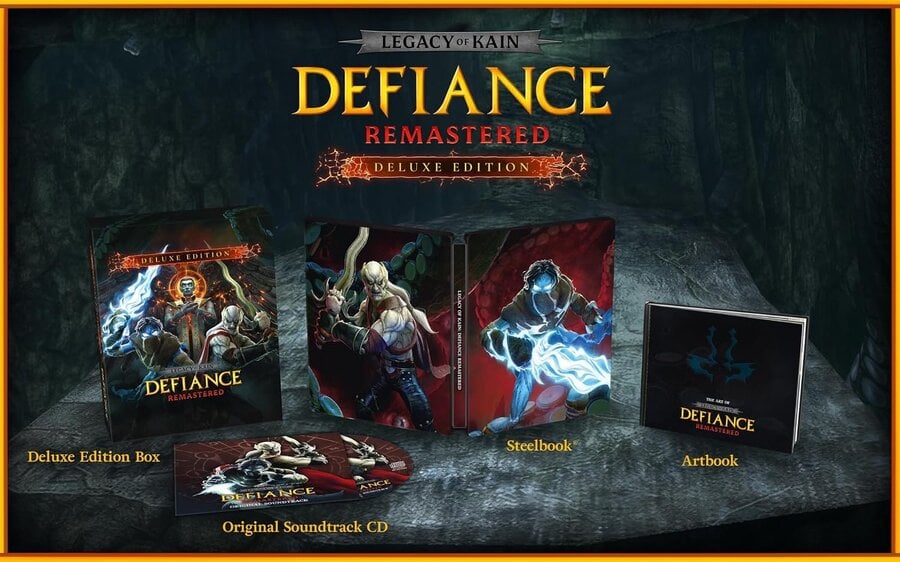
The physical distribution of Legacy of Kain: Defiance Remastered will be split into two distinct tiers: a standard boxed edition and a premium Deluxe Edition. The Deluxe Edition is positioned as a collector’s item, featuring a suite of physical and digital assets designed to appeal to the series’ long-standing, dedicated fanbase.
Included within the Deluxe Edition are:
- A premium SteelBook display case.
- An 80-page comprehensive art book featuring original design documents and concept art.
- An official soundtrack CD containing the series’ iconic, moody score.
- A digital comic reader granting access to three rare Legacy of Kain comic book issues.
- A highly anticipated demo of Legacy of Kain: The Dark Prophecy, a project that was famously cancelled during its development cycle in the mid-2000s.
The inclusion of The Dark Prophecy demo is particularly noteworthy. This project was intended to be the sixth entry in the series and serves as a piece of "lost media" for many enthusiasts. By providing a playable sample, Crystal Dynamics is acknowledging the historical significance of the franchise’s development history, offering fans a rare glimpse into what might have been.
The Nintendo Switch Physical Media Debate
The announcement has sparked a nuanced conversation regarding the nature of physical media on the Nintendo Switch. Industry observers have noted that while the PS5 and Xbox Series versions will include the game data on their respective optical discs, the Nintendo Switch "physical edition" will be distributed as a case containing a digital download code for the Nintendo eShop.

This practice, while increasingly common in the industry due to the limitations of Switch cartridge storage capacities and the high costs of manufacturing, remains a point of contention for collectors. For the consumer, this means the Switch version does not offer the "preservationist" benefits typically associated with physical media, such as the ability to play the game without internet connectivity or the guarantee of ownership beyond the lifespan of the eShop servers. This distinction serves as a reminder of the shifting paradigms in game distribution, where "physical" editions are increasingly becoming decorative representations of digital licenses rather than storage mediums.
Strategic Implications for Crystal Dynamics
The decision to lean into a physical release for a title that has already been available digitally since March 2024 suggests a multi-layered strategic approach by Crystal Dynamics and its parent company, Embracer Group.
Firstly, the physical release acts as a second marketing push for the title. By hitting store shelves in November, the game is positioned to capitalize on the holiday shopping season, where physical gifts are highly prioritized. Secondly, the production of a high-end Deluxe Edition serves to monetize the "cult" status of the IP. Fans of the Legacy of Kain series are historically known for their high engagement and appreciation for lore; by providing tangible artifacts like the art book and soundtrack, the publishers are maximizing the average revenue per user (ARPU) beyond the standard digital price point.
Furthermore, this release cycle allows Crystal Dynamics to evaluate the market appetite for the brand. There has been long-standing speculation regarding a full-scale reboot or a modern sequel to the Legacy of Kain franchise. The sales performance of this physical release—coupled with the digital engagement data—will likely provide the data-driven justification needed to greenlight larger, more expensive investments in the franchise.
Chronology of the Remastered Initiative
The timeline of this project reflects the cautious but steady approach taken by the development team:
- Pre-2024: Persistent community requests for a revival of the series gain momentum on social media and gaming forums.
- March 2024: Legacy of Kain: Defiance Remastered is released as a digital-only title across all major platforms. The reception is largely positive, with critics praising the graphical enhancements and the preservation of the original’s atmosphere.
- Late 2024: Rumors of a physical release begin to circulate, driven by retail listings in various international databases.
- October 2026: Official announcement of the November 13 physical launch is confirmed by Crystal Dynamics and PLAION.
- November 13, 2026: Scheduled date for the release of standard and Deluxe physical editions in retail stores worldwide.
Market Impact and Future Outlook
The broader impact of this release is indicative of a wider trend in the gaming industry: the "remaster-as-a-service" model. By keeping legacy titles in the public consciousness through polished, modern-accessible editions, publishers can bridge the gap between older gaming demographics and younger players who may have never experienced the original 2003 release.
From a technical standpoint, the remastering process has focused on stabilizing frame rates, increasing resolution support for 4K displays, and refining control schemes to align with modern expectations. While the core gameplay remains faithful to the original, these updates ensure that the experience does not suffer from the "friction" that often alienates modern players attempting to play older titles.
Industry analysts suggest that the inclusion of the canceled The Dark Prophecy demo is a masterstroke in marketing. By leaning into the "unreleased" aspect of the franchise’s history, the publishers are turning a commercial release into an event for the fanbase. This creates a sense of scarcity and historical importance that standard digital-only releases often lack.
As the industry moves toward a future where digital distribution is the default, the role of physical releases has transitioned from a necessity to a luxury. The Legacy of Kain: Defiance Remastered physical release is a clear example of this transition. It caters to the collector who values the physical artifact, while simultaneously serving the digital consumer base that has already engaged with the title. Whether this leads to a new entry in the series remains to be seen, but the continued investment in the brand signals that Crystal Dynamics remains committed to keeping the legacy of Kain and Raziel alive for the foreseeable future. With pre-orders already open at select retailers, the industry will be watching the sales figures closely to determine if the vampire anti-hero still holds enough cultural capital to sustain a full-scale franchise revival.