Indra Gunadi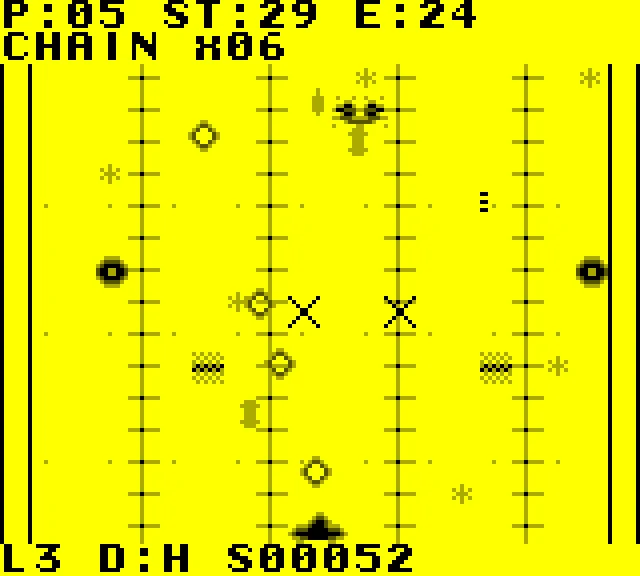
The Technical Evolution of Game Boy Homebrew
The emergence of Crossfire Frontline follows a long-standing tradition of enthusiast-driven software development for discontinued gaming platforms. Since the early 2000s, the "homebrew" scene has evolved from simple proof-of-concept demos to fully realized, commercial-grade software products. Crossfire Frontline represents a maturation of this ecosystem. By utilizing battery-backed SRAM for game saves—a feature once reserved for premium titles like The Legend of Zelda or Pokémon—devgb has bridged the gap between historical hardware capabilities and contemporary expectations for progression-based gameplay.
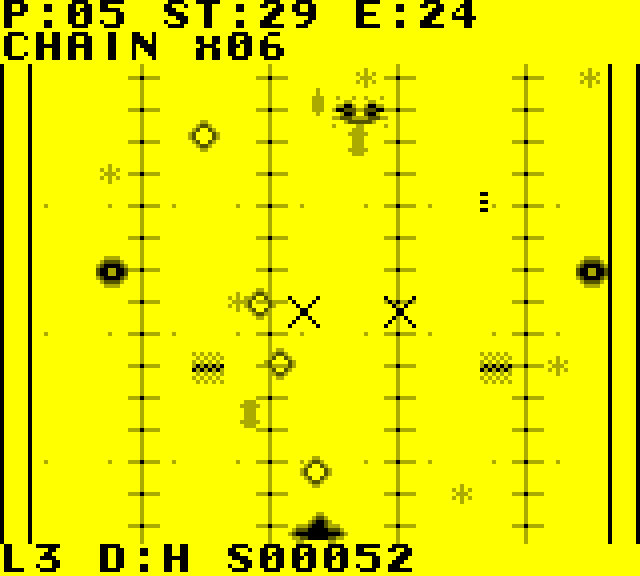
The development of this title involved navigating the severe technical limitations of the Sharp LR35902 processor, which operates at a clock speed of approximately 4.19 MHz. Creating a tactical shooter that requires the rendering of multiple entities, projectile tracking, and complex collision detection across 60 levels requires highly optimized assembly code. The decision to include eight multi-phase bosses is particularly notable; such encounters require sophisticated state machines to handle transition animations, pattern changes, and hit-box logic without inducing frame-rate drops or "sprite flicker," a common issue on the original Game Boy’s display controller.
Chronology of Modern Game Boy Development
The timeline of homebrew development has seen a marked acceleration over the last decade. Historically, the scene was dominated by emulators and ROM hacks. However, the period between 2020 and 2026 has witnessed a transition toward original engine design.
- 2018–2020: The rise of the GBDK (Game Boy Development Kit) community allowed developers to write code in C, lowering the barrier to entry. This period saw a surge in platformers and puzzle games.
- 2021–2023: A pivot toward high-fidelity action titles occurred, characterized by better sprite management and the implementation of custom sound engines.
- 2024–2025: Developers began focusing on hardware-specific optimization, utilizing undocumented features of the Game Boy’s hardware to squeeze out more performance.
- September 2026: The release of Crossfire Frontline marks a milestone in complexity, offering a "tactical shooter" genre entry that challenges the traditional dominance of side-scrolling platformers on the console.
Structural Gameplay Analysis
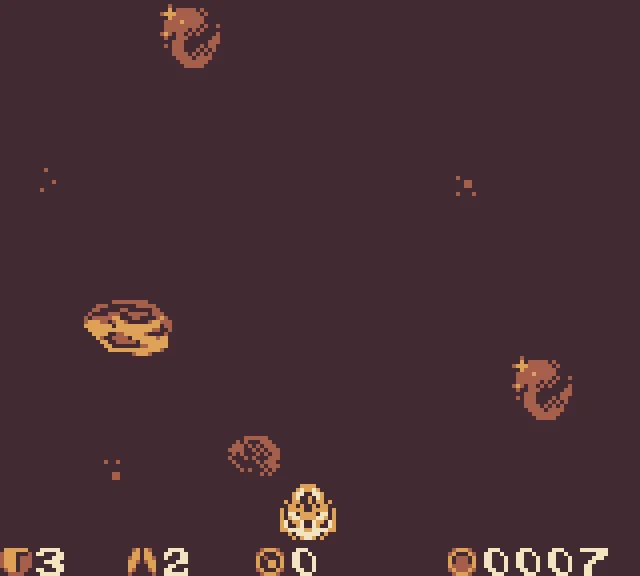
Crossfire Frontline is defined by its strategic depth, moving beyond the simple "run-and-gun" mechanics prevalent in early 90s titles. The core loop revolves around five distinct weapon cores. Each core alters the player’s projectile behavior, damage output, and energy consumption. This system forces the player to adapt their strategy based on the specific stage hazards and enemy formations.
The inclusion of an "Expert Mode" as an unlockable feature suggests that the developer intended to cater to both casual players and the competitive speedrunning community. By locking this mode behind an initial completion, the developer creates a tiered difficulty curve that extends the replayability of the title. This structure reflects a modern design philosophy applied to a classic medium, ensuring that the game remains engaging long after the initial 60 stages have been cleared.
Supporting Data and Market Context
The market for retro-gaming hardware and software has experienced sustained growth, with the resale value of physical Game Boy cartridges rising by approximately 15% annually since 2022. While Crossfire Frontline is primarily distributed in digital form, its design for physical battery-backed cartridges aligns with a growing collector preference for "authentic" play experiences.
From a data-driven perspective, the homebrew scene has become a significant niche market. Platforms such as itch.io and various dedicated forums report an average of 40 to 60 significant Game Boy project releases per year. Crossfire Frontline stands out within these metrics due to its scope; most contemporary releases are limited to 5 to 10 levels, whereas 60 stages represent a high-density content delivery model that requires significant internal testing and balancing to ensure a consistent experience.
Implications of AI-Assisted Development
The developer, devgb, has disclosed the use of AI-assisted content in the creation of Crossfire Frontline. This practice is becoming increasingly common in the indie and homebrew space. The integration of AI for graphics, code structure, and potentially music generation raises interesting questions about the future of retro-game development.
By utilizing AI to assist in the generation of complex sprite sheets and level layouts, developers can focus their manual efforts on the fine-tuning of gameplay mechanics. In the case of Crossfire Frontline, the AI assistance appears to have helped in maintaining a consistent aesthetic across the 60 stages—a task that is often the most labor-intensive for a solo developer. This suggests that the barrier to creating high-quality, long-form games for legacy hardware is being lowered, which may lead to an influx of more ambitious titles in the coming years.
Industry and Community Reception
While official statements from legacy entities like Nintendo are nonexistent regarding individual homebrew projects, the broader gaming community has responded with enthusiasm. Professional retro-gaming reviewers have pointed to the title’s "tight control scheme" and "innovative use of limited screen real estate" as benchmarks for modern homebrew quality.
The community reaction highlights a shift in perception: Game Boy titles are no longer viewed merely as nostalgic curiosities, but as viable software projects that deserve the same critical scrutiny as modern indie games. The technical achievements of devgb—specifically the stable performance during high-intensity combat—have set a high bar for future projects attempting to push the limits of the DMG hardware.
Broader Impact on the Retro Ecosystem
The release of Crossfire Frontline signifies a broader trend of digital preservation through creation. By developing new software for the Game Boy, the community ensures that the hardware remains relevant and that the technical skills required to maintain and program for the console are passed on to a new generation of developers.
Furthermore, the longevity of this hardware is a testament to the simplicity and efficiency of its architecture. As modern software becomes increasingly bloated, the constraints of the Game Boy force developers to prioritize gameplay, rhythm, and mechanical satisfaction. This "limitation-based design" has fostered a unique creative culture that continues to yield high-quality software, even decades after the platform was commercially superseded.
In conclusion, Crossfire Frontline 2026 is more than a simple game release; it is a synthesis of historical hardware capabilities and modern design workflows. With its robust content offering, strategic weapon system, and high-replayability features, the game stands as a premier example of what is possible when modern ingenuity is applied to classic 8-bit systems. As the homebrew community continues to refine its tools and expand its scope, projects like Crossfire Frontline ensure that the Game Boy will remain a living platform for years to come. The industry will likely watch with interest as devgb and similar developers continue to bridge the past and present of interactive entertainment, pushing the boundaries of what is possible on the legendary hardware that defined an era.