Cecilia Chamidah Nur
The modern landscape of interactive entertainment is defined by gargantuan budgets and development teams numbering in the hundreds, if not thousands. Recent discourse surrounding high-profile superhero titles like Marvel’s Wolverine on the PlayStation 5 underscores a reality where a single project can generate hundreds of millions of dollars in revenue while occupying the center of global pop-culture debate. However, the foundational history of the medium suggests a starkly different origin for these commercial juggernauts. In the late 1980s and early 1990s, the development of licensed superhero properties was a lean, agile, and often improvised affair, orchestrated by tiny teams working within converted rural barns.
The Evolution of Rare: From Ultimate to Industry Titan
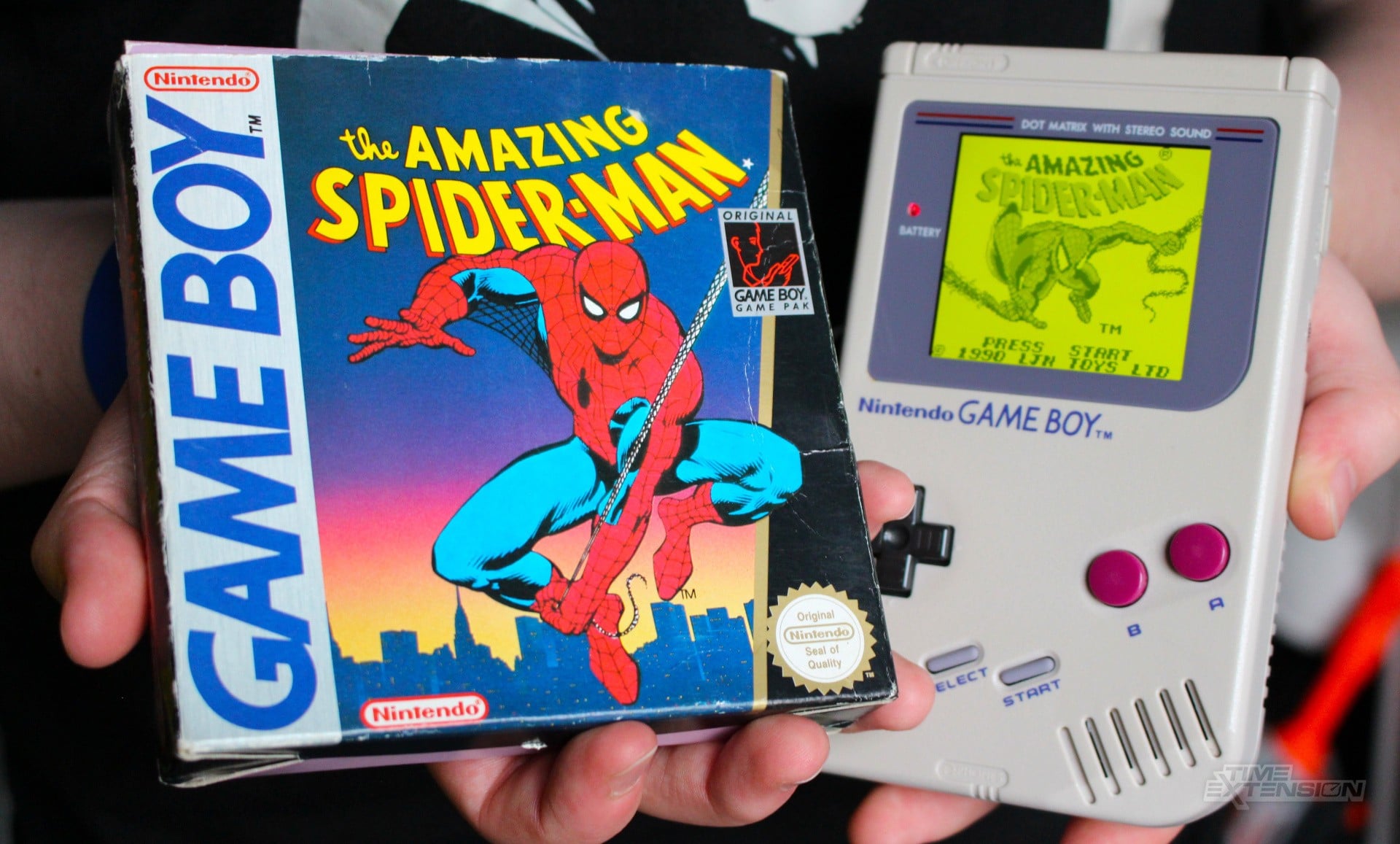
To understand the development of 1990’s The Amazing Spider-Man for the Nintendo Game Boy, one must first examine the trajectory of Rare Ltd. during its formative years. Founded by brothers Tim and Chris Stamper, the company emerged from the success of their previous venture, Ultimate Play the Game. Having achieved significant acclaim in the 8-bit home computer market with titles on the ZX Spectrum and Commodore 64, the Stampers pivoted toward the nascent console market.
By the late 1980s, Rare had established itself as the first Western third-party developer for the Nintendo Entertainment System (NES). Their strategy was multifaceted: balancing original intellectual properties, such as Wizards & Warriors and C.R. Pro-Am, with a prolific output of licensed games. By 1988, Rare’s operational capacity reached a fever pitch, releasing 16 titles on the NES, including WWF WrestleMania and Who Framed Roger Rabbit. This volume of production necessitated a culture of rapid development and technical ingenuity, laying the groundwork for the studio to become a powerhouse in the console space.
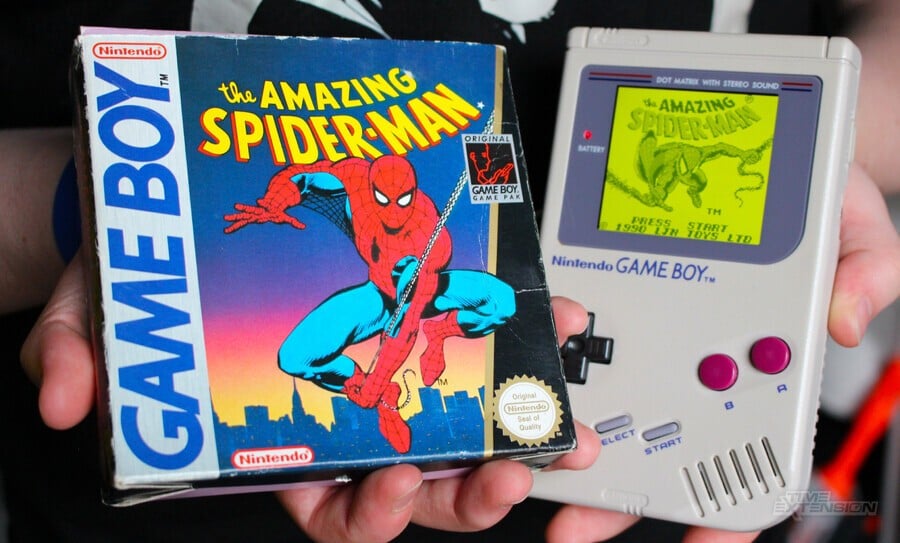
1990: A Small Team for a Global Icon
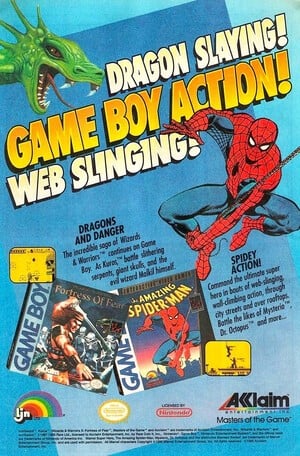
In 1990, Rare was tasked with bringing Marvel’s premier hero to Nintendo’s handheld device. The resulting title, The Amazing Spider-Man, remains a testament to the era’s "garage-style" development philosophy. The core development team consisted of only three individuals: programmer Chris Sutherland, visual artist and designer Trevor Hill, and composer David Wise.
Sutherland, a computer science graduate who had recently joined the studio, describes his arrival at the Manor Farm headquarters as a baptism by fire. Upon being hired, he was provided with minimal documentation—a single sheet of paper outlining the concept—and effectively given free rein to construct the game’s mechanics. Remarkably, at the time of his assignment, Sutherland had not yet encountered the Game Boy hardware, a device that was only just beginning its ascent as a global cultural phenomenon.

Chronology of Development
The development cycle for The Amazing Spider-Man was compressed into a period of approximately six months. The process was hindered by the technological constraints of the time, where modern amenities like the internet were non-existent, and assets were manually drafted on graph paper before being digitized by a "graphics decoder."
- June 1989: Chris Sutherland joins Rare after an interview process focused on his enthusiasm for arcade titles like Golden Axe.
- Late 1989: The development phase for The Amazing Spider-Man begins at Manor Farm, with the team relying on peer-to-peer knowledge sharing among the studio’s engineers.
- Early 1990: Development shifts from concept to implementation, with Sutherland and Hill drawing inspiration from titles like Kung-Fu Master to define the core gameplay loops.
- Mid-1990: The game is finalized, published by LJN in North America and Nintendo in Europe, and subsequently launched to positive critical reception.
Technical Constraints and Creative Solutions
The limitations of the Game Boy hardware, specifically its monochrome screen and modest processing power, dictated the game’s design. Sutherland faced the challenge of implementing iconic Spider-Man maneuvers, such as web-swinging, without the computational overhead of real-time physics. Instead, he utilized "canned" animations—a creative compromise that turned a technical obstacle into a fluid, responsive gameplay experience.
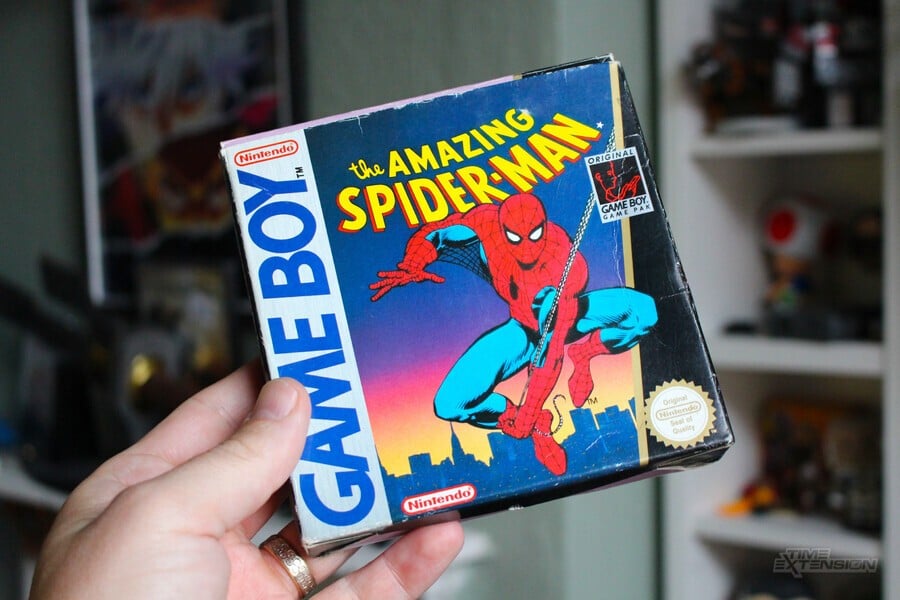
This approach highlights the difference between 1990s development and contemporary workflows. As Sutherland notes, modern developers have the luxury of virtually infinite technical capacity, which paradoxically can make design choices more difficult. In 1990, the rigid constraints of the hardware served as a guide, forcing the team to focus on the essential, "fun" elements of the character rather than graphical fidelity.
Industry Context and Support Networks
Rare’s operational structure in the early 90s was uniquely communal. Without dedicated "game designers" as a formal role, the responsibility for gameplay logic was shared among the programmers and artists. The Stampers, while maintaining a hands-off approach to the daily minutiae of coding, acted as filters for feedback from clients and quality assurance teams.
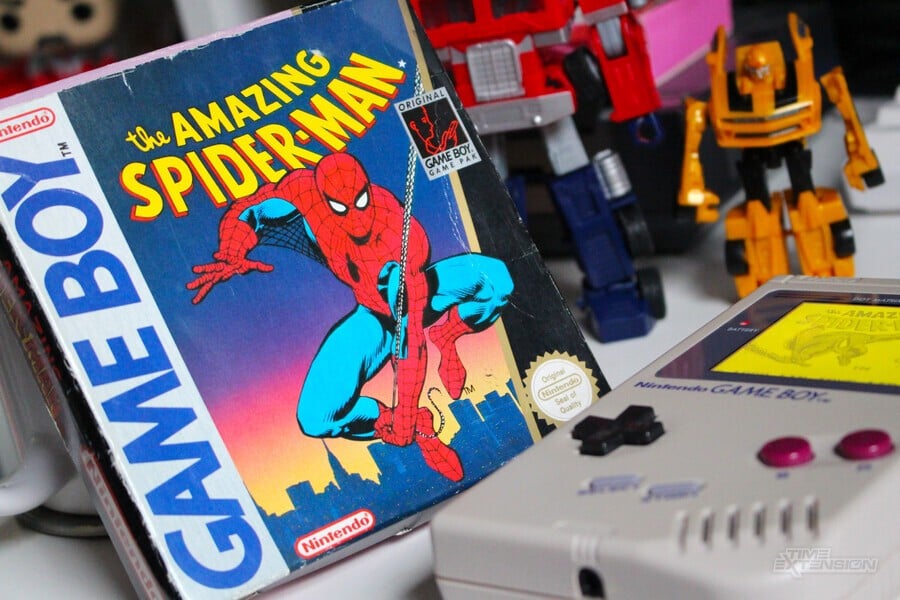
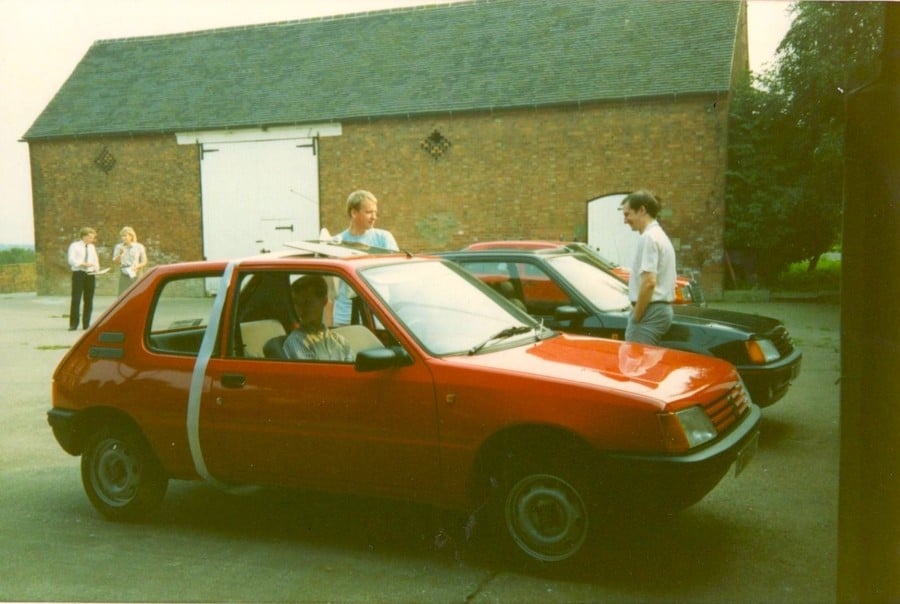
Internal support was robust. The proximity of engineers working on other projects meant that technical hurdles were often resolved through collaborative troubleshooting in the barn-turned-office. Furthermore, the company invested in its staff to ensure operational efficiency. A notable example involved Kev Bayliss, an early team member who contributed to numerous landmark titles, including Battletoads and Donkey Kong Country. The Stampers provided him with a company car to ensure he could commute effectively to the rural office, illustrating the studio’s commitment to its small, core team during a period of rapid growth.
Commercial Implications and Long-Term Legacy
The success of The Amazing Spider-Man was not merely measured in its 85% score from Mean Machines or its 8/7/7/7 rating from Electronic Gaming Monthly. For Rare, the project was a vital financial engine. The revenue generated from licensed titles during this period provided the capital necessary for the studio to experiment with the high-end Silicon Graphics workstations that would eventually produce the genre-defining Donkey Kong Country.
While Rare did not return for the subsequent sequels in the Amazing Spider-Man series—which were handled by Bits Studios—the first installment established a blueprint for how licensed games could be handled with both respect and technical flair. The project served as a cornerstone for the company’s transition from an 8-bit software house to a world-renowned developer.
Comparative Analysis: Then vs. Now
The contrast between the production of the 1990 Spider-Man title and contemporary AAA development is profound. Today, the "director" role is a massive administrative and creative position, and the feedback loop involves global marketing teams, corporate stakeholders at Marvel, and extensive focus testing. In 1990, the barrier between the developer and the rights holder was significant, allowing the team to iterate with a level of autonomy that is rare in today’s corporate-driven environment.
Sutherland’s experience reflects a lost era of game design—a period where "trust" was the primary project management tool. "I assume it was a kind of laboratory where everyone would be testing different ideas," Sutherland recalls. "But it wasn’t like that. It was just, ‘Off you go, yeah, make something.’ And we did."
Conclusion
The creation of The Amazing Spider-Man for the Game Boy remains a case study in the power of limited resources. By stripping away the bloat of modern development, a three-person team was able to capture the essence of a globally recognized superhero and deliver a cohesive, entertaining experience. As the industry continues to push the boundaries of technical scale, the history of this project serves as a reminder that the most enduring gaming experiences are often born not from the size of the team or the budget, but from the necessity of invention within clearly defined boundaries. The legacy of Rare’s early work—and the dedication of developers like Sutherland—remains a cornerstone of the industry’s rich, if humble, history.