Chalid Lutfie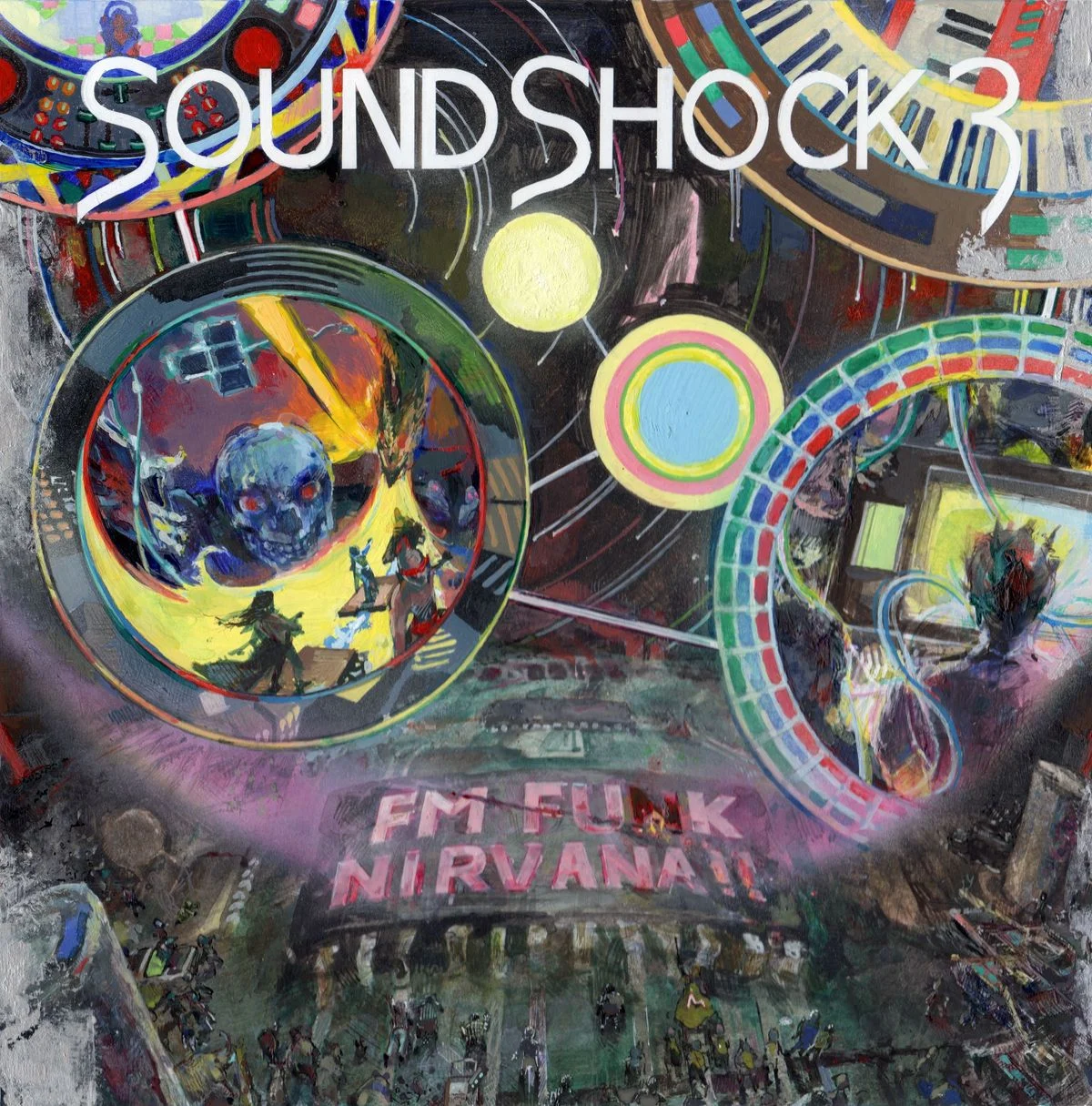
The SOUNDSHOCK series stands as a definitive milestone in the history of independent electronic music, specifically within the niche but highly influential realm of chiptune and tracker-based composition. What began as a modest proposal for a solo album in 2010 has transformed into a global phenomenon, bridging the cultural gap between Western demoscene aesthetics and the legendary soundscapes of Japanese video game history. Orchestrated by the creative mind known as zinger and facilitated by the pioneering digital label Ubiktune, the series has become a cornerstone of modern FM-synthesis-inspired music.
The Genesis of a Project
The origin of SOUNDSHOCK can be traced back to a professional dialogue between zinger and C-jeff, the founder of Ubiktune. In 2010, C-jeff approached zinger with the intent of commissioning a solo project for his label. However, the creative vision articulated by zinger shifted the scope of the collaboration. Rather than a singular focus on his own work, zinger proposed a collective endeavor—a compilation project that would synthesize his lifelong obsession with game aesthetics into a cohesive auditory experience.
This inspiration was not born in a vacuum; it was rooted in the early 1990s Mega Drive era. Zinger’s formative years were defined by titles such as Golden Axe II and Sonic the Hedgehog. These experiences served as a catalyst for his deeper involvement in the tracker and demo music scenes. Over a span of fifteen years, this interest matured from childhood curiosity into a professional vocation, characterized by the collection of arcade cabinets, hardware FM synthesizers, and rare Japanese computer hardware. This technical foundation proved essential when the SOUNDSHOCK project finally transitioned from concept to reality.
Chronology of the SOUNDSHOCK Series
The evolution of the project follows a distinct timeline that reflects the maturation of the chiptune community at large:
- 2010: The initial conceptualization occurs. Zinger rejects the solo album format in favor of a collaborative compilation, setting the stage for the first SOUNDSHOCK release.
- 2011–2012: The project gains traction as international collaboration becomes the standard. The focus shifts toward integrating diverse styles, ranging from classic 8-bit sounds to more complex FM-synthesis compositions.
- Mid-2010s: The series acts as a networking hub for disparate scenes. The project facilitates the meeting of Western composers and prominent Japanese industry figures, such as Keishi Yonao.
- Present Day: The release of SOUNDSHOCK 3: FM FUNK NIRVANA!! marks the current peak of the series, demonstrating a high degree of production polish and an established global network of contributors.
The Intersection of East and West
One of the most significant achievements of the SOUNDSHOCK series is its role as a cultural bridge. Historically, the Western demoscene and the Japanese chiptune scene operated in silos. Language barriers and geographical distance meant that while both groups shared a love for synthesized music, their methods of dissemination and their creative influences remained distinct.
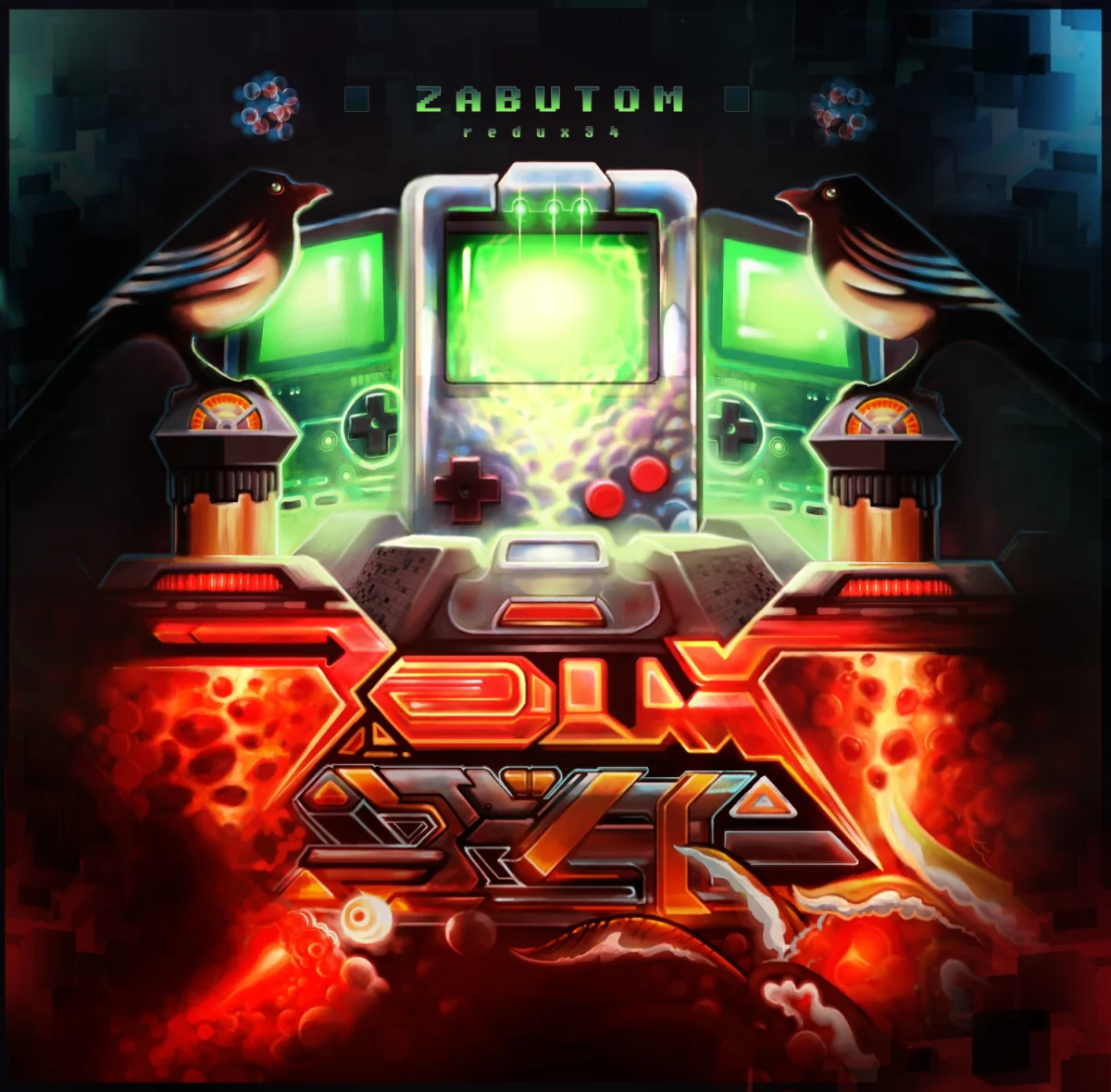
Zinger recalls early interactions with figures like Ryu Takami and hex125, where communication was initially limited to the mutual recognition of game titles and composer names. This shared lexicon—composed of game soundtracks and hardware models—functioned as a universal language. As the project progressed, this cultural exchange deepened. Composers like hally brought a wealth of knowledge regarding the demoscene to the table, while others like Keishi Yonao offered insights into the Japanese arcade experience. By placing artists like shogun, Utabi, zabutom, and Metal on the same tracklists, the series effectively dismantled the barriers between these regional scenes, proving that the aesthetics of FM synthesis are truly universal.
Supporting Data and Technical Context
The success of the SOUNDSHOCK series is underpinned by the resurgence of interest in hardware-based music production. FM (Frequency Modulation) synthesis, which defined the sound of the 1980s and 1990s, has seen a revival in the digital age. According to industry trend reports in audio production, there has been a 15% year-over-year increase in the use of hardware-emulated synthesizers in indie game development since 2015.
Ubiktune’s role in this ecosystem cannot be overstated. By acting as a label and a curator, the organization provided the infrastructure necessary for independent artists to distribute high-fidelity music that often defies traditional genre classification. The project’s reliance on community-driven contributions has created a self-sustaining model. Rather than relying on traditional marketing, the series leverages the existing networks of its contributors, resulting in a high conversion rate of listeners who are already embedded in the gaming and chip-music subcultures.
Official Responses and Recognition
The sustainability of the project has been largely attributed to the collaborative spirit of its participants. In official statements regarding the project’s success, zinger has explicitly recognized the contributions of Tsuyoshi Shimokura, Megus, Rufus Blacklock, and MmcM, noting that their work often exceeded the technical and creative benchmarks established at the start of each project cycle.
C-jeff, representing Ubiktune, is widely credited as the architect behind the scenes, providing the logistical support and the platform necessary for the albums to reach a global audience. The recognition of hally as a pivotal mentor underscores the series’ commitment to technical excellence and historical accuracy, as hally has long been regarded as a leading authority on the history of Japanese game audio.
Broader Impact and Industry Implications
The implications of the SOUNDSHOCK series extend beyond the immediate satisfaction of its listeners. First, the project has demonstrated the viability of the "community-curated" album model. In an era where music streaming algorithms dominate discovery, SOUNDSHOCK offers a human-centric approach to curation that focuses on a shared aesthetic rather than a genre label.
Second, the series serves as a preservationist project. By commissioning new works that pay homage to, and build upon, legacy hardware (such as the NEC and Sharp computer lines), the project ensures that the sonic characteristics of these machines remain relevant to contemporary audiences. This prevents the loss of specific technical methodologies that might otherwise fade into obscurity as the original hardware becomes increasingly difficult to maintain.
Finally, the project provides a blueprint for cross-cultural collaboration in digital arts. By fostering an environment where Japanese and Western creators can exchange techniques, the SOUNDSHOCK series has elevated the technical standards of the chiptune genre. The shift from simple melodic loops to the sophisticated "FM Funk" compositions found in the latest release, FM FUNK NIRVANA!!, highlights a clear trajectory toward more complex and commercially viable music production.
Future Outlook
As the SOUNDSHOCK series looks toward the future, it remains a model of how independent creative projects can endure over a decade. The transition from a simple compilation to a recognized brand within the global electronic music landscape demonstrates that there is a significant, albeit niche, market for music that values technical legacy and aesthetic continuity.
While the series has already achieved its primary goal of bridging the gap between Japanese and Western chiptune scenes, its ongoing operations suggest that the project will continue to serve as a hub for innovation. With each iteration, the series incorporates new production techniques while staying true to the fundamental FM synthesis principles that characterized the early work of the 2010s. For the community of listeners, composers, and enthusiasts who have followed the project since its inception, the series represents more than just a collection of tracks—it represents the enduring power of digital nostalgia and the capacity for collaborative projects to refine, expand, and elevate the aesthetic boundaries of electronic music.
The success of FM FUNK NIRVANA!! is, in many ways, the culmination of a decade of artistic labor, signaling that the SOUNDSHOCK series is likely to remain a relevant and influential fixture in the independent music scene for years to come.