Chalid Lutfie
The SOUNDSHOCK project stands as a landmark in the digital music landscape, representing a decade-long intersection of retro-gaming nostalgia, technical engineering, and global community building. Originally conceived as a niche forum for Frequency Modulation (FM) synthesis enthusiasts in 2007, the initiative evolved into a prolific series of compilation albums under the Ubiktune label. By documenting the history of this movement, it becomes clear that SOUNDSHOCK served as a critical nexus for composers who bridged the gap between the golden age of 16-bit gaming and the modern, high-fidelity world of electronic music production.
Origins and Technical Foundations
The genesis of the SOUNDSHOCK community can be traced back to 2007, when a developer known as "zinger" established an online forum dedicated to the intricacies of FM synthesis. At the time, FM synthesis—a method of sound generation made famous by Yamaha’s OPN and OPL series of chips—was viewed by many as a relic of the late 1980s and early 1990s. The forum provided a digital sanctuary for composers, hardware engineers, and tracker enthusiasts to exchange technical documentation, share custom-coded software synthesizers, and discuss the nuances of sound programming.
By 2010, the project transitioned from a discussion board to a collaborative musical entity. Collaborating with the label Ubiktune, zinger spearheaded the production of the first SOUNDSHOCK compilation. This shift marked a transition from a passive interest in FM technology to an active pursuit of creative output. The project attracted a global cohort of musicians who shared a common inspiration: the auditory landscapes of titles such as Golden Axe II, Sonic the Hedgehog, and the broader library of NEC and Sharp computer software.

A Chronology of Collaboration
The expansion of the project followed a structured timeline of development:
- 2007: Launch of the SOUNDSHOCK forums, establishing a central hub for FM synthesis discourse.
- 2010: Formalization of the SOUNDSHOCK album project under the Ubiktune label.
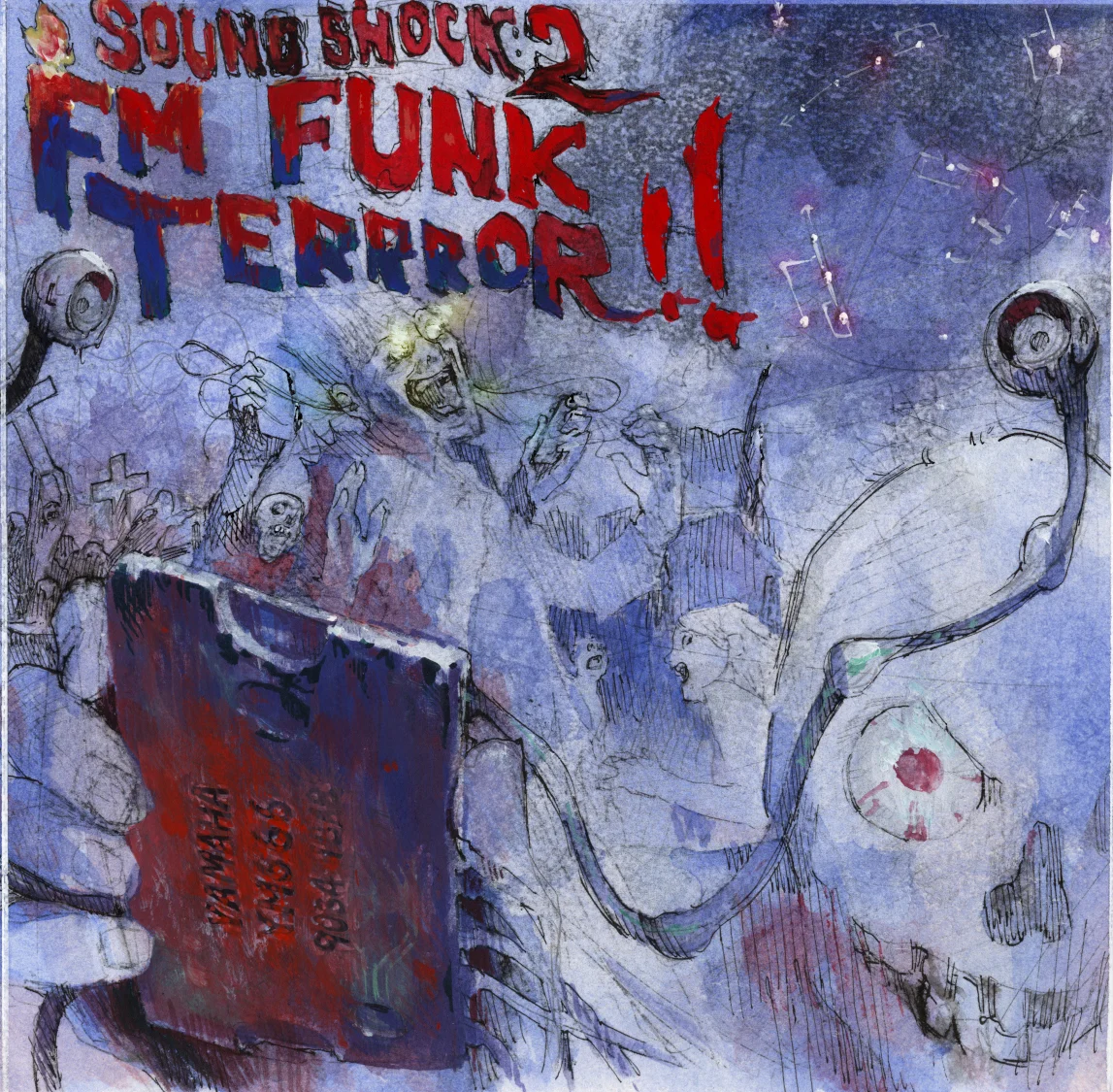
- 2011–2012: Rapid growth in the contributor base, leading to the "FM FUNK MADDNESS" compilation series.
- 2017: A retrospective assessment of the project’s impact, highlighting the interdisciplinary nature of the contributors, ranging from video game designers to professional digital artists.
This chronology underscores a transition from a localized hobbyist interest to a recognized international movement. The community successfully integrated participants from diverse backgrounds, including the "demoscene"—a computer art subculture that prioritizes technical prowess—and the professional game development industry.
Technical Analysis: The Tracker and MML Approach
At the core of the SOUNDSHOCK sound is the use of "trackers" and Music Macro Language (MML). Unlike traditional Digital Audio Workstations (DAWs) that rely on MIDI-based sequencing and high-fidelity sample libraries, the SOUNDSHOCK artists frequently utilized trackers. These programs allow for a vertical, step-based sequencing approach that provides direct control over the FM synthesis parameters.
Artists like "boomlinde" have noted that the constraints of these systems act as a catalyst for creativity. By working within the hardware limitations of 16-bit era sound chips, composers are forced to prioritize timbre, texture, and melody. For instance, the programming of an electric bass patch in a tracker environment requires an understanding of operator algorithms, feedback loops, and envelope generators. The resulting compositions, while technically rooted in hardware emulation, demonstrate a level of complexity that challenges the assumption that retro-styled music is inherently simplistic.

Bridging the East-West Divide
One of the most significant sociological implications of the SOUNDSHOCK project was its role in bridging cultural gaps between Japanese and Western composers. Prior to the widespread adoption of real-time translation tools, communication within the community was largely conducted through the "name-dropping" of game titles and composers.
This exchange allowed for a unique cross-pollination of styles. Japanese composers, such as Keishi Yonao, expressed a fascination with Western computer culture that mirrored the obsession Western fans had with Japanese arcade hardware. This mutual admiration fostered an environment where artists from Tokyo, Gothenburg, and beyond could collaborate on a single track list. The inclusion of artists like shogun, Utabi, zabutom, and Metal on the same compilations serves as a testament to the universality of the FM synthesis aesthetic.
Industry Influence and Creative Synergy
The influence of the SOUNDSHOCK community extended into the professional sphere, as evidenced by the experiences of industry professionals like Simon Stålenhag. The project acted as a talent incubator, connecting individuals working in mobile game development studios who were unaware of their colleagues’ secret musical prowess.
In the case of the artist known as "Bomb Boy," the SOUNDSHOCK platform provided a public venue for talent that had previously been confined to internal corporate environments. This phenomenon highlights a broader trend: the democratization of high-quality audio production. When artists like Stålenhag and his peers began to treat their compositions with the same rigor as their professional design work, the distinction between "hobbyist chiptune" and "professional game soundtrack" began to dissolve. The ability to manifest complex, high-definition mental soundscapes—what Stålenhag describes as "farting out notes" with a mouse cursor—without the need for traditional instruments, represents a paradigm shift in how digital music is conceptualized and executed.

Economic and Cultural Implications
The long-term impact of the SOUNDSHOCK series is twofold. Economically, it validated the market for independent, genre-specific compilation albums, proving that a dedicated community could sustain a niche label like Ubiktune. Culturally, it elevated the status of FM synthesis from a legacy format to a contemporary creative tool.
The project also contributed to the preservation of technical knowledge. By documenting the methods of FM synthesis, the SOUNDSHOCK community ensured that the skills required to operate vintage hardware—or to emulate it with modern software—were not lost to time. The proliferation of FM software synthesizers developed by community members serves as a permanent contribution to the field of music technology.
Conclusion
The SOUNDSHOCK series remains a vital case study in how digital communities can transform from ephemeral online gatherings into lasting cultural institutions. By creating a framework that prioritized technical mastery, global collaboration, and creative freedom, the project not only preserved the legacy of 16-bit era audio but also pushed the boundaries of what is possible within the constraints of FM synthesis.
As the project continues to evolve, its legacy is secured by the dozens of composers who found their voices within its forums and albums. Whether through the meticulously programmed bass lines of a tracker composition or the serendipitous connections formed in a corporate office, SOUNDSHOCK proved that the aesthetic of the past holds infinite potential for the future. The project stands as a reminder that when technology is treated with passion and precision, it ceases to be a limitation and becomes, instead, an instrument of boundless expression.