Ganda Hendra Perkasa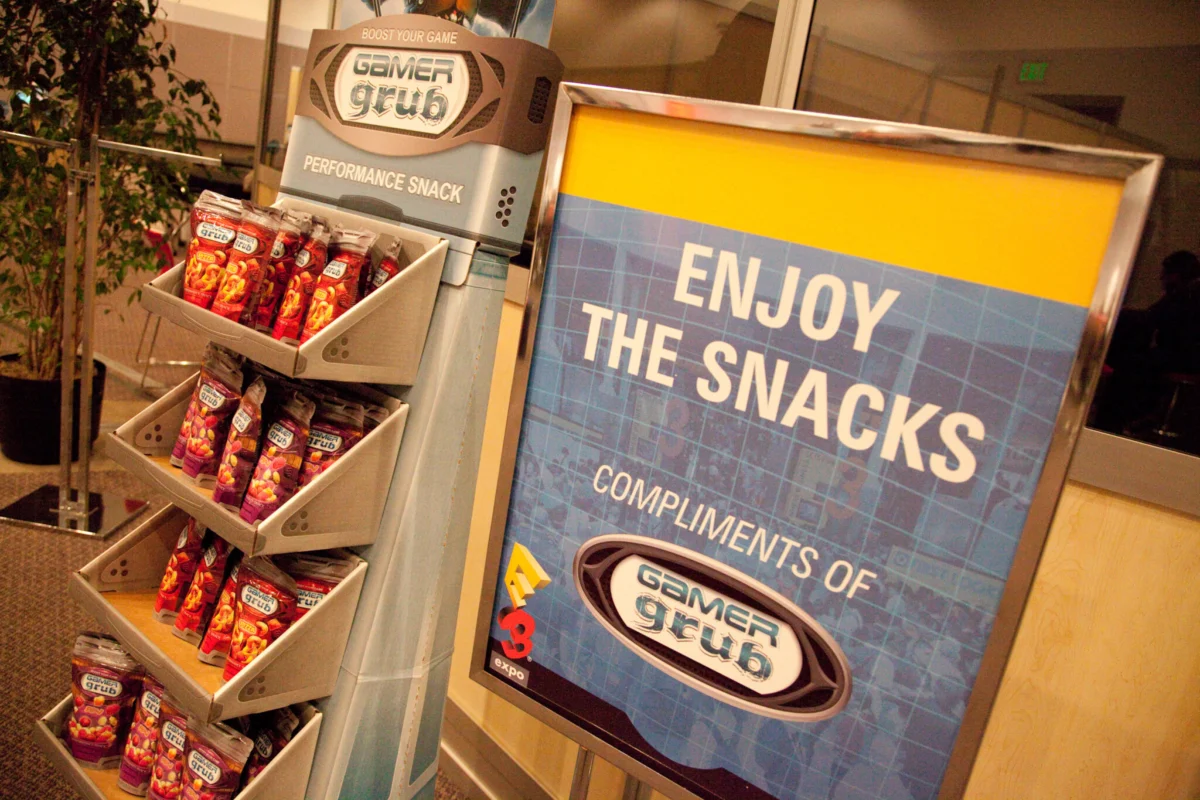
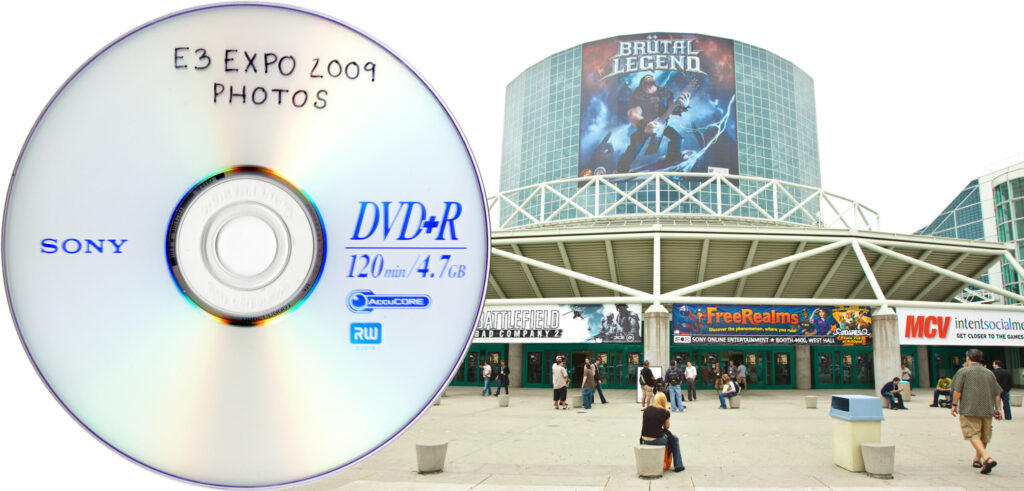
The Video Game History Foundation has brought to light an extensive, previously overlooked digital archive containing over 1,600 promotional photographs from the Electronic Entertainment Expo (E3) held in 2009. Donated by Carolyn Rauch, former senior vice president of the Entertainment Software Association (ESA), the collection consists of high-resolution images preserved on a DVD-R. Captured by official event photographer Asa Mathat and commissioned by a combination of the ESA and IDG Communications, the repository documents the inner workings of an industry-defining trade show during a critical transitional phase for both the event and the global gaming market.
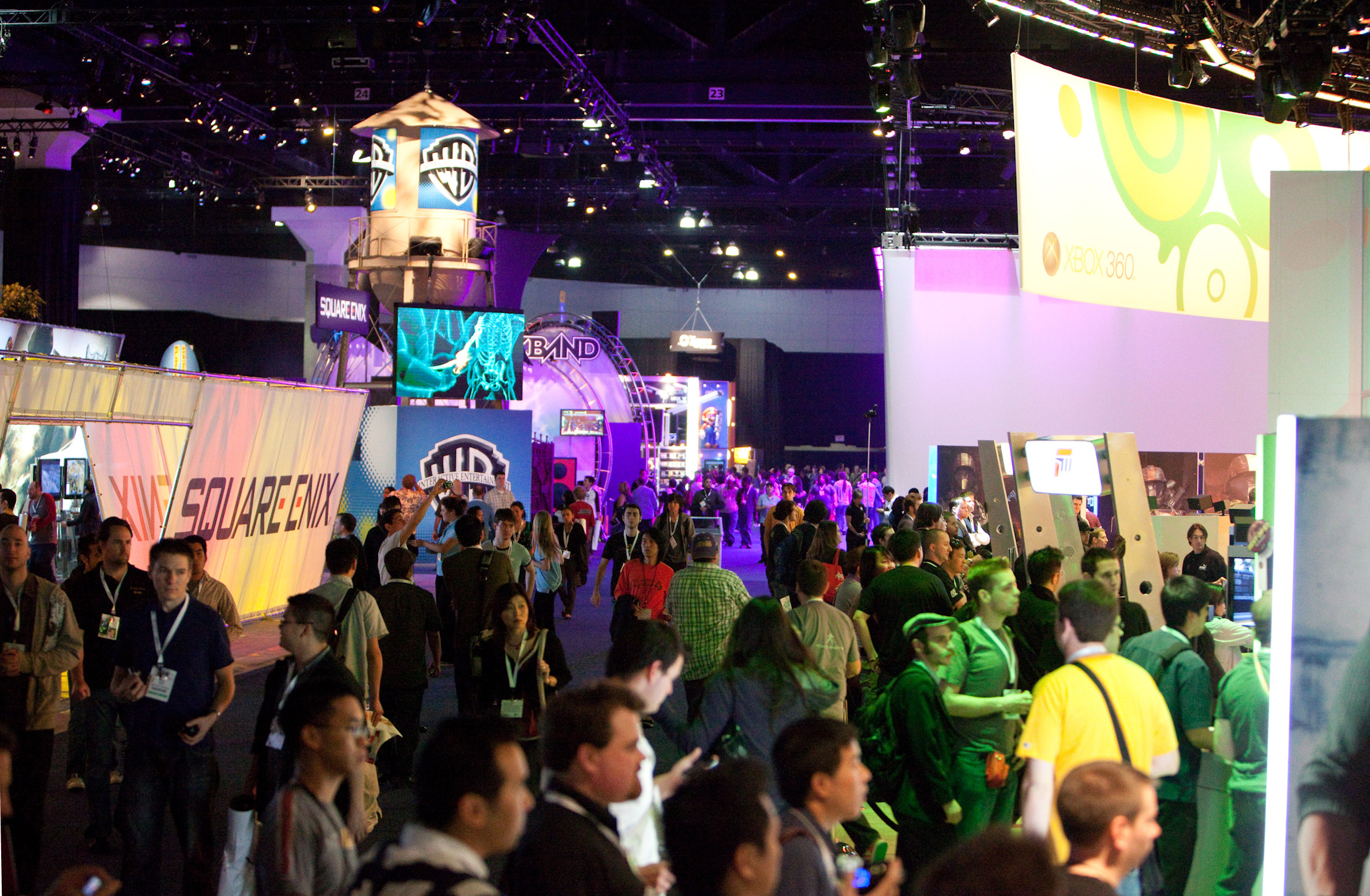
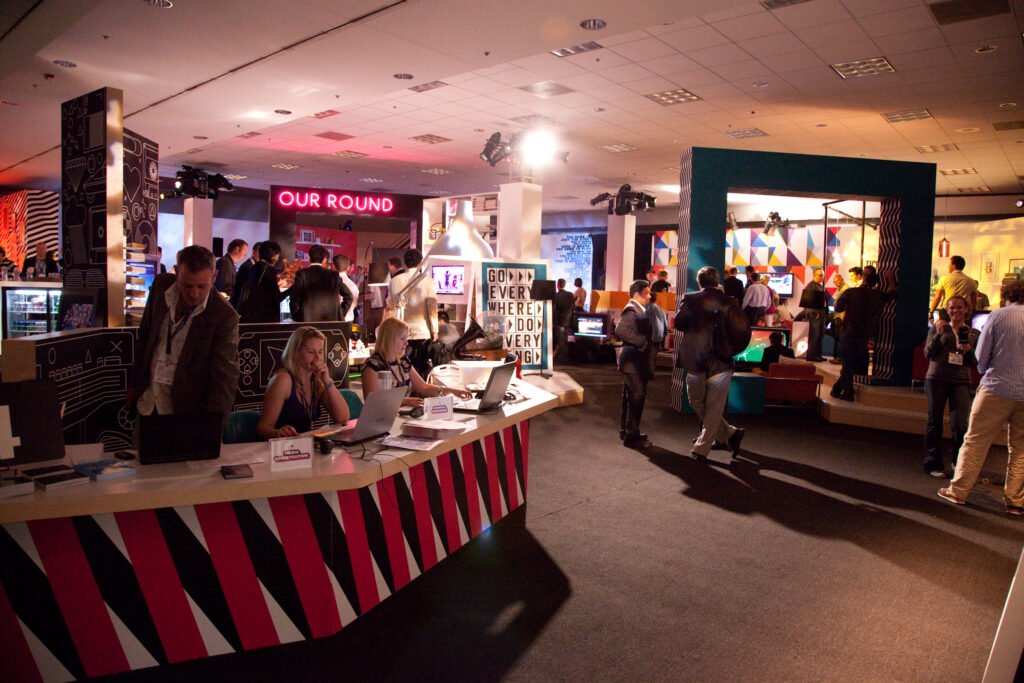
The release of these historical assets offers researchers, journalists, and enthusiasts an unvarnished look into the Los Angeles Convention Center during a pivotal summer. Rather than focusing strictly on polished press conference stages and high-profile software reveals, the archive captures the logistical infrastructure of the convention, ranging from registration desks and press rooms to VIP lounges and corporate breakout areas.
Background Context and the Evolution of E3
To understand the significance of the 2009 photo archive, one must examine the turbulent state of E3 in the years immediately preceding it. Established in 1995 by the International Interactive Entertainment Association (precursor to the ESA) alongside founding figures like Doug Lowenstein, E3 rapidly expanded into the world’s preeminent video game trade show. By the early 2000s, the convention had evolved into a massive, highly extravagant spectacle defined by booming audio, elaborate theatrical booths, and celebrity appearances.
However, by 2007, the mounting financial costs, logistical strain, and complaints from major publishers regarding the chaotic environment forced a dramatic restructuring. The ESA scaled the event down into an invitation-only media summit known as E3 Media and Business Summit, hosted at the Barker Hangar in Santa Monica. While this minimized operational overhead, it drained the event of its cultural energy and public-facing excitement, leaving many industry stakeholders dissatisfied.
By 2009, the organization recognized the need for a middle ground. E3 returned to the Los Angeles Convention Center as a full-scale convention, albeit under a carefully calibrated financial and operational model. As Rauch and Lowenstein detailed on the Video Game History Hour podcast, E3 2009 was intentionally designed as a fiscal compromise: it restored the sprawling exhibition footprint necessary for large-scale business operations and media coverage, but maintained strict budgetary and architectural parameters to prevent the excess of the pre-2007 era.
Inside the Archive: A Comprehensive Visual Record
The Asa Mathat photo collection captures this calibrated revival in remarkable detail. While major hardware manufacturers and software publishers—including Microsoft, Sony, and Nintendo—retained substantial real estate on the show floor, the architectural design of their exhibits reflected a more utilitarian, business-focused approach compared to historical excesses.
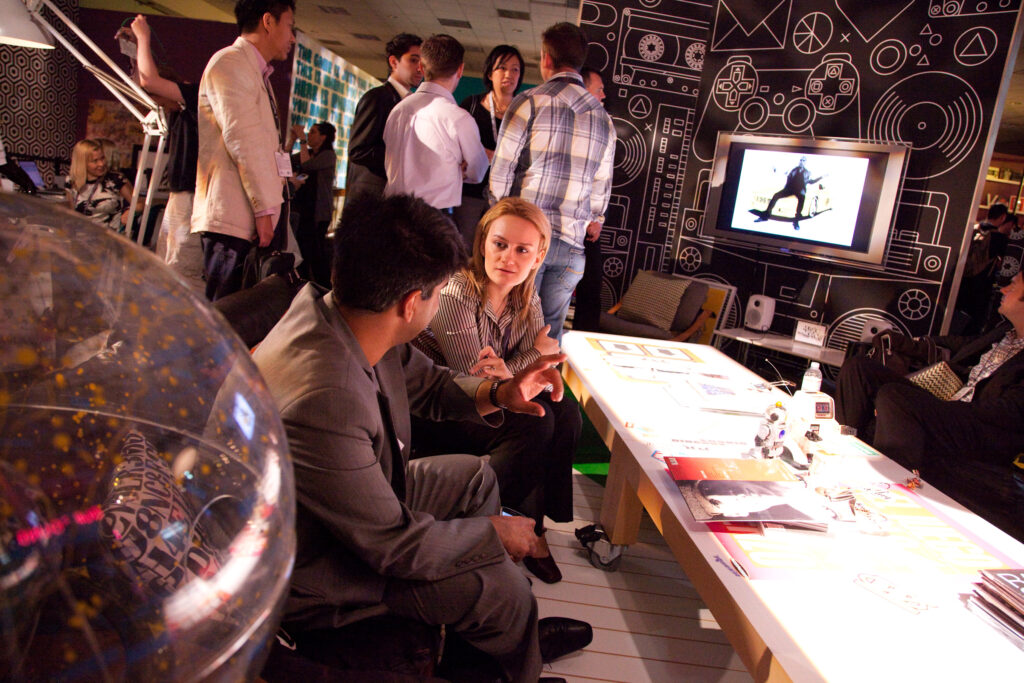
Beyond the primary exhibition halls, the archive provides extensive documentation of restricted-access zones. These include media workrooms filled with early-generation laptops and journalists filing live reports, registration booths managed by staff processing hundreds of global credentials, and corporate hospitality suites. Notably, the collection features images of exclusive environments, such as a lounge curated by Sony Computer Entertainment Europe, which allowed executives and high-profile guests to conduct business away from the heavy foot traffic of the main floor.
A peculiar recurring motif throughout the photographic record is the heavy corporate presence of Gamer Grub, a short-lived performance snack brand targeted specifically at competitive and enthusiast players. Baskets and promotional displays filled with the specialized snack mix—including a prominent quantity of pizza-flavored variants—appear across various hospitality areas, illustrating the unique micro-sponsorship dynamics of trade shows during the late 2000s advertising landscape.
Chronology and Industry Landscape of 2009
The year 2009 occupied a fascinating chronological juncture for the interactive entertainment sector. The global economy was navigating the aftermath of the 2008 financial crisis, forcing corporations across all sectors to scrutinize marketing expenditures. Simultaneously, the seventh generation of video game consoles was hitting its stride.
Microsoft’s Xbox 360 and Sony’s PlayStation 3 were locked in a fierce, highly competitive market share battle, while Nintendo was dominating the mainstream consumer space with the unprecedented commercial momentum of the Wii and the Nintendo DS. E3 2009 served as the primary battleground for these platforms. Major announcements from that specific iteration of the convention included the unveiling of motion-control technologies—such as Microsoft’s Project Natal (later released as Kinect) and Sony’s PlayStation Move—alongside major software showcases like God of War III, Uncharted 2: Among Thieves, Halo: Reach, and New Super Mario Bros. Wii.
For millions of enthusiasts who followed the industry remotely, the convergence of live-streamed keynote addresses, continuous blog updates, and extensive television coverage imbued E3 2009 with a distinct cultural mythology. For contemporary observers, however, looking back at these images provides a grounding perspective on an era before real-time social media broadcasting altered how corporate announcements are consumed.
Broader Impact and Implications for Digital Preservation
The unearthing of the Carolyn Rauch collection addresses a critical gap in digital preservation. While promotional media and consumer-facing trailers from historical trade shows are frequently archived by enthusiasts, behind-the-scenes operational ephemera are routinely discarded after corporate restructuring or institutional turnover.
Historians note that institutional records of trade shows like E3 are vital for understanding the labor, economics, and architectural engineering required to stage massive multinational corporate events. By preserving materials that document the administrative machinery, hospitality infrastructure, and promotional partnerships—down to corporate-sponsored snack foods—organizations like the Video Game History Foundation ensure that future generations can study the medium through a comprehensive lens.
As the physical trade show model continues to evolve and major industry gatherings face uncertain futures, archives such as the E3 2009 photo gallery serve as permanent testaments to a bygone era of corporate presentation, offering valuable context on how the modern video game industry built its global identity.