Ganda Hendra Perkasa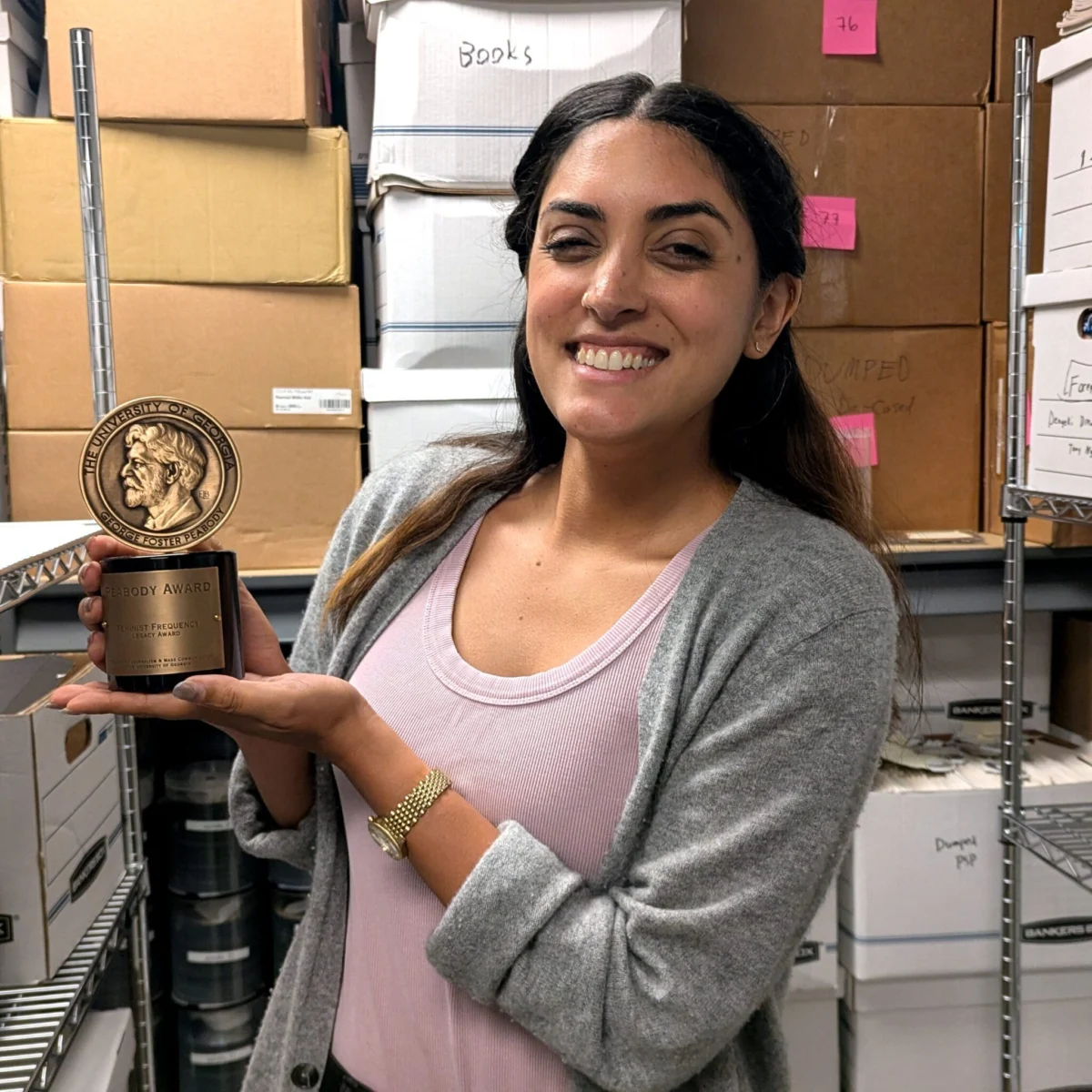
The Video Game History Foundation (VGHF), a leading non-profit organization dedicated to the preservation and accessibility of interactive entertainment history, has officially announced the appointment of Meera Swanson as its new Development Manager. In her new role, Swanson will spearhead the organization’s fundraising campaigns, nurture relationships with donors and institutional supporters, and secure the financial backing required to sustain and expand the foundation’s extensive archival operations. Swanson brings a decade of nonprofit development experience spanning education, youth development, and legal aid, alongside a lifelong passion for video games and digital preservation. Her arrival marks a critical step for the VGHF as it looks to scale its processing capacity, digitize backlog materials, and deepen community engagement through digital platforms such as Discord and Patreon.
Background Context and Organizational Evolution
Established to counter the rampant loss of interactive media—historically plagued by corporate restructuring, physical degradation, and a lack of systematic archiving—the VGHF operates under the core premise that video games constitute a vital cultural medium. Unlike traditional film and literature, which benefit from century-old institutional safeguards like the Library of Congress, interactive software relies heavily on proprietary hardware, fragile physical media, and source code that is frequently discarded once a commercial lifecycle ends.
The foundation was founded to bridge this gap, maintaining both a physical research library and a growing digital archive open to researchers, journalists, and the public. Funding these operations presents a persistent challenge for cultural preservation nonprofits, which typically rely on a mix of philanthropic donations, foundation grants, membership models, and corporate contributions. The inclusion of a dedicated Development Manager with a professional background in diverse nonprofit sectors highlights the foundation’s strategic pivot toward sustainable, long-term financial health. Swanson’s appointment is designed to professionalize and expand donor relations, ensuring that historical artifacts ranging from developer notes to retro hardware do not succumb to digital rot or physical decay.
Chronology of Swanson’s Transition and First Month Highlights
Swanson’s tenure began in mid-2026, culminating in a reflective initial month spent cataloging the operational strengths of the foundation and interacting directly with its archives. During her first thirty days on the job, Swanson conducted an internal audit of the foundation’s physical holdings, highlighting three distinct acquisitions that underscore the breadth and depth of the VGHF repository:
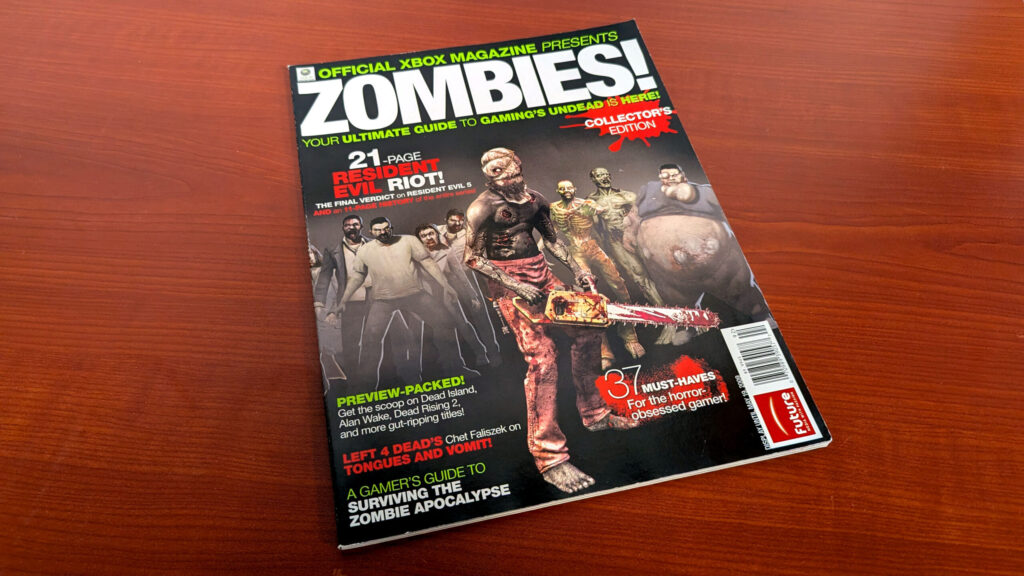
- Official Xbox Magazine Presents Zombies! (2009): Discovered alongside executive director Frank Cifaldi during Swanson’s first week, this periodical serves as a tangible cross-section of late-2000s gaming culture, capturing contemporaneous marketing strategies, preview coverage of titles like BioShock 2, and the retrospective state of the zombie genre in interactive media.
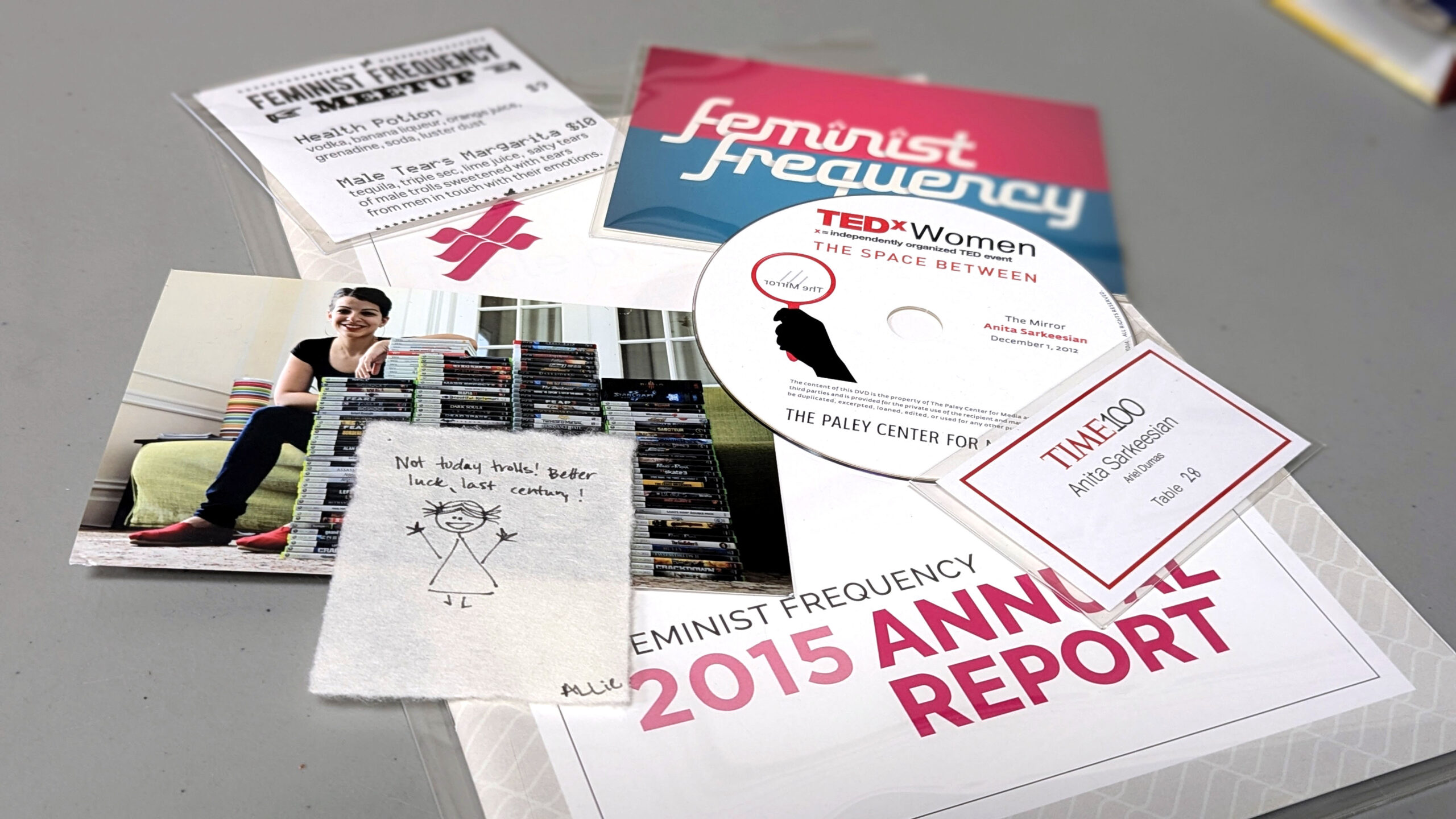
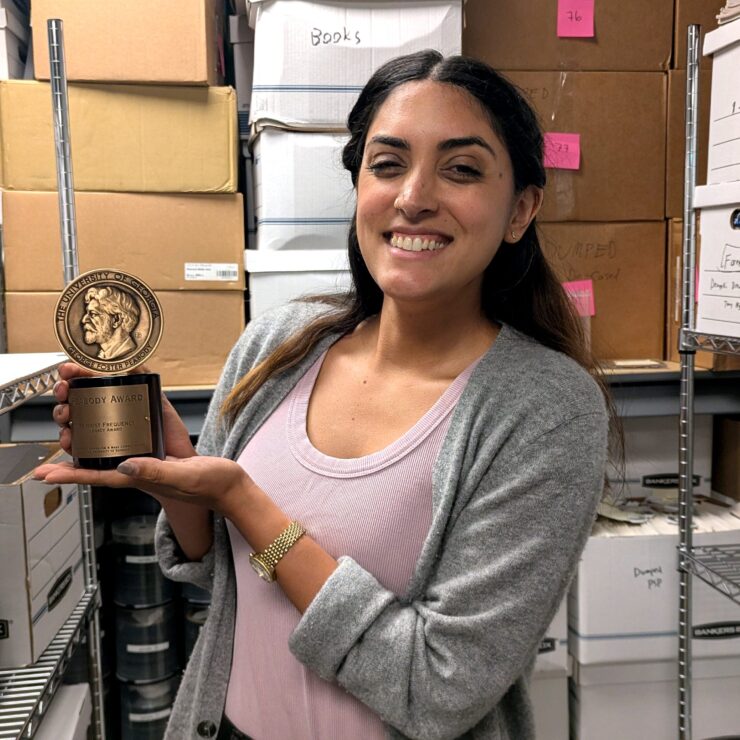
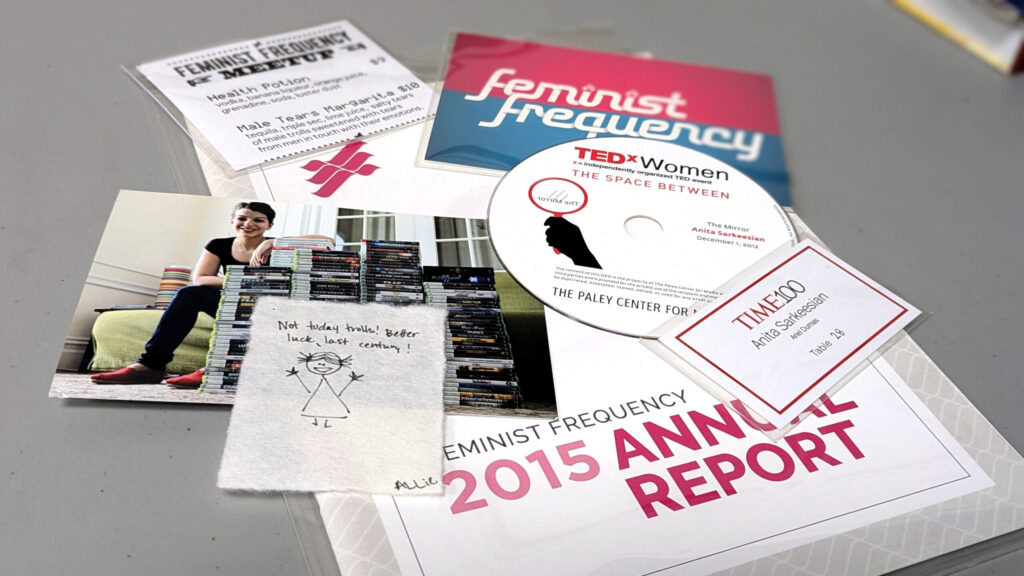
- The Feminist Frequency Collection: Comprising physical boxes, reference materials, promotional merchandise, and Anita Sarkeesian’s Peabody Award, this archival acquisition documents the cultural critique movement surrounding gender representation in video games, specifically the Tropes vs. Women in Video Games series.
- Original Aladdin Art for the Sega Genesis: Featuring hand-drawn character illustrations produced by art director Mike Dietz and routed directly to Disney animators, this material exemplifies the cross-media artistic collaboration characteristic of 16-bit era game development. Detailed insights into this collection are further contextualized by the foundation’s public breakdowns of the Aladdin source code.
Supporting Data and Fundraising Imperatives in Cultural Preservation
Nonprofit archives operating within the digital humanities face distinct financial pressures. According to industry analyses by digital heritage coalitions, fewer than 13% of classic video games released prior to 2010 are currently considered commercially available or easily accessible in functional states, leaving the vast majority dependent on non-profit preservationists and gray-market emulation.
The VGHF relies heavily on a tiered support ecosystem, including recurring contributions via platforms like Patreon, direct philanthropic gifts, and collaborative grants. Swanson’s decade-long portfolio in grant writing, event organization, and major donor cultivation positions her to target structural funding deficits. Non-profit sector benchmarks indicate that expanding a development team typically yields a 15% to 30% increase in recurring donor retention within the first fiscal year, a metric the VGHF hopes to replicate as it processes thousands of backlogged physical items currently waiting in its intake queue.
Statements and Community Engagement Strategy
The transition has been met with enthusiasm from both the VGHF leadership team and its grassroots supporter base. In public communications, Swanson emphasized the democratic philosophy embedded in the foundation’s charter:
"The VGHF was founded with the belief that with the right tools, anyone can be a video game historian," Swanson stated. "The generosity of the people who make this possible—developers, collectors, journalists, citizen archivists, and supporters who understand that games are culture worth preserving—is staggering."
To foster transparency and direct communication, Swanson has integrated herself into the organization’s public-facing digital communities, including the official VGHF Discord server and monthly Patreon member hangouts. Supporters and interested researchers can contact her directly via email at [email protected] to discuss philanthropic partnerships, donation inquiries, or community-driven preservation initiatives.
Broader Impact and Industry Implications
Swanson’s arrival arrives at a pivotal juncture for the video game preservation community. As major publishers increasingly sunset digital storefronts—such as Sony’s previous closures of the PlayStation 3, PSP, and Vita digital stores—the burden of history preservation falls increasingly on independent archives.
The financial stabilization and expansion of organizations like the VGHF have direct policy implications. Robust archival infrastructure provides the empirical data required for legal exemptions under the Digital Millennium Copyright Act (DMCA), allowing preservationists to legally bypass technological protection measures to maintain access to orphaned software. By securing long-term funding streams under Swanson’s management, the foundation strengthens its institutional legitimacy, ensuring that the history of interactive entertainment remains accessible for academic study, journalistic inquiry, and future generations of players.