Hartono Sudibyo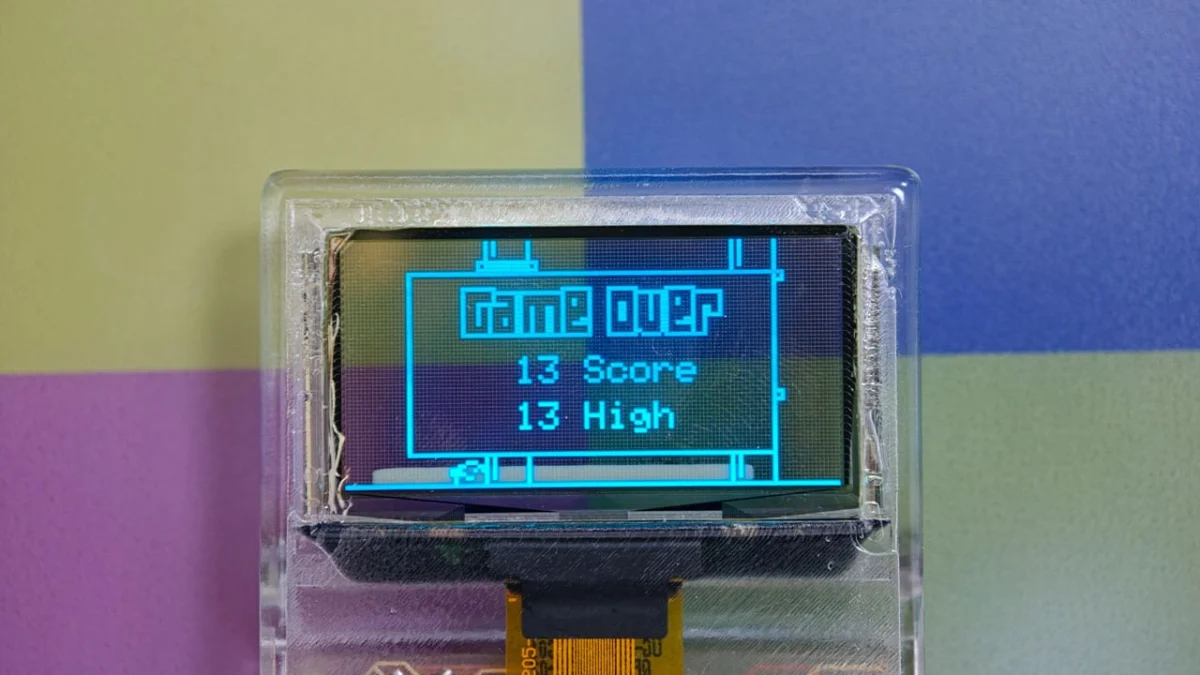
The consumer electronics and retro gaming landscapes have reached a new milestone in hardware transparency with the official introduction of the Arduview, widely recognized as the world’s first fully transparent handheld gaming console. Developed by founder Louis Huang alongside a team of fellow alumni and students at Babson College in Massachusetts, the Arduview breaks away from traditional opaque device manufacturing by offering complete visibility through its outer shell, internal circuit board, and display screen. Weighing a remarkably light 50 grams and pre-loaded with 400 open-source titles built on the Arduboy platform, the device represents an intersection of nostalgic retro gaming and futuristic industrial design.
Main Facts and Hardware Specifications
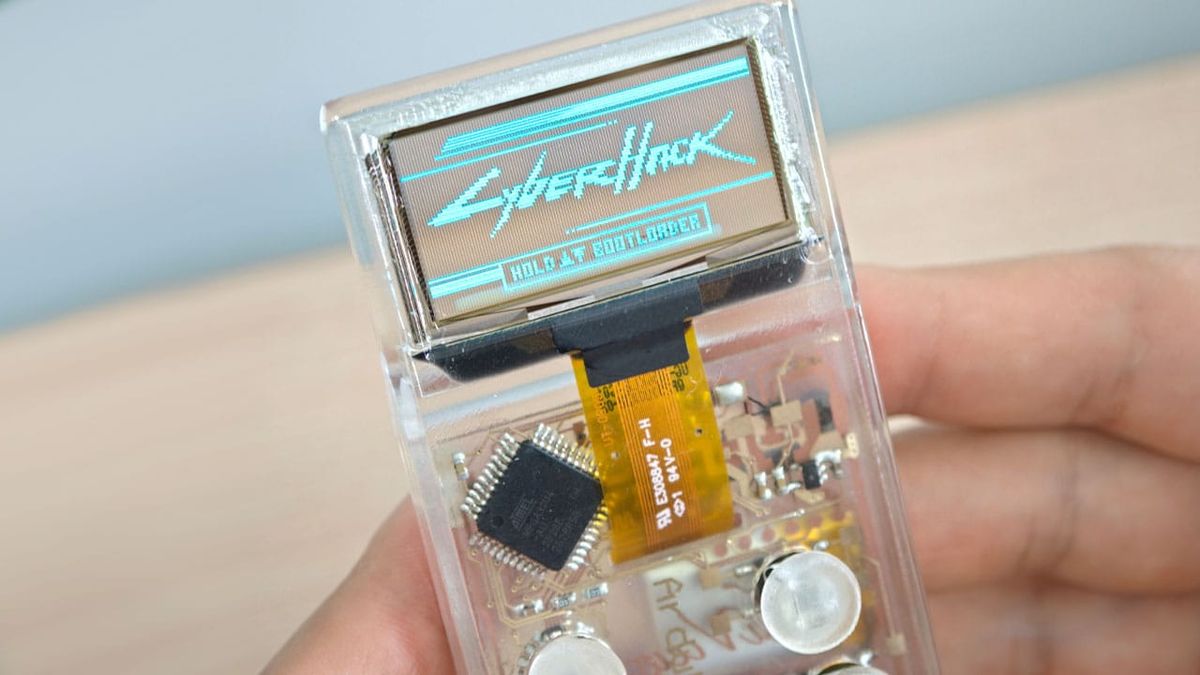
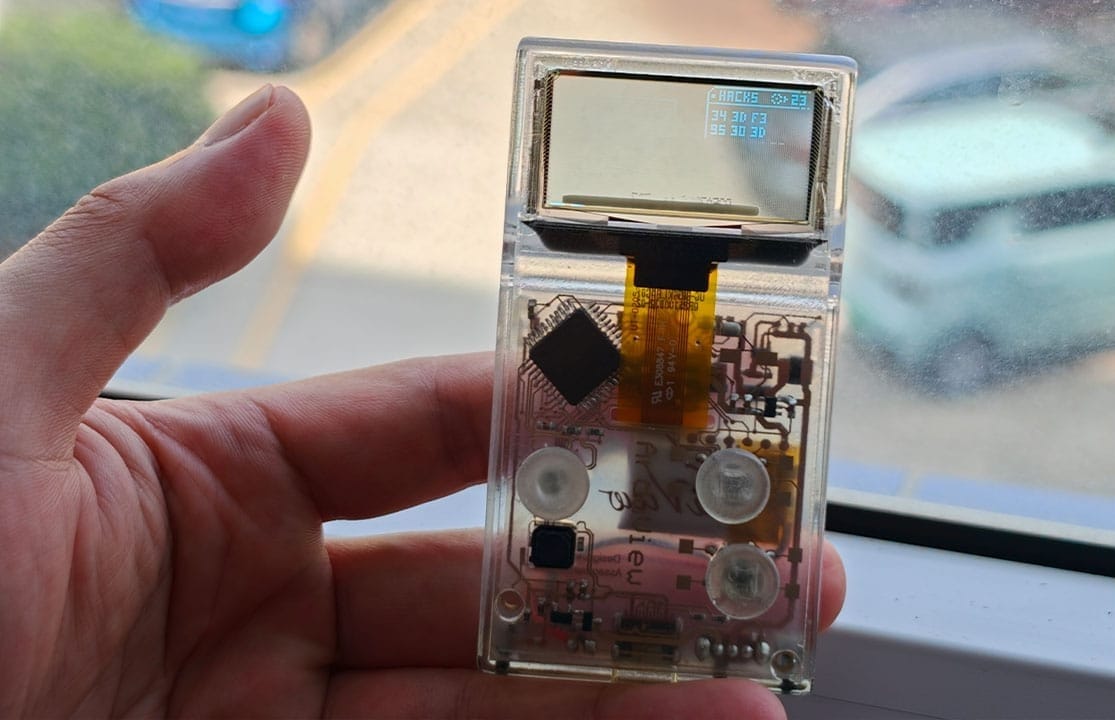
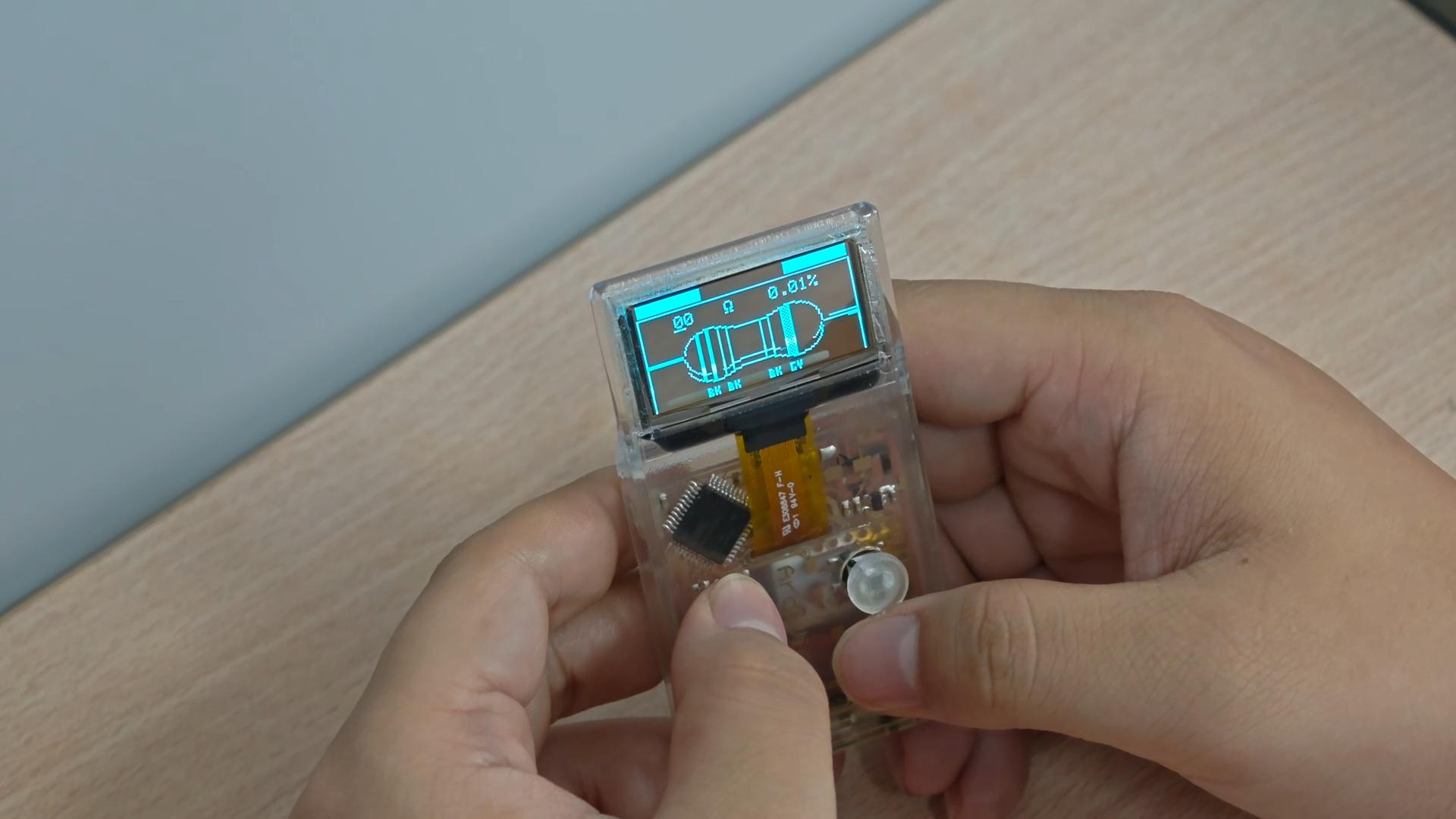
The defining characteristic of the Arduview is its absolute transparency. Unlike historical translucent consumer electronics—such as the iconic atomic purple and clear variant shells popularized by late-1990s and early-2000s handhelds and desktop computers—the Arduview extends its see-through properties to components previously deemed opaque. The internal printed circuit board (PCB), microchips, copper flex cables, button domes, and USB ports are intentionally exposed as primary elements of the console’s aesthetic rather than hidden beneath layers of shielding or backing materials.
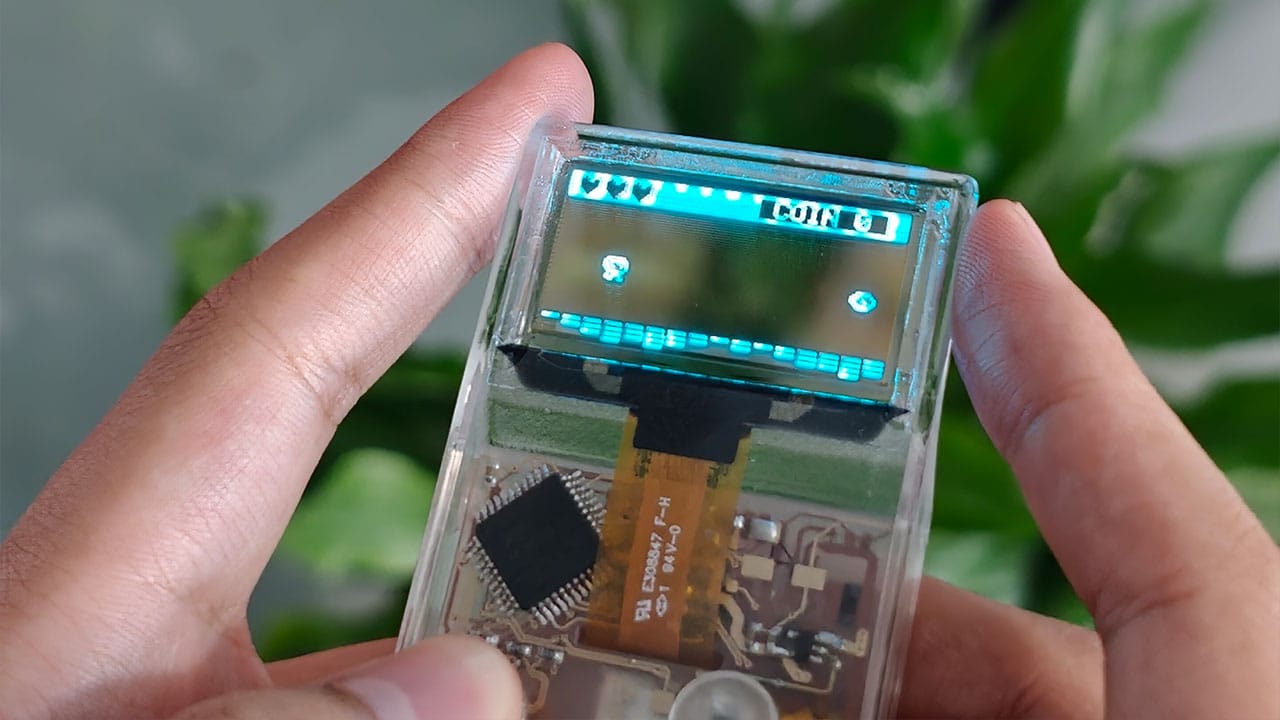
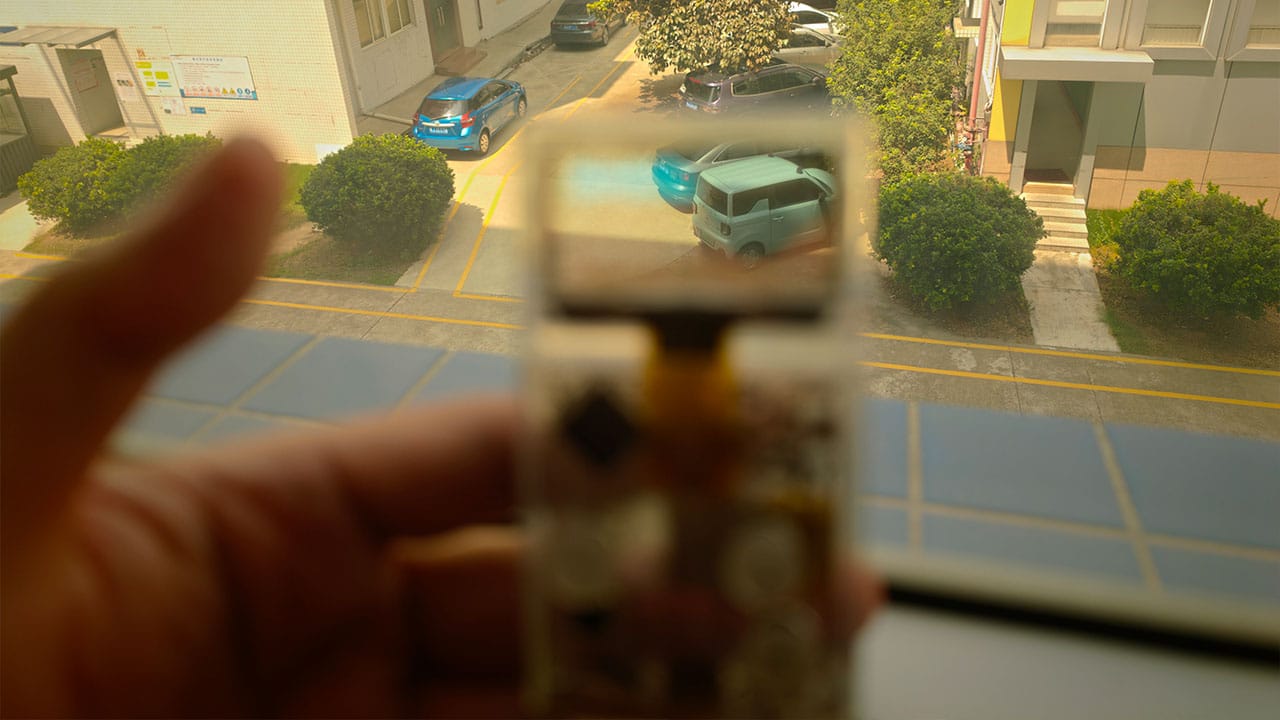
Furthermore, the integration of a transparent OLED screen allows users to literally see through the display panel while games are actively running. This creates an optical effect where digital graphics float against whatever physical environment lies behind the device, whether that is a room interior, an outdoor landscape, or an object held directly behind the unit.

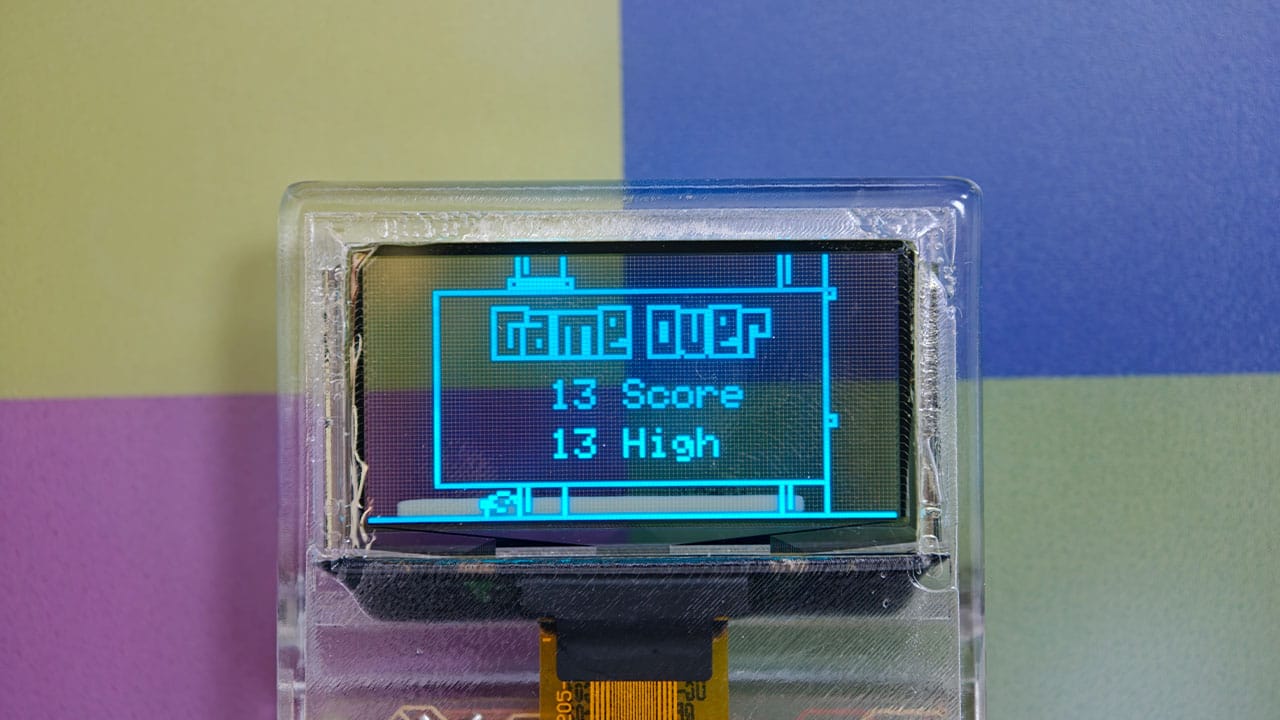
Operating on the open-source Arduboy ecosystem, the console requires no internet connectivity, Wi-Fi pairing, or digital application stores. Users can power on the device and immediately access its library of 400 titles. Its featherlight 50-gram chassis enhances its portability, making it one of the lightest functional electronic gaming systems ever produced commercially.
Genesis and Project Chronology
The development of the Arduview began as an academic and personal collaboration among students at Babson College in Massachusetts, spearheaded by Louis Huang. Driven by an affinity for exposed internal engineering—frequently associated with scientific instruments and modular hardware—Huang and his peers sought to dismantle the traditional barrier between device users and internal mechanics.
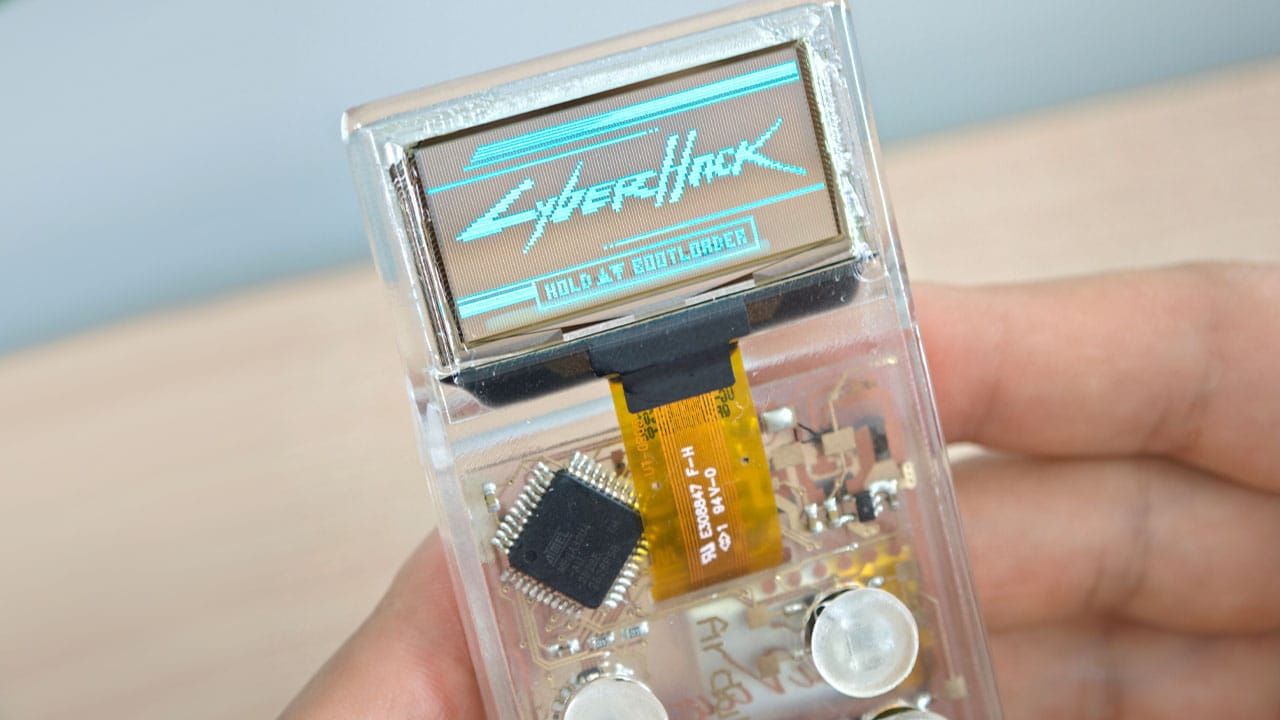
Most modern consumer technology is engineered with an emphasis on sealed enclosures, discouraging end-user modification or disassembly. The Arduview adopts the opposite philosophy, serving as a functional piece of open-source hardware intended to invite curiosity and direct engagement.
The project progressed from a collegiate engineering concept through iterative prototyping phases before reaching production-readiness in late 2026. According to the release schedule established by the development team, initial production units are slated for delivery to early-supporter "Founders" beginning in September 2026, with a broader public crowdfunding campaign scheduled via Kickstarter in 2027.
Background on Translucent Tech and Open-Source Gaming
The release of the Arduview arrives during a period of sustained consumer nostalgia for transparent electronics. The trend traces its modern roots to the late 1980s and 1990s, when manufacturers utilized translucent colored plastics to signal innovation, safety compliance in correctional or educational institutions, and internal complexity. Products like Nintendo’s Game Boy Color "Atomic Purple" and Apple’s Bondi Blue iMac cemented transparency as a defining cultural aesthetic of computing history.
However, historical transparent electronics typically featured opaque internal components, solid circuit boards, and standard back-lit liquid crystal displays (LCDs) that completely blocked light from passing through the center of the device. The Arduview represents a technological evolution made possible by advancements in transparent electronic components, transparent conductive films, and micro-OLED display manufacturing techniques.
Concurrently, the device taps into the thriving retro-handheld community, which has experienced rapid commercial expansion over the past decade. By utilizing the Arduboy architecture, the Arduview aligns itself with an established open-source developer community that values low-level programming access, retro aesthetics, and community-driven software creation.
Developer Insights and Design Philosophy
In discussions regarding the engineering of the console, Louis Huang emphasized that the internal architecture of modern electronics often contains the most visually compelling design elements. Rather than concealing these components behind molded plastics or metal shielding, the Arduview design philosophy treats every resistor, trace line, and processor chip as a deliberate artistic and functional component.
This approach draws conceptual parallels to high-end mechanical watchmaking, where complex gear trains and escapements are displayed beneath sapphire crystal case backs. By applying this transparency standard to a digital micro-console, the development team has positioned the Arduview as both a functional gaming utility and a conversation piece regarding how consumer electronics are constructed.
Broader Market Implications and Future Outlook
The introduction of the Arduview holds several implications for niche hardware manufacturing and the broader consumer electronics market.
First, it demonstrates the commercial viability of integrating transparent display technology into ultra-compact consumer hardware. While transparent displays have previously been utilized primarily in commercial head-up displays (HUDs), architectural glass, and high-end retail display cases, their successful scaling down to a pocket-sized handheld gaming console indicates maturing manufacturing pipelines for transparent panel tech.
Second, the device reinforces the growing consumer demand for repairable, transparent, and modifiable technology. In an era dominated by electronic waste and tightly sealed consumer devices, the open-source nature of the Arduview encourages technological literacy, inviting users to study, modify, and understand the hardware they own.
As the initial wave of Founder units ships and preparations for the 2027 Kickstarter campaign get underway, industry observers and retro gaming enthusiasts await formal performance reviews to evaluate how the transparent OLED display and minimalist hardware perform under everyday usage conditions. The Arduview stands as a bold experiment in hardware transparency, bridging the gap between historical nostalgia and future-facing industrial engineering.