Farhan hamdan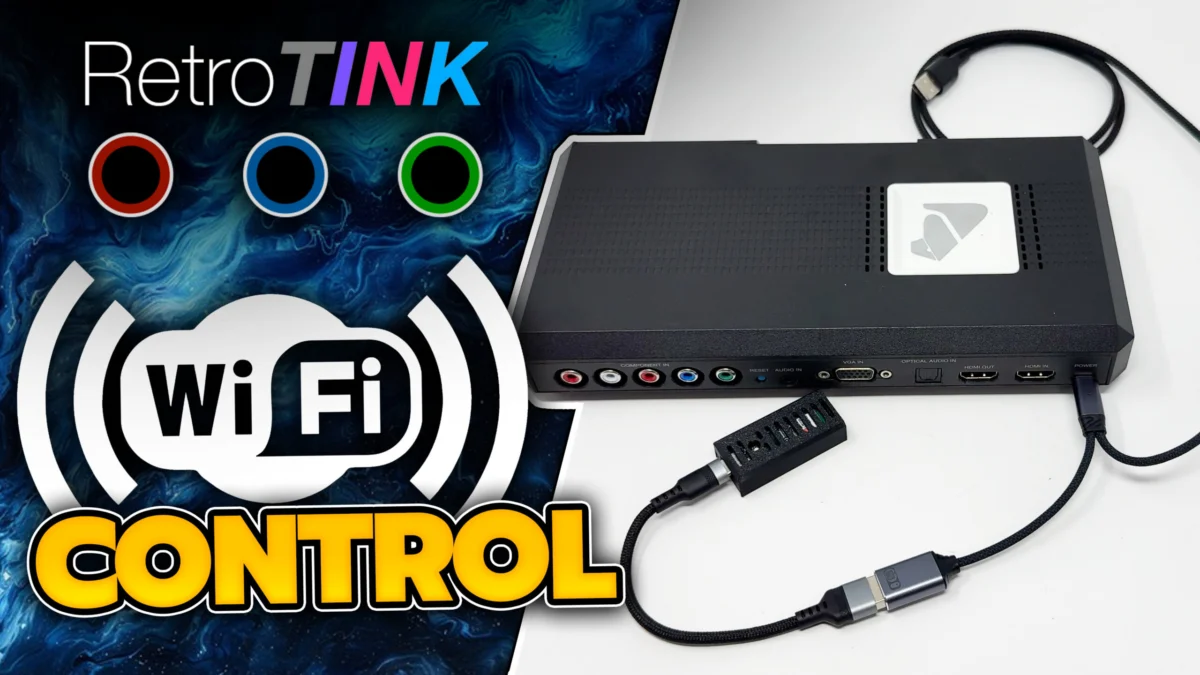
The landscape of retro-gaming hardware customization has taken another significant technological step forward with the introduction of two innovative wireless control solutions tailored for high-end video processors. Specifically designed to interface with the RetroTINK 4K and RetroTINK 6X upscalers, these new hardware additions—dubbed "DonutShop" and "Retro-Bridge"—enable seamless wireless management through integrated serial protocols. As vintage gaming enthusiasts and high-end video purists increasingly demand modern convenience without sacrificing visual fidelity, these developments bridge the gap between legacy console signals and contemporary wireless ecosystems. The integration relies on passthrough serial communication, utilizing USB and upcoming VGA adapters to translate wireless commands into precise hardware adjustments for the popular lineup of RetroTINK products.
To fully understand the significance of these wireless control innovations, it is necessary to examine the evolution of the RetroTINK hardware ecosystem. Over the past several years, hardware upscalers have transformed from basic line doublers into sophisticated, computer-grade video processors capable of handling complex scaling algorithms, motion adaptive deinterlacing, and advanced color space transformations. The introduction of the RetroTINK 4K established a new benchmark in the industry, offering videophiles unprecedented control over resolution scaling and display latency. However, managing these intricate configurations traditionally required physical proximity to the device, direct wired connections, or complex IR remote setups. The new DonutShop and Retro-Bridge projects directly address this ergonomic limitation, allowing users to execute commands remotely via web interfaces, dedicated profilers, and customized hardware dongles.
The technical architecture behind both the DonutShop and Retro-Bridge projects leverages modern microcontroller technology. The DonutShop solution relies heavily on the Arduino Nano ESP32—or compatible alternatives such as the Waveshare board—paired with a short USB connection. By utilizing the ESP32’s built-in Wi-Fi and Bluetooth capabilities, the DonutShop firmware creates a local network environment accessible via standard web browsers, enabling users to navigate menus, adjust profiles, and update settings on the fly. Meanwhile, the Retro-Bridge project utilizes the Raspberry Pi Pico 2 W microcontroller paired with a specialized USB-A to Micro dongle. Operating via open-source firmware hosted on GitHub, the Retro-Bridge system integrates with advanced utilities such as the PIPe Profiler and PIPe Remote, giving power users granular control over their video processor configurations from any networked device in the room.
Compatibility across the RetroTINK hardware family requires careful attention to interface specifications. While the majority of compatible RetroTINK units can utilize these wireless control modules over standard USB or upcoming VGA connections via the passed-through serial protocol, the RetroTINK 6X CE variant requires a dedicated VGA adapter that is currently slated for release. For users operating supported hardware configurations, a standard USB splitter is generally required to facilitate simultaneous data transfer and power delivery—though notably, this specific splitter configuration is not compatible with the 6X CE model. Additionally, users must ensure their hardware is running the appropriate software ecosystem, which includes applying experimental firmware updates for the RetroTINK 4K and configuring the necessary serial enablers, such as the Gserial enabler and its external version counterparts, to ensure uninterrupted command-and-control data streams.

The chronology of these developments reflects a community-driven approach to hardware enhancement. The groundwork for external serial control was laid with the release of official firmware updates and serial enablers by RetroTINK LLC, which opened up previously restricted communication channels on the devices. Independent developers quickly recognized the potential of these serial interfaces, leading to the creation of open-source repositories like the Retro-Bridge firmware and the DonutShop web server environment. Over the subsequent months, these proof-of-concept projects matured into stable, user-ready modifications. The recent release of demonstration video content and comprehensive documentation has formally introduced these tools to the broader retro-gaming public, accompanied by readily available shopping lists, component links, and firmware flash guides.
Analyzing the broader implications of these wireless control projects reveals a shifting paradigm in the retro-gaming and video processing market. Historically, hardware modifications and remote control solutions were proprietary, closed ecosystems controlled entirely by original manufacturers. However, the rise of open-source microcontrollers like the ESP32 and Raspberry Pi Pico 2 W has democratized hardware interfacing. By publishing source code on platforms like GitHub and utilizing affordable, off-the-shelf components, independent developers can deliver enterprise-grade convenience features to consumer electronics at a fraction of the cost. This ecosystem not only extends the functional lifespan of premium hardware investments like the RetroTINK series but also fosters a collaborative community where hardware enthusiasts can continuously build upon existing software architectures.
Industry observers and technical analysts note that the introduction of wireless serial control modules could influence future hardware design choices among video processor manufacturers. As consumers increasingly expect smart home integration, wireless telemetry, and remote management across all consumer electronics categories, video processing hardware is naturally following suit. Manufacturers are beginning to design future revisions with expansion ports, open serial protocols, and modular communication headers in mind, recognizing that active developer communities significantly enhance the long-term value and appeal of their core products. Consequently, initiatives like DonutShop and Retro-Bridge serve as both practical upgrades for current owners and valuable proof-of-concept indicators for future industry standards.
For end users seeking to implement these wireless control systems, careful preparation and adherence to documentation are essential. Because these projects involve third-party microcontrollers, experimental firmware branches, and custom wiring configurations, users must source the correct components—such as the recommended Arduino Nano ESP32 variants, Waveshare alternatives, and specific USB adapters—while closely following official setup guides. Support for the developers behind these tools is actively encouraged by the community through platforms like Ko-Fi and Patreon, ensuring that independent creators receive the financial backing necessary to continue maintaining and updating their open-source codebases. As these technologies continue to mature, retro-gaming setups are poised to become even more streamlined, combining the authentic analog signals of yesterday with the sophisticated wireless convenience of tomorrow.