Retno Hari Mulyono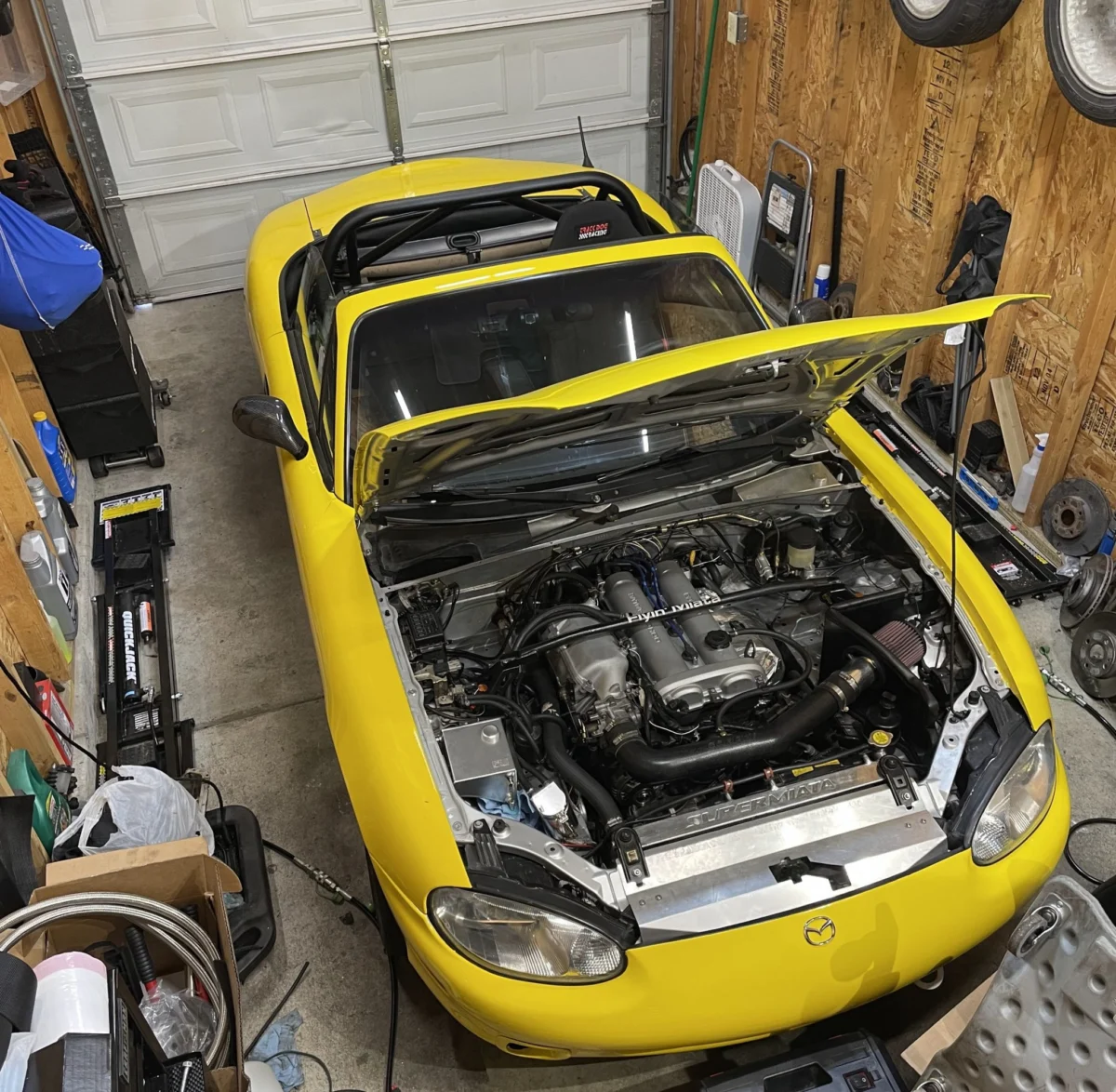
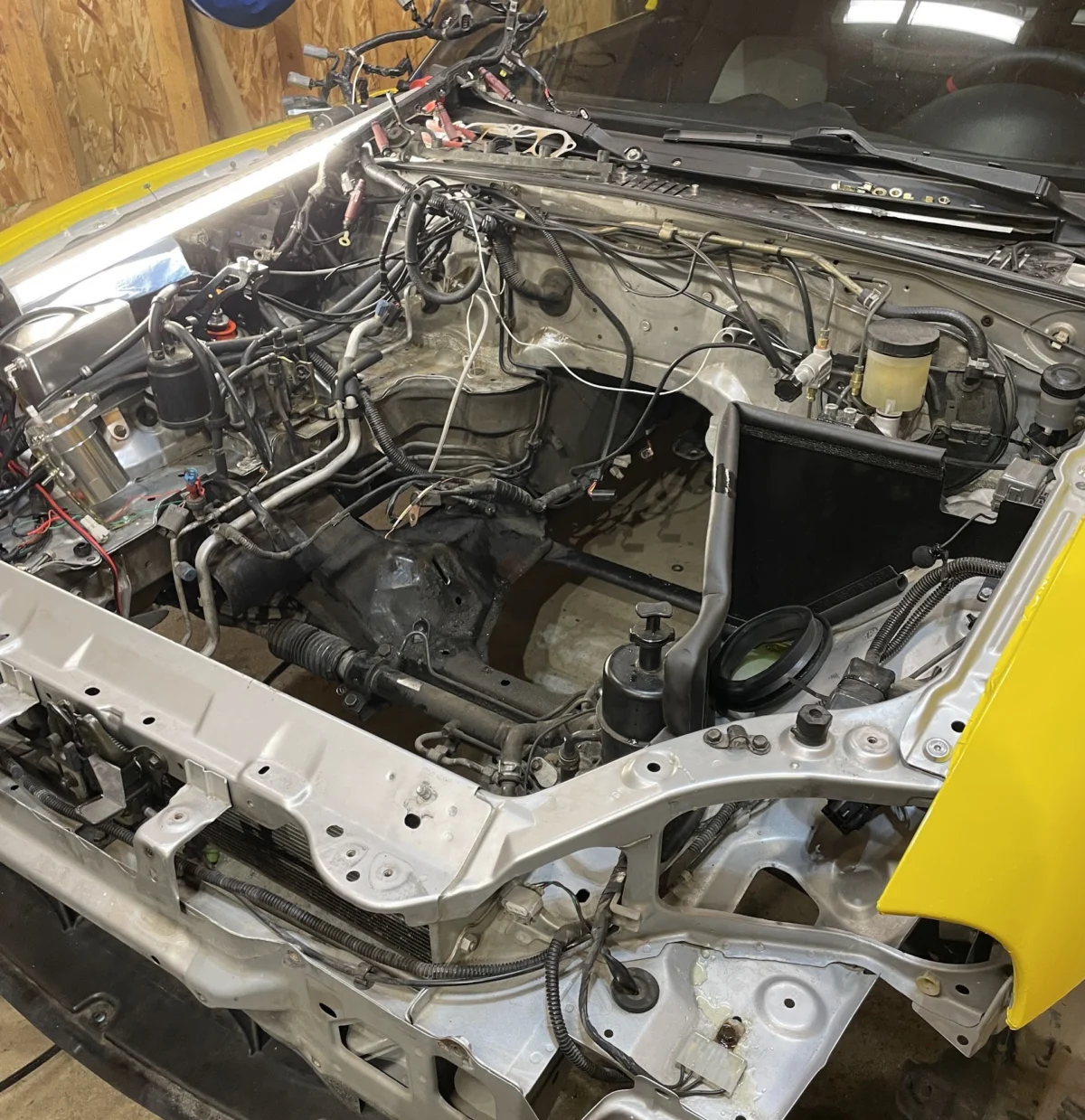
The transformation of a vehicle from a factory-spec commuter into a dual-purpose street and track machine requires meticulous planning, precise execution, and a substantial investment of time and resources. For automotive enthusiasts who store their vehicles during harsh winter months, the off-season offers an ideal window to overhaul critical mechanical systems away from the pressures of active driving schedules. This comprehensive mechanical overhaul focuses on a second-generation (NB) Mazda Miata, addressing decades-old factory components with a series of targeted upgrades. The scope of work encompasses a total suspension refresh—including IL Motorsports control arm bushings, a Supermiata front-end service kit, replacement wheel hubs and bearings, Supermiata Xida Race coilovers—alongside a Torsen limited-slip differential conversion and polyurethane differential mount bushings. By tackling these upgrades during the winter, the owner aimed to mitigate the unpredictable challenges of rusted fasteners and seized components while establishing a baseline of known service intervals for future track events.
Background and Context of the NB Miata Platform
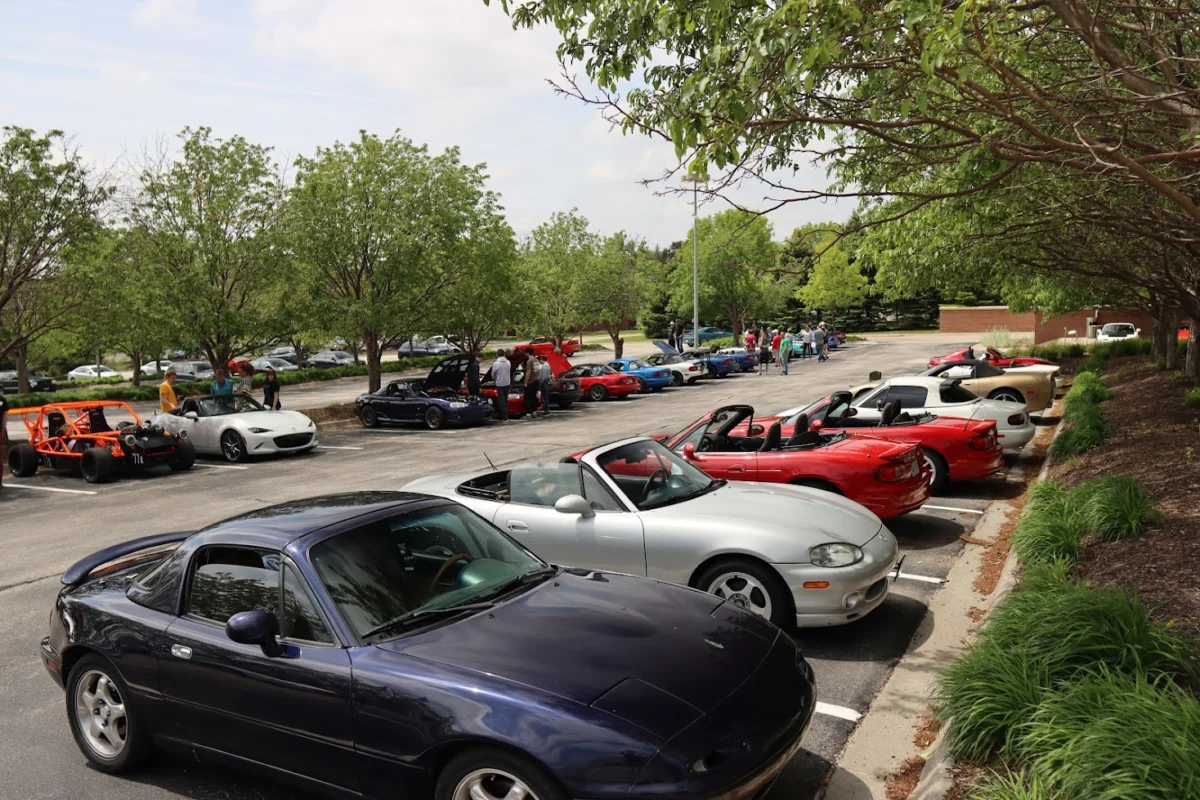
Produced from 1998 through 2005, the second-generation Mazda MX-5 Miata—commonly designated as the NB—retains the lightweight, front-engine, rear-wheel-drive architecture that made its predecessor an iconic platform for grassroots motorsports. Valued for its communicative steering, balanced chassis dynamics, and affordable operating costs, the Miata remains one of the most heavily represented vehicles at autocross and track day events worldwide. However, as these vehicles age into their second and third decades, original factory components inevitably suffer from rubber degradation, metal fatigue, and thermal stress.
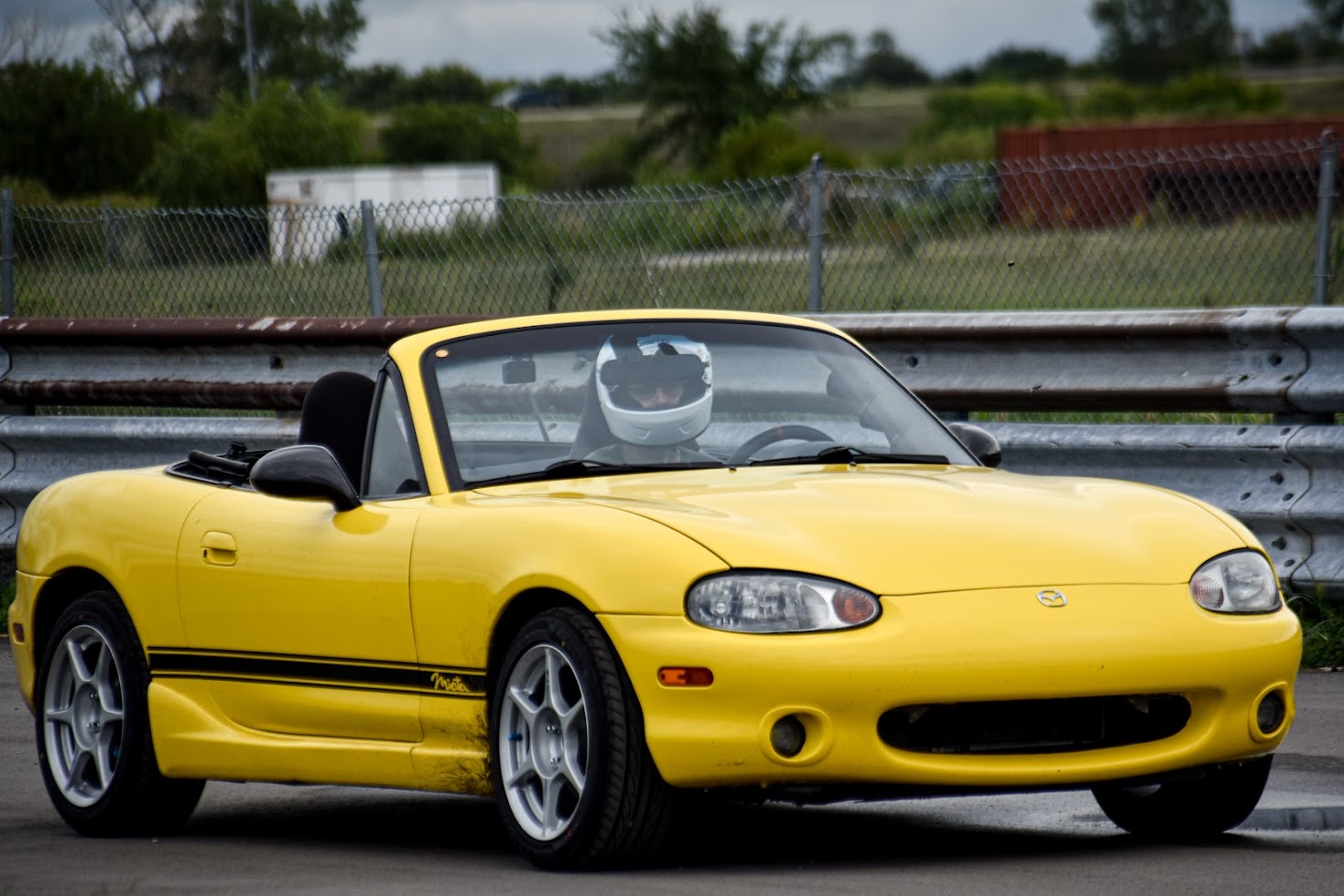
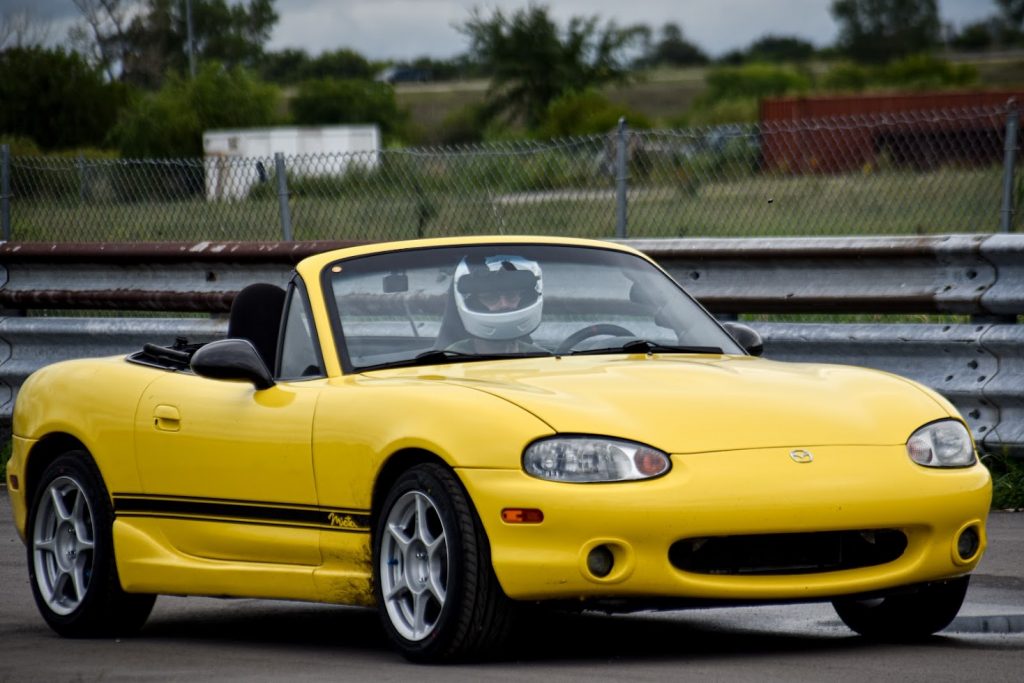
The subject vehicle in this comprehensive refresh initiative started its life as a base-model NB Miata equipped with a 5-speed manual transmission and a factory 4.30-ratio open differential. The vehicle’s complete suspension history was either entirely original or of unknown age, presenting a classic scenario for automotive enthusiasts acquiring older project cars. While the stock components remained fully functional for daily driving duties, they lacked the precision, damping control, and thermal resilience required for competitive track environments. Furthermore, the absence of a verifiable maintenance log necessitated a thorough, preemptive intervention to ensure structural and mechanical reliability under high-load cornering maneuvers.
Chronology and Project Planning
The winter overhaul was strategically scheduled to begin early in the off-season, minimizing downtime and providing a buffer against unforeseen mechanical complications such as sheared bolts, stripped threads, or seized bushings. Preparation began with the sourcing of specialized aftermarket components designed to strike a balance between aggressive track performance and acceptable street ride quality.
The chronological execution of the project proceeded through several distinct phases:
- Sourcing and inventorying all replacement hardware, bushings, dampeners, and differential components.
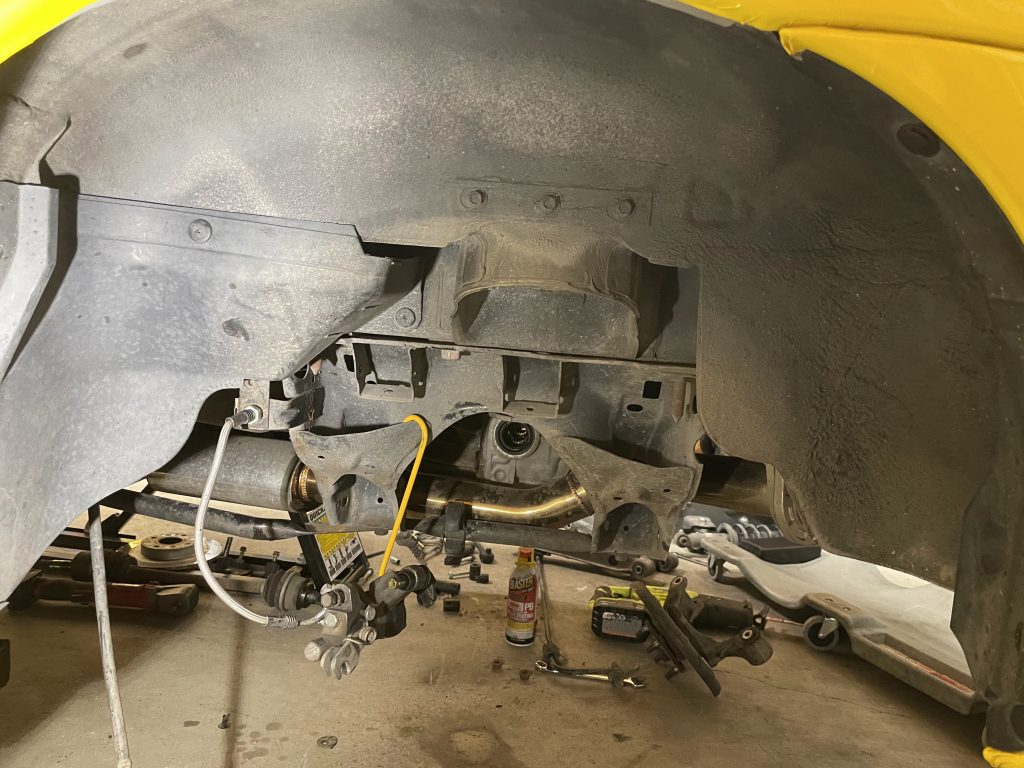
- Complete disassembly of the front and rear suspension assemblies, including the removal of control arms, uprights, and the factory open differential.
- Servicing the control arms, which involved pressing out aged factory rubber and installing new IL Motorsports stiffer rubber bushings.
- Installing the Supermiata front-end service kit, encompassing upgraded ball joints and tie-rod ends.
- Upgrading the wheel hubs and bearings using OEM-equivalent Centric front units and Treasure Coast Miata rebuilt rear knuckles.
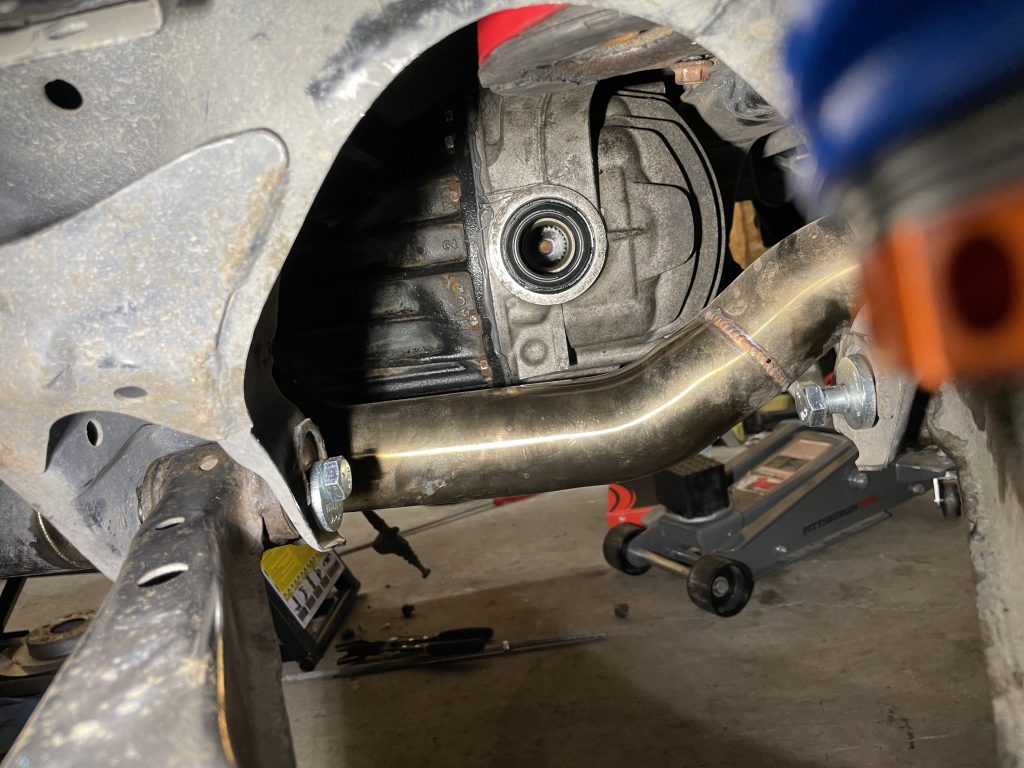
- Converting the differential setup by transplanting 4.30 Torsen internal components into the existing aluminum pumpkin and upgrading to polyurethane differential bushings.
- Bolting in the Supermiata Xida Race coilovers and establishing preliminary ride-height measurements.
- Reassembly, alignment preparation, and post-installation quality control inspections.
Engineering Choices and Component Selection
Selecting appropriate aftermarket components for a dual-purpose vehicle requires careful consideration of mechanical trade-offs. The upgrade path chosen for this NB Miata prioritizes longevity, serviceability, and predictable handling characteristics without introducing excessive harshness or maintenance burdens.
Control Arm Bushings
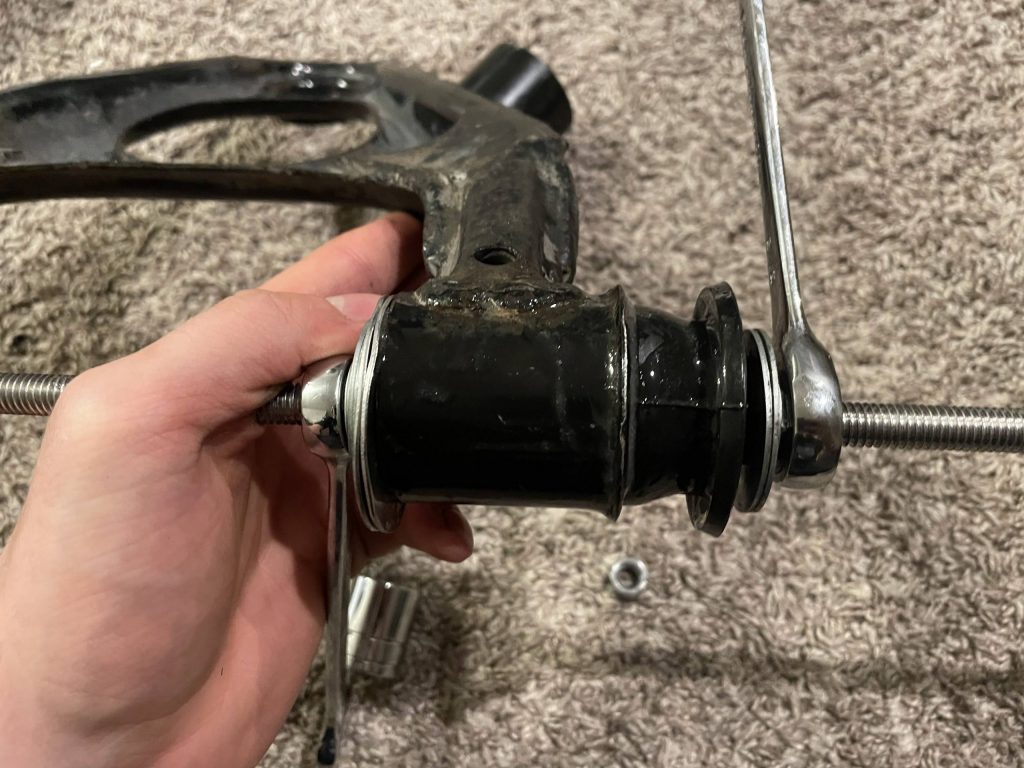
The choice of control arm bushings is critical in defining a vehicle’s suspension compliance and steering feedback. While polyurethane bushings are a popular aftermarket alternative, they often require periodic re-greasing to prevent squeaking and can exhibit binding if misaligned. To avoid these maintenance overheads while still reducing unwanted deflection under cornering loads, the builder selected IL Motorsports performance rubber bushings. These components offer a stiffness level comparable to factory Mazdaspeed units at a significantly lower price point, retaining the maintenance-free longevity of standard rubber. Alternative options, such as bronze polyurethane hybrid bushings, were considered but bypassed due to availability constraints during the winter installation window.
Chassis Service and Ball Joints
Although the vehicle’s original ball joints and tie-rod ends showed no immediate signs of catastrophic failure, preventative replacement is standard best practice during a comprehensive suspension overhaul. The Supermiata front-end service kit was selected to replace these wear items. This kit bundles high-durability ball joints and tie rods, ensuring that all pivot points maintain tight tolerances and eliminate play in the steering and suspension geometry.
Hubs and Wheel Bearings
Wheel hub fatigue is a well-documented issue for Miatas subjected to high-load track environments, where sticky R-compound tires generate immense lateral forces. While heavy-duty aftermarket motorsport hubs exist for dedicated race cars, standard Centric front hubs with pre-installed bearings and Treasure Coast Miata rebuilt rear upright assemblies were deemed sufficient for a vehicle primarily operated on the street with occasional track days. This approach ensured that every corner of the vehicle started with a fresh service life, eliminating hidden fatigue cracks.
Differential Upgrade and Drivetrain Dynamics
Base-model NB Miatas featured an open differential that allowed the inside rear wheel to spin freely under power when cornering aggressively. Upgrading to a Torsen (torque-sensing) limited-slip differential represents one of the most transformative modifications available for the platform. Because factory 4.30 Torsen units are in high demand—partly due to their inclusion as a requirement in racing series such as Spec Miata—complete assemblies often command premium prices exceeding $1,000.
Through patient sourcing, the builder acquired the internal gear components of a 4.30 Torsen differential for approximately $250, successfully transplanting them into the vehicle’s original aluminum carrier housing. To complement the stiffer engine mounts and reduce drivetrain slop, the factory differential rubber mounts were replaced with polyurethane bushings. Unlike OEM rubber bushings, which require a hydraulic press for installation, the polyurethane alternatives slide in easily, simplifying the maintenance process while firmly locating the differential housing under acceleration.
Suspension Damping: The Supermiata Xida Race Coilovers
The centerpiece of the suspension refresh is the installation of Supermiata Xida Race coilovers, configured with standard 800 lb/in front and 500 lb/in rear spring rates paired with helper springs. Choosing the correct coilover system involves navigating a vast market ranging from inexpensive budget imports to multi-thousand-dollar bespoke motorsport dampers.
Budget-conscious enthusiasts frequently assemble custom setups using modified Bilstein dampers, which offer adjustable ride height and custom spring rates at a moderate price. Conversely, high-end systems—such as Supermiata Xida, Flyin’ Miata Fox, and Penske setups—deliver superior damping technology and track performance at a substantially higher financial outlay. The decision to invest in the Xida system was influenced by their reputation for sophisticated digressive damping profiles, exceptional build quality, and responsive customer service regarding spring rate and ride height optimization.
Installation Challenges and Technical Hurdles
Executing a comprehensive mechanical overhaul on a vintage platform invariably introduces technical obstacles. Throughout the project, the builder encountered several notable challenges inherent to aging automotive hardware:
- Control Arm Deformation: Utilizing a hydraulic press incorrectly on the rear upper control arms resulted in structural bending, necessitating replacement arms. Subsequent bushing installations were successfully executed using a simple threaded-rod, washer, and nut tool method from a local hardware store, which applies even, controlled pressure without risking metal distortion.
- Seized Fasteners: The long bolts securing the rear lower control arms to the wheel knuckles were severely seized within their steel sleeves. Overcoming this required applying alternating leverage, manual pivoting, and targeted striking forces to free the components before replacement hardware could be fitted.
- Power Plant Frame (PPF) Removal: Disconnecting the differential from the rigid aluminum PPF required high torque levels that standard impact wrenches could not supply. This necessitated sourcing replacement fasteners and a secondary used PPF to streamline reassembly.
- Bushing Extraction: Removing the original rubber differential bushings from the aluminum carrier required a laborious process of drilling out the elastomeric material and driving out the outer metal sleeves manually with a punch hammer, highlighting the utility of pneumatic extraction tools for future projects.
Analysis of Performance Implications
Evaluating the real-world impact of these extensive modifications reveals a distinct division between components that provide immediate tactile feedback and those serving a purely preventative function.
Preventative maintenance items, such as the IL Motorsports control arm bushings, new ball joints, tie rods, and standard wheel hubs, yielded minimal discernible difference in everyday driving dynamics. This outcome indicates that the factory components were not yet critically degraded, though the replacement establishes an invaluable maintenance baseline for future high-speed telemetry tracking.
Conversely, structural and damping upgrades delivered profound improvements in vehicle behavior. The Supermiata Xida coilovers immediately transformed the driving experience on public roads. Body roll during cornering was substantially reduced, allowing the chassis to remain flat and responsive without inducing the jarring, unyielding impact harshness associated with poorly matched spring rates. Furthermore, high-speed straight-line stability—a known weakness of the factory setup, which can feel floaty and unsettled at highway velocities—was vastly improved, resulting in a planted, confidence-inspiring ride.
The installation of the Torsen limited-slip differential and polyurethane bushings likewise produced an immediate mechanical benefit. The vehicle gained significantly improved traction exiting tight corners, eliminating power loss through single-wheel spin and providing a more direct, connected throttle response.
Conclusion and Future Outlook
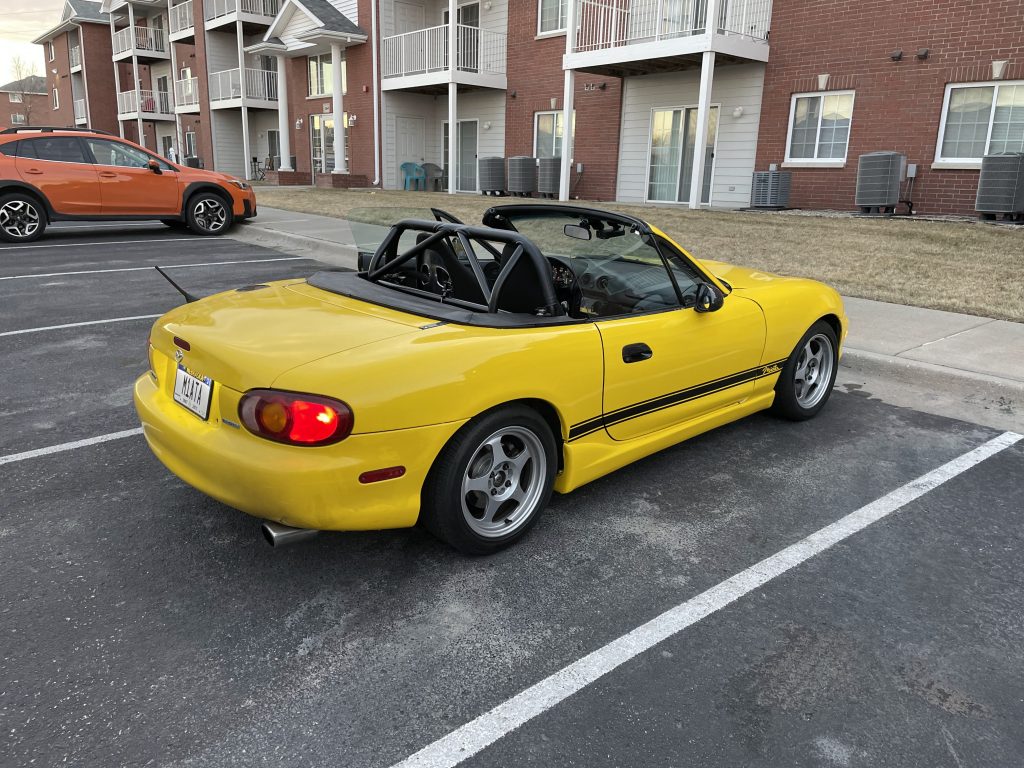
The comprehensive winter suspension and drivetrain refresh of this NB Mazda Miata demonstrates the practical realities of maintaining and upgrading an aging enthusiast platform. By methodically replacing wear items, upgrading critical structural components, and investing in high-tier damping and differential technology, the owner successfully bridged the gap between a tired factory commuter and a sharp, responsive dual-purpose sports car. While certain tasks presented unexpected mechanical hurdles, the resulting improvements in handling precision, chassis composure, and traction validate the time and investment dedicated during the off-season. Further evaluations on a dedicated race circuit will provide the final metric for these modifications, confirming their efficacy under competitive track conditions.