Retno Hari Mulyono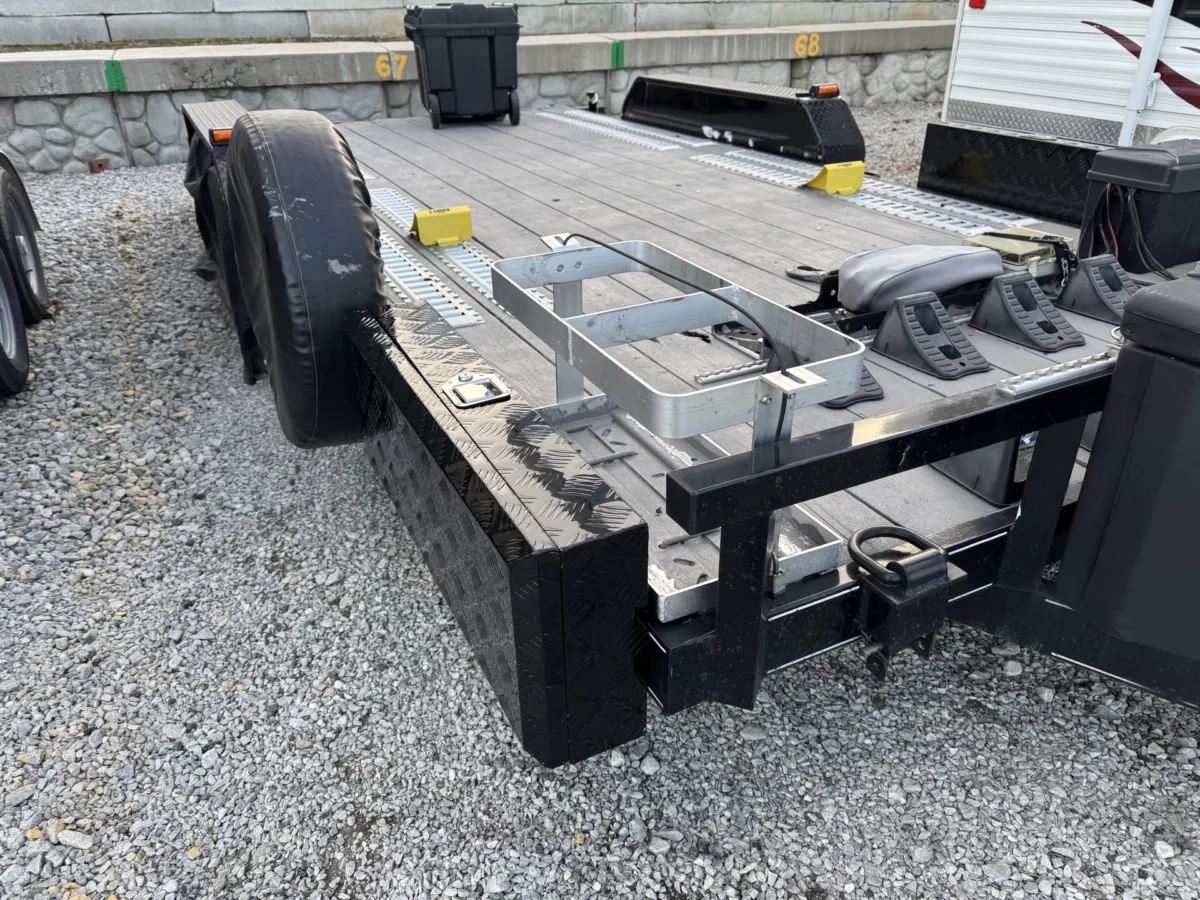
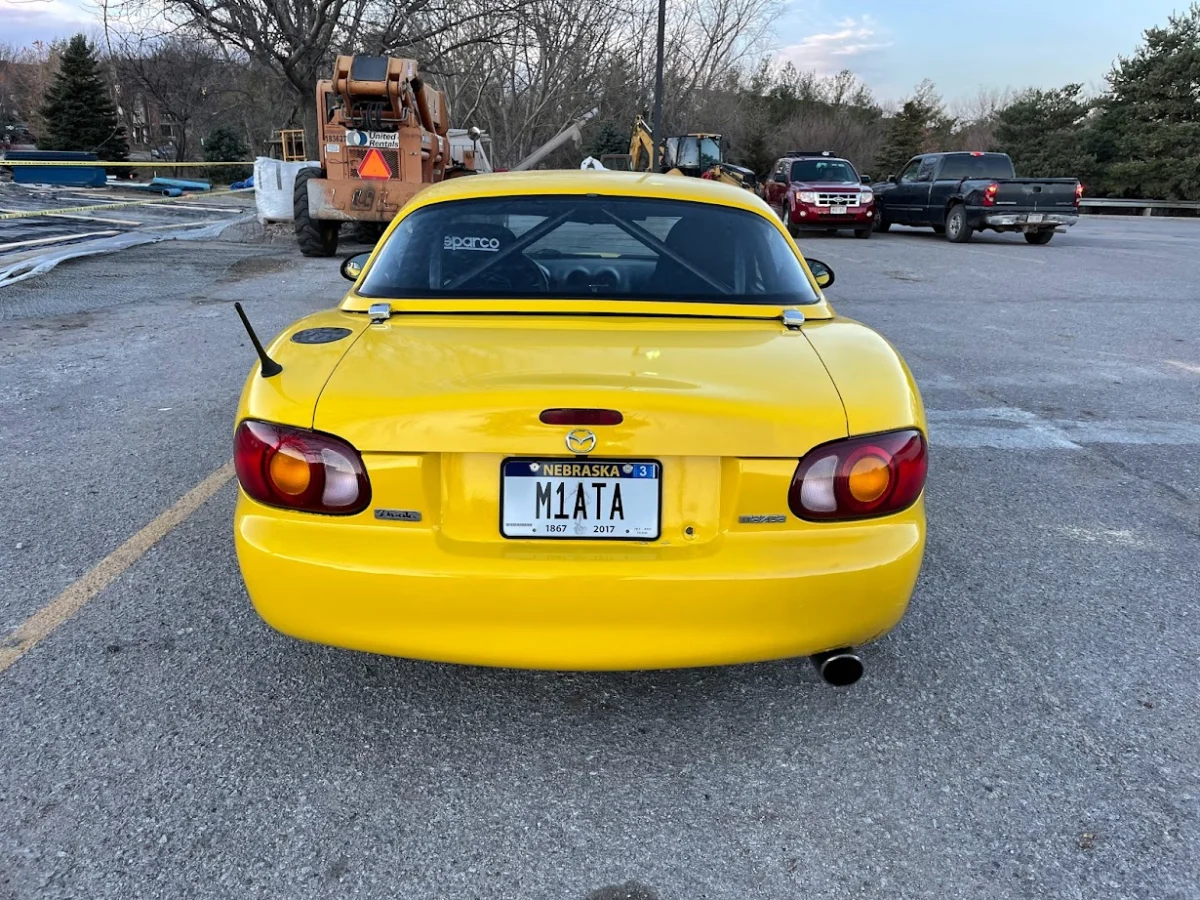
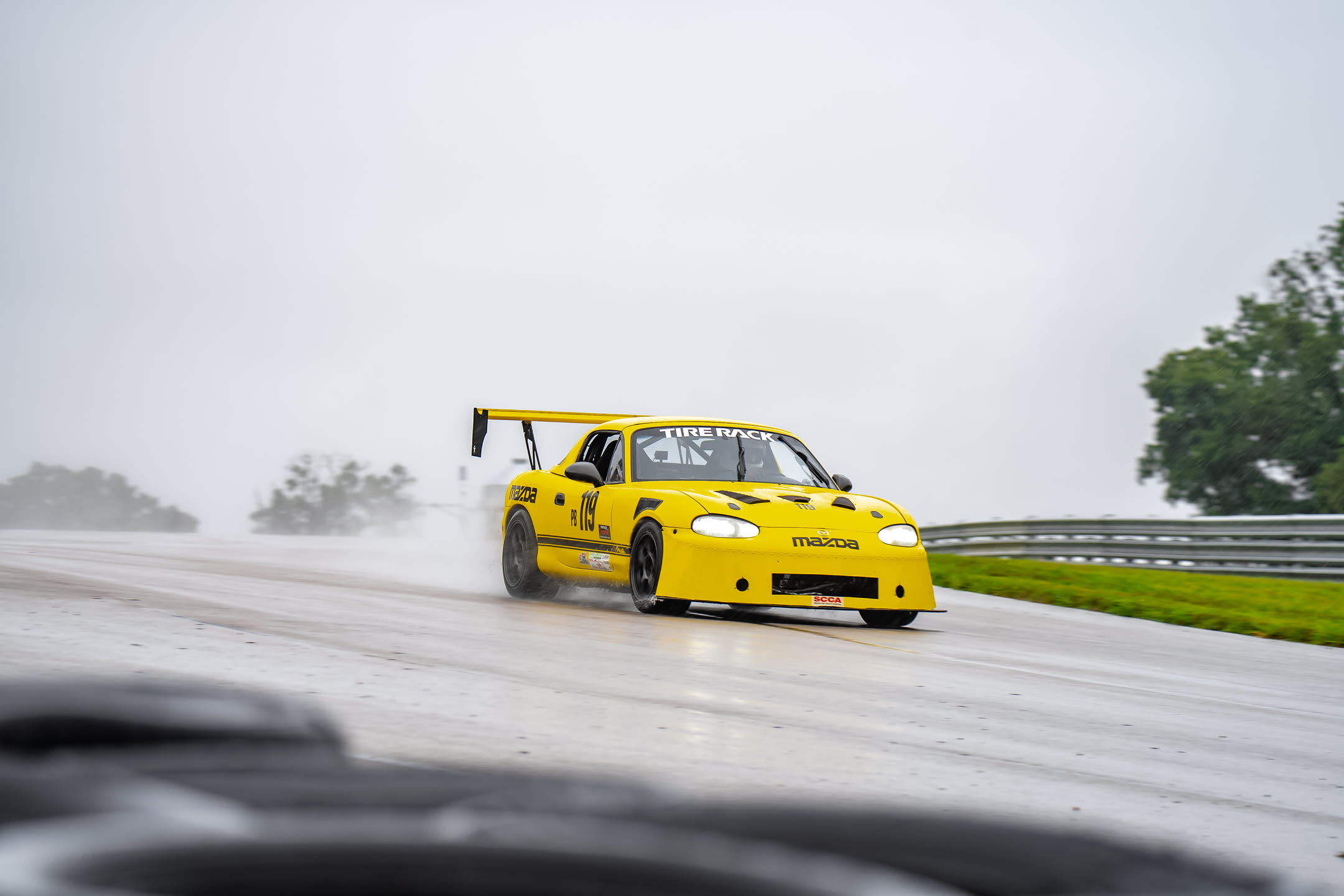
Marking a major milestone in long-term vehicle ownership and amateur motorsport development, the owner of a dedicated track-prepped 2000 Mazda MX-5 Miata NB has released a comprehensive retrospective detailing their fifth consecutive year of ownership. Spanning from March 2025 through February 2026, this twelve-month period transitioned the roadster from a regional time-trials competitor into a heavily engineered, track-dedicated platform. The period also marked the surprising expansion of the garage with the addition of a second project car. Through meticulous data tracking, mechanical overhauls, and rigorous endurance testing across multiple Midwestern racing circuits, the ownership journey provides valuable insights into the realities of amateur motorsports maintenance, platform modifications, and the economic considerations of grassroots racing.
Chronology of the Fifth Year: Spring and Summer Mechanical Realities
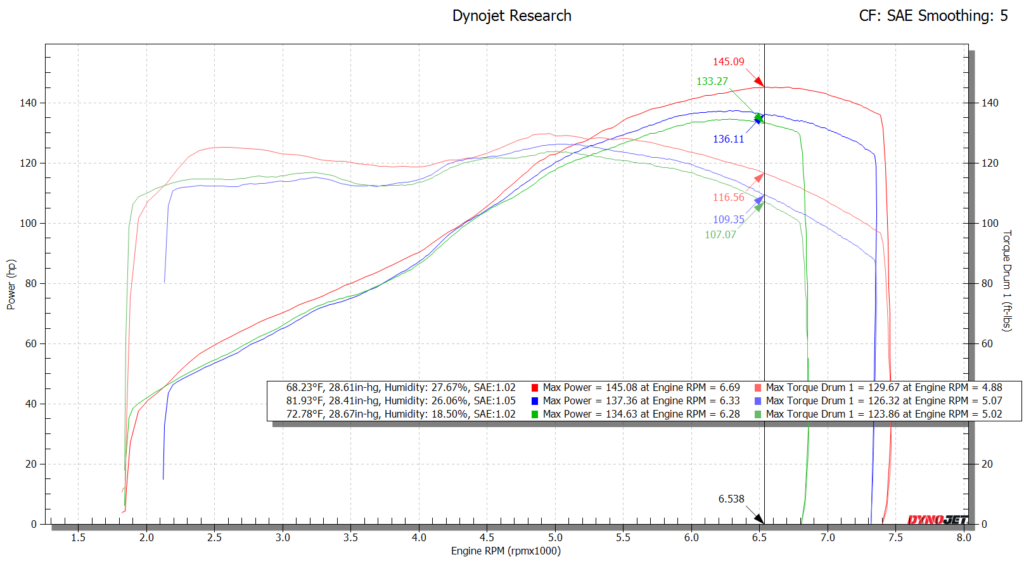
The twelve-month review cycle commenced in March 2025 with critical SCCA MiDiv time-trials classing on the dyno. Shifting to a new Dynojet facility to optimize testing costs, the vehicle delivered a peak output of 145.09 wheel horsepower and 129.67 foot-pounds of torque. This represented a noticeable gain over previous years, driven primarily by the transition from a square-top intake manifold to a Skunk2 intake manifold. While questions arose regarding potential calibration variances between different dyno dynamometers—given previous measurements of 133.27 horsepower—the vehicle demonstrated substantial performance gains over its factory 115-horsepower baseline ECU configuration.
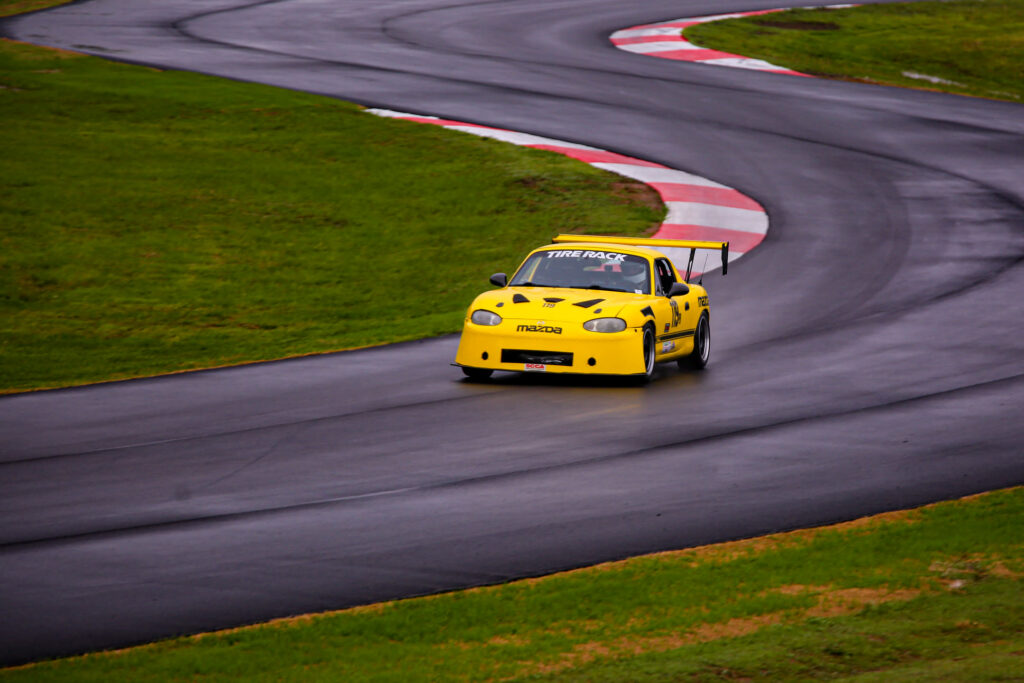
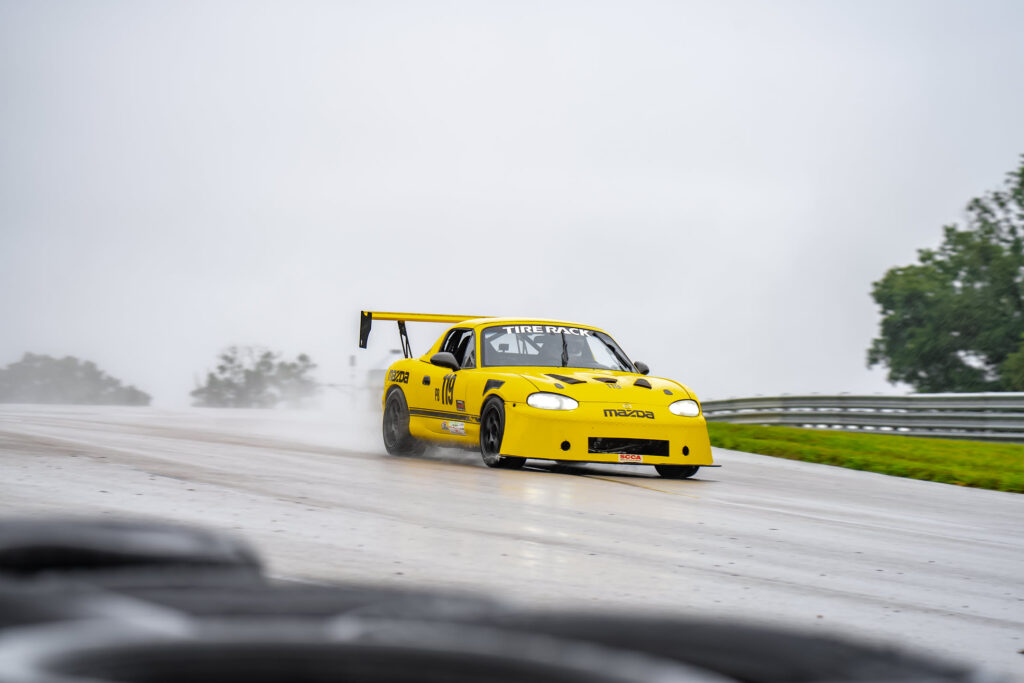
April brought the car to the Hallett Motor Racing Circuit for early-season testing following significant off-season asphalt resurfacing across various track turns. Persistent wet track conditions prevented the establishment of competitive personal-best lap times, yet the session provided critical data regarding extended wet-braking zones where transitions between legacy and freshly paved surfaces drastically altered vehicle dynamics.
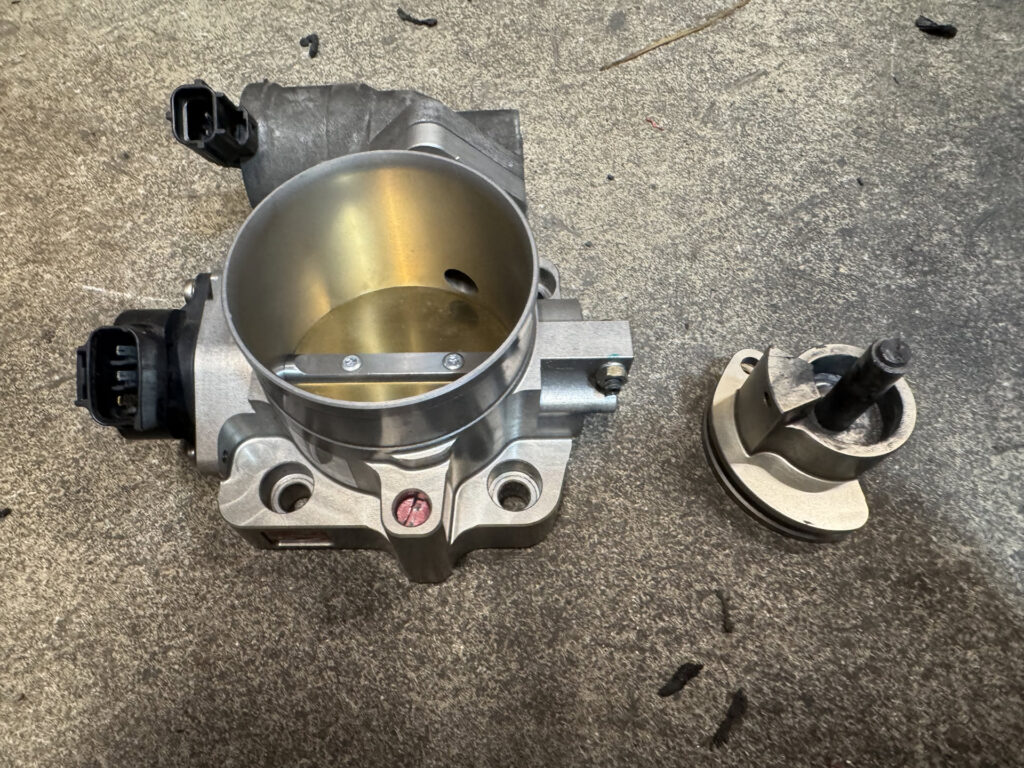
Mechanical hurdles emerged prominently in May during a test day at I29 Speedway. A sudden failure of the throttle return spring on the Skunk2 throttle body created hazardous on-track conditions, leaving the throttle partially open and severely challenging the braking capabilities of the lightweight chassis. A temporary trackside modification enabled safe completion of the event and the drive home, prompting the acquisition of an identical replacement component in hopes of a permanent resolution.
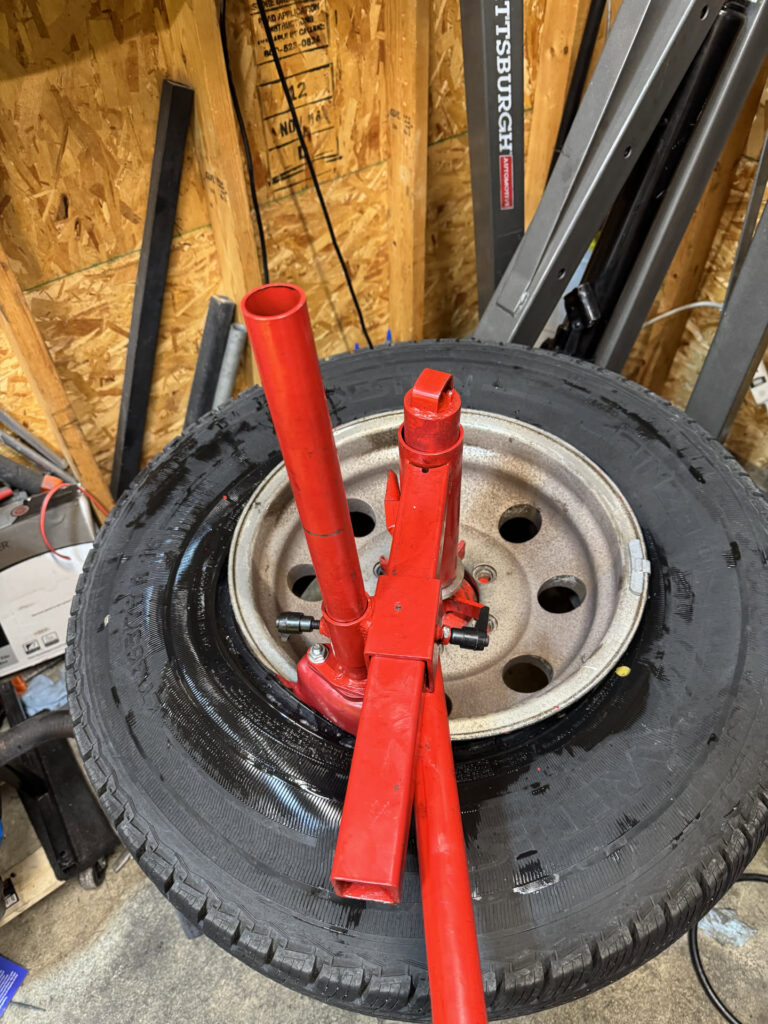
By June, escalating rates at commercial tire service centers catalyzed a shift toward autonomous garage maintenance. The acquisition of a Harbor Freight manual tire changer, augmented with a duckhead attachment and a DIY bubble-balancer, fundamentally altered the owner’s operational economics. Despite an initial learning curve, processing over twenty tires—including specialized 200-twins—proved economically efficient and technically reliable, with DIY static balancing frequently yielding results competitive with or exceeding commercial mounting services.
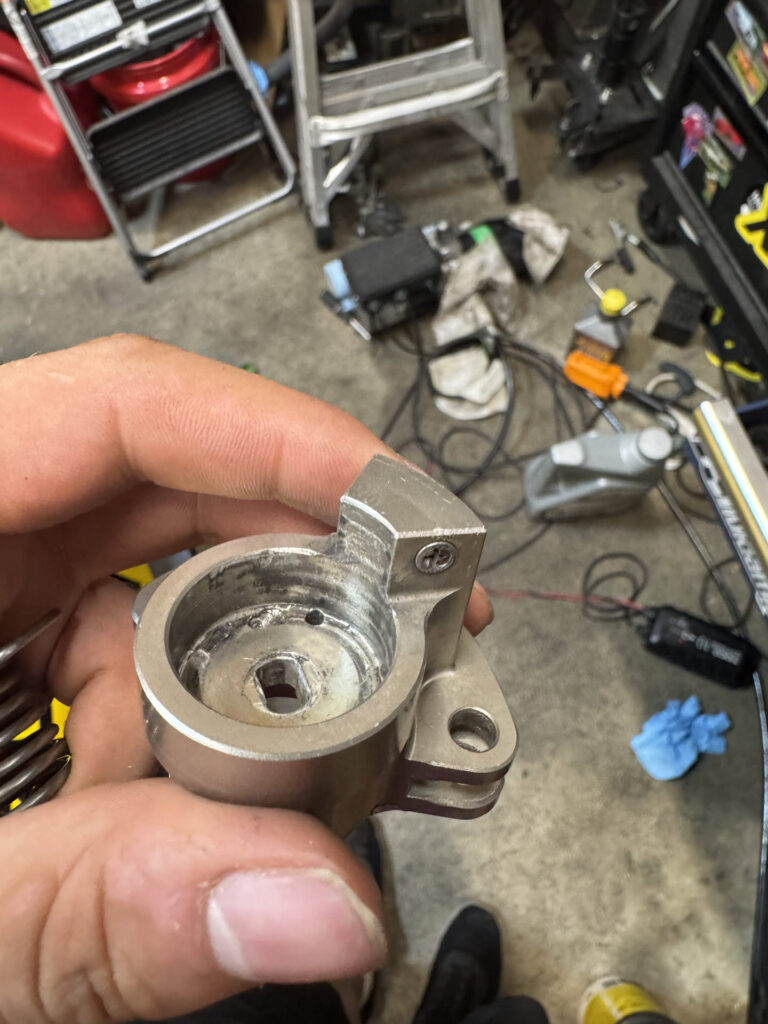
Mid-summer operations continued in July at the demanding Ozarks International Raceway. Encountering wet track conditions for the first time at this specific facility highlighted complex drainage patterns and pooling tendencies, underscoring the severe technical demands the venue places on drivers during adverse weather. However, August brought a severe recurrence of mechanical failure at High Plains Raceway. During a timed afternoon session, a catastrophic fracture of the Skunk2 throttle body shaft severed power delivery entirely. Although the internal butterfly components remained intact, preventing catastrophic engine ingestion, the failure necessitated a tow off the circuit. Following two distinct failures of the same aftermarket component within a single season, the owner reverted to a factory Mazda throttle body for the remainder of the racing calendar while engineering a more permanent, heavy-duty aftermarket solution.
Fall Engineering Overhauls and Trailer Enhancements
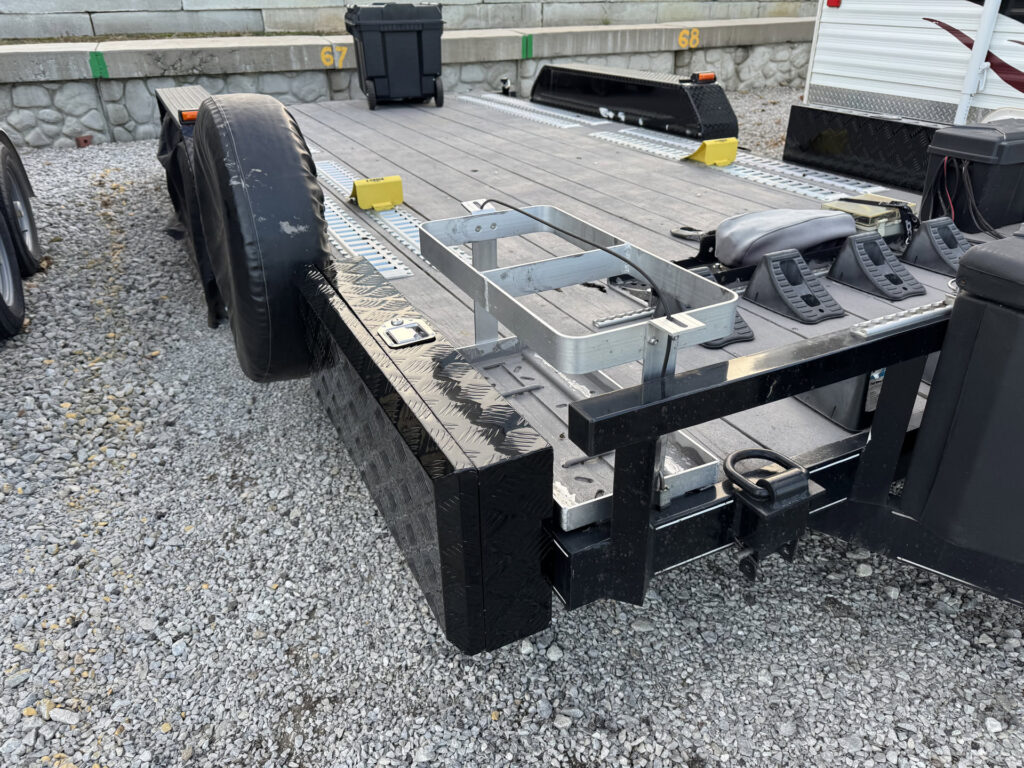
September 2025 shifted focus toward logistical support systems, specifically highlighting structural and functional upgrades made to the open car-hauler trailer. The integration of E-track tie-down systems eliminated the frustrating initial strap-stretch common with conventional wheel-net or axle-strap configurations during the first fifty miles of towing, significantly improving transit safety and operational efficiency for regional race transport.
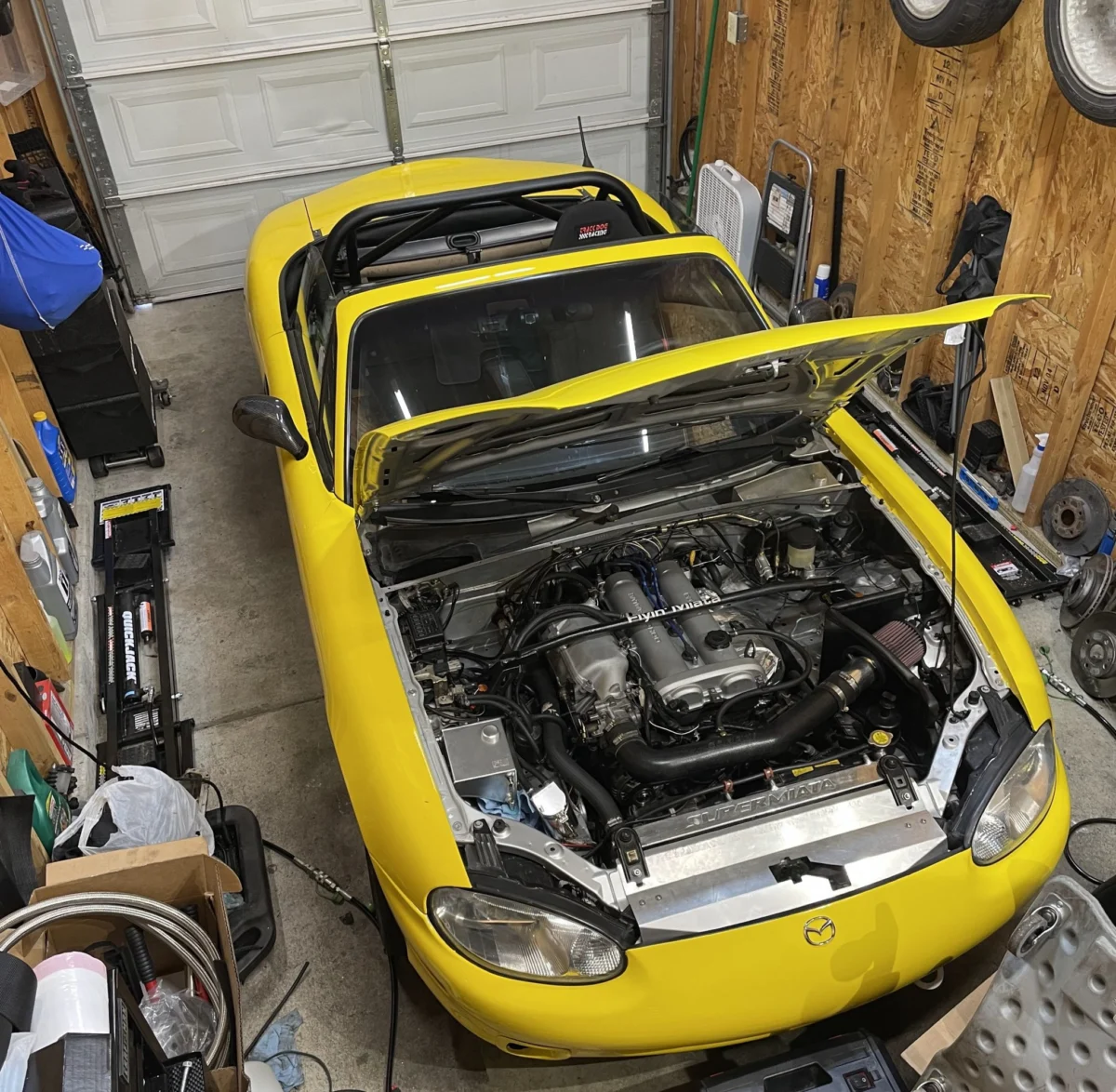
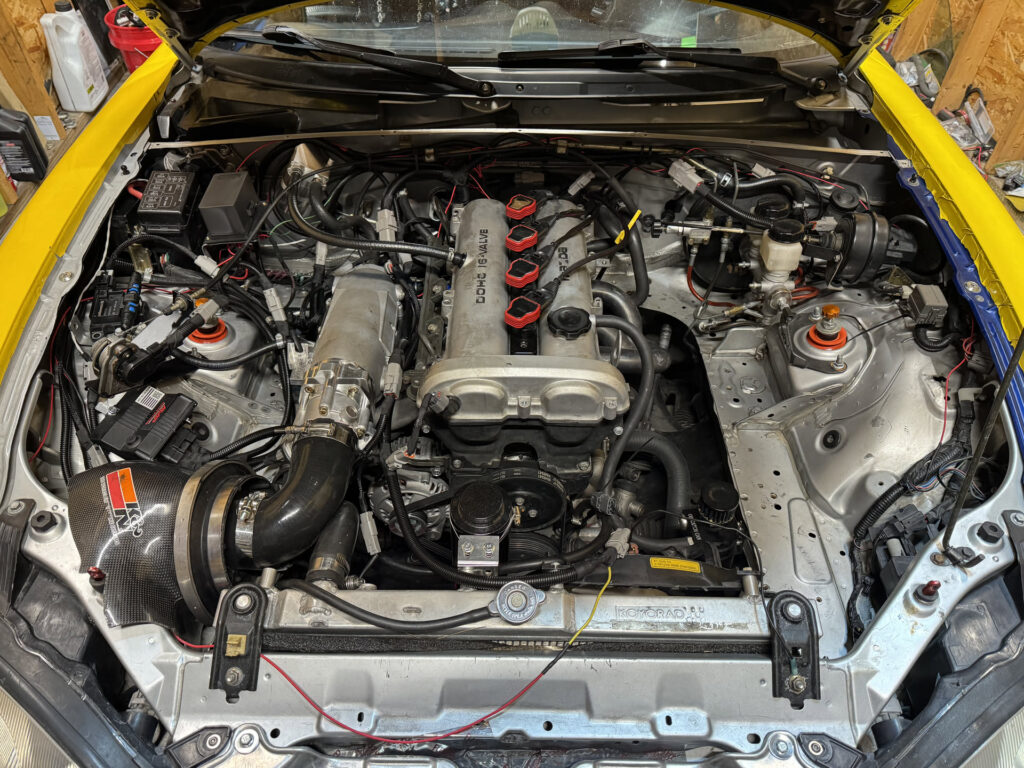
Addressing the root causes of the summer’s mechanical failures, October marked a comprehensive, ground-up overhaul of the vehicle’s electrical and induction architecture. To eliminate potential failure points stemming from a 25-year-old factory engine wiring harness and custom interface adapters, the owner fabricated a completely new custom engine harness wired directly into an MS3Pro Evo ECU.
Simultaneously, the car was converted to a modern drive-by-wire (DBW) system. This sophisticated setup utilized a Bosch 60mm throttle body, a Honda accelerator pedal position sensor, and an AMP EFI drive-by-wire controller, all unified through a modular architecture featuring Deutsch connectors, a dedicated relay block, and an integrated ground bus bar.
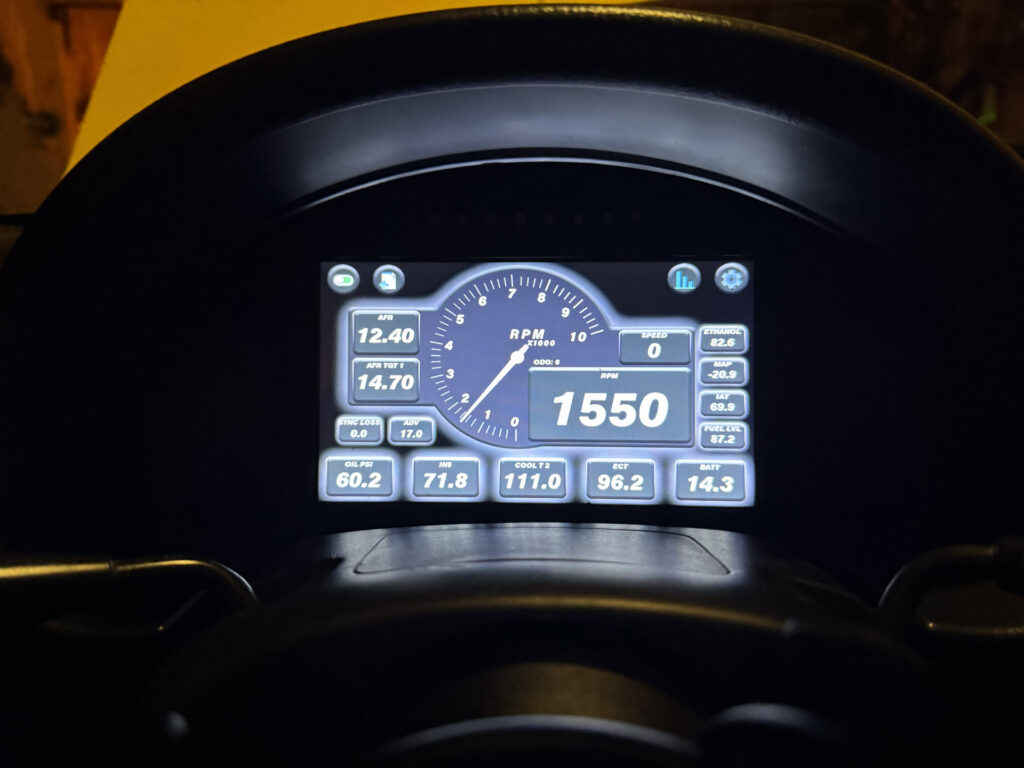
November addressed secondary telemetry integrations following minor diagnostic wiring oversights during the harness installation. The implementation of an affordable Tinker Electronics digital dash resolved factory speedometer display anomalies while interfacing directly with the Megasquirt CAN bus. Configured with critical parameter alerts—such as visual red warnings for out-of-spec readings—alongside programmable shift lights and turn indicators, the dash streamlined driver data consumption. Furthermore, complex Megasquirt programming successfully retained factory cruise control functionality by translating vehicle speed sensor data into usable output signals.
Winter Drivetrain Refinements and Garage Expansion
December introduced critical ergonomic and mechanical upgrades within the cockpit through the installation of a Coolerworx short-throw shifter. Moving away from a tall-angled Miataroadster shifter, which occasionally contributed to costly and potentially dangerous on-track mis-shifts, the Coolerworx unit provided a stiffer self-centering spring mechanism, adjustable gate-position set screws, and an integrated reverse-gear lockout. These features guaranteed positive gate engagement under aggressive shifting loads, directly enhancing driver consistency during high-intensity track sessions.
January 2026 targeted foundational drivetrain performance. After several seasons campaigning a reliable 4.30 Torsen Type II differential, data acquisition indicated traction deficits during sharp, low-speed cornering maneuvers where the inside rear wheel routinely experienced unloading. To resolve this, a Supermiata-tuned OS Giken limited-slip differential was installed within a secondary 4.30 open housing. This modification promised superior lock-up characteristics and power delivery for the upcoming 2026 motorsport season, allowing the driver to adapt their driving style to maximize mechanical traction.
The twelve-month review cycle concluded in February 2026 with a surprising garage expansion. Seeking a dedicated street vehicle and an experimental platform, the owner acquired a heavily weathered 2001 Mazda Miata via Facebook Marketplace for $1,800. Despite structural and cosmetic neglect—including faded clear coat, body damage, missing windows, a torn soft top, a welded differential, and aggressive, low-tier coilovers—the vehicle offered a rust-free shell housing a factory Variable Valve Timing (VVT) engine and a six-speed transmission. Following a month of intensive remediation, including the installation of a new soft top, refreshed interior components, standard suspension components, new wheels, tires, and the owner’s legacy 4.30 Torsen differential, the project successfully materialized into a highly capable street and developmental platform at a minimal net financial investment.
Quantitative Track Metrics and Broader Implications
Evaluating the overarching metrics of the fifth year of ownership emphasizes the grueling, data-driven nature of modern amateur track day participation. Throughout 2025, the NB Miata accumulated exactly 357 laps across 14 distinct track days, resulting in 10.9 hours of active on-circuit driving time. Cumulative Garmin Catalyst telemetry metrics indicate a grand total of 1,380 laps and 43.8 hours of high-performance driving over the lifetime of the platform, a figure that underestimates actual usage due to early unrecorded sessions and sporadic hardware malfunctions.
The steady accumulation of seat time highlights a broader trend within grassroots motorsport: the evolution of weekend track cars from simple budget-friendly toys into highly sophisticated, heavily instrumented engineering projects. The transition from legacy mechanical components to modern electronic controls—such as closed-loop drive-by-wire systems, custom wiring harnesses, and CAN-bus digital instrumentation—demonstrates how amateur enthusiasts are increasingly adopting professional-grade motorsport engineering standards.
Moreover, the challenges faced with aftermarket component durability, such as the repeated failure of throttle body return springs and shafts, underscore the critical engineering gap between street performance parts and continuous-duty track environments. The owner’s systematic approach to problem-solving—moving from temporary trackside repairs to complete architectural overhauls—serves as a case study in reliability engineering for high-stress automotive applications. As the vehicle enters its sixth year equipped with an OS Giken differential, advanced electronic engine management, and a newly expanded two-Miata stable, the platform stands as a testament to the dedication, technical adaptability, and passion defining contemporary grassroots road racing.