Hartono Sudibyo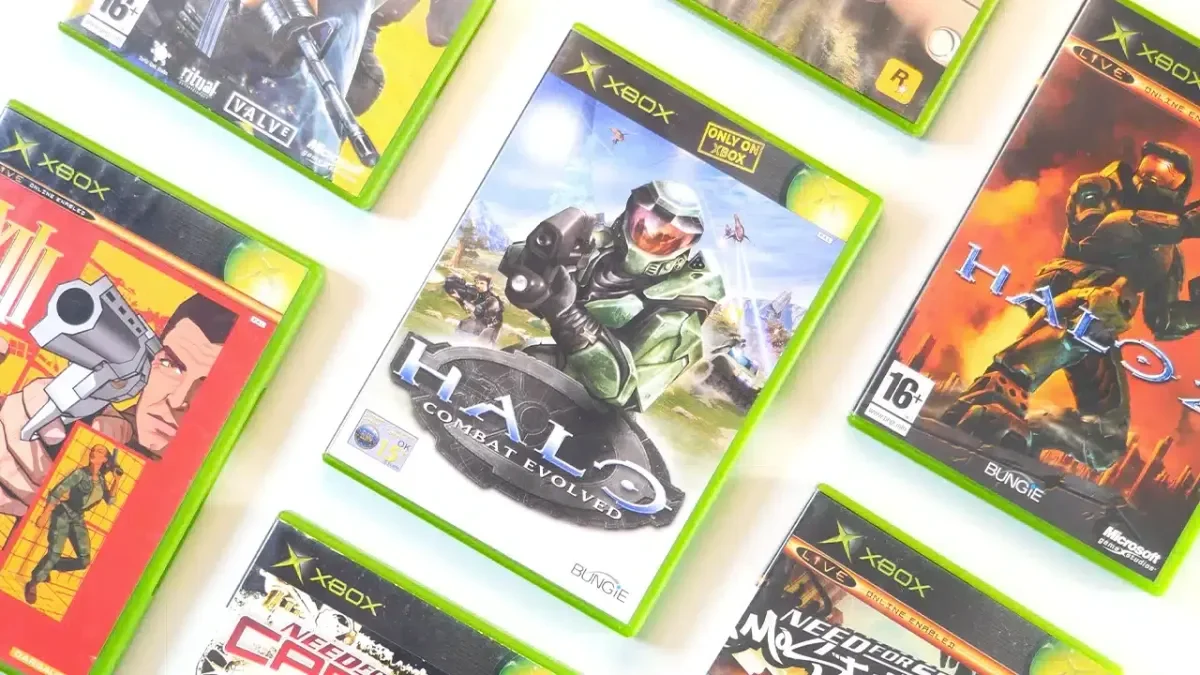
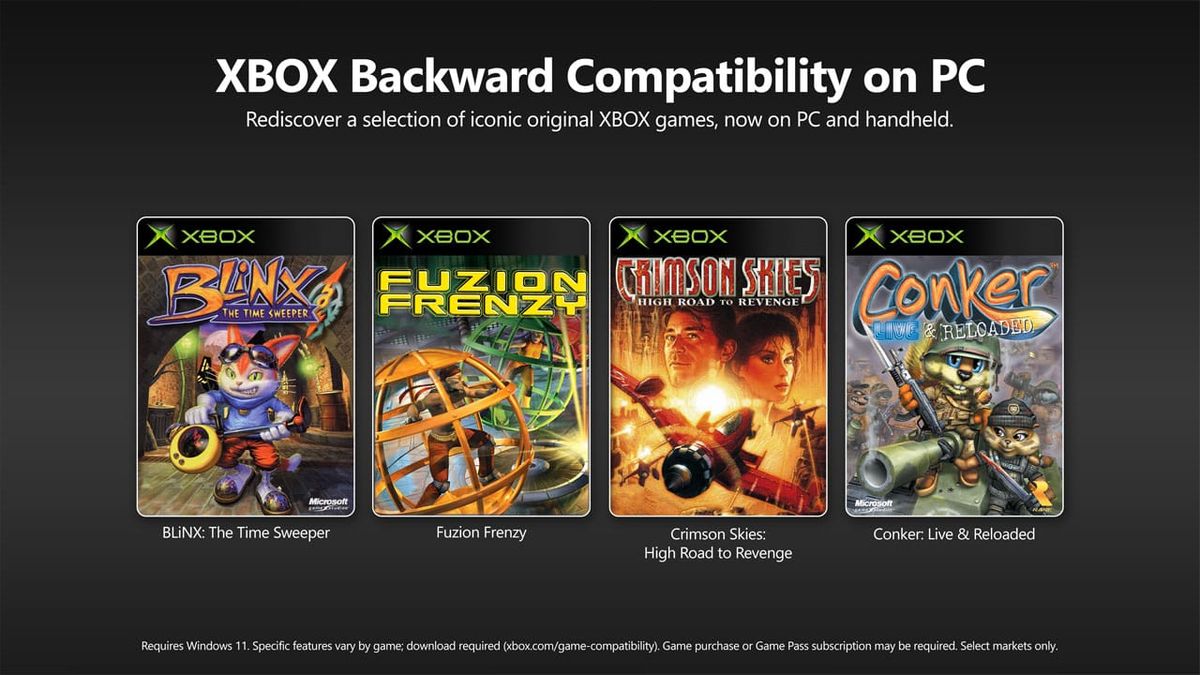
The gaming industry is witnessing a significant shift in its approach to legacy content as Microsoft, through its Xbox division, has officially launched a comprehensive backward compatibility program extending original Xbox titles to PC and a range of handheld gaming devices. This groundbreaking initiative, spearheaded by Asha Sharma, Head of Xbox Game Preservation, aims to bridge the gap between past and present gaming experiences, ensuring that beloved classics remain accessible to a new generation of players. The program debuts with four iconic titles: BLiNX: The Time Sweeper, Conker: Live and Reloaded, Crimson Skies: High Road to Revenger, and Fuzion Frenzy, with promises of many more to follow.
A Renewed Commitment to Game Preservation
This announcement marks a significant evolution of Microsoft’s long-standing commitment to game preservation, a mission that was formally underscored with the creation of a dedicated team in 2024. The core philosophy driving this initiative is encapsulated in a statement from Xbox, which emphasizes that "your game library is your personal history of treasured memories." This sentiment directly counters recent trends in the industry, particularly Sony’s discontinuation of physical media for some of its platforms, which has raised concerns among retro gaming enthusiasts about the long-term accessibility of their digital collections.
Asha Sharma has emerged as a pivotal figure in this effort, consistently advocating for the importance of backward compatibility not just as a feature, but as a fundamental aspect of responsible game stewardship. Her leadership in this project signifies a strategic pivot for Xbox, aligning its future with the preservation of its rich gaming legacy. While the current iteration of the program focuses on digital licenses and does not directly support original physical media, it represents a substantial victory for game preservation, ensuring that these titles are not lost to time.
The Evolution of Backward Compatibility: From Consoles to PCs
The journey of backward compatibility within the Xbox ecosystem has been a progressive one. Initially, the focus was on enabling newer Xbox consoles to play games from previous generations. The Xbox 360 era saw significant strides in this area, with many Xbox titles becoming playable on its successor. The Xbox One continued this trend, further expanding the library of backward-compatible games. However, the extension of this functionality to PC and handheld devices represents a monumental leap, democratizing access to classic Xbox games on a scale never before seen.
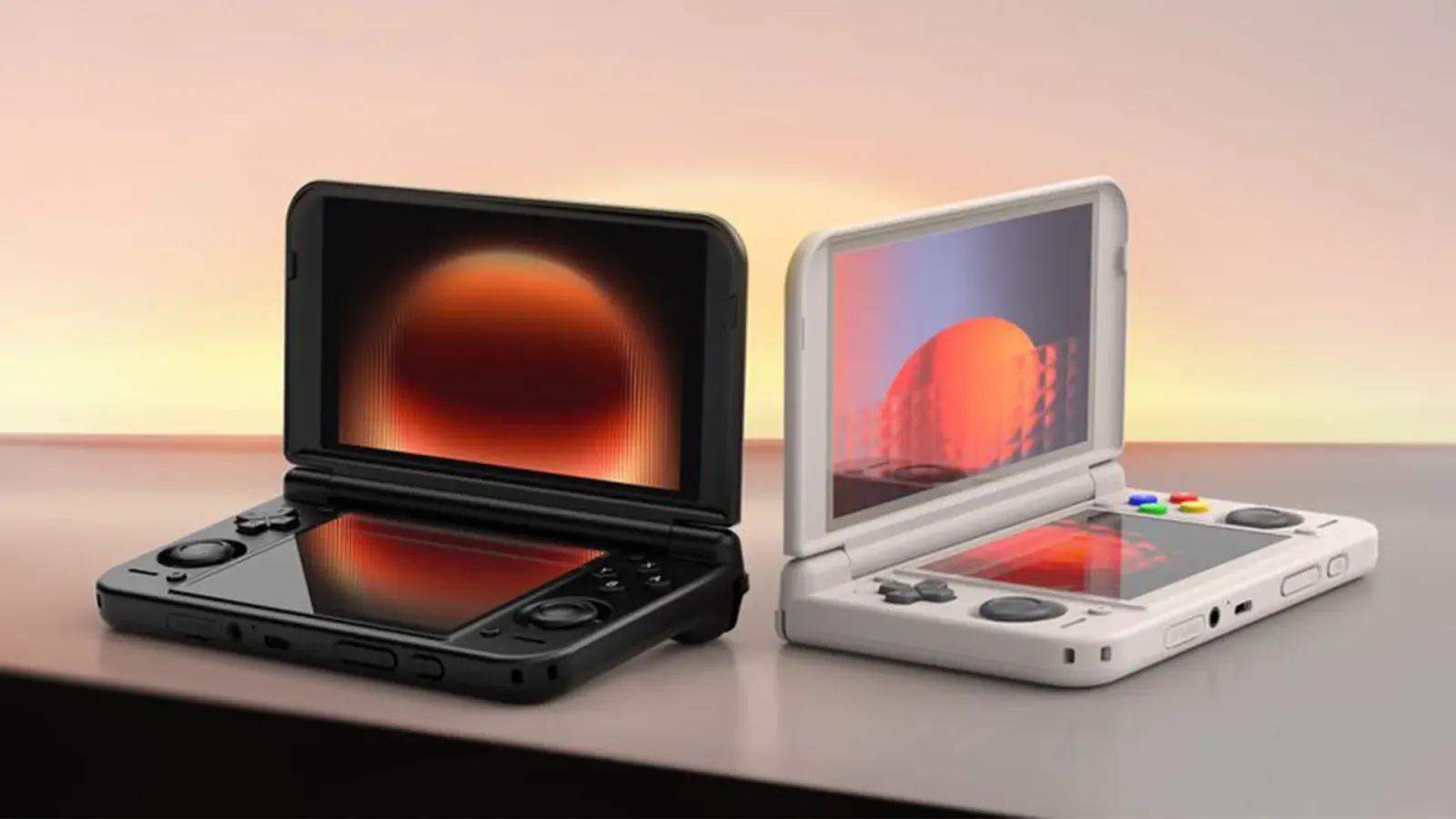
This expansion is particularly impactful for the burgeoning PC gaming market and the increasing popularity of handheld gaming devices like the Xbox Ally X and the ROG Ally. These platforms are now poised to become vibrant hubs for retro Xbox gaming, offering players the flexibility to enjoy their favorite titles on the go or at their desktop. The integration with Xbox Game Pass further solidifies this accessibility, allowing subscribers across all tiers to access these remastered classics without additional purchase.
The Inaugural Lineup and Enhanced Features
The initial rollout of the Xbox backward compatibility program introduces a curated selection of beloved titles, each enhanced to meet modern gaming standards.
- BLiNX: The Time Sweeper (2002): This unique platformer, known for its innovative time-manipulation mechanics, makes a welcome return, offering players a chance to revisit its imaginative world.
- Conker: Live and Reloaded (2005): A fan-favorite for its mature humor and engaging gameplay, Conker’s adventure is now more accessible than ever, promising to bring smiles and laughter to both old and new fans.
- Crimson Skies: High Road to Revenger (2003): This aerial combat adventure, set in an alternate 1930s, is renowned for its thrilling dogfights and compelling narrative. Its inclusion allows a new generation to experience its unique blend of action and retro-futurism.
- Fuzion Frenzy (2001): A fast-paced party game, Fuzion Frenzy is perfect for multiplayer fun, and its inclusion ensures that competitive gaming experiences from the original Xbox era are readily available.
Beyond mere accessibility, these titles have been meticulously updated to provide an enhanced gaming experience. Key improvements include:
- Graphical Customization: Players can now tailor visual settings to their preferences, offering a more personalized experience.
- Resolution Upscaling: Games can be rendered at up to 4X the original resolution, providing sharper and more detailed visuals.
- Fullscreen Modes: The ability to play games in native fullscreen offers a more immersive experience.
- Advanced Visual Enhancements: Features such as enhanced anti-aliasing and anisotropic filtering contribute to smoother graphics and improved texture clarity.
- VSync Support: This essential feature ensures smoother frame rates and eliminates screen tearing, further enhancing the visual fidelity.
The integration of these modern features not only makes the games visually appealing on contemporary displays but also ensures they run more smoothly, addressing some of the technical limitations of their original releases.
Achievements: A Long-Awaited Addition
In a move that will undoubtedly delight long-time fans, Xbox has confirmed the forthcoming integration of achievements for these original Xbox titles. This feature, which has been a frequent request from the retro gaming community, will add another layer of engagement and replayability to these classic games. The implementation of achievements for titles from the original Xbox era signifies a deep understanding of player motivation and a commitment to modernizing the retro gaming experience without compromising its original charm. The exact timeline for this feature’s rollout has not yet been specified, but its inclusion in the broader backward compatibility plans indicates it is a high priority.

System Requirements and Accessibility
To ensure a smooth experience for all players, Xbox has also outlined the minimum and recommended system requirements for playing these backward-compatible titles on PC. While specific details for these requirements were not provided in the initial announcement, the implication is that the games will be optimized to run on a wide range of hardware configurations, further democratizing access. The integration with Xbox Game Pass, irrespective of the subscription tier, is a particularly strong move, making these classic titles accessible to a broad audience without the need for individual purchases. Furthermore, the "Xbox Play Anywhere" initiative ensures that digital licenses carry over across devices, allowing players to seamlessly transition between their Xbox console, PC, handheld, and cloud gaming via Xbox Cloud Gaming.
The Broader Implications for the Gaming Industry
Microsoft’s bold move into PC and handheld backward compatibility has far-reaching implications for the entire gaming industry. By investing in preservation and accessibility, Xbox is not only catering to its existing fanbase but also actively cultivating new players who may not have experienced these games in their original context. This initiative can serve as a blueprint for other publishers and platform holders, encouraging a more proactive approach to safeguarding gaming history.
The contrast with Sony’s recent decisions regarding physical media is stark. While Sony has focused on streaming and digital-only distribution for certain legacy content, Xbox’s embrace of backward compatibility, even for digital licenses, signals a different strategic direction. This approach acknowledges the enduring value of ownership and the desire of many gamers to have a tangible or digitally accessible connection to their gaming past.
The success of this program could also influence future hardware development. As PC and handheld gaming continue to converge, the demand for platforms that can seamlessly integrate both modern and legacy titles will likely grow. Xbox’s initiative positions them at the forefront of this trend, offering a compelling reason for gamers to invest in their ecosystem.
Furthermore, the emphasis on game preservation has ethical and cultural dimensions. Games are increasingly recognized as a form of digital art and cultural heritage. By ensuring their longevity, Xbox is contributing to the preservation of this cultural output, allowing future generations to study, enjoy, and learn from the evolution of interactive entertainment. The establishment of a dedicated preservation team underscores that this is not a fleeting trend but a long-term strategic commitment.
Future Prospects and Community Engagement
The announcement explicitly states that this is just the beginning, with "lots more games joining this backward compatibility project." This promise fuels anticipation within the gaming community, sparking speculation about which beloved Xbox titles will be the next to receive the backward compatibility treatment. The possibility of the program extending to Xbox 360 games is particularly exciting, as it would unlock a vast library of critically acclaimed titles and further solidify Xbox’s position as a leader in game preservation.
The reception from the retro gaming community has been overwhelmingly positive, with many expressing gratitude for Microsoft’s dedication to keeping classic games alive. The initiative directly addresses concerns about digital obsolescence and the potential loss of irreplaceable gaming experiences. As players eagerly await further announcements and the expansion of the game library, Xbox’s commitment to its legacy is setting a new standard for the industry. The call to revisit Conker: Live and Reloaded serves as a fitting invitation for players to immerse themselves in the rich history that Xbox is working diligently to preserve and celebrate.