Johny Imanuel
Narrative Evolution and the Introduction of Conflict
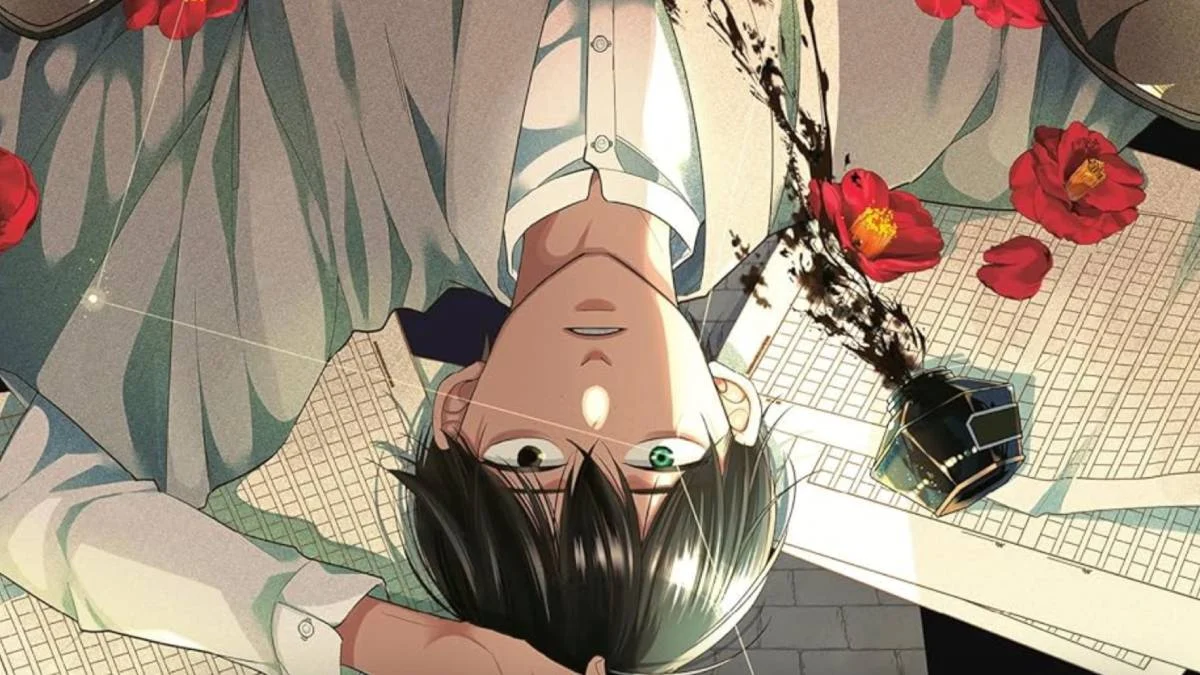
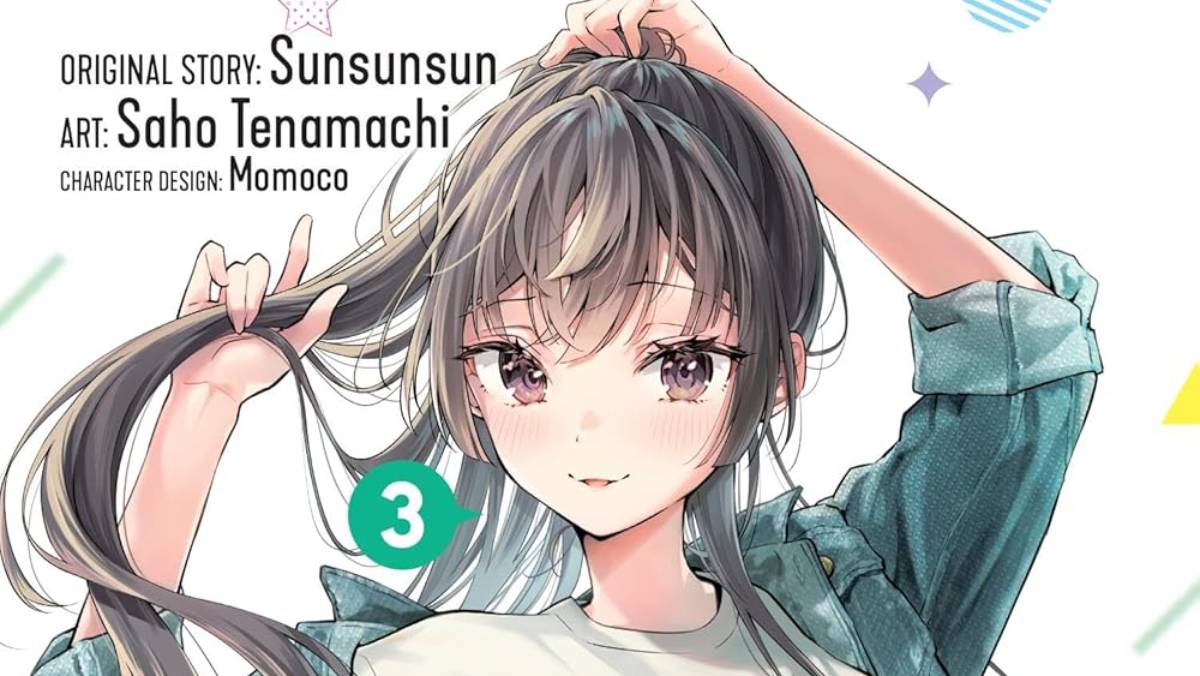
The third volume of Alya Sometimes Hides Her Feelings in Russian (known in Japan as Tokidoki Bosotto Roshiago de Dereru Tonari no Alya-san) transitions the story from a lighthearted high school slice-of-life into a more nuanced exploration of character motivation. At the heart of this volume is the introduction of Yuki Suou, a character whose presence disrupts the burgeoning status quo between Alisa "Alya" Mikhailovna Kujou and Masachika Kuze.
The narrative architecture of this volume is built upon three distinct pillars of envy. First, Alya experiences the traditional pangs of romantic jealousy. As her feelings for Masachika deepen, she finds herself increasingly threatened by his apparent closeness with Yuki. Second, Yuki herself harbors a deep-seated, albeit more subtle, envy regarding the loss of her public sibling bond with Masachika. Finally, Masachika exhibits a form of professional and personal envy toward Alya, admiring her relentless drive and "dazzling" passion—traits he feels he lacks due to his complicated family history.
Chronology of the Alya Sometimes Hides Her Feelings in Russian Franchise
To understand the impact of the third manga volume, one must look at the rapid expansion of the franchise. Originally a web novel on the Shosetsuka ni Naro platform, the series was picked up by Kadokawa’s Sneaker Bunko imprint for light novel publication in 2021. The manga adaptation followed shortly after, serialized in Kodansha’s Magazine Pocket starting in October 2022.
- February 2021: Light novel Volume 1 debuts in Japan to immediate commercial success.
- October 2022: The manga adaptation by Saho Tenamachi begins serialization, offering a new visual perspective on Momoco’s original character designs.
- 2023: Yen Press secures the English publishing rights for the light novels and the manga, responding to a surge in Western demand.
- July 2024: The anime adaptation by Doga Kobo premieres, further catapulting the series into the global mainstream.
- Present: Volume 3 of the manga is released in North America, bridging the gap for fans who prefer the sequential art medium over prose or animation.
The release of the third volume coincides with a period of high visibility for the brand, as the anime’s first season concluded its run on streaming platforms like Crunchyroll, leaving many viewers eager to see how the manga interprets key scenes from the source material.
Detailed Analysis of Character Motivations in Volume 3
The thematic focus on envy in Volume 3 serves as a catalyst for character growth. Alya, who is typically portrayed as a "perfect" student—beautiful, intelligent, and hardworking—is humanized through her insecurities. Her reaction to Yuki Suou is not merely one of romantic rivalry but of social displacement. Alya has spent her life being the "isolated princess," and her connection with Masachika was her first real step toward emotional vulnerability. Seeing Yuki engage with Masachika with a level of familiarity that Alya has yet to achieve triggers a defensive mechanism. This is most poignantly illustrated in the "spicy ramen" scene, where Alya pushes herself to physical discomfort to prove her "superiority" or "closeness" to Masachika, highlighting the irrationality that envy often breeds.
Yuki Suou’s role in this volume is equally critical. To the outside world, she is a refined noblewoman and a childhood friend of Masachika. However, the narrative reveals that she is actually his biological sister, separated by a complex family divorce and the rigid expectations of the Suou household. Her envy is rooted in the "lost life" she could have had with her brother. While she masks this with a mischievous and often provocative persona, her efforts to wedge herself between Alya and Masachika are interpreted by analysts as a desperate attempt to reclaim her place in his life, even if it must be done under the guise of a schoolmate.
Masachika’s envy is perhaps the most profound, as it touches on the series’ broader themes of meritocracy and burnout. Having walked away from the high-pressure environment of the Suou family, Masachika views Alya’s earnestness with a mixture of awe and self-reproach. He envies her ability to care deeply about things—to be "passionate" and "dazzling"—because he has conditioned himself to be apathetic as a defense mechanism.
Market Reception and Industry Data
The Alya Sometimes Hides Her Feelings in Russian manga has performed exceptionally well in both the Japanese and international markets. According to Oricon sales data from the Japanese release periods, the manga frequently ranks within the top 20 weekly charts for new releases. This success is attributed to Saho Tenamachi’s art style, which captures the subtle facial expressions necessary for a story where characters are constantly hiding their true feelings.
In the North American market, Yen Press has reported strong pre-order numbers for the manga series. The "rom-com" (romantic comedy) genre remains one of the most profitable sectors of the manga industry, with titles featuring high-concept gimmicks—such as the use of a foreign language—seeing higher-than-average engagement on social media platforms like TikTok and X (formerly Twitter).
The series also benefits from the "multimedia synergy" effect. Data suggests that light novel sales see a 30-40% uptick during the airing of a corresponding anime, and manga adaptations often serve as the preferred "entry point" for casual fans who find light novels too text-heavy. Volume 3, specifically, covers some of the most "viral" moments of the series, ensuring its continued relevance in the market.
Broader Implications for the Rom-Com Genre
The focus on envy in this volume reflects a broader trend in modern manga: the shift toward "emotional realism" within stylized settings. While the premise of a girl muttering in Russian is a classic "moe" hook, the exploration of jealousy and family trauma provides the narrative weight required to sustain long-term reader interest.
Furthermore, the series challenges the "Mary Sue" trope. Alya is not simply a perfect girl; she is a girl who feels inadequate despite her perfection. By placing her in a position where she must confront envy, the author allows her to fail and, subsequently, to grow. This subversion of expectations is a key factor in why the series has resonated with a demographic beyond the traditional "shonen" (young male) audience, finding a significant following among female readers and older enthusiasts of the "slice-of-life" genre.
Official Responses and Availability
While Kadokawa and Yen Press typically do not release individual statements regarding specific volume themes, the marketing focus for Volume 3 has centered on the "rivalry" between Alya and Yuki. Promotional materials have leaned heavily into the "princess vs. lady" dynamic, which has sparked significant fan debate regarding "best girl" archetypes—a common but effective engagement strategy in the manga industry.
Yen Press has confirmed that Volumes 1 through 3 are currently available in both physical and digital formats across major retailers, including Amazon, Barnes & Noble, and RightStuf. While a definitive release date for the English translation of Volume 4 has yet to be announced, the typical publication cycle suggests a late 2024 or early 2025 window.
As the manga continues to adapt the light novel series, which currently spans several volumes in Japan, the narrative is expected to delve deeper into the student council elections and the eventual resolution of the Suou family conflict. For now, Volume 3 stands as a testament to the series’ ability to balance "kawaii" (cute) aesthetics with genuine emotional stakes, ensuring that Alya’s hidden feelings remain a subject of fascination for a global audience.