Indra Gunadi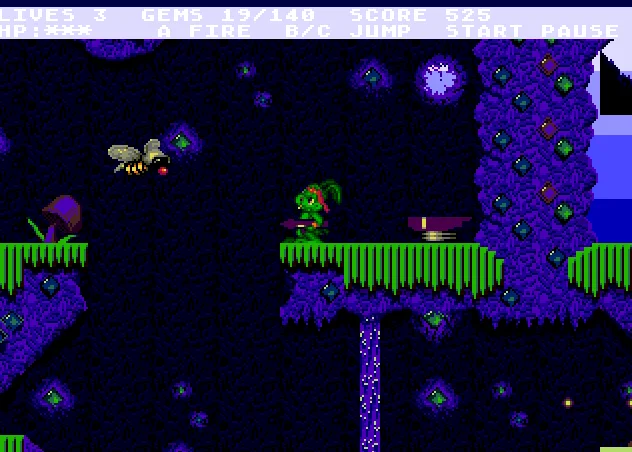
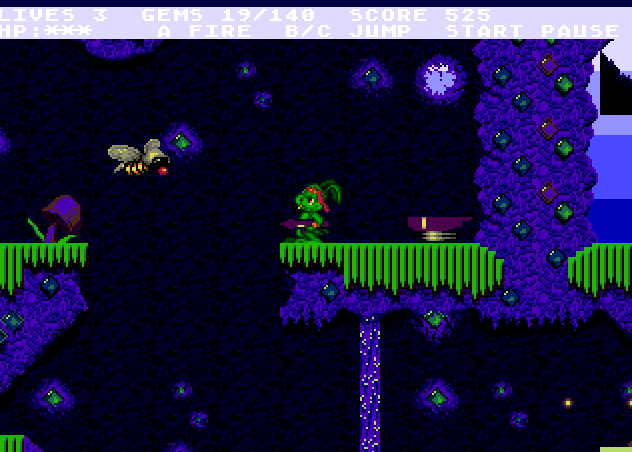
A working prototype of Jazz Jackrabbit, the beloved PC platformer, has been successfully developed for the Sega Genesis by independent programmer haroldo-ok, demonstrating an advanced technique for streaming PC-level data onto the vintage 16-bit console. This ambitious fan project, currently slated with a conceptual release year of 2026, represents a remarkable technical feat within the retro gaming homebrew community, pushing the boundaries of what is thought possible on hardware originally released over three decades ago. The prototype, which leverages original sprite art and meticulously recreates the game’s characteristic slopes and core physics, offers a tantalizing glimpse into a potential future where iconic PC titles could find new life on classic console platforms.
The Genesis Prototype: A Technical Marvel in Progress
The announcement of haroldo-ok’s Jazz Jackrabbit prototype has generated considerable interest among retro gaming enthusiasts and technical developers alike. The core innovation highlighted is its ability to stream "PC-level data" onto real Sega Genesis hardware. This is a crucial distinction, as the Genesis, with its Motorola 68000 CPU and limited memory, operates on fundamentally different architectural principles than the MS-DOS PCs for which Jazz Jackrabbit was originally designed. The implication of "PC-level data streaming" suggests an sophisticated approach to memory management, asset loading, and potentially dynamic sprite and background tile manipulation, overcoming the Genesis’s inherent limitations regarding ROM size, video memory (VRAM), and processor speed.
Currently, the prototype showcases several foundational elements that are critical to the Jazz Jackrabbit experience. It faithfully incorporates original sprite art, a testament to the developer’s dedication to authenticity. The presence of accurately rendered slopes is particularly noteworthy, as implementing smooth, collision-detecting sloped terrain can be technically challenging on older hardware, often requiring complex mathematical calculations and tile-based rendering tricks. Furthermore, the prototype includes three distinct sound effects, hinting at the potential for a full audio experience in later iterations. Crucially, the physics engine, a cornerstone of any platformer, is reported to "feel right already," indicating a solid foundation for responsive and enjoyable gameplay, even in the absence of enemies and interactive items. The project is being tracked via its itch.io page, providing a direct link for community engagement and future updates.
A Legacy Reimagined: The Original Jazz Jackrabbit
To fully appreciate the significance of this Genesis prototype, it is essential to revisit the origins and impact of the original Jazz Jackrabbit. Developed by Epic MegaGames (now Epic Games) and released for MS-DOS personal computers in 1994, Jazz Jackrabbit quickly established itself as a vibrant and fast-paced platformer. Designed by Arjan Brussee and Cliff Bleszinski, the game was a direct competitor to popular console mascots like Sonic the Hedgehog, offering PC gamers a similar blend of speed, colorful graphics, and engaging level design.
Players controlled Jazz Jackrabbit, a green anthropomorphic rabbit, across various themed planets, battling the turtle villain Devan Shell. The game was celebrated for its smooth scrolling, expansive levels, a diverse arsenal of weapons, and a memorable soundtrack. Its shareware distribution model helped it reach a wide audience, making it a staple of 90s PC gaming. Jazz Jackrabbit‘s success spawned a sequel, Jazz Jackrabbit 2 (1998), and a Game Boy Advance spin-off, Jazz Jackrabbit Advance (2002). The series holds a special place in the hearts of many retro PC gamers, representing a golden era of shareware and the formative years of a now-industry-leading developer. The absence of an official port to any 16-bit console, despite its console-like gameplay, has always left a void that projects like haroldo-ok’s aim to fill.
Sega Genesis: A Platform of Enduring Appeal and Technical Constraints
The Sega Genesis (known as the Mega Drive outside North America) was launched in 1988 in Japan, 1989 in North America, and 1990 in Europe. Powered by a Motorola 68000 CPU running at 7.6 MHz, coupled with a Zilog Z80 for sound processing and a Video Display Processor (VDP) capable of displaying 64 colors simultaneously from a palette of 512, the console was a direct competitor to Nintendo’s Super Nintendo Entertainment System. Its hardware architecture, while powerful for its time, presented specific limitations that developers had to navigate.
The Genesis excels at fast sprite-based action, making it a natural fit for platformers. However, its color palette is less expansive than the SNES, and its VRAM limits the number of tiles and sprites that can be on screen simultaneously without flickering or performance drops. For a game like Jazz Jackrabbit, known for its rich backgrounds and detailed character sprites on a PC platform that often boasted higher color depths and resolutions (e.g., VGA graphics with 256 colors), porting presents significant challenges. Developers must meticulously optimize graphics, reduce color counts, manage sprite layering, and often resort to clever programming tricks to simulate effects that are natively easier on PC hardware. The concept of "streaming PC-level data" on the Genesis therefore implies a sophisticated understanding of the console’s hardware and a highly optimized asset pipeline, potentially involving custom compression algorithms and dynamic memory swapping techniques that were uncommon in commercial Genesis development.
The Vibrant World of Homebrew Development
haroldo-ok’s Jazz Jackrabbit project is not an isolated incident but rather a shining example of the thriving global homebrew and fan-porting community. This dedicated collective of programmers, artists, and enthusiasts continues to push the boundaries of classic consoles, creating new games, translating unreleased titles, and porting beloved experiences from one platform to another. Motivations for these projects are varied, ranging from a deep passion for a particular game or system, a desire to preserve gaming history, to the sheer intellectual challenge of mastering antiquated hardware.
Notable examples of homebrew development include entirely new games like Pier Solar and the Great Architects for the Genesis, which received a full physical release, and countless ports of arcade classics or PC games that never made it to consoles. This community often relies on open-source tools, emulators, and reverse-engineered documentation to understand and program for these systems. The collaborative nature and shared knowledge within this scene are vital, allowing individual developers like haroldo-ok to tackle projects of this scale and complexity. These efforts not only extend the lifespan of classic consoles but also serve as a creative outlet and a testament to the enduring appeal of retro gaming.
Developer’s Vision and Technical Hurdles
While specific statements from haroldo-ok regarding the project’s inception and challenges are not extensively documented in public forums, the nature of the prototype itself speaks volumes about the developer’s vision and technical prowess. The decision to tackle Jazz Jackrabbit for the Genesis suggests a desire to bridge a gap in gaming history, bringing a beloved PC exclusive to a console that shared many of its gameplay sensibilities. The mention of "PC-level data streaming" points to a deliberate strategy to circumvent traditional Genesis asset management limitations.
The technical hurdles involved are immense. Reconciling the higher resolution and color depth of the original PC game with the Genesis’s VDP capabilities requires significant artistic and programming adjustments. Sprite flicker, common when too many sprites are on screen, must be managed. The memory footprint of assets like character animations, tile sets, and sound effects must be meticulously optimized to fit within the Genesis’s limited RAM and the typical cartridge ROM sizes. The smooth implementation of slopes, as noted, is a particularly complex task, often requiring custom collision detection routines and careful tile-based rendering to avoid visual glitches. The absence of enemies and items in the current prototype suggests that the developer has prioritized establishing the core movement, physics, and visual fidelity before layering in gameplay mechanics, a common and logical progression in game development. The ongoing nature of the project, with a target year of 2026, underscores the time-intensive commitment required for such a sophisticated endeavor.
Project Timeline and Future Prospects
The designation "Jazz Jackrabbit (2026)" on the project’s initial announcement implies a long-term development roadmap, with 2026 being a target year for a more complete or potentially final release. This extended timeline is typical for ambitious homebrew projects, which are often passion projects undertaken in spare time. The current prototype, as of its unveiling, provides a foundational glimpse into what haroldo-ok aims to achieve.
Future development will likely focus on several key areas. Integrating enemies with their respective AI and attack patterns will be paramount to fulfilling the game’s combat-oriented platforming. Implementing items, such as power-ups, collectibles, and weapons, will add depth and strategy. Expanding the sound design beyond three effects to include a full soundtrack and a wider array of sound effects will be crucial for capturing the original game’s immersive audio experience. Level design, potentially adapting or recreating levels from the original PC game, will also be a major undertaking. The community eagerly awaits updates, speculating on the scope and completeness of the final product. The open-ended nature of fan projects means that while a full, commercial-quality game is the ultimate goal, even a highly polished demo or a few complete levels would be considered a significant achievement.
Industry and Community Reactions
The immediate reaction from the retro gaming community to haroldo-ok’s Jazz Jackrabbit prototype has been overwhelmingly positive. Forums, social media, and dedicated homebrew channels are abuzz with excitement and admiration for the technical skill displayed. Many express nostalgia for the original PC title and enthusiasm for the prospect of experiencing it on a 16-bit console. Developers within the homebrew scene are likely analyzing the techniques employed, particularly the "PC-level data streaming," as it could set new benchmarks for complex ports on classic hardware.
From the perspective of intellectual property holders like Epic Games, the situation is nuanced. Historically, Epic Games has maintained a relatively hands-off approach to non-commercial fan projects that pay homage to its older titles, especially when they demonstrate genuine passion and technical innovation. While they retain the legal right to issue cease and desist orders for unauthorized use of their IP, such actions are often reserved for projects that attempt to commercialize their brand or directly compete with official releases. Given the non-commercial nature and the technical challenge presented by a fan port to an obsolete console, it is plausible that Epic Games might view this project as a positive, albeit unofficial, testament to the enduring appeal of one of their early creations. This inferred tolerance allows the homebrew community to flourish, provided projects remain within certain ethical and legal boundaries.
Broader Implications for Retro Gaming and IP
The Jazz Jackrabbit Genesis prototype carries significant implications for the broader retro gaming landscape and discussions around intellectual property. For retro gaming, it elevates the standard for what is achievable through homebrew development, inspiring other creators to tackle more ambitious projects and explore new technical solutions for classic hardware. It reinforces the idea that these older consoles are not merely relics but active platforms for creativity and innovation. The project contributes to the ongoing preservation of gaming history by reimagining an important PC title on a console, potentially introducing it to a new generation of players who primarily engage with console gaming.
Regarding intellectual property, this project exemplifies the complex relationship between IP holders and fan communities. While fan-made games and ports operate in a legal grey area, they often serve as powerful expressions of cultural impact and brand loyalty. When IP holders adopt a pragmatic approach, allowing non-commercial fan projects to exist, it fosters goodwill within the community and can even indirectly promote the original IP. Such projects can spark renewed interest in forgotten classics, potentially leading to official re-releases or remasters down the line. The Jazz Jackrabbit prototype stands as a testament to the ingenuity and passion that defines the retro gaming scene, showcasing how a blend of technical mastery and nostalgic reverence can breathe new life into classic titles and push the boundaries of vintage hardware. As haroldo-ok continues development towards the conceptual 2026 goal, the project will undoubtedly remain a focal point for discussion and inspiration within the global retro gaming community.