Indra Gunadi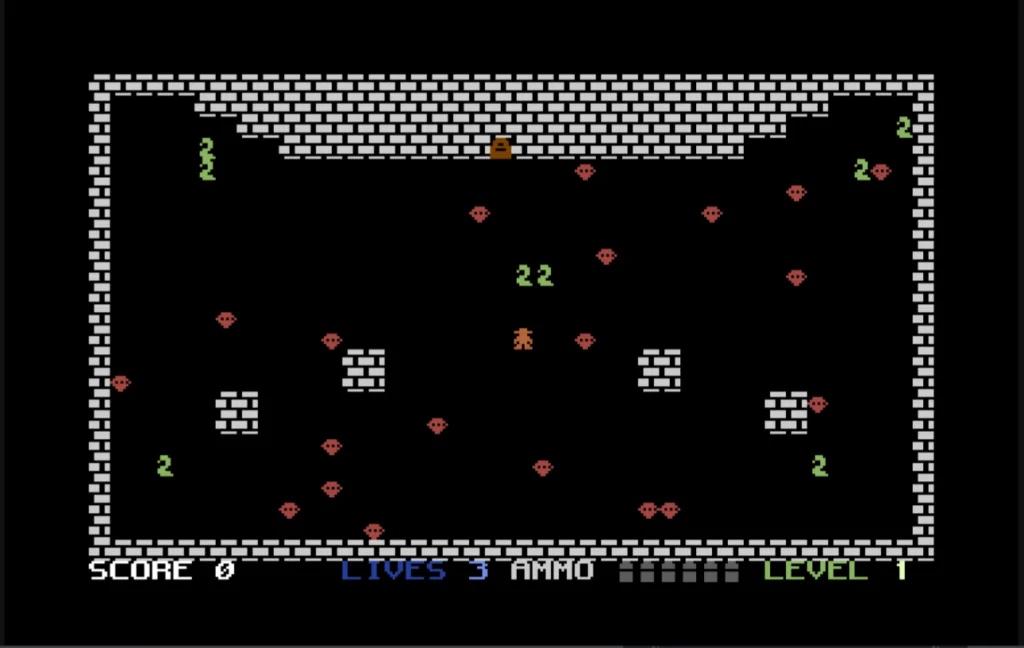
A New Adventure for a Classic Platform
The release of Iowa Jack and the Temple of Gloom demonstrates the enduring appeal and active development scene surrounding the Commodore 64, more than four decades after its initial launch in 1982. Developed by Ricky Derocher, the game positions itself as a modern homage to the golden age of adventure gaming, specifically those titles that captivated audiences on platforms like the C64. The game’s premise, which involves a daring explorer venturing into a lost temple, immediately evokes comparisons to iconic archaeological adventure narratives, suggesting a blend of puzzle-solving, exploration, and risk-taking. Players are tasked with guiding Jack through treacherous environments, overcoming obstacles, and ultimately recovering the coveted crown of King Almaxaquottl. The description hints at a challenging experience, characteristic of many retro titles, where precision and strategic thinking are paramount to survival. The inclusion of snakes and traps as primary antagonists underscores a focus on environmental hazards and direct threats, requiring players to master the game’s mechanics and timing.
The Enduring Legacy of the Commodore 64
The Commodore 64, often lauded as the best-selling single computer model of all time, continues to command a dedicated following, far exceeding initial commercial expectations for its longevity. Its robust hardware, particularly the SID (Sound Interface Device) chip and VIC-II (Video Interface Chip) graphics processor, allowed for groundbreaking audiovisual experiences in its era, fostering a creative environment that persists to this day. The C64’s open architecture and extensive documentation made it a fertile ground for bedroom coders and professional developers alike, leading to a library of thousands of games, applications, and utilities.
In 2026, the C64 community is far from stagnant. Instead, it thrives on a robust homebrew scene, where both veteran developers and newcomers, often inspired by nostalgia or a fascination with retro technology, continue to push the boundaries of the machine’s capabilities. This scene is supported by online forums, digital distribution platforms like itch.io, and a global network of enthusiasts who organize demoparties, game jams, and hardware modification projects. The release of titles like Iowa Jack and the Temple of Gloom is not an anomaly but rather a consistent occurrence within this vibrant ecosystem, with dozens of new games, demos, and utilities being released annually. This sustained activity is fueled by several factors: the challenge of developing within strict hardware constraints, the satisfaction of creating for a beloved platform, and the appreciative, niche audience eager for fresh content.
Developer Insights and Inspirations
While Ricky Derocher has not yet issued a formal press statement regarding the release, inferences can be drawn about the motivations behind Iowa Jack and the Temple of Gloom. Developing a game for the Commodore 64 in 2026 is often a passion project, driven by a deep appreciation for the platform and its specific programming challenges. Developers in this space typically aim to capture the essence of classic gameplay while sometimes introducing modern design sensibilities, albeit within the hardware’s limitations.
It is highly probable that Derocher, like many C64 developers, sought to evoke the golden age of adventure gaming, drawing inspiration from titles such as Pitfall!, Montezuma’s Revenge, and the earlier graphical adventures like Maniac Mansion or Zak McKracken. The protagonist, "Iowa Jack," is an unmistakable homage to the iconic adventurer Indiana Jones, a cultural touchstone that heavily influenced gaming in the 1980s and continues to resonate. The choice of the name "Iowa Jack" adds a touch of quirky, endearing originality to this familiar archetype, perhaps suggesting a more grounded or relatable hero compared to his more famous cinematic counterpart. The quest for "King Almaxaquottl’s crown" provides a specific, tangible goal, a common trope in classic adventure games that effectively motivates player exploration and problem-solving. Such projects often represent a developer’s personal journey to contribute to the platform’s legacy, creating the types of games they themselves loved to play, or wished existed, during the C64’s heyday.
The Development Process and Technical Considerations
Creating a game for the Commodore 64 in the modern era involves unique technical and logistical considerations. Unlike contemporary game development, which benefits from powerful engines, vast memory resources, and extensive toolkits, C64 development requires a deep understanding of the machine’s architecture. Developers typically work with assembly language (6502/6510 CPU) or specialized cross-compilers for languages like C, utilizing modern development environments on contemporary PCs to then port and test their creations on emulators or actual C64 hardware.
The process for a game like Iowa Jack would likely involve meticulous pixel art creation for sprites and backgrounds, careful memory management (the C64 only has 64KB of RAM), and sophisticated programming to optimize game logic and graphics routines. The integration of sound effects and music, often leveraging the legendary SID chip, is another critical component, requiring artistic and technical skill to compose tunes and soundscapes that enhance the gameplay experience within the chip’s unique capabilities. For a solo developer like Ricky Derocher, this represents a significant undertaking, potentially spanning months or even years of dedicated effort, often outside of full-time employment. The final product, distributed digitally, is typically in the form of a disk image (.d64) or tape image (.tap), easily playable on emulators or flash-cartridges on original hardware. The choice of itch.io as a distribution platform is common for indie and retro developers, offering an accessible storefront with low barriers to entry and direct interaction with the player base.
The Modern Retro Gaming Ecosystem
The landscape of retro gaming in 2026 is a complex tapestry woven from nostalgia, technological curiosity, and a desire to preserve digital history. New releases for platforms like the C64 play a crucial role in this ecosystem. They not only provide fresh content for existing enthusiasts but also attract new audiences who might be discovering these classic machines for the first time. The affordability and accessibility of emulation, coupled with the rising popularity of hardware recreations (e.g., C64 Mini/Maxi) and modern interfaces for original hardware (e.g., SD2IEC, EasyFlash), have democratized access to the C64 experience.
These new games often serve as a bridge, connecting the aesthetics and gameplay philosophies of the 1980s with the expectations of contemporary players. While some might dismiss them as niche, the cumulative effect of these releases is significant. They contribute to ongoing cultural conversations about game design, hardware limitations as creative catalysts, and the very definition of "new" in a digital age. The existence of a game like Iowa Jack and the Temple of Gloom in 2026 is a testament to the enduring human drive for creation and play, transcending technological obsolescence.
Community Reception and Implications
Upon its release, Iowa Jack and the Temple of Gloom will likely generate significant buzz within the C64 homebrew community. Early reactions from players who have downloaded and experienced the game are anticipated to surface on forums such as Lemon64, CSDb (Commodore Scene Database), and various retro gaming subreddits and social media groups. Initial feedback often focuses on several key aspects: the quality of the graphics and sound, the tightness of the controls, the originality or faithfulness to classic tropes in the gameplay, and the overall level of challenge and enjoyment.
A well-received title like Iowa Jack can have several positive implications for the retro gaming scene. It validates the efforts of developers like Ricky Derocher, encouraging continued creation. It provides new, high-quality content that keeps the platform relevant and engaging for its audience. Furthermore, it often inspires other aspiring developers to embark on their own projects, fostering a cycle of creativity and contribution. Commercially, while C64 games operate within a niche market, successful releases can generate modest revenue through platforms like itch.io, allowing developers to recoup some development costs and fund future endeavors. More broadly, each new game contributes to the ongoing narrative of video game history, demonstrating that even platforms considered "obsolete" can still be fertile ground for innovation and artistic expression. The very act of creating and releasing a game for the C64 in 2026 serves as an act of digital preservation, keeping the spirit of the machine alive and proving its continued viability as an entertainment platform.
Conclusion
The release of Iowa Jack and the Temple of Gloom on July 16, 2026, is more than just another game launch; it is a cultural event within the retro computing world. It symbolizes the resilience of the Commodore 64 community, the passion of independent developers like Ricky Derocher, and the timeless appeal of well-crafted adventure narratives. As players guide Iowa Jack through the snake-infested, trap-laden Temple of Gloom in pursuit of King Almaxaquottl’s crown, they are not merely playing a game; they are participating in a living legacy, celebrating a piece of computing history that continues to inspire and entertain decades after its prime. The question of whether Jack will make it out alive remains, but the fact that new adventures like his continue to emerge for the Commodore 64 is a resounding affirmation of the platform’s enduring spirit.