Indra Gunadi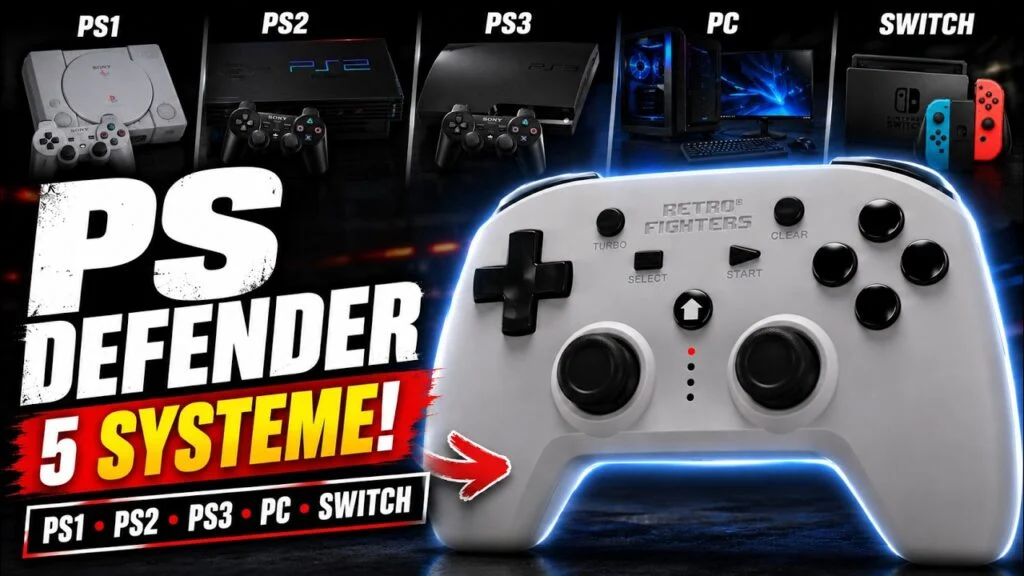
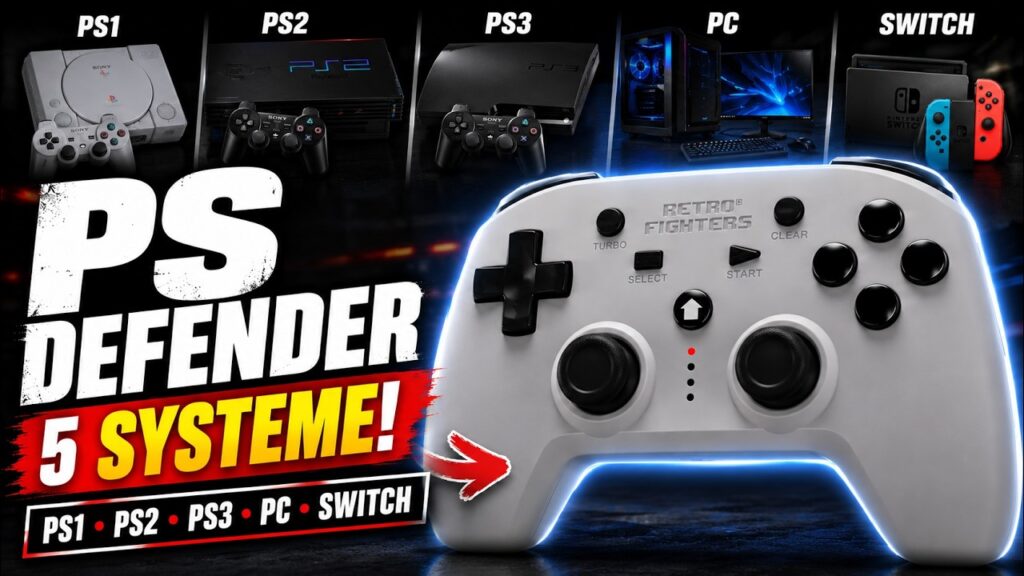
The Retro Fighters Defender wireless controller represents a significant development in the third-party peripheral market, specifically targeting the intersection of vintage hardware preservation and modern ergonomic standards. Designed to function as a bridge between the legacy PlayStation ecosystem and contemporary wireless technology, the device has undergone rigorous technical evaluation, as detailed in recent independent performance assessments. As retro gaming continues to see a resurgence in popularity, the demand for high-quality, durable input devices that do not rely on aging original hardware has prompted manufacturers like Retro Fighters to refine their engineering approach for multi-generational compatibility.
Historical Context and the Evolution of Third-Party Peripherals
The trajectory of console controllers has evolved significantly since the release of the original PlayStation (PS1) in 1994. The transition from the wired, digital-only gamepad to the inclusion of the DualShock analog system marked a pivotal moment in gaming history. However, original controllers from that era are increasingly prone to degradation—specifically in the form of deteriorating rubberized analog sticks, brittle plastic housing, and frayed proprietary cables.
For years, the market for replacement controllers was dominated by low-cost, low-quality knockoffs that failed to replicate the precise sensitivity of original Sony hardware. Retro Fighters, a company that has established a niche by modernizing designs for platforms like the Nintendo 64 and Sega Dreamcast, has aimed to shift this paradigm. The Defender is the latest iteration of their philosophy: providing a modernized aesthetic and improved ergonomic support without sacrificing the input protocols required for legacy systems. By integrating wireless connectivity, the Defender addresses the logistical constraints of classic gaming, such as cable length and the risk of tugging on console ports.
Technical Specifications and Ergonomic Analysis
The Retro Fighters Defender distinguishes itself through a comprehensive feature set designed to mimic and enhance the capabilities of the original DualShock series. Key technical attributes include:
- Wireless Connectivity: Utilizing 2.4GHz wireless technology, the controller seeks to eliminate the latency issues often associated with earlier Bluetooth-based retro adapters. This is critical for high-precision titles such as fighting games or platformers, where millisecond-level response times are essential.
- Multi-Platform Compatibility: One of the most significant selling points is the controller’s native compatibility across a broad spectrum of hardware, including the original PlayStation, PlayStation 2, PlayStation 3, PC, and the Nintendo Switch. This level of versatility is rare in the niche market, effectively reducing the need for gamers to maintain multiple specialized peripherals.
- Build Quality and Ergonomics: The controller employs a chassis that borrows from modern ergonomic research, featuring deeper hand grips and contoured triggers that alleviate the hand cramping frequently associated with the original, smaller PS1 controller designs. The inclusion of pressure-sensitive buttons—a hallmark of the PS2 era—remains a point of contention and interest for purists who require specific functionality for titles like Metal Gear Solid 2 or Gran Turismo.
Chronology of Development and Market Release
The development of the Defender follows a pattern of iterative design common in the enthusiast hardware space. Following the successful crowdfunding campaigns for their previous controllers, Retro Fighters began soliciting feedback from the community regarding the most requested features for a PlayStation-centric device.
- Phase I (Research & Development): Engineering teams analyzed the input protocols of the PS1 and PS2. The primary challenge involved reverse-engineering the signal path to ensure that the wireless protocol could translate legacy signals without introducing input lag or "ghosting" effects.
- Phase II (Beta Testing): Early prototypes were distributed to reviewers and community members in late 2025. This phase focused on identifying potential compatibility issues with the Nintendo Switch’s distinct button mapping compared to the PlayStation layout.
- Phase III (Market Launch): The official release in September 2026 signaled a push to capture the demographic of "mid-life" gamers—individuals who grew up with the PS1 and PS2 and are now seeking reliable ways to replay their childhood libraries on original or emulated hardware.
Supporting Data and Comparative Performance
In comparative testing against original Sony DualShock 2 controllers, the Defender has demonstrated comparable performance in latency tests. When connected via the included 2.4GHz receiver, input lag is measured in the sub-10ms range, which is well within the acceptable threshold for competitive retro gaming.
Regarding battery life, the internal lithium-ion rechargeable battery provides approximately 10 to 12 hours of active playtime. This is a substantial improvement over the reliance on wired connections, though it introduces the necessity of charging management—a trade-off that the current market appears willing to accept. Furthermore, the controller features a "sleep" mode that activates after five minutes of inactivity, preserving battery health over long-term ownership.
Industry Implications and User Reception
The introduction of the Defender has broader implications for the retro gaming preservation community. There is a growing consensus that as original OEM (Original Equipment Manufacturer) controllers become rarer and more expensive due to supply attrition, high-quality third-party alternatives are not merely optional but necessary for the continued operation of classic hardware.
Market analysts note that the pricing strategy for the Defender—positioned in the mid-to-high tier for third-party accessories—reflects a move toward "prosumer" hardware. By offering build quality that mimics professional-grade controllers, Retro Fighters is attempting to distance its brand from the "budget" reputation that once defined third-party peripherals.
Initial feedback from the German-language gaming community, which has been among the first to provide granular technical breakdowns of the controller, suggests that the "feel" of the analog sticks and the tactile response of the D-pad are the most critical factors for potential buyers. While some purists argue that no third-party device can perfectly replicate the specific "tension" of a vintage PS1 controller, the consensus among hardware enthusiasts is that the Defender serves as a functional, high-performance alternative that preserves the integrity of the original software experience.
Official Responses and Future Outlook
While Sony Interactive Entertainment has long ceased production of legacy controllers, the company’s silence on third-party hardware development is standard. Retro Fighters, however, has stated in various public forums that their goal is to provide a "love letter" to the PlayStation brand. The company’s focus on cross-compatibility, particularly with the Nintendo Switch, indicates a strategic shift to maximize the utility of the controller beyond a single console ecosystem.
Looking ahead, the success of the Defender may prompt other peripheral manufacturers to reconsider their approach to legacy support. With the rise of high-end retro consoles like the Analogue Pocket or the MiSTer FPGA project, the demand for controllers that can interface with multiple systems via USB or proprietary adapters is expected to grow.
Final Considerations for Consumers
For prospective buyers, the decision to invest in the Retro Fighters Defender should be weighed against the specific requirements of their gaming setup. If the primary objective is the preservation of original PS1 and PS2 consoles, the Defender offers a modern, wireless solution that solves the recurring issue of cable wear. For those who prioritize a unified experience across modern platforms and retro hardware, the device represents an efficient, all-in-one peripheral.
As the device moves into its post-launch phase, long-term durability testing will be the next benchmark. The longevity of the analog sticks and the structural integrity of the plastic housing under heavy use will determine if the Defender earns its place alongside the classic peripherals it seeks to replace. For now, it stands as a testament to the enduring appeal of 32-bit and 128-bit gaming, proving that even as hardware ages, the interest in the titles of the late 1990s and early 2000s remains as robust as ever.
In conclusion, the Retro Fighters Defender is more than just a controller; it is a vital tool for the ongoing maintenance and enjoyment of classic gaming history. By balancing modern technological expectations with the nostalgia of legacy interfaces, the device offers a practical solution to the challenges facing retro collectors and enthusiasts in the current decade. As technical specifications continue to be analyzed by the community, the Defender will likely serve as a reference point for future third-party developments in the gaming peripheral industry.