Cecilia Chamidah Nur
The vibrant ecosystem of retro gaming homebrew development has once again captivated enthusiasts with a significant technical milestone: the unofficial port of Konami’s revered PC Engine CD classic, Castlevania: Rondo of Blood, for the Sega Genesis/Mega Drive has recently demonstrated seamless CD-DA (Compact Disc Digital Audio) playback. This pivotal update, showcased by developer "werton" in new footage released on May 21, 2026, highlights the project’s ambitious scope, leveraging the Mega/Sega CD add-on in conjunction with the MSU-MD driver and SGDK (Sega Genesis Development Kit). The integration of CD-quality audio elevates the fan-made recreation, bringing it closer to the fidelity of its original 1993 release and further cementing the Sega Genesis/Mega Drive as a platform continually rediscovered and expanded upon by a passionate community.
The Genesis of a Classic Port: A Project’s Inception and Significance
The initial announcement of the Castlevania: Rondo of Blood port surfaced on July 26, 2024, immediately generating considerable excitement within the retro gaming community. At that time, the project, spearheaded by the developer known as werton, was already making significant strides in bringing one of Konami’s most celebrated action-platformers to Sega’s iconic 16-bit console. The choice of Rondo of Blood for such an ambitious undertaking is particularly noteworthy. Originally titled Akumajō Dracula X: Chi no Rondo in Japan, the game first graced the PC Engine CD (TurboGrafx-CD in North America) in 1993. It quickly garnered critical acclaim for its sophisticated level design, challenging gameplay, stunning graphics, and, crucially, its lavish CD-quality audio and anime-style cutscenes. Despite its prestige, the game initially did not receive a Western localization, remaining a cult classic only accessible to those with imported hardware or through later re-releases and emulated versions. This exclusivity further enhanced its mystique and desirability among fans, making a faithful port to another classic console a highly anticipated endeavor.
Castlevania: Rondo of Blood holds a unique place in the series’ lineage. It is widely considered by many to be the pinnacle of the "classic" Castlevania formula, characterized by linear stage progression, intricate enemy patterns, and iconic boss battles, before the franchise transitioned into the more open-ended, exploration-heavy "Metroidvania" style with its direct sequel, Castlevania: Symphony of the Night. The original PC Engine CD release masterfully exploited the advanced capabilities of its host platform, particularly the CD-ROM’s vast storage capacity, which allowed for unprecedented audio quality and detailed animated sequences that were simply not feasible on cartridge-based systems of the era. Recreating this experience on a different 16-bit console, especially one that primarily relied on cartridges, presented a formidable technical challenge.
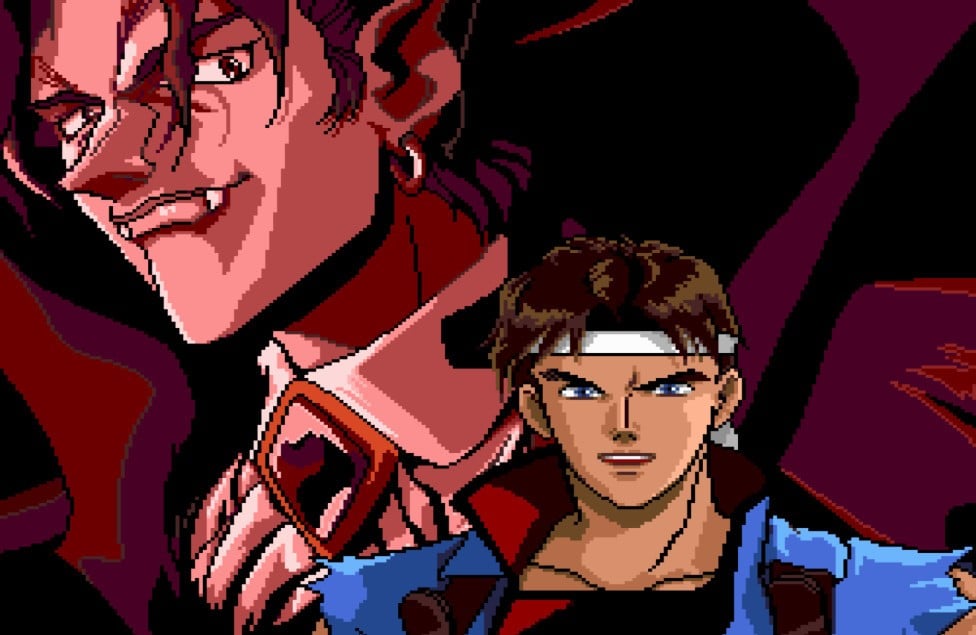
Werton’s approach to this daunting task has been meticulous and fundamentally "from scratch," eschewing direct emulation or simple asset rips. The project is being coded entirely in C, utilizing the powerful SGDK. This commitment to ground-up development underscores the developer’s dedication to optimizing the game for the Genesis/Mega Drive’s unique architecture, ensuring that the port not only functions but genuinely feels native to the system. Early footage released prior to the CD-DA update already demonstrated a remarkable visual fidelity to the original, showcasing accurate sprite work, fluid animations, and recognizable level layouts, fueling anticipation for the project’s eventual completion.
Unlocking Sonic Potential: The CD-DA Audio Update
The latest development in the Castlevania: Rondo of Blood Genesis port—the successful implementation of CD-DA audio—represents a significant leap forward, tackling one of the original game’s defining features. CD-DA, or Compact Disc Digital Audio, is the standard for audio CDs, offering uncompressed, high-fidelity sound. In the context of 16-bit gaming, the ability to play CD-DA tracks during gameplay was a revolutionary advancement, primarily facilitated by CD-ROM add-ons like the PC Engine CD and the Sega CD. While the Sega Genesis/Mega Drive itself possessed a capable sound chip (the Yamaha YM2612 and a Texas Instruments SN76489), it was inherently limited by the storage constraints of ROM cartridges and the chip’s synthesis capabilities. The integration of CD-DA via the Mega/Sega CD add-on fundamentally transforms the auditory experience, allowing the port to replicate the original game’s iconic, symphonic soundtrack with pristine clarity.
The Mega/Sega CD, launched in 1991 in Japan and 1992 in North America, was Sega’s ambitious attempt to extend the life and capabilities of its Genesis/Mega Drive console. It introduced CD-ROM technology, enabling larger game sizes, full-motion video (FMV), and, critically for this project, high-quality CD-DA audio. While the add-on faced its own commercial challenges, it undeniably showcased the potential for multimedia enhancement on 16-bit hardware. For werton’s Rondo of Blood port, leveraging the Sega CD is not merely an aesthetic choice but a technical necessity to capture the essence of the original.
Key to this achievement is the utilization of the MSU-MD driver. MSU-MD is a community-driven hardware modification and software standard that allows for the integration of CD-quality audio and sometimes even full-motion video into classic 16-bit console games, typically played from a flash cart or similar device, with the audio streamed from a connected CD-ROM unit (like the Sega CD) or an SD card. Essentially, MSU-MD acts as a bridge, synchronizing the high-quality audio playback with the cartridge-based game running on the console. This driver, combined with the capabilities of SGDK, allows developers to trigger specific CD-DA tracks at precise moments within the game, mimicking how the original PC Engine CD title handled its soundtrack. The technical complexity involved in ensuring seamless synchronization between the game’s code and external audio playback, while managing the Genesis/Mega Drive’s resources, is a testament to the advanced programming skills of the homebrew community.
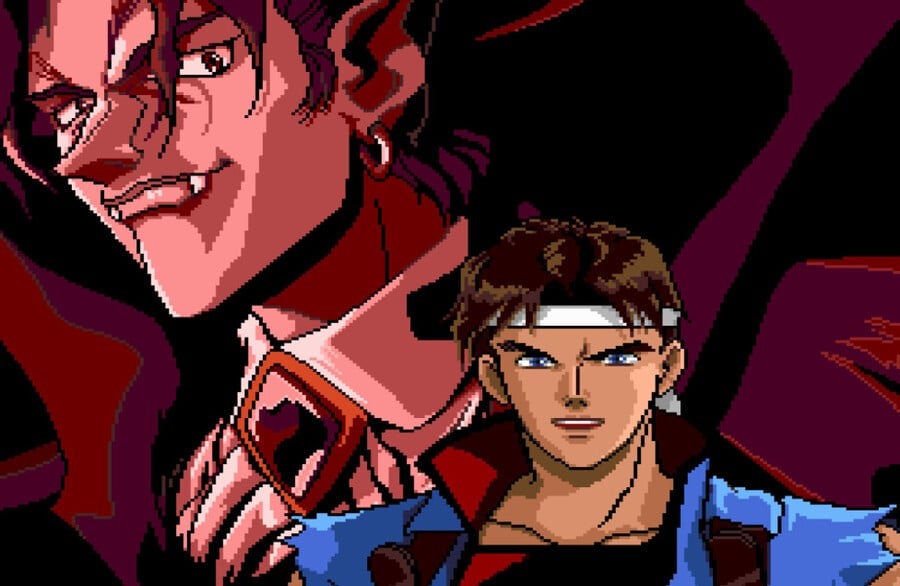
SGDK (Sega Genesis Development Kit) plays an indispensable role in making such projects feasible. It is a modern, open-source development kit that provides a robust framework and set of libraries for programming games and applications for the Sega Genesis/Mega Drive in C. Prior to tools like SGDK, Genesis development often required deep assembly language knowledge, a significant barrier to entry. SGDK abstracts much of the hardware complexity, allowing developers like werton to focus on game logic and asset implementation, while still enabling low-level optimizations when necessary. Its active community and continuous improvements mean that even highly ambitious projects, such as integrating advanced audio solutions like MSU-MD, become more achievable for dedicated individuals.
A Flourishing Homebrew Ecosystem: The Genesis Revival
The Castlevania: Rondo of Blood project is not an isolated phenomenon but rather a prominent example of a broader, burgeoning trend within the retro gaming world: the prolific development of unofficial ports and entirely new games for the Sega Genesis/Mega Drive. It seems hardly a week passes without news of another iconic title being resurrected or reimagined for Sega’s 16-bit powerhouse. Recent years have seen an incredible surge in such endeavors, demonstrating the enduring appeal of the console and the ingenuity of its fan base.
Notable projects that underscore this vibrant homebrew scene include:
- R-Type: An unofficial port of the classic arcade shooter, meticulously recreated to push the Genesis hardware.
- RoboCop: A fan-made adaptation of Data East’s legendary arcade coin-op, bringing its distinct action to the Mega Drive.
- Final Fight MD: A testament to the community’s determination, this port of Capcom’s iconic beat-’em-up has navigated various development challenges to deliver a faithful experience.
- Castlevania: Symphony of the Night (Genesis): Perhaps one of the most audacious projects, aiming to bring the seminal Metroidvania title to a console that predates its original PlayStation release, showcasing the immense potential of down-porting complex games.
- Super Castlevania IV (Mega Castlevania IV): Another Castlevania title from the SNES era, being reimagined for the Sega platform, demonstrating the desire to bridge console rivalries through fan efforts.
These projects, alongside countless others, are driven by a confluence of factors. Foremost among them is sheer fan passion—a desire to experience beloved games on cherished hardware, or to imagine "what if" a certain title had been released on a different platform. There’s also a significant technical challenge involved; pushing the limits of 30-year-old hardware with modern programming techniques appeals to many developers. The widespread availability of sophisticated development tools like SGDK, combined with improved emulation and debugging environments, has drastically lowered the barrier to entry for aspiring homebrew creators. Furthermore, the strong sense of community, fostered through online forums, Discord servers, and YouTube channels, provides invaluable support, knowledge sharing, and motivation. This collective effort not only preserves gaming history but actively expands it, offering new experiences for current and future generations of retro gamers.
Implications and Future Horizons
The successful integration of CD-DA audio into the Castlevania: Rondo of Blood Genesis port carries significant implications across several facets of the retro gaming landscape.
- For Retro Gaming Enthusiasts: This project, and others like it, offers unprecedented opportunities to experience classic titles in new contexts. For those who grew up with the Sega Genesis/Mega Drive, the prospect of playing a revered game like Rondo of Blood on their console of choice, complete with its original high-fidelity soundtrack, is incredibly appealing. It effectively creates alternative histories for games, allowing players to bridge perceived console rivalries and expand their personal libraries.
- A Technical Tour De Force: The achievement is a powerful demonstration of the ingenuity and technical prowess within the homebrew development community. It proves that even decades-old hardware, often thought to have reached its limits, can still be pushed in unforeseen ways. The successful implementation of MSU-MD and CD-DA audio on the Sega CD add-on showcases advanced understanding of hardware architecture, low-level programming, and resource management. Such feats inspire further innovation and encourage developers to tackle even more ambitious projects, expanding the perceived capabilities of classic systems.
- Preservation and Accessibility: While unofficial, these fan projects contribute significantly to game preservation. By porting games to different platforms, they create new avenues for access, especially for titles that may be rare, expensive, or tied to obscure hardware. These efforts help ensure that the gameplay, art, and music of classic titles remain accessible and playable for future generations, even as original hardware deteriorates.
- The Legal and Ethical Landscape: The unofficial nature of such ports inevitably raises questions concerning intellectual property rights. Konami, as the rights holder for Castlevania, technically holds exclusive rights to the game’s assets and concepts. Historically, companies like Konami have adopted varied stances on fan projects; many tolerate them as long as they remain non-commercial, do not directly compete with official releases, and are clearly labeled as unofficial. However, should a project gain significant commercial traction or be perceived as directly infringing upon current or future official products (such as re-releases or remasters), legal action could become a possibility. The delicate balance lies in fan enthusiasm coexisting with corporate IP protection, often relying on the unspoken agreement that these projects are labors of love, not for profit. The developer, werton, and the community at large are typically mindful of these boundaries, prioritizing the spirit of preservation and technical challenge over commercial gain.
- Community Engagement and Knowledge Sharing: Projects of this magnitude foster vibrant online communities. Developers share their progress, troubleshoot issues collectively, and inspire new talent. The documentation and tools created or enhanced during these projects often become resources for the wider homebrew scene, creating a positive feedback loop of innovation and collaboration. The ongoing discussions around Rondo of Blood‘s development, including the intricacies of CD-DA integration, serve as valuable learning opportunities for aspiring developers and hardware enthusiasts alike.
As werton continues development, the community eagerly anticipates further updates, including potential for additional stages, playable characters, and refinements to ensure the port is as complete and polished as possible. The Castlevania: Rondo of Blood Sega Genesis port, particularly with its latest CD-DA audio integration, stands as a powerful testament to the enduring appeal of retro gaming and the boundless creativity and technical prowess of its dedicated fan base, continually pushing the boundaries of what was once thought possible on beloved classic hardware.