Cecilia Chamidah Nur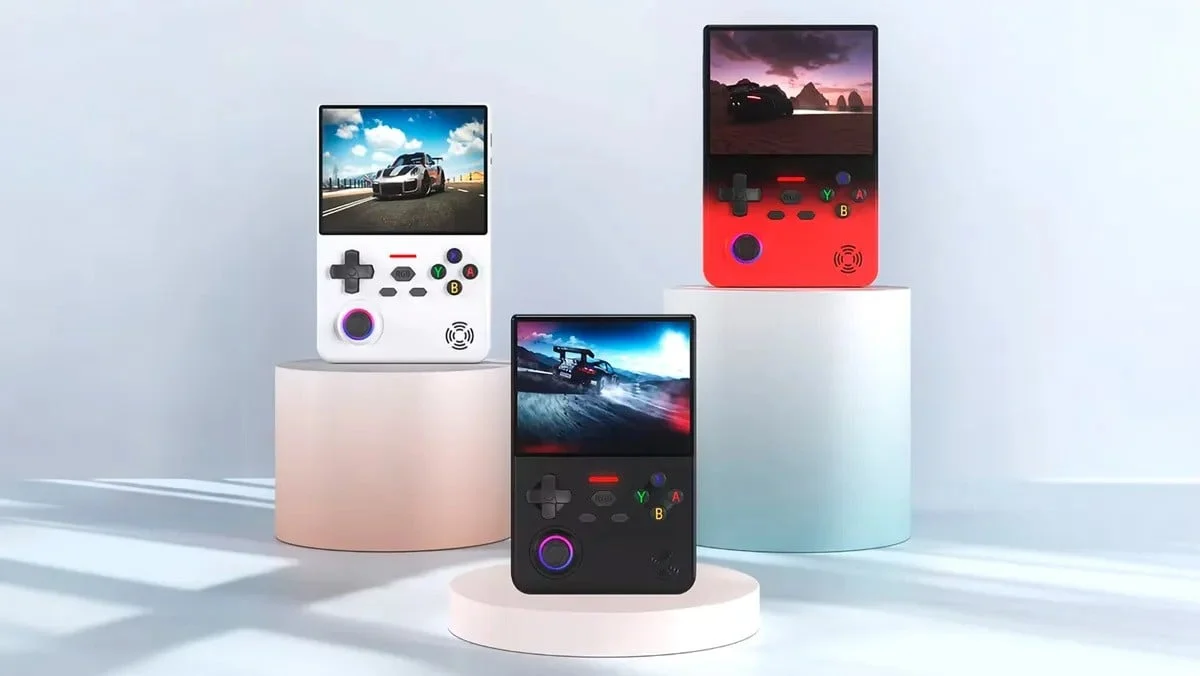
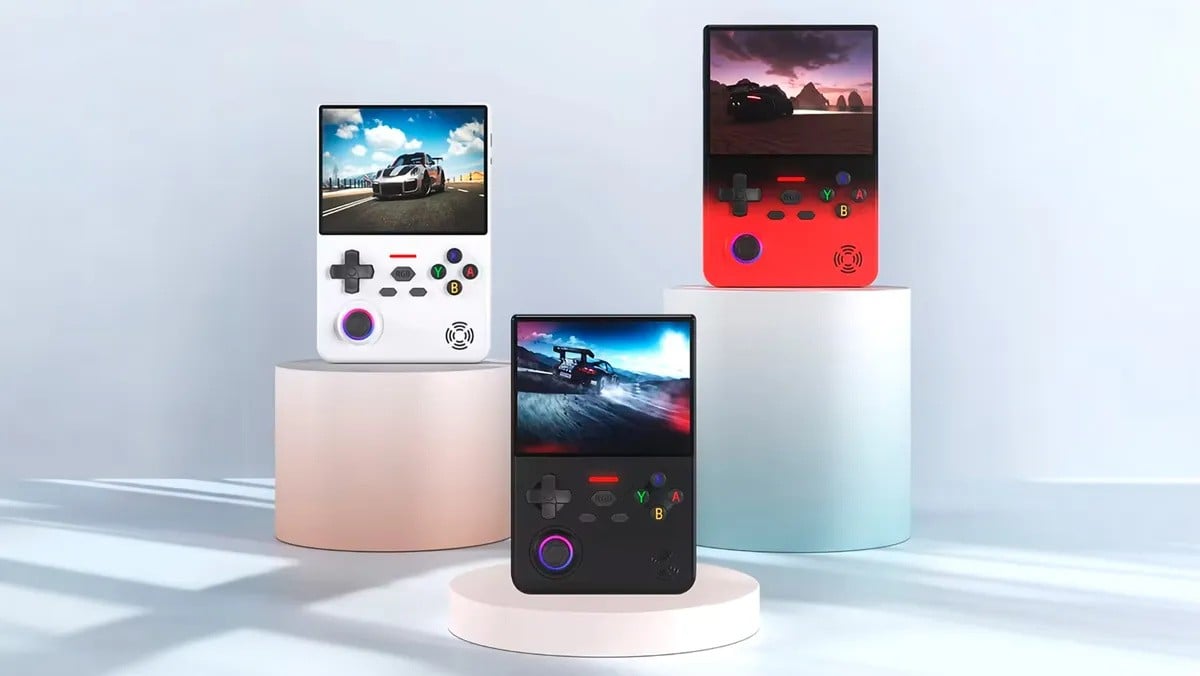
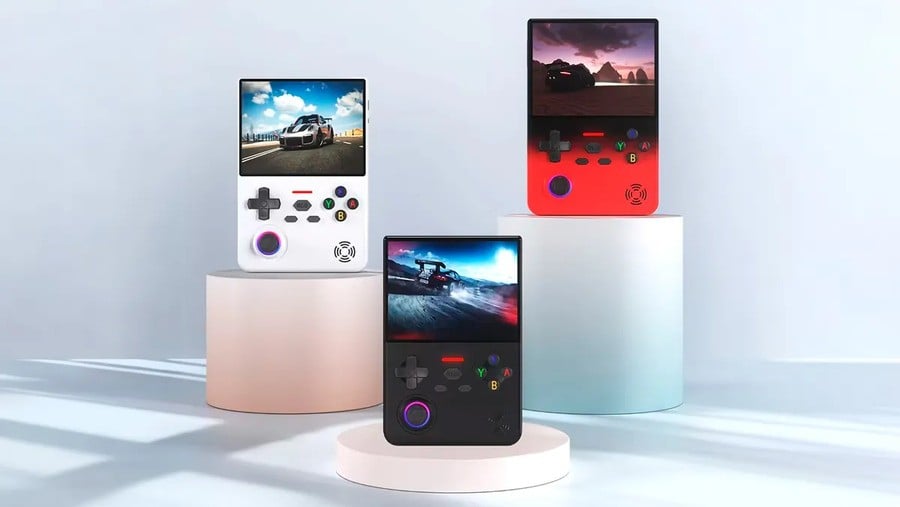
In an unexpected development that has stirred discussion across the global tech and gaming communities, Lenovo, a multinational technology giant renowned for its personal computers and enterprise solutions, has officially confirmed the legitimacy of a budget-friendly retro emulation handheld, the G02, bearing its brand. However, this confirmation comes with a significant caveat: the device is produced under a regional brand licensing agreement exclusively for the Chinese market and is not part of Lenovo’s global product portfolio, raising complex questions about intellectual property, brand management, and regional market specificities.
The Unveiling on AliExpress: A Curious Discovery
The saga began a short while ago when the G02 emulation handheld first appeared on global e-commerce platform AliExpress. Priced at approximately $63, its affordability immediately caught the attention of retro gaming enthusiasts and tech observers. What truly raised eyebrows, however, was the prominent Lenovo branding emblazoned on the device. For a company with Lenovo’s global stature, known for its premium laptops, desktops, and more recently, its high-performance Legion series gaming products, the appearance of such a seemingly inexpensive, generic-looking device under its name was perplexing. Initial reactions ranged from skepticism regarding its authenticity to speculation about counterfeit products leveraging a recognizable brand.
The device’s listing on AliExpress, a platform widely used for cross-border e-commerce, made it accessible to consumers worldwide, further amplifying the initial confusion. While many lesser-known brands frequently list similar emulation handhelds, the presence of Lenovo’s logo suggested either a sophisticated counterfeit operation or an unusual strategic move by the tech titan.
A Deeper Dive: Retro Dodo’s Investigation Uncovers Pre-Loaded ROMs
The mystery surrounding the G02 prompted closer investigation. Gaming hardware review site Retro Dodo acquired a unit for hands-on examination, confirming not only the physical Lenovo branding but also the device’s operational capabilities. Crucially, their findings revealed that the G02 came pre-loaded with hundreds of copyrighted ROMs – digital copies of classic video games – a common practice among many unbranded or lesser-known Chinese-made emulation devices. This aspect immediately positioned the G02 in a legal grey area, as the distribution of copyrighted game ROMs without explicit licensing from the original intellectual property (IP) holders is widely considered infringement in most international jurisdictions.
The presence of pre-loaded ROMs is a defining characteristic of a significant segment of the retro gaming handheld market, particularly devices manufactured in regions with historically more lenient IP enforcement. These devices cater to a strong demand for nostalgic gaming experiences, often at very accessible price points, by offering a vast library of games out-of-the-box. However, for a globally recognized brand like Lenovo, whose revenue in 2023 was reported to be around $62 billion, being associated with a product that overtly engages in such practices was seen as a potential risk to its corporate image and its relationships with software developers and publishers worldwide.
Lenovo’s Global Stature and Expanding Gaming Ambitions
To fully appreciate the surprise surrounding the G02, it’s essential to contextualize Lenovo’s position in the global technology landscape. Headquartered in Hong Kong and Beijing, Lenovo has grown to become the world’s largest personal computer vendor by unit sales, holding a significant global market share, which stood at approximately 23% in Q4 2023. Beyond PCs, the company has diversified into smartphones, servers, storage solutions, and smart devices, establishing itself as a credible and innovative player across various tech sectors.
In recent years, Lenovo has also made substantial inroads into the premium gaming hardware market with its "Legion" brand. The Legion series encompasses high-performance gaming laptops, desktops, and accessories, designed to compete with established gaming brands. More recently, Lenovo entered the burgeoning PC handheld gaming segment with the introduction of the Legion Go, a premium device directly competing with Valve’s Steam Deck and Asus’s ROG Ally. The Legion Go, launched in late 2023, boasts high-end specifications, a robust operating system, and a price point reflective of its premium positioning, typically starting around $699. This strategic investment in high-quality, legitimate gaming hardware stands in stark contrast to the budget-oriented, emulation-focused G02. The apparent duality in Lenovo’s gaming product strategy – high-end global Legion devices versus a regional, budget emulation handheld – became a focal point of discussion.
The Official Stance: Regional Licensing for the China Market
Following the widespread reports and inquiries, Retro Dodo directly contacted Lenovo for clarification. Amazingly, Lenovo confirmed that the G02 is indeed an official product, though its status is strictly confined to the Chinese market. The company issued a formal statement, which read in full:
"The G02 device is produced through a regional brand licensing agreement meant for the China market only and is not part of Lenovo’s official global product portfolio. As such, products developed through these agreements may differ from Lenovo products sold through authorised channels. Thank you for your concern about Lenovo and for flagging this."
This statement sheds light on a common, yet often complex, aspect of global business operations: regional brand licensing. In essence, it indicates that a third-party manufacturer or distributor in China has obtained a specific license from Lenovo to use its brand name for the G02 device, with the scope of this license explicitly limited to the Chinese domestic market. This arrangement allows Lenovo to generate revenue from its brand equity in a specific region without directly involving its core product development or global marketing teams. It also implies that Lenovo has some level of oversight or agreement regarding the use of its brand, even if it delegates the product’s development and distribution to another entity.
The phrase "products developed through these agreements may differ from Lenovo products sold through authorised channels" is particularly telling. It serves as a clear disclaimer, distancing the company’s global product standards and quality control from those of regionally licensed items. This strategy aims to ring-fence potential reputational damage or legal liabilities arising from products that do not align with Lenovo’s international brand image or operational ethos.
Navigating China’s Intellectual Property Landscape
The existence of such a product, officially sanctioned by a global brand but limited to the Chinese market, underscores the unique complexities of China’s intellectual property (IP) landscape. Historically, China has faced criticism for its relatively lax enforcement of IP rights compared to Western nations. While significant progress has been made in recent years to strengthen IP laws and enforcement mechanisms, particularly for domestic innovation, challenges remain, especially concerning foreign IP.
Brand licensing in China can take various forms, often reflecting different approaches to market penetration and risk management. For global companies, licensing their brand to local partners can be a way to quickly gain market share, leverage local manufacturing capabilities, and navigate complex regulatory environments. However, it also introduces risks, as the quality control and brand messaging might not always align with global standards.
In the context of copyrighted content like video game ROMs, Chinese regulations, while evolving, have historically shown more tolerance for "grey market" or unlicensed content, especially within specific market niches. While major copyright holders like Nintendo, Sega, and Sony actively pursue legal action against distributors of pirated games and emulation devices in Western markets, the enforcement in China has been more sporadic and complex, often focusing on larger-scale commercial piracy rather than individual device sales. This regional difference in IP enforcement creates an environment where a product like the G02, pre-loaded with copyrighted games, might be deemed permissible under a localized licensing agreement, even if it would be legally untenable in most other markets.
The Thorny Issue of Emulation and Copyright
The G02 incident also highlights the ongoing debate surrounding video game emulation and copyright. Emulation, the process of replicating the functions of one computer system on another, is not inherently illegal. Emulators themselves are generally considered legal tools for preservation and play. The legal controversy arises with the distribution of copyrighted game ROMs. Without permission from the original game developers and publishers, distributing these ROMs constitutes copyright infringement.
The retro gaming market is a booming industry, with global revenue from retro gaming hardware and software estimated to be in the billions of dollars annually. While official re-releases, virtual console services, and mini-consoles offer legitimate ways to experience classic games, the vast majority of emulation handhelds, particularly those at the budget end, rely on the illegal bundling of copyrighted ROMs to attract buyers. This practice directly undercuts the revenue potential for IP holders and can be seen as undermining the value of their creative works.
For a company like Lenovo, which itself invests heavily in software development and holds numerous patents, an association with a product that facilitates copyright infringement, even if regionally confined, presents an ethical dilemma. It complicates its stance on IP protection and could potentially strain relationships with partners in the broader technology and entertainment industries.

Implications for Lenovo’s Brand Image and Consumer Perception
Despite Lenovo’s clear statement that the G02 is "not part of Lenovo’s official global product portfolio," the association can still carry significant implications for its global brand image. In an interconnected world, information travels rapidly, and regional distinctions can easily be blurred. Consumers outside China, encountering reports or even the device itself through international shipping channels, may not fully grasp the nuances of regional licensing agreements.
The potential risks include:
- Brand Dilution: Associating the Lenovo brand with a low-cost, potentially low-quality product, especially one involved in copyright grey areas, could dilute its global image as a premium technology provider. This is particularly relevant as Lenovo seeks to expand its Legion gaming brand as a high-end offering.
- Reputational Damage: The perception of condoning copyright infringement, even indirectly or regionally, could damage Lenovo’s reputation among consumers, industry partners, and content creators who prioritize IP protection.
- Consumer Trust: The disclaimer that "products developed through these agreements may differ from Lenovo products sold through authorised channels" could lead to consumer confusion or erode trust in the consistency of the Lenovo brand across different product lines or regions.
- Legal Scrutiny: While Lenovo has structured the agreement to limit its global liability, the presence of a Lenovo-branded product containing copyrighted ROMs could still attract scrutiny from powerful game IP holders, potentially leading to questions about the extent of Lenovo’s oversight even in regional licensing deals.
Conversely, for the Chinese market, this strategy might be perceived differently. Local consumers might appreciate the availability of an affordable, branded emulation device that caters to a specific demand for nostalgic gaming, without the same level of concern for international IP standards. This highlights the challenge global brands face in balancing universal brand values with localized market realities and consumer preferences.
Broader Industry Context and Future Outlook
The Lenovo G02 incident is a microcosm of the larger challenges faced by multinational corporations operating in a globalized yet fragmented market. The digital age, coupled with the rapid evolution of manufacturing capabilities, allows for niche products to emerge and gain traction quickly. Companies must constantly adapt their brand strategies, IP management, and distribution models to navigate these complexities.
The retro gaming handheld market continues to grow, driven by nostalgia and technological advancements that make powerful emulation accessible on portable devices. As this market matures, the tension between affordable, often legally ambiguous, devices and officially licensed, higher-priced alternatives will persist. This incident may prompt other global brands to review their regional licensing agreements more closely, especially in product categories prone to IP issues.
For Lenovo, this incident serves as a stark reminder of the delicate balance required to manage a global brand. While regional licensing can offer strategic advantages, it necessitates rigorous oversight and clear communication to prevent unintended consequences that could ripple across international markets and impact long-term brand equity. As the company continues to innovate and expand its global footprint, particularly in the competitive gaming sector, maintaining a consistent and principled approach to intellectual property will be paramount to its sustained success and reputation. The G02, while a minor product in Lenovo’s vast portfolio, has inadvertently sparked a significant conversation about the intricate relationship between global tech giants, regional markets, and the ever-present challenges of digital copyright.