Chalid Lutfie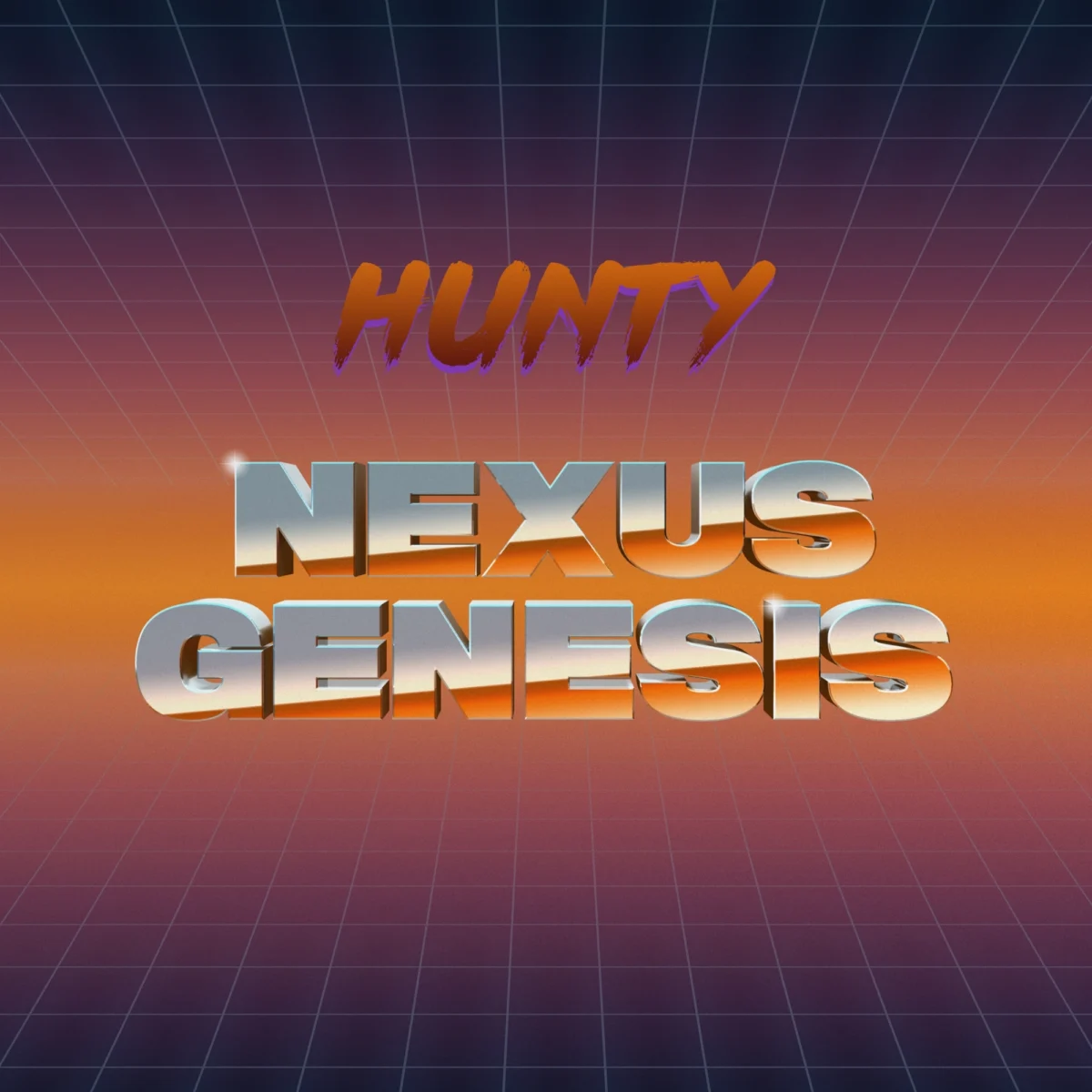
The independent music label Ubiktune has officially announced the addition of composer Hunter Bridges, professionally known as Hunty, to its roster with the release of his debut studio album, Nexus Genesis. This release marks the culmination of nearly a decade of musical development, serving as the official soundtrack to Sonic Nexus, a high-profile fan-driven project that significantly influenced the trajectory of the Sonic the Hedgehog franchise’s modern history. The album is described as both a preservation of digital history and a technical homage to the 16-bit era of video game music, specifically the aesthetic established by the 1994 classic Sonic the Hedgehog 3.
The history of Nexus Genesis is inextricably linked to the evolution of the Sonic fan-game community, a subculture that has frequently intersected with the professional gaming industry. From 2006 to 2010, Bridges served as the lead composer for Sonic Nexus, a project led by Brad Flick (known online as Slingerland) and Christian Whitehead (known as The Taxman). While the game eventually ceased production following Whitehead’s recruitment by SEGA, the music composed by Bridges remained a highly anticipated element of the project. Nexus Genesis fulfills a long-standing commitment by Bridges to provide these compositions with a high-fidelity, standalone release.

The Formative Years of Hunter Bridges
Hunter Bridges’ journey into composition began in Alabama, where he was raised in a household deeply immersed in musical performance. His father was an active member of several bands, and the family home frequently served as a rehearsal space. This environment allowed Bridges early access to professional musical equipment. By the age of six, he had developed a fascination with the mechanical complexity of the drum kit, leading his parents to provide him with a "fun size" set and formal lessons a year later.
As Bridges matured, his musical interests converged with the burgeoning world of home console gaming. During the formative years of the 1990s, he was heavily influenced by the soundtracks of the Nintendo Entertainment System (NES), Super Nintendo Entertainment System (SNES), and the Sega Genesis. He cites titles such as Super Mario Bros. 3, Street Fighter II, and Gauntlet IV as foundational influences. However, it was the multi-layered, FM synthesis-driven score of Sonic the Hedgehog 3 that left the most lasting impact. Bridges spent significant time utilizing "Sound Test" menus in these games, effectively treating them as early digital libraries for musical study.
In the early 2000s, during the era of dial-up internet, Bridges discovered VGMusic.com. The site was a central hub for amateur arrangers who transcribed video game scores into MIDI (Musical Instrument Digital Interface) format. By the sixth grade, Bridges began submitting his own transcriptions to the archive, a process that honed his understanding of arrangement and music theory. This involvement eventually led him to Sonic Fan Games HQ (SFGHQ), a community dedicated to the technical aspects of game development and sprite artistry.

The Genesis of Sonic Nexus
The development of Sonic Nexus began in the summer of 2006 under the leadership of Brad Flick. The project aimed to capture the momentum of the original 16-bit Sonic titles while introducing modern technical refinements. At the time, the fan-game community was transitioning from simple MIDI-based scores to full-resolution waveform audio, a shift made possible by the increasing availability of broadband internet.
Bridges joined the Nexus Team in 2006, initially utilizing Fruity Loops 4 before transitioning to Cubase to achieve higher production standards. Unlike professional development cycles, the fan-driven nature of Sonic Nexus allowed Bridges to iterate on his themes without the pressure of rigid deadlines. This freedom resulted in a series of compositions that were critically acclaimed within the Sonic Amateur Games Expo (SAGE) and various technology blogs.
The project gained significant technical ground in 2008 when the team sought to migrate from the Sonic Worlds engine in Multimedia Fusion to the Retro Engine, a proprietary software created by Christian Whitehead. Whitehead’s engine was a breakthrough in the community, as it was built through the reverse engineering of the original Sega Genesis titles, offering a level of physical accuracy that other engines could not match.

Industrial Realignment and the SEGA Partnership
The trajectory of Sonic Nexus changed permanently in 2010. During this period, several major fan projects, including Sonic Nexus, Retro Sonic, and Sonic XG, attempted to consolidate their resources into a single unified project. However, Whitehead’s individual work on a proof-of-concept for Sonic CD running on iOS caught the attention of SEGA’s upper management.
In a rare move for the gaming industry, SEGA opted to hire Whitehead to lead official remakes of Sonic CD, Sonic the Hedgehog, and Sonic the Hedgehog 2. This professional partnership necessitated a reevaluation of the Sonic Nexus project. To protect Whitehead’s standing with SEGA and to avoid potential intellectual property conflicts, the team made the collective decision to cease development on Sonic Nexus.
This cancellation left a significant volume of unreleased assets, including level art by Hector Barreiro and the comprehensive score by Bridges. While the game would never see a commercial or public release in its completed form, Bridges remained dedicated to the idea that the music deserved an independent legacy.

Technical Execution and FM Synthesis
A primary objective for Bridges in the creation of Nexus Genesis was the achievement of sonic authenticity. The Sega Genesis utilized the Yamaha YM2612 sound chip, which relied on Frequency Modulation (FM) synthesis to produce its distinct, metallic, and gritty audio textures. For many composers, replicating this specific sound in a modern Digital Audio Workstation (DAW) environment is a significant challenge.
During his senior year of college, Bridges specialized in the study of FM synthesis. He found that existing trackers and software emulations often fell short of the genuine hardware’s nuances. This led him to develop the Sonic 3 & Knuckles FM8 Patch Collection in 2013, a set of digital instruments designed to replicate the exact sound profiles used by SEGA’s internal sound teams in the mid-90s.
The tracks featured on Nexus Genesis are the result of this technical deep dive. Bridges utilized these custom patches to ensure that the album sounds as though it were being played directly from a Genesis console. The album serves as a "love letter" to the original composers of the Sonic series, including Masato Nakamura and the various contributors to the Sonic 3 score, while also serving as a tribute to his colleagues Flick and Whitehead.

Chronology of Development: 2002–2015
The timeline of the album’s development reflects the broader evolution of digital music production:
- 2002: Hunter Bridges joins the SFGHQ community, contributing MIDI files to early web archives.
- 2006: Development of Sonic Nexus begins; Bridges is recruited by Brad Flick to provide waveform audio.
- 2008: The project begins migration to Christian Whitehead’s Retro Engine to achieve 16-bit parity.
- 2010: Sonic Nexus development is halted following SEGA’s hiring of Whitehead for official Sonic remakes.
- 2013: Bridges releases the FM8 Patch Collection, laying the technical groundwork for the album’s final production.
- 2015: Ubiktune officially releases Nexus Genesis, nine years after the project’s inception.
Impact and Industry Implications
The release of Nexus Genesis highlights a growing trend in the preservation of "lost" digital media. In the modern era, fan-developed projects often serve as unofficial incubators for industry talent. The success of Christian Whitehead—and by extension, the musical recognition of Hunter Bridges—demonstrates that high-quality fan contributions can transition into professional milestones.
Industry analysts note that the Sonic fan community is unique in its longevity and technical sophistication. While other publishers often issue "Cease and Desist" orders to fan projects, SEGA’s approach has occasionally been more collaborative, as seen in the hiring of Whitehead and Flick. This has allowed for a "grey market" of creativity where projects like Sonic Nexus can eventually find a home in the form of official soundtrack releases under labels like Ubiktune.

Nexus Genesis stands as a historical document of a specific era in internet history. It represents the transition from the amateur MIDI arrangements of the early 2000s to the professional-grade FM synthesis production of the 2010s. For the listeners, it provides a glimpse into an alternate timeline—a "game-that-never-was"—while offering a high-fidelity tribute to the 16-bit soundscapes that defined a generation of gaming.
The album features cover art by Daniel Warner Smith and includes themes originally intended for levels such as "Pristine Palisade." With its release, Bridges has finally fulfilled his decade-old promise to the community, ensuring that the musical identity of Sonic Nexus remains preserved for future audiences.