Johny Imanuel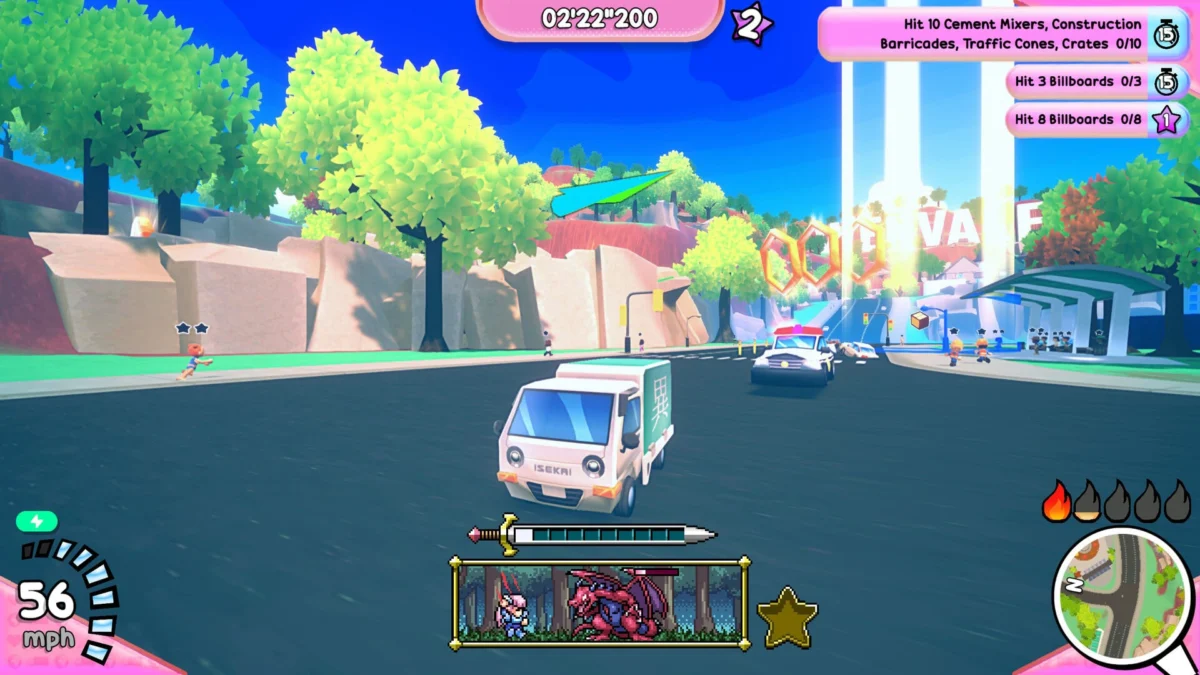
The announcement was accompanied by a comprehensive gameplay trailer that expanded upon the project’s initial reveal. Developed under the leadership of Xalavier Nelson Jr., Truck-kun Is Supporting Me From Another World tasks players with navigating a magical, high-powered truck through urban environments. The core premise revolves around a narrative accidental-turned-partnership: after the protagonist’s truck inadvertently strikes a woman named Carissa, she is transported to a high-fantasy realm—a trope commonly referred to in internet culture as being "isekai-ed" by "Truck-kun." To rectify this situation and facilitate her return to the modern world, the player must continue driving in the mortal realm, performing specific, often chaotic tasks that directly translate into power-ups and tactical advantages for Carissa as she battles a formidable Skeleton King in her new reality.
A Subversion of the Isekai Phenomenon
To understand the industry significance of Truck-kun Is Supporting Me From Another World, one must look at the cultural context of its title. The term "Truck-kun" is a ubiquitous meme within the anime community, referring to the recurring plot device where a character is killed or injured by a speeding truck to trigger their reincarnation or transportation into a fantasy world. Strange Scaffold’s latest project takes this passive narrative catalyst and transforms it into an active, controllable protagonist.
The game functions as a bridge between two disparate genres: the high-speed urban driving simulator and the character-driven fantasy RPG. While the player never directly controls Carissa, their actions in the driver’s seat dictate her success in the other world. This asynchronous gameplay loop represents a significant departure from traditional RPG mechanics, where the player typically manages the hero directly. By placing the player in the role of the "support vehicle," Strange Scaffold is exploring a unique form of ludonarrative harmony that mocks and celebrates the tropes of modern Japanese pop culture.
Gameplay Mechanics and Objective-Based Progression
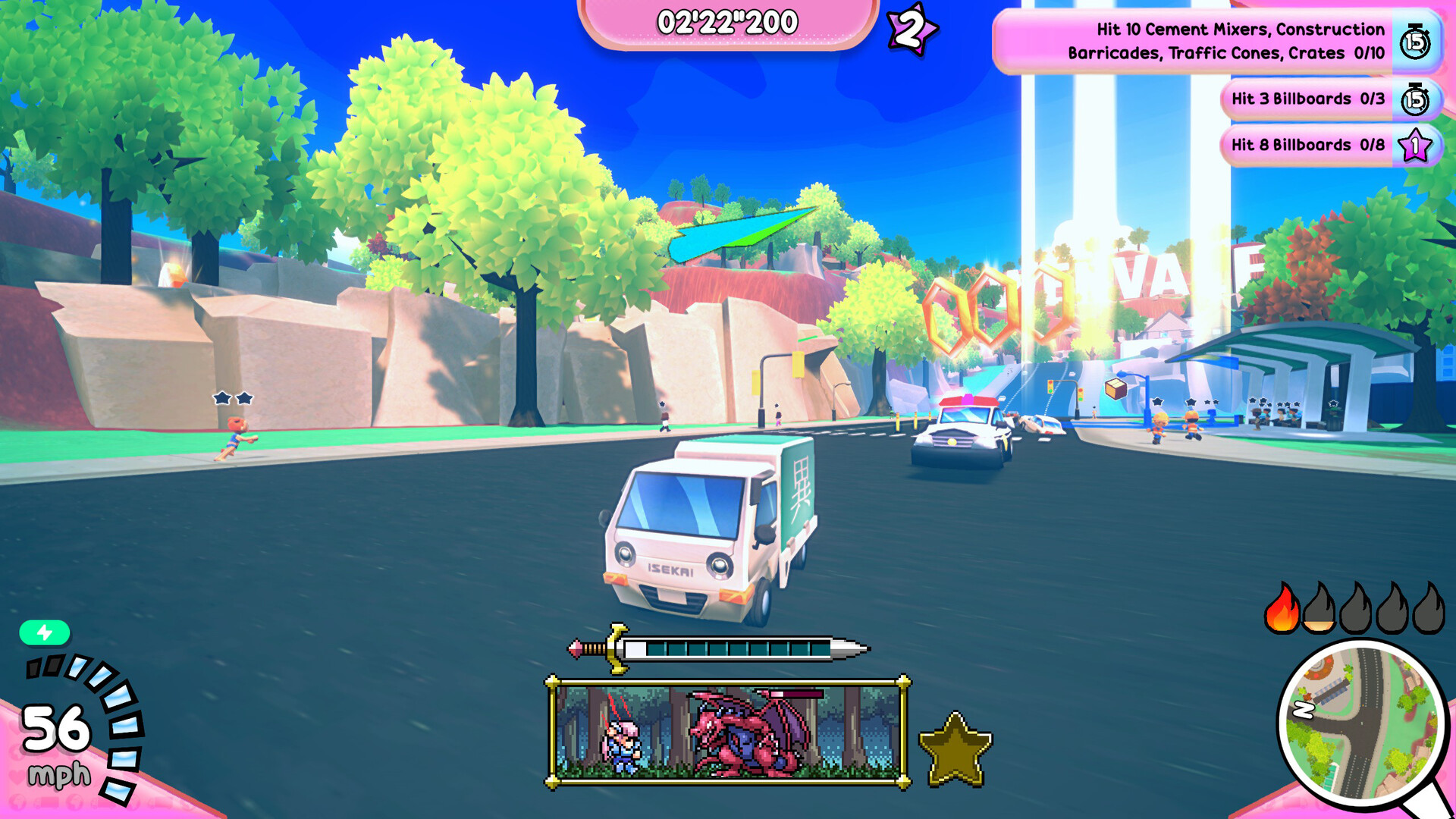
The latest footage released during the Black Voices in Gaming showcase highlights the specific ways in which real-world driving translates to fantasy-world progression. The trailer demonstrates a variety of mission objectives that the player must complete within a set time limit. These objectives are presented as direct requests or magical necessities from Carissa.
Sample objectives revealed in the gameplay footage include:
- Destructive Requirements: Players are tasked with hitting ten parked cars or driving through specific environmental obstacles to generate "chaos energy."
- Societal Subversion: One specific mission objective titled "Drive through The Man" suggests a satirical take on authority and urban navigation.
- Combat Support: Defeating four specific "enemies" (which appear to be localized threats or obstacles in the driving environment) grants Carissa the strength to overcome waves of skeletons in her realm.
Completing these tasks extends the player’s driving timer, creating a "combo" system where efficient destruction leads to longer play sessions and more significant upgrades for the fantasy-world heroine. As the truck incurs damage or hits milestones, Carissa is shown gaining new equipment, leveling up her magical abilities, and inching closer to the stronghold of the Skeleton King. This dual-progression system ensures that the stakes of the driving simulation are constantly tied to the emotional and narrative heartbeat of the fantasy adventure.
The Strategic Role of Strange Scaffold in the Indie Landscape
Strange Scaffold has established a reputation for rapid development cycles and high-concept "weird" games that challenge traditional market categories. The studio, known for titles such as El Paso, Elsewhere, Space Warlord Organ Trading Simulator, and Sunshine Shuffle, often utilizes surrealism and dark humor to explore deeper themes of guilt, redemption, and systemic absurdity.
Truck-kun Is Supporting Me From Another World appears to be a continuation of this design philosophy. By focusing on the Xbox Series X and PC, the studio is targeting a demographic that values experimental indie titles. The game’s inclusion in the Black Voices in Gaming showcase also highlights the industry’s ongoing efforts to diversify the voices behind major independent releases. This showcase, which has become a staple of the mid-year gaming announcement season, provides a platform for developers of color to present high-quality, innovative projects to a global audience.
Industry analysts suggest that Strange Scaffold’s move to target a July release is a strategic attempt to capture the "summer lull" in major AAA releases. By positioning a high-concept, meme-aware title in late July, the studio maximizes its visibility among streamers and content creators who are often looking for unique, "viral-ready" gameplay experiences during the quieter months of the fiscal year.
Chronology of Development and Public Reveal
The path to the July 2026 release date has been marked by a series of targeted reveals designed to build a niche but dedicated following.
- Initial Announcement (Late 2025): The game was first teased with a cryptic cinematic trailer that established the "isekai" accident involving Carissa. This trailer focused on the narrative hook rather than the specific mechanics of the truck gameplay.
- Technical Deep Dive (Early 2026): Strange Scaffold released a series of developer blogs detailing the physics engine used for the truck, emphasizing that while the game is satirical, the driving mechanics are designed to be responsive and satisfying.
- Black Voices in Gaming Showcase (June 2026): The most recent trailer provided the first look at the UI, the mission structure, and the inter-dimensional feedback loop between the driver and the heroine.
- Scheduled Release (July 29, 2026): The game is set to launch simultaneously on the Xbox Store and various PC storefronts, including Steam.
Technical Specifications and Platform Integration
While the game features a stylized, colorful aesthetic that mirrors the vibrant look of modern anime, it leverages the hardware of the Xbox Series X to maintain high frame rates during chaotic driving sequences. The developers have indicated that environmental destruction is a key component of the gameplay; as such, the game utilizes advanced physics processing to ensure that hitting "10 parked cars" feels impactful and visually rewarding.
On PC, the game is expected to support a wide range of hardware, though the developers recommend an SSD to facilitate the seamless visual transitions between the "Real World" (the driving segments) and the "Other World" (the cutscenes and status updates showing Carissa’s progress). There is also speculation regarding potential integration with Xbox Game Pass, a move that would align with Strange Scaffold’s previous release strategies, though no official confirmation has been provided by Microsoft or the developer at this time.
Broader Implications for the Gaming Industry
The release of Truck-kun Is Supporting Me From Another World signifies a growing trend in the "simulator" genre: the move toward narrative-driven, satirical experiences. For years, the simulator market was dominated by realistic depictions of farming, flying, or trucking. However, the success of titles like Goat Simulator and Untitled Goose Game paved the way for "chaos simulators." Strange Scaffold is evolving this further by adding a secondary narrative layer—the isekai support system—which gives the player’s destructive actions a heroic, albeit absurd, purpose.
Furthermore, the game highlights the increasing influence of internet subcultures on game development. The "isekai" genre is a multi-million dollar industry in publishing and television; by directly referencing the "Truck-kun" meme, Strange Scaffold is tapping into a pre-existing global lexicon. This demonstrates a sophisticated understanding of digital marketing and audience engagement, where the game’s title alone serves as a potent promotional tool.
Anticipated Reception and Market Impact
As the July 29 release date approaches, expectations are high for Strange Scaffold to deliver another critically acclaimed title. The studio’s ability to blend humor with genuine mechanical innovation has made them a "developer to watch" in the indie space.
The relationship between the player and Carissa will likely be the focal point of critical analysis. If the game successfully balances the mindless fun of urban destruction with a compelling story about a woman trying to survive a fantasy apocalypse, it could set a new standard for how indie games handle multi-genre storytelling. For now, the gaming community awaits the opportunity to get behind the wheel of the most famous vehicle in anime history and drive their way toward an inter-dimensional rescue.