Johny Imanuel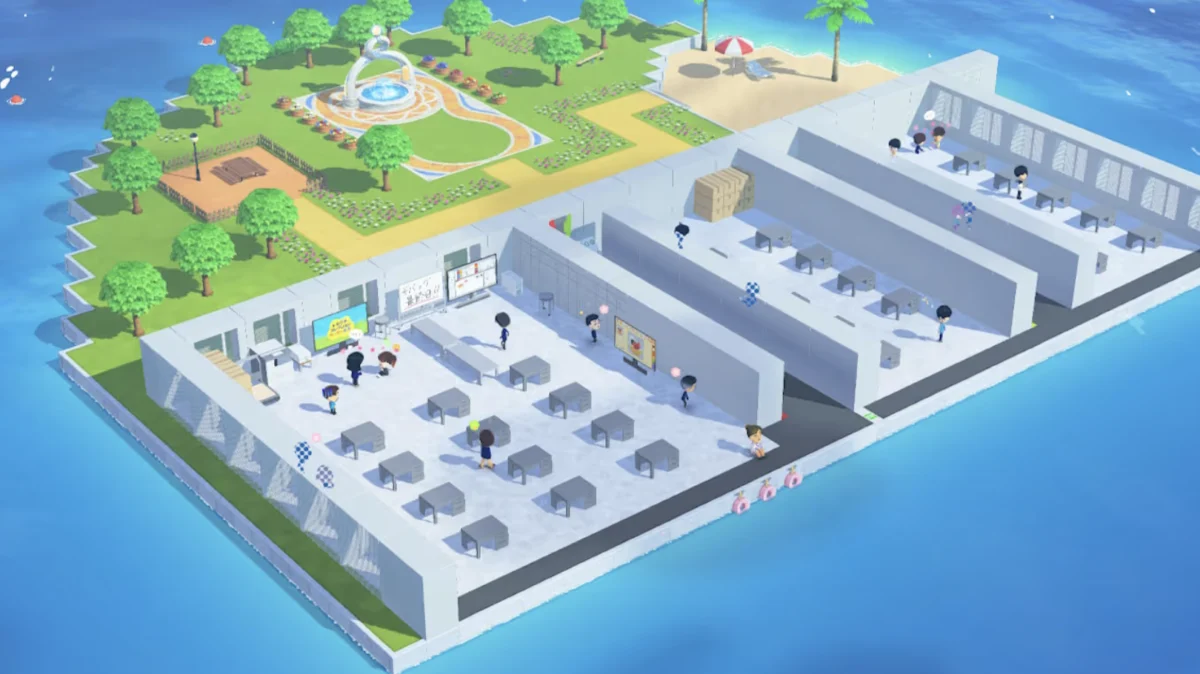
The Long Road to Living the Dream: A Decade of Iteration
The development history of Tomodachi Life: Living the Dream is characterized by an unusually long gestation period for a social simulation title. Director Ryutaro Takahashi revealed that the game encompasses "nine years’ worth of ideas," suggesting that the team began brainstorming a successor shortly after the global success of the original Tomodachi Life in 2014. While the initial plan was to finalize the game’s User-Generated Content tools within eighteen months, the scope of the project ballooned as the team sought to deepen the player’s emotional connection to their Miis.
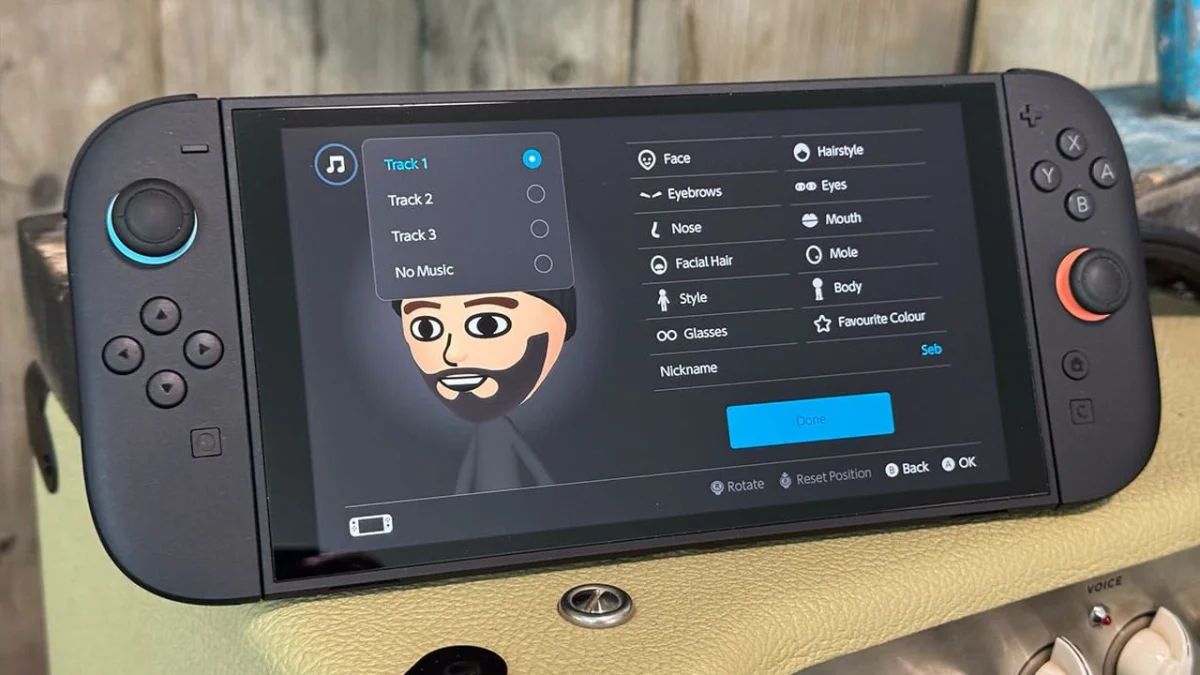
Ultimately, the team spent six to seven years specifically refining the UGC systems, including the "Island Builder" and "Palette House" features. This timeline places the development of Tomodachi Life: Living the Dream among Nintendo’s more protracted internal projects, rivaling the development cycles of major flagship franchises like The Legend of Zelda. The decision to invest so much time into customization tools reflects a shift in Nintendo’s philosophy regarding Mii-centric titles, moving away from simple avatars toward complex, player-defined entities that inhabit a fully modular world.
Recreating the Nintendo Office: The Development HQ Island
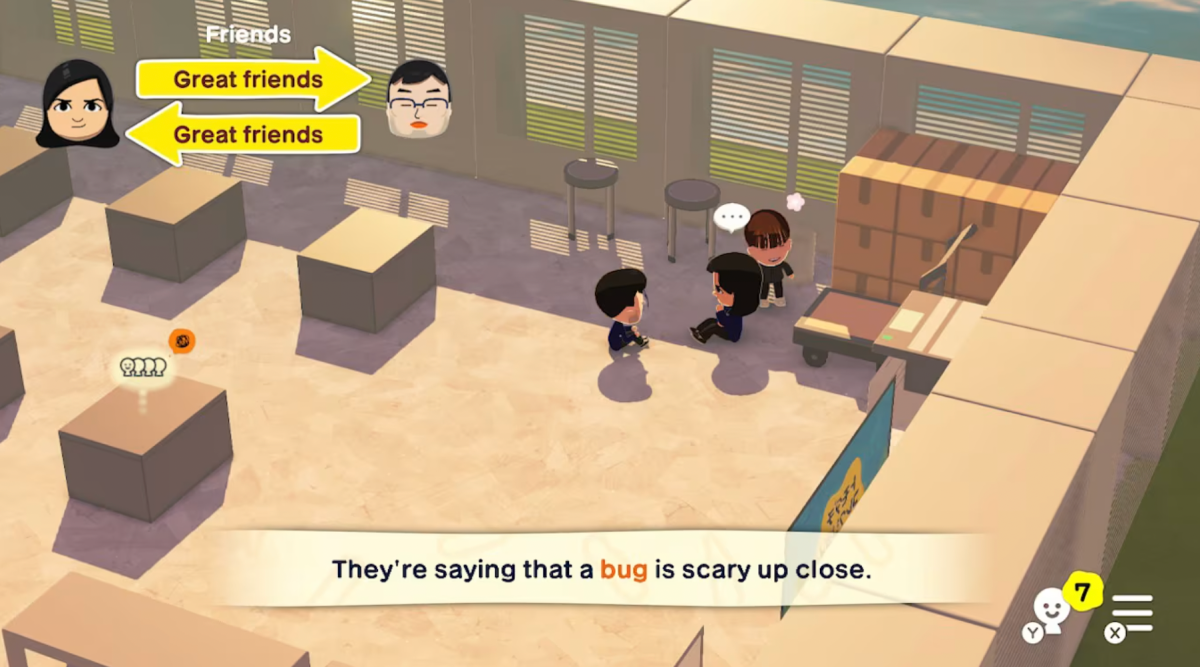
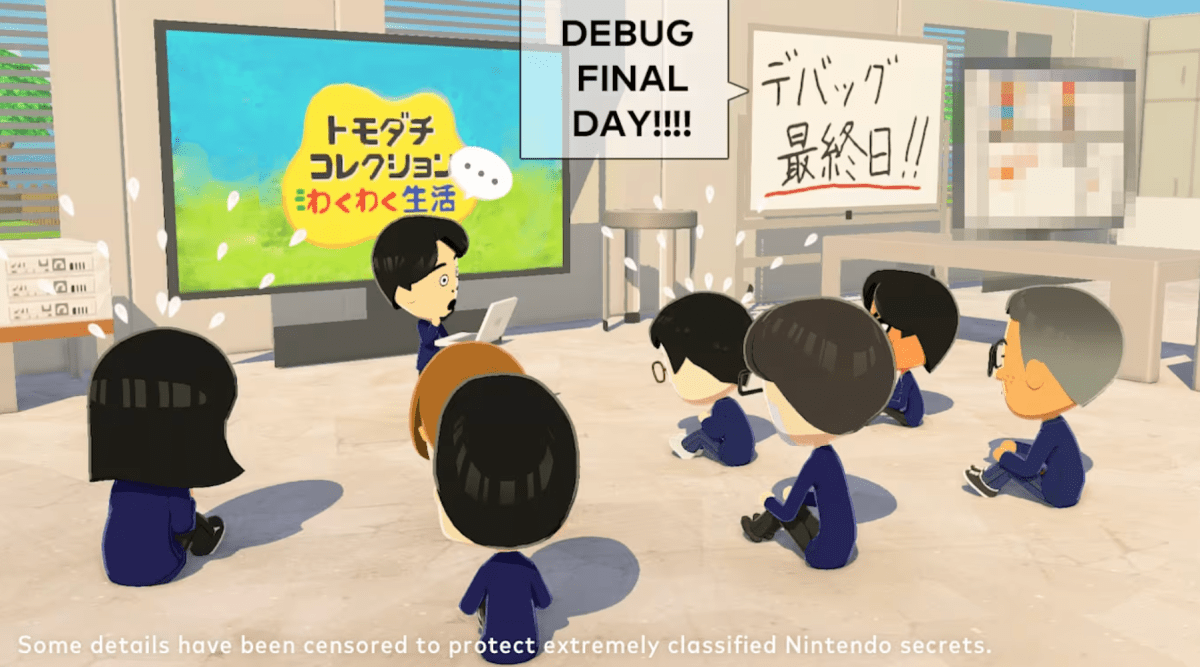
To demonstrate the versatility of the new customization engine, the developers showcased "Development HQ Island," a digital recreation of their actual working environment. In this virtual space, the team utilized the Island Builder to mimic the layout of their offices, where "each desk is a Mii character’s home." This level of granularity allows players to blur the lines between a traditional "island" setting and more urban or professional environments, a significant departure from the fixed locations of the previous entry.
The interview highlighted specific items created using the in-game tools that underscore the depth of the UGC system. Programming Director Takaomi Ueno noted the creation of specialized items such as a "Ryutaro Takahashi staff security card" and "paycheck" items. These are not merely cosmetic objects but can be given to Miis as gifts, influencing their happiness and social interactions. This indicates that the UGC system is integrated into the core gameplay loop, allowing players to script the economic and professional lives of their Miis with high precision.
Pikmin as Pets and the Expansion of Domestic Life
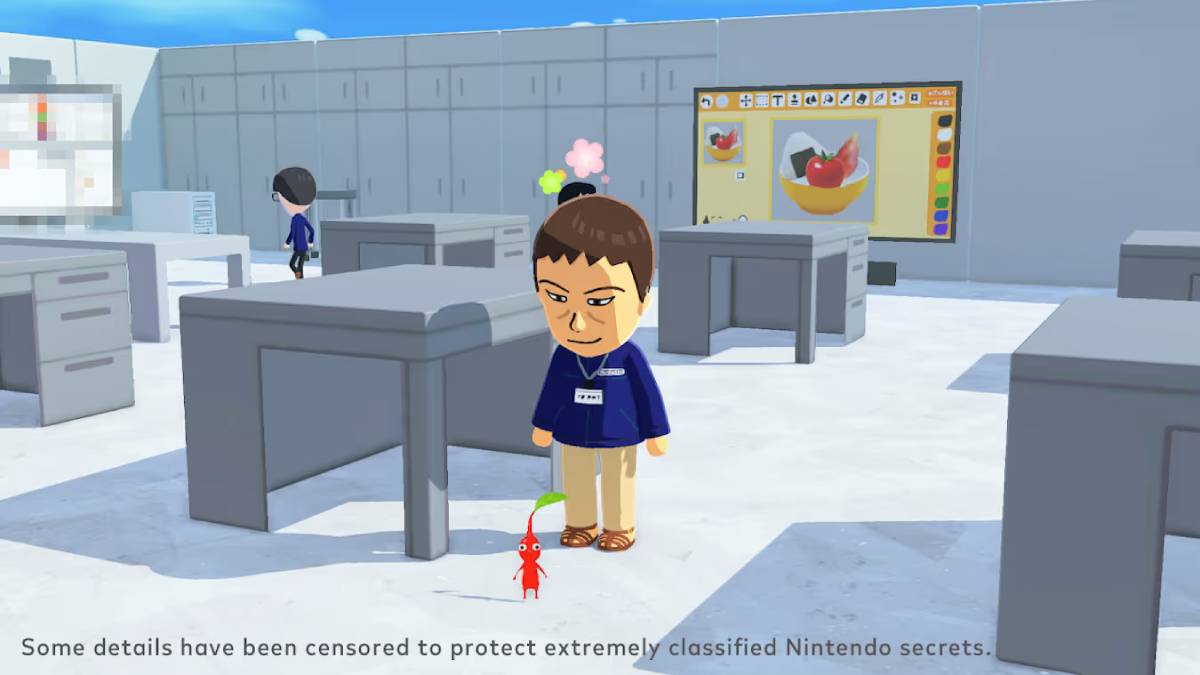
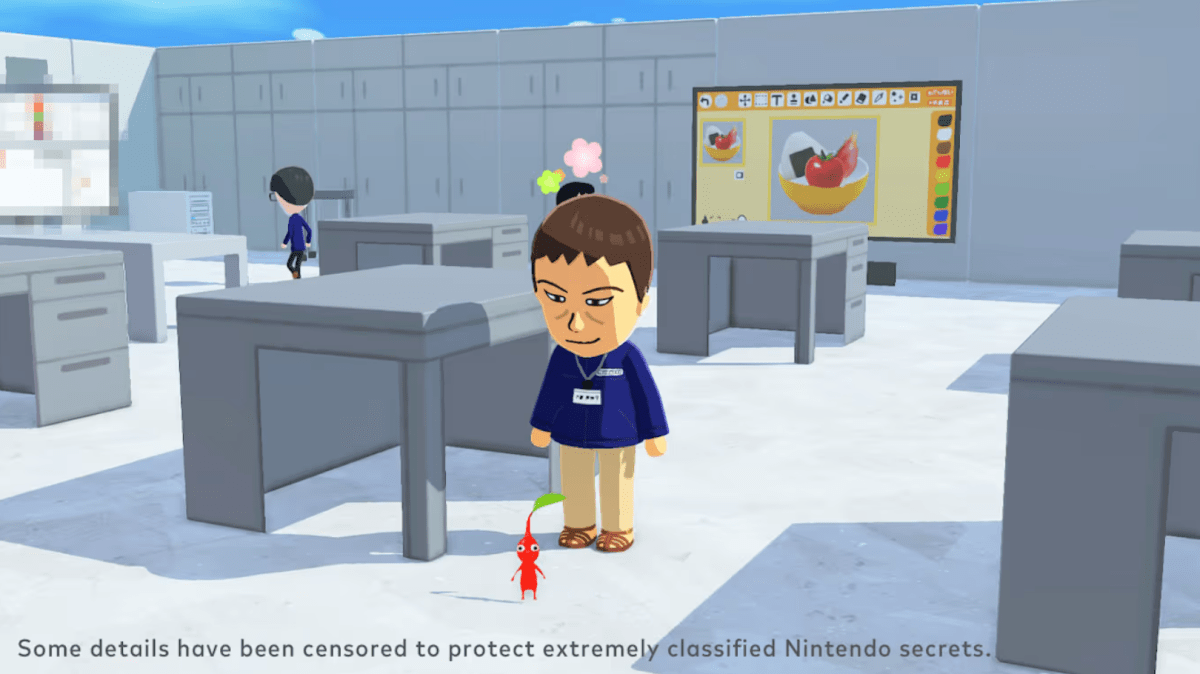
One of the most notable revelations from the interview was the inclusion of custom-made pets. Takahashi shared that a member of the team used the UGC tools to create a Red Pikmin, which was then assigned as a pet to a Mii character. "We created Pikmin as pets since they’re familiar to us, and our Mii characters were taking them for walks," Takahashi explained. This confirms that the pet system in Tomodachi Life: Living the Dream is not limited to a pre-set list of animals but is instead an open-ended framework where players can design and share their own creatures.
The ability to create custom pets and walk them through player-designed environments represents a significant technical leap for the franchise. In the original 3DS game, pets were largely static or limited to specific interactions within a character’s room. The Switch sequel appears to treat pets as dynamic entities that interact with the broader world, further enhancing the "living" aspect of the simulation.
Advanced Social Mechanics: Heredity and Face Paint
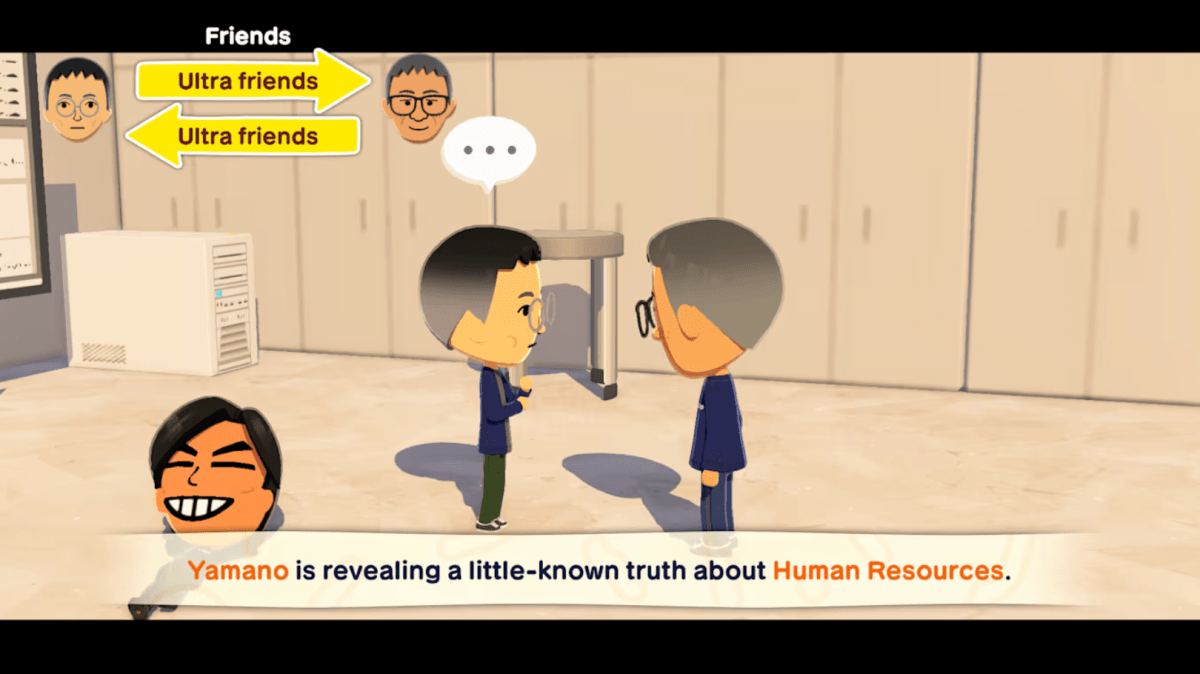
Beyond environmental customization, the developers focused heavily on the biological and social evolution of Mii families. A recurring question among the fan base has been how the game handles children born to Miis with extensive customization, such as complex face paint or non-traditional features. Takahashi confirmed that the game features a sophisticated heredity system. Babies born to these characters will inherit their parents’ traits, including specific face paint patterns and custom facial structures.
This heredity mechanic is paired with new personality attributes known as "Little Quirks." These are minor behavioral traits that add a layer of unpredictability to Mii interactions. One such attribute mentioned in the interview is the ability for a Mii to "break wind," a return to the series’ trademark whimsical and occasionally irreverent humor. These quirks are designed to make Miis feel less like programmed NPCs and more like idiosyncratic individuals with their own set of habits and flaws.
Historical Context and Franchise Evolution
To understand the significance of Tomodachi Life: Living the Dream, one must look at the impact of the original title. Released on the Nintendo 3DS, Tomodachi Life became a sleeper hit, selling over 6.7 million units worldwide as of late 2023. Its success was driven by its unique blend of "life sim" and "variety show" elements, often leading to viral social media moments as players shared the bizarre situations their Miis encountered.
However, the 3DS hardware imposed significant limitations on room layouts, island exploration, and the number of active Miis. The move to the Nintendo Switch allows for a much larger scale. The "nine years of ideas" mentioned by Takahashi likely includes features that were technically impossible on the 3DS, such as the seamless integration of UGC and the complex physics required for more interactive environments.
Analysis of Implications for the Nintendo Ecosystem
The emphasis on UGC in Tomodachi Life: Living the Dream aligns with broader industry trends seen in titles like Roblox, Minecraft, and Nintendo’s own Animal Crossing: New Horizons. By providing players with the tools to create their own content, Nintendo is ensuring the game’s longevity through community sharing and social media engagement. The ability to export and import islands and items via the "Palette House" system suggests a robust online component that could foster a creative ecosystem similar to the "Design Codes" in Animal Crossing.
Furthermore, the integration of other Nintendo IPs—like the Pikmin pets—suggests that Tomodachi Life is being positioned as a central hub for Nintendo’s brand identity on the Switch. Since the Mii characters themselves are universal avatars across the Nintendo ecosystem, Living the Dream acts as a meta-game where the company’s various franchises can intersect in a casual, low-stakes environment.
Technical Specifications and Release Timeline
Tomodachi Life: Living the Dream is built specifically for the Nintendo Switch architecture, utilizing the console’s increased memory to handle the vast amount of data generated by the UGC systems. The developers emphasized that the long development time was necessary to ensure that the "Island Builder" was intuitive for casual players while remaining deep enough for power users to recreate complex structures like the Nintendo offices.
The game is scheduled for a global release on April 16, 2026. This release date places it late in the Nintendo Switch’s lifecycle, leading to speculation among industry analysts that the game may feature cross-generational compatibility or enhanced features for a potential successor console. Regardless of the hardware, the focus remains on the "Mii characters’ autonomy," with the developers striving to create a game that players can enjoy simply by observing the chaotic and charming lives of their digital avatars.
Official Responses and Community Reception
The reaction to the "Ask the Developer" interview has been overwhelmingly positive among the series’ dedicated following. Fans have long campaigned for a sequel or a high-definition port of the 3DS original, and the revelation of a six-to-seven-year development cycle for the customization tools has reassured the community that the new entry is a substantial evolution rather than a minor update.
Nintendo’s decision to highlight the "break wind" quirk and the ability to walk Pikmin pets suggests they are leaning into the "weirdness" that made the first game a cult classic. By balancing deep, technical customization with lighthearted, absurd humor, Tomodachi Life: Living the Dream aims to recapture the viral magic of the 2014 original while providing a modern toolkit for a new generation of creators.
As the April 2026 release date approaches, Nintendo is expected to share more details regarding the online sharing capabilities of the Island Builder and whether players will be able to download islands created by the developers themselves, such as the Development HQ Island showcased in the interview. For now, the "Living the Dream" subtitle appears to reflect both the aspirations of the Miis within the game and the decade-long journey of the developers who brought it to life.