Johny Imanuel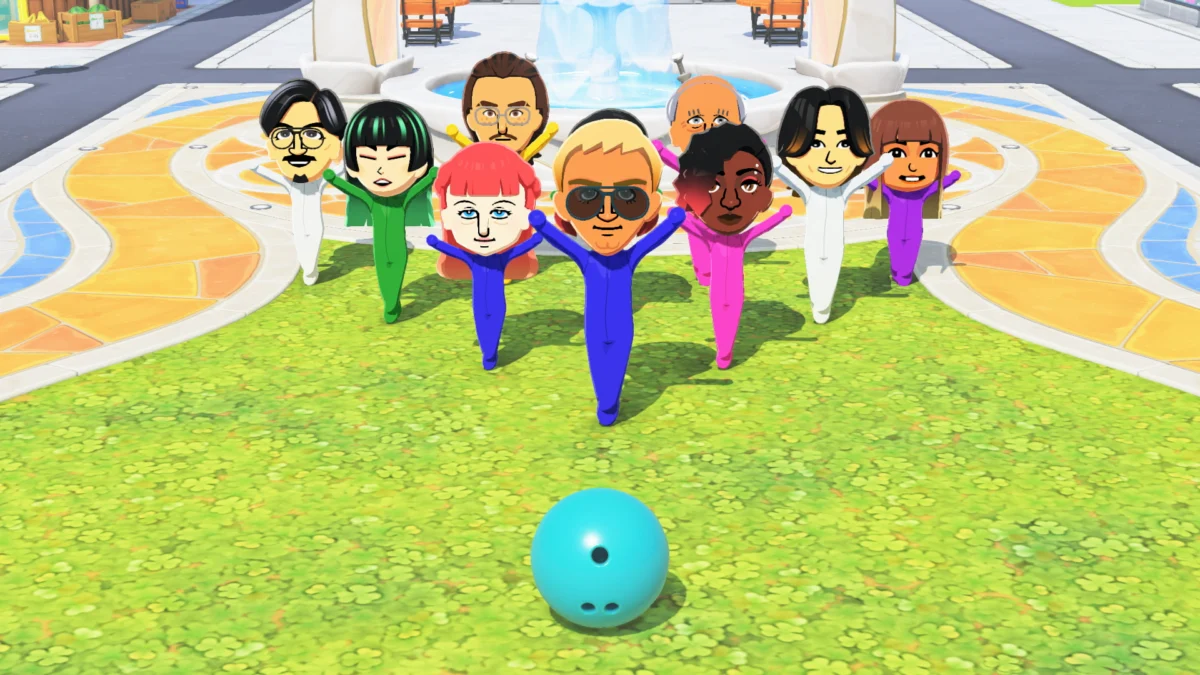
Nintendo has officially detailed the upcoming release of Tomodachi Life: Living the Dream, a significant evolution of the long-standing life simulation series scheduled to launch on the Nintendo Switch on April 16, 2026. This new installment marks the first major entry in the franchise since the 3DS era, positioning itself not merely as a sequel but as a comprehensive reimagining of the Mii-centric simulation genre. By integrating advanced creative tools and expanded social mechanics, the title seeks to bridge the gap between casual play and deep creative expression, addressing long-standing requests from the series’ dedicated global fan base.
Historical Context and Series Evolution
The Tomodachi franchise began its trajectory with Tomodachi Collection, released exclusively in Japan for the Nintendo DS in 2009. It was followed by the internationally successful Tomodachi Life on the Nintendo 3DS in 2013. While the 3DS version introduced the concept of a quirky, self-contained island ecosystem to a Western audience, many critics and players noted that it retained much of the DNA of its DS predecessor.
Tomodachi Life: Living the Dream represents a departure from this incremental approach. Developed to leverage the superior processing power and high-definition capabilities of the Nintendo Switch, the game introduces a scale of customization previously unseen in Nintendo’s first-party simulation titles. Industry analysts suggest that this shift toward "user-generated content" mirrors broader trends in the gaming industry, where players demand more agency in shaping their virtual environments.
The Player as Overseer: Core Gameplay Loop
In Tomodachi Life: Living the Dream, the player assumes a role often described as a "deity" or "overlord." Upon initializing the game, players create a primary Mii character and establish a nickname for themselves. The software offers various presets for this nickname, many of which emphasize the player’s status as the ruler or master of the island. This relationship defines the gameplay loop: the player manages the lives of the inhabitants while the inhabitants, in turn, provide the resources necessary to expand the island.
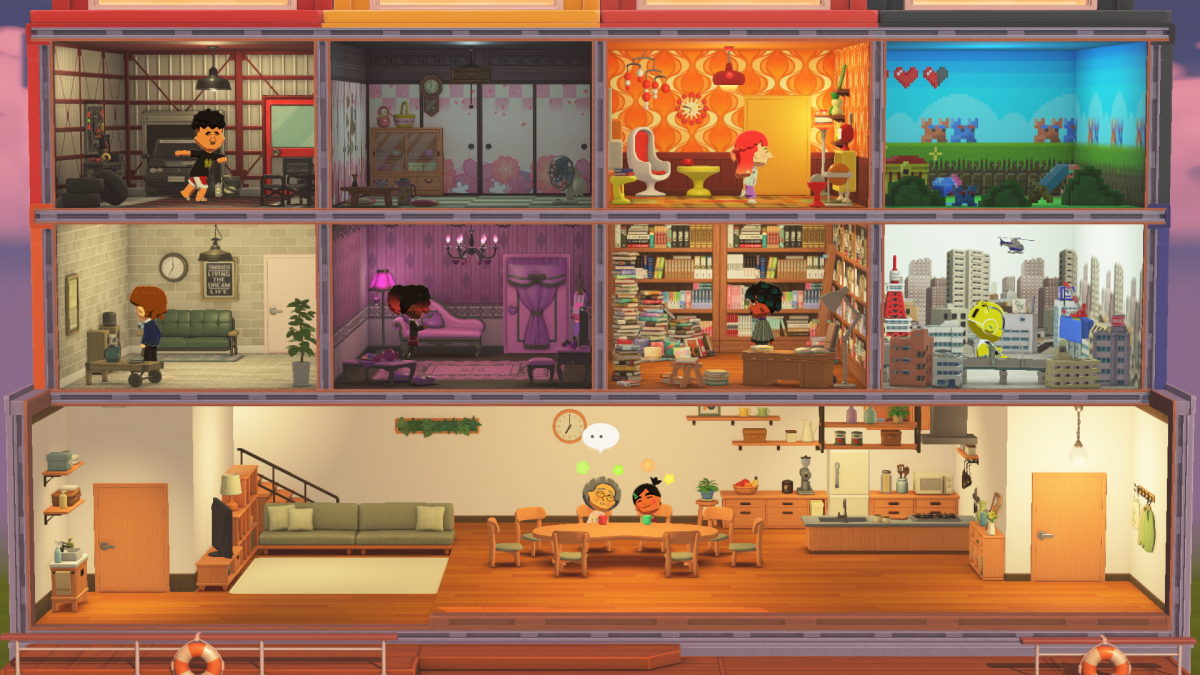
The simulation begins on a modest, deserted island with a single resident. As players interact with their Miis and fulfill their basic needs, the island levels up, unlocking new facilities and features. The resident capacity has been significantly increased, allowing for a bustling community of up to 70 individual Miis. This expansion necessitates a more robust management system than previous entries, requiring players to balance the social dynamics of a much larger population.
Advanced Customization and the Palette House Workshop
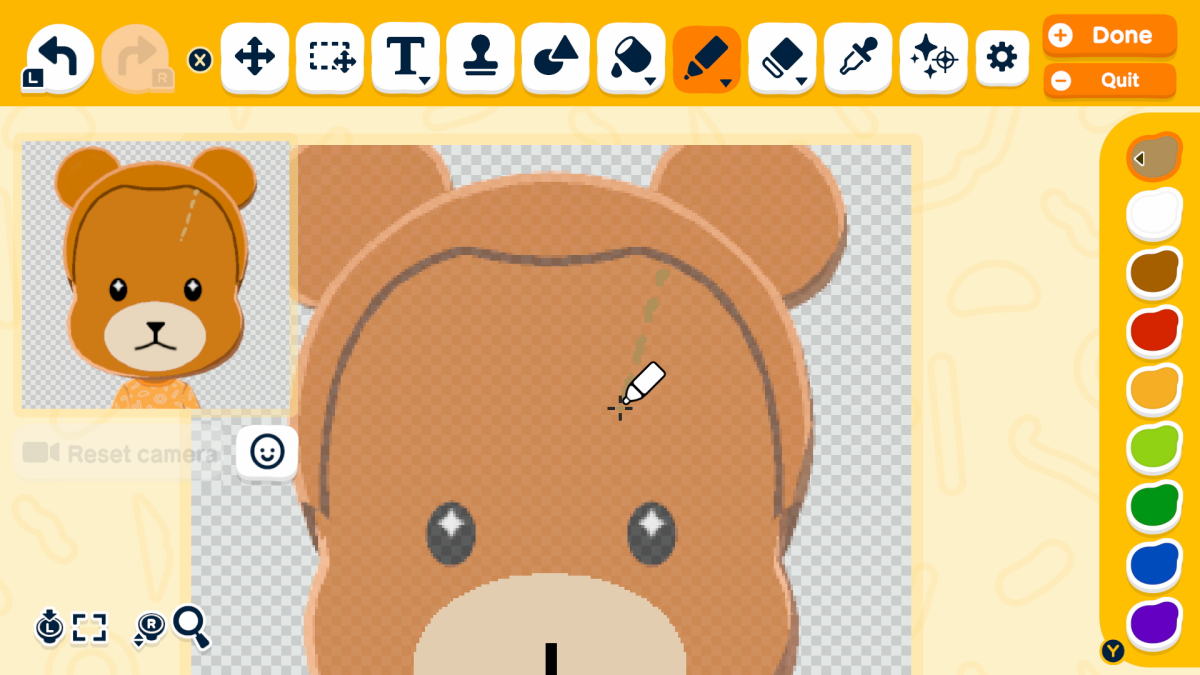
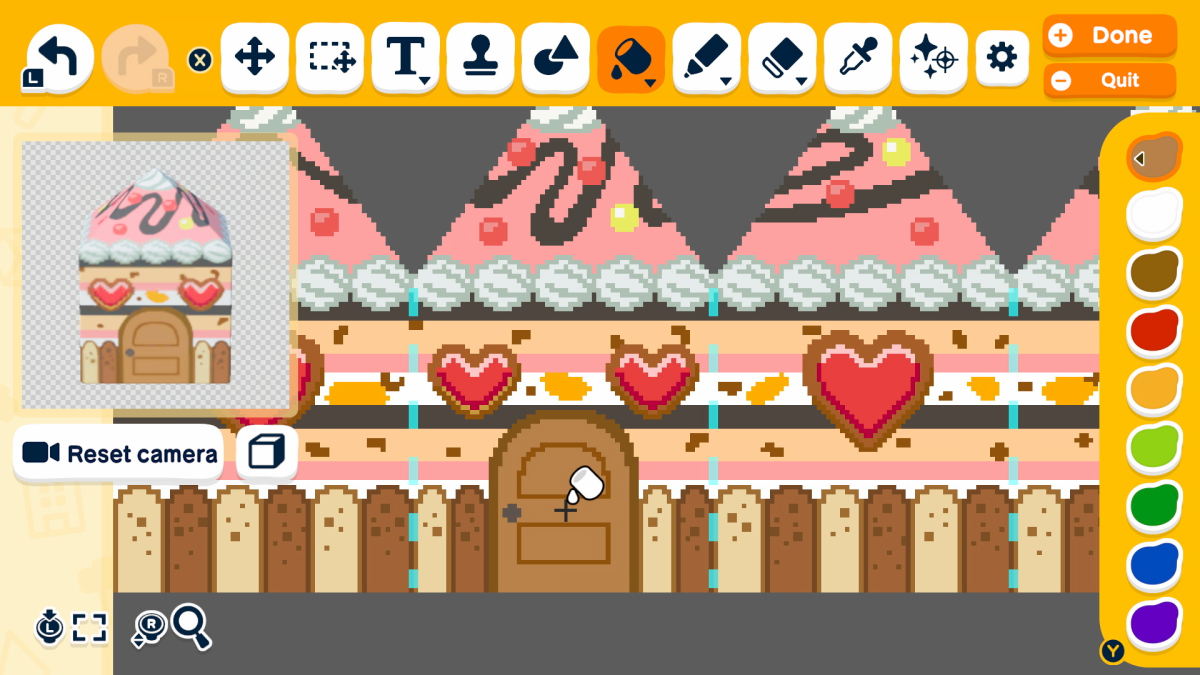
The centerpiece of the new title is the "Palette House Workshop," a creative suite that grants players unprecedented control over the aesthetic of their island. Unlike previous entries, which relied heavily on pre-set items and limited color swaps, Living the Dream provides tools that rival professional digital illustration software.
Mii Creation and Face Paint
The Mii editor has undergone a complete overhaul. While maintaining the iconic aesthetic of the characters, the game introduces refined facial adjustment features and an expansive color palette. A new "Face Paint" feature allows players to use the Switch’s touch screen as a canvas, applying intricate designs directly onto a Mii’s face. This has already led to a surge of community-shared designs during the demo period, with players recreating famous pop-culture icons and highly detailed artistic portraits.
Item and Environment Design
The customization extends beyond character models. Through the Palette House Workshop, players can design custom clothing, food items, and household goods. For those without formal artistic training, Nintendo has included "Quick-Build" templates, stamps, and preset plates. These features ensure that even novice creators can produce recognizable and functional items, while power users can craft unique assets from scratch.
Social Dynamics and Autonomous AI
The social simulation in Living the Dream operates on a semi-autonomous basis. While the game is more "hands-off" than titles like The Sims, it requires strategic intervention to guide the island’s social trajectory.
Resident Needs and leveling
The primary metric for Mii management is hunger. Players must provide a variety of food items, discovering each Mii’s personal preferences through trial and error. Satisfying a Mii’s hunger or fulfilling their requests for play or assistance results in the character leveling up. These level-ups grant the player "Expression Goods" or the ability to assign "Quirks"—unique behavioral traits that dictate how a Mii reacts to specific stimuli or moves throughout the environment.
Friendship and Relationship Management
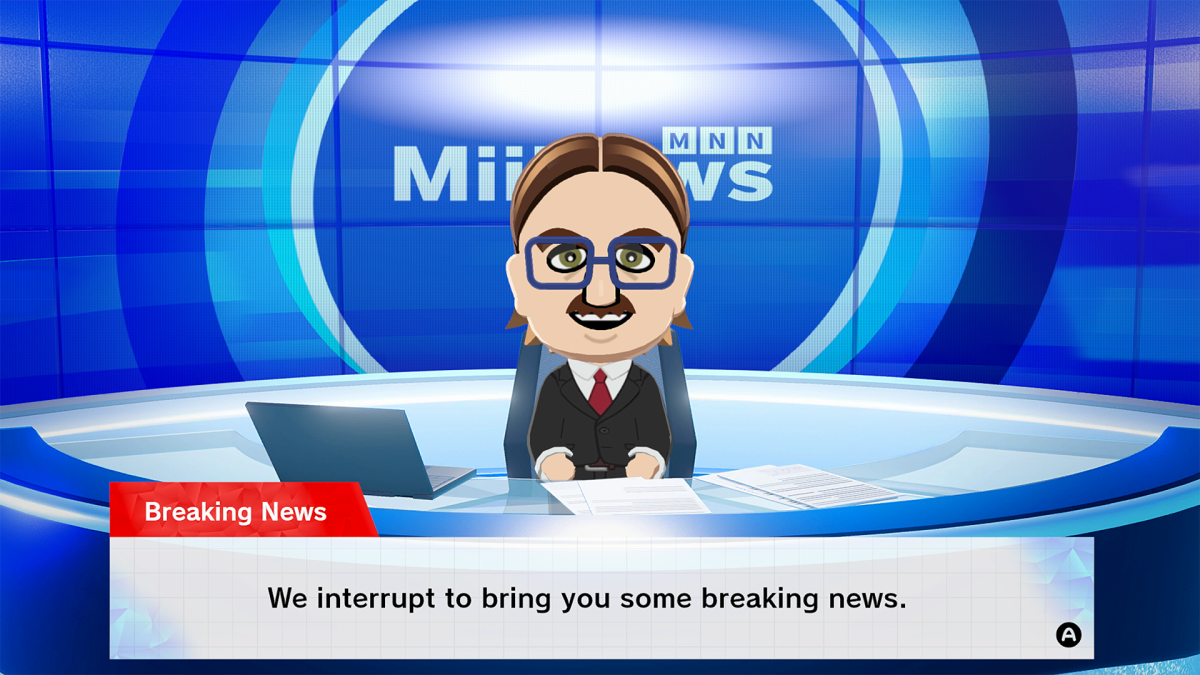
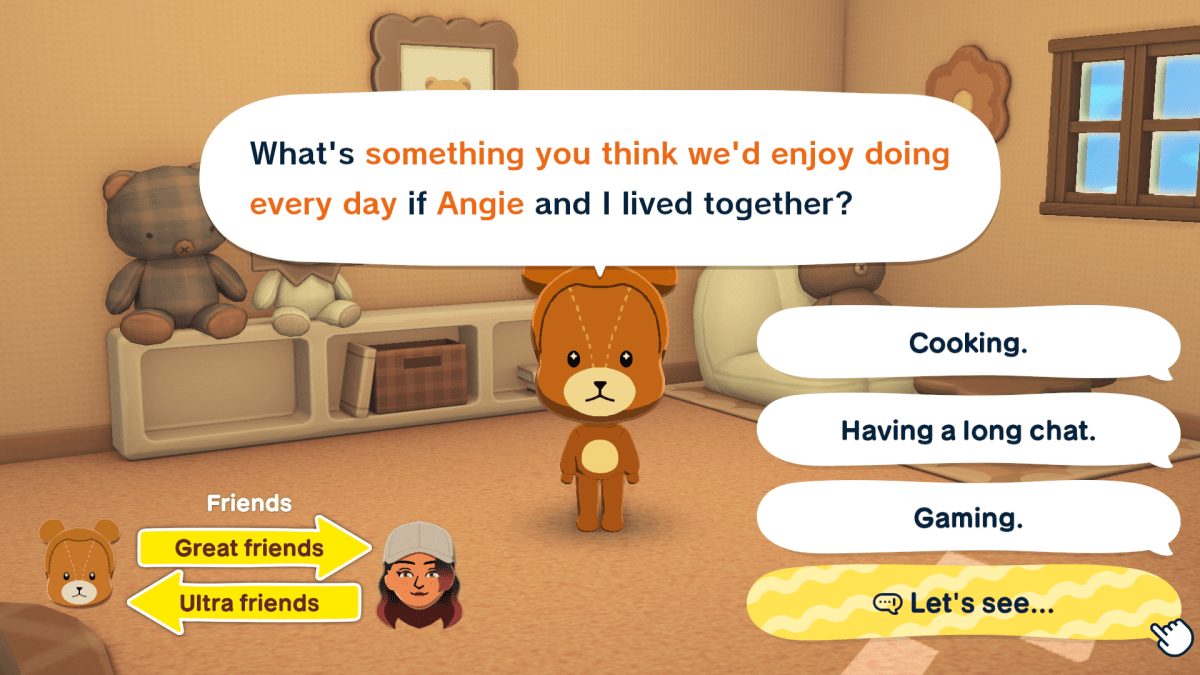
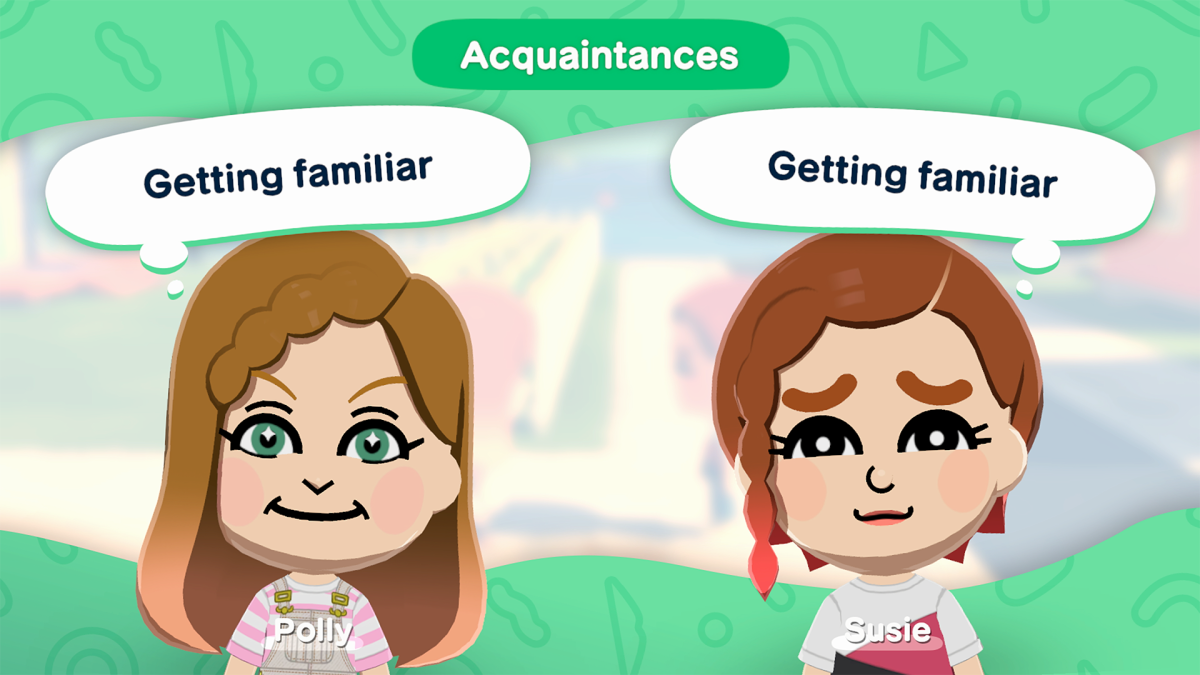
Players can actively influence social circles by physically moving Miis into the proximity of others or intervening in their daily activities. While Miis will form opinions of one another autonomously, they frequently consult the player regarding major life decisions, such as moving in together or pursuing romantic relationships. The "Mii News Station" serves as a central hub for players to catch up on events that occurred while they were away, ensuring a continuous narrative flow even during periods of inactivity.
Challenges in the Simulation: Mini-Games and Mechanics
Despite the focus on creative freedom, Tomodachi Life: Living the Dream introduces several high-stakes mini-games that serve as gatekeepers for character progression. One of the more controversial additions is the "Shoot-’em-up Proposal" mini-game.
When a Mii decides to propose to a partner, the player must navigate a multi-stage sequence inside the Mii’s "mind." This involves shooting down distracting thoughts to ensure the proposal remains on track. The final stage of this mini-game has been described as a "bullet hell" scenario, featuring a high density of obstacles within a confined space. Failure in this mini-game results in the Mii entering a state of clinical depression within the game, halting their development and requiring significant player effort to remediate.
Other mini-games, such as the "Double Shadow" challenge and pixelated zoom-ins, test the player’s knowledge of the items they have collected. These challenges are designed to add a layer of traditional gameplay to the simulation, though early feedback suggests a steep difficulty curve that may frustrate casual players.
Infrastructure and Terraforming
For the first time in the series, players are granted terraforming capabilities. As the island grows and the "Wishing Fountain" is leveled up, players gain the ability to rearrange the island’s geography.
- Facility Placement: Players can strategically position buildings and amenities to optimize Mii interactions.
- Quick-Build Amenities: This feature allows for the instant purchase and placement of benches, parks, and decorative items.
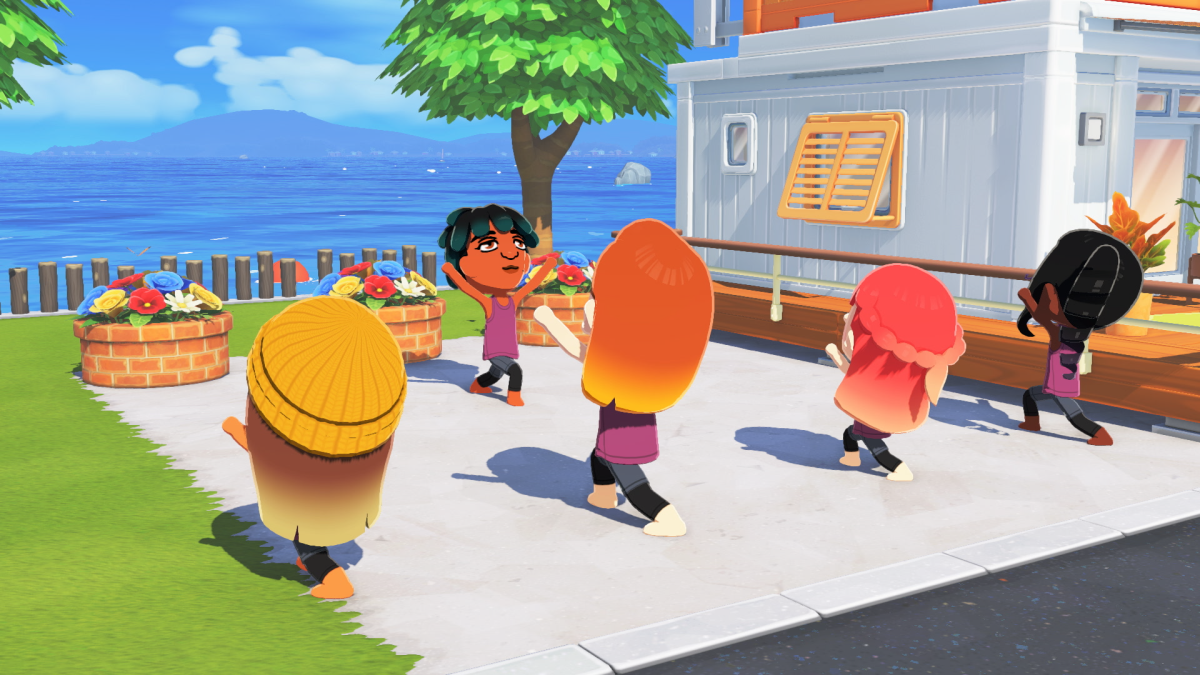
- Interactive Environments: Miis can be dropped directly onto placed items, such as benches or playground equipment, triggering unique animations and social scenes.
This level of environmental control aligns the title more closely with modern "cozy" games, providing a sense of ownership over the digital space.
Technical Constraints and Connectivity Issues
While the game has been praised for its depth, certain technical and philosophical choices by Nintendo have drawn scrutiny. Specifically, the game’s connectivity features are notably restrictive.

The "Walled Garden" Approach
In an era where social sharing is a standard feature of gaming, Tomodachi Life: Living the Dream lacks integrated social media export tools. To share screenshots or videos of the game’s often hilarious and outlandish scenes, players must connect their Switch to a computer via a USB-C cable and manually manage data.
Furthermore, the "Mii Swap" feature is limited to local wireless connections. This means that players cannot easily download the intricate creations of others over the internet, a limitation that has led to the rise of third-party community sites like "TomodachiShare." These sites act as external repositories where players can share the data needed to recreate Miis, bypassing the lack of an official online gallery.
Implications for the Community
Critics argue that these restrictions stifle the potential of the game’s creative tools. By limiting the ease of sharing, Nintendo maintains a "walled garden" environment that prioritizes local interaction over global connectivity. While this may be a safety-oriented design choice, it represents a significant hurdle for the burgeoning community of Mii artists.
Market Impact and Future Outlook
The release of Tomodachi Life: Living the Dream comes at a time when the "life sim" genre is experiencing a resurgence. With the success of titles like Animal Crossing: New Horizons, there is a proven market for games that offer escapism and creative expression.
Nintendo’s decision to revisit the Tomodachi IP suggests a long-term strategy to revitalize its legacy brands for the Switch’s massive install base. By combining the "weirdness" of the original series with modern customization tools, Nintendo is positioning the title as a flagship simulation experience for 2026.
As the April 16 release date approaches, the availability of a free demo on the Nintendo eShop has allowed the public to experience the new Mii editor firsthand. Early engagement metrics indicate high interest, particularly in the creative aspects of the "Palette House." Whether the game can overcome its connectivity limitations to become a social media sensation remains to be seen, but its status as a significant technical upgrade for the series is undisputed.
Tomodachi Life: Living the Dream is poised to be a definitive entry in the Nintendo Switch library, offering a unique blend of humor, creativity, and management that continues the idiosyncratic legacy of the Mii era.