Retno Hari Mulyono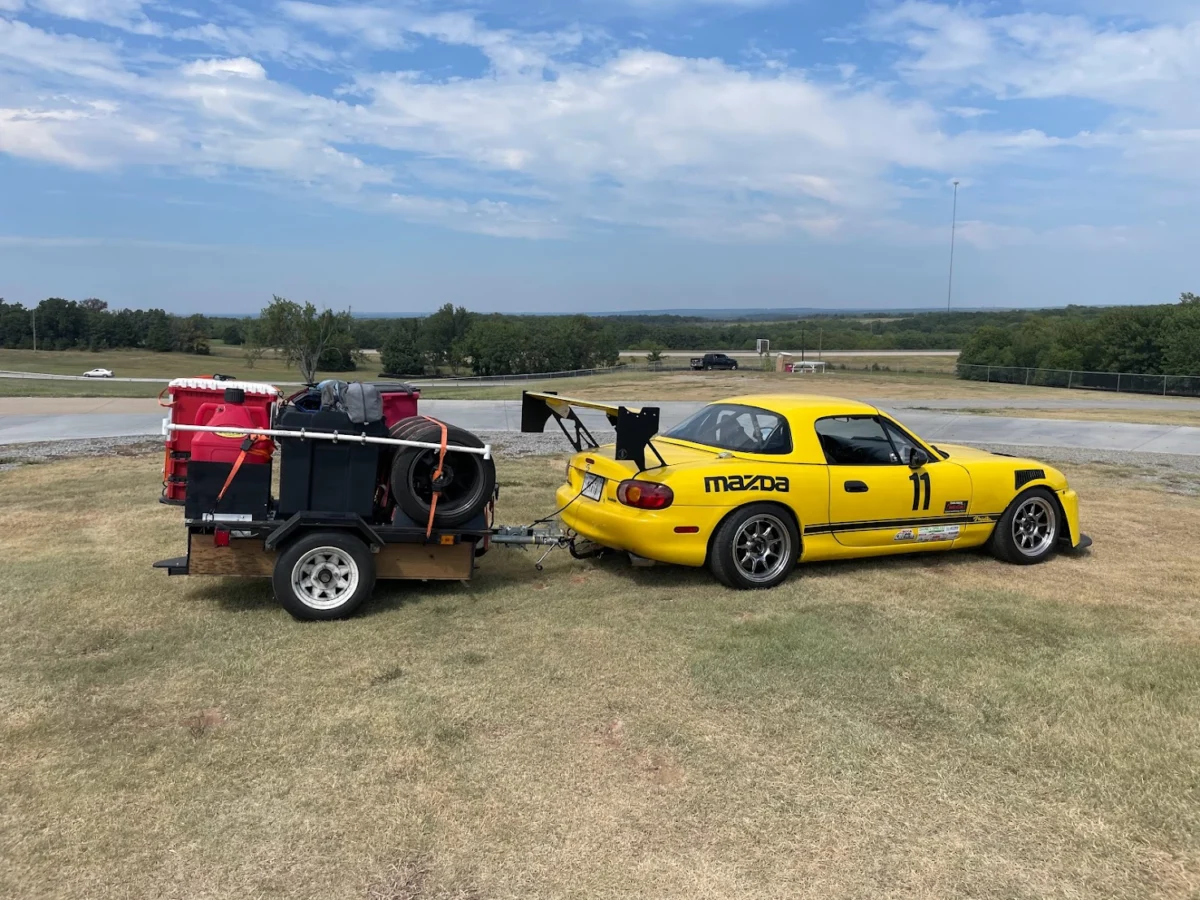
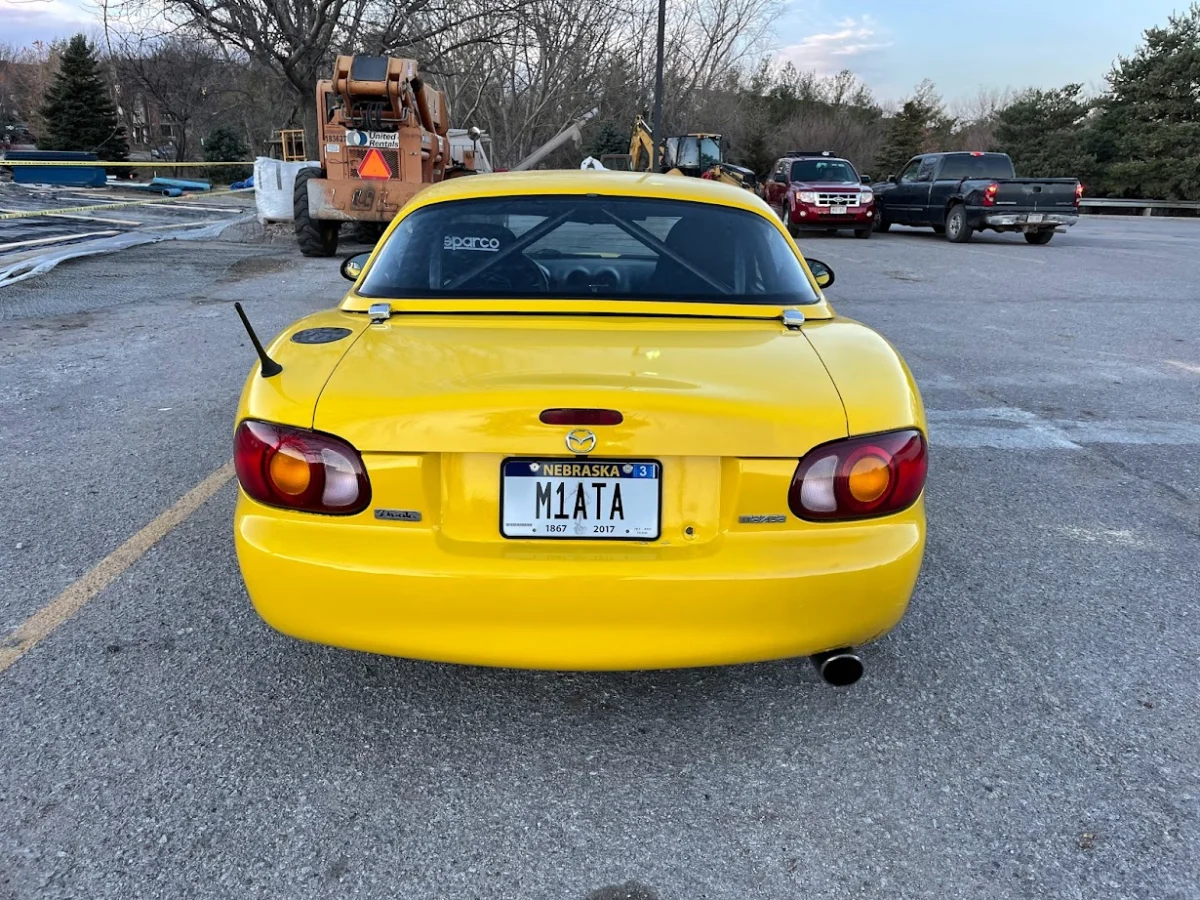
The second-generation Mazda Miata, known internally as the NB chassis, remains a cornerstone of grassroots motorsports due to its balanced handling, mechanical simplicity, and robust aftermarket support. Over a 12-month period concluding in February 2024, a specific 2000-model-year NB Miata underwent a rigorous transformation from a dual-purpose street-and-track vehicle into a dedicated Time Trials competitor. This developmental cycle, marking the third year of ownership, illustrates the complexities of balancing aerodynamic efficiency, mechanical reliability, and logistical preparation in the amateur racing circuit.
Logistical Enhancements and Aerodynamic Infrastructure
The 2023 season commenced in March with a focus on logistical efficiency. To facilitate self-supported travel to regional circuits, the vehicle’s dedicated tire trailer underwent significant structural upgrades. The modifications included the installation of a lower deck positioned just below the axle, designed to lower the center of gravity and increase cargo volume. Further enhancements included a 15-gallon fuel reservoir and specialized mounts for spare aerodynamic splitters and Gurney flaps. These upgrades highlight a growing trend in the grassroots community: the move toward self-sufficiency as track day costs and logistical requirements increase.
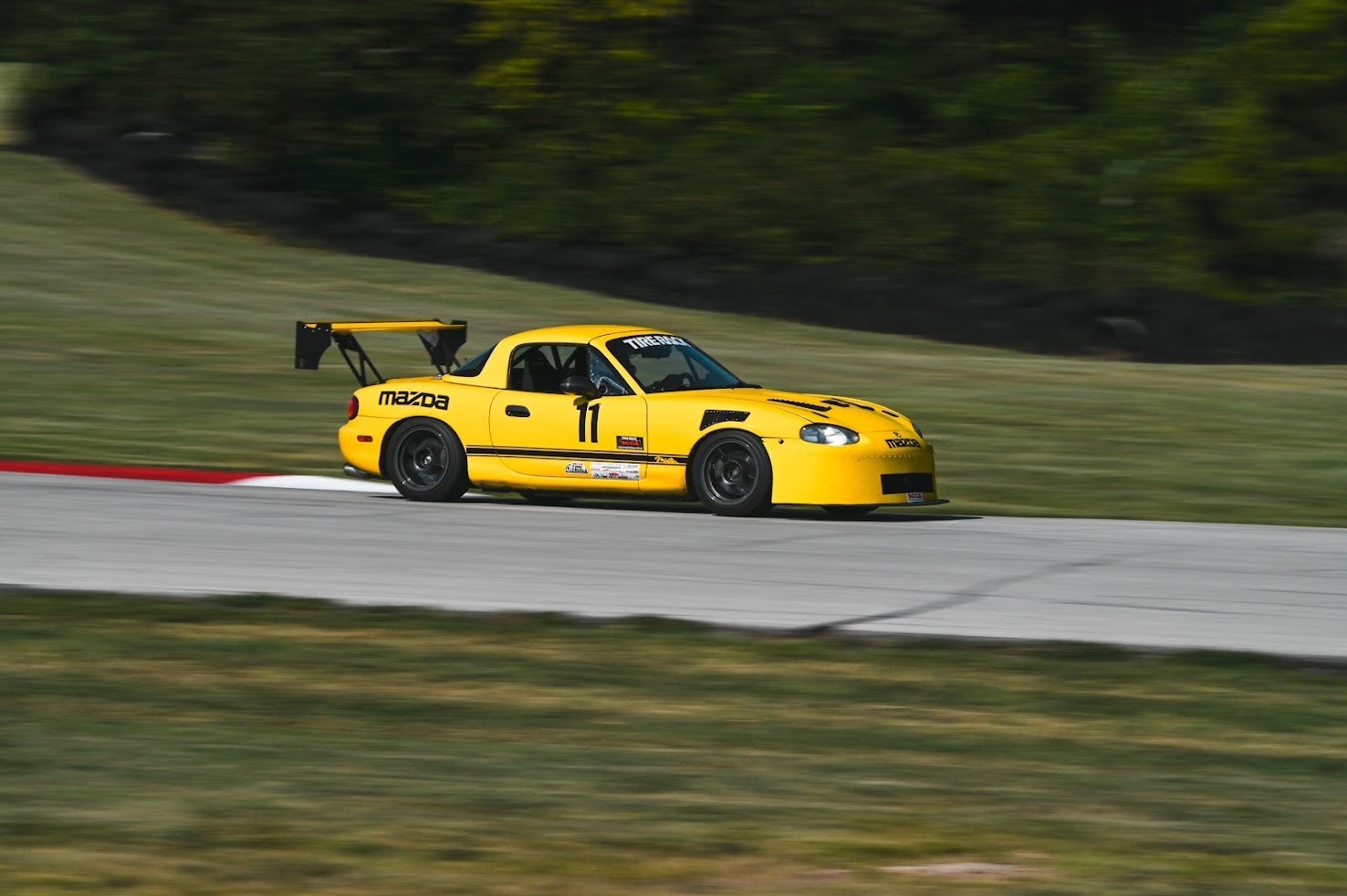
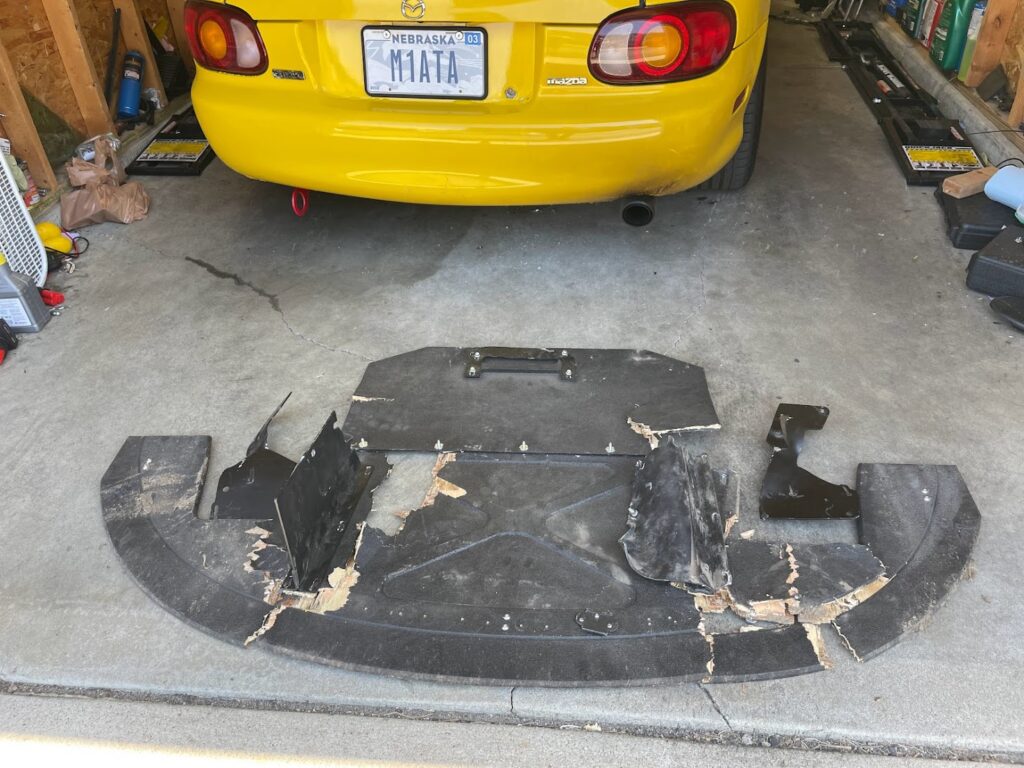
In April, the project transitioned to active performance testing following the winter installation of a Nine Lives Racing medium downforce kit. However, the initial track sessions revealed the inherent risks of aggressive aerodynamic tuning. During a high-speed cornering maneuver, the vehicle overshot a turn exit, resulting in a total failure of the front splitter. The impact not only destroyed the aerodynamic element but also caused structural damage to the splitter mounts and the radiator support.
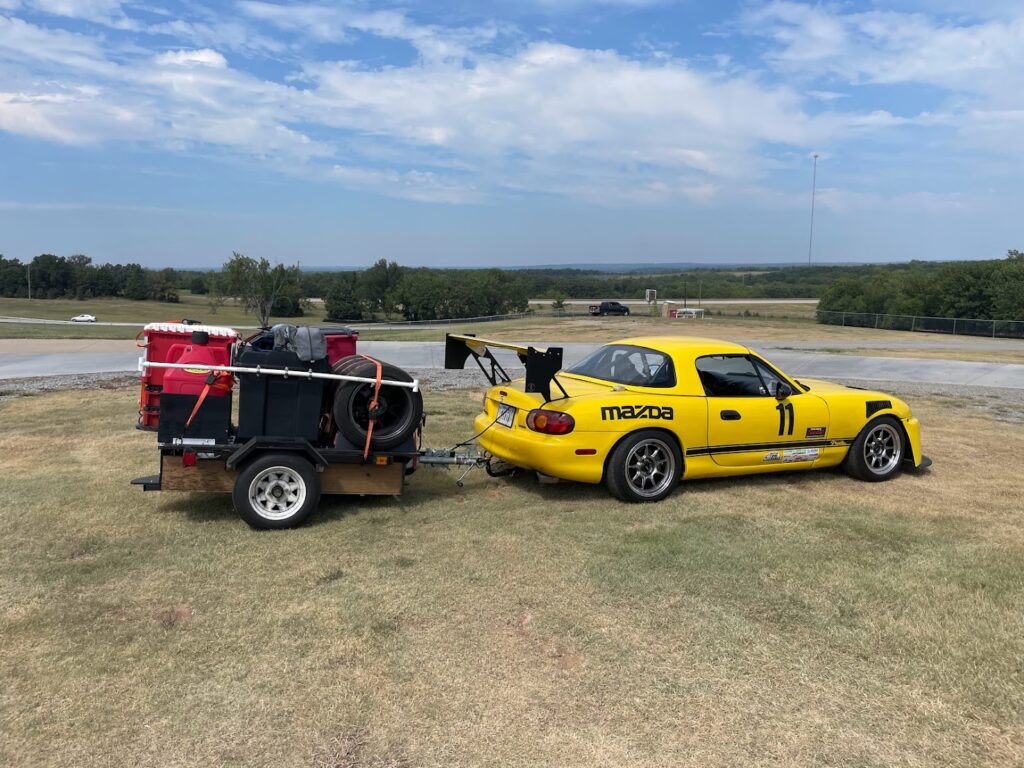
This incident forced a shift toward cost-effective, "disposable" aerodynamics. The owner moved away from expensive composite materials in favor of 1/2-inch plywood. Factual analysis suggests that plywood splitters offer a high stiffness-to-weight ratio and significant cost savings, making them an ideal solution for vehicles prone to "bottoming out" or off-track excursions. By the end of the month, the owner had established a protocol for carrying multiple spare plywood splitters, mounted directly to the trailer for rapid trackside replacement.
Regional Competition and the Closure of Heartland Motorsports Park
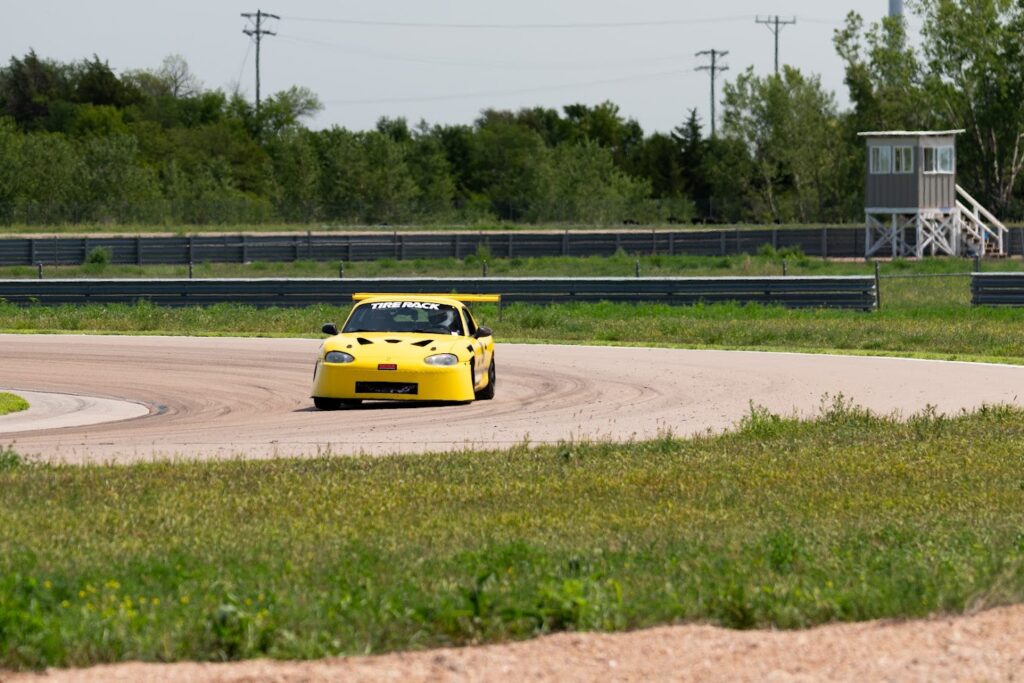
May 2023 marked the beginning of the SCCA Time Trials season. The vehicle was equipped with 225/45R15 Falken RT660 tires mounted on 15×9-inch wheels. The RT660 is widely regarded in the industry as a "Super 200" tire, offering near-slick levels of grip while maintaining a 200-treadwear rating for class compliance.
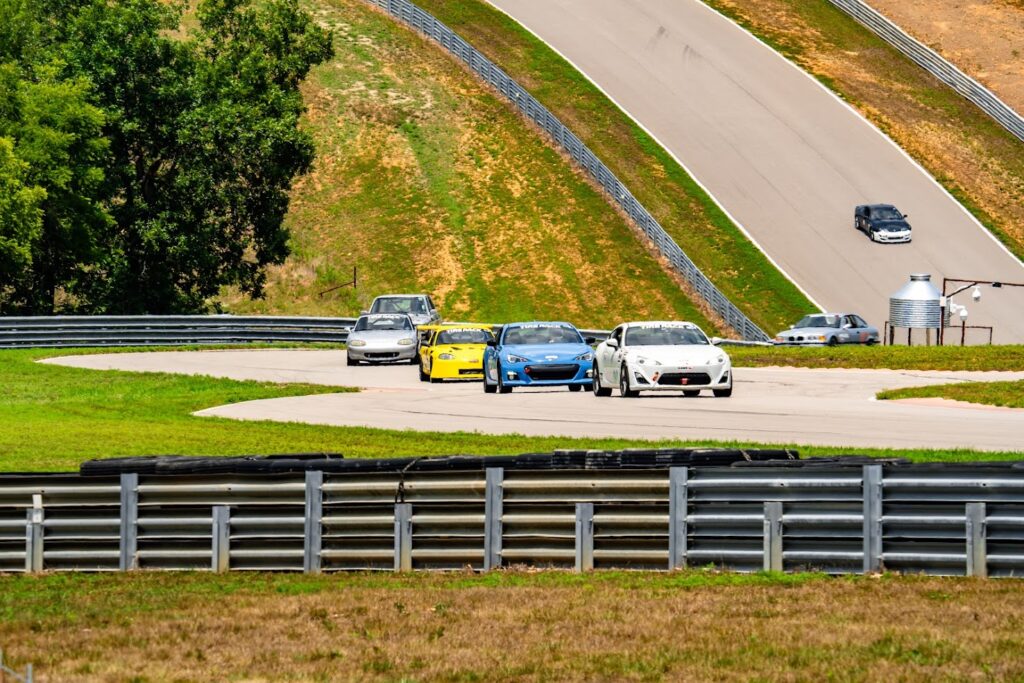
The event took place at Heartland Motorsports Park in Topeka, Kansas. However, this session was overshadowed by the broader crisis facing the facility. Following a long-standing dispute regarding property taxes, the owner of Heartland Motorsports Park announced the facility’s closure at the conclusion of the 2023 season. The subsequent auction of the property and equipment has left a significant void in the Midwestern motorsports landscape. Industry analysts note that the loss of such a facility impacts not only local SCCA chapters but also the regional economy, which benefits from the influx of racers and spectators.
Structural Optimization and Thermal Management
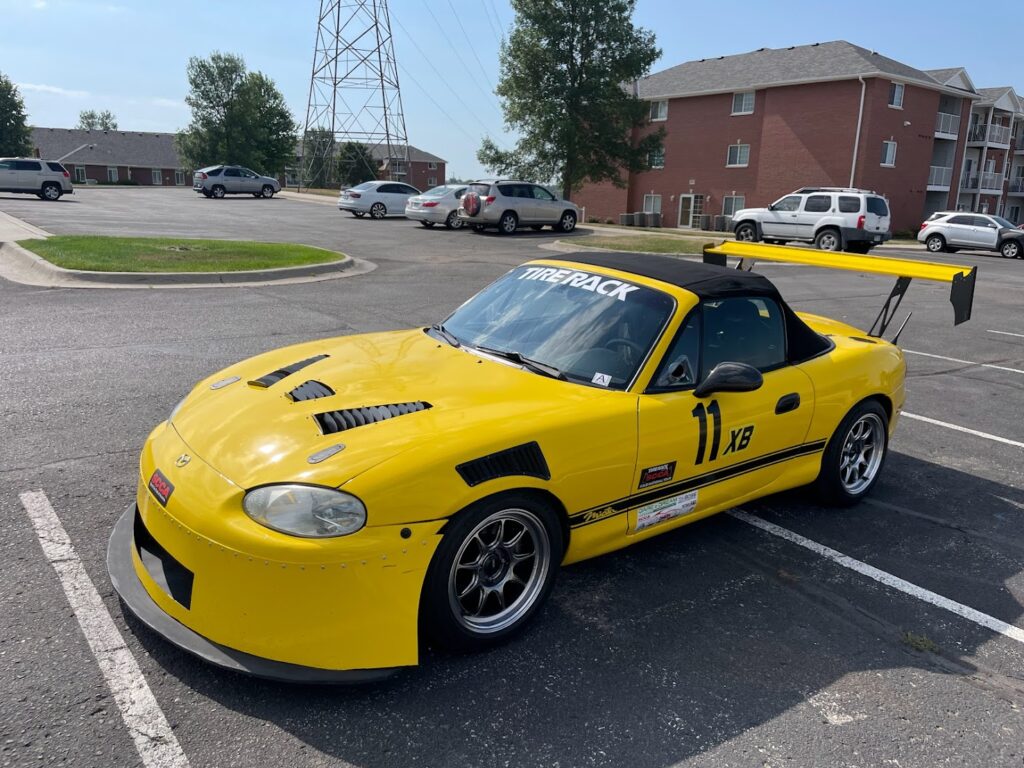
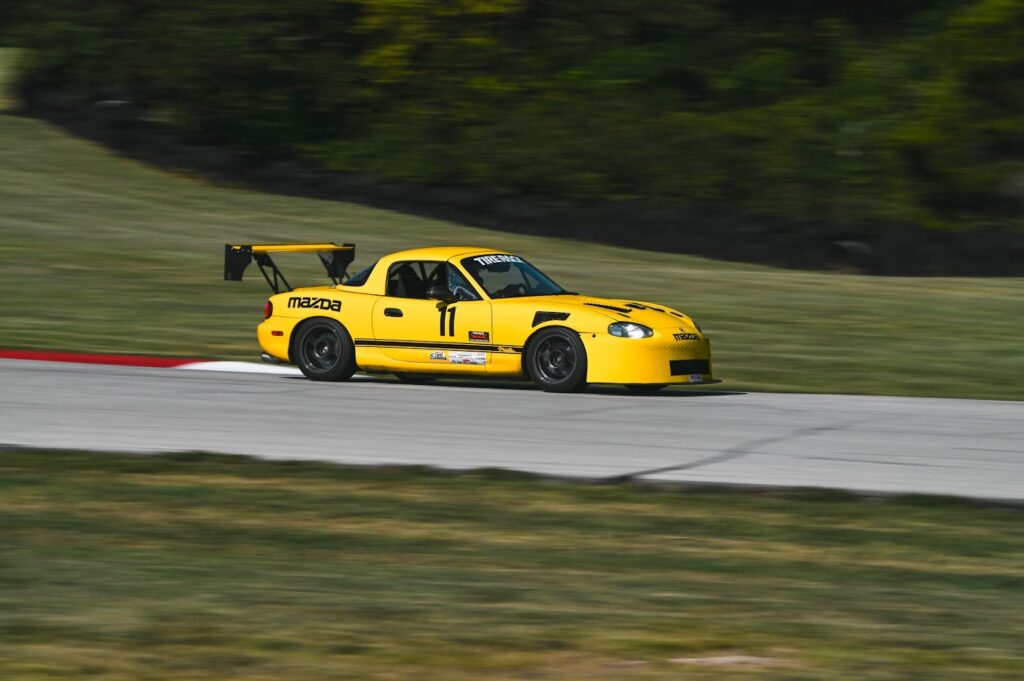
By June, the vehicle’s evolution toward a dedicated race car prompted the permanent removal of the soft top. Technical data indicates that rear wings, such as the Nine Lives Racing unit used on this chassis, require a hardtop to maintain clean airflow and maximize downforce. The removal of the soft top assembly yielded significant weight savings and improved access to the fuel pump and rear suspension components.
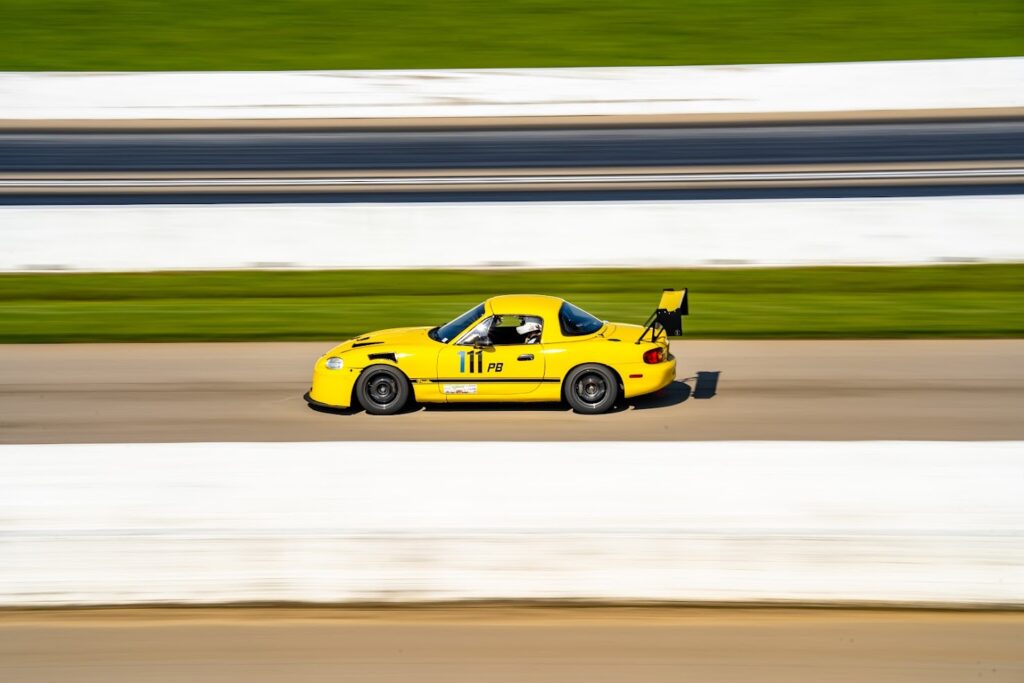
July introduced a new challenge at the Ozarks International Raceway (OIR). Known for its extreme elevation changes and technical complexity, OIR serves as a rigorous test for both driver and machine. Before the event, the vehicle suffered a clutch failure, necessitating an emergency replacement. Due to time constraints, a standard organic clutch was installed.
The OIR sessions highlighted the importance of driver confidence in high-stakes environments. With concrete barriers positioned close to the racing line, the owner focused on incremental lap time improvements rather than outright speed. This cautious approach is a common theme among "drive-to-track" enthusiasts who must ensure the vehicle remains operable for the journey home.
Benchmarking Performance and Driver Ergonomics
In August, the vehicle returned to Motorsports Park Hastings in Nebraska. Benchmarking against established standards is a critical component of performance analysis. The Miata recorded a lap time of 1:42.78. For context, the NASA Spec Miata lap record at the same circuit stands at 1:40.415, while the more modified TT6 class record is 1:39.625. This data suggests that while the vehicle is competitive, there remains significant "headroom" for improvement, particularly in high-speed sections like Turn 3, where aerodynamic confidence is paramount.
The September event at Hallett Motor Racing Circuit saw the introduction of a "Cool Shirt" system. In closed-cockpit racing environments, ambient temperatures can exceed 120 degrees Fahrenheit, leading to heat exhaustion and diminished cognitive function. The system, which circulates ice water through a specialized garment, is increasingly viewed not as a luxury, but as a critical safety component for maintaining driver focus during endurance or high-heat sessions.
Powerplant Evaluation and the BP-Series Hybrid Build
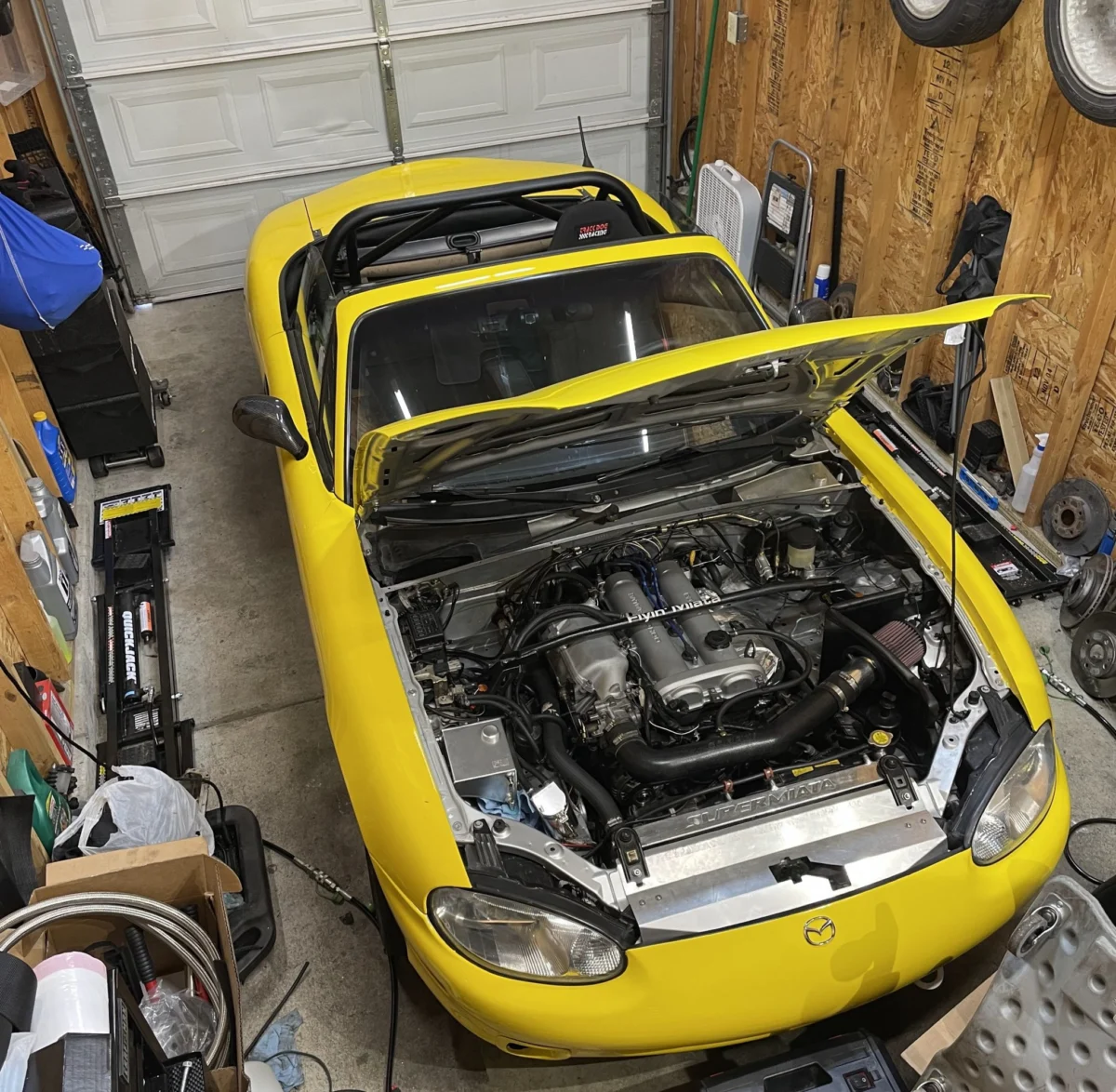
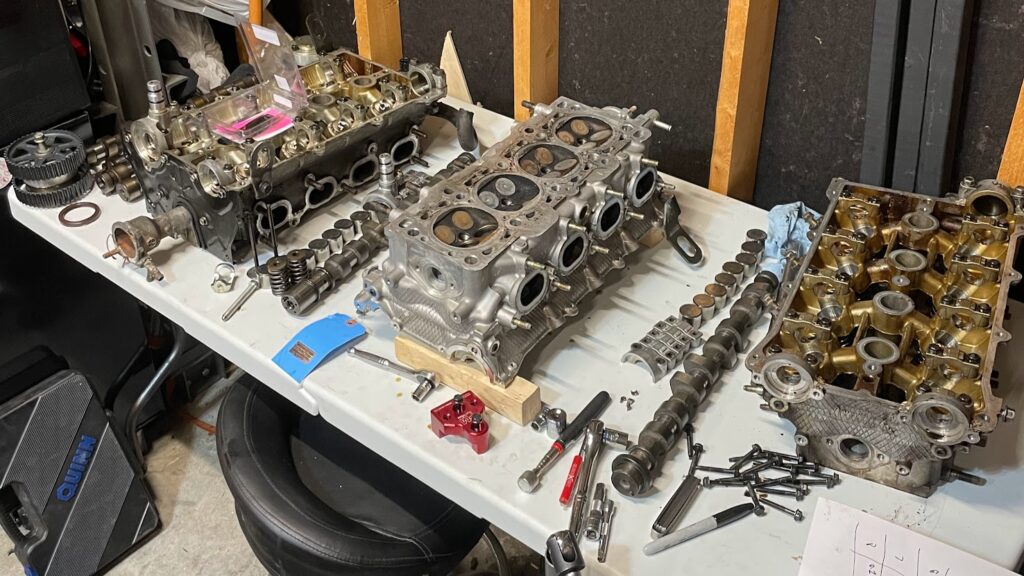
October 2023 was dedicated to a comprehensive mechanical audit of the vehicle’s powertrain. The original BP4W engine, despite several reliability upgrades (including a Boundary Engineering oil pump and upgraded valve springs), exhibited signs of internal wear, specifically oil consumption at high RPM and smoke during engine braking.
The owner’s inventory of spare parts included a BP4W motor with damaged exhaust valves and a working BP6D (VVT) motor from a later NB2 Miata. The BP6D is favored for its Variable Valve Timing, which provides a broader power band. However, the decision was made to build a "hybrid" engine: utilizing the BP4W bottom end (refreshed with honing and new seals) paired with a rebuilt BP6D cylinder head and high-compression BP6D pistons. This configuration aims to capitalize on the strengths of both generations of the Mazda B-series engine.
Weight Reduction and Winter Development
The 2023 competitive season concluded in November with a total of 15 autocross days and 15 track days. The tire data collected throughout the year provided a clear roadmap for 2024:
- Autocross: The Bridgestone RE71-RS tires lasted 17 events (70 runs). The owner plans to transition to the Yokohama A052, which is widely considered the "gold standard" for peak lateral grip in autocross.
- Track: The Falken RT660 tires provided 8.5 hours of track time over 38 heat cycles. The planned upgrade for 2024 is the Nankang CRS v2.
During the December and January period, the focus shifted to weight reduction to improve the vehicle’s power-to-weight ratio within its SCCA Time Trials class. The owner removed the dashboard, heater core, and blower motor, and performed a significant "thinning" of the factory wiring harness. These efforts resulted in a 50-pound weight reduction. To complement the interior changes, an OMP 330mm quick-release steering wheel was installed. This modification improves driver ingress/egress and provides better ergonomics for the manual steering rack.
The final modification of the cycle, completed in February 2024, involved the fabrication of a custom trunk mount for the Cool Shirt system. By utilizing aluminum angle and specialized welding rods, the owner created a lightweight, secure bracket that allowed for the reinstallation of the passenger seat, demonstrating the ongoing balance between a dedicated race build and occasional passenger utility.
Broader Impact and Future Outlook
The three-year trajectory of this NB Miata reflects broader trends in the automotive enthusiast community. As the "Spec Miata" racing class continues to drive up the prices of donor cars, many owners are turning to Time Trials and "Super Lap Battle" style formats, where aerodynamic and mechanical experimentation is encouraged.
The data gathered from 30 total events in 2023 suggests that the NB chassis remains highly capable, but reaches a "plateau" where natural aspiration limits its competitiveness against modern turbocharged rivals. The owner’s analysis indicates that while cornering speeds are optimized, the next logical step for the 2024–2025 cycle involves either a high-compression engine build or the introduction of forced induction to maximize the vehicle’s potential within its power-to-weight classification.
As the grassroots racing community faces the dual challenges of rising costs and the closure of historic venues like Heartland Motorsports Park, the resilience and technical ingenuity shown in this project highlight the enduring appeal of the Mazda Miata as a platform for automotive development. The transition from a simple roadster to a sophisticated, aerodynamically-driven time-attack machine serves as a case study in methodical, data-driven vehicle evolution.