Retno Hari Mulyono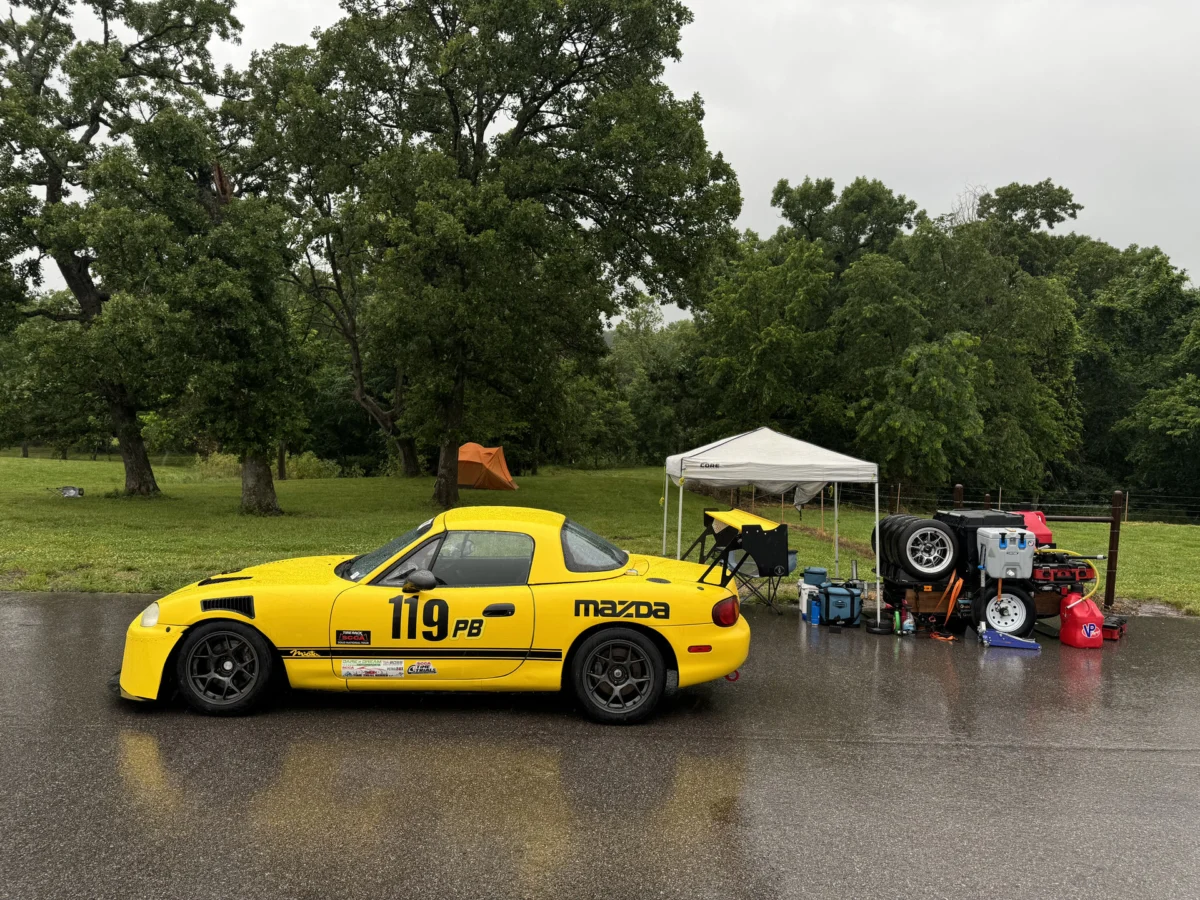
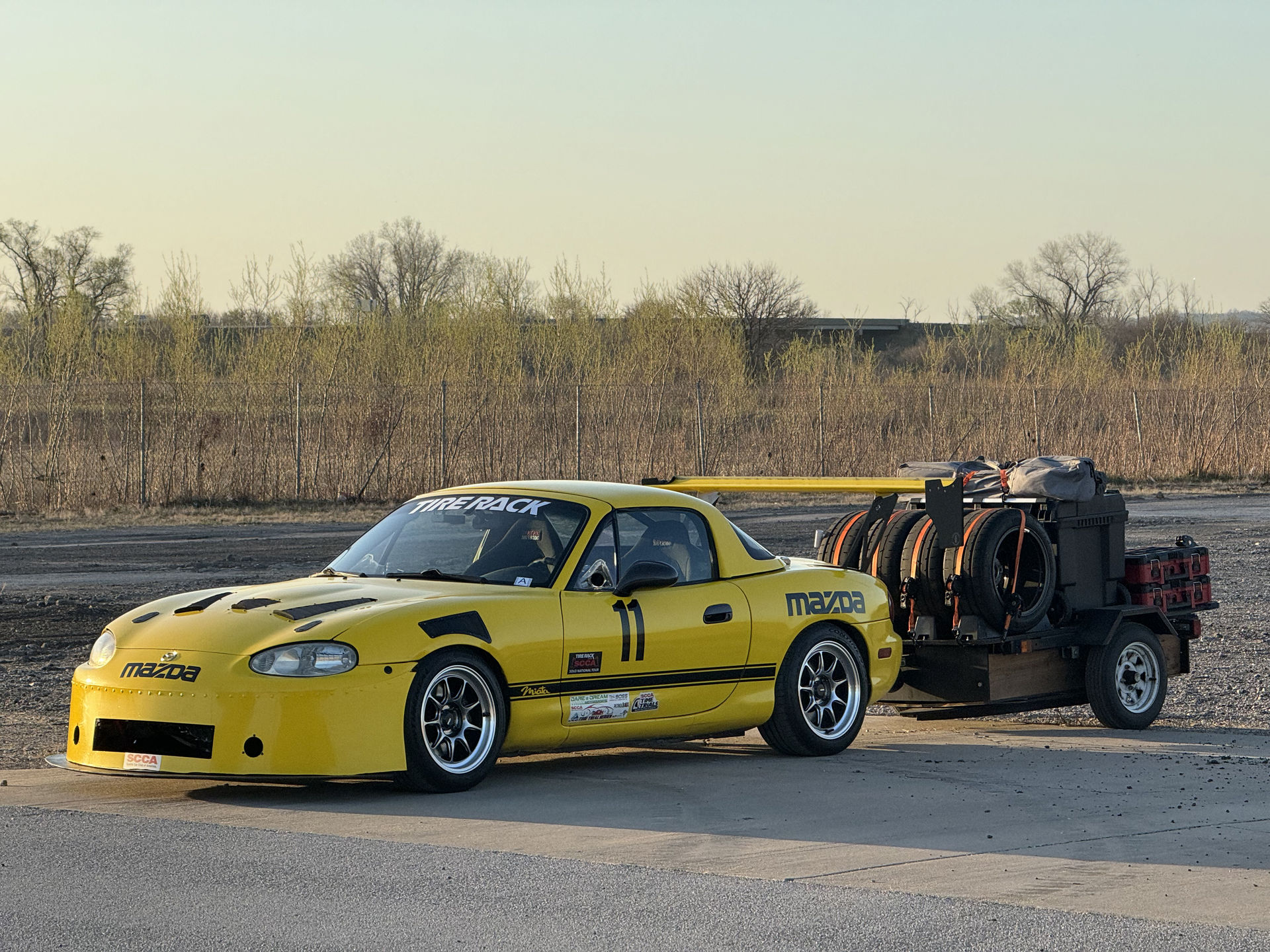
The Evolution of the Track Day Tire Trailer: A Critical Solution for Small-Platform Performance Driving represents a growing logistical necessity within the grassroots motorsports community, particularly for enthusiasts operating compact sports cars with limited cargo capacity. As the popularity of track days and autocross events continues to rise globally, a significant technical challenge has emerged: the management of high-performance tire longevity and safety. While modern performance rubber offers unprecedented levels of grip, the specialized compounds used in these tires are often ill-suited for the rigors of daily highway commuting. This has led to the widespread adoption of the "tire trailer," a specialized utility solution that allows drivers of small-platform vehicles, such as the Mazda Miata or Honda S2000, to transport dedicated racing equipment without the need for a full-sized truck and car hauler.
The Technical Conflict: Performance Compounds vs. Street Durability
In the realm of high-performance driving, the 200 Treadwear (TW) tire has become the industry standard for "street-class" competition. According to the Uniform Tire Quality Grading (UTQG) standards, a lower treadwear rating indicates a softer, stickier compound. While these tires provide the lateral G-forces required for competitive lap times, they suffer from two primary issues when driven on public roads: heat cycling and environmental vulnerability.
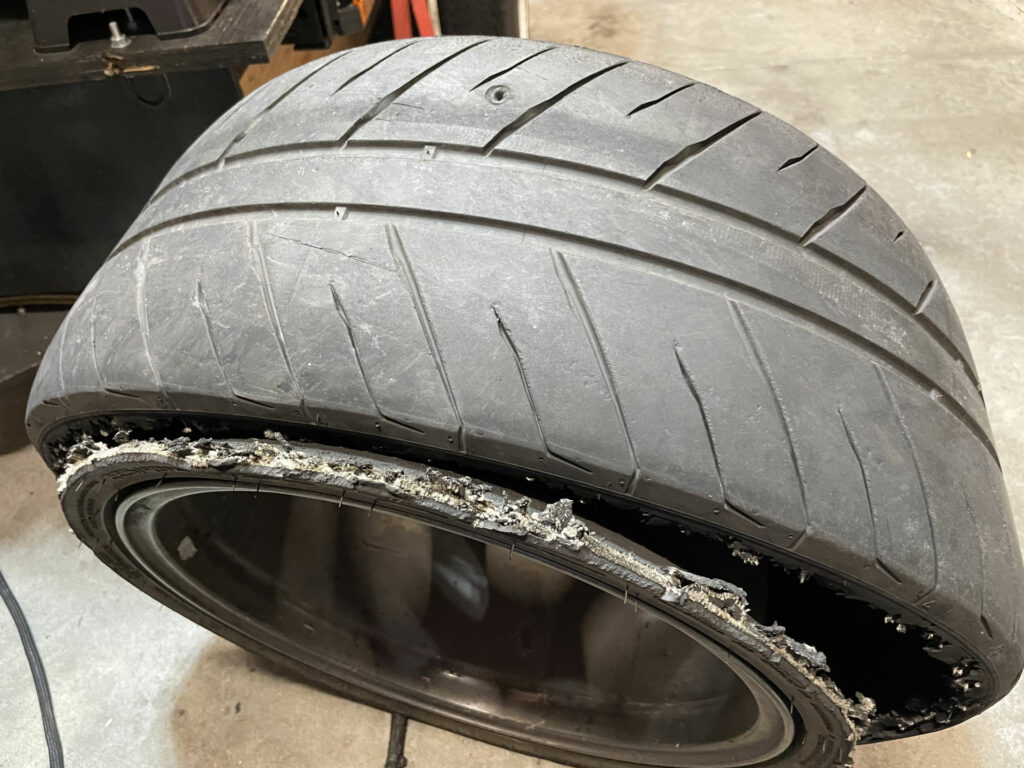
Heat cycling is a chemical process where the tire’s rubber compound undergoes a molecular change each time it reaches operating temperature and subsequently cools. For dedicated track tires, the number of effective heat cycles is limited. Using these tires for a long-distance commute to a racing circuit "wastes" these cycles, potentially hardening the rubber and reducing grip levels before the car even reaches the starting line. Furthermore, performance tires like the Hankook Ventus RS4 or the Michelin Pilot Sport Cup 2 are designed with minimal tread void ratios. In heavy rain or standing water, these tires are prone to hydroplaning, creating a significant safety hazard for the driver.
The logistical bottleneck is most pronounced in small-platform vehicles. While a driver of a Chevrolet Corvette or a BMW M3 may have sufficient interior volume to store a spare set of wheels and a jack, the Mazda Miata offers roughly 4.6 cubic feet of trunk space. This physical limitation necessitates an external storage solution if the driver wishes to avoid the compromises of driving on track tires to and from the venue.
Engineering the Solution: The Architecture of a Tire Trailer
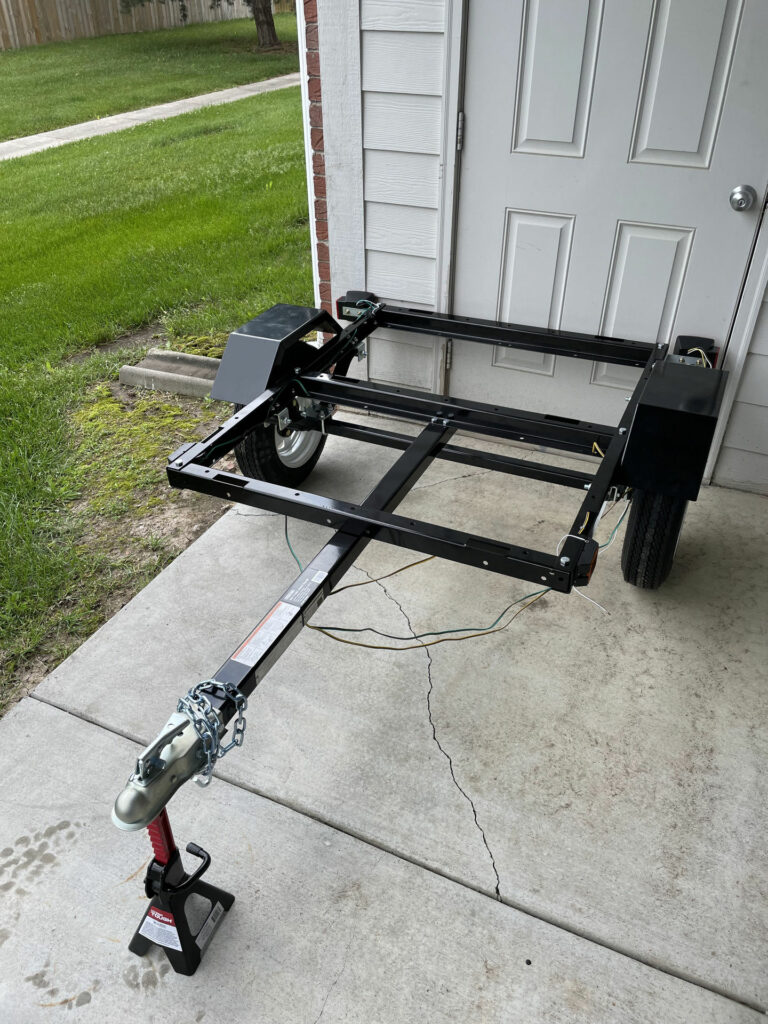
The modern tire trailer is typically built upon a lightweight utility frame, often sourced from industrial suppliers such as Northern Tool or Harbor Freight. These frames, frequently measuring 40" x 48", provide a modular foundation that can be customized to the specific needs of the racer.

Frame Selection and Assembly
The most common starting point for enthusiasts is the bolt-together steel frame. These kits are preferred for their low cost—often ranging between $300 and $500—and their relatively low curb weight, which is essential for vehicles with limited towing capacities. For example, a Mazda Miata is generally rated for a maximum towing capacity of approximately 1,000 to 1,500 pounds, depending on the generation and aftermarket hitch used.
Advanced builders often look toward higher-end alternatives, such as those produced by Leroy Engineering. These premium trailers feature independent suspension systems, high-speed bearings, and larger radial tires, addressing the stability issues inherent in cheaper, leaf-sprung utility trailers. However, the DIY approach remains the most popular due to the ability to customize the layout for specific tools and fuel requirements.
Modular Storage and Weight Distribution
A well-engineered tire trailer must balance three primary loads: tires, tools, and fuel. Proper weight distribution is critical; industry standards suggest that 10% to 15% of the trailer’s total weight should rest on the hitch (tongue weight) to prevent trailer sway at high speeds.
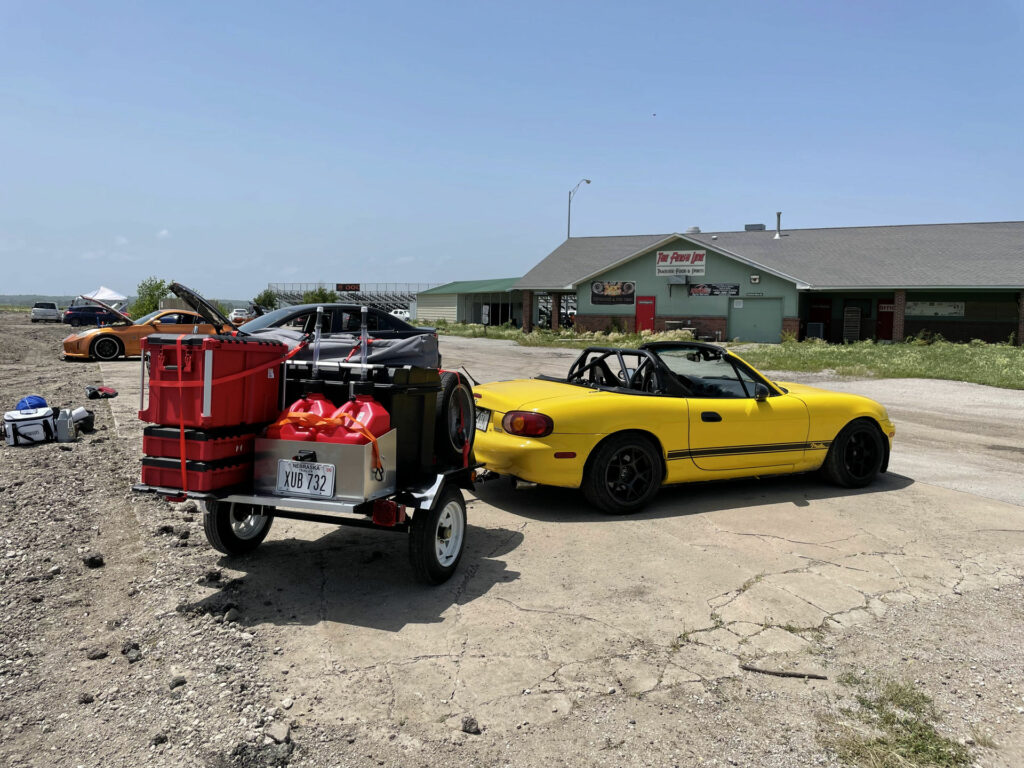
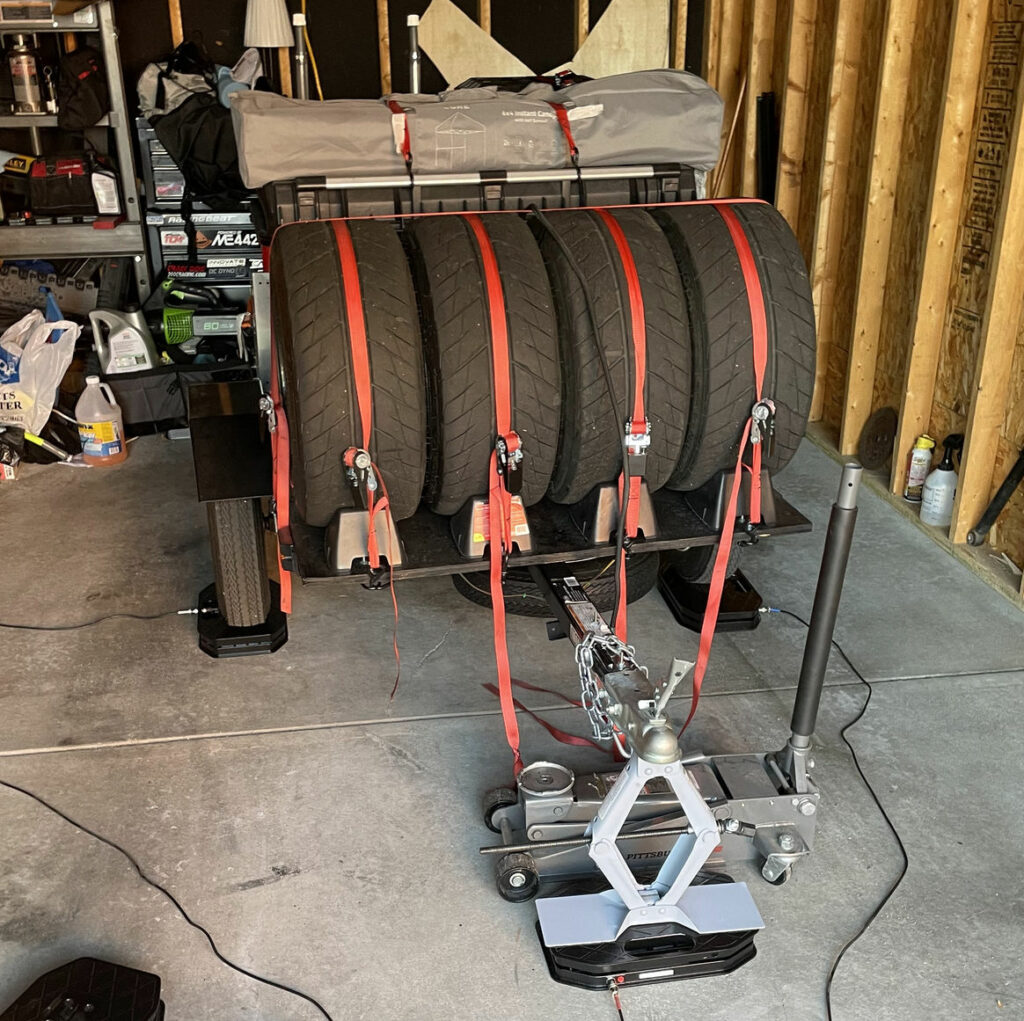
- Tire Mounting: Tires are typically mounted at the front of the trailer to ensure adequate tongue weight. Builders often employ a multi-layered security approach, using a central steel pipe through the wheel hubs, heavy-duty ratchet straps, and secondary locking cables to prevent theft and movement.
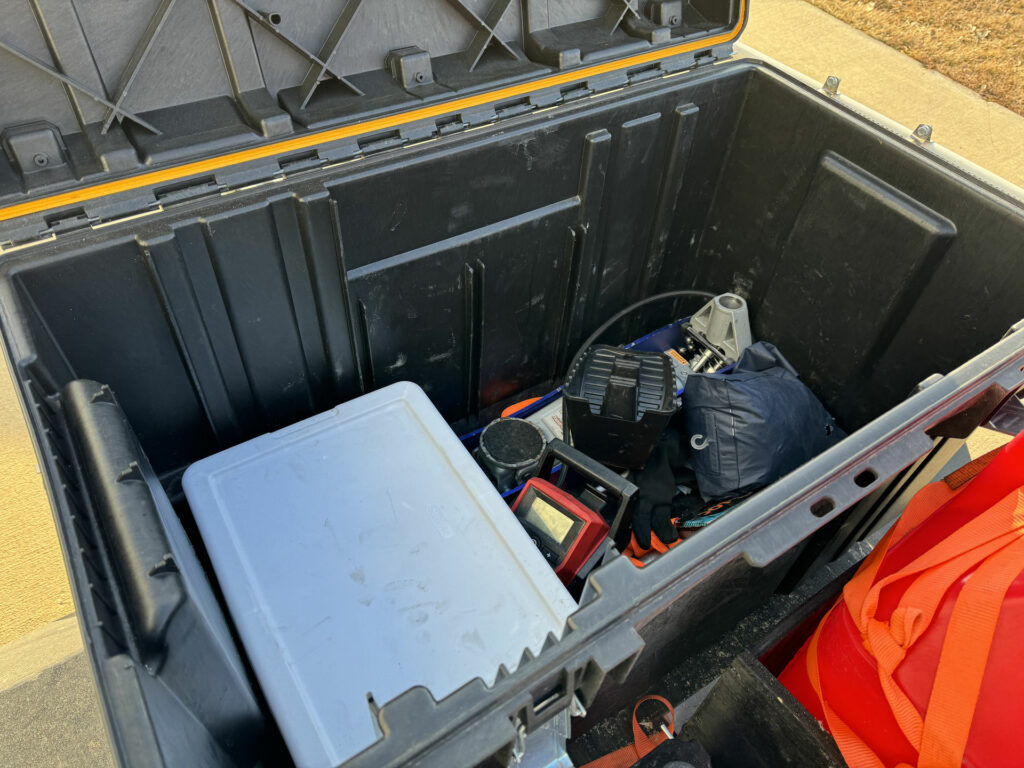
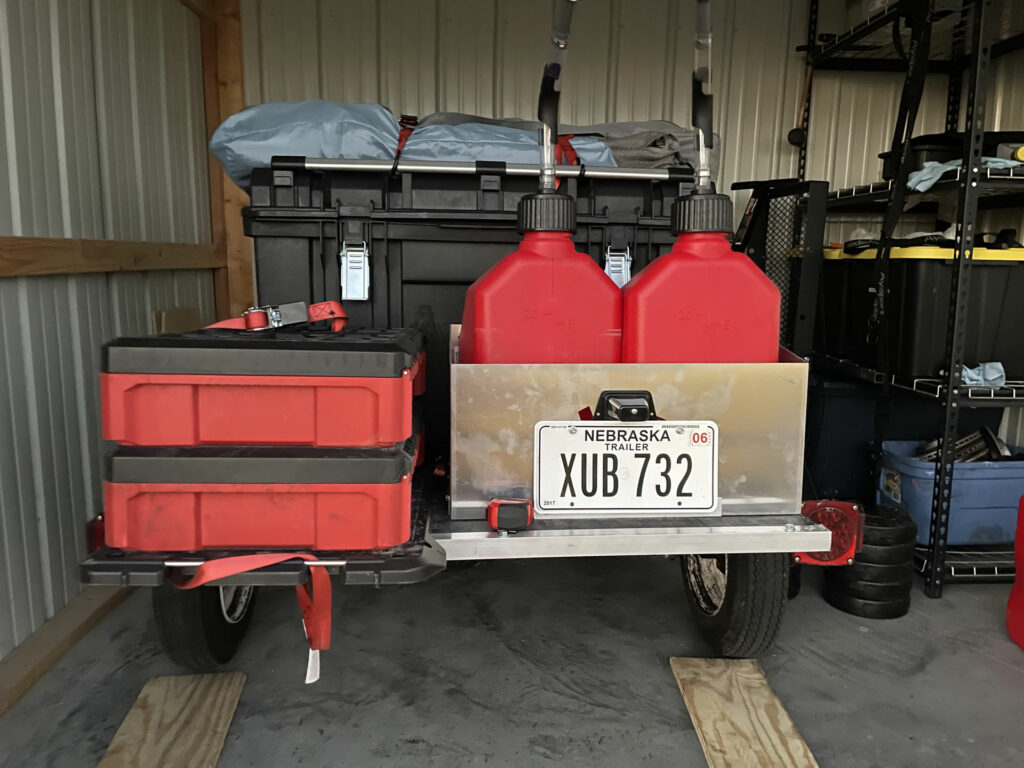
- Tool Storage: Weather-tight toolboxes, such as the Dewalt ToughSystem or Milwaukee Packout series, are frequently bolted directly to the trailer deck. These systems allow for the organized transport of floor jacks, torque wrenches, spare brake pads, and fluids.
- Fuel Logistics: For vehicles running specialized fuels like E85, which can be difficult to find near rural racing circuits, the ability to carry extra fuel is paramount. Builders often integrate mounts for 5-gallon VP Racing jugs or larger 15-gallon Flo-Fast containers equipped with hand-crank pumps for efficient pit-lane refueling.
The Evolution of the Build: A Chronology of Upgrades
The development of a tire trailer often occurs in phases as the driver’s needs become more sophisticated. A typical timeline for a dedicated track enthusiast involves a transition from a basic hauling platform to a highly specialized mobile pit station.
Initial Implementation
In the first year of use, most trailers consist of a basic plywood deck (often 3/4" marine-grade or Sande plywood) mounted to the steel frame. This setup focuses on the essentials: four wheels and a single toolbox. During this phase, many users rely on the stock bias-ply tires that come with the trailer kit. However, these tires are often limited to a 60-mph speed rating and are prone to overheating during long highway stints.
Mid-Term Enhancements: The Lower Deck Concept
As enthusiasts gain experience, they often seek to lower the trailer’s center of gravity to improve handling. This led to the innovation of the "lower deck"—a secondary storage area built beneath the main frame, often sitting just inches above the axle. This space is ideal for heavy, flat items such as jack stands, canopy weights, and spare aerodynamic components (e.g., front splitters). By moving these heavy items lower, the trailer becomes significantly more stable during high-speed lane changes.
Long-Term Reliability: Transitioning to Radial Tires
A common failure point for entry-level trailers is the wheel and tire assembly. After approximately 3,000 to 5,000 miles, the standard 12-inch bias-ply tires often show signs of significant wear or carcass failure. A key upgrade in the community is the move to 145R12 radial tires. Radial tires offer superior heat dissipation and a more stable contact patch, leading to lower bearing temperatures and increased safety during cross-country trips to premier circuits like Ozarks International Raceway or Virginia International Raceway.
Economic and Industry Implications
The rise of the DIY tire trailer has democratized access to high-level grassroots racing. To move from a "street-driven" setup to a "trailered" setup usually requires a massive capital investment in a tow vehicle and a car hauler, often exceeding $40,000. In contrast, a fully customized tire trailer can be built for under $2,000, including the cost of a hidden hitch for the sports car.
This shift has also influenced the aftermarket industry. Companies now produce specialized hitch kits for cars that were never intended to tow, and modular storage companies have seen increased adoption of their products in the motorsports sector. Furthermore, the environmental impact is noteworthy; by reducing the premature wear of high-performance tires on public roads, the community reduces the volume of microplastic runoff and rubber waste associated with the sport.
Broader Impact on the Motorsports Community
The tire trailer has become a symbol of the "drive-to-track" ethos. It represents a middle ground between the casual enthusiast and the professional racing team. Statements from participants in organizations like the Sports Car Club of America (SCCA) and the National Auto Sport Association (NASA) indicate that the ability to bring a full set of tools and spare parts provides a significant psychological safety net. If a driver experiences a tire failure or a minor mechanical issue on track, the trailer ensures they have the resources to repair the vehicle and return home safely.
However, the trend is not without its detractors. Some purists argue that the complexity of towing with a small car adds unnecessary risk to the drivetrain and braking systems. Modern vehicle manufacturers often discourage towing with small-displacement engines, citing potential strain on transmissions and cooling systems. Despite these concerns, the community has largely proven that with proper maintenance—such as more frequent fluid changes and the use of trailer brakes where applicable—the small-car-plus-trailer combination is a viable long-term solution.
Conclusion: The Future of Grassroots Logistics
As automotive technology shifts toward electrification and more integrated digital systems, the future of the tire trailer may involve smarter, more aerodynamic designs. We are already seeing the emergence of aluminum-frame trailers that offer even lower weights for electric vehicles (EVs) with sensitive range considerations.

For the time being, the tire trailer remains the most efficient and cost-effective way for the "weekend warrior" to maximize their time on the track while maintaining the daily drivability of their vehicle. Whether it is a basic Harbor Freight build or a custom-engineered masterpiece, these small trailers are a testament to the ingenuity of the racing community, ensuring that the thrill of performance driving remains accessible to those with even the smallest of cars.