Chalid Lutfie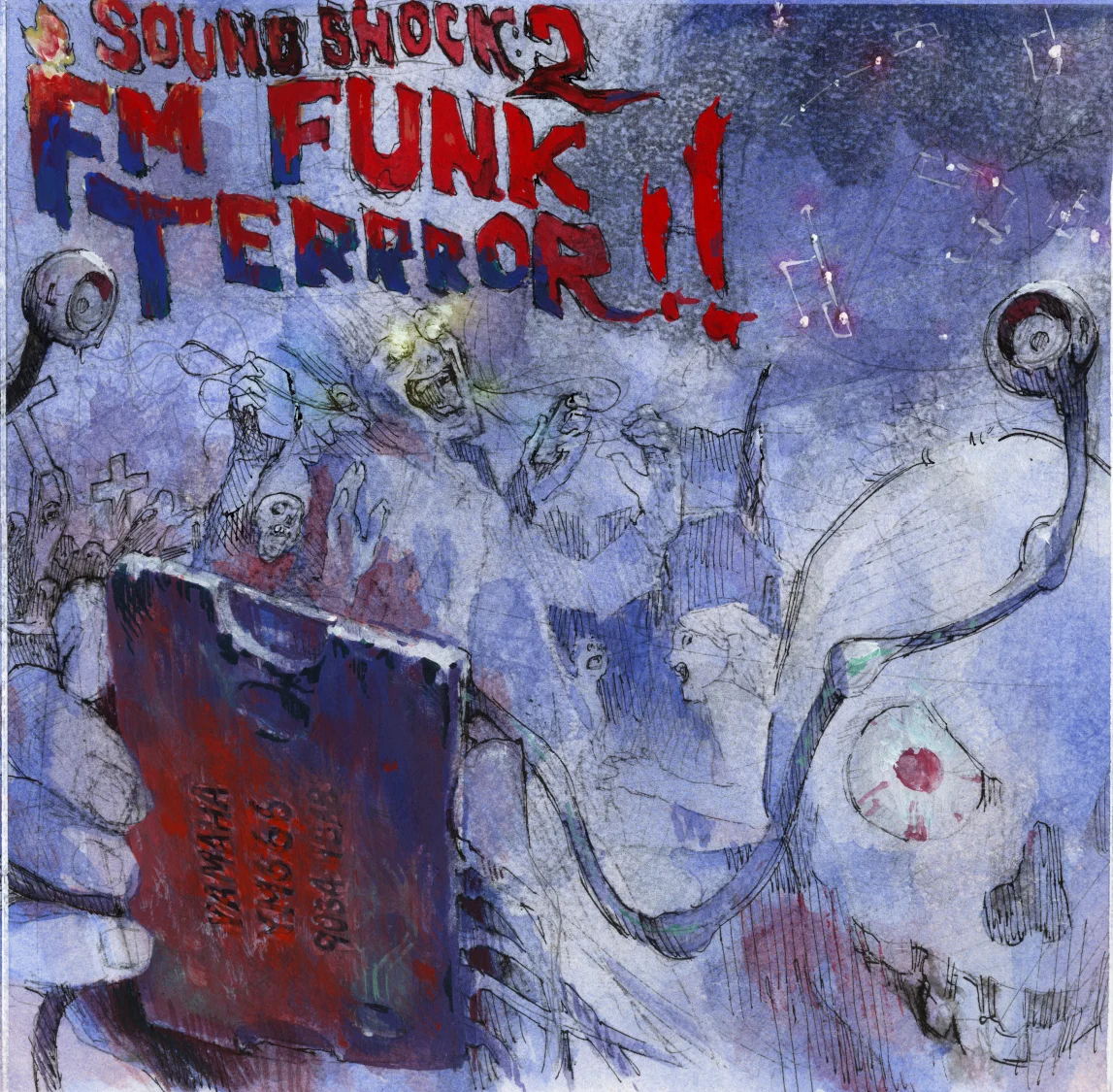
The conclusion of the SOUNDSHOCK music series marks a significant milestone in the intersection of independent electronic music and retro-gaming aesthetics. Since its inception, the series has served as a definitive anthology of "FM Funk," a subgenre dedicated to the unique, metallic timbres of Frequency Modulation (FM) synthesis. While the auditory components of the series—pioneered by a global collective of composers—have garnered significant acclaim, the visual identity of the trilogy has played an equally vital role in establishing its cult status. Central to this identity is the handpainted artwork of Tsuyoshi Shimokura, a professional artist with a background in manga whose contributions have transformed the series into a multisensory tribute to 1980s and 1990s technology.
The Genesis of a Visual Collaboration
The partnership between the series curator, known as zinger, and Tsuyoshi Shimokura began through an introduction by the artist hex125. Originally, Shimokura was invited to contribute a musical composition for the first installment, SOUNDSHOCK: FM FUNK MADDNESS!!. However, upon discovering a repository of Shimokura’s visual work, zinger recognized a profound alignment between the artist’s aesthetic and the project’s thematic goals. Shimokura’s deep-seated passion for vintage computing, arcade gaming, and the technical nuances of FM synthesis provided a rare foundation for a collaboration that would span three major releases.
The SOUNDSHOCK series is rooted in the legacy of Yamaha’s FM synthesis chips, such as the YM2151 and YM2612, which powered iconic arcade systems and the Sega Genesis/Mega Drive. Shimokura’s task was to translate these hardware-specific sounds into a visual language. This resulted in a series of covers that moved beyond mere illustration, incorporating technical diagrams, historical gaming references, and surrealist narratives.
Chronology of the SOUNDSHOCK Trilogy
The development of the series followed a trajectory of increasing complexity, both musically and visually. Each volume was defined by a specific theme that dictated the art direction and the linguistic styling of its title.
Phase I: FM FUNK MADDNESS!!
The inaugural release focused on the raw energy of FM sound. The artwork for MADDNESS!! was heavily influenced by the "flyer art" of early 1990s arcade games, specifically Taito’s Metal Black and Darius II. During the conceptual phase, Shimokura developed a narrative involving "FM heroes" who utilized the power of sound to combat monstrous entities.
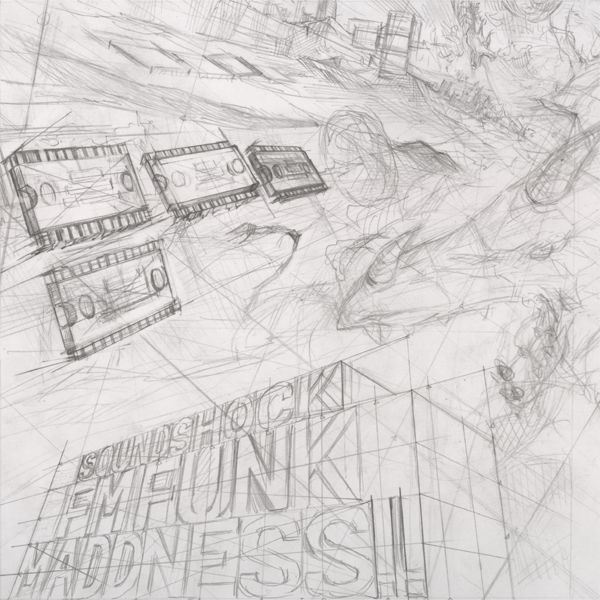
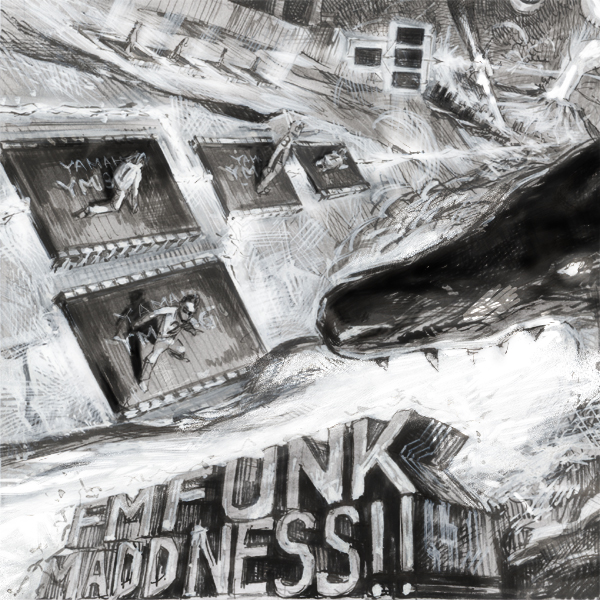
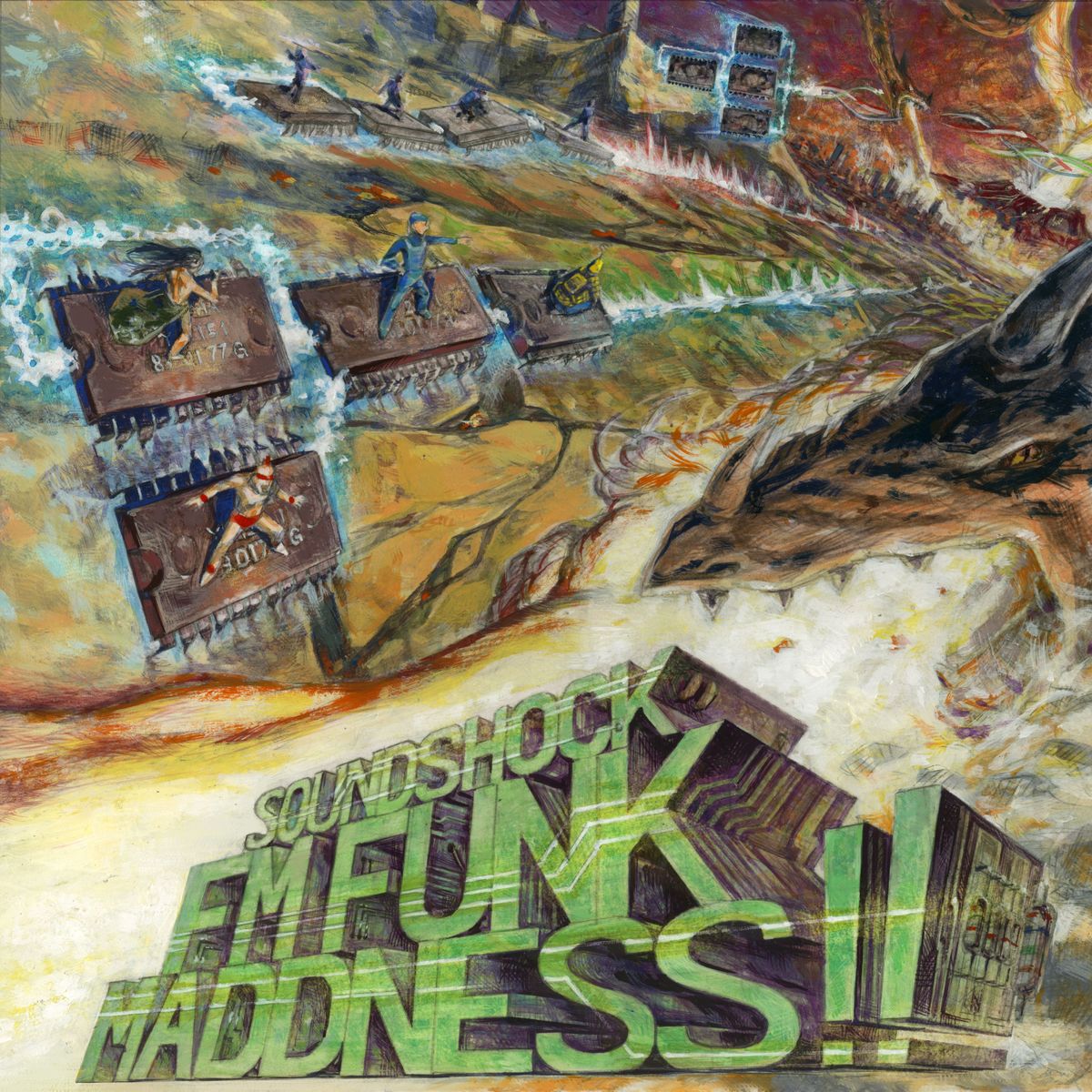
A notable technical detail in this cover is the depiction of FM chips as sentient, mobile units. Shimokura designed the chips with legs resembling caterpillar tracks, arranged in patterns that mirrored FM algorithm charts. These charts are the fundamental building blocks of FM synthesis, representing how various operators (oscillators) interact to create complex waveforms. By integrating these diagrams into the character designs, Shimokura bridged the gap between engineering and fantasy.
Phase II: FM FUNK TERRROR!!
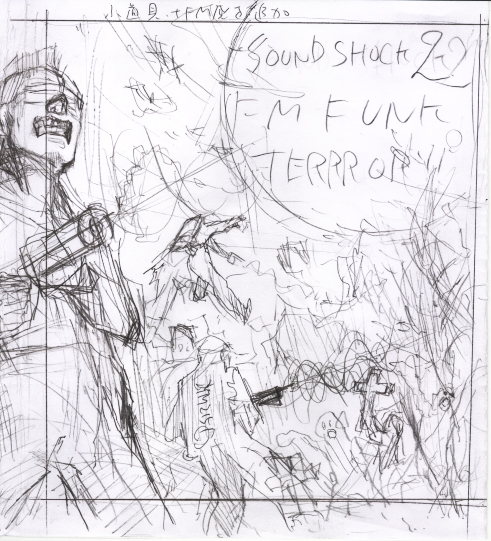
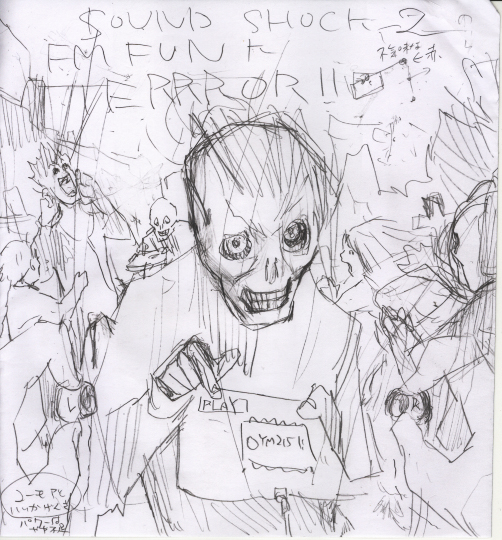
The second volume took a thematic turn toward 1980s horror. For TERRROR!!, the creative process involved an extensive review of vintage cinema posters, including A Nightmare on Elm Street and The Evil Dead, alongside gaming classics like Namco’s Splatterhouse.
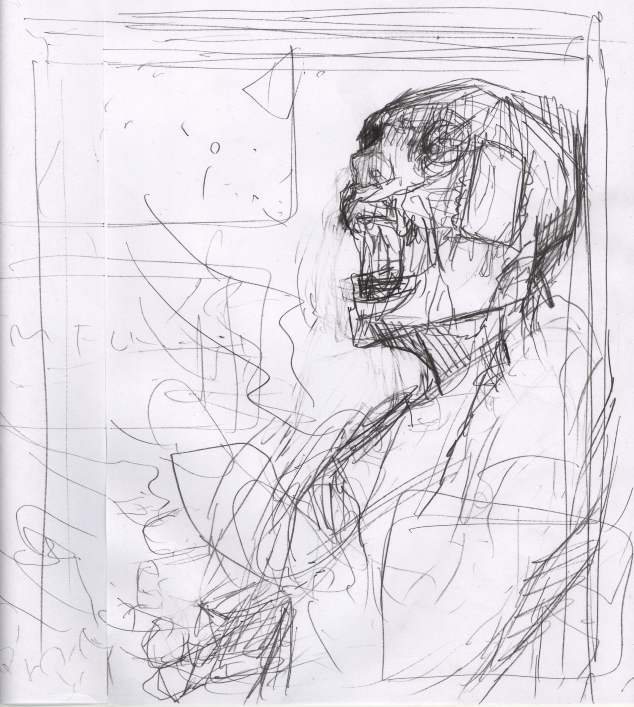
The resulting artwork featured a "ghoul" character holding a gravestone-styled device labeled "YM666"—a fictionalized, sinister version of a Yamaha sound chip. The background of the piece further evolved the "algorithm-as-art" concept, with constellations in the night sky forming functional FM synthesis maps. This installment was accompanied by a short story written by Shimokura, describing a world where "Algorithm constellations" signal an invasion of FM-obsessed zombies, paralyzing listeners with "FM terror" before awakening a new passion in their souls.
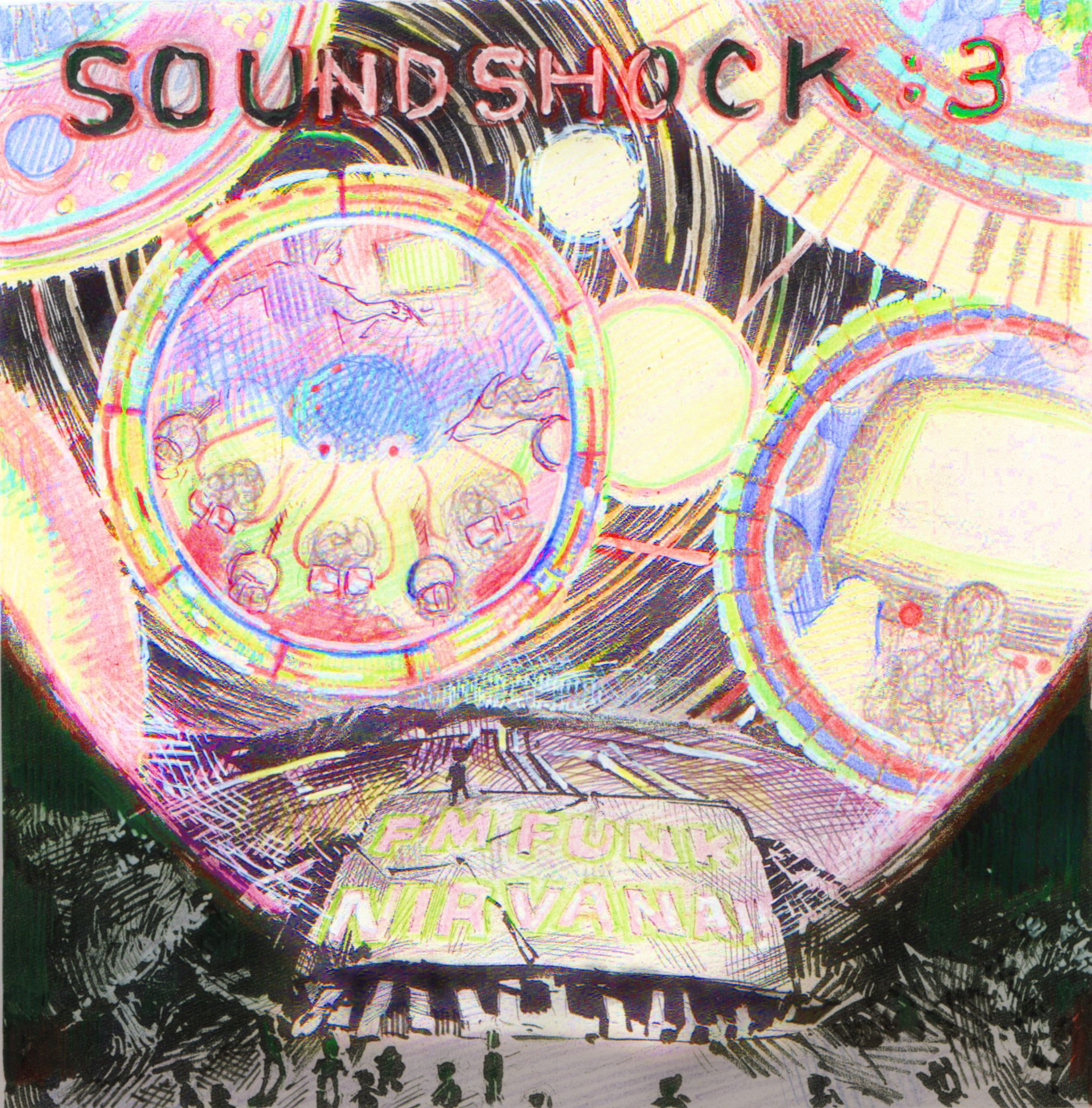
Phase III: FM FUNK NIRVANA!!
The final installment, NIRVANA!!, sought to portray the "ultimate" state of the FM genre. The title itself was inspired by a fan comment on YouTube, which zinger felt captured the zenith of the series’ progression. Unlike the previous titles, which added extra letters for emphasis (MADDNESS, TERRROR), NIRVANA was left largely unchanged, as the creators felt the word already represented a state of perfection that could not be "overloaded."
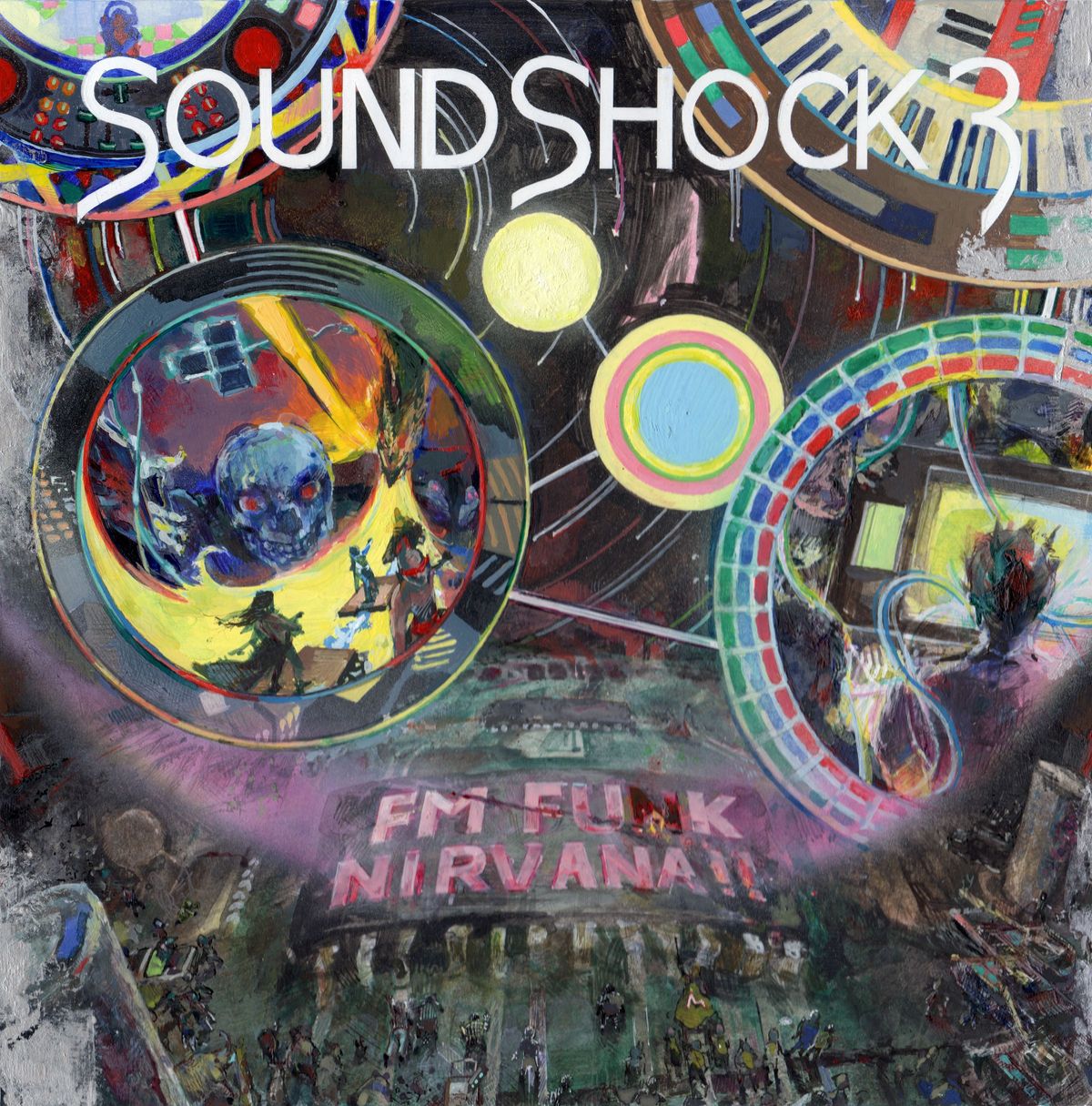
The visual inspiration for NIRVANA!! shifted from horror and action to spiritualism and cosmic order. Shimokura utilized the concept of the "mandala"—a spiritual and ritual symbol in Indian religions representing the universe. The cover depicts a massive FM chip mounted on a circuit board, positioned as an object of worship for a gathered multitude. Above this scene, a pattern of spheres containing various elemental visions forms a celestial map. This imagery was partially inspired by the soundtrack cover of Darius Gaiden, emphasizing a sense of transcendental technology.
Technical Context: The Role of FM Synthesis
To understand the depth of Shimokura’s work, one must consider the historical context of FM synthesis. Developed by John Chowning at Stanford University and later commercialized by Yamaha, FM synthesis defined the soundscape of the 1980s. Unlike earlier subtractive synthesis, FM allowed for the creation of bright, percussive, and metallic sounds that were previously difficult to achieve electronically.
The "algorithms" frequently referenced in Shimokura’s art are the configurations of "operators" (oscillators). In a 4-operator chip like the YM2612, there are eight possible algorithms. Shimokura’s decision to hide these configurations within the stars of a horror scene or the tracks of a monster’s legs serves as an "easter egg" for synthesizer enthusiasts. It signals a level of authenticity that resonates with the "believers in FM sound" mentioned in the artist’s final message.
Industry Reactions and Artistic Analysis
The conclusion of the series in 2017 prompted reflections from both the creators and the community. Shimokura’s final message to the fans emphasized a cyclical view of creativity. He stated that the end of SOUNDSHOCK should not be viewed with sadness, but rather as a "seed for future stars." He characterized the series’ contributors and listeners as "progeny of our forerunners," suggesting that the work serves to preserve the legacy of the pioneers of Japanese game music (VGM).
Art critics and enthusiasts within the chiptune community have noted that Shimokura’s work represents a rare instance of "physicality" in a digital-first genre. By using handpainted techniques rather than purely digital illustration, Shimokura echoed the era he was celebrating—a time when game covers were often lush, airbrushed masterpieces that promised more than the 8-bit or 16-bit pixels on the screen could deliver.
Broader Impact and Implications
The legacy of the SOUNDSHOCK series extends beyond its tracklist. It has contributed to a broader cultural movement of "technological nostalgia," where obsolete hardware is repurposed for contemporary artistic expression. The series demonstrated that FM synthesis is not merely a relic of the past but a versatile tool capable of modern "funk" and experimental composition.
Furthermore, the collaboration highlights the importance of visual curation in the independent music scene. In an era of streaming and digital downloads, the attention to detail in Shimokura’s physical-style artwork provided a tangible identity for the series. It created a "world" for the music to inhabit, populated by FM-chip deities and algorithm-driven monsters.
As the series concludes, the "spiritual offshoots" Shimokura referenced are already visible in the resurgence of FM synthesis in modern synthesizers and software emulations. The SOUNDSHOCK trilogy stands as a comprehensive archive of a specific moment in the "doujin" music scene, where a shared love for a specific Yamaha chip could unite artists across borders and disciplines.
Summary of the Visual Timeline
| Album Title | Release Theme | Primary Visual Influence | Key Artistic Element |
|---|---|---|---|
| FM FUNK MADDNESS!! | Action / Arcade | Metal Black, Darius II | Algorithm-based caterpillar chips |
| FM FUNK TERRROR!! | 80s Horror | Splatterhouse, Evil Dead | YM666 "iPod" and star-chart algorithms |
| FM FUNK NIRVANA!! | Spiritual / Cosmic | Darius Gaiden, Mandalas | FM chip as an object of worship |
The retrospective provided by zinger on April 15, 2017, serves as a final "behind-the-scenes" look at a project that treated software and hardware as mythology. Through Tsuyoshi Shimokura’s lens, the FM chip was transformed from a piece of silicon into a cultural icon, ensuring that the "shock" of the series would continue to resonate with future generations of musicians and artists alike.