Edi Durjana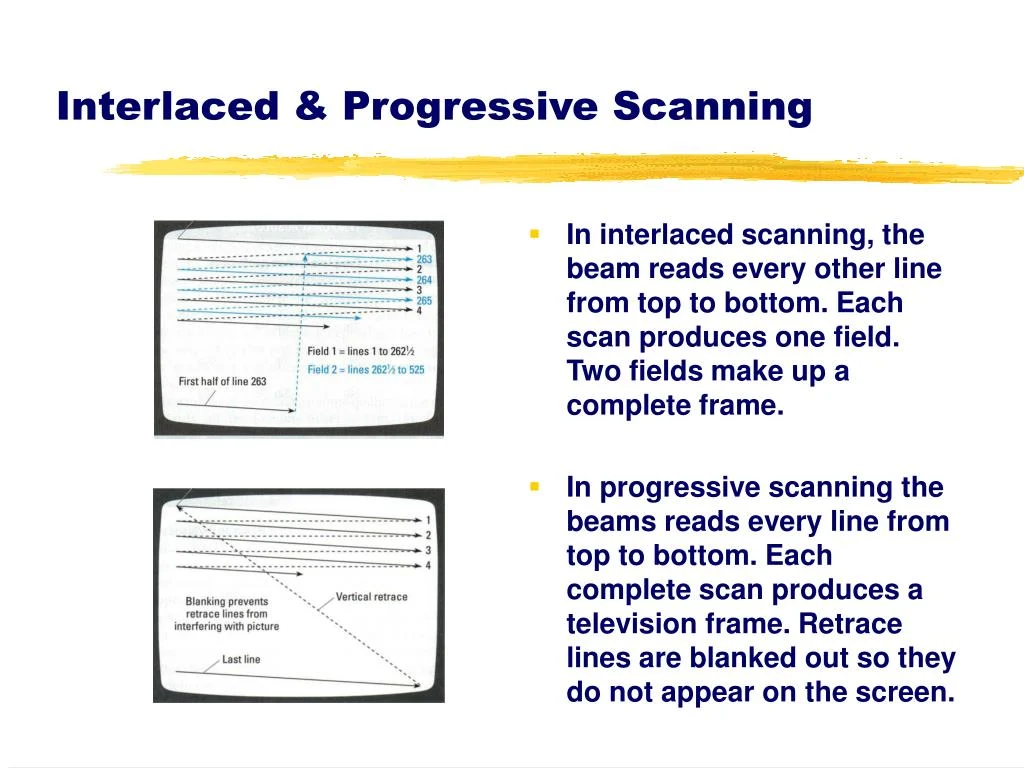
The PlayStation 2 (PS2), launched by Sony Computer Entertainment in March 2000 in Japan and later that year in North America and Europe, was a console designed almost entirely from the ground up for compatibility with Cathode Ray Tube (CRT) televisions. Unlike modern gaming systems that prioritize pixel-perfect resolutions for digital displays, the PS2, like its analog video output predecessors, was fundamentally built around scanlines and timing. While a VGA monitor could be attached for the official PS2 Linux toolkit, offering some VESA display modes, this functionality was largely an afterthought, with virtually no commercial games leveraging it. This design philosophy profoundly shaped the console’s technical capabilities, game development practices, and the visual experience for millions of players worldwide during its impressive 13-year production run, which saw over 155 million units sold.
Acronyms used in this article: PS2 (PlayStation 2), CRT (Cathode Ray Tube, old TVs replaced by HDTVs), GS (Graphics Synthesizer, the PS2’s GPU), PAL (European television signal for CRT TVs), NTSC (American/Japanese television signal for CRT TVs), CRTC (Cathode Ray Tube Controller, the PS2 GPU has this), EDTV (Enhanced Definition TV or Extended Definition TV, an SDTV that supported progressive scan display modes), VU0/VU1 (Vector Unit 0/Vector Unit 1, two SIMD coprocessors of the PS2).
The PS2’s Core Architecture: A Balancing Act of Innovation and Constraint
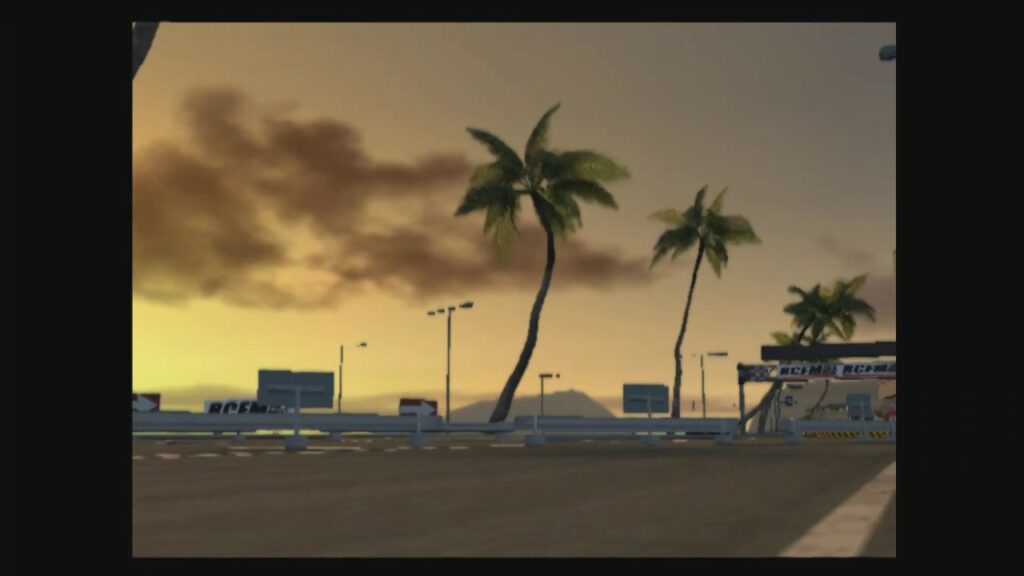
At the heart of the PS2’s graphical prowess was its Graphics Synthesizer (GS), Sony’s custom-designed GPU, which featured a mere 4MB of embedded VRAM. In an era where PC graphics cards were already pushing beyond 16MB or even 32MB, this limited VRAM initially appeared to be a significant constraint. Sony often advised developers to view this VRAM not as traditional video memory but as a high-speed scratchpad, emphasizing its exceptional bandwidth. This design choice, while limiting raw framebuffer size, allowed for incredibly fast operations like alpha blending, multipasses, and framebuffer copies—tasks that would cripple other GPUs of the time. Games like Driv3r famously exploited these strengths, demonstrating visual effects that pushed the boundaries of contemporary hardware.
Further bolstering the PS2’s unique architecture were its two Vector Units (VU0 and VU1). These powerful SIMD (Single Instruction, Multiple Data) coprocessors provided a fully programmable geometry pipeline, offering capabilities akin to what modern "mesh shaders" would introduce almost two decades later with the GeForce RTX 20 series. This innovative design allowed developers unprecedented flexibility in manipulating geometry, albeit with a steep learning curve.
The 60fps Imperative: A Technical Mandate for Visual Integrity
Despite its architectural innovations, the PS2’s design implicitly incentivized developers to target a consistent 60 frames per second (fps) for NTSC regions (60Hz) or 50fps for PAL regions (50Hz). This wasn’t merely a quest for smoother gameplay; it was a critical factor in maintaining image quality on CRTs.
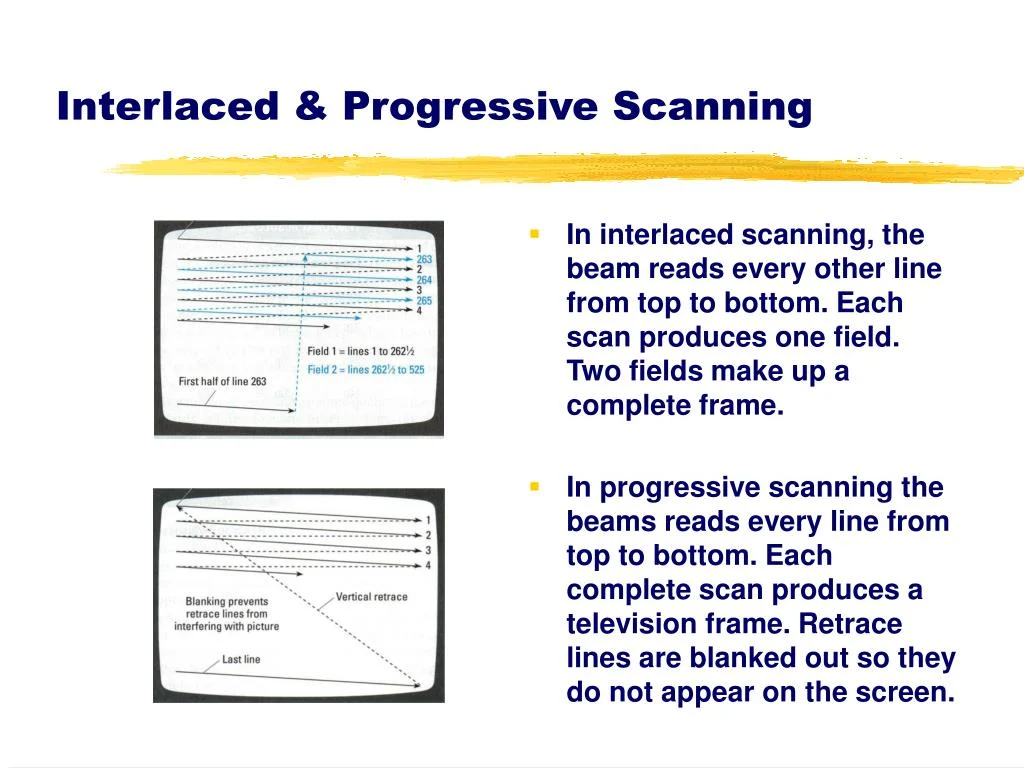
Early versions of the PS2’s Software Development Kit (SDK) primarily supported interlaced scanline modes, which required a 60Hz refresh rate to achieve resolutions like 640×448. Developers later gained the option of using either "frame mode" (rendering full frames) or "field rendering mode" (interlaced frames). Field rendering became particularly attractive due to its reduced memory footprint, effectively halving the VRAM requirements per frame by rendering at resolutions such as 640×240 or even 512×224. This was crucial given the GS’s limited 4MB eDRAM. Additionally, rendering time was significantly reduced, making it easier to hit higher framerates.
However, field rendering came with a critical caveat: frame drops. If a game failed to render a new frame in time, forcing the display of the previous frame twice, the entire image would visibly shift vertically by one scanline. This jarring "Y-shift" made it imperative for developers to maintain a rock-solid 60fps. Consequently, many games, such as SSX 3, would internally slow down or skip frames when performance was at risk, prioritizing consistent frame pacing over raw speed to avoid image distortion.
In contrast, "frame mode," which rendered full-fat frames (e.g., 640×448 or 512×448), demanded more VRAM and longer render times, making a consistent 60fps harder to achieve. Yet, it was more forgiving of frame drops; a missed frame would simply result in the second field of the previous frame being displayed, without the noticeable vertical shift.
Ultimately, for games capable of maintaining a consistent 60fps, field rendering on a CRT delivered the intended visual experience. The CRT’s inherent ability to blend interlaced fields created the illusion of a full frame, with the average user unaware of the underlying technical wizardry. This efficiency allowed the PS2 to "get away" with its comparatively lower output resolutions, making field rendering a fast and viable option. This technical compulsion is a primary reason why the PS2 boasts an unusually large library of 60fps titles, especially among its launch lineup, reflecting both developer ambition and hardware-imposed necessity.
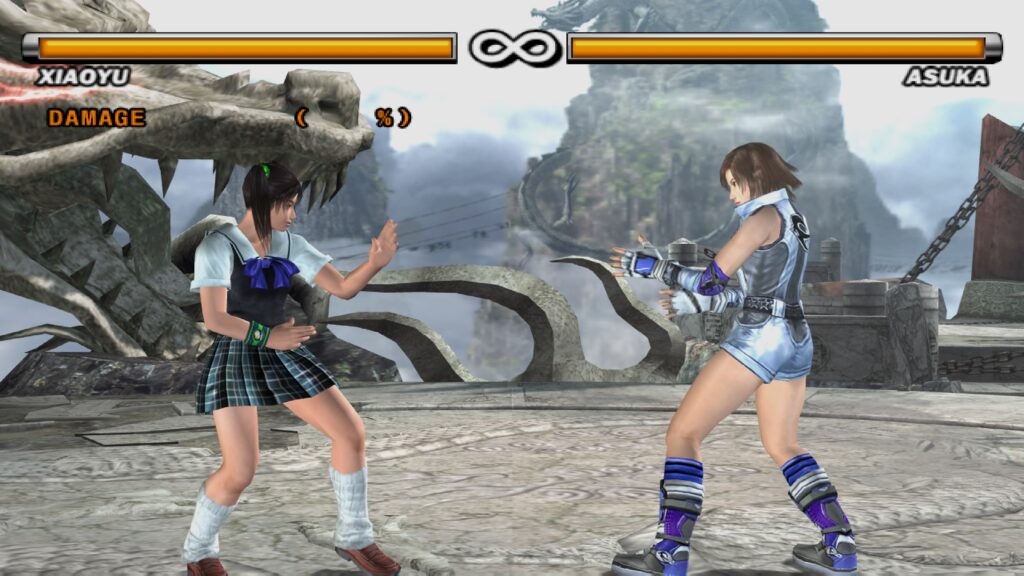
The visual artifacts commonly known as "jaggies" (jagged edges) were a frequent criticism leveled at PS2 launch titles, particularly when compared to the smoother visuals of the Sega Dreamcast. This issue was exacerbated by early game magazines and journalists, whose single-frame capture techniques often only captured half of the interlaced fields, making screenshots appear much rougher in print than they did on a live CRT display. While the lower internal rendering resolutions contributed to the problem, the misrepresentation in print media compounded public perception.
The Dawn of Widescreen: Anamorphic Visions on CRT
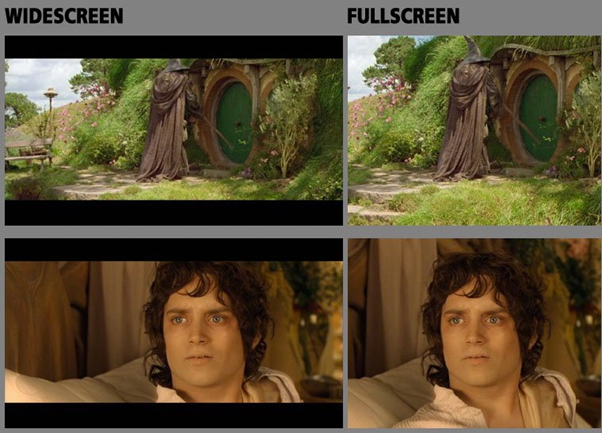
While the vast majority of early console games, including many PlayStation 1 titles, adhered to the traditional 4:3 aspect ratio, the PS2 era marked a significant shift towards widescreen. A key factor was the PS2’s dual role as a DVD player, which popularized the term "anamorphic widescreen" and introduced consumers to the 16:9 format. Consequently, 16:9 CRT TVs began to gain mainstream traction in the early to mid-2000s.
Developers had several options for implementing widescreen, though the most common approach for PS2 titles was "Vert-." This method involved cropping the top and bottom portions of the 4:3 image and then zooming in to fit the 16:9 aspect ratio. While simple to implement and memory-efficient (as it didn’t require rendering more pixels horizontally), Vert- resulted in a reduced vertical field of view, making objects appear larger and closer. Games like Tekken 5, Ratchet & Clank, and Jak and Daxter series frequently employed this technique.
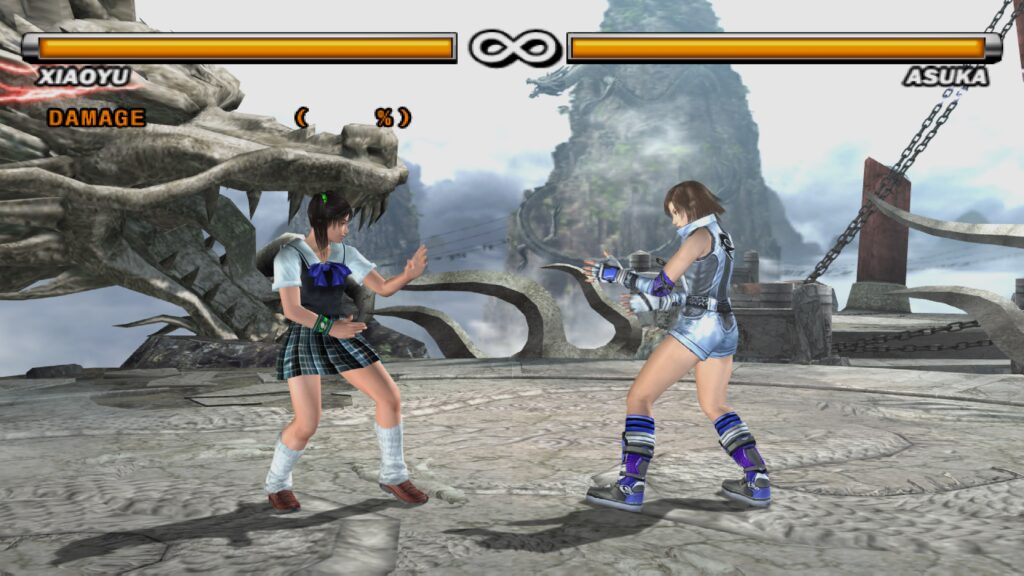
A more ideal but less common approach was "Hor+," which expanded the horizontal field of view, rendering more of the game world without cropping any vertical information. This method, however, demanded greater system resources and increased horizontal resolution, posing challenges for the PS2’s limited GS VRAM and its reliance on CRT blending for visual fidelity. A third, even rarer option combined aspects of both, offering a "quasi-widescreen" that might crop some vertical elements while slightly extending horizontally. The prevalent use of Vert- often led to frustration among enthusiasts, as it felt like a compromise rather than a true enhancement of the viewing experience. Modern emulation and fan patches often seek to correct these implementations to true Hor+.
Progressive Scan: Bridging the Analog-Digital Divide
The PS2 arrived near the end of the CRT’s reign, a period when TV manufacturers were actively seeking to prolong its relevance amidst the impending arrival of HD-ready LCD TVs. This led to the emergence of Enhanced Definition Televisions (EDTVs), a category of SDTVs capable of supporting 480p (NTSC) and 576p (PAL) progressive scan signals. Progressive scan, unlike interlaced video, draws every line of the image sequentially, eliminating interlacing artifacts and providing a full-height framebuffer.
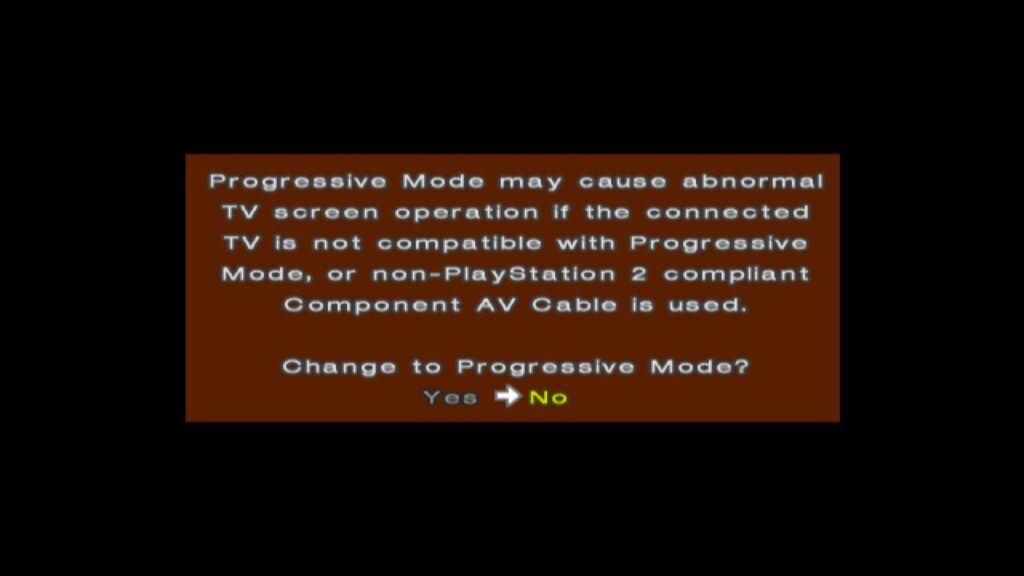
Starting around 2001, progressive scan-capable CRTs became available, and game developers began incorporating support for these modes. To utilize progressive scan, users typically needed higher-quality analog connections such as component cables (NTSC) or RGB SCART cables (Japan and Europe), as composite and RF-AV cables did not support this feature. Games supporting progressive scan often presented an option at startup, usually accessed by holding specific button combinations (e.g., X and Triangle), allowing players to choose between standard interlaced and progressive scan modes.
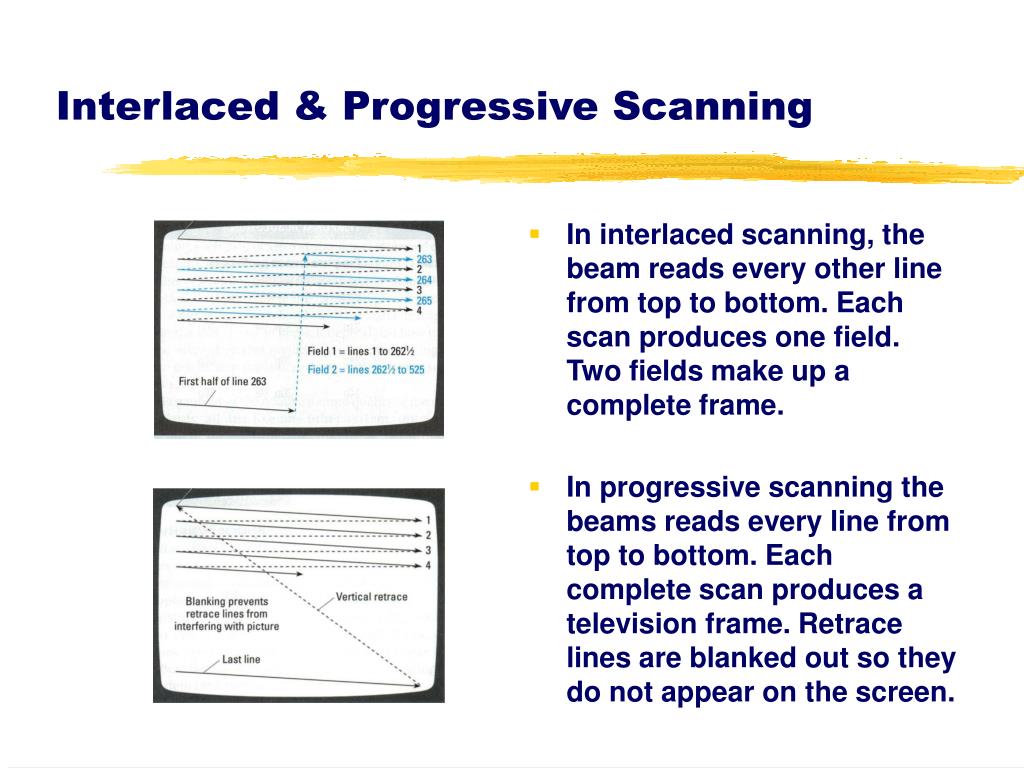
While progressive scan generally offered a sharper, clearer image, some games made trade-offs to fit the increased data requirements within the 4MB GS eDRAM. This occasionally involved reducing the framebuffer color depth to 16 bits per pixel (bpp) or lower, which could introduce color banding. However, for most users, the benefits of eliminating interlacing artifacts outweighed this potential drawback.
Intriguingly, some flagship titles like Valkyrie Profile 2 and Gran Turismo 4 even offered a "1080i" mode. This was not a true 1920×1080 resolution but rather an advanced framebuffer scaling technique leveraging the GS CRTC’s magnification capabilities. For instance, Gran Turismo 4 internally rendered at 640×540, which the CRTC then magnified to appear as 1920×1080. On a CRT, this clever scaling could be surprisingly convincing at the time, though on modern displays, the 480p progressive scan mode often provides a superior and less artifact-prone experience.
Regional Disparities: The PAL/NTSC Divide
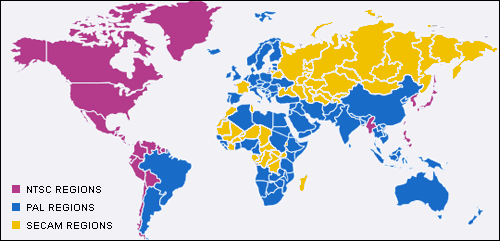
For European gamers, the PS2 era presented additional display challenges rooted in regional television standards. Europe primarily used the PAL television signal, which operated at 50Hz, while Japan and North America adhered to the NTSC standard at 60Hz. This difference meant that many early PAL conversions of NTSC games ran 16.9% slower and often featured "letterboxing" (black bars at the top and bottom) due to PAL’s higher vertical resolution (typically 576 lines vs. NTSC’s 480 lines), which developers rarely fully utilized.
While the Sega Dreamcast had, by its later years, offered PAL60 modes (a 60Hz image on PAL TVs that supported it), Sony opted not to officially back PAL60 for the PS2, considering it a non-standard format. This decision initially left European PS2 gamers without 60Hz options for many launch titles. Developers like Psygnosis, Core Design, and Rockstar (UK-based studios) were notable exceptions, often producing better-optimized PAL versions that might render more scanlines than their NTSC counterparts, though still running at the slower 50Hz.
Around 2002, a pragmatic solution emerged: games began to include startup options allowing users to select between 50Hz and 60Hz modes. Rather than supporting PAL60, the PS2 would switch to NTSC 480i mode when 60Hz was selected. Most European TVs from the late 1990s onward were multi-standard compatible, making this a viable workaround. However, this posed challenges for developers like Square Enix, who struggled to fit both 50Hz and 60Hz versions of their large, high-quality full-motion video (FMV) sequences onto a single DVD, leading some games like Final Fantasy X to remain 50Hz-only despite growing demand for 60Hz. Over time, the inclusion of 50Hz/60Hz toggles became the norm rather than the exception.
The Great Transition: PS2 on Early LCD/HDTVs
The mid-2200s witnessed a seismic shift in display technology as the industry transitioned from CRTs to LCD TVs, coinciding with the advent of the 7th generation consoles (PlayStation 3 and Xbox 360). This new era promised an end to PAL/NTSC regional differences and the ubiquity of non-interlaced high resolutions (480p, 720p, 1080i/p) via digital connections like HDMI. For many, this marked their first experience with progressive scan visuals on a television.
However, the early years of LCD HDTVs were fraught with their own set of problems, particularly for older, CRT-optimized consoles like the PS2. Initial LCD panels often suffered from high input latency and significant motion ghosting. The "feedback blur" effects, a common technique used in many PS2 games to simulate motion blur and look excellent on a CRT’s impulse display, appeared disastrously smudged and blurry on the sample-and-hold nature of early LCDs. Some games, such as Soul Calibur 3, attempted to mitigate these issues with in-game settings like "Software Overdrive," designed to reduce afterimage effects.
Despite these efforts, fundamental issues like input lag and a lack of motion clarity persisted for years, plaguing the experience of playing older consoles on new displays. It wasn’t until much later, with advancements like BlurBusters’ "CRT beam racing simulator" and the advent of modern OLED screens, that the motion clarity and low latency inherent to CRTs could be effectively replicated. Today, through sophisticated shaders and high-refresh-rate OLED technology, players can finally experience PS2 games with near-CRT levels of motion clarity and responsiveness, combined with the aesthetic fidelity of advanced CRT shaders.
A Lasting Legacy
The PlayStation 2’s design was a product of its time, deeply intertwined with the prevailing CRT technology. Its technical quirks—from the limited VRAM and the 60fps mandate for interlaced video to the challenges of widescreen implementation and regional display differences—shaped a generation of gaming. While these design choices presented significant hurdles for developers, they also fostered innovation, pushing the boundaries of what was possible within tight constraints. The PS2’s journey from a CRT-optimized powerhouse to a console whose visuals struggled on early LCDs, only to be rediscovered and enhanced by modern display technology and emulation, stands as a testament to its enduring legacy and the intricate relationship between hardware, software, and the evolution of visual display.