Cecilia Chamidah Nur
The Resurgence of a Hidden Gem
Released in Japan towards the end of the Nintendo 64’s lifecycle in 1999, Zool – Majyū Charmer Legend stood as one of only two games developed by Pandora Box for the platform, the other being the party game Kiratto Kaiketsu! 64. For years, its narrative depth and unique gameplay mechanics remained largely inaccessible to non-Japanese speakers, relegating it to a niche status among retro gaming enthusiasts. The newly released English patch not only resurrects this title but also invites a re-evaluation of the N64’s often-overlooked RPG contributions.
The project leader and hacker, known as Zoinkity, has been vocal about managing player expectations. In a statement accompanying the patch, Zoinkity explicitly warns against drawing parallels to the immensely popular Pokémon series, a franchise that defined the monster-taming genre for a generation. This preemptive guidance is vital, as Zool distinguishes itself with design choices that diverge significantly from the conventions established by its more famous counterparts, promising a different kind of monster-taming experience.
Untangling Expectations: Not Your Typical Monster Collector
While both Zool – Majyū Charmer Legend and Pokémon involve collecting and battling fantastical creatures, their core philosophies and gameplay loops diverge considerably. Zoinkity highlights several key differences that set Zool apart:
- Absence of Evolution: Unlike Pokémon, where creatures evolve into more powerful forms, Zool‘s monsters do not undergo evolutionary changes. This design choice fundamentally alters the training mechanics, shifting the focus away from evolutionary milestones and potentially making the creature progression feel "anticlimactic" for players accustomed to the Pokémon formula.
- Minimal Incentive for "Catch ‘Em All": The game does not offer a strong incentive for players to achieve 100% monster collection. Zoinkity notes that the changes for completing such a feat are minimal, diverging from the completionist drive often fueled by games like Pokémon. This suggests that the narrative and core progression are prioritized over exhaustive collection.
- Training Focus: Without evolution, the emphasis shifts to other forms of creature development, which might involve different stat-boosting mechanics or skill acquisitions that distinguish it from the level-up and evolve paradigm. This could lead to a more nuanced approach to team building and strategy, requiring players to understand each monster’s innate strengths rather than anticipating future forms.
These distinctions are crucial for new players approaching Zool, encouraging them to appreciate the game on its own merits rather than through the lens of another franchise. It underscores a design philosophy prevalent in many Japanese RPGs of the era, where unique mechanics were often explored without direct imitation of successful titles.
A Glimpse into Zool‘s Narrative and Mechanics
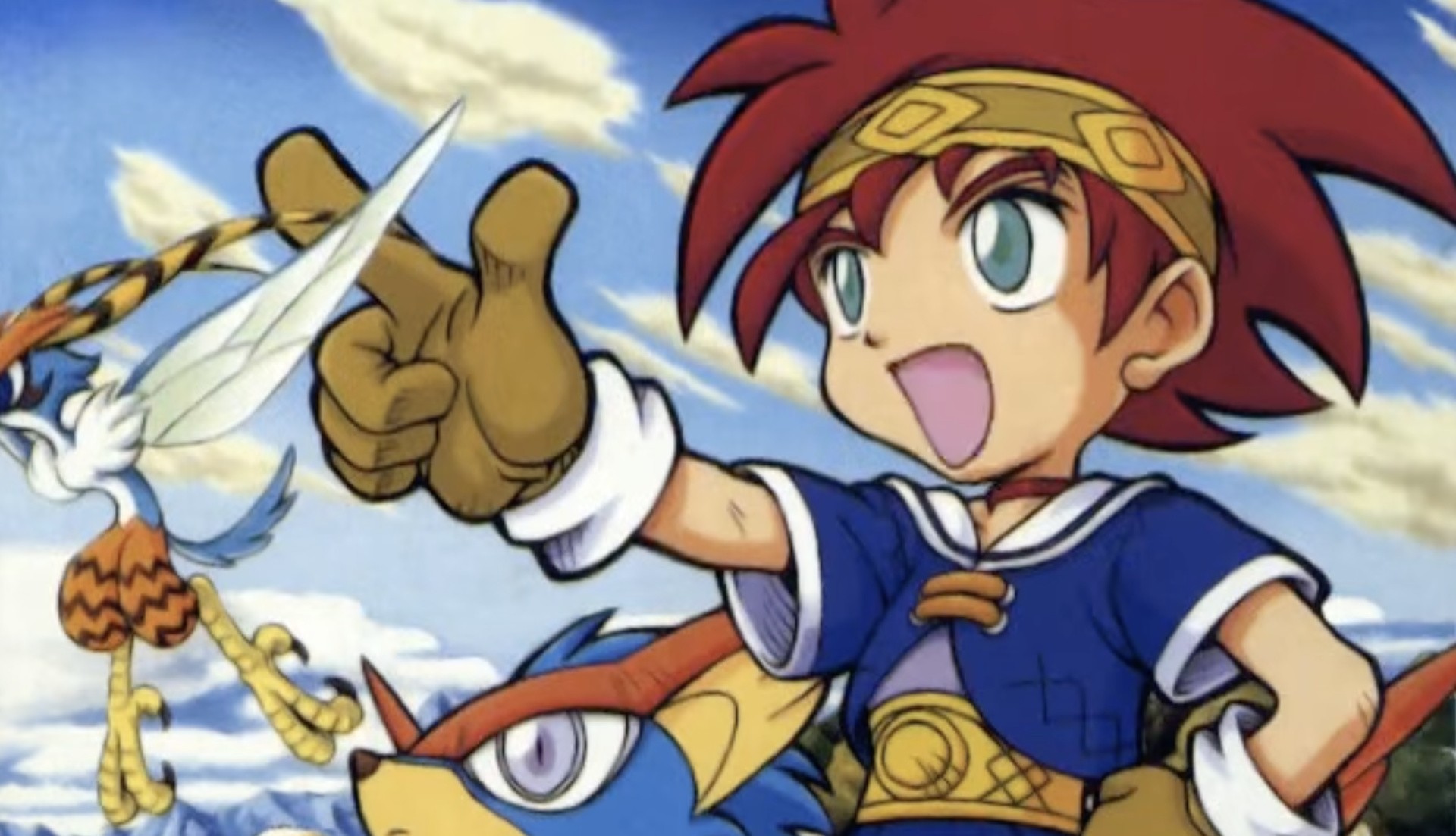
At its heart, Zool – Majyū Charmer Legend unfolds the story of a young orphan whose life takes an extraordinary turn after a serendipitous encounter with a magical beast. This encounter propels him onto a quest to achieve the esteemed status of a legendary beast tamer. The narrative structure is notably complex, divided into two distinct but interwoven plotlines, referred to as the A and B plots.
- Plot A: Found Family: This storyline reportedly delves into themes of belonging, personal connection, and the formation of familial bonds outside of traditional bloodlines. It suggests a focus on character development and emotional resonance, a hallmark of many classic Japanese RPGs.
- Plot B: The Charmer’s Journey: Described by Zoinkity as characterized by "a lot of screaming shonen!! stuff with fully-pronounced exclamation marks," this plotline likely embodies the more action-oriented, high-stakes aspects of the beast-taming quest. This "shonen" descriptor points to elements commonly found in popular Japanese manga and anime aimed at young male audiences, featuring intense rivalries, dramatic power-ups, and passionate declarations.
Gameplay in Zool is also bifurcated into two primary modes, each offering a distinct experience:
- Explorable Towns: These sections allow players to interact with non-player characters (NPCs), gather information, progress the story, and visit shops for supplies and equipment. Navigation within towns is cursor-based, a common interface choice for menu-driven RPGs on consoles.
- Overworlds and Dungeons: These areas are where the core monster-taming action unfolds. Players will traverse diverse landscapes, engage in battles with wild creatures, and, crucially, collect various monsters to build their team. This traditional RPG exploration and combat loop forms the backbone of the player’s journey.
The combination of a dual-plot structure and distinct gameplay modes suggests a rich and layered experience that prioritizes storytelling and world-building alongside its monster-collecting elements.
The Odyssey of a N64 RPG: From 64DD Hype to Cartridge Reality
The journey of Zool – Majyū Charmer Legend to its eventual cartridge release is intertwined with the intriguing, albeit ultimately unsuccessful, story of the Nintendo 64DD. Initially, Western audiences were introduced to the game by IGN in April 1998, under the working title Zuul. At the time, it was anticipated as a title for the 64DD add-on, Nintendo’s ambitious but ill-fated disk drive peripheral designed to offer larger storage capacity and persistent worlds for N64 games.
IGN’s early coverage described Zuul as an RPG in the "traditional, Japanese adventure style," emphasizing its focus on "storyline and depth over graphics" and promising extensive exploration of towns and landscapes. This initial portrayal generated considerable interest, particularly as the Nintendo 64 struggled to attract a robust RPG library compared to its dominant competitor, the Sony PlayStation, which became a haven for genre-defining titles like Final Fantasy VII and Suikoden. The N64’s reliance on costly cartridges and a more action-oriented design philosophy meant that traditional, text-heavy RPGs were fewer and further between on the platform.
However, the 64DD add-on faced significant delays and ultimately saw a limited release in Japan in 1999, with only nine games ever released for it. Many titles initially planned for the 64DD, including Zool – Majyū Charmer Legend, were either cancelled, redeveloped for standard cartridges, or migrated to other platforms. Zool‘s transition to a conventional N64 cartridge release meant it bypassed the technical ambitions of the 64DD but ensured its availability to a wider, albeit still Japanese-speaking, N64 audience. This historical context highlights the game’s precarious development and its eventual, quieter release in a console market dominated by different genres.
The Unsung Heroes: Inside the Fan Translation Process
The successful English translation of Zool – Majyū Charmer Legend is a testament to the dedication and technical prowess of the fan translation community. The project was a collaborative effort involving several key individuals:
- Zoinkity (Hacker): Beyond simply implementing the translated text, Zoinkity was responsible for the intricate technical work of hacking the game’s code. This involved extracting the original Japanese text, identifying where the game stored its dialogue, and then reinserting the English translation in a way that the game engine could properly display it. Given the N64’s complex architecture and the game’s custom text encoding, this was a formidable task.
- whowasphone404 (Translator): The sheer volume of text—approximately 59,000 words—underscores the monumental effort undertaken by the translator. Translating an RPG of this magnitude requires not only linguistic fluency but also a deep understanding of cultural nuances, context, and the ability to convey the original tone and intent of the dialogue. Misinterpreting a single phrase could alter a character’s personality or a crucial plot point.
- Gabbu Hetchy (Majyū Namer): This specialized role highlights the unique challenges of localizing monster-taming games. Creating compelling and consistent names for numerous fantastical creatures requires creativity, cultural sensitivity, and an understanding of the game’s aesthetic, ensuring the names resonate with an English-speaking audience while retaining the spirit of the original.
One of the most significant technical hurdles faced by the team was the game’s lengthy text sections, which necessitated the creation of custom debug tools. These tools were essential for the translation process, allowing the team to accurately extract, translate, and reinsert the vast amounts of dialogue and in-game text. Without such bespoke solutions, navigating the game’s internal data structures would have been exponentially more difficult, if not impossible. The development of these tools, often a prerequisite for complex fan translations, represents a significant investment of time and expertise, further illustrating the commitment of the translation team.
The Broader Implications: Preservation and Accessibility in Retro Gaming
The release of the Zool – Majyū Charmer Legend English patch holds significant implications for the broader retro gaming community and the ongoing efforts in game preservation:
- Game Preservation: Fan translations are a critical component of game preservation. Many titles, particularly those from the early console generations, were never officially localized for Western markets. Without the efforts of dedicated fans, these games risk being lost to time or remaining perpetually inaccessible to a global audience. This patch ensures that Zool can now be experienced and studied by a much wider demographic, contributing to a more complete historical record of video game development.
- Accessibility and Cultural Exchange: By removing the language barrier, fan translations make culturally rich Japanese games accessible to millions of non-Japanese speakers. This fosters a greater understanding and appreciation of diverse game design philosophies, narrative styles, and artistic expressions that might otherwise remain confined to their original regions. It allows players to explore different approaches to established genres, offering fresh perspectives beyond the more commonly localized titles.
- Re-evaluation of Console Libraries: For platforms like the Nintendo 64, which had a comparatively smaller library of traditional RPGs, the introduction of previously untranslated titles can lead to a re-evaluation of the console’s overall legacy. It challenges preconceived notions about the N64’s genre strengths and highlights the hidden depths within its catalog. This could encourage retro gaming enthusiasts and historians to revisit and reassess the console’s contributions.
- Empowerment of the Fan Community: The success of projects like Zool‘s translation underscores the power and passion of the fan community. These independent efforts often fill voids left by official publishers, demonstrating a commitment to gaming history and cultural accessibility that transcends commercial motivations. This collective endeavor strengthens the community and inspires further preservation projects.
- Ethical and Legal Considerations: While highly beneficial, fan translation projects also navigate a complex landscape of intellectual property rights. Generally tolerated by rights holders when the original game is no longer commercially available in the target region, these projects operate in a grey area. Their continued existence relies on a delicate balance and often a tacit understanding that they are acts of cultural preservation rather than commercial competition.
Looking Ahead: The Future of Obscure Titles
The successful English translation of Zool – Majyū Charmer Legend serves as a powerful reminder of the wealth of untranslated games that still exist across various retro platforms. Each completed fan translation project reignites hope for other obscure titles, demonstrating that with enough passion and technical skill, even the most challenging linguistic barriers can be overcome. It reinforces the idea that the "golden age" of gaming is not just about the blockbusters, but also about the unique, overlooked gems that offer distinct experiences.
For those eager to dive into this newly accessible piece of Nintendo 64 history, the English patch is now available for download from romhack.ing. It offers a unique opportunity to explore a different side of the monster-taming genre and appreciate the intricate storytelling and gameplay that Japanese developers crafted over two decades ago. This project stands as a significant contribution to the ongoing effort to preserve and celebrate video game history, one translation at a time.