Vera Clarissa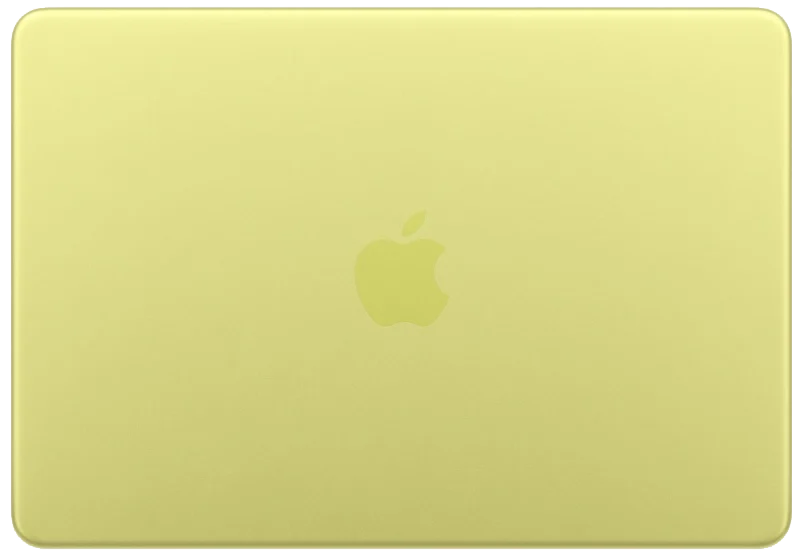
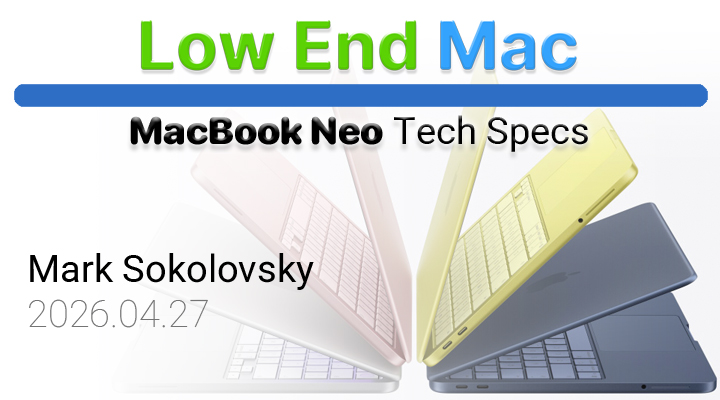
Apple has dramatically reshaped its notebook portfolio this year with the introduction of the MacBook Neo, a device engineered to be both accessible and potent. This new entry marks the company’s most aggressive push into the budget-conscious segment of the laptop market, boasting a starting price of $599 USD, with a further reduced price of $499 available through Apple’s Education Store. This pricing strategy positions the MacBook Neo as the most affordable MacBook ever released, signaling a significant shift in Apple’s long-standing product positioning.
The launch of the MacBook Neo arrives at a time when the ultraportable laptop market is increasingly competitive, with manufacturers vying for consumers seeking a balance of portability, functionality, and value. For years, Apple’s MacBooks have generally occupied a premium space, often beyond the reach of students and budget-minded professionals. The introduction of the Neo suggests a strategic move to capture a broader demographic and compete more directly with established players in the sub-$1000 laptop category, including Windows notebooks and, notably, the dominant Chromebook market.
A New Core: The A18 Pro Chip Takes Center Stage
At the heart of the MacBook Neo lies the A18 Pro chip, a significant development that sees Apple leveraging its expertise in mobile silicon for its laptop line. This marks the first time a MacBook has utilized the same chip architecture found in Apple’s iPhone Pro models. The implications of this integration are substantial. Benchmarking data indicates that the A18 Pro delivers nearly double the CPU performance of the M1 MacBook Air, a testament to the architectural advancements in Apple’s A-series chips. This leap in performance is particularly noteworthy when considering the typical limitations of processors found in competing Chromebooks and Windows laptops within this price bracket.
While many budget-friendly options often rely on Intel’s less powerful chips or offer compromises in build quality, Apple has maintained its commitment to premium materials. The MacBook Neo features a sturdy aluminum construction, a hallmark of Apple’s design philosophy. This, combined with a redesigned trackpad and the formidable single-core CPU performance of the A18 Pro, which reportedly matches the benchmark results of AMD’s high-end Ryzen 9 9950X3D processor in single-core tasks, sets the Neo apart from its price competitors. This level of performance, typically associated with much higher-end machines, suggests that Apple is aiming to redefine expectations for affordable computing.
Design and Display: A Blend of Familiarity and New Directions
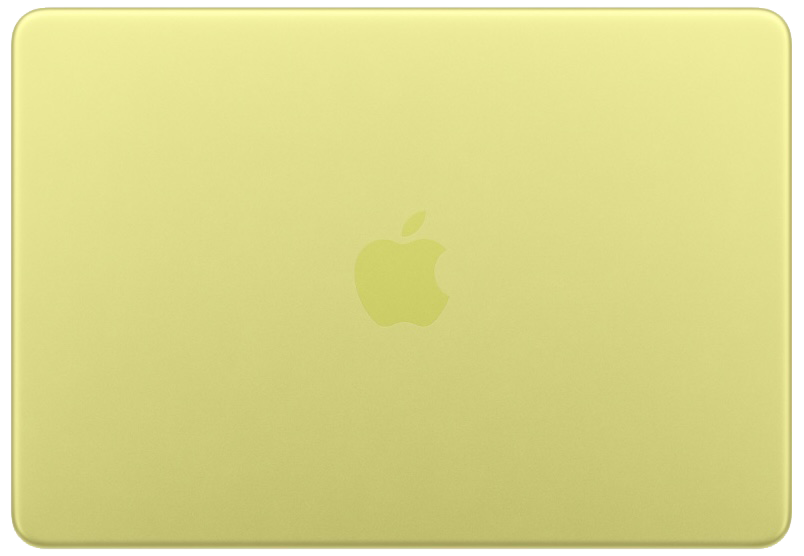
The MacBook Neo embraces a vibrant and contemporary aesthetic, available in four distinct color options: Silver, Blush (a soft pink), Citrus (a bright, zesty yellow-orange), and Indigo (a deep, faded blue). This departure from Apple’s typically more subdued color palettes underscores the Neo’s positioning as an accessible and stylish device.

The display is a 13-inch IPS LCD panel, boasting a brightness of 500 nits, which is competitive for its class, ensuring good visibility in various lighting conditions. With a resolution of 2408 x 1506 pixels and a pixel density of 219 pixels per inch (ppi), the screen promises sharp text and detailed images. This resolution is notably higher than many competitors in the same price range, offering a more immersive visual experience.
Under the Hood: Memory, Storage, and Connectivity
The MacBook Neo comes configured with 8GB of 3750 MHz LPDDR5X-7500 SDRAM, a configuration that should provide ample performance for everyday tasks, multitasking, and even moderately demanding applications. The system is further equipped with a 5-core GPU integrated within the A18 Pro chip, which is manufactured on TSMC’s 3-nanometer N3E FinFET process. This advanced manufacturing node contributes to the chip’s efficiency and performance.
Storage on the MacBook Neo utilizes PCIe NVMe K8A5 NAND flash memory, offering impressive read and write speeds of approximately 1.4 GB/s. While this storage is soldered onto the logic board, similar to the RAM, it is reportedly possible to upgrade it to 1TB with the appropriate tools and technical expertise, as demonstrated by independent technicians. The base model ships with a 256GB SSD for $599, with a 512GB SSD option available for $699. This tiered storage approach allows consumers to select a capacity that best suits their needs and budget.

Connectivity and Compromises: A Look at the Trade-offs
In its pursuit of affordability, Apple has made several strategic compromises in the MacBook Neo’s connectivity and feature set. Notably, the device omits MagSafe charging, a feature that has been a staple on MacBooks since 2020. Instead, charging is handled through one of its two USB ports. The port selection itself is also a point of consideration: the Neo features one USB 3.0 port and another USB 2.0 port. This limited connectivity may require users to rely on dongles or USB hubs for connecting multiple peripherals simultaneously.
Another notable omission is a backlit keyboard. The MacBook Neo features a light-tone colored keyboard that matches the chassis, but it lacks illumination. This decision likely contributes to cost savings but may impact usability in dimly lit environments. Touch ID, Apple’s fingerprint authentication technology, is reserved for the higher-priced $699 model, adding an extra incentive to opt for the 512GB configuration. Beyond the USB ports, a standard 3.5mm headphone jack is present, offering a familiar audio output option.
Apple Intelligence Integration: A Glimpse into the Future
A significant advantage offered by the MacBook Neo, and indeed all Macs with Apple Silicon, is its support for Apple Intelligence. This advanced suite of AI features is designed to enhance user productivity and streamline tasks. Apple Intelligence is also available on compatible iPads with M-chips and iOS devices running iOS 18 or later with an A17 Pro chip or better (including the iPhone 15 Pro/Pro Max and all iPhone 16 models). This integration suggests that even at its affordable price point, the MacBook Neo is designed to be a gateway to Apple’s evolving intelligent ecosystem.
Key Features and Specifications at a Glance
The MacBook Neo introduces several user-centric features and specifications that are important for potential buyers to understand.
-
Closed Lid Mode (Clamshell Mode): Like other MacBooks, the Neo supports clamshell mode, allowing users to operate the laptop with the lid closed when connected to an external display, power adapter, and external input devices (mouse and keyboard). This feature is crucial for users who wish to use their MacBook Neo as a desktop replacement with a larger monitor. To enable this mode, the MacBook Neo must be connected to AC power, an external display, and a USB or Bluetooth mouse and keyboard. Upon waking the device and displaying the desktop on the external monitor, closing the lid will keep the internal display off and dedicate all resources to the external setup. To resume use of the internal display, the external display must be disconnected, the MacBook put to sleep, and then woken by opening the lid.

-
Battery Life: Apple claims up to 11 hours of wireless web browsing and up to 16 hours of video streaming on a single charge. These figures are typical for Apple’s efficient silicon and should provide a full day’s use for many users.
Technical Specifications Deep Dive
To provide a comprehensive overview, a detailed breakdown of the MacBook Neo’s technical specifications is as follows:
-
Core System: The A18 Pro chip, built on TSMC’s 3nm N3E process, is the central processing unit. It features an 8-core CPU design, with a configuration of 4 performance cores and 4 efficiency cores. The cache configuration for all A18 Pro chips includes:
- L1 Instruction Cache: 128 KB
- L1 Data Cache: 64 KB
- SLC (System Level Cache): 32 MB
-
Memory: The MacBook Neo is equipped with 8GB of 3750 MHz LPDDR5X-7500 SDRAM. This unified memory architecture allows the CPU and GPU to access the same data pool efficiently, contributing to overall system performance.
-
Video: The A18 Pro chip incorporates a 5-core GPU, designed for capable graphics performance in everyday tasks, light gaming, and media consumption.
-
Drives: The base model comes with a 256GB PCIe NVMe K8A5 NAND SSD, with an upgrade option to 512GB. The read/write speeds are approximately 1.4 GB/s.
-
Expansion: Connectivity is limited to two USB ports: one USB 3.0 and one USB 2.0. A 3.5mm headphone jack is also included.

-
Physical: The MacBook Neo features a 13-inch IPS LCD display with a resolution of 2408 x 1506 pixels (219 ppi) and a brightness of 500 nits. The chassis is constructed from aluminum.
Market Implications and Analysis
The introduction of the MacBook Neo represents a significant strategic pivot for Apple. By targeting the sub-$1000 price point with a device that offers performance comparable to much more expensive machines, Apple aims to disrupt the entry-level laptop market. The inclusion of the A18 Pro chip, a mobile-first processor, underscores Apple’s confidence in its silicon development and its ability to deliver high performance across its entire product range.
This move could have several implications:

- Increased Market Share: The more affordable pricing could attract a new wave of consumers who were previously priced out of the Mac ecosystem. This is particularly relevant for students, educators, and first-time laptop buyers.
- Competitive Pressure: The MacBook Neo’s performance and build quality at its price point will undoubtedly put pressure on manufacturers of Windows laptops and Chromebooks in the same segment. Consumers will have a more compelling Apple-branded alternative to consider.
- Standardization of Apple Silicon: The widespread adoption of Apple Silicon across all Mac models, including this entry-level device, reinforces the company’s vertical integration strategy and its ability to optimize hardware and software for a cohesive user experience.
- Potential for Innovation in Affordability: By demonstrating that high performance can be achieved at a lower cost, Apple may inspire other manufacturers to reconsider their own component choices and design philosophies for budget-friendly devices.
The MacBook Neo’s success will likely depend on its ability to balance its aggressive pricing with the Apple experience that consumers have come to expect. While compromises have been made in areas like MagSafe and backlit keyboards, the core performance and build quality, coupled with the integration of Apple Intelligence, present a strong value proposition. Apple has, in essence, democratized a portion of its premium laptop experience, opening the door for a wider audience to enter the Mac ecosystem. The long-term impact on the competitive landscape will be closely watched as consumers begin to experience this new, more accessible MacBook.