Vera Clarissa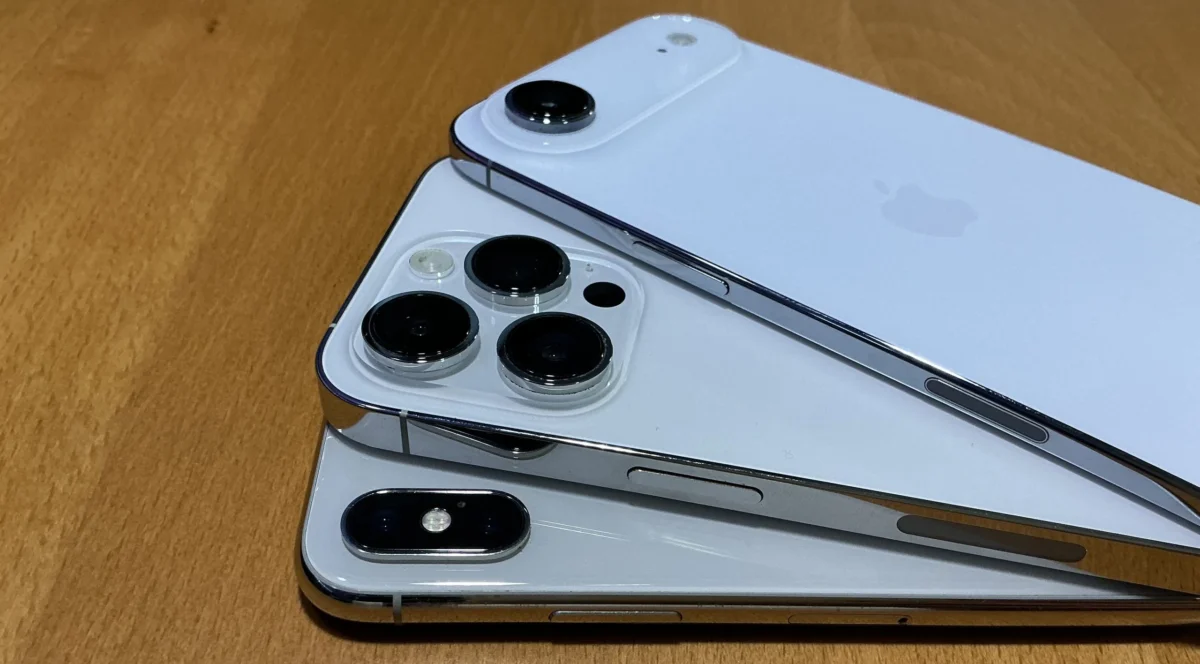
The introduction of the iPhone X in 2017 marked a definitive pivot in mobile computing, signaling the end of the home-button era and the beginning of the edge-to-edge display paradigm. Nearly a decade later, the device remains a hallmark of hardware endurance. Recent assessments of long-term units reveal that the iPhone X, despite the passage of time and daily usage, retains significant functional integrity. As users transition to contemporary models, such as the recently released iPhone 17, the iPhone X serves as a primary case study for Apple’s commitment to hardware longevity, material science, and iterative design philosophy.

The 2017 Shift: A Design Watershed
When Apple hosted its special event in September 2017 at the Steve Jobs Theater, the anticipation surrounding the iPhone X was immense. The device was positioned as the tenth-anniversary tribute to the original iPhone, introduced by Steve Jobs in 2007. At the time, the market was dominated by designs featuring substantial bezels and physical home buttons. The Galaxy S8+, a major competitor, had already pushed the boundaries of screen-to-body ratios, yet the iPhone X introduced a unique synthesis of OLED technology, Face ID, and a surgical-grade stainless steel frame.
Phil Schiller, Apple’s Senior Vice President of Worldwide Marketing at the time, famously described the device as an immersive experience: "The display fits edge to edge, top to bottom, it goes into each corner where it follows the tight curve of the design." This design language was not merely aesthetic; it required significant advancements in display manufacturing and sensor integration. The removal of the home button necessitated a complete redesign of the iOS navigation architecture, introducing the swipe-based gestures that have since become the global standard for smartphone interfaces.

Chronology of Iteration
To understand the trajectory of iPhone design, one must trace the lineage from the iPhone X through the subsequent iterations. The iPhone X established the "notch" and the vertical camera housing, a design language that persisted through the XS and 11 series. However, the introduction of the iPhone 12 Pro marked a return to the industrial, flat-edge design reminiscent of the iPhone 4.
This evolution can be categorized into three distinct phases:

- The Rounded Era (iPhone X to 11): Focused on ergonomic comfort with curved stainless steel bands.
- The Industrial Flat-Edge Era (iPhone 12 to 15): A return to sharp, clean lines prioritizing internal space and structural rigidity.
- The Refined Professional Era (iPhone 16 to 17): A move toward integrated camera plateaus and more seamless material transitions.
The transition from the iPhone 11 Pro Max to the 12 Pro Max, and eventually the 14 Pro, highlights the tension between aesthetic preference and ergonomic reality. While the flat-edge design is visually striking, it prompted a shift in consumer demand toward smaller, more manageable form factors for power users, ultimately influencing the design of the current iPhone Air-style models.
Hardware Endurance and Battery Performance
One of the most compelling aspects of the iPhone X is its resilience. Field reports from long-term owners indicate that units maintained with standard care frequently retain over 70% battery health, even after years of continuous cycles. This longevity is attributed to Apple’s battery management system (BMS), which has been refined through subsequent iOS updates.

Furthermore, the physical build of the iPhone X—specifically the surgical-grade stainless steel and the rear glass—has proven remarkably resistant to the degradation typically seen in mid-tier smartphones. The absence of screen burn-in on many original OLED panels is a testament to the high-quality, calibrated components sourced for the 2017 flagship. The device’s ability to receive security patches well into its later years, even while docked on older versions of iOS, underscores the importance of Apple’s long-term software support cycle, which remains a benchmark for the mobile industry.
The Role of OLED and Display Technology
The iPhone X was the first of its kind to adopt a full-screen OLED panel, a significant departure from the LCD screens that defined the previous decade of iPhone production. OLED technology allows for individual pixel illumination, resulting in deeper blacks and higher contrast ratios. This transition was critical in creating the "infinity" look that Apple sought to achieve.

The integration of True Tone technology, which uses multichannel sensors to adjust the display’s color temperature to ambient lighting, was another feature that has since become standard across the entire smartphone industry. By mimicking the way paper reflects light in different environments, the iPhone X successfully bridged the gap between digital content and natural visual perception. For many users, this was the primary factor in shifting away from Android-based flagships that struggled with color accuracy or panel consistency.
Standardizing the Connectivity Landscape
A critical milestone in the iPhone’s history is the transition from proprietary connectivity to universal standards. The iPhone X utilized the Lightning connector, a port that served Apple well for over a decade. However, the pressure from international regulatory bodies, particularly the European Union, combined with the industry-wide shift toward USB-C, marked the end of the Lightning era.

The move to USB-C has simplified the ecosystem, allowing for faster data transfer and cross-platform compatibility with laptops and tablets. While some purists recall the convenience of the Lightning cable, the broader impact of this shift has been a reduction in e-waste and a streamlining of consumer electronics. This evolution mirrors the history of mobile ports—moving from the 30-pin connector to Lightning, and finally to the universal USB-C standard.
Broader Implications for the Smartphone Market
The legacy of the iPhone X is not merely in its sales figures or its design, but in the longevity it afforded its users. In a market often criticized for planned obsolescence, the iPhone X demonstrated that a premium device could remain relevant for nearly a decade.

Industry analysts point to three key factors that have solidified the iPhone’s market position:
- Vertical Integration: By controlling both the hardware (A-series chips) and the software (iOS), Apple ensures that older devices remain performant for longer durations.
- Material Science: The use of premium metals and reinforced glass ensures the physical lifespan of the device matches its digital lifespan.
- Software Ecosystem: Regular security updates and the longevity of the App Store support ensure that even older hardware remains secure and functional.
As the smartphone industry moves toward newer innovations—such as foldable displays and advanced AI-integrated camera systems—the foundation laid by the iPhone X remains visible. It was the device that normalized the "all-screen" interface, redefined the price point for flagship smartphones, and proved that a well-engineered piece of technology can serve its user for years beyond the typical two-year upgrade cycle.

In conclusion, the iPhone X serves as a permanent record of a major turning point in consumer technology. From its initial reception as a high-priced experiment to its current status as a durable, reliable tool, the device exemplifies the evolution of the smartphone from a mere communication device to an essential, long-term personal asset. Whether displayed in a collection or utilized as a secondary device, the iPhone X continues to influence how users interact with their mobile hardware, proving that thoughtful design and robust engineering can withstand the rapid pace of technological change.