
 Hartono Sudibyo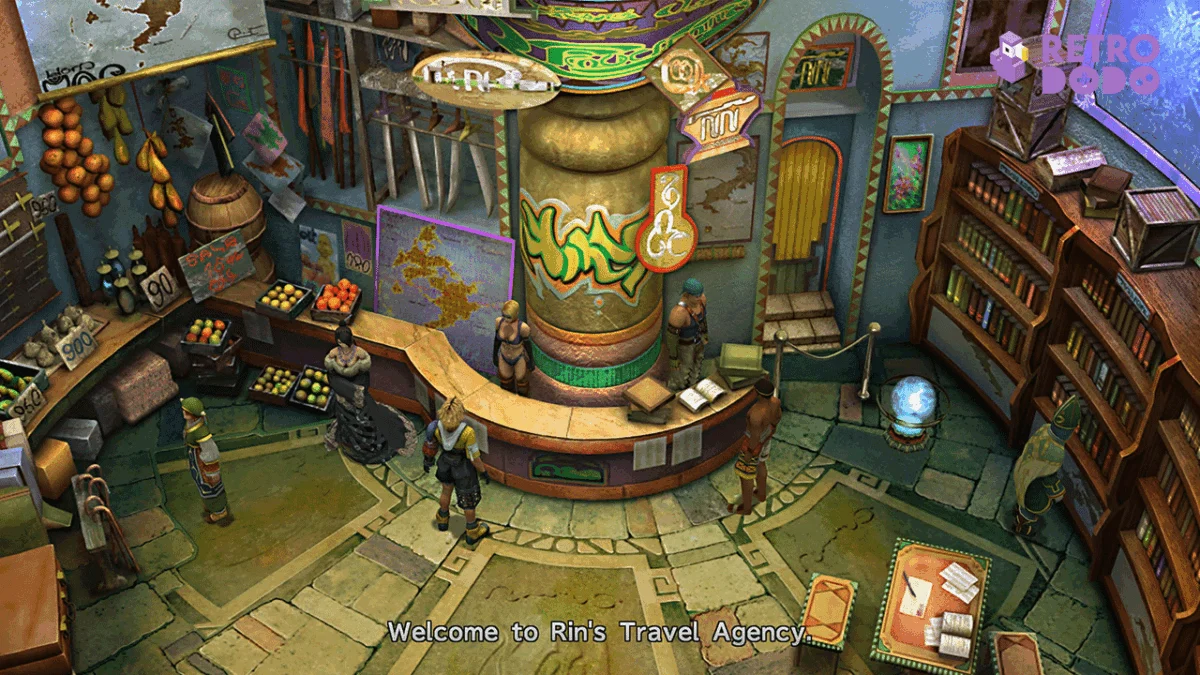
The PlayStation 2, a console that defined a generation of gaming, boasts an unparalleled library of over 3,800 titles. Among its vast offerings, the role-playing game (RPG) genre experienced a renaissance, delivering experiences that continue to resonate with players today. This article explores some of the most iconic and enduring RPGs that graced the PS2, examining their impact, gameplay innovations, and lasting legacies.

The PS2 RPG Landscape: A Generational Milestone
Released in March 2000 in Japan and later globally, the PlayStation 2 quickly became the best-selling home console of all time, with over 155 million units sold worldwide. This immense popularity fostered a fertile ground for developers to experiment and innovate, particularly within the RPG genre. The PS2’s advanced hardware capabilities allowed for more complex narratives, visually richer worlds, and deeper gameplay mechanics than its predecessors. This era saw a diverse range of RPGs, from epic Japanese role-playing games (JRPGs) with sweeping storylines and intricate combat systems to Western RPGs offering open worlds and player freedom.
Dark Cloud 2 (2002): Rebuilding Worlds, One Geostone at a Time
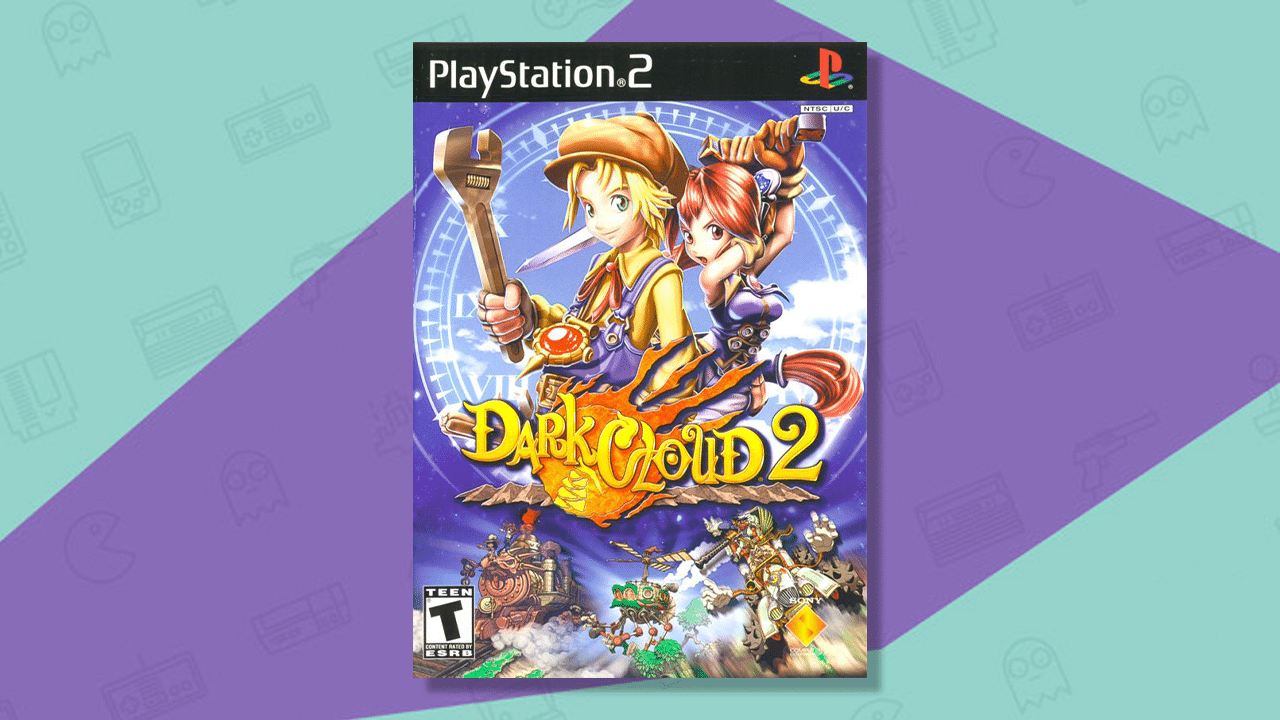
Often cited as a standout title, Dark Cloud 2 (known as Dark Chronicle in Europe and Japan) arrived in 2002 and redefined what a dungeon-crawling RPG could be. While a sequel in name to Dark Cloud, it presented a fresh narrative and characters, allowing for a new generation of players to experience its unique blend of action RPG combat and town-building simulation.
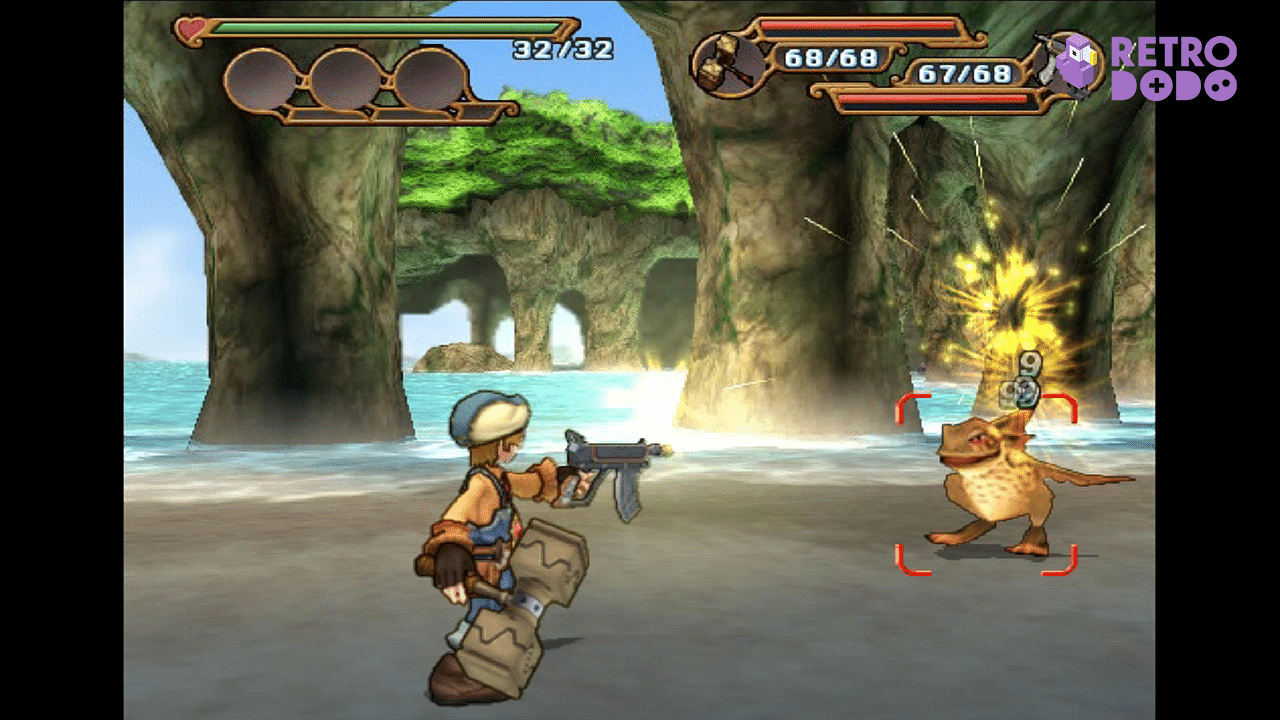
The game’s core premise involves players traveling back in time to alter a bleak future. This narrative hook is complemented by the innovative "Atmos" system, which allows players to rebuild and customize towns by strategically placing structures and elements. This mechanic, often compared to city-building simulations like SimCity or RollerCoaster Tycoon, added a strategic layer beyond traditional RPG progression. Players collect "Geostones" and "Orbs" found within procedurally generated dungeons to restore their home world, a mechanic that encouraged exploration and resource management. The combat system, featuring real-time action and a weapon-upgrading system where weapons gain experience rather than characters, offered a distinct departure from many turn-based contemporaries.
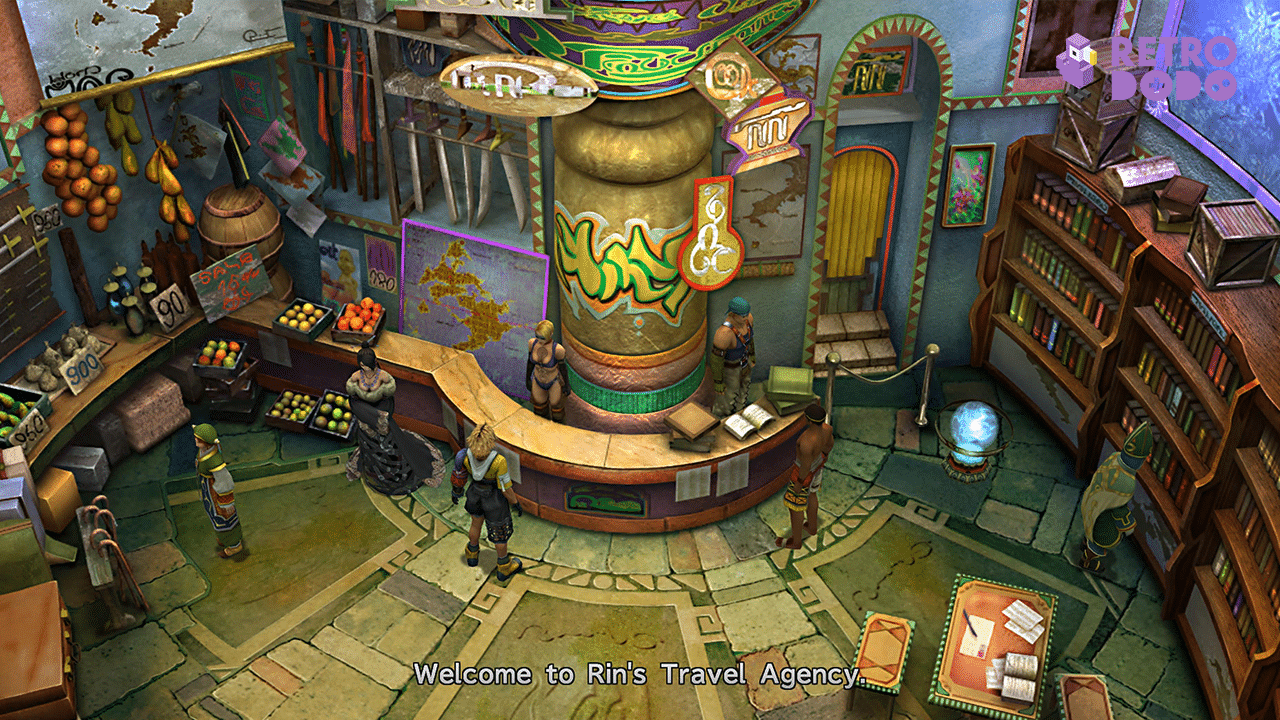
Final Fantasy X (2001): A Pivotal Entry in a Beloved Series
Square’s Final Fantasy X, released in 2001, was a landmark title for both the franchise and the PS2. It was the first Final Fantasy game to feature full voice acting and represented a significant leap in graphical fidelity for the series, showcasing cinematic storytelling and breathtaking environments that captivated players.
The narrative follows Tidus, a blitzball star from the futuristic city of Zanarkand, who is transported to the world of Spira to battle a monstrous entity known as Sin. The game introduced the "Conditional Turn-Based Battle" system (CTB), which allowed players to strategize their moves with greater precision by observing enemy action order. The "Sphere Grid" system, a visual representation of character progression, offered a flexible approach to skill development, allowing players to customize their party’s growth in unique ways. The game’s emotional story, memorable characters like Yuna and Auron, and the unique sport of Blitzball contributed to its massive commercial and critical success, selling over 8 million copies worldwide.
The Lord of the Rings: The Third Age (2004): Journeying Through Middle-earth
For fans of J.R.R. Tolkien’s epic saga, The Lord of the Rings: The Third Age offered a compelling interactive experience within the beloved world of Middle-earth. Released in 2004, the game allowed players to step into the shoes of a Ranger of the North, participating in key events and battles that mirrored those depicted in the films.
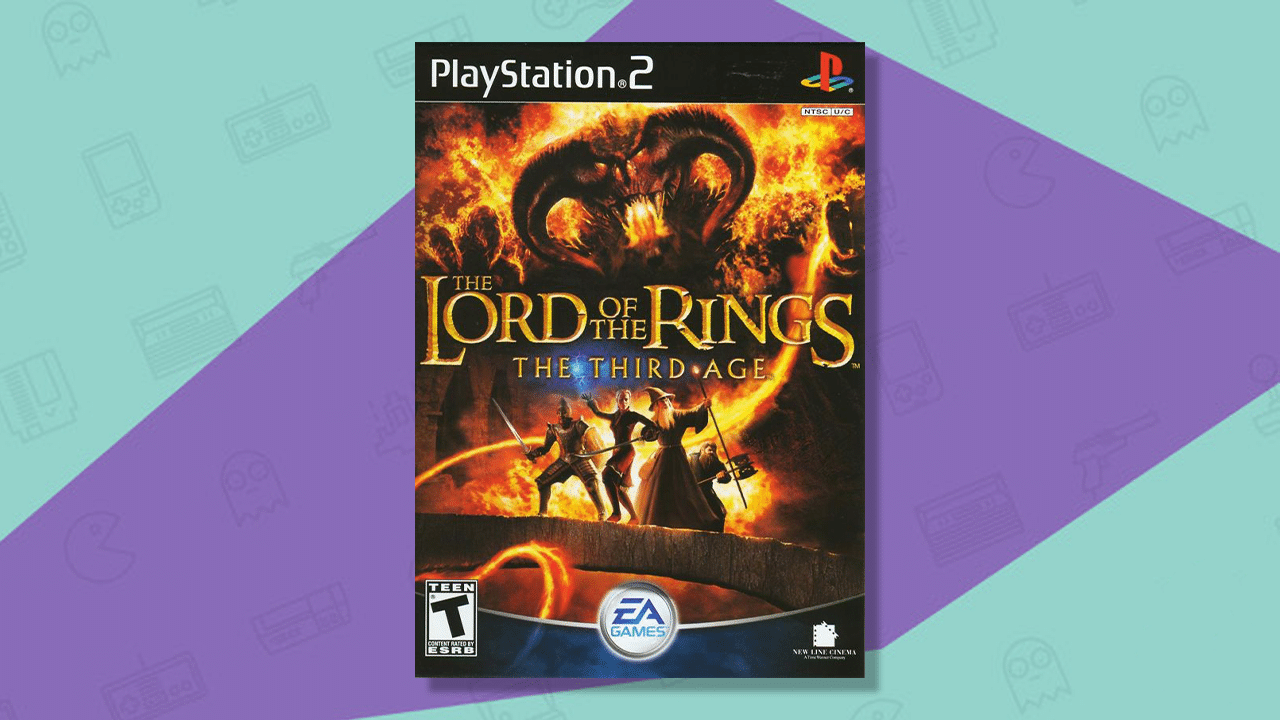
The game’s narrative focuses on a band of heroes who follow in the wake of the Fellowship, facing the remnants of Sauron’s forces. Its gameplay blended elements of action RPGs with tactical turn-based combat. A unique feature was the "Bereth Cost," which allowed players to unleash powerful cinematic attacks by spending a special resource. The game’s ability to let players choose sides, potentially even aiding Sauron’s forces, provided a significant replayability factor. By immersing players in iconic locations and battles from the films, The Third Age provided a faithful and engaging adaptation that resonated deeply with fans.
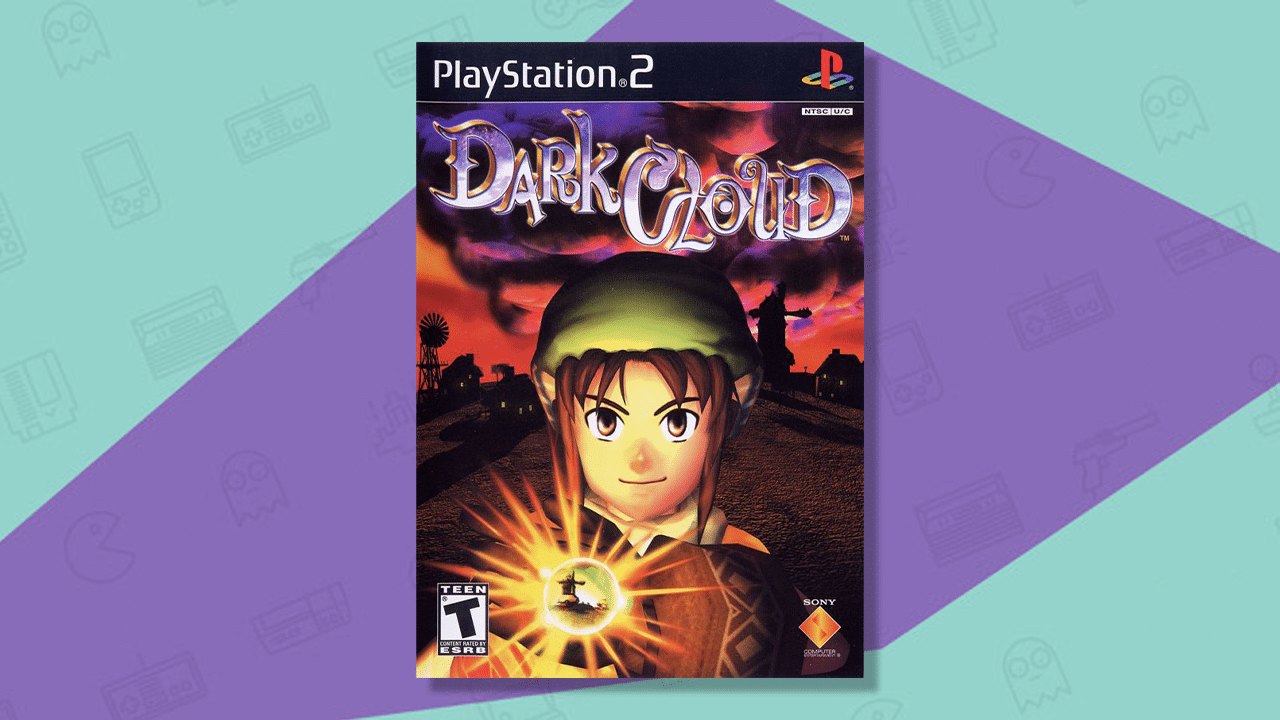
Dark Cloud (2000): The Genesis of a Unique Formula
The original Dark Cloud, released in 2000, laid the groundwork for its acclaimed sequel. While simpler in scope, it introduced the core concepts of dungeon crawling, town rebuilding, and a distinctive weapon-upgrade system. Players controlled Toan, a young man tasked with gathering magical "Atlamillia" orbs to restore his destroyed village and world.
The game’s visual style, reminiscent of early Zelda titles, was immediately appealing. Its unique mechanic of needing to manage a "thirst meter" added a survival element to exploration, encouraging players to seek out water sources to maintain their health. The weapon-leveling system, where weapons gain experience and can be synthesized to create more powerful versions, was a novel approach that encouraged players to experiment with different weapon types. Despite its initial challenges and a somewhat steep learning curve, Dark Cloud proved to be an influential title, paving the way for future innovations in the genre.
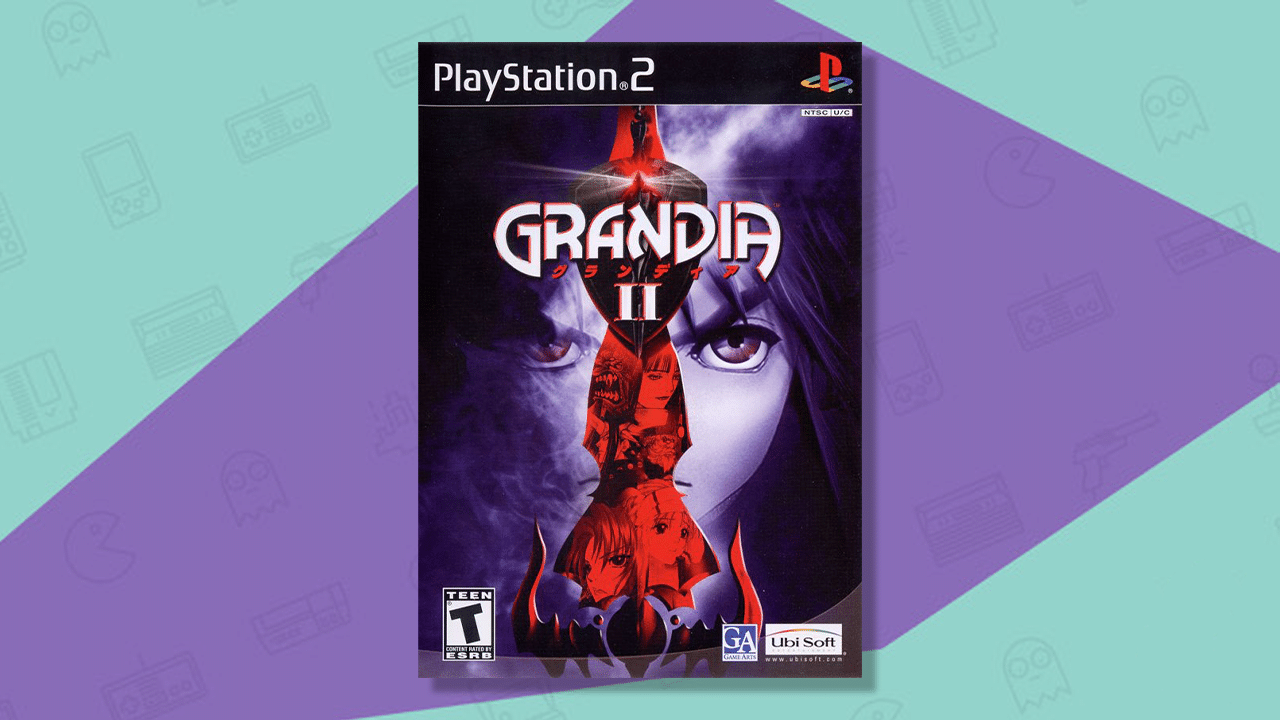
Grandia II (2002): A Blend of Classic and Innovative Combat
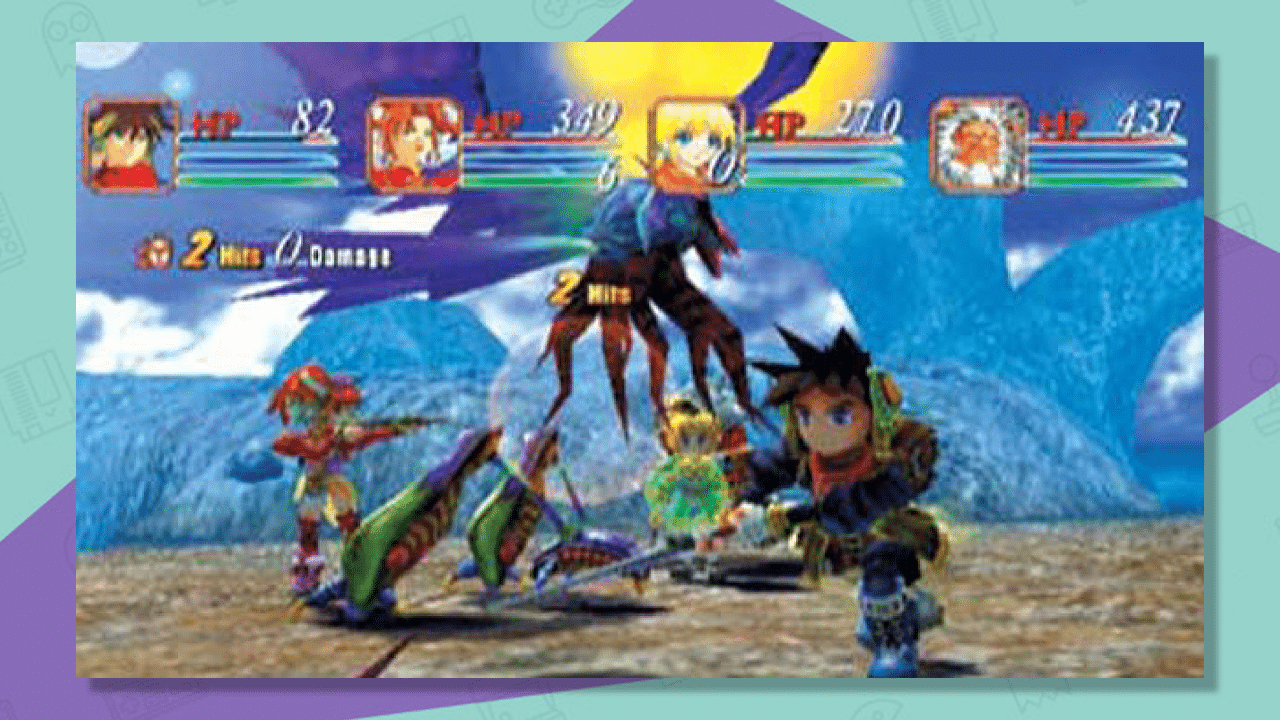
Originally released on the Dreamcast, Grandia II found a new home on the PS2 in 2002, bringing its captivating story and refined combat system to a wider audience. The game centers on Ryudo, a mercenary tasked with protecting a young woman named Elena, who possesses a divine artifact. Their journey unfolds against a backdrop of an ancient war between gods of light and darkness.
Grandia II is renowned for its "Action Point" battle system, a dynamic form of turn-based combat. Players strategically choose when to attack, defend, or use special abilities, with actions impacting an enemy’s position and turn order. This system allowed for both tactical depth and exciting, fast-paced encounters. The game’s vibrant anime-inspired visuals and a story filled with memorable characters and plot twists solidified its status as a beloved JRPG.
Baldur’s Gate: Dark Alliance (2001): A Faithful D&D Adaptation
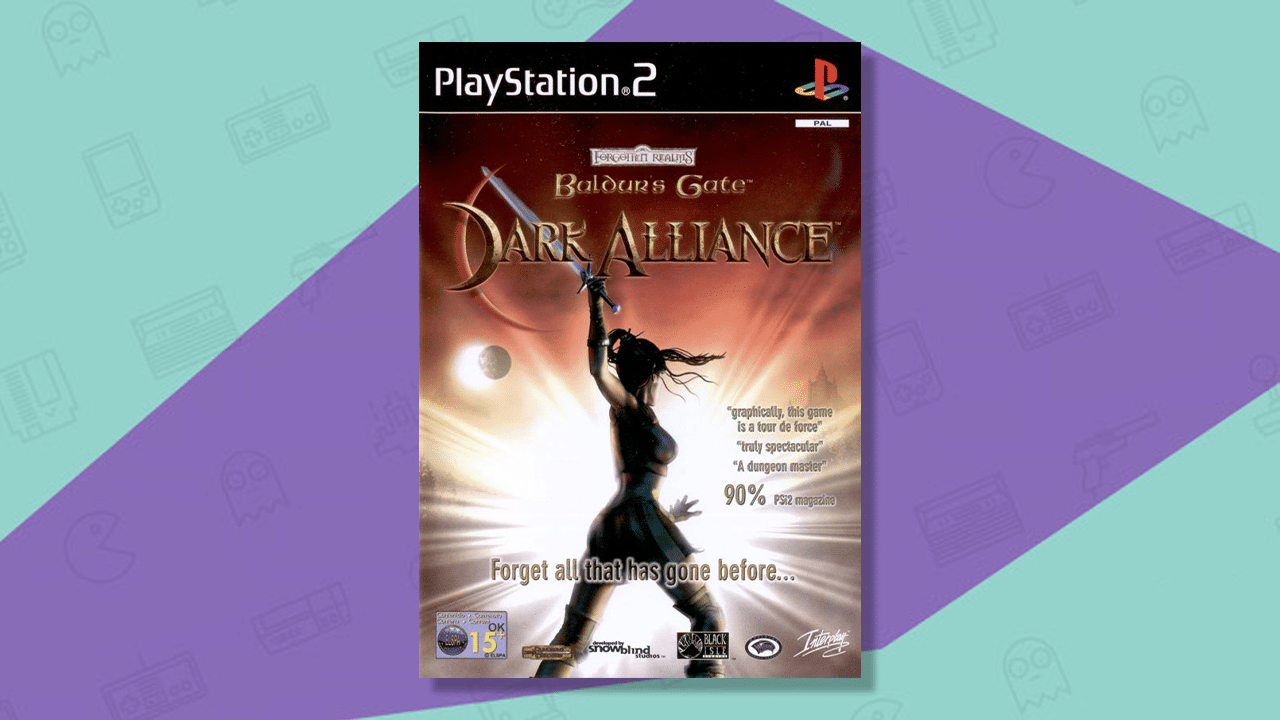
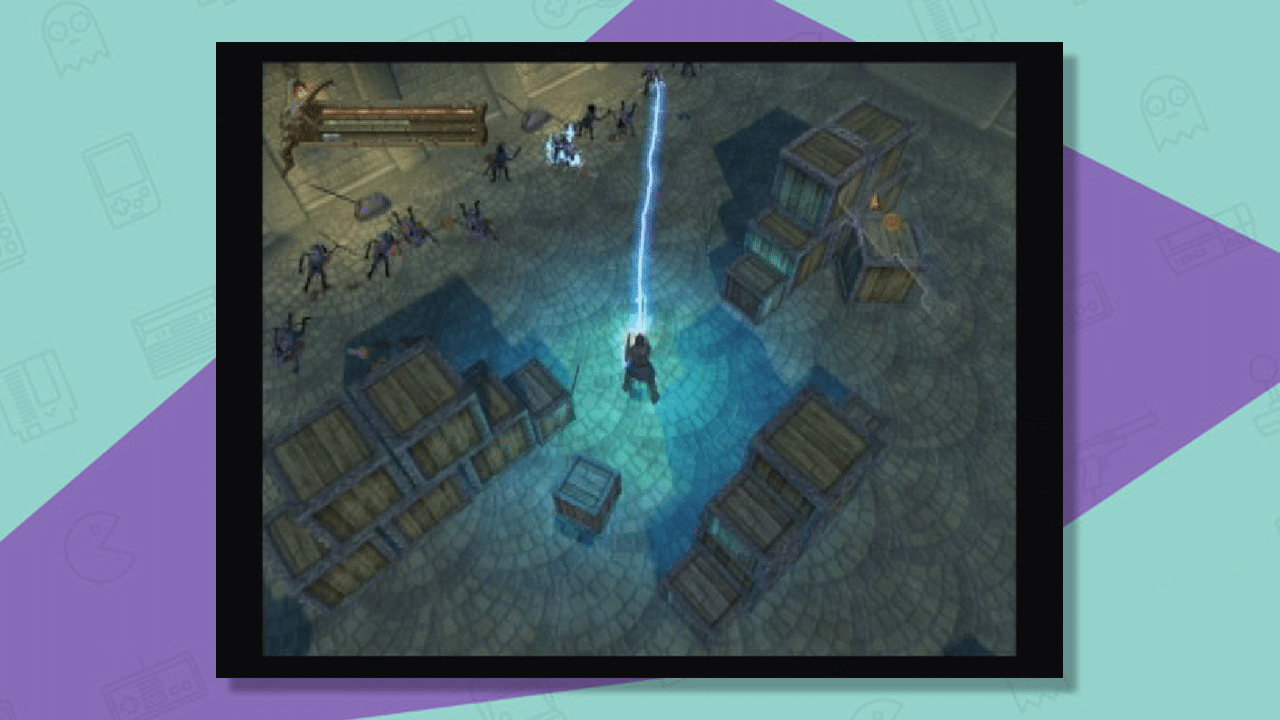
Bringing the rich lore of Dungeons & Dragons to the PS2, Baldur’s Gate: Dark Alliance (2001) offered a compelling hack-and-slash action RPG experience. Based on the popular "Forgotten Realms" setting, the game allowed players to create and customize characters from various D&D classes, embarking on a quest to thwart an ancient evil.
The game featured real-time combat, a stark contrast to the turn-based nature of many RPGs at the time. Its isometric perspective and emphasis on looting, leveling up, and unleashing devastating spells and abilities captured the essence of tabletop D&D. The inclusion of cooperative multiplayer was a significant draw, allowing friends to team up and tackle the game’s challenges together, fostering a sense of camaraderie reminiscent of a real-life gaming session.
Shadow Hearts: From the New World (2005): A Unique Blend of Horror and RPG Mechanics
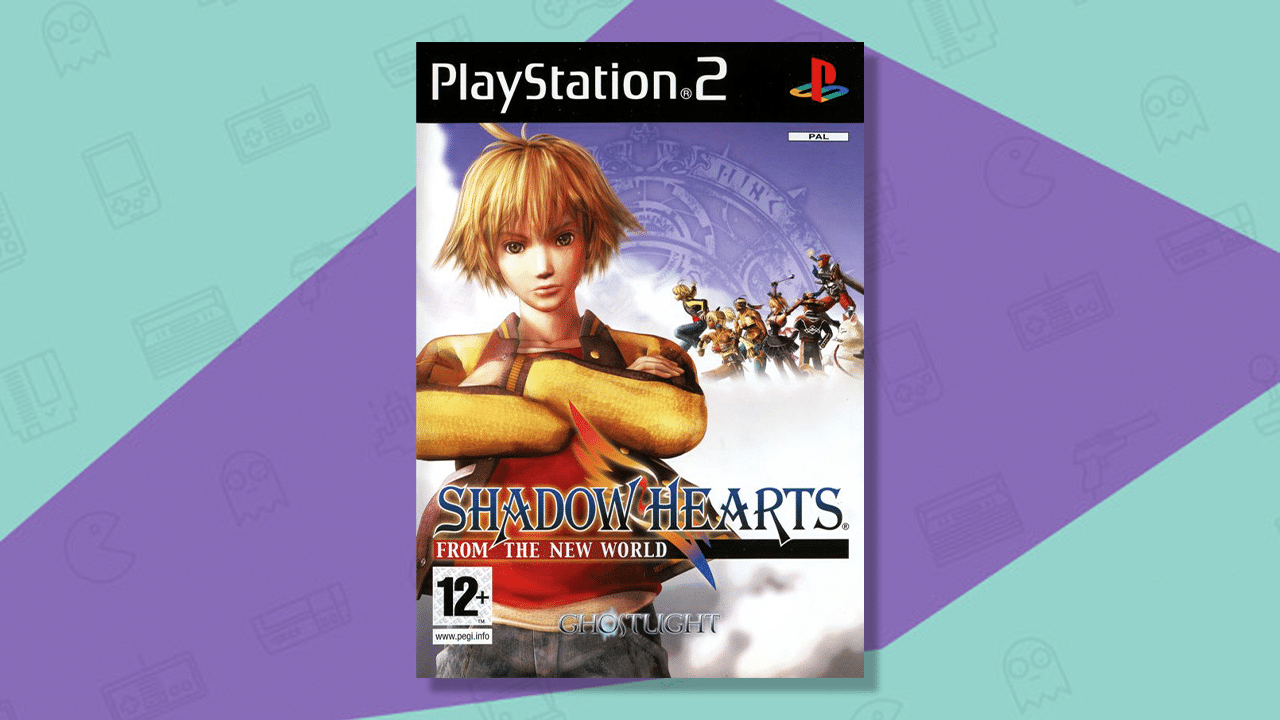
Shadow Hearts: From the New World (2005) stands out for its unconventional narrative, blending supernatural horror with a unique combat system. The story follows Johnny Garland, a young detective with amnesia, who teams up with a bounty hunter to track down monstrous beings. The game’s setting, inspired by 1920s New York, adds a distinct atmosphere.
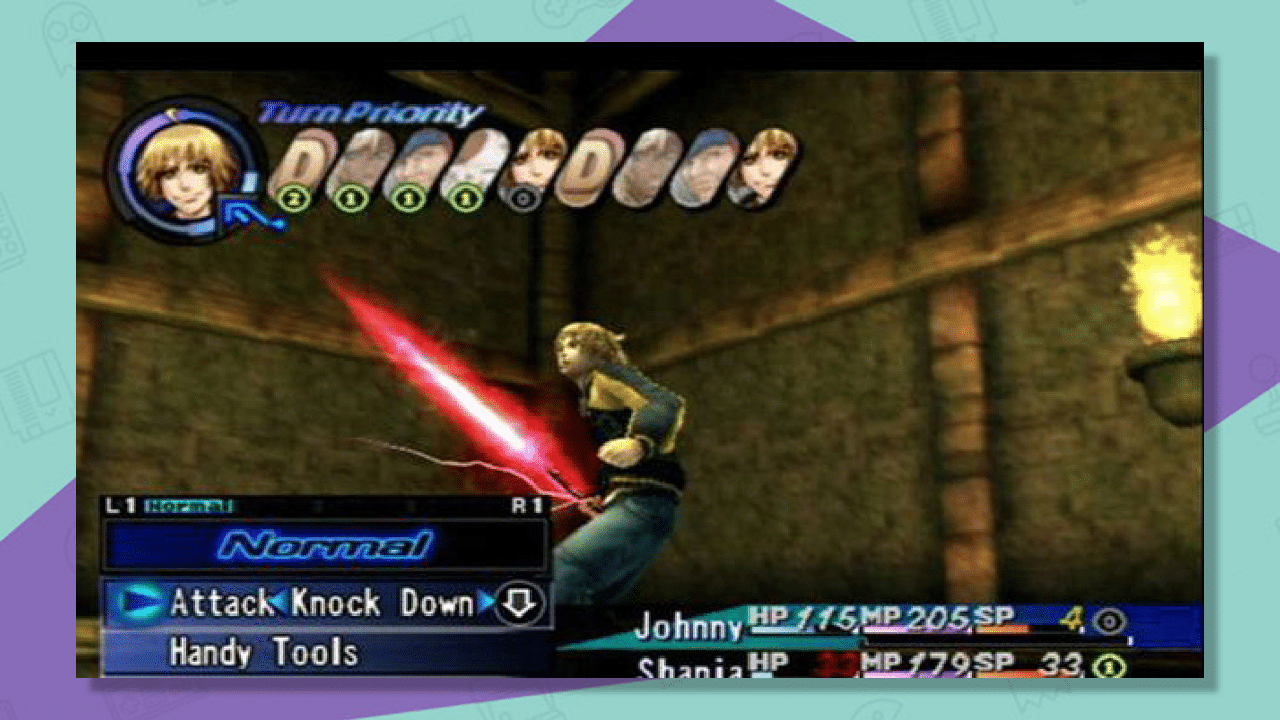
The combat system, known as the "Judgment Ring," requires players to time button presses to execute attacks and spells with precision. Successful timing results in critical hits and increased damage, adding an engaging skill-based element to the turn-based battles. The Shadow Hearts series is also notable for its mature themes and often unsettling storylines, which set it apart from many other RPGs on the platform.
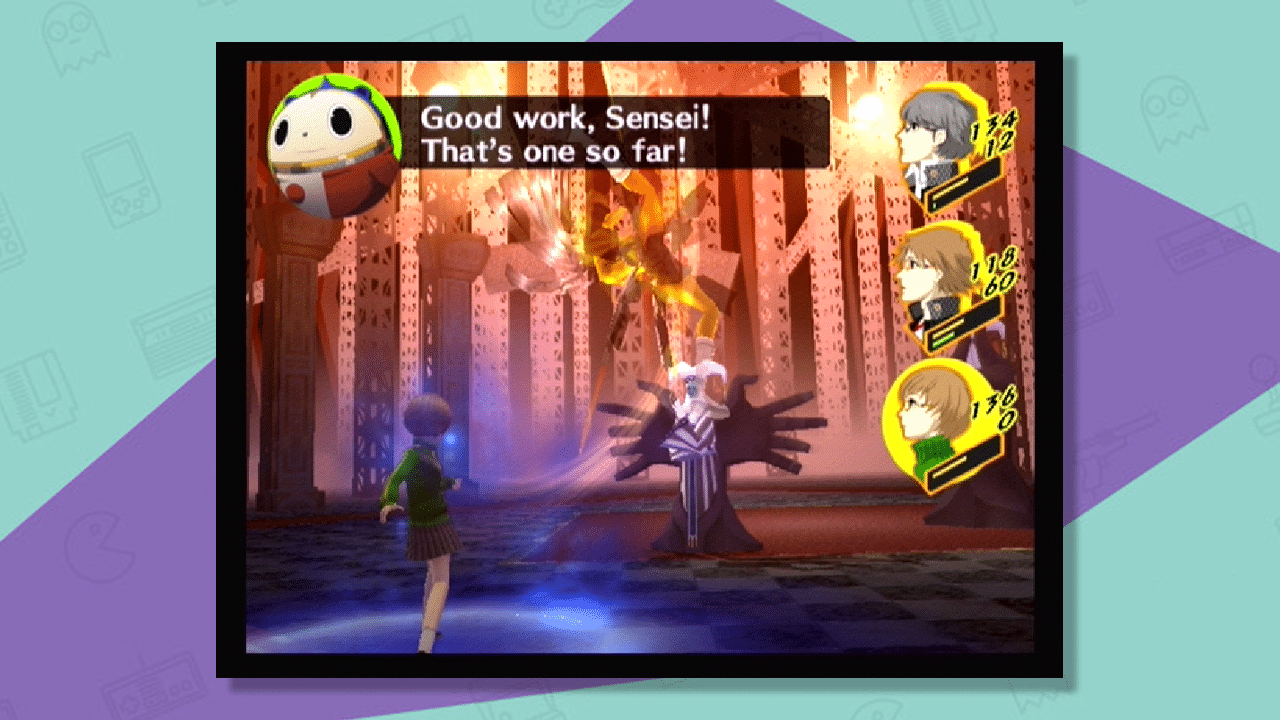
Persona 4 (2008): High School Mysteries and Supernatural Battles
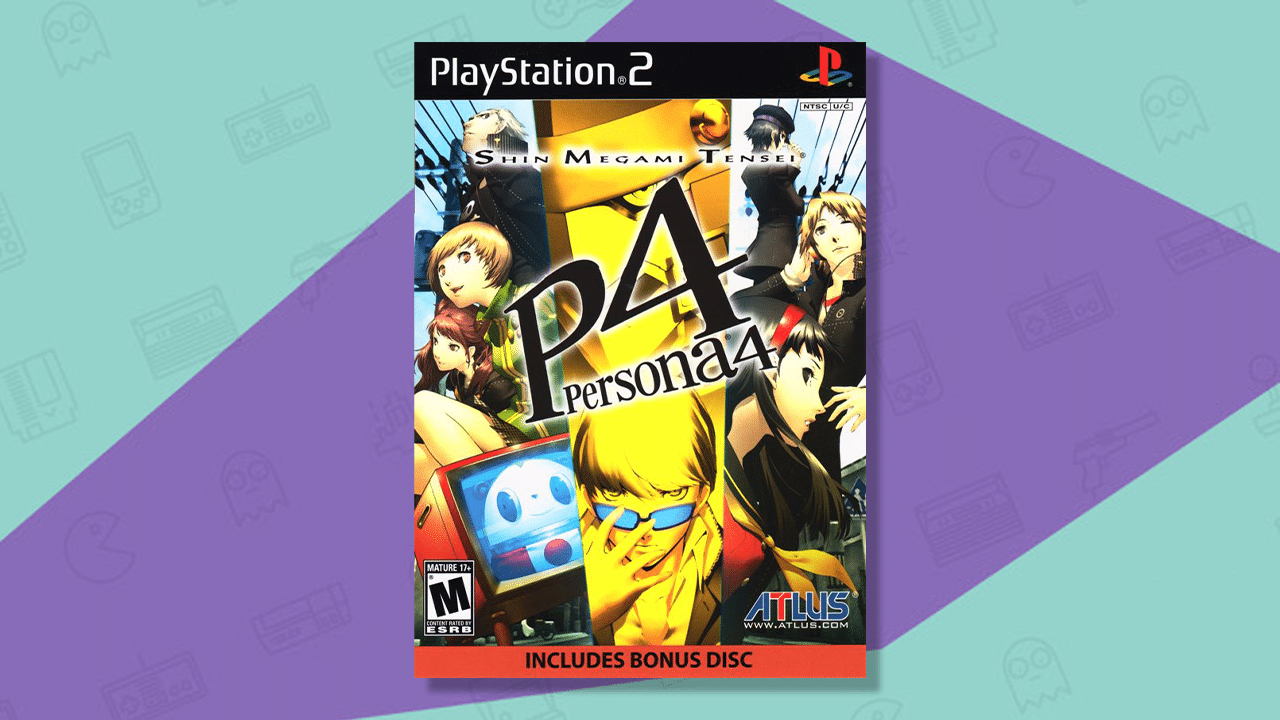
While released later in the PS2’s lifecycle, Persona 4 (2008) is a critical darling and a testament to the console’s enduring appeal. Building upon the foundations of Persona 3, this installment plunges players into the life of a high school student in the rural town of Inaba, who must investigate a series of murders linked to a mysterious "Midnight Channel."
The game masterfully blends social simulation elements with dungeon crawling and turn-based combat. Players must balance their daily lives, forming relationships with classmates and participating in school activities, with delving into the "TV World" to battle shadowy manifestations of people’s psyches. The "Persona" system, where characters can summon mythological beings to fight for them, allows for deep customization and strategic combat. The game’s compelling narrative, memorable cast of characters, and stylish presentation have cemented its place as one of the best RPGs of its generation.
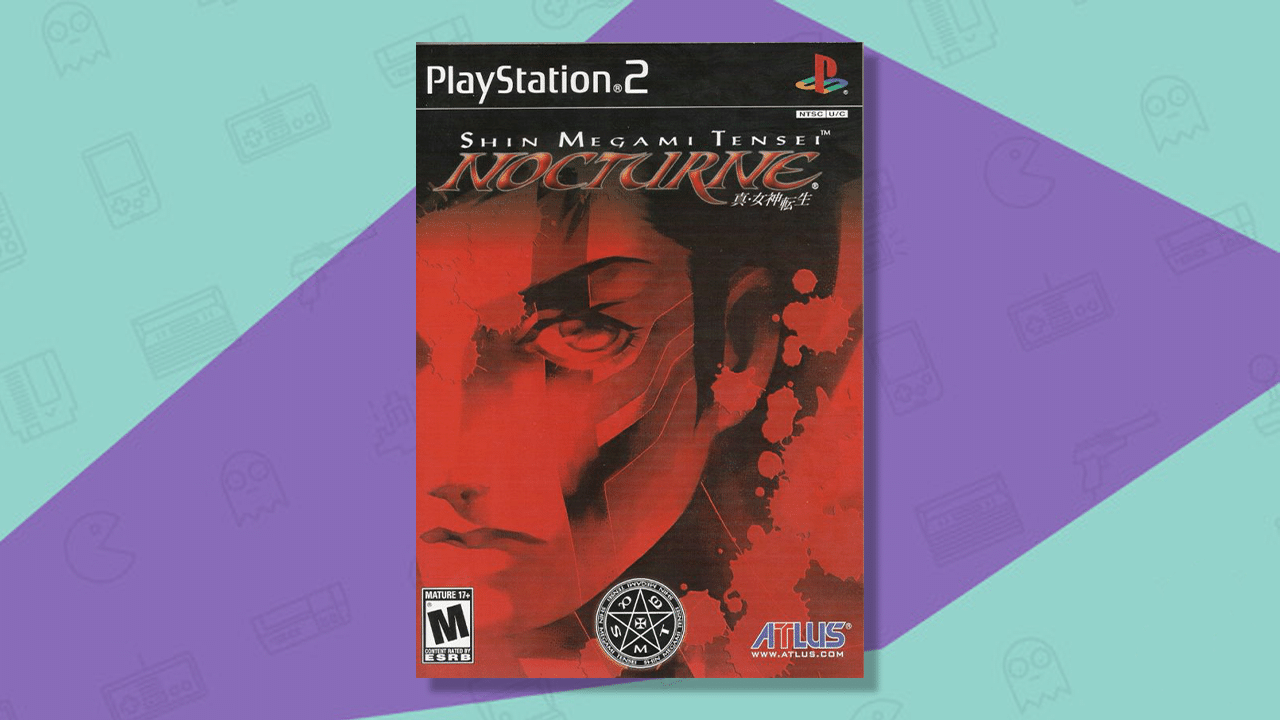
Shin Megami Tensei III: Nocturne (2004): A Dark and Challenging Journey
Shin Megami Tensei III: Nocturne (2004) is a game that is as punishing as it is rewarding. Set in a post-apocalyptic Tokyo transformed into a vortex of demons, players control a silent protagonist who becomes a demigod. The game is known for its challenging difficulty, deep demon-collecting and fusion mechanics, and a bleak, philosophical narrative.
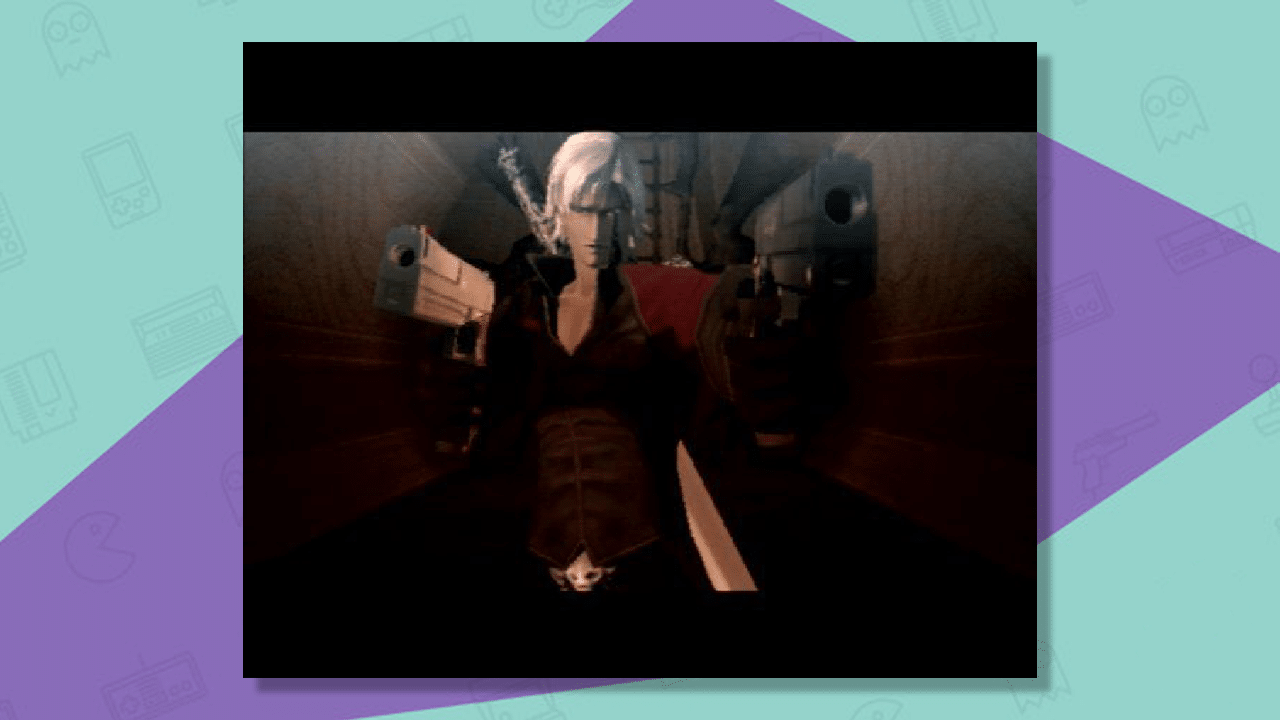
A unique aspect of Nocturne is the ability to recruit defeated demons into your party. This system, combined with the intricate "Press Turn" battle system, which rewards players for exploiting enemy weaknesses, creates a highly strategic combat experience. The inclusion of Dante from the Devil May Cry series as a boss and potential party member in the international version added a significant draw for fans of action games. Nocturne is considered a cult classic, revered for its uncompromising vision and intricate gameplay.
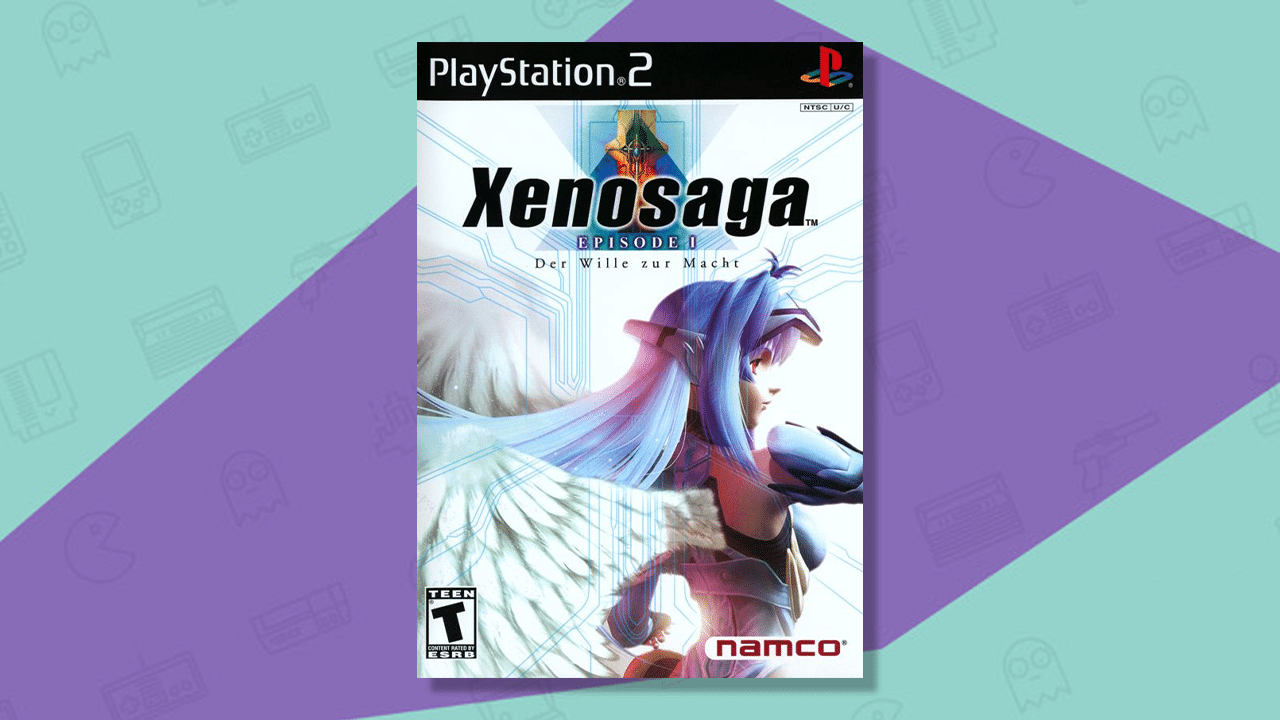
Xenosaga Episode I – Der Wille zur Macht (2002): A Sci-Fi Saga Unfolds
Xenosaga Episode I – Der Wille zur Macht (2002) marked the beginning of a sprawling science fiction narrative that explored complex themes of artificial intelligence, religion, and human destiny. Players follow Shion Uzuki, a scientist investigating ancient alien technology, as she becomes entangled in a cosmic conflict.
The game featured a traditional turn-based combat system with a twist: enemies were visible on the map, allowing players to choose their engagements rather than relying on random encounters. This provided a more tactical approach to exploration. The "skill tree" system allowed for deep character customization, and the game’s intricate plot, drawing inspiration from philosophical concepts and psychological theories, offered a thought-provoking experience. As the first installment of a planned trilogy, Xenosaga offered a grand, ambitious narrative that appealed to players seeking a more mature and intellectually stimulating RPG.
Final Fantasy XII (2006): A New Direction for a Legendary Series
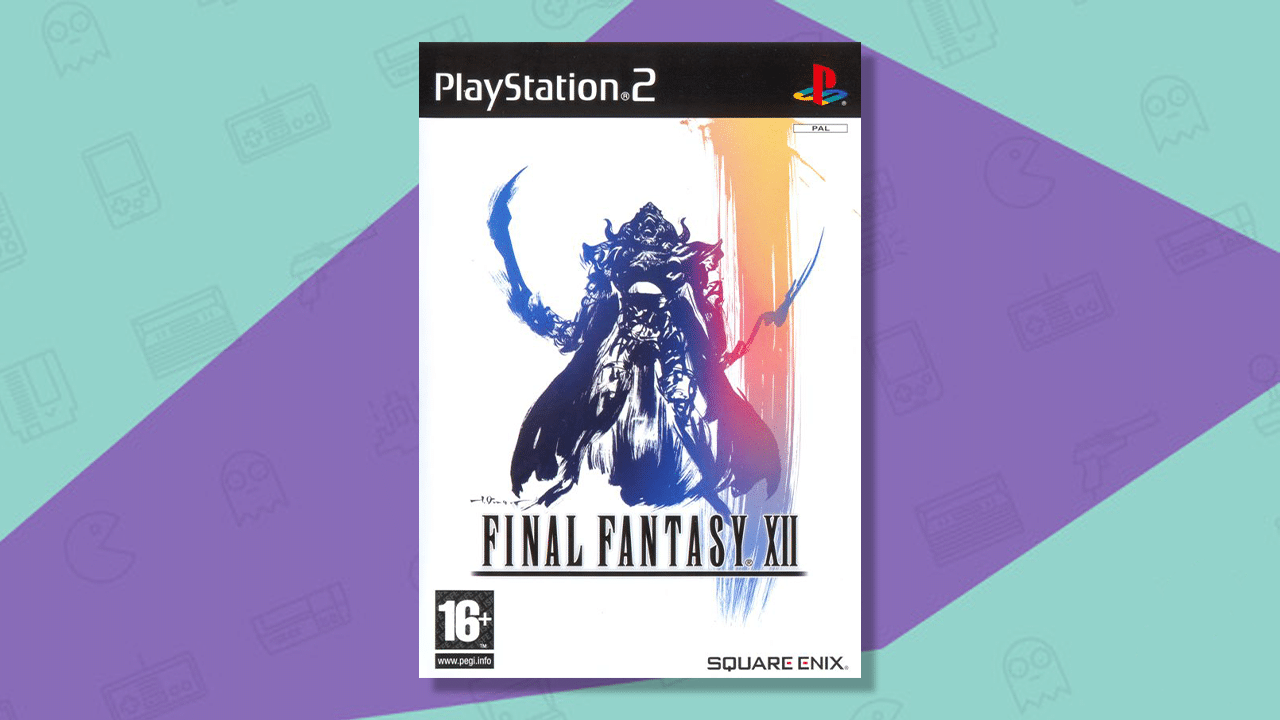
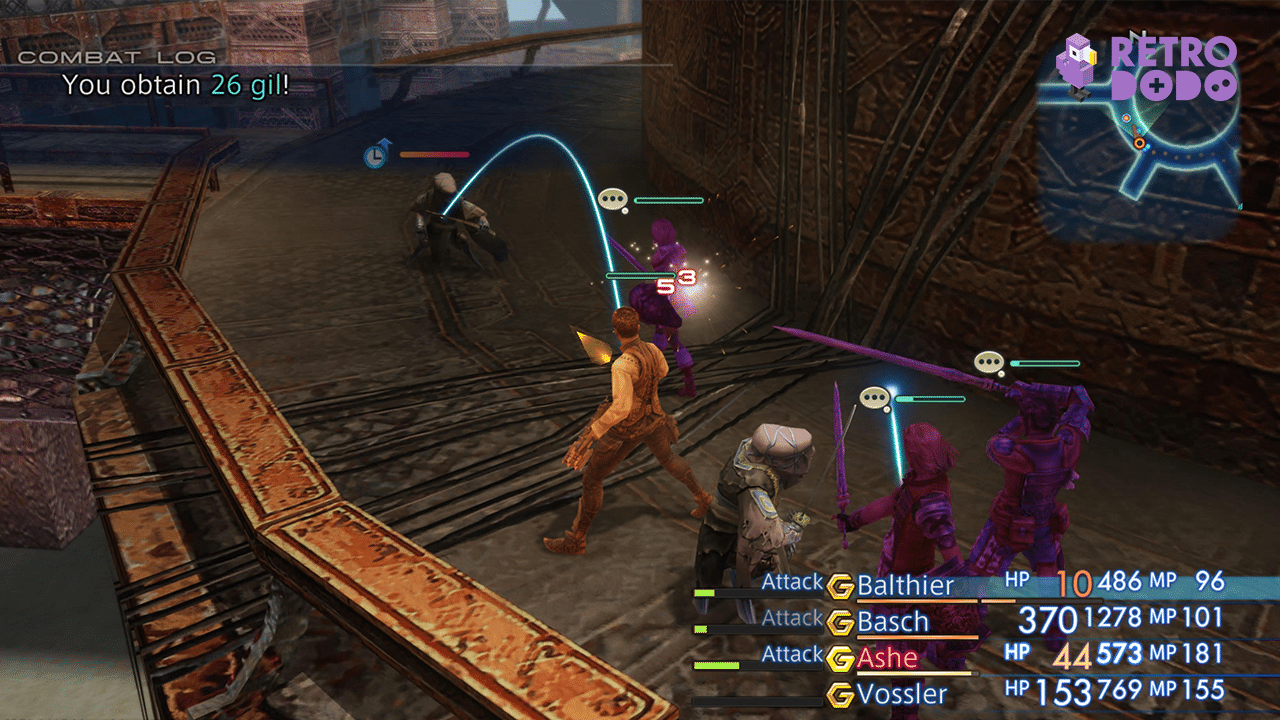
Final Fantasy XII (2006) represented a significant departure for the venerable Final Fantasy series, introducing a more open-world structure and a real-time combat system that deviated from the franchise’s turn-based roots. Set in the war-torn land of Ivalice, the story follows Vaan, a young thief who becomes embroiled in a political conflict between warring nations.
The game’s "Gambit" system allowed players to pre-program the AI behavior of their party members, creating intricate battle strategies. This offered a unique blend of player control and automated combat. The vast, explorable world of Ivalice, coupled with a mature political narrative and a cast of compelling characters, made FFXII a distinctive entry in the series. Its graphical prowess and innovative gameplay mechanics showcased the PS2’s capabilities, pushing the boundaries of what a Final Fantasy game could be.
Arc The Lad: Twilight of the Spirits (2003): Tactical Prowess in a Divided World
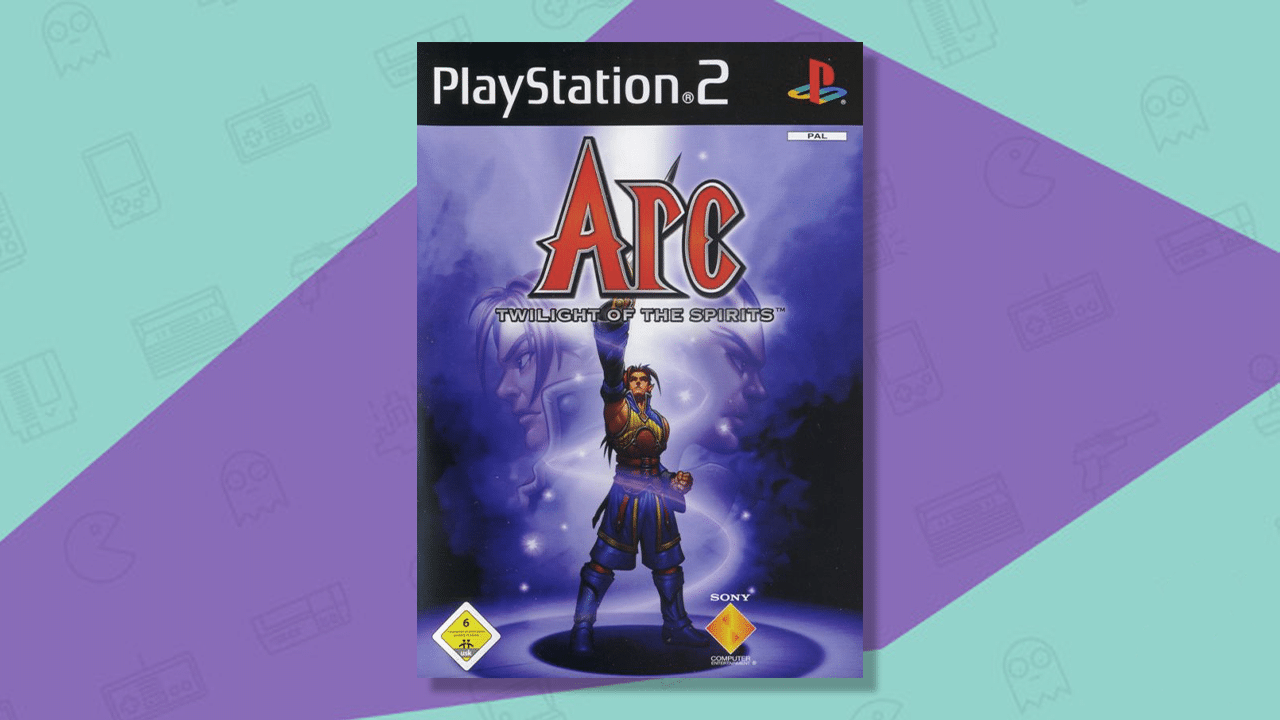
Arc The Lad: Twilight of the Spirits (2003) is a tactical RPG that offered a deep and engaging experience on the PS2. Set in a world divided between two races, the humans and the Deimos, the story unfolds as a conflict erupts over a powerful spiritual stone. Players control two protagonists, each from a different race, whose paths eventually intertwine.
The game’s strength lies in its grid-based tactical combat, where positioning, unit abilities, and environmental factors play crucial roles. The relatively small party size kept the strategic elements focused and manageable, allowing players to master each character’s unique skills. The narrative explored themes of prejudice and conflict, offering a more mature and thought-provoking storyline. Its intricate battle system and compelling plot made it a standout title for fans of strategy-oriented RPGs.
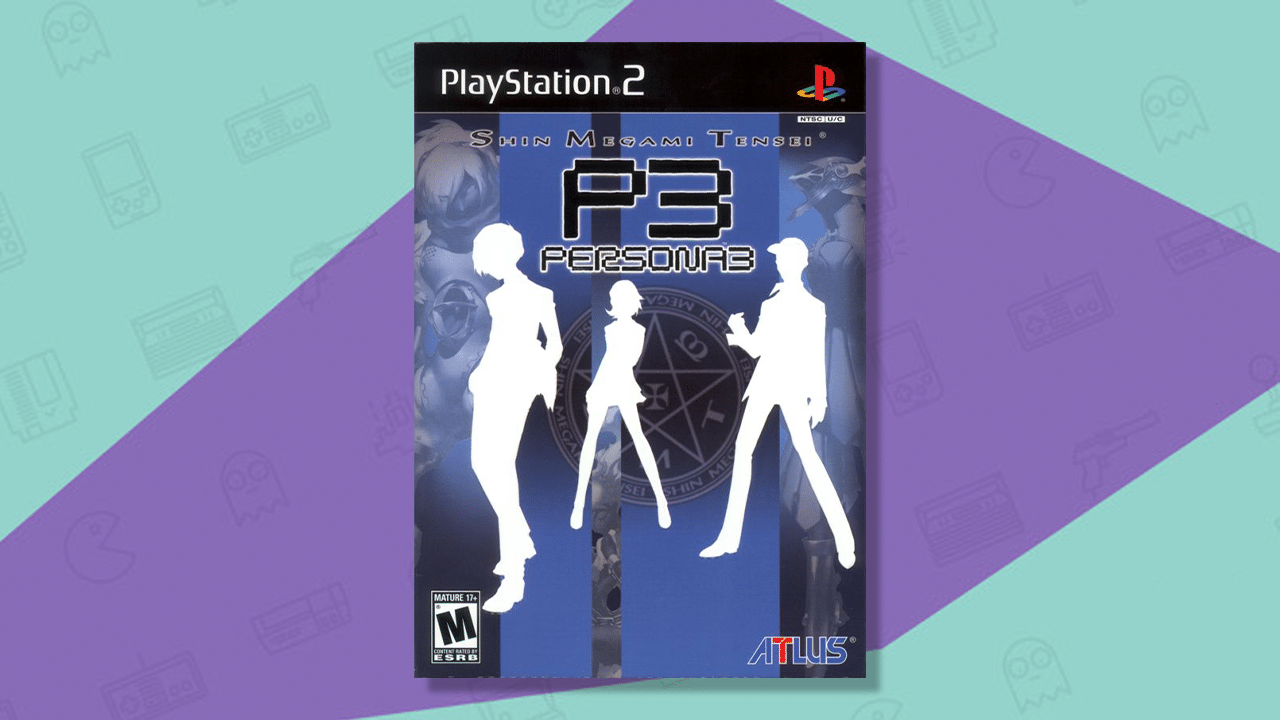
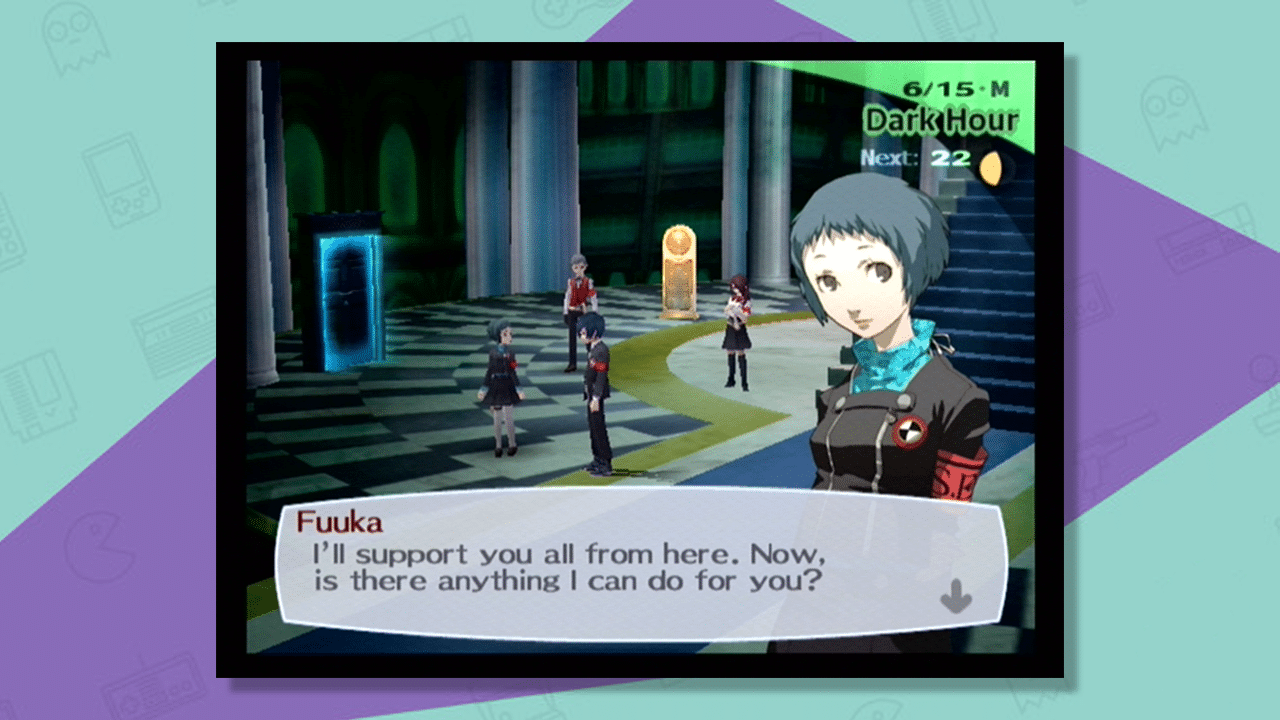
Persona 3 (2006): The Dark Hour and the Power of Personas
Persona 3 (2006) further cemented the Persona series’ unique identity within the RPG landscape. Players take on the role of a transfer student who discovers the existence of the "Dark Hour," a hidden hour between one day and the next, where monstrous "Shadows" roam. Awakening to the power of "Personas"—manifestations of their inner psyche—players join the Specialized Extracurricular Execution Squad (SEES) to combat these creatures.
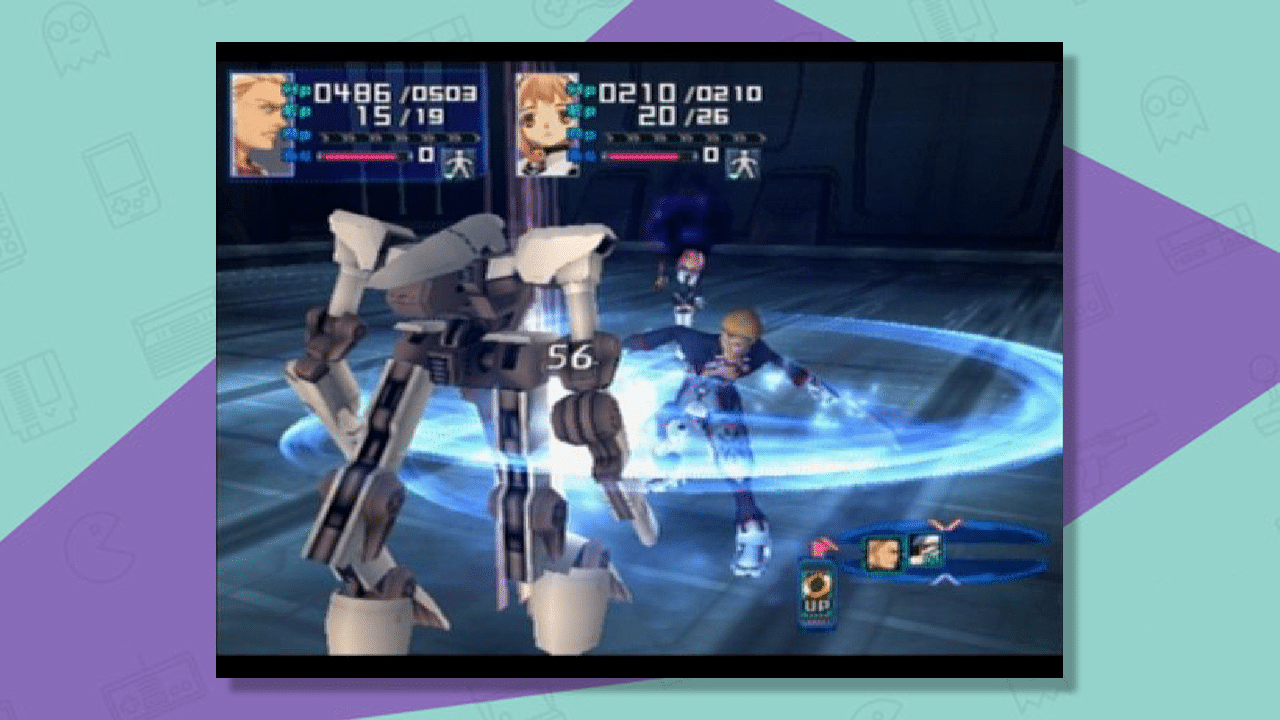
The game masterfully blends high school life simulation with dungeon crawling. Players must attend classes, build social links with other characters, and manage their daily lives, all while preparing for the nightly battles within the enigmatic "Tartarus" tower. The turn-based combat system is strategic, requiring players to effectively utilize their Personas and their allies’ abilities. Persona 3 is lauded for its emotional depth, mature themes, and unforgettable soundtrack, making it a deeply impactful experience.
Tales of Symphonia (2004): A Tale of Two Worlds
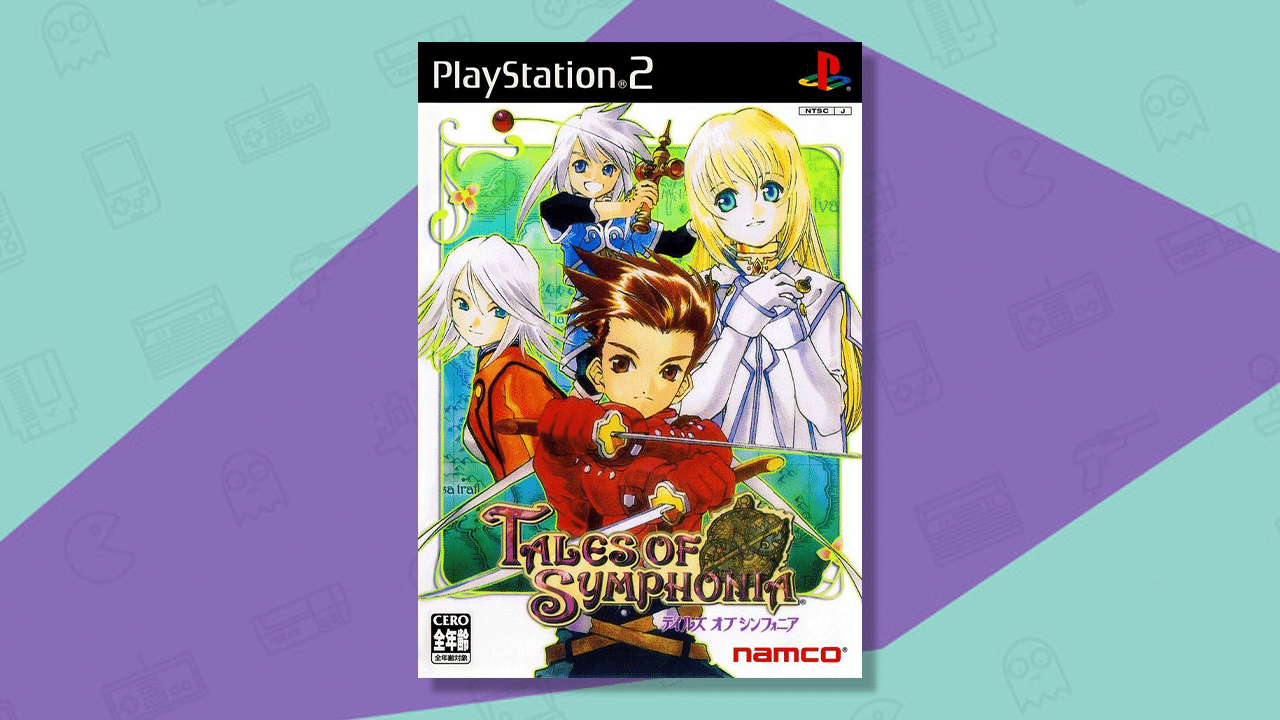
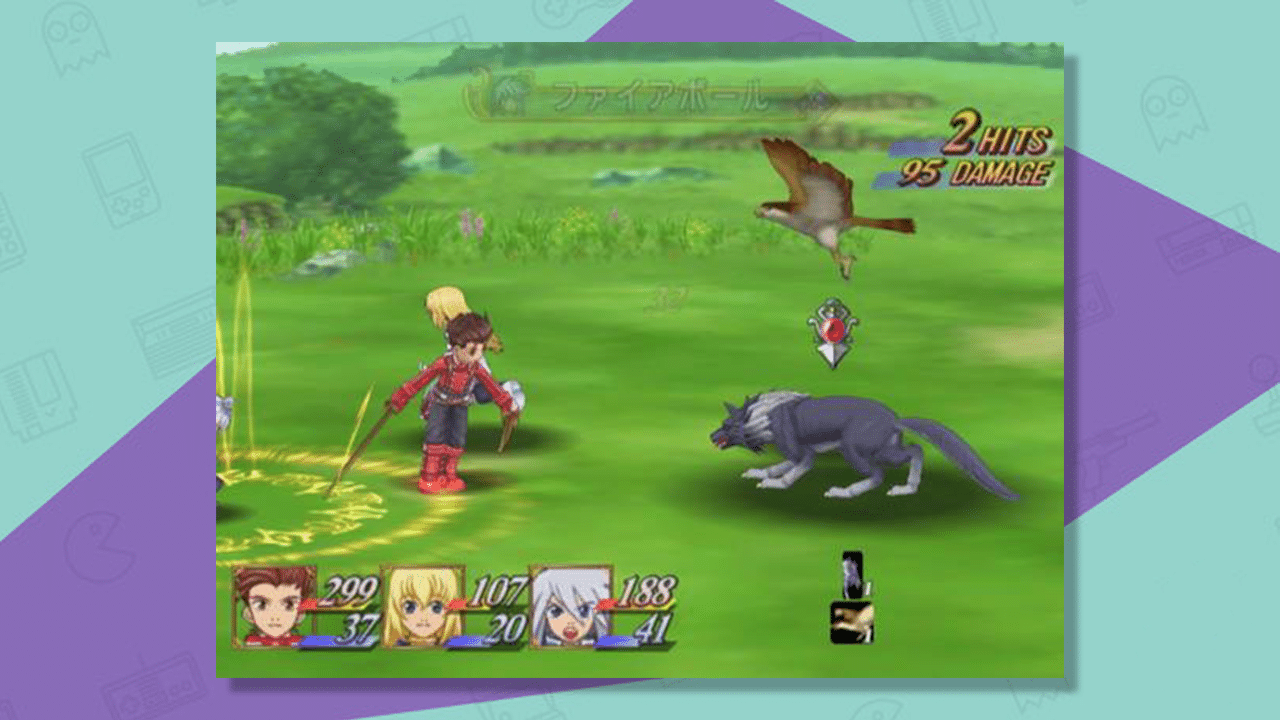
Tales of Symphonia (2004), available on both GameCube and PS2, is a celebrated entry in the long-running Tales series. It features a vibrant, anime-inspired art style and a compelling narrative that sees protagonist Lloyd Irving embarking on a journey to save the world of Sylvarant, only to discover that his actions have profound consequences for a parallel world.
The game’s combat system, known as the "Linear Motion Battle" system, offers real-time action with a side-view perspective. Players can execute combos, spells, and special attacks, creating dynamic and engaging battles. The narrative explores themes of sacrifice, environmentalism, and the interconnectedness of worlds, offering a rich and complex story. Its blend of engaging combat, memorable characters, and a thought-provoking plot made Tales of Symphonia a beloved classic.
Dragon Quest VIII – Journey of the Cursed King (2004): A Grand Adventure in 3D
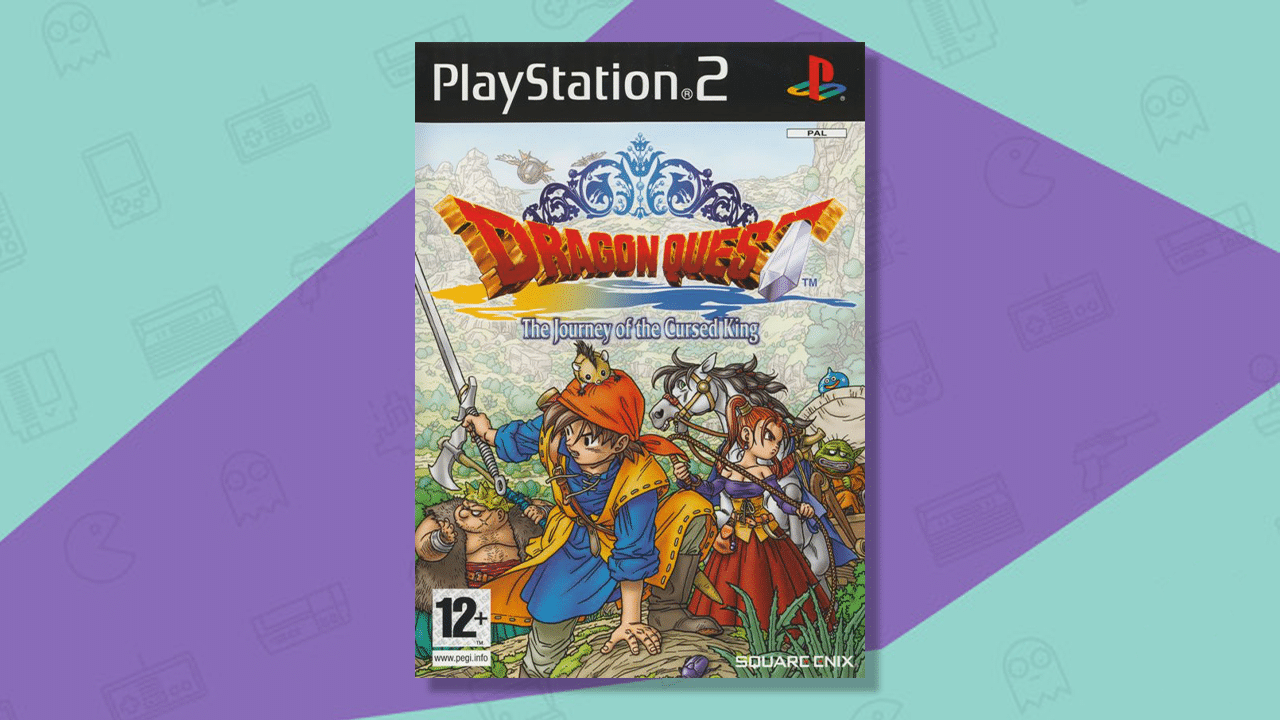
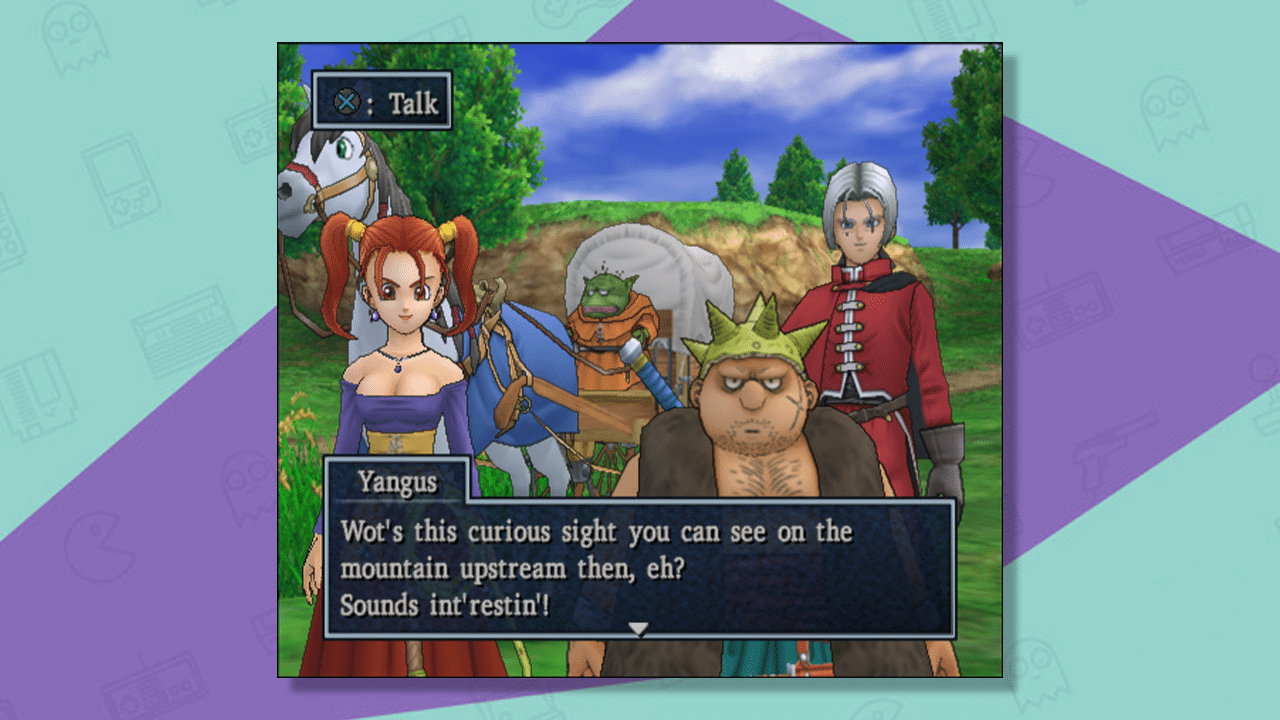
Dragon Quest VIII – Journey of the Cursed King (2004) was a monumental release for the Dragon Quest series, marking its first foray into fully 3D environments. Developed by Level-5 in collaboration with Square Enix, the game presented a vast, cel-shaded world inspired by the art style of Akira Toriyama, the creator of Dragon Ball.
The story follows a silent protagonist, the only survivor of a cursed kingdom, who teams up with a pirate and a princess to defeat the jester Dhoulmagus. DQVIII retained the series’ signature turn-based combat, offering a traditional yet refined experience. Its emphasis on exploration, character progression, and a charming, epic narrative made it a standout title. The game’s impressive visuals and expansive world demonstrated the PS2’s graphical capabilities, offering players an immersive adventure that felt both classic and modern.
Kingdom Hearts II (2005): A Disney-Final Fantasy Crossover Masterpiece
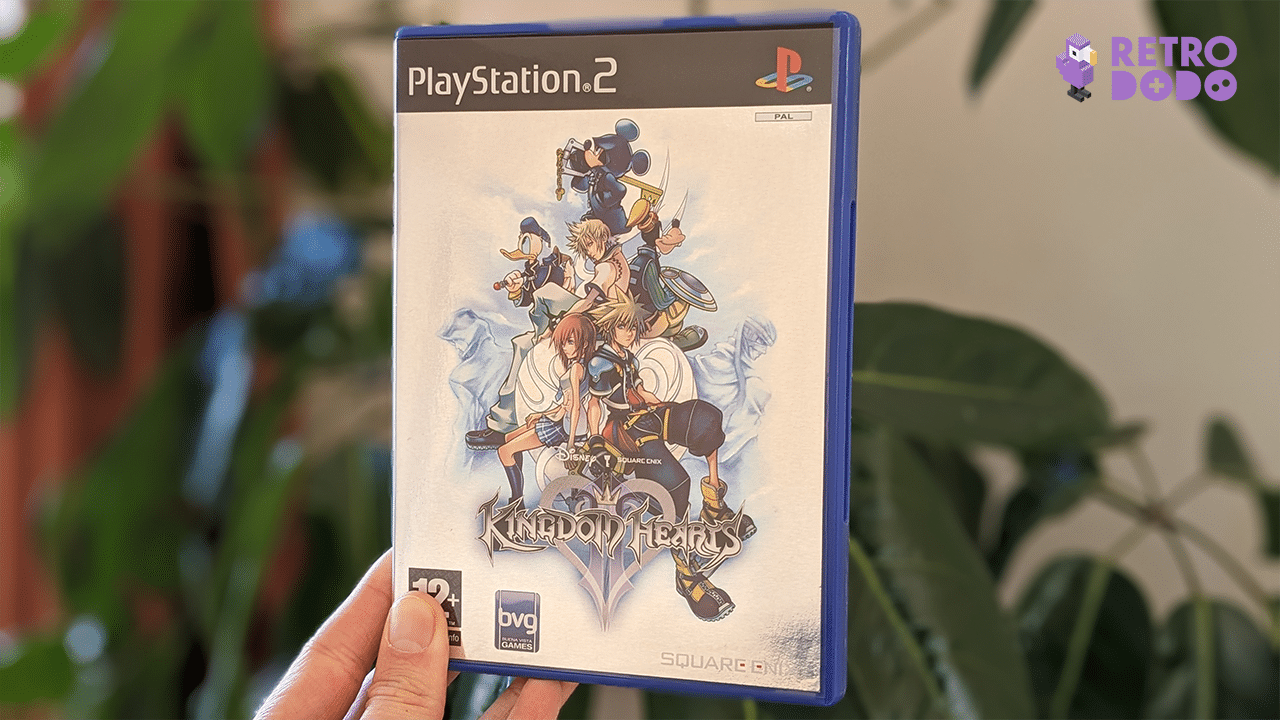
Kingdom Hearts II (2005) continued the beloved crossover between Disney and Final Fantasy, offering a grand adventure filled with iconic characters and worlds. Players reprise their role as Sora, the Keyblade wielder, as he journeys through various Disney-themed universes to combat the encroaching darkness of the Heartless and Organization XIII.
The game refined the action RPG combat system from its predecessor, introducing new abilities, magic spells, and the "Drive Form" mechanic, which allowed Sora to temporarily transform and gain new combat advantages. The narrative expanded upon the established lore, delving deeper into the origins of the characters and the overarching conflict. With its charming presentation, engaging gameplay, and a nostalgic appeal for fans of both Disney and Final Fantasy, Kingdom Hearts II became a commercial and critical success, solidifying its place as a must-play PS2 RPG.
Rogue Galaxy (2005): Space Pirates and Interstellar Adventures
Rogue Galaxy (2005) offered a unique space-faring RPG experience, blending elements of sci-fi adventure with traditional RPG mechanics. Players control Jaster Rogue, a young man from a desolate planet who dreams of becoming a legendary space pirate. The game features real-time combat, extensive weapon customization, and a vibrant, expansive universe to explore.
The combat system is fast-paced and action-oriented, with players able to switch between party members on the fly and utilize a variety of weapons and abilities. The "D Roosevelt" system allows players to forge weapons by combining different materials, adding a deep layer of customization. The game’s emphasis on exploration, its compelling narrative about seeking fortune and adventure across the galaxy, and its unique visual style made it a memorable title for PS2 owners.
Breath of Fire: Dragon Quarter (2002): A Dark and Unique Take on the Series
Breath of Fire: Dragon Quarter (2002) presented a significant departure for the long-running Breath of Fire series, opting for a darker tone and a more unconventional gameplay structure. Set in a subterranean world where humanity lives in a desolate, labyrinthine society known as "Deep Earth," the story follows Ryu, who discovers his latent ability to transform into a dragon.
The game introduced a unique "Stamina" system for combat and exploration, where actions consumed stamina, encouraging strategic decision-making. The "D-Tune" system allowed Ryu to sacrifice levels for powerful dragon abilities, adding a risk-reward element to character progression. The game’s challenging difficulty and its somber, philosophical narrative explored themes of despair and the pursuit of hope, offering a stark contrast to the brighter adventures of previous Breath of Fire titles.
Champions: Return to Arms (2005): Building on a Legacy of Hack-and-Slash
Champions: Return to Arms (2005) is the sequel to the popular dungeon-crawler Champions of Norrath. This action RPG allowed players to choose from seven playable races and classes, each with unique abilities and combat styles. Set in the Planes of Power, the game tasked players with collecting fragments of a shattered evil entity to prevent its return.
The game’s core gameplay loop involved exploring dungeons, battling hordes of enemies in real-time combat, and collecting loot to upgrade equipment. A key feature was its morality system, which allowed players to make choices that influenced their alignment and the game’s ending. The inclusion of cooperative multiplayer was a significant draw, allowing up to four players to team up for epic battles, further enhancing the game’s replayability and social appeal.
Marvel Ultimate Alliance (2006): A Superpowered RPG Experience
Marvel Ultimate Alliance (2006) brought the iconic Marvel Universe to the PS2 in an action RPG format. Players could assemble a team of their favorite Marvel superheroes, including members of the Avengers and X-Men, to battle a sinister plot orchestrated by Doctor Doom and the Masters of Evil.
The game featured real-time combat, with each hero possessing unique abilities and special attacks. Players could switch between team members on the fly, coordinating their efforts to overcome formidable foes. The ability to unlock different hero costumes and upgrade their skills added a layer of RPG progression. The game’s narrative offered branching paths and multiple endings based on player choices, encouraging replayability and allowing fans to experience different outcomes for their favorite heroes.
Conclusion: The Enduring Legacy of PS2 RPGs
The PlayStation 2’s RPG library represents a golden era for the genre. From the innovative town-building of Dark Cloud 2 to the epic narratives of Final Fantasy X and Xenosaga, and the unique mechanics of Persona and Shin Megami Tensei, these games pushed the boundaries of interactive storytelling and gameplay. Their enduring popularity is a testament to their quality, creativity, and the profound impact they had on a generation of gamers. These titles not only defined the RPG landscape of the early 2000s but continue to be celebrated and revisited, solidifying their place in gaming history.








