Hartono Sudibyo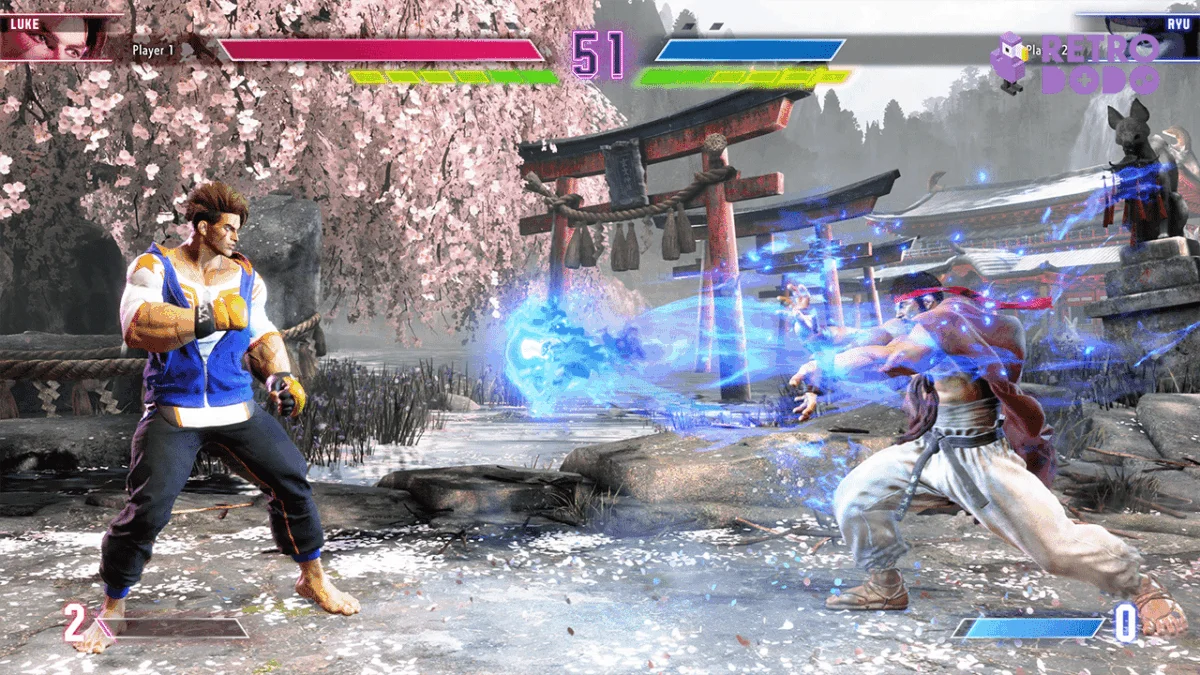
Compiling a definitive list of the best Street Fighter games is a complex undertaking, fraught with the weight of nearly four decades of iconic digital combat. Since its inception in 1987, the series has not only defined a genre but has also become deeply embedded in the cultural fabric of gaming. The true explosion in popularity, however, arrived with the 1991 release of its legendary sequel, Street Fighter II. This pivotal title became a cultural phenomenon, its impact resonating through arcades, living rooms, and the nascent world of competitive gaming.

Over the years, generations of players have been introduced to the Street Fighter universe at different junctures, leading to a rich tapestry of personal favorites. Nostalgia often plays a significant role, intertwining with the undeniable quality and innovation that Capcom has consistently strived for with each new installment. Despite occasional controversial decisions, Capcom has maintained an exceptionally high standard for gameplay mechanics and feature sets, ensuring the series remains a prominent fixture in the gaming community. This enduring relevance has been further amplified by the meteoric rise of esports and competitive gaming, where the Street Fighter scene thrives on intense camaraderie, fierce rivalries, and dramatic showdowns, mirroring the very essence of the games themselves.
This ranking has been meticulously curated through an analysis of various critical reviews, fan consensus data, and historical significance. It aims to reflect a general agreement among audiences and critics, deliberately excluding crossover titles, even those bearing the Street Fighter name, such as the highly regarded Tatsunoko vs. Capcom: Ultimate All Stars. This focus ensures the list represents the core evolution and impact of the main Street Fighter lineage.
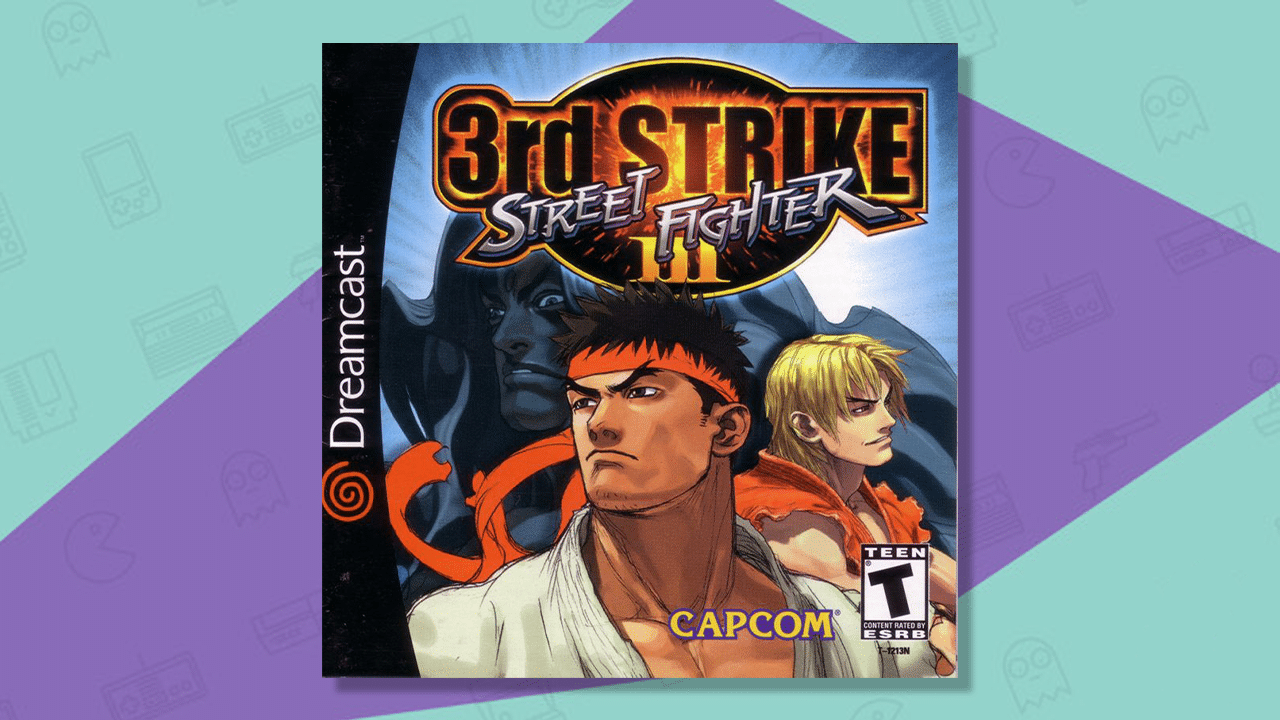
Street Fighter III: 3rd Strike (1999)
When Street Fighter III finally arrived in 1997, it was met with the immense expectation of being the true successor to the unparalleled Street Fighter II. Capcom, true to form, delivered a title that would, over time, be recognized as the gold standard for fighting games. 3rd Strike, the third iteration of Street Fighter III following the original and 2nd Impact, was a refinement that pushed the boundaries of 2D fighting. While its contemporary critical reception was somewhat muted, this was largely attributed to a prevailing sentiment at the time that 2D gaming was becoming passé.
However, history has proven otherwise. Street Fighter III: 3rd Strike is now universally acclaimed as one of the greatest fighting games of all time, and for many, the pinnacle of the Street Fighter series. Its legacy is indelibly linked to one of the most iconic moments in competitive gaming history: the "Evo Moment #37," also known as the "Daigo Parry." This legendary defensive maneuver, executed by Daigo Umehara against Justin Wong at the 2004 Evolution Championship Series, is credited with revitalizing the then-struggling fighting game community and demonstrating the incredible depth and excitement of high-level play.
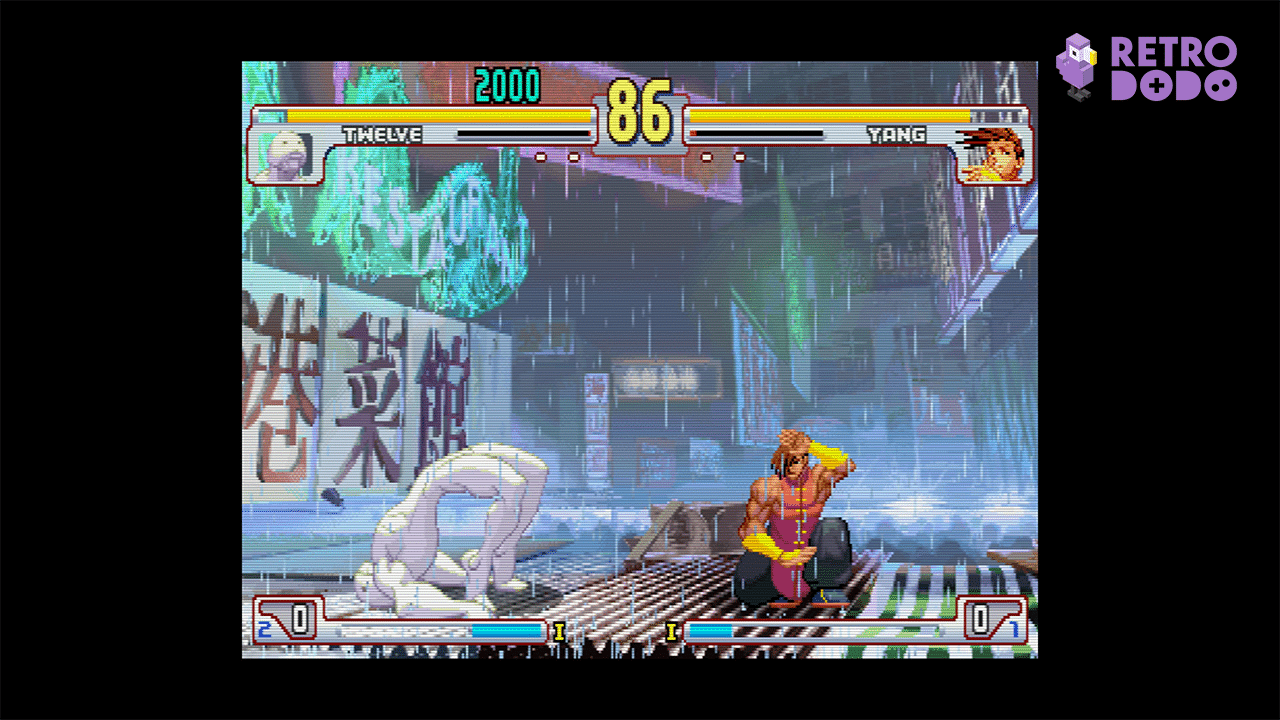
More than two decades after its release, 3rd Strike‘s sprite art remains breathtaking, its balance is masterful, and its gameplay mechanics are still lauded. The game represents a towering achievement by Capcom, a testament to their dedication to the fighting game genre that continues to impress and inspire.
Ultra Street Fighter IV (2014)
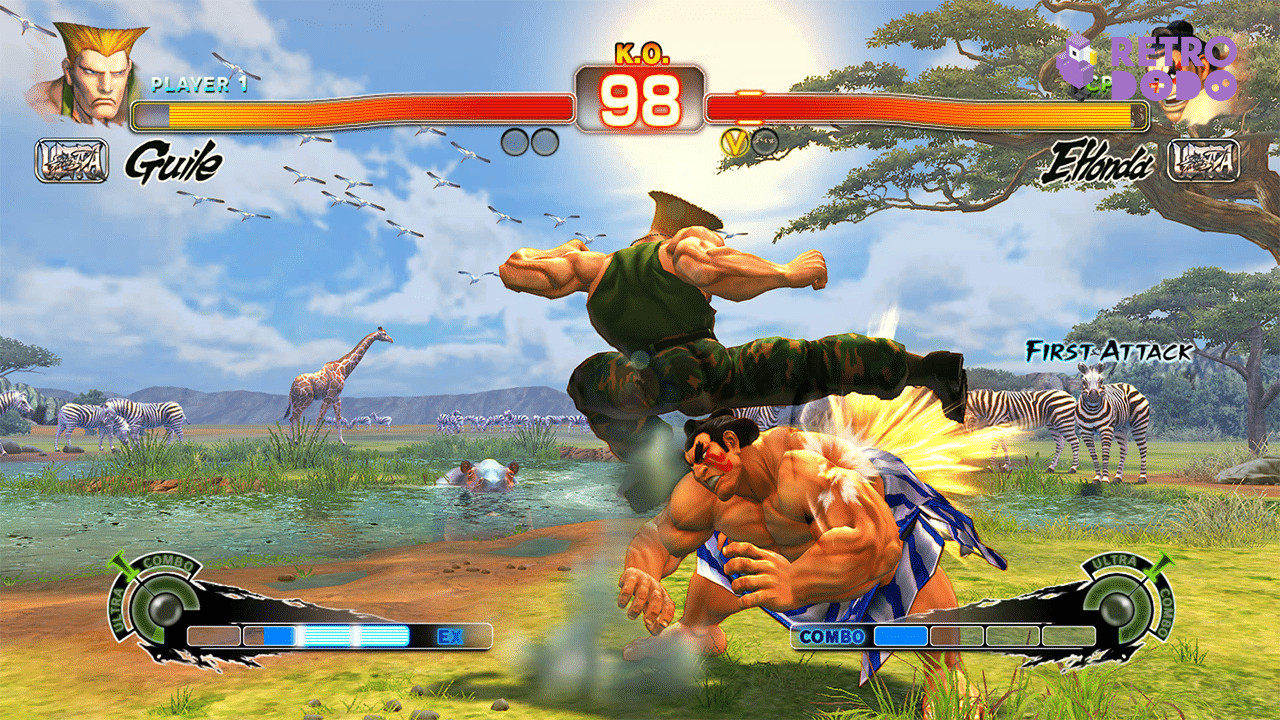
While Street Fighter IV debuted in 2008, marking Capcom’s triumphant return to the 2D fighting space after an eleven-year hiatus since Street Fighter III, it was the release of Ultra Street Fighter IV six years later that truly cemented its place in fighting game history. This definitive version of Street Fighter IV is widely regarded as one of the finest beat ’em ups ever created. It took the already robust foundation of Street Fighter IV and elevated it with unparalleled balance, the addition of five new characters, and entirely new fighting mechanics, pushing the experience to its zenith.
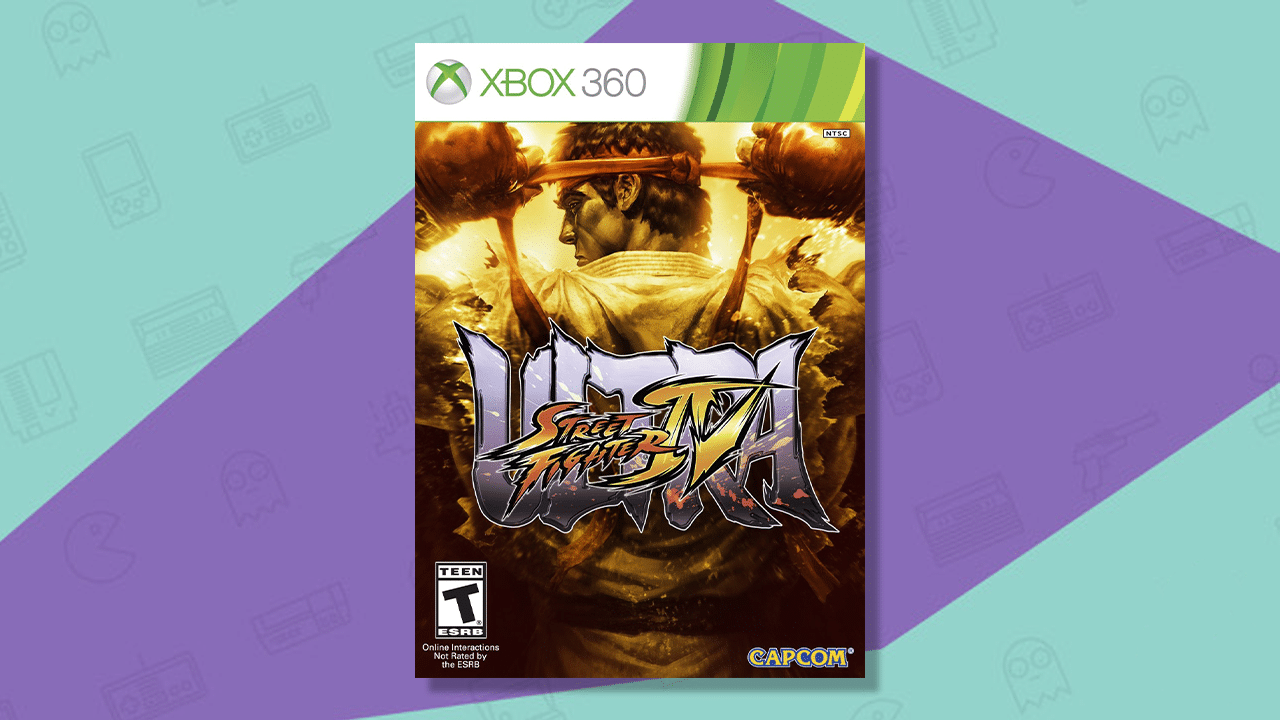
Ultra Street Fighter IV is a prime example of Capcom’s commitment to iterative improvement and community engagement. The game’s extensive roster, refined mechanics, and deep strategic possibilities made it a favorite among both casual players and seasoned competitors. Its longevity in the competitive scene is a testament to its robust design and the constant evolution of its meta-game. The "Ultra" edition provided a comprehensive and satisfying conclusion to the Street Fighter IV era, offering a wealth of content and refined gameplay that appealed to a broad spectrum of players.
Street Fighter Alpha 3 (1998)
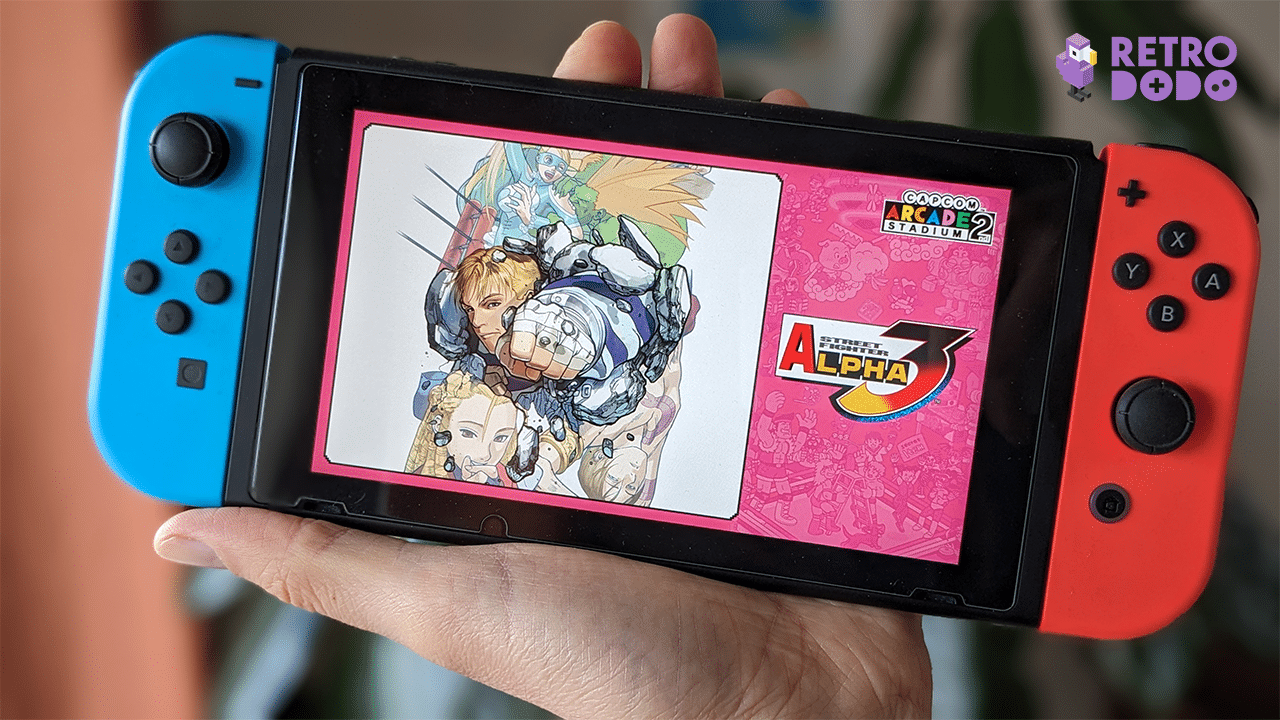
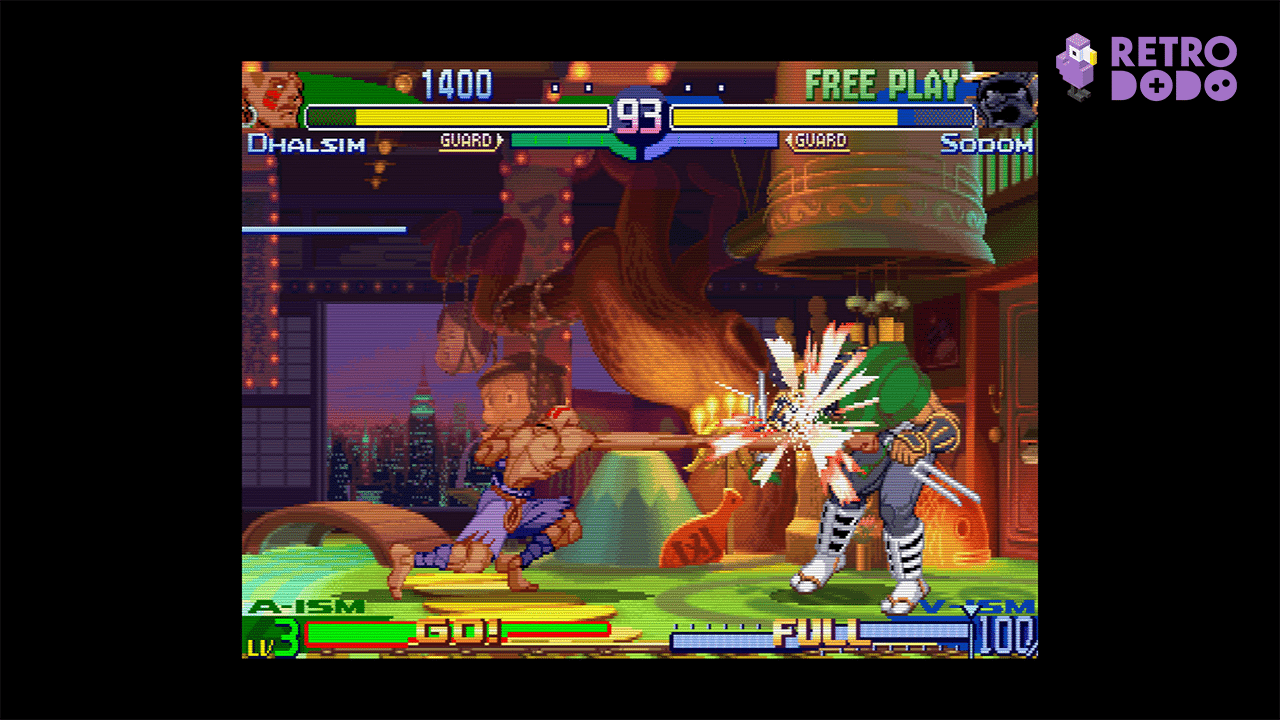
The Street Fighter Alpha sub-series introduced a distinct visual style and expanded the lore between Street Fighter and Street Fighter II. Street Fighter Alpha 3 stands as the crowning achievement of this lineage. This installment distinguished itself by introducing the innovative "ism" system, allowing players to choose from three distinct fighting styles: A-ism, X-ism, and V-ism. Each style dramatically altered the gameplay, offering a unique set of mechanics, super combos, and defensive options, thereby adding a profound layer of personalization and strategic depth.
This customization ensured that players could tailor the experience to their preferred playstyle, enhancing replayability. Alpha 3 also boasted an expansive roster, bringing back all characters from the previous two Alpha titles and introducing even more fighters drawn from the broader Street Fighter and Final Fight universes. The various home console ports further enriched the experience, often adding exclusive characters and modes tailored to specific platforms. The critical and commercial success of Street Fighter Alpha 3, coupled with its wealth of content, solidifies its position as a fitting and celebrated swansong for the Alpha series.
Super Street Fighter II Turbo (1994)
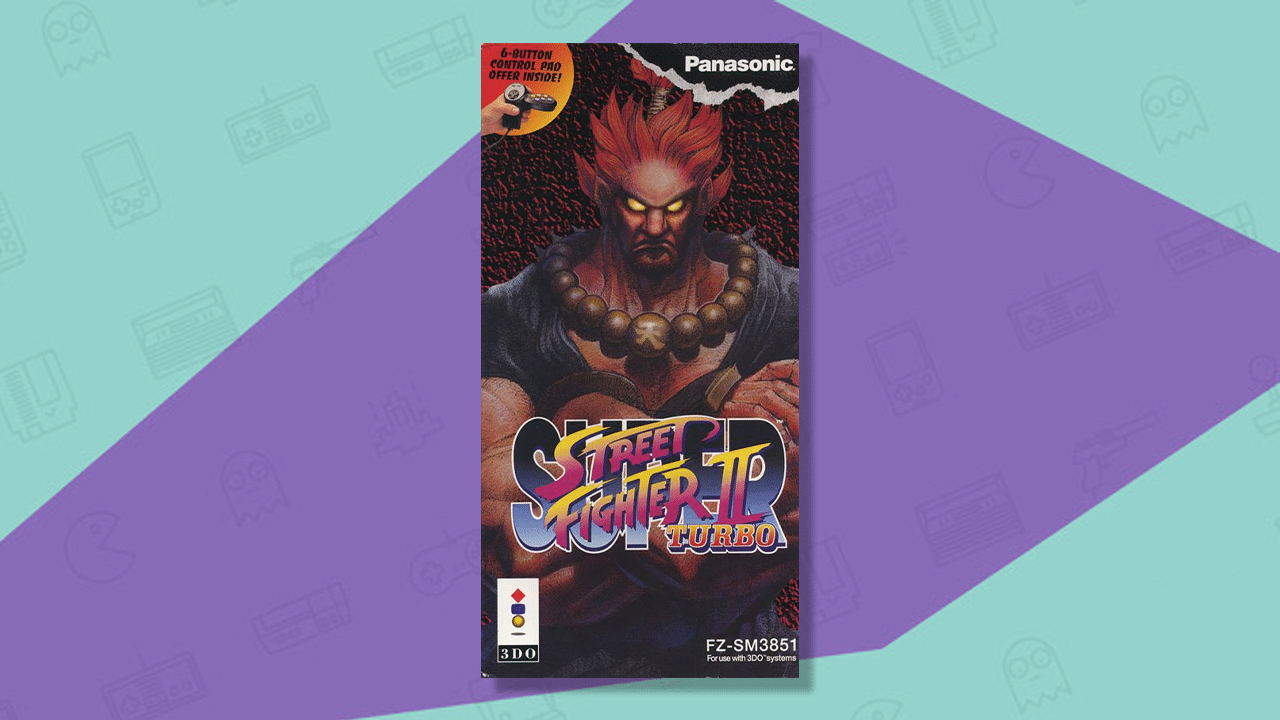
Capcom’s relentless pursuit of perfection in the Street Fighter II formula led to a series of increasingly refined iterations. Super Street Fighter II was a significant leap, introducing four new characters to the original roster and incorporating new moves that enhanced the gameplay. It was a strong contender for the ultimate Street Fighter II experience. However, it was Super Street Fighter II Turbo that truly reached legendary status. Released in 1994, this iteration was so well-received that it remains a staple in competitive tournaments even today.
The introduction of Super Combos and air combos added a new dimension of offensive and defensive strategy, while the inclusion of the secret character Akuma—an immensely powerful fighter often banned in competitive play due to his overwhelming strength—added an element of intrigue and challenge. The 3DO port, despite some minor graphical concessions and occasional lag due to CD loading, was remarkably advanced for its time, showcasing the game’s enduring appeal across various platforms. Super Street Fighter II Turbo is widely recognized as a landmark title that refined the core Street Fighter II gameplay to an art form, setting a benchmark for fighting games for years to come.
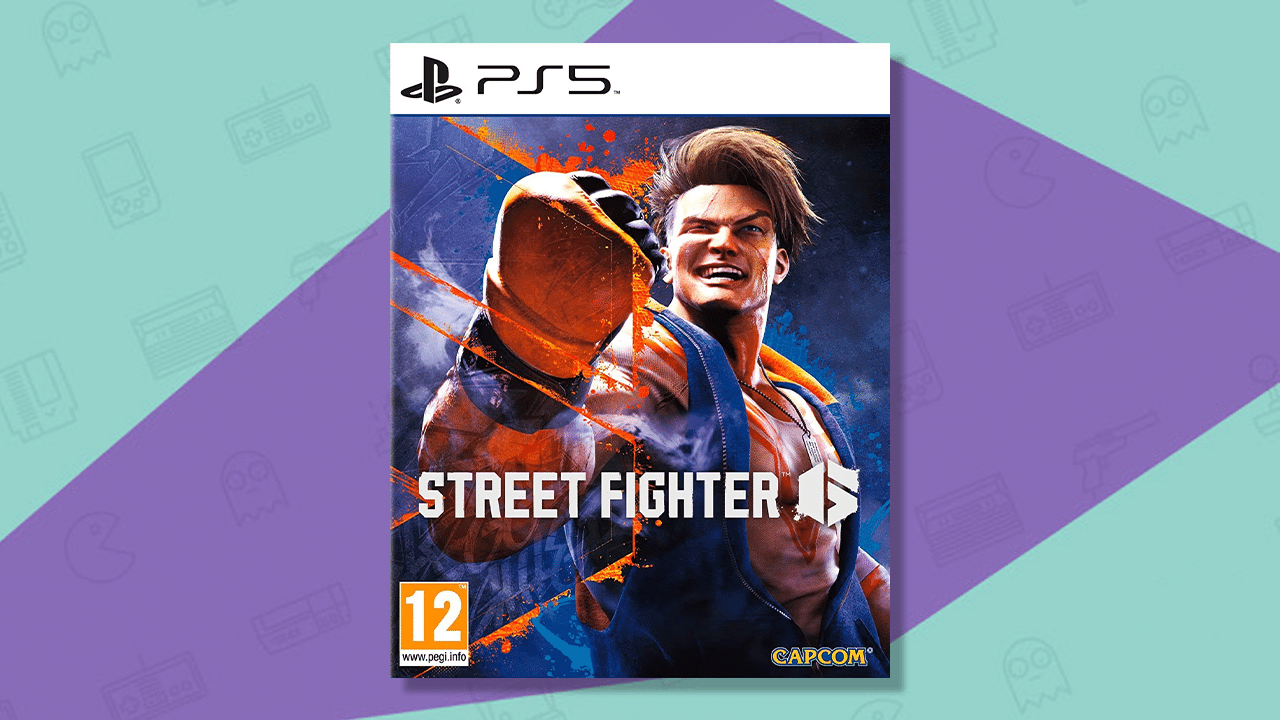
Street Fighter 6 (2023)
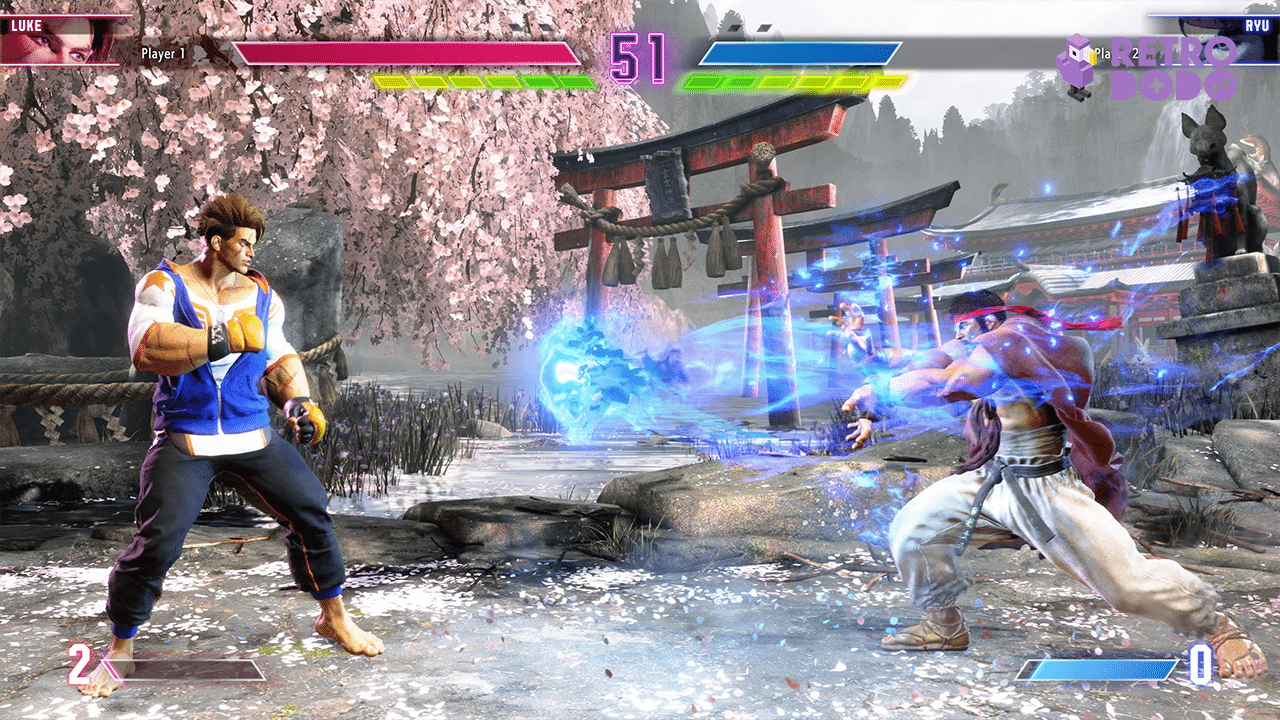
The latest evolution in the storied franchise, Street Fighter 6, represents a bold and visually stunning new chapter. Powered by Capcom’s formidable RE Engine, the same technology that brought the Resident Evil series into the realm of photorealism, Street Fighter 6 delivers exceptional visual fidelity. Redesigned characters boast incredibly fluid animations, vibrant stages teem with life, and a spectacular array of visual effects pack a significant punch, creating an immersive and dynamic combat experience.
Beyond its graphical prowess, Street Fighter 6 introduces innovative gameplay modes that cater to both new and veteran players. The much-lauded "World Tour" mode allows solo players to create a custom fighter and embark on an expansive journey through a living, breathing world, battling iconic characters from the series’ rich history. This mode is filled with intricate details and a generous dose of classic Street Fighter humor, even incorporating character-specific moves for environmental traversal, such as using Chun-Li’s Spinning Bird Kick to clear obstacles. This blend of cutting-edge presentation, engaging single-player content, and refined fighting mechanics has quickly positioned Street Fighter 6 as a critical and commercial success, reaffirming the franchise’s relevance in the modern gaming landscape.
Street Fighter V: Arcade Edition (2018)
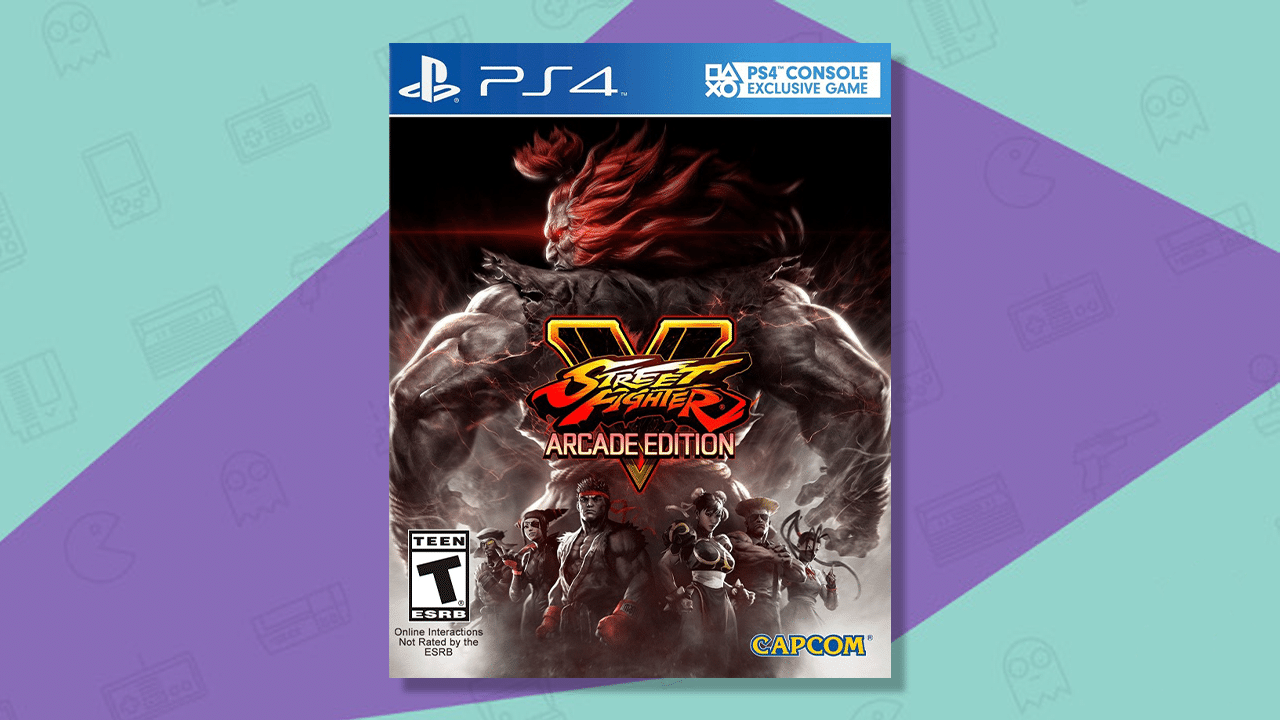
The initial release of Street Fighter V in 2016 faced considerable criticism for its perceived lack of single-player content and unstable online performance. This was a significant issue for a series that had transitioned from arcade-centric local play to the demands of online competition. However, the release of Street Fighter V: Arcade Edition two years later marked a substantial course correction. This expanded version bundled all downloadable content characters from the first two seasons, effectively doubling the base roster from sixteen to twenty-eight characters.
The Arcade Edition also introduced new V-Trigger moves and other gameplay enhancements, vastly improving the overall experience compared to the initial launch. Despite being arguably superseded by the later Street Fighter V: Champion Edition (2020), the Arcade Edition remains the most critically acclaimed of the three major iterations of Street Fighter V. Its position in this ranking is somewhat tempered by the controversial inclusion of in-game advertising, which was introduced late in 2018. This monetization strategy drew significant criticism from the gaming press and player base alike, impacting its overall reception despite the game’s inherent quality and depth.
Street Fighter Alpha 2 (1996)
Building upon the foundation of its predecessor, Street Fighter Alpha 2 refined the Alpha series’ signature style and introduced key gameplay innovations. While retaining many of the features from the first Alpha game, it notably replaced the Chain Combo system with the more dynamic Custom Combo system. This allowed for extended, personalized attack sequences, adding a new layer of strategic depth to the combat.
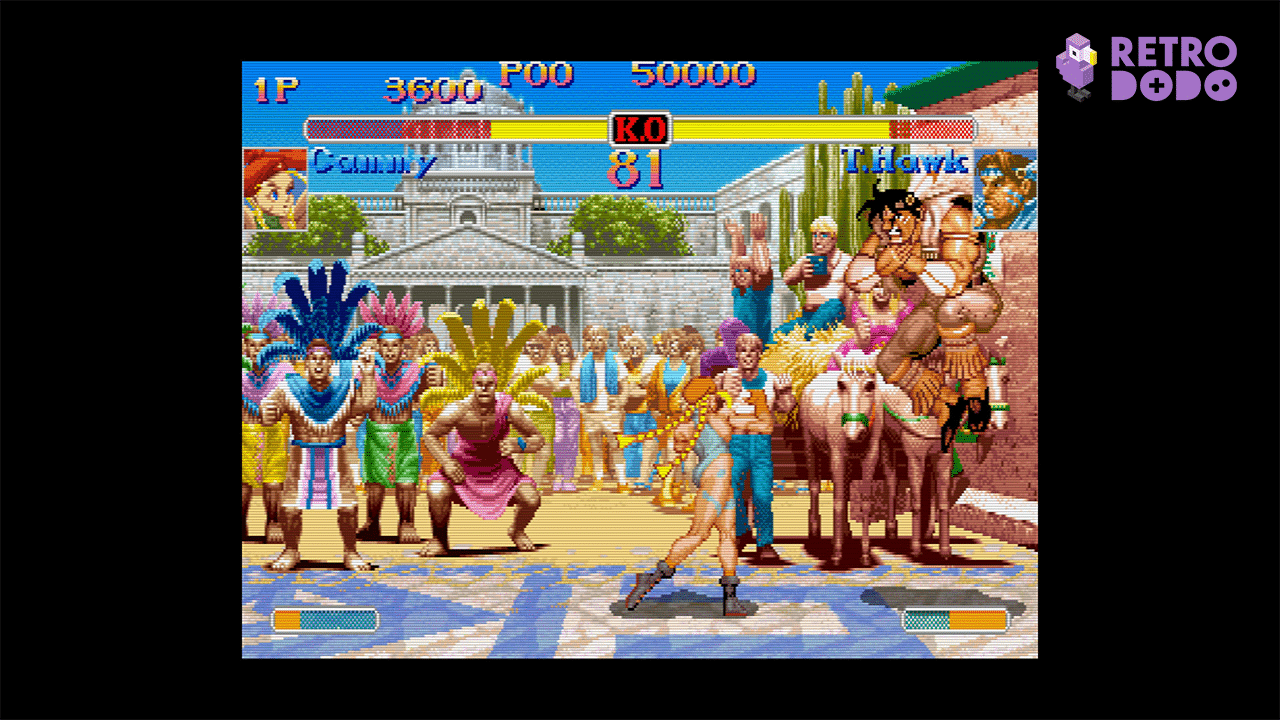
The roster saw a welcome expansion, with the return of fan-favorite characters like Dhalsim and Zangief from Street Fighter II, alongside characters from the original Street Fighter and Final Fight. A significant addition was the introduction of Sakura, a high-school student inspired by Ryu, who quickly became a beloved character in her own right. The game’s blend of refined mechanics, an expanded roster, and its vibrant, manga-inspired art style made Street Fighter Alpha 2 a critical and commercial success, further solidifying the Alpha series’ place in the Street Fighter canon.
Street Fighter II: Hyper Fighting (1992)
The unparalleled success of Street Fighter II spawned numerous official revisions, each introducing gameplay enhancements and new features. This era also saw a proliferation of unofficial "hacks" and bootleg versions, many of which significantly altered the game’s speed and mechanics, sometimes to a comical degree. Street Fighter II: Hyper Fighting, released in 1992, was Capcom’s direct response to these super-fast bootlegs.
Following Street Fighter II: Champion Edition—which made the boss characters playable and allowed for mirror matches—Hyper Fighting drastically increased the game’s speed, introduced new default costume colors for all characters, and added at least one new move per character (with notable exceptions to maintain balance). This resulted in a faster, more aggressive gameplay experience that demanded quicker reflexes and more precise execution. Street Fighter II Turbo, the Super Nintendo version of Hyper Fighting, is a highly regarded iteration, and the Genesis/Mega Drive’s Street Fighter II: Special Champion Edition can also be played using the Hyper Fighting ruleset, underscoring its significant impact on the Street Fighter II experience.
Street Fighter Alpha (1995)
Street Fighter Alpha, released in 1995, marked a stylistic departure from the more grounded art of Street Fighter II. It adopted a chunkier, more manga- and anime-influenced art style, reminiscent of other Capcom fighting games like Darkstalkers and X-Men: Children of the Atom. This visual shift was accompanied by a narrative that bridged the gap between the original Street Fighter and Street Fighter II, featuring characters from both titles alongside new additions and characters from the Final Fight series.
The gameplay introduced several pivotal mechanics that would become series staples. The three-level Super Combo Gauge allowed for powerful, cinematic attacks, while Alpha Counters offered a defensive option to punish aggressive opponents. The introduction of playing styles—Normal and Auto—and new techniques like Air Blocking and Chain Combos provided a more dynamic and strategic combat system. While perhaps less refined than its successors, Street Fighter Alpha laid crucial groundwork for the sub-series and demonstrated Capcom’s willingness to experiment with the established Street Fighter formula.
Street Fighter II (1991)
The original Street Fighter II is undeniably one of the most important and influential video games ever created. While later iterations have surpassed it in terms of balance and gameplay features, its impact on the arcade industry and the gaming landscape as a whole cannot be overstated. It was a genuine cultural phenomenon. Its diverse cast of colorful, distinctive characters—each with unique movesets and playstyles—was a significant draw, contributing to the game’s immense appeal.
The introduction of special moves, requiring specific joystick and button combinations, quickly became legendary, sparking a global craze of sharing tips, tricks, and rumors. It seemed that nearly every arcade, shop, and establishment capable of housing one had a Street Fighter II machine, perpetually occupied by players challenging the CPU or engaging in unpredictable matches against human opponents. Street Fighter II achieved a level of universal recognition that few titles have ever reached, becoming a cultural touchstone that transcended the realm of video games. Its impact on the fighting game genre and the broader entertainment industry remains profound.
Street Fighter (1987)
While placing the original Street Fighter at the bottom of this list might seem controversial, it is a testament to the series’ remarkable evolution. The 1987 arcade release was a more basic and limited experience compared to its groundbreaking successors. Notably, it did not allow players to select characters; player one was always Ryu, and player two was Ken. If player two continued playing, they remained Ken until they lost or completed the game, with Ryu always being the default for subsequent playthroughs against CPU opponents.
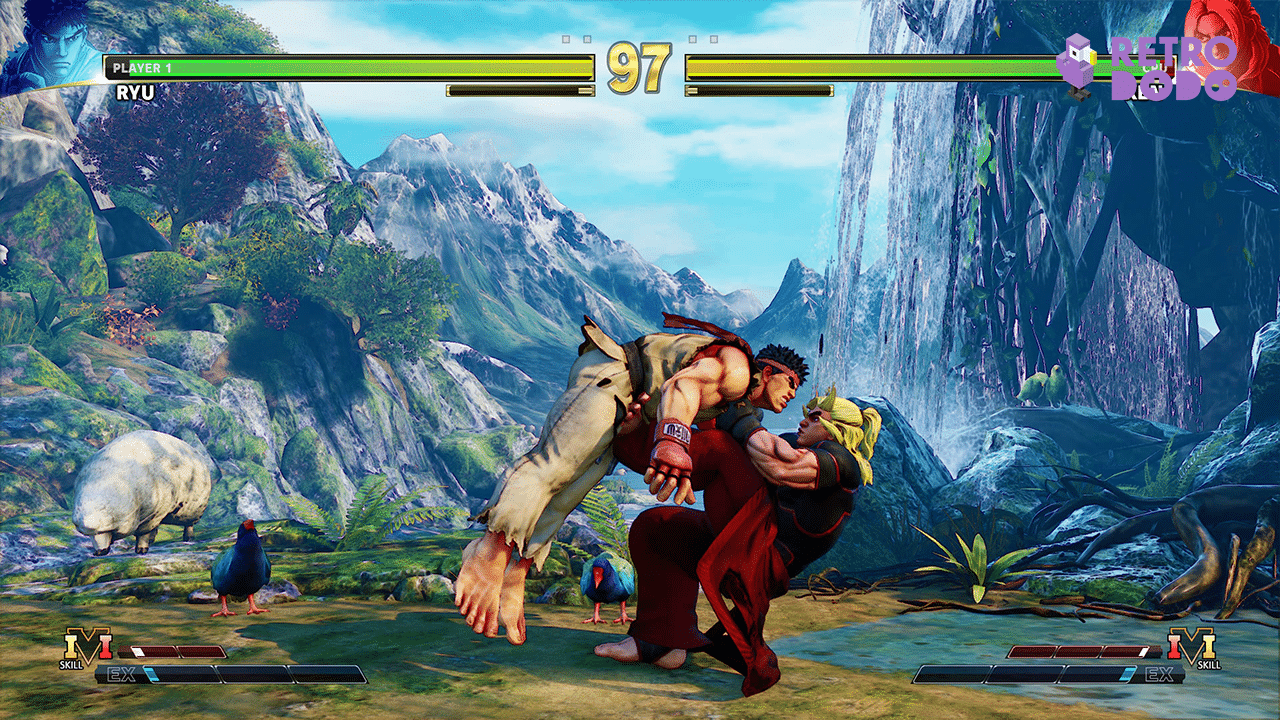
However, the original Street Fighter introduced a key innovation that would define the genre: "secret" moves. These special attacks, executed through elaborate joystick and button combinations, became the cornerstone of fighting games, inspiring a legacy of increasingly complex and layered mechanics. The deluxe arcade cabinet even featured pressure-sensitive rubber pads that increased attack power based on how hard they were pressed, showcasing an early exploration of player input sensitivity. Without this foundational title, the Street Fighter phenomenon and the entire fighting game genre as we know it would not exist.