Hartono Sudibyo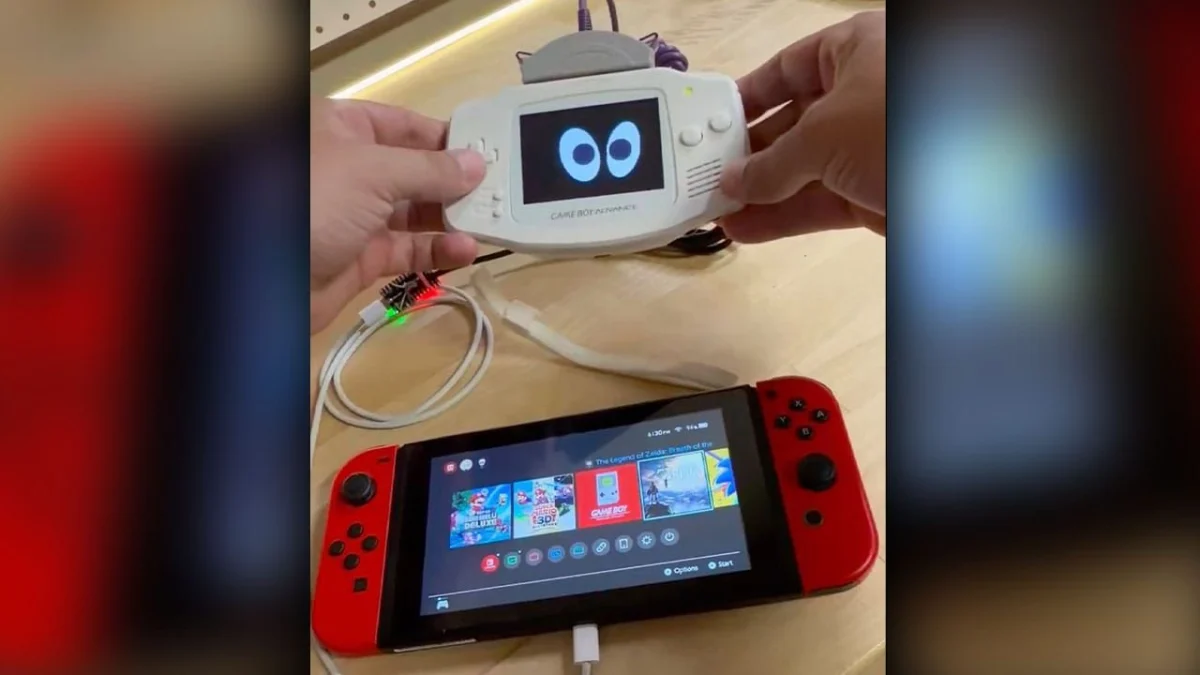
The innovative spirit of retro gaming enthusiasts continues to bridge the past and present, with a remarkable new project resurrecting the iconic Game Boy Advance (GBA) link cable to control the modern Nintendo Switch. Modder Robert Dale Smith has ingeniously repurposed the nearly two-decade-old peripheral, transforming it into a functional controller for current-generation Nintendo titles, including those available on Nintendo Switch Online. This feat not only evokes nostalgia for a generation of gamers but also highlights the enduring ingenuity of hardware modification and the potential for unexpected interoperability between gaming eras.
A Blast from the Past: The Genesis of GBA Connectivity
The original purpose of the GBA link cable was to facilitate multiplayer gaming between two Game Boy Advance systems. This evolved significantly with the release of the Nintendo GameCube and its accompanying Game Boy Player accessory. The GameCube offered a unique form of integration with the GBA, allowing players to use the handheld console as a second screen and controller for specific GameCube titles, most famously The Legend of Zelda: The Wind Waker and Four Swords Adventures. This groundbreaking feature provided an interactive layer, enabling players to manage inventories, solve puzzles, or even control secondary characters directly on the GBA screen while the main gameplay unfolded on television.
This innovative feature was far ahead of its time, foreshadowing concepts that would later become commonplace in the gaming industry. It can be seen as a precursor to Nintendo’s own StreetPass feature on the Nintendo 3DS, which allowed for asynchronous data exchange between consoles, and the Wii U GamePad’s dual-screen functionality. Even the Nintendo Switch, with its emphasis on flexible playstyles and local multiplayer, owes a conceptual debt to the early experiments in integrating handheld and console experiences. The GBA’s role in these early integrations cemented its legacy not just as a standalone handheld, but as a versatile piece of hardware capable of interacting with larger gaming ecosystems.
The Modder’s Vision: Breathing New Life into an Old Cable
Robert Dale Smith’s project takes this concept of integration and applies it to the Nintendo Switch. Driven by a deep affection for the GBA and the memories associated with its unique connectivity options, Smith has developed a method to make the GBA function as a controller for the Switch. This ambitious undertaking involves a custom-built adapter and a cleverly engineered software solution.
The core of the modification lies in the GBA’s link cable, which, as Smith explains, possesses the inherent capability to sideload a small multiboot ROM into its memory. This ROM can then be programmed to send and receive messages over the link cable, triggering actions on the connected device. In this case, the messages are interpreted by the Nintendo Switch as standard controller inputs.
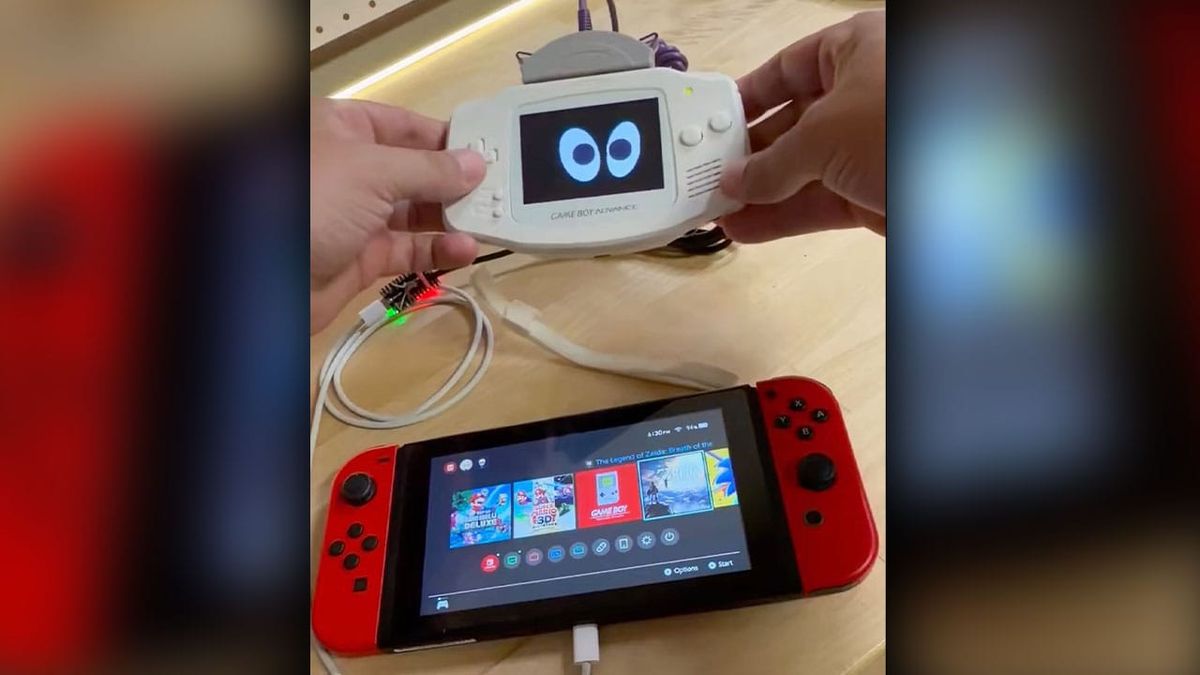
To facilitate this, Smith has developed a "pico adapter" that sits between the GBA link cable and the Nintendo Switch. This adapter acts as a translator, converting the signals from the GBA into a format that the Switch recognizes. Critically, the Switch perceives the GBA, through this setup, as a generic controller. This allows it to interface with a wide range of Switch games, including those available through the Nintendo Switch Online service, which offers classic GBA titles such as FireRed, LeafGreen, and Mario Kart: Super Circuit.
Technical Underpinnings and Future Possibilities
The technical achievement behind this mod is significant. The process involves a two-way communication channel established via the link cable. This bidirectional data flow opens up possibilities beyond simple controller input. Smith has indicated that if the relevant software for the Switch were developed, it could theoretically enable functionalities like trading Pokémon between GBA Virtual Console titles on the Switch and future applications. This hints at a potential for even deeper integration, allowing for cross-generational gameplay features that were once confined to their original hardware.
The inspiration for this project is clearly rooted in Smith’s personal gaming history. "My love for the GCN/GBA and the memories of using it from my youth has been the driving force behind this project," he stated in a social media post. This sentiment resonates with many gamers who grew up with these consoles and experienced the novelty of their interconnected features. The mod is a testament to the enduring appeal of these retro systems and the creative ways in which fans are keeping their legacy alive.
Broader Implications and the Future of Retro-Inspired Innovation
Smith’s project has garnered attention within the retro gaming community, sparking discussions about the potential for similar innovations. The success of this GBA-to-Switch controller mod suggests a broader trend: the increasing desire among gamers to connect their cherished older hardware with modern gaming platforms. This could lead to a renewed interest in developing adapters and software that bridge the gap between generations of consoles, offering new ways to experience classic games.
The implications extend beyond mere novelty. Such projects demonstrate the potential for open-source hardware and software development to unlock new functionalities for existing devices. They also highlight the value of preservation and the creative reuse of older technology in a world increasingly focused on the newest releases.
Smith has already indicated his next target: the Sega Dreamcast. He aims to replicate the functionality of the VMU (Visual Memory Unit) as an output device for the Dreamcast’s screey display. This ambition further underscores his commitment to reviving lost gaming accessories and bringing childhood gaming dreams to life. Each project represents a step towards a more interconnected and personalized retro gaming experience, where players can tailor their setups to incorporate the elements they cherish most.

A Timeline of Retro-Consciousness
The initial concept of linking the GBA to a home console emerged with the GameCube in the early 2000s. The Game Boy Player, released in 2003, allowed GBA games to be played on the GameCube, further cementing the handheld’s role in the living room. The GBA itself was launched in 2001, quickly becoming a dominant force in the portable gaming market.
Robert Dale Smith’s recent announcement and demonstration of the GBA link cable controlling the Switch, as seen in his May 18, 2026, social media post, marks a significant leap in this long-standing narrative of cross-generational connectivity. The fact that this modification was achieved using the original link cable, a peripheral that saw its peak popularity in the early to mid-2000s, speaks volumes about its underlying technical capabilities, which have now been re-contextualized for a modern audience. The subsequent updates and continued development, as indicated by the "Updated on May 19, 2026" timestamp, suggest an ongoing process of refinement and expansion of the project’s capabilities.
Data Points and Community Engagement
While specific market data on the GBA link cable’s original sales figures are not readily available, its widespread adoption during the GameCube era underscores its importance in the accessory market at the time. The demand for multiplayer connectivity was a defining characteristic of console gaming during that period, and the GBA link cable was central to extending that experience beyond the handheld itself.
The reaction from the gaming community has been overwhelmingly positive. Social media platforms have buzzed with excitement and awe at Smith’s creation. Many users have expressed a desire to replicate the mod or have shared their own nostalgic memories of using the GBA with the GameCube. This level of engagement is a strong indicator of the enduring affection for retro gaming hardware and the innovative potential it holds. The project’s visibility on platforms like X (formerly Twitter) has amplified its reach, bringing it to the attention of a broader audience beyond dedicated modding communities.
Analysis of Implications: Beyond Nostalgia
The implications of Robert Dale Smith’s GBA link cable mod extend beyond simple fan service. It opens up several avenues for consideration:
- The Longevity of Legacy Hardware: This project demonstrates that older hardware, when reimagined with modern ingenuity, can still possess significant utility and relevance. It challenges the notion that older consoles are merely obsolete relics, suggesting instead that they can be integrated into contemporary gaming ecosystems.
- The Potential for Licensed Retro Integration: While Smith’s project is a fan-made endeavor, its success could potentially inspire official avenues for integrating classic peripherals with modern consoles. Companies might explore ways to officially support such cross-compatibility, offering new revenue streams and appealing to a dedicated fanbase.
- Advancements in Emulation and Virtualization: The technical solutions employed in this mod, particularly the ROM sideloading and message translation, could offer insights for developers working on advanced emulation techniques or virtual machine environments. Understanding how to bridge disparate hardware protocols is a valuable area of research.
- The Democratization of Gaming Experiences: Projects like this, often driven by passionate individuals and communities, contribute to a more accessible and personalized gaming landscape. They empower users to customize their gaming experiences in ways that might not be offered by official channels.
As Robert Dale Smith continues his journey of retro hardware resurrection, his work serves as a powerful reminder of the enduring legacy of gaming’s past and the boundless creativity of its present-day custodians. The GBA link cable, once a tool for multiplayer adventures on a handheld screen, has now become a bridge to a new era of gaming, proving that the future of retro is, in many ways, still being written.