
 Hartono Sudibyo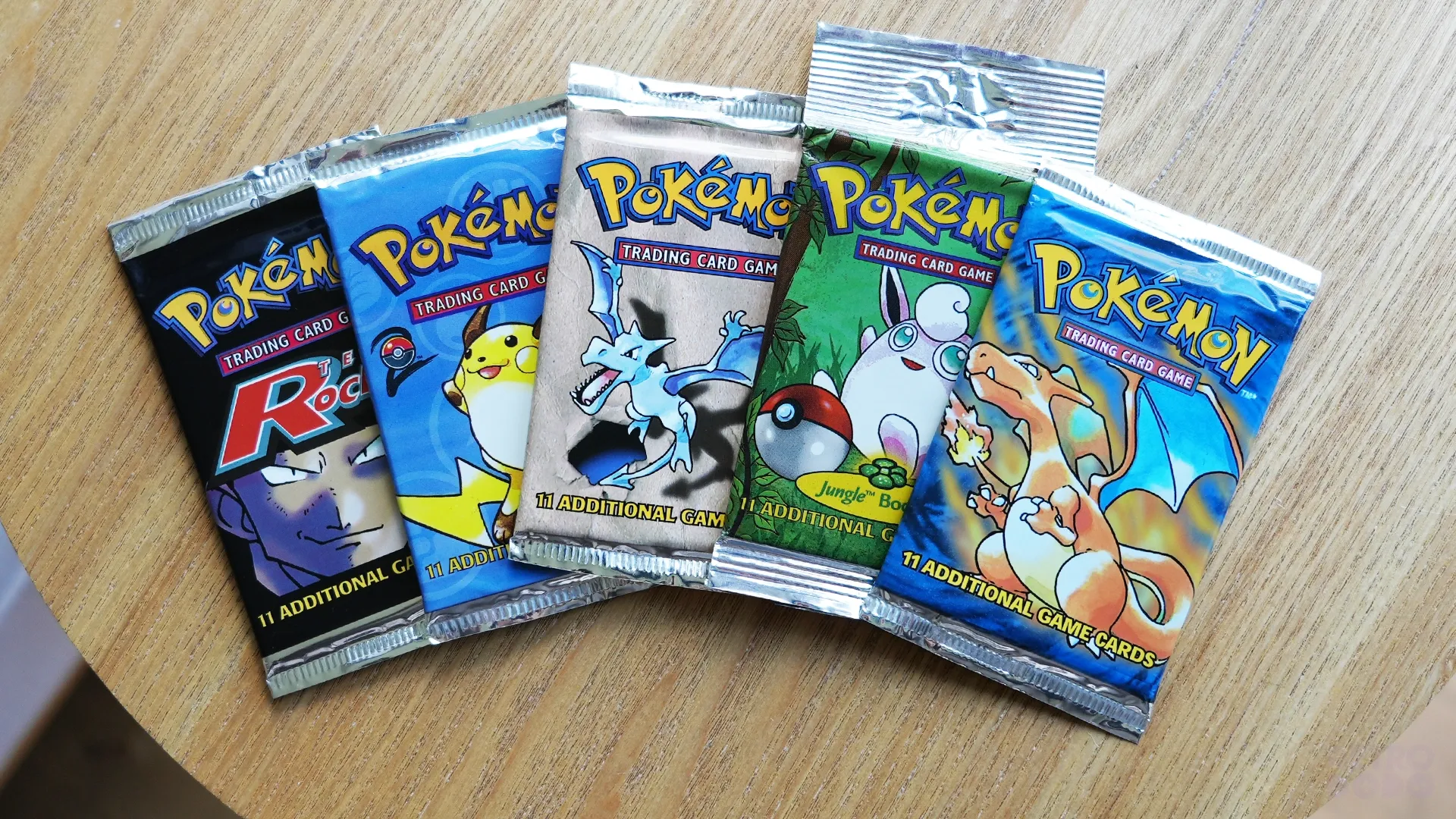
The Pokémon Trading Card Game (TCG) has transcended its origins as a mere collectible to become a global phenomenon, fostering communities, driving significant economic activity, and evolving alongside generations of fans. This comprehensive overview traces the game’s developmental trajectory, from its inception to its current status, examining key milestones, market shifts, and the enduring appeal that has cemented its place in pop culture history.
The Genesis of a Global Phenomenon: Early Years and the Wizards of the Coast Era (1999-2003)
![All Pokémon TCG Sets In Order [Full English List]](https://storage.ghost.io/c/58/fd/58fdc82a-ad84-44e2-ad58-166d1b419bc4/content/images/size/w1200/2026/04/pokemon-tcg-sets-list.webp)
The Pokémon TCG’s journey began in Japan in 1996, but its Western debut in 1999, spearheaded by Wizards of the Coast (WOTC), marked the true ignition of its global expansion. The foundational set, "Base Set," released in late 1999 and early 2000, immediately captured the imagination of a generation. Its success was intrinsically linked to the burgeoning popularity of the Pokémon video games and animated series. The allure of collecting, trading, and battling with iconic creatures like Charizard, Blastoise, and Venusaur proved irresistible.
The early WOTC era was characterized by a relatively simple yet engaging gameplay mechanics, focusing on energy types, Pokémon abilities, and trainer cards. Sets like "Jungle," "Fossil," and "Base Set 2" quickly followed, expanding the card pool and deepening the strategic possibilities. The scarcity of certain rare cards, particularly holographic variants, fueled a secondary market and fostered a dedicated community of collectors and players.
A significant development during this period was the introduction of expansion sets that introduced new mechanics and Pokémon. "Gym Heroes" and "Gym Challenge" (2000) introduced trainer-specific cards and thematic decks, while the "Neo" series, beginning with "Neo Genesis" (2000-2002), ushered in the introduction of Steel and Dark energy types and new Pokémon from the Johto region. This expansion of the game’s lore and mechanics was crucial in maintaining player engagement.
![All Pokémon TCG Sets In Order [Full English List]](https://www.gravatar.com/avatar/12b320545673355758628cfdf8eadc95?s=250&r=x&d=mp)
The "Legendary Collection" (2002) was notable for its inclusion of special "reverse holo" cards, adding another layer of rarity and collectibility. The "E-Card" series (2002-2003) attempted to integrate the TCG with electronic devices via special e-Reader cards, a technological innovation that, while forward-thinking, ultimately did not achieve widespread adoption and marked the final chapter of WOTC’s stewardship. The conclusion of WOTC’s printing rights in 2003, with "Skyridge" being the last set under their purview, represented a pivotal moment, signaling a shift in the game’s production and management.
The Rise of The Pokémon Company and a New Era of Expansion (2003-Present)
With the rights transitioning to The Pokémon Company, a new chapter began. The "EX" series, starting with "EX Ruby & Sapphire" (2003-2006), introduced a significant gameplay change with the introduction of Pokémon-EX cards, powerful Pokémon with higher HP and devastating attacks, but also carrying the risk of yielding two Prize cards to the opponent upon defeat. This added a layer of strategic risk-and-reward to battles.
![All Pokémon TCG Sets In Order [Full English List]](https://storage.ghost.io/c/58/fd/58fdc82a-ad84-44e2-ad58-166d1b419bc4/content/images/size/w1600/2026/04/pokemon-tcg-sets-list.webp)
The subsequent "Diamond & Pearl" (2007-2008) and "Platinum" (2009) series continued to build upon the established mechanics, incorporating Pokémon and themes from the Sinnoh region. These sets were characterized by a steady release schedule and consistent quality, reinforcing the TCG’s position in the market. The "HeartGold SoulSilver" (2010) expansion brought beloved Pokémon from the Johto region back into the spotlight, often appealing to nostalgic players.
The "Black & White" (2011-2013) era marked a significant refresh, introducing the concept of "Trainer cards" that could be played from the player’s hand, adding another layer of tactical decision-making. This period also saw the introduction of Pokémon-EX returning with a new iteration, influencing competitive play.
The "XY" (2014-2016) series continued this trend of innovation, introducing Mega Evolution Pokémon, which allowed for powerful temporary upgrades during battle. This mechanic was a direct tie-in to the video games and proved immensely popular. The "Sun & Moon" (2017-2019) era shifted focus to the Alola region, introducing new card types like "Full Art" and "Alternate Art" cards, which became highly sought after by collectors for their artistic merit.
![All Pokémon TCG Sets In Order [Full English List]](https://storage.ghost.io/c/58/fd/58fdc82a-ad84-44e2-ad58-166d1b419bc4/content/images/2026/04/base-set-pokemon-tcg-sets.webp)
The "Sword & Shield" (2020-2023) series saw a substantial evolution in card design and gameplay. The introduction of "Pokémon V" and "Pokémon VMAX" (and later "VSTAR") cards provided new avenues for powerful attacks and unique abilities. This era also saw an explosion in the collectibility of alternate art cards, driving unprecedented demand and value in the secondary market. The sheer volume of unique artwork and special rarity tiers within these sets contributed to a collector’s frenzy.
The most recent "Scarlet & Violet" (2023-2025) series continues this trend, introducing "Terastal" Pokémon, which alter a Pokémon’s type during battle, adding a new strategic dimension. The series also features the return of "Great Tens" and the continuation of highly collectible alternate art cards. The forthcoming "Mega Evolution" (2025-2027) series signals a potential return of the popular mechanic, hinting at further nostalgic appeals and new gameplay integrations.
Market Dynamics and Collector Culture
![All Pokémon TCG Sets In Order [Full English List]](https://storage.ghost.io/c/58/fd/58fdc82a-ad84-44e2-ad58-166d1b419bc4/content/images/2026/04/pokemon-gym-heroes-booster-pack.webp)
The Pokémon TCG market has experienced dramatic fluctuations and significant growth, particularly in recent years. Driven by a combination of nostalgia, the increasing rarity of older sets, and the artistic appeal of modern alternate art cards, the value of certain Pokémon cards has skyrocketed. This has attracted a new wave of investors and collectors, transforming the market from a niche hobby into a significant economic sector.
The scarcity of vintage booster packs, particularly from the WOTC era, has led to record-breaking auction prices for sealed product. For example, a sealed 1st Edition Base Set booster box sold for over $400,000 in 2021, a testament to the enduring demand for early Pokémon memorabilia. This surge in value has also led to increased concerns about counterfeiting and market manipulation, prompting greater scrutiny from grading companies and auction houses.
The rise of online communities, social media influencers, and dedicated content creators has played a crucial role in shaping collector culture. Platforms like YouTube and TikTok have become hubs for card unboxings, market analysis, and community engagement. This digital ecosystem has democratized access to information and fostered a global network of enthusiasts.
![All Pokémon TCG Sets In Order [Full English List]](https://storage.ghost.io/c/58/fd/58fdc82a-ad84-44e2-ad58-166d1b419bc4/content/images/2026/05/pokemon-tcg-xy-sets.webp)
Broader Impact and Future Outlook
The Pokémon TCG’s impact extends far beyond its economic footprint. It serves as a powerful social connector, bringing people together through local game stores, tournaments, and online forums. The game’s emphasis on strategy, critical thinking, and resource management also offers valuable learning opportunities for players of all ages.
The continued success of the Pokémon TCG is likely to be driven by its ability to balance nostalgia with innovation. The introduction of new mechanics, the constant evolution of card art, and the consistent release of new sets catering to both competitive players and collectors ensure its continued relevance. The Pokémon Company’s strategic approach to product releases, often incorporating fan-favorite Pokémon and mechanics from various eras, demonstrates a keen understanding of its diverse player base.
![All Pokémon TCG Sets In Order [Full English List]](https://storage.ghost.io/c/58/fd/58fdc82a-ad84-44e2-ad58-166d1b419bc4/content/images/2026/05/pokemon-tcg-sun-moon-sets.webp)
As the game continues to evolve, it faces the ongoing challenge of maintaining accessibility for new players while satisfying the demands of seasoned collectors and competitive players. The increasing complexity of card mechanics and the soaring prices of older cards present potential barriers to entry. However, the enduring appeal of the Pokémon brand, coupled with The Pokémon Company’s commitment to expanding the TCG’s universe, suggests a bright and dynamic future for this beloved game. The journey from a simple Base Set booster pack in 1999 to the multi-billion dollar industry it is today is a testament to the power of imagination, community, and the timeless allure of collecting.








