Retno Hari Mulyono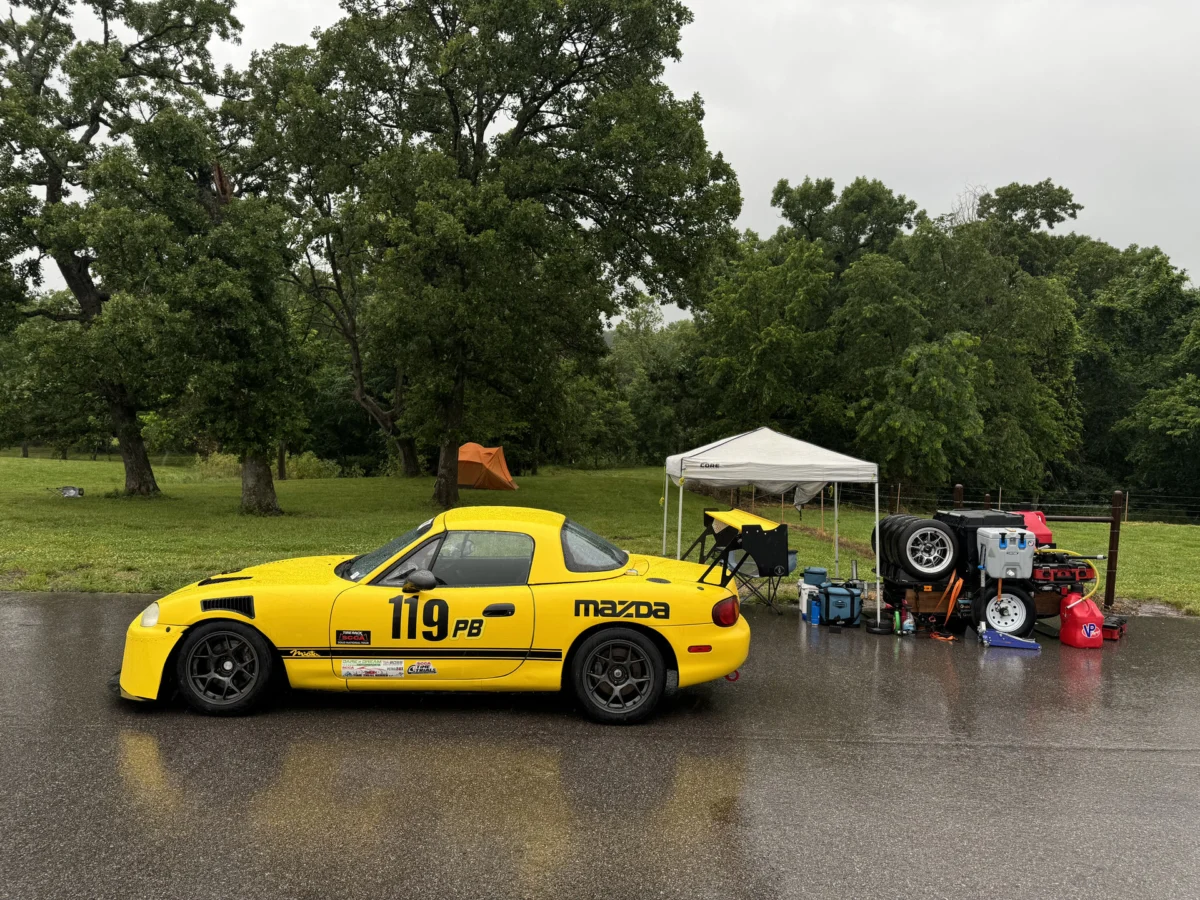
The landscape of amateur motorsports, particularly autocross and track day events, has undergone a significant transformation as tire technology has advanced. For enthusiasts operating lightweight sports cars, the transition from standard street tires to high-performance 200-treadwear (TW) or semi-slick rubber is a standard milestone in the pursuit of lower lap times. However, this performance comes with a significant logistical burden: the rapid degradation of specialized compounds when subjected to the rigors of daily commuting. In response to this challenge, a growing segment of the racing community has turned to custom-engineered tire trailers as a viable, cost-effective alternative to the traditional truck-and-flatbed towing setup.
The Technical Dilemma: Street Versatility versus Track Performance
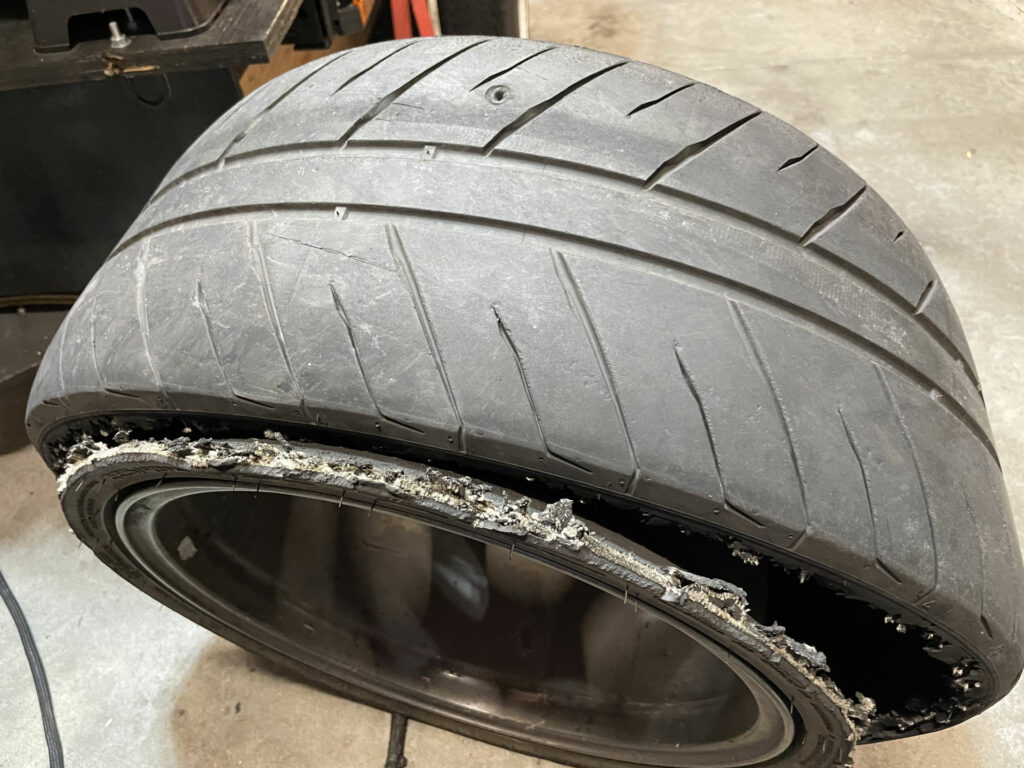
High-performance tires, specifically those in the 200TW category such as the Hankook Ventus RS4 or the Michelin Pilot Sport Cup 2, are designed with specialized rubber compounds that prioritize grip and thermal stability over longevity. Unlike standard passenger tires, which are engineered for 40,000 to 60,000 miles of service, track-oriented tires often have a functional lifespan measured in "heat cycles." A heat cycle occurs when a tire is brought up to operating temperature—often exceeding 180 degrees Fahrenheit—and then allowed to cool. After a certain number of cycles, the chemical structure of the rubber hardens, a process known as "out-gassing," which significantly reduces grip even if substantial tread depth remains.
Driving these tires on public roads to and from racing circuits accelerates this degradation. Furthermore, the aggressive tread patterns and soft compounds of track tires are poorly suited for inclement weather. Many 200TW tires lack the siping and groove depth necessary to evacuate water effectively, leading to high risks of hydroplaning in wet conditions. Industry data suggests that a tire optimized for a dry track can lose up to 50% of its lateral grip when surface temperatures drop below 50 degrees Fahrenheit, creating a safety hazard for drivers navigating highway traffic.
For owners of small-platform vehicles like the Mazda MX-5 Miata, the logistical hurdle is compounded by a lack of interior volume. While owners of larger GT cars or sports sedans can often fit a spare set of wheels in the rear seating area, the Miata’s compact dimensions necessitate an external solution.
The Engineering Solution: The Compact Tire Trailer
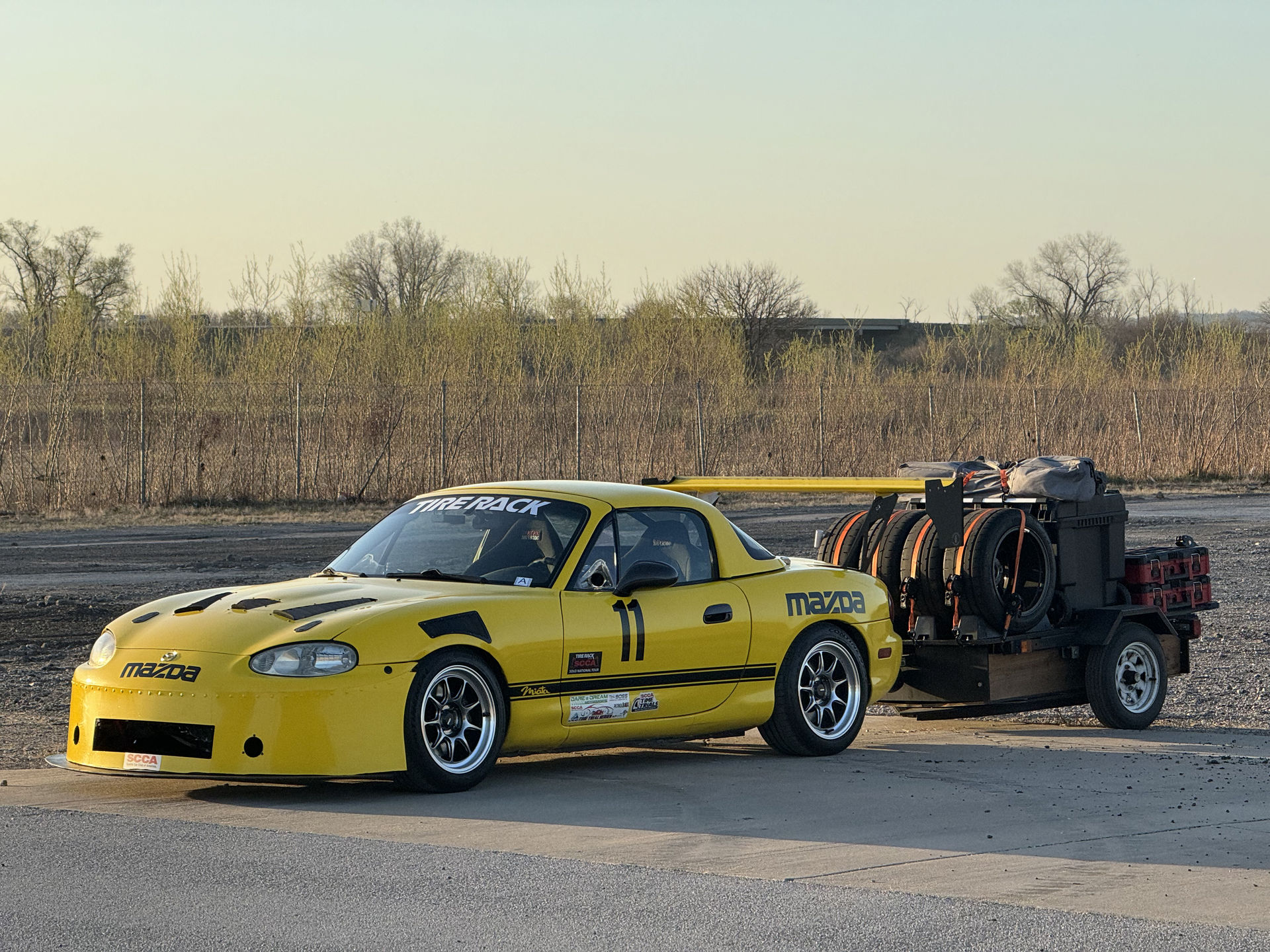
The "tire trailer" has emerged as the primary solution for the "drive-it-to-the-track" enthusiast. These are typically Class I utility trailers, characterized by their lightweight frames and minimal footprints. By utilizing a trailer, drivers can transport a full set of track wheels, tools, fuel, and paddock supplies while maintaining the fuel efficiency and agility of their primary vehicle during the transit.

Structural Foundation and Frame Selection
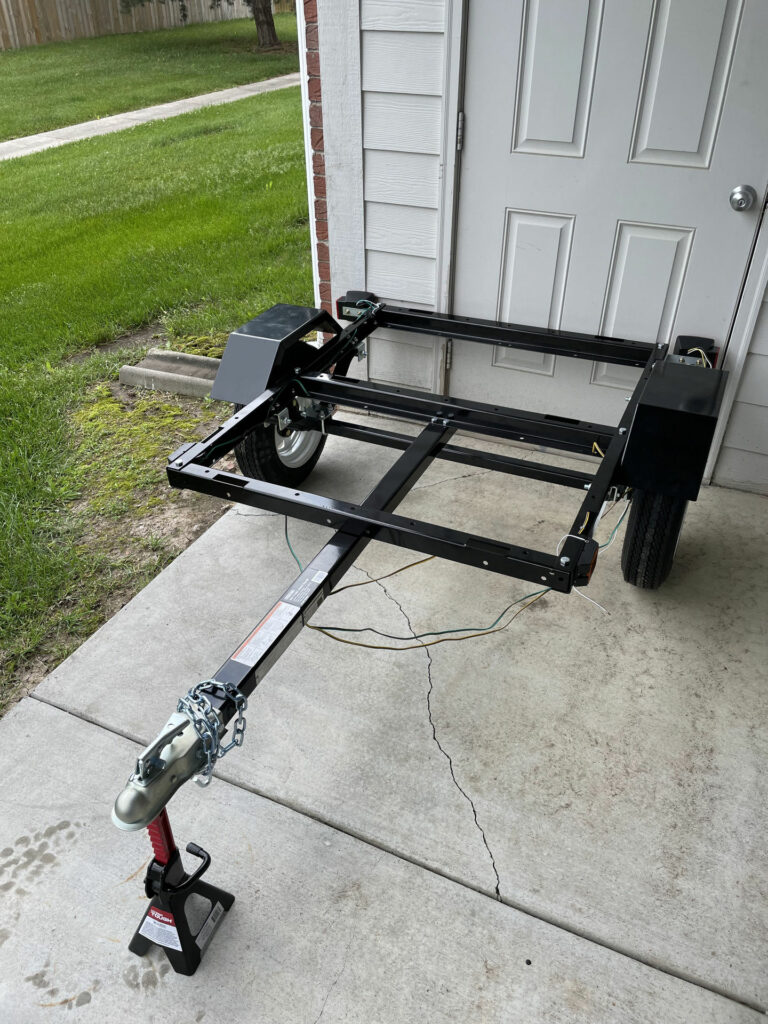
The construction of a bespoke tire trailer typically begins with a modular steel frame. The most common platforms used by enthusiasts are the 40-inch by 48-inch utility trailers provided by retailers such as Northern Tool or Harbor Freight. These frames are favored for their low tare weight—often under 200 pounds—and their ability to be customized with various decking materials.
For those with higher budgets, specialized firms like Leroy Engineering offer pre-fabricated paddock trailers. These premium options utilize independent suspension systems and high-speed bearings, addressing the common complaints regarding the "bounce" associated with leaf-spring utility trailers when unladen. However, the DIY approach remains the most popular due to its adaptability and significantly lower entry cost.
Case Study: A Multi-Phase Build Chronology
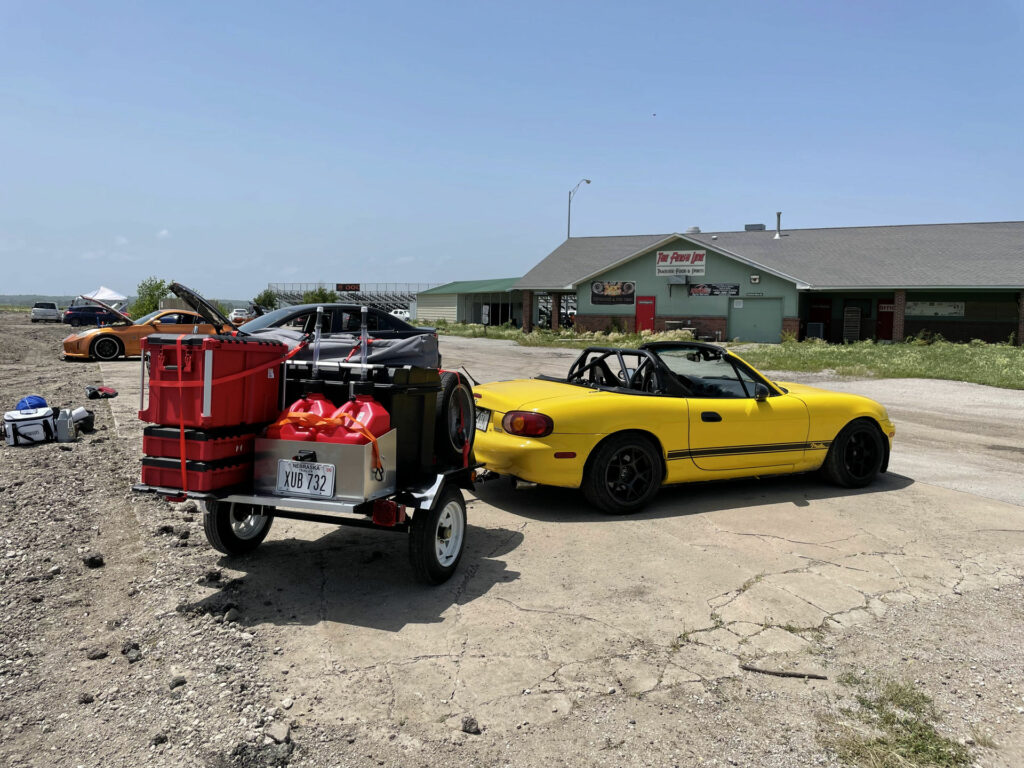
A representative example of this engineering process involves a two-year iterative build designed to support a Mazda Miata in regional SCCA (Sports Car Club of America) events. The project began with a standard Northern Tool frame, chosen for its powder-coated finish and structural rigidity.
Phase I: Basic Utility and Decking
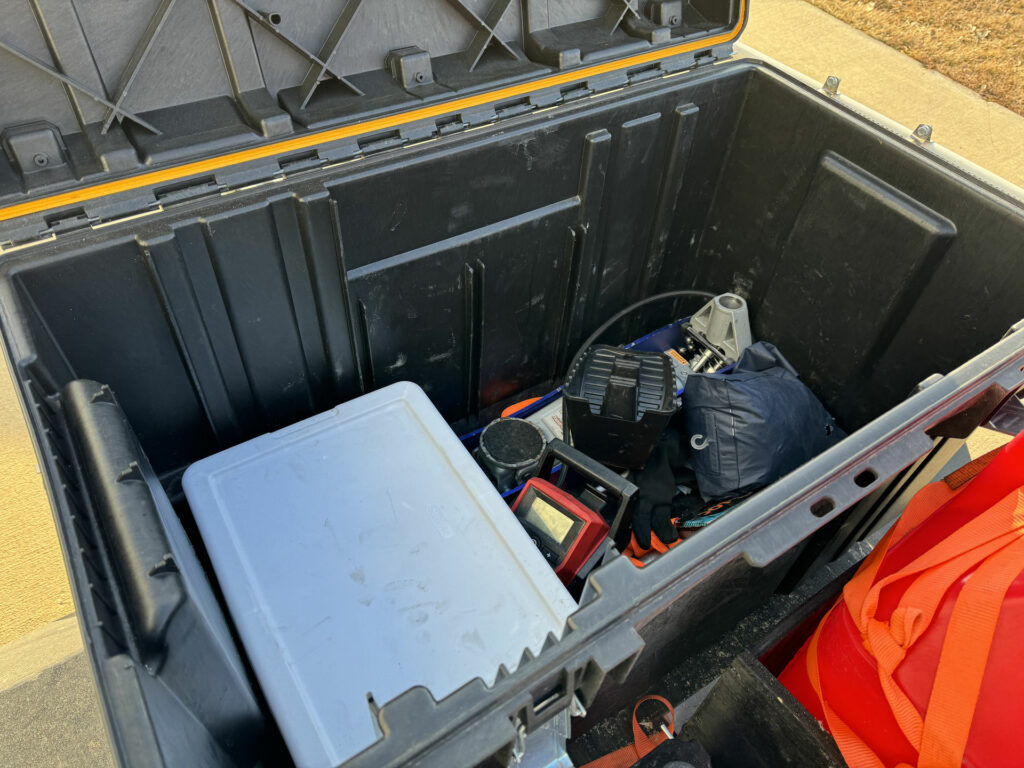
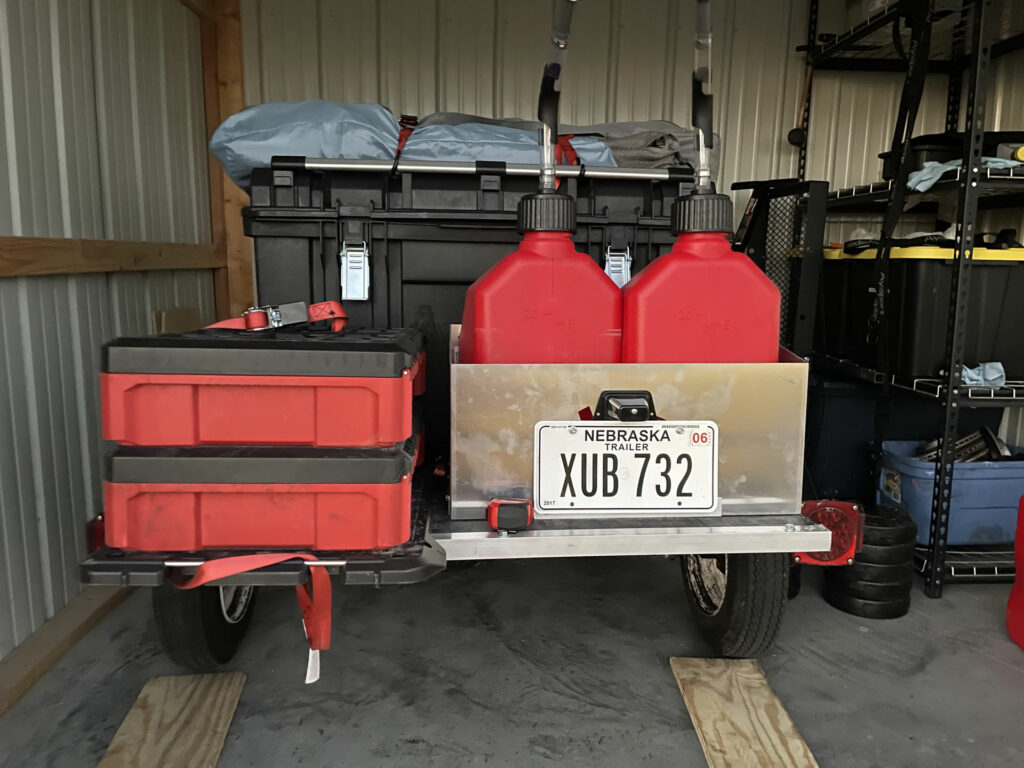
The initial build utilized 3/4-inch Sande plywood, treated and painted for weather resistance. The deck was oversized to 62.25 inches by 40 inches to provide a larger mounting surface than the frame itself. Security was handled via recessed carriage bolts to ensure a flush loading surface. Central to the organization was a DeWalt DWST38000 weather-tight toolbox, bolted directly over the axle to centralize mass. This unit housed essential track-side equipment, including:
- Three-ton low-profile aluminum floor jacks
- High-torque cordless impact wrenches
- Calibrated digital pressure gauges
- Pyrometers for measuring tire surface temperatures
- Torque wrenches for lug nut verification
Phase II: Specialized Storage Systems
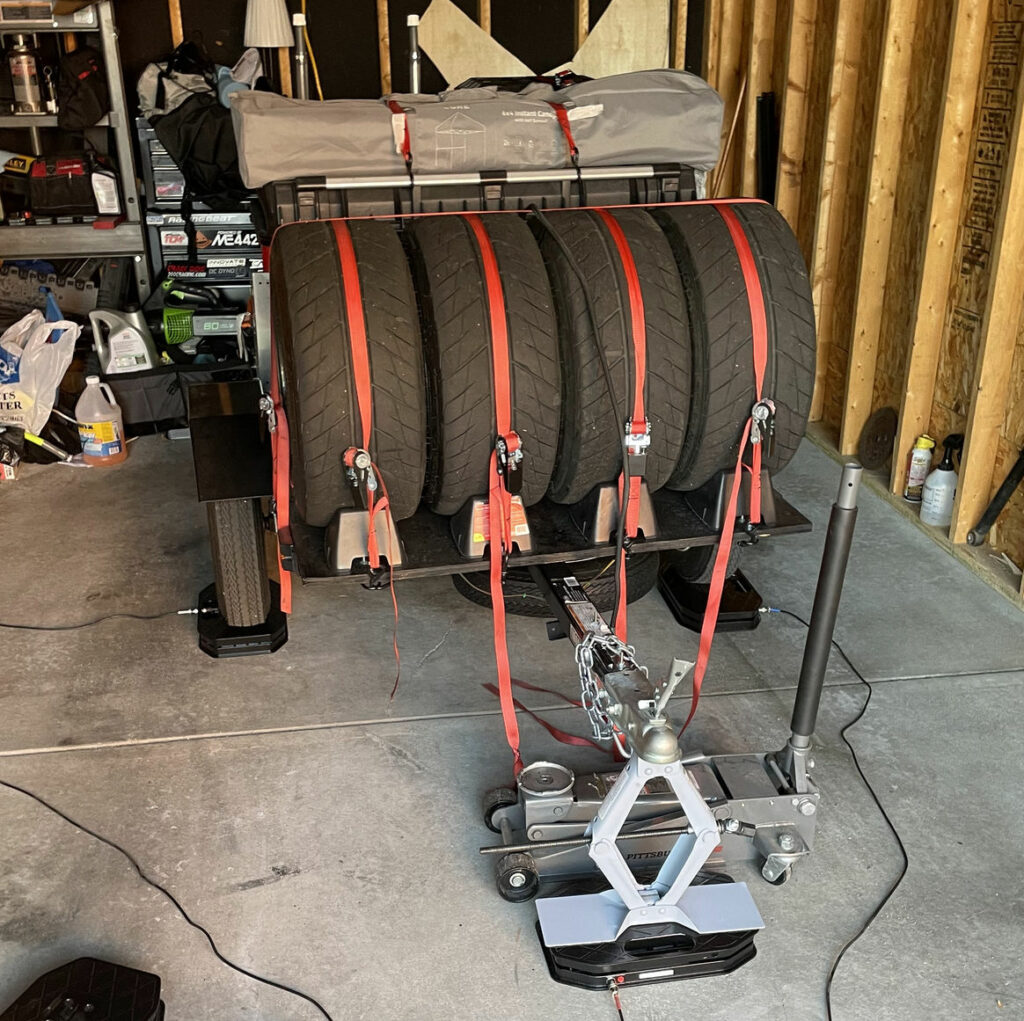
Weight distribution is critical in small-car towing. To maintain a safe tongue weight (typically 10-15% of the total trailer weight), the tire rack was positioned at the front of the trailer. The wheels were secured using a three-tier system: a custom-fitted plywood cradle to prevent lateral movement, a galvanized steel conduit through the wheel hubs to prevent vertical shifting, and heavy-duty ratchet straps for final compression.
Fuel management also saw an upgrade. Because many track-tuned vehicles require E85 ethanol or high-octane racing fuel—which may not be available at rural gas stations—the trailer was equipped with VP Racing fuel jug mounts. This allowed for the transport of 10 to 15 gallons of specialized fuel, ensuring the vehicle remained at peak performance throughout a multi-day event.
Advanced Iterations: Enhancing Durability and Capacity
As the demands of the racing season increased, the need for further optimization became apparent. Amateur racers often find that "version 1.0" of their equipment requires refinement to handle the thermal and mechanical stresses of long-distance transit.
The Lower Deck and Aerodynamic Considerations
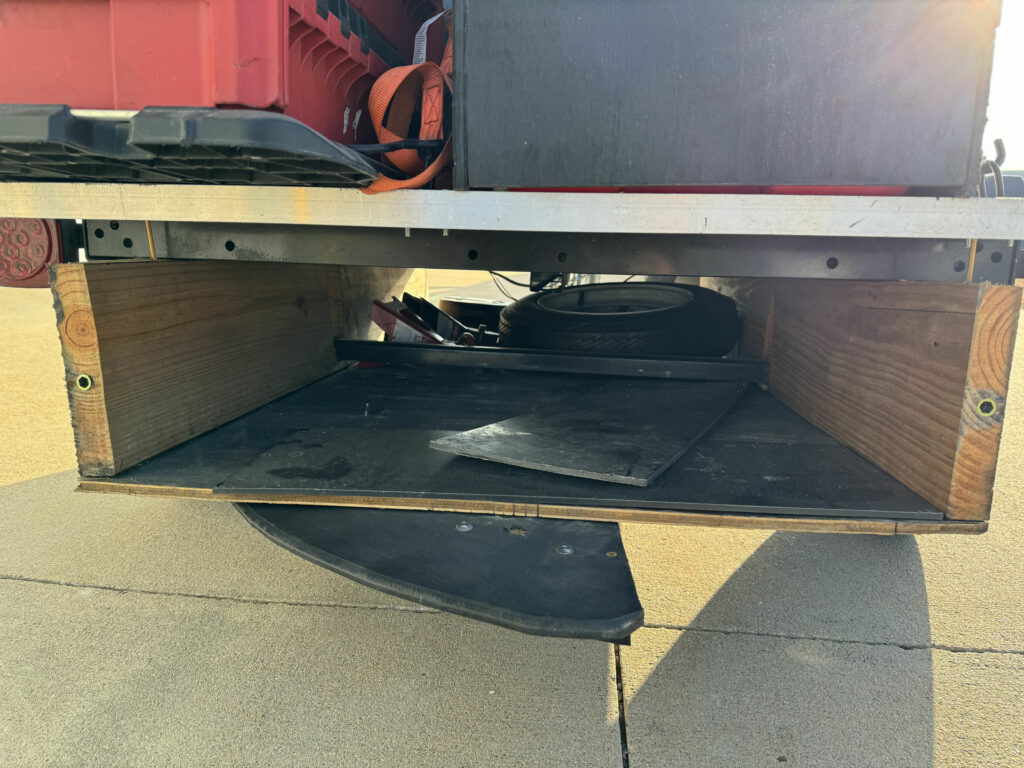
To lower the center of gravity and increase storage for bulky items such as jack stands and canopy weights, a secondary "lower deck" was engineered. This involved mounting 2×10 lumber below the main frame, creating a sub-compartment just inches above the axle. This modification allowed for the storage of spare splitters and aerodynamic components, which are frequently damaged during aggressive track driving. By moving heavy, dense items lower in the chassis, the trailer’s stability at highway speeds (65-75 mph) was significantly improved.
The Transition to Radial Tire Technology
One of the most significant upgrades in the tire trailer evolution is the replacement of factory-standard bias-ply tires with radial tires. Most entry-level utility trailers ship with 4.80-12 bias-ply tires, which are prone to high heat buildup and rapid wear.
Data from long-term testing indicates that bias-ply tires on these small trailers may only last 3,000 to 5,000 miles before tread failure or casing fatigue occurs. Upgrading to 145R12 radial tires offers several advantages:
- Heat Dissipation: Radial construction allows the sidewall and tread to function independently, reducing internal friction and heat.
- Load Rating: Radials typically offer a more stable contact patch, reducing the "sway" often felt when towing with a small car.
- Speed Rating: While many bias-ply utility tires are restricted to 55 or 60 mph, radial alternatives are often rated for modern highway speeds, increasing safety during long-distance hauls.
Economic and Safety Analysis
The shift toward tire trailers represents a pragmatic middle ground in the motorsports economy. A dedicated towing setup—comprising a half-ton pickup truck and a dual-axle car hauler—can easily exceed $50,000 in capital investment, not including increased fuel and maintenance costs. In contrast, a fully outfitted tire trailer can be constructed for between $800 and $1,500.
From a safety perspective, the use of a trailer encourages drivers to maintain their street tires for the journey, ensuring they have maximum water evacuation capabilities and comfort for the drive home. It also serves as a "fail-safe"; if a driver experiences a tire blowout or a mechanical failure on track, they have a full set of street-legal spares ready for the return trip, rather than being stranded at the circuit.

Broader Impact on the Motorsports Community
The proliferation of custom tire trailers has lowered the barrier to entry for competitive driving. Organizations like NASA (National Auto Sport Association) and various marque-specific clubs have noted an increase in participants who "drive to the track," citing the ability to bring tools and spares as a key factor in their participation.
Furthermore, the modular nature of these builds has fostered a culture of "open-source" engineering within the paddock. Enthusiasts frequently share CAD files for brackets, wiring diagrams for Miata-specific hitch harnesses, and stress-test data for various decking materials. This collective knowledge has elevated the standard of safety and efficiency across the amateur racing community.
As the industry moves toward electrification and further vehicle hybridization, the challenges of towing with small vehicles will continue to evolve. However, the core principle of the tire trailer—maximizing the utility of a small platform through intelligent engineering—remains a cornerstone of the modern track day experience. Whether the driver is a novice at their first autocross or a seasoned veteran chasing a regional championship, the tire trailer stands as a testament to the ingenuity and resourcefulness of the automotive enthusiast.