Retno Hari Mulyono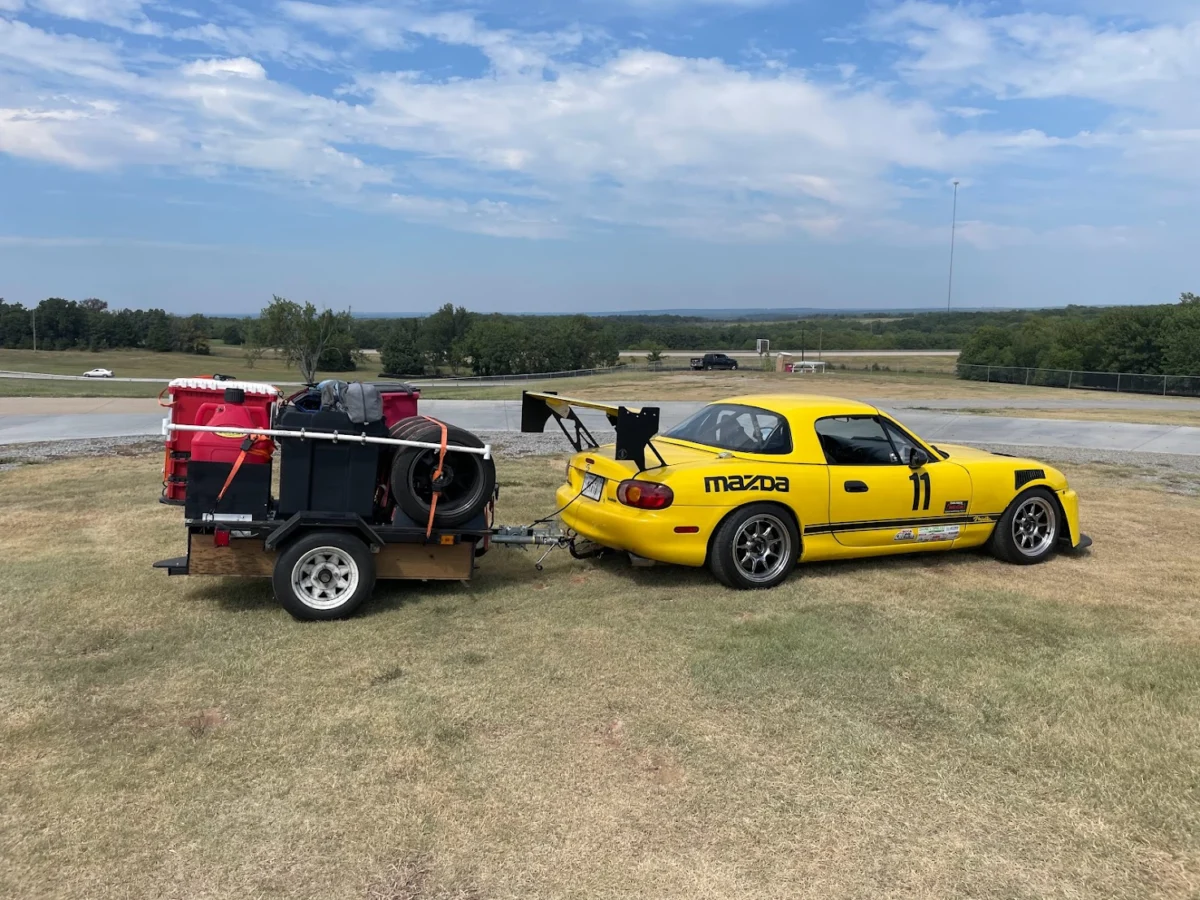
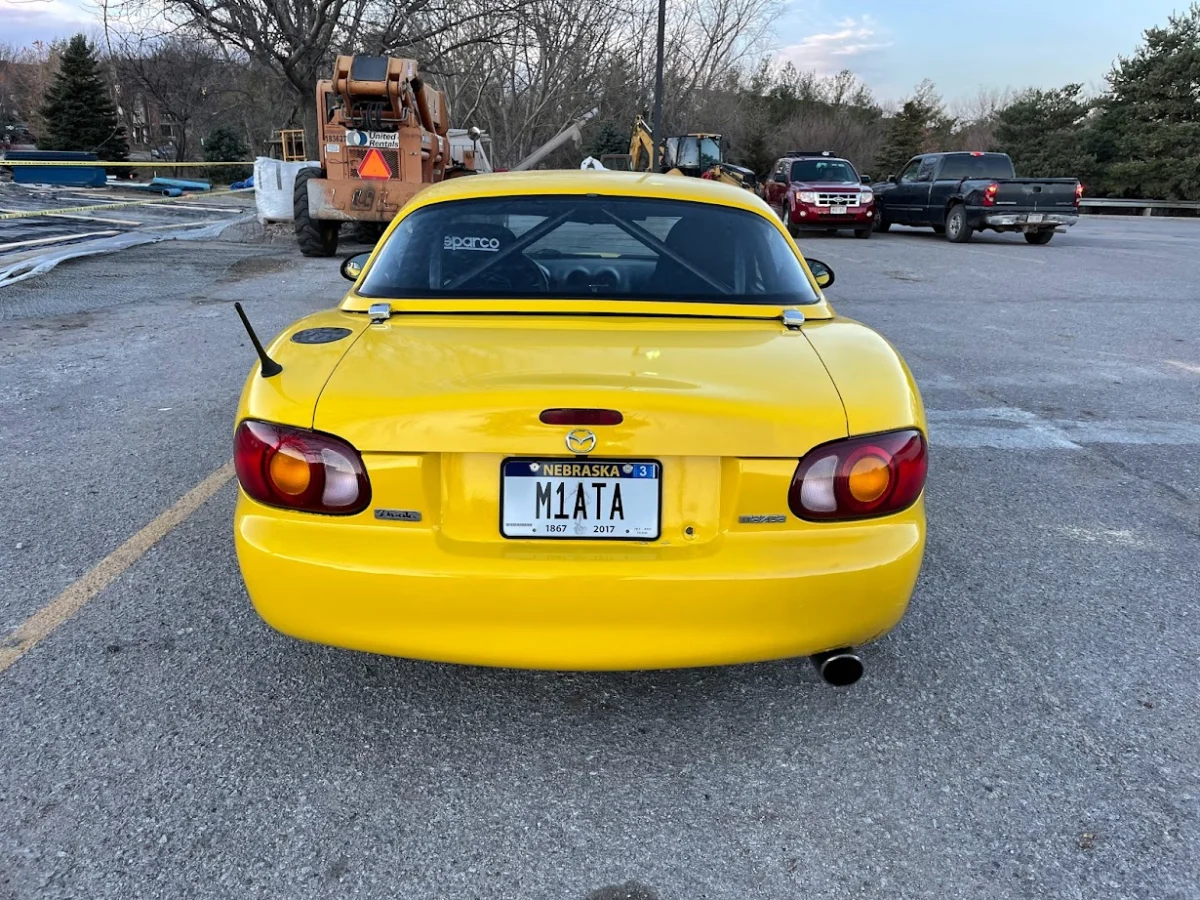
The third year of ownership for a dedicated track vehicle often marks a transition from basic modifications to sophisticated systems integration and performance optimization. For the Mazda MX-5 NB platform, a vehicle produced between 1998 and 2005 and celebrated for its balanced chassis and mechanical simplicity, the journey from a street-capable car to a competitive Time Trials entrant involves a rigorous cycle of testing, failure, and refinement. Between March 2023 and February 2024, the development of this specific NB Miata showcased the complexities of amateur racing, the volatility of regional motorsports infrastructure, and the technical demands of maintaining a 20-year-old powertrain under extreme conditions.
Strategic Infrastructure and Logistical Upgrades
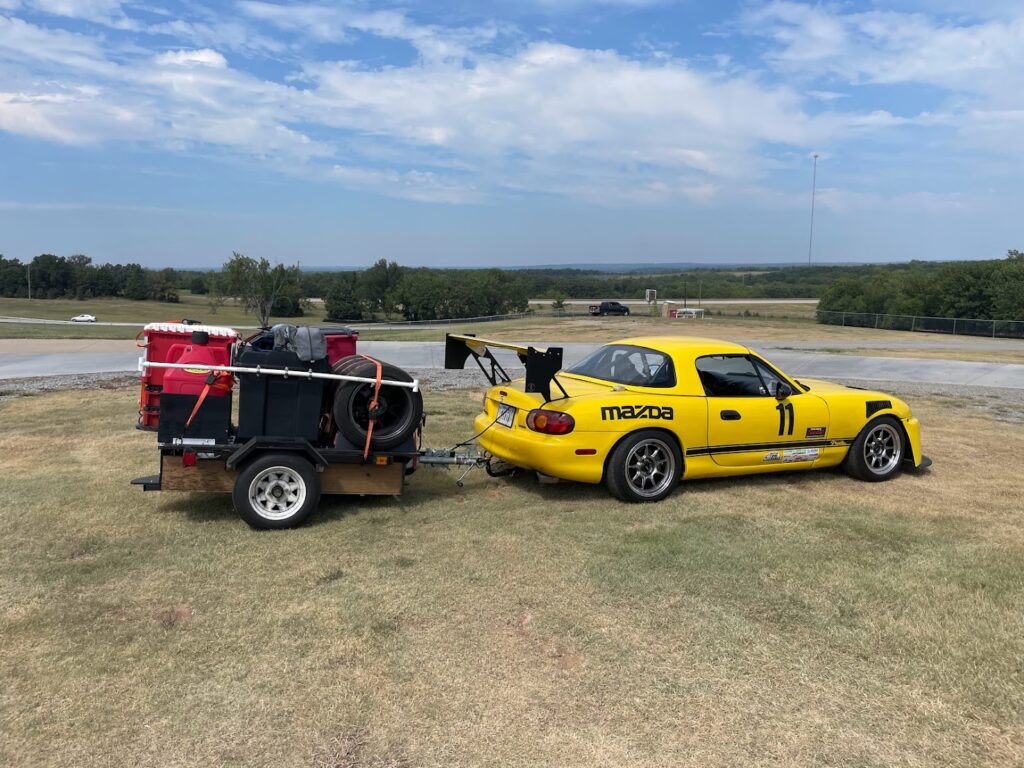
The 2023 season commenced with a focus on logistical efficiency, a critical but often overlooked component of grassroots racing. In March, the vehicle’s support systems were enhanced through significant modifications to a custom tire trailer. For enthusiasts who drive their competition cars to the circuit, a trailer serves as a mobile paddock. The upgrades included a lowered deck to optimize the center of gravity, a 15-gallon fuel cell to replace smaller, less efficient jugs, and a specialized mounting system for a spare aerodynamic splitter.
Technical analysis suggests that such logistical improvements directly impact a driver’s performance by reducing "paddock fatigue." The addition of a tube for varying Gurney flap sizes further indicates a move toward data-driven aerodynamic tuning, allowing for rapid adjustments to the car’s lift-to-drag ratio based on specific track layouts and weather conditions.
Aerodynamic Challenges and Material Resilience
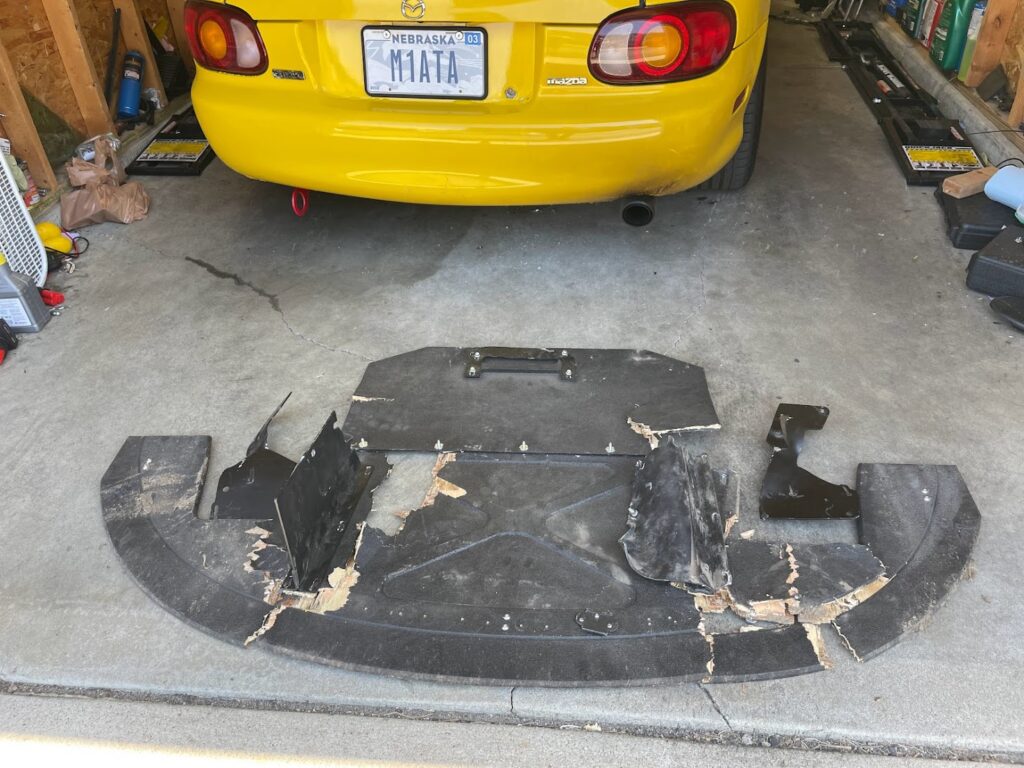
The integration of high-downforce components often reveals secondary weaknesses in a vehicle’s structural integrity. In April 2023, the installation of a Nine Lives Racing medium downforce kit was put to the test. During a high-speed cornering maneuver, an off-track excursion resulted in the total destruction of the front splitter and significant damage to the radiator support and splitter mounts.
This incident highlights a common dilemma in amateur motorsports: the choice between expensive composite materials and cost-effective alternatives. The driver transitioned to 1/2-inch plywood for subsequent splitter iterations. While plywood lacks the aesthetic appeal of carbon fiber, its energy-absorption properties and low replacement cost make it a superior choice for "sacrificial" aero components in grassroots Time Trials. By May, the car was equipped with multiple spares, reflecting a shift toward a professional "fail-safe" maintenance philosophy.
Regional Impacts: The Closure of Heartland Motorsports Park
May 2023 saw the vehicle competing in the SCCA Time Trials at Heartland Motorsports Park in Topeka, Kansas. This event was underscored by the broader crisis facing regional motorsports. Following the 2023 season, Heartland Motorsports Park—a staple of the Midwestern racing scene since 1989—was forced to cease operations. The closure stemmed from a protracted dispute between the track ownership and Shawnee County over property tax assessments.
The loss of Heartland Motorsports Park represents a significant blow to the SCCA Midwest Division. For the NB Miata project, this meant the loss of a primary testing ground where benchmark data had been established. The 2023 runs utilized 225/45R15 Falken RT660 tires on 15×9 wheels, a setup optimized for the lateral G-loads typical of Heartland’s technical layout. The closure of such facilities forces amateur racers to travel further, increasing the financial and logistical burden of the sport.
Weight Reduction and Aerodynamic Optimization
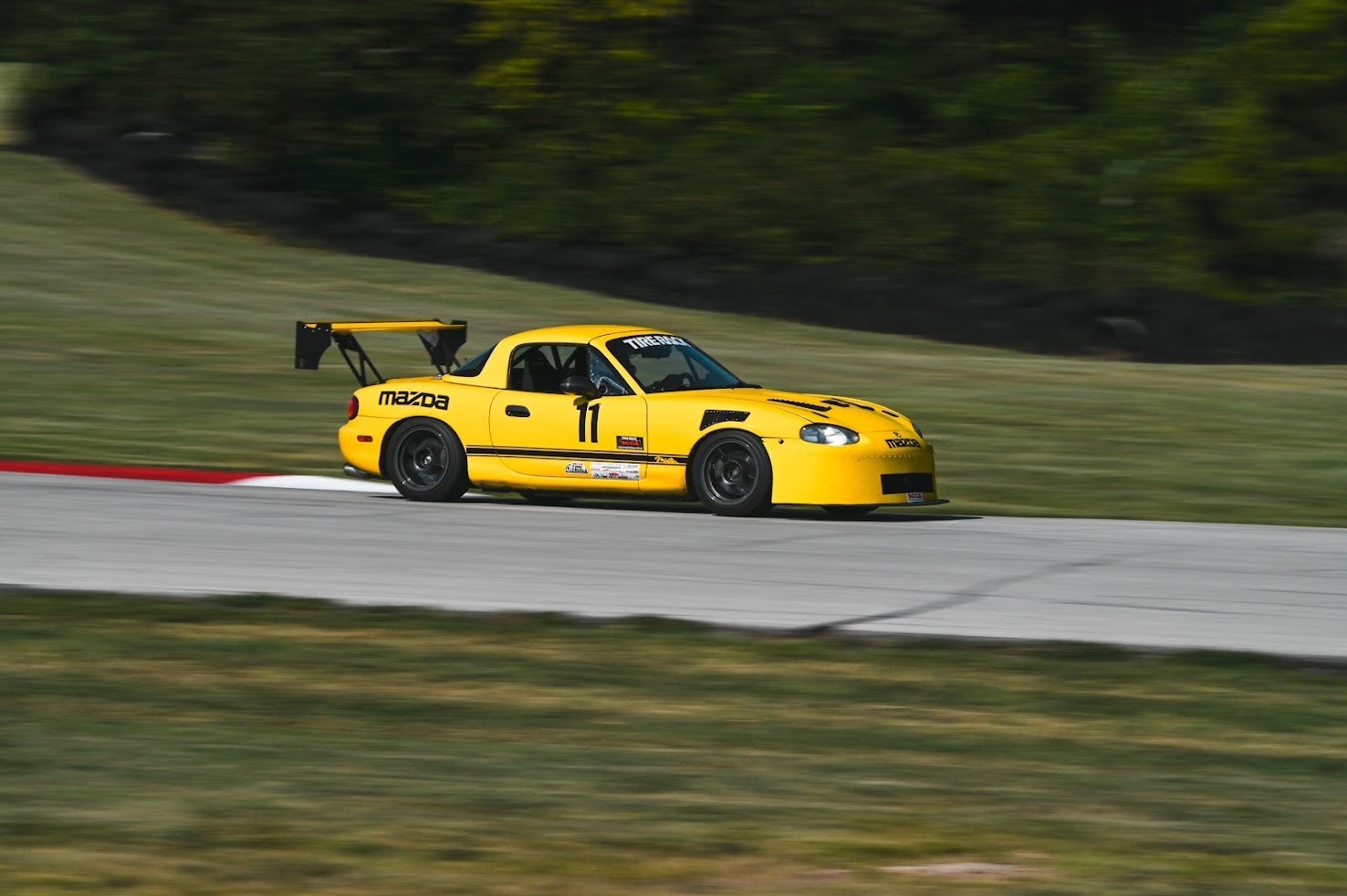
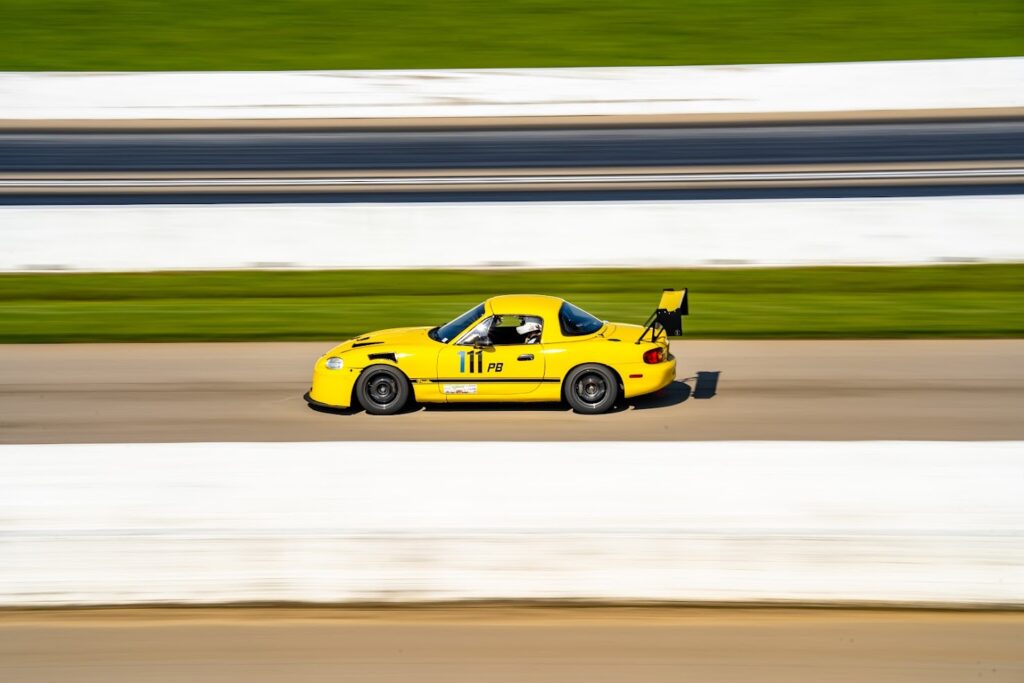
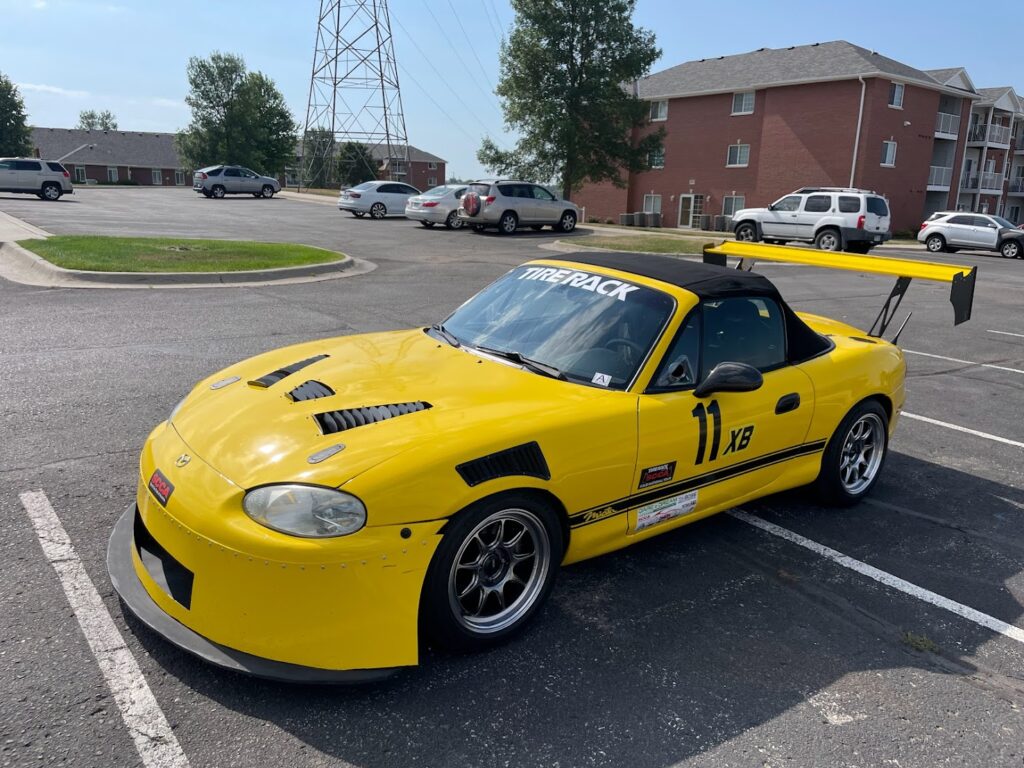
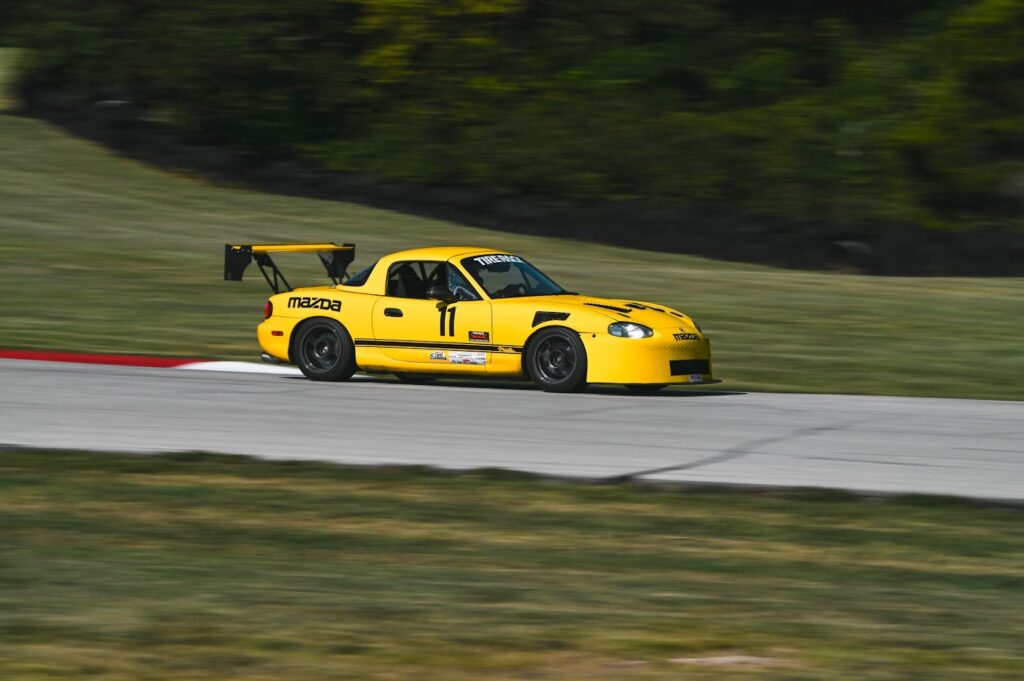
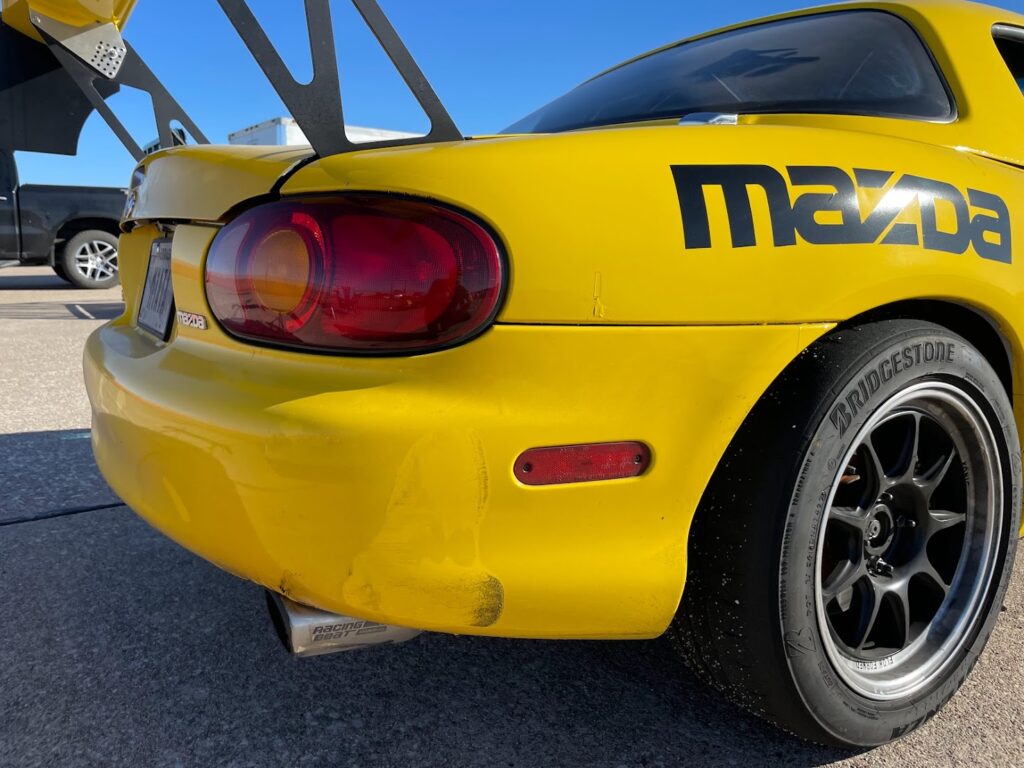
In June, the vehicle underwent a permanent structural change with the removal of its soft top. In the context of the Mazda MX-5, the soft top mechanism is a significant source of "high" weight, which negatively affects the vehicle’s polar moment of inertia. By committing to a permanent hardtop configuration, the owner not only reduced the vehicle’s curb weight but also optimized the airflow to the rear wing.
Engineering data confirms that convertible tops create significant turbulence that can "stall" a rear wing, reducing its effectiveness. The hardtop provides a smoother transition for airflow, ensuring the Nine Lives Racing wing receives the clean air required to generate consistent downforce. Additionally, the removal of the soft top improved access to critical components like the fuel pump, illustrating the intersection of performance and serviceability.
Mechanical Integrity and the Challenges of New Circuits
July 2023 introduced the vehicle to Ozarks International Raceway (OIR), a facility known for extreme elevation changes and blind corners. However, the trip was nearly derailed by a slipping clutch during an autocross event the week prior. The subsequent rapid replacement with a generic organic clutch serves as a case study in "emergency maintenance." While a performance-grade ceramic or puck-style clutch would have been ideal, the time constraints of a scheduled track day often necessitate the use of available parts.
Despite the sub-optimal clutch, the car’s performance at OIR demonstrated the value of aerodynamic stability. On a track with OIR’s complexity, the downforce provided by the splitter and wing allowed the driver to maintain higher minimum speeds through high-speed transitions. However, the close proximity of concrete barriers at OIR emphasizes the need for high-confidence braking and steering systems, leading to further refinements in the following months.
Comparative Performance Metrics at Motorsports Park Hastings
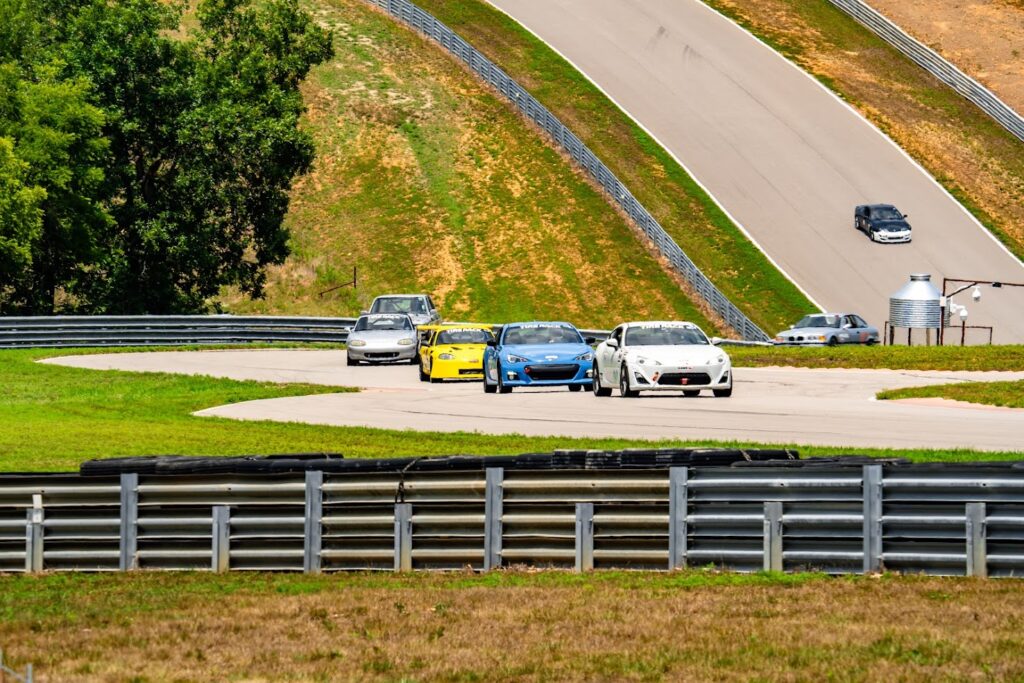
By August, the car returned to Motorsports Park Hastings (MPH) for an SCCA Time Trials event. The driver recorded a lap time of 1:42.78. To put this in perspective, the NASA Spec Miata lap record at MPH stands at approximately 1:40.415. While the NB Miata in this study was slightly slower, it was operating with a stock-internal engine, whereas Spec Miata engines are professionally built to the limit of the rules.
The analysis of the lap data suggested that significant time was being lost in Turn 3, a high-speed right-hander. The data indicated that the car’s aerodynamic package was capable of taking the turn without braking, but "driver confidence" remained the limiting factor. This highlights a universal truth in motorsports: mechanical upgrades are only as effective as the driver’s ability to exploit them.
Ergonomics and Driver Cooling Systems
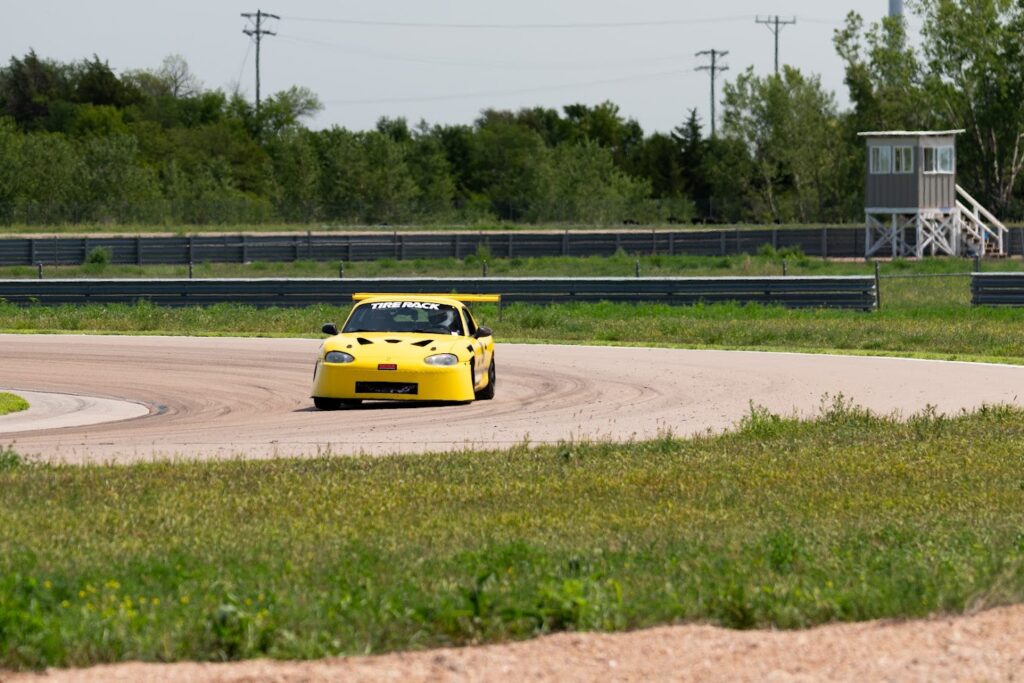
The introduction of a "Cool Shirt" system in September at the Hallett Motor Racing Circuit marked a major improvement in driver ergonomics. Hallett’s technical, short-track nature requires high levels of driver input, which, in the high-temperature environment of a racing cockpit, leads to rapid physical degradation.
Medical data from racing organizations suggests that as a driver’s core temperature rises, cognitive function and reaction times decrease. The Cool Shirt system—which circulates ice-chilled water through a liquid-cooled garment—serves as a performance enhancer by maintaining driver focus during 20-minute sessions. This system proved vital during the "Miatas at Hallett" event, where the car was driven in both clockwise and counter-clockwise configurations.
Powertrain Evolution and the Hybrid BP-Series Build
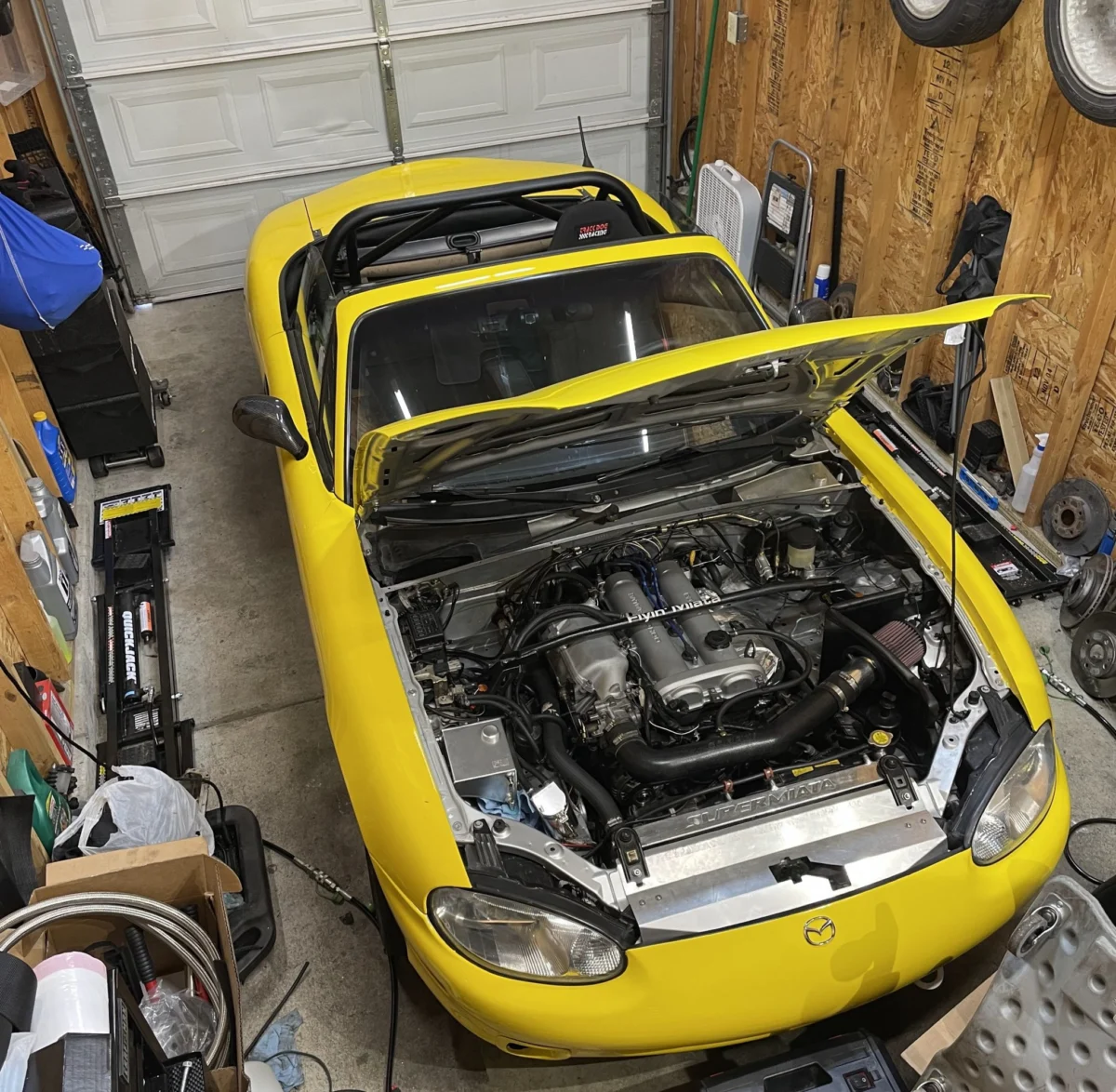
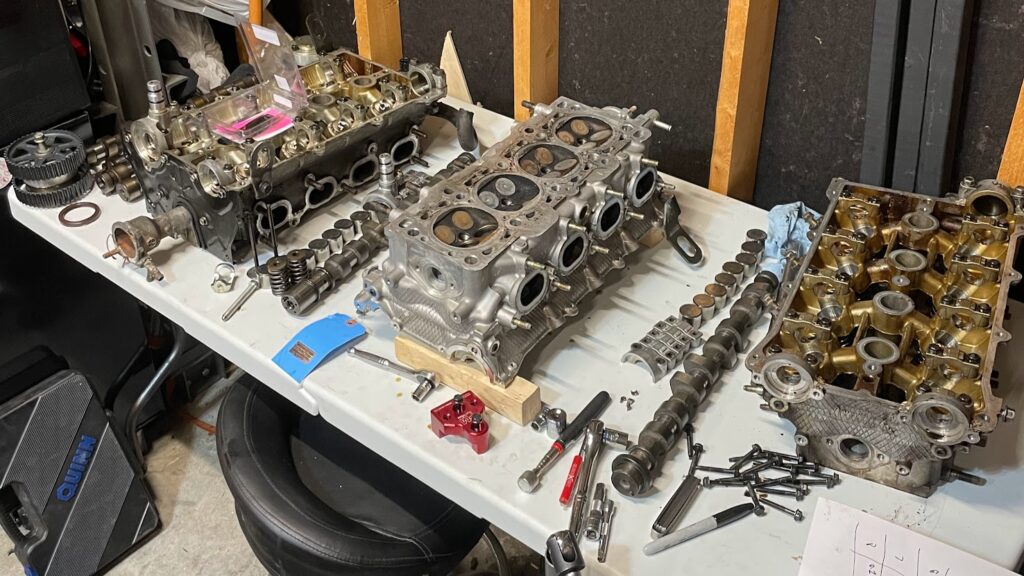
October 2023 focused on the long-term viability of the Mazda BP engine. The original BP4W engine, while reliable, began exhibiting signs of wear, including oil consumption at high RPMs and smoke during engine braking. The owner’s collection of spare parts—including a BP6D (VVT) motor and an extra BP6D head—allowed for a strategic rebuild.
The chosen path was a "hybrid" build: using the BP4W bottom end (known for its simplicity) combined with the BP6D head and pistons. This configuration aims to leverage the higher compression of the BP6D pistons while maintaining the reliability of the earlier block. The decision to perform much of the assembly and honing in-house reflects the "DIY" spirit of the Miata community, though it also introduces variables that require rigorous post-build testing.
Seasonal Data and Final Refinements
As the 2023 season concluded in November, the data revealed a significant increase in seat time. The vehicle participated in 15 track days and 15 autocross events, a 50% increase in track activity over the previous year. Tire wear data was particularly informative:
- Bridgestone RE71-RS: 17 events (approx. 70 runs) with remaining tread.
- Falken RT660: 8.5 hours of track time over 38 heat cycles.
The winter months (December 2024 to February 2024) were dedicated to weight reduction and ergonomic finality. The removal of the dashboard and unnecessary wiring harnesses saved approximately 50 lbs. This reduction is critical for Time Trials, where cars compete in classes defined by power-to-weight ratios. The installation of a 330mm OMP quick-release steering wheel and a custom trunk-mounted bracket for the Cool Shirt system finalized the car’s transition into a dedicated competition machine.
Conclusion and Future Outlook
After three years, this NB Miata has evolved from a standard roadster into a specialized Time Trials competitor. The 2023-2024 period was defined not by major power increases, but by "incrementalism"—the process of making small, data-backed adjustments to aerodynamics, weight, and driver ergonomics.
As the project enters its fourth year, the focus shifts toward power-to-weight optimization. With the chassis and aerodynamics now well-sorted, the eventual addition of forced induction or a high-compression engine build remains the final frontier to move the car from a mid-pack entrant to a class leader. The journey of this NB Miata serves as a blueprint for the modern grassroots racer: a balance of mechanical pragmatism, data analysis, and an unwavering commitment to seat time.