Retno Hari Mulyono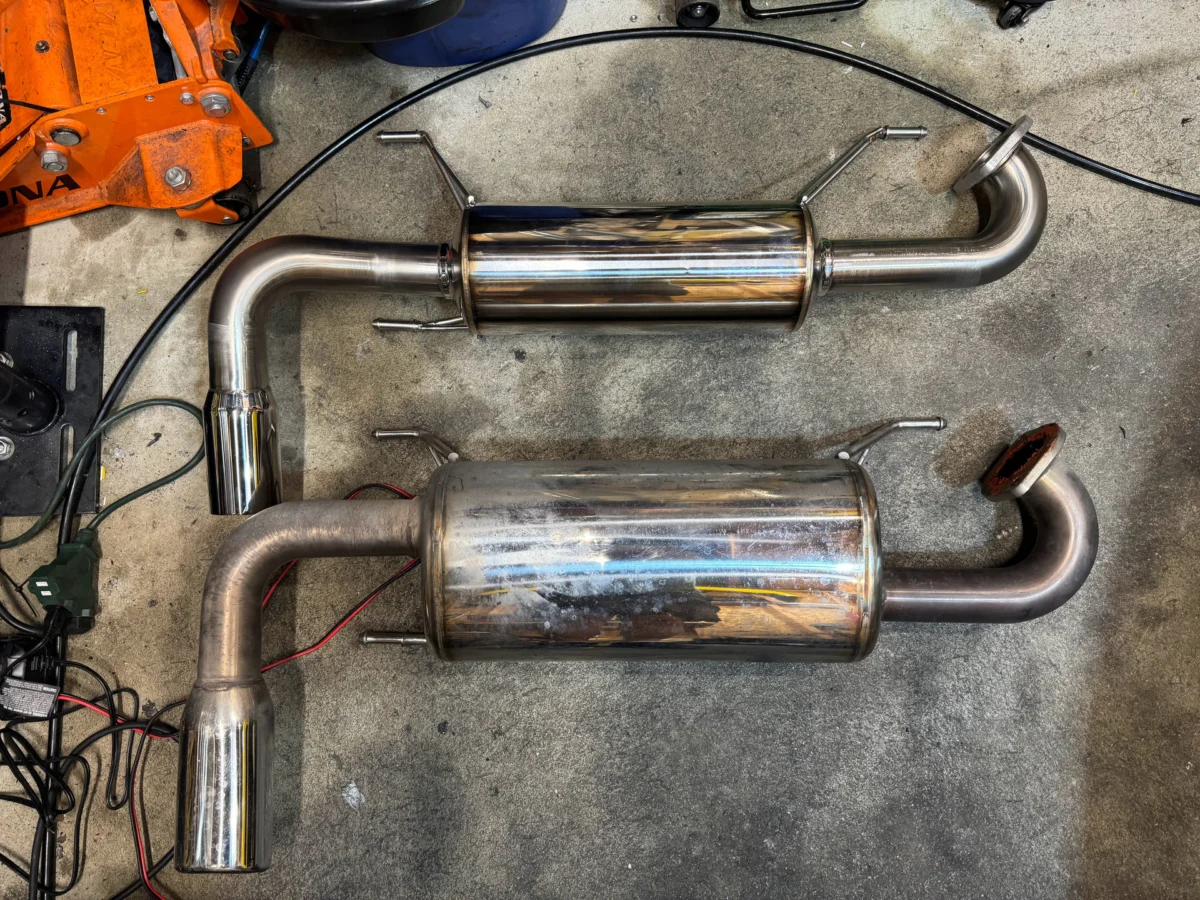
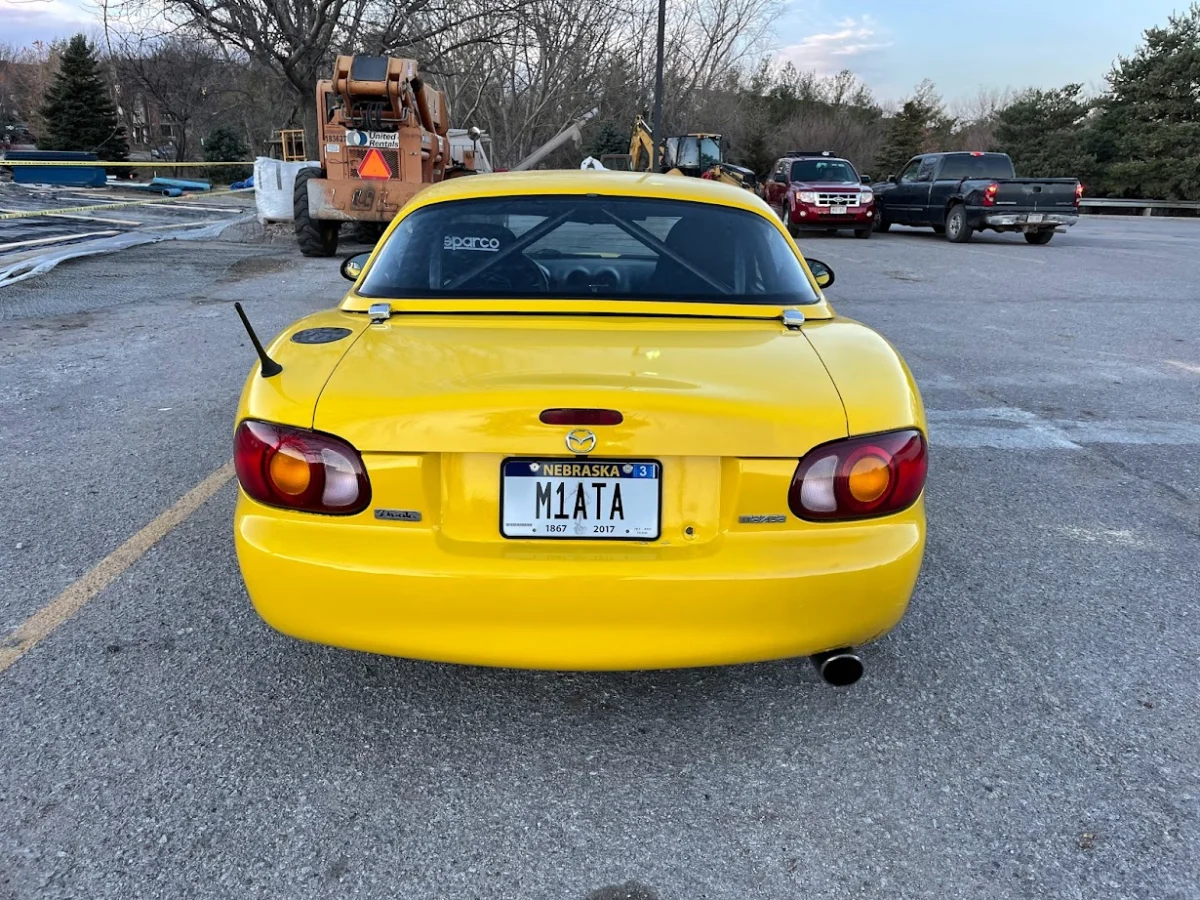
The second-generation Mazda MX-5, commonly referred to as the NB Miata, has long been a cornerstone of grassroots motorsport due to its balanced chassis, mechanical simplicity, and extensive aftermarket support. For one dedicated owner and amateur racer, the completion of a fourth year of ownership in February 2025 marked a significant transition from casual track use to a sophisticated, logistics-heavy time-trial program. Over the preceding twelve months, the vehicle underwent a series of mechanical trials, including a major engine swap failure and subsequent recovery, alongside a total overhaul of the owner’s track-day infrastructure. This report details the technical progression, competitive performance, and logistical developments of the vehicle from March 2024 through February 2025.
Technical Setbacks and the Engine Swap Initiative
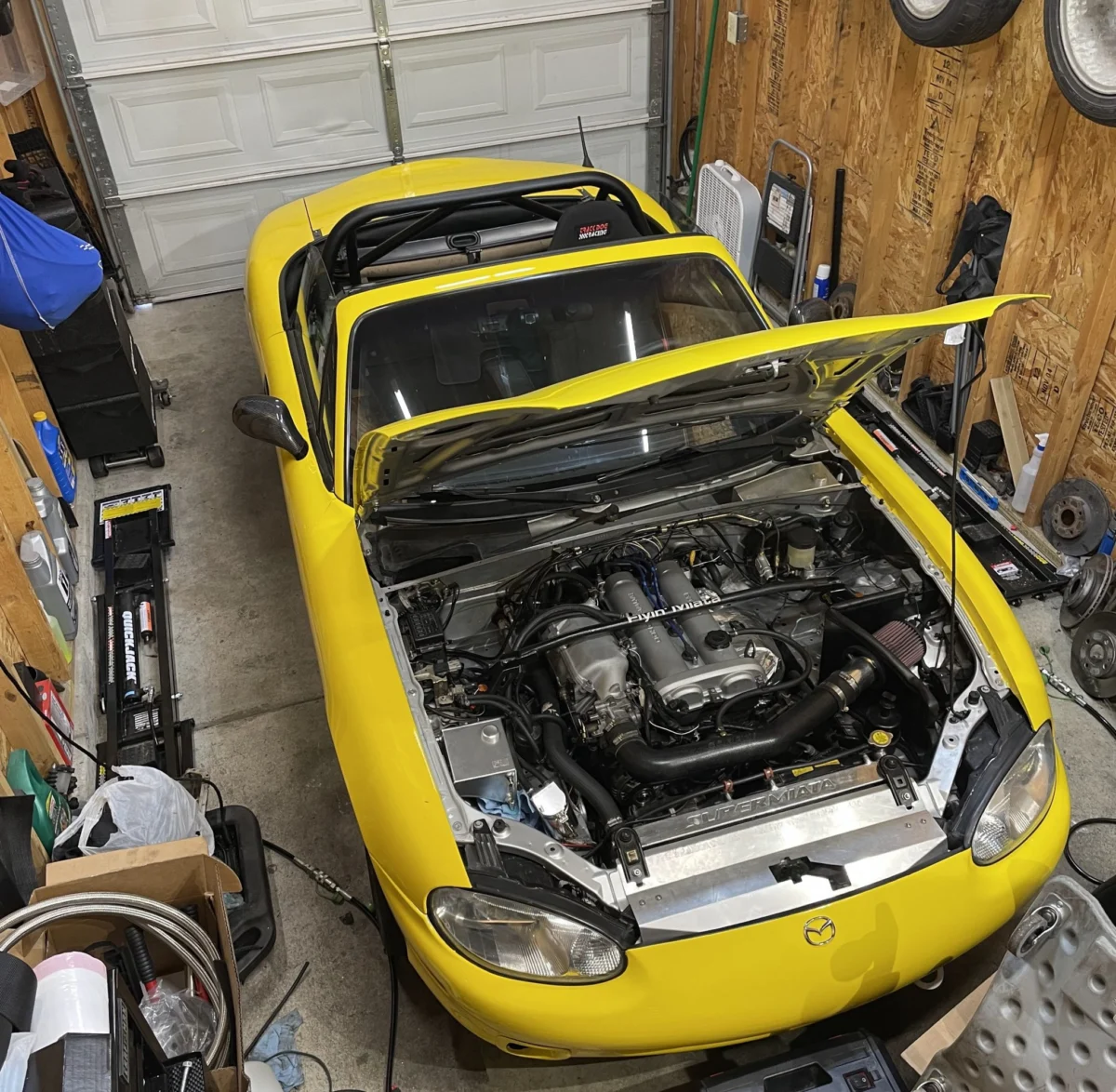
The 2024 season began with an ambitious mechanical overhaul aimed at increasing the vehicle’s power-to-weight ratio and mid-range torque. In March 2024, the owner attempted to replace the original BP4W engine with a rebuilt BP6D Variable Valve Timing (VVT) motor, paired with a six-speed manual transmission. The BP6D, sourced from later NB2 models, is a sought-after upgrade for NB1 owners due to its improved intake cam timing, which provides a broader power band.
However, the transition was fraught with technical complications. During the preparation phase, it was discovered that the donor engine’s valves were not sealing correctly, necessitating a comprehensive head rebuild. The scope of work expanded to include a "do-it-yourself" cylinder hone, the installation of new Original Equipment Manufacturer (OEM) rings, and aftermarket pistons. Despite these efforts, the high-stress environment of competitive driving revealed critical vulnerabilities. Within a month of installation, the engine suffered a head gasket failure during an autocross event. The failure was attributed to excessive cooling system pressure at near-redline RPMs, which forced out a freeze plug—the path of least resistance in the cooling circuit.
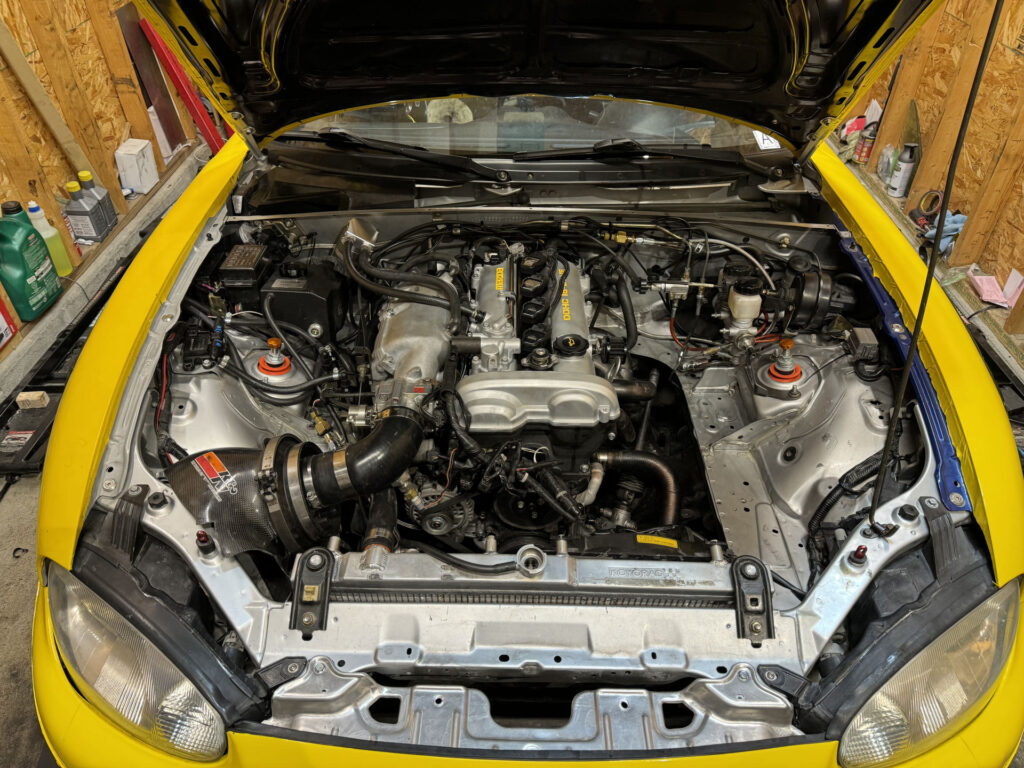
While the leak was categorized as minor, the decision was made to reinstall the original BP4W motor to ensure reliability for the remainder of the racing season. The six-speed transmission was retained, providing shorter gear ratios that proved beneficial for acceleration on technical circuits. This episode highlights the inherent risks of DIY engine rebuilding for high-performance applications and the importance of professional machining for cylinder heads and blocks intended for track use.
Thermal Management and Braking Efficiency
In April 2024, the focus shifted to thermal management, specifically regarding the vehicle’s braking system. The Miata was already equipped with a Supermiata BX11 brake kit, a high-performance setup designed for endurance. While the kit offered sufficient stopping power, the owner noted that the relatively thin brake pads were wearing at an unsustainable rate.
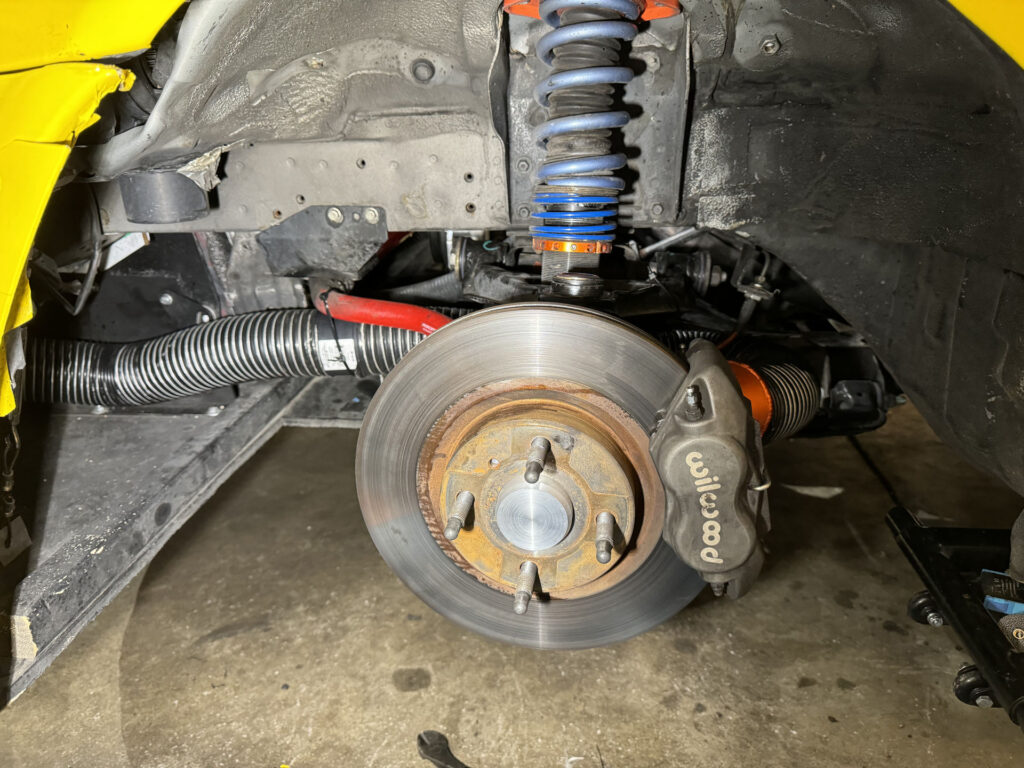
To mitigate this, a custom brake cooling duct system was installed. The system utilized two-section hoses with central couplers, a design choice intended to simplify maintenance; if one section of the hose sustained damage from road debris or tire rub, it could be replaced independently. Empirical data collected throughout the season suggested that these ducts approximately doubled the lifespan of the brake pads. This modification represents a cost-effective alternative to "Big Brake Kits," which often present challenges regarding wheel fitment and increased unsprung weight.
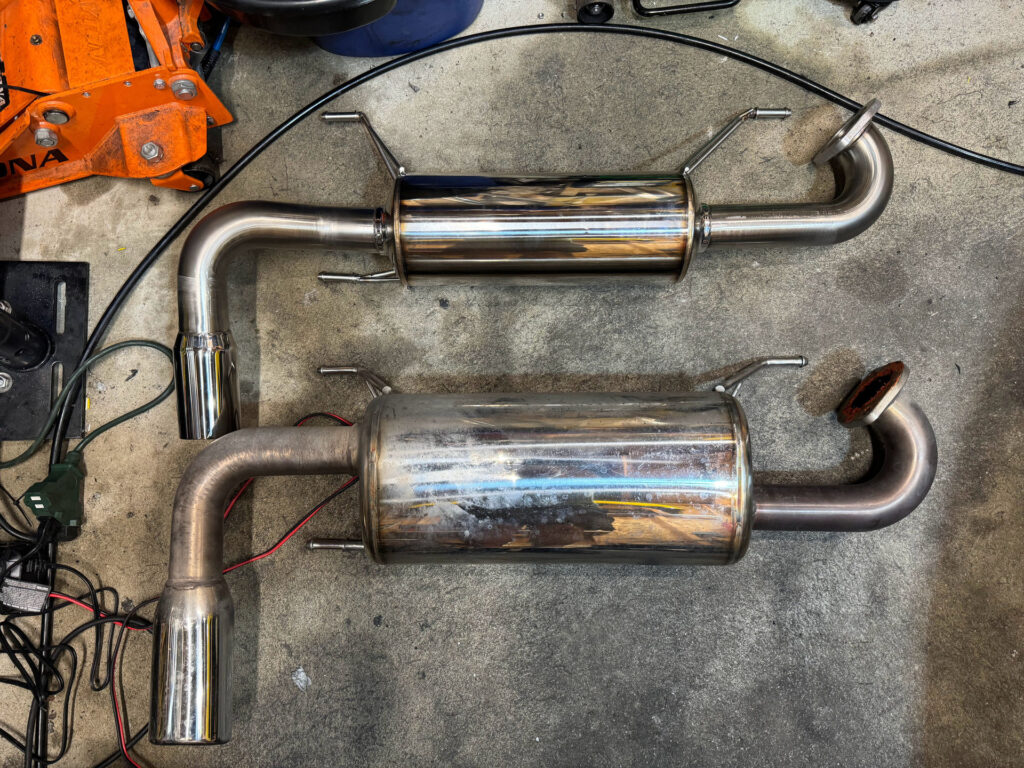
Further refinements in May included the installation of a Racing Beat Race muffler, replacing the heavier Power Pulse model. The upgrade was motivated by a desire for weight reduction and a more aggressive exhaust note. The resulting configuration—comprising a Raceland header, a Racing Beat Race resonated midpipe, and the new muffler—achieved a balance of performance and compliance, remaining within the noise limits enforced by various North American racing circuits.
Competitive Performance and Lap Time Analysis
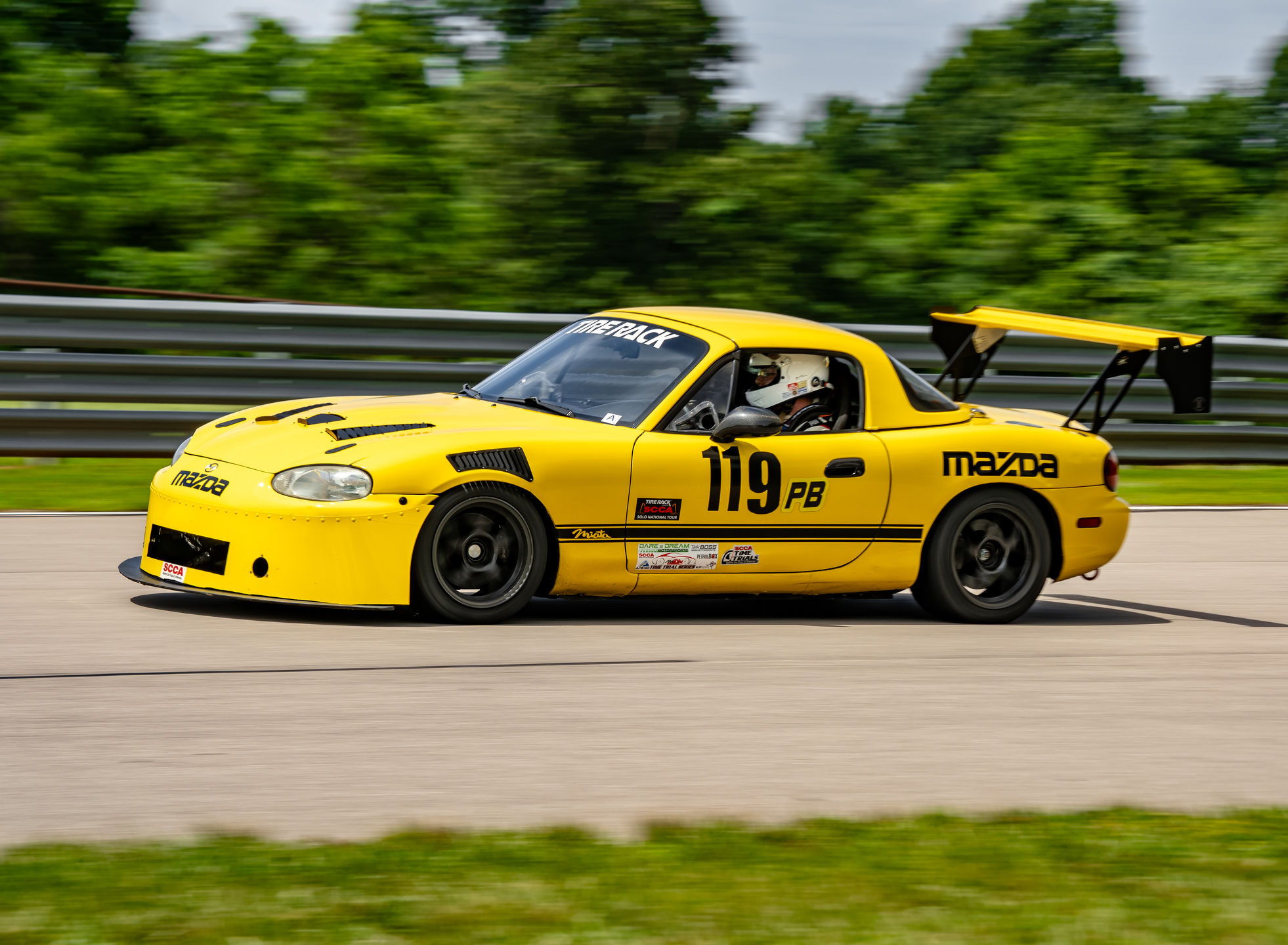
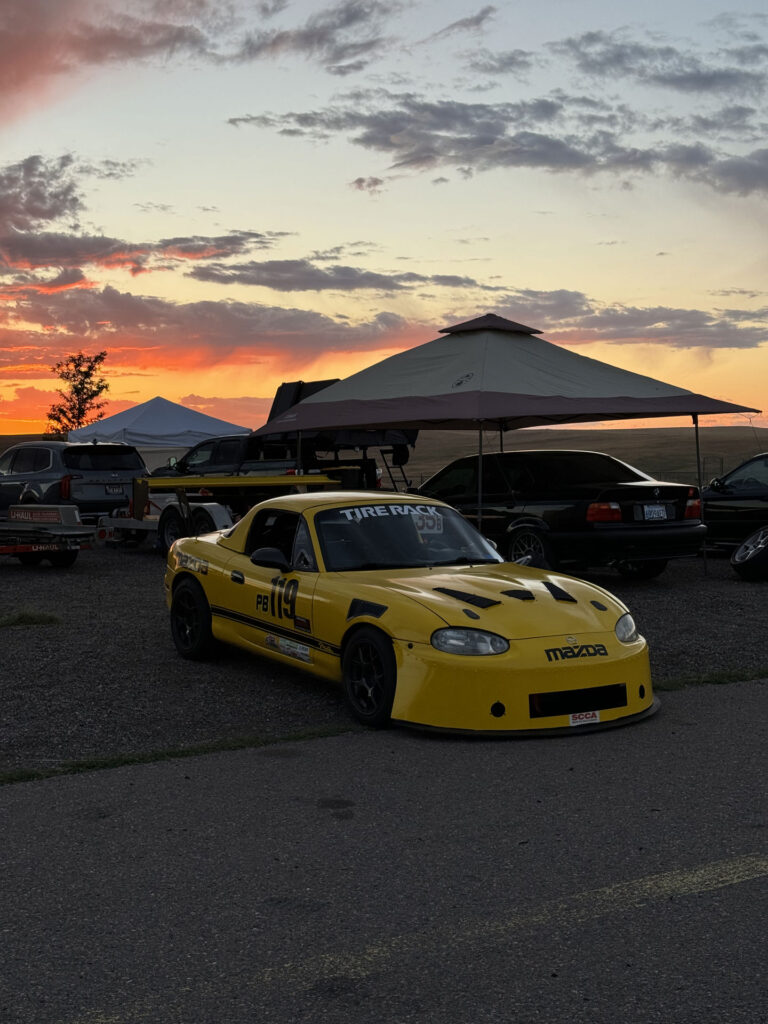
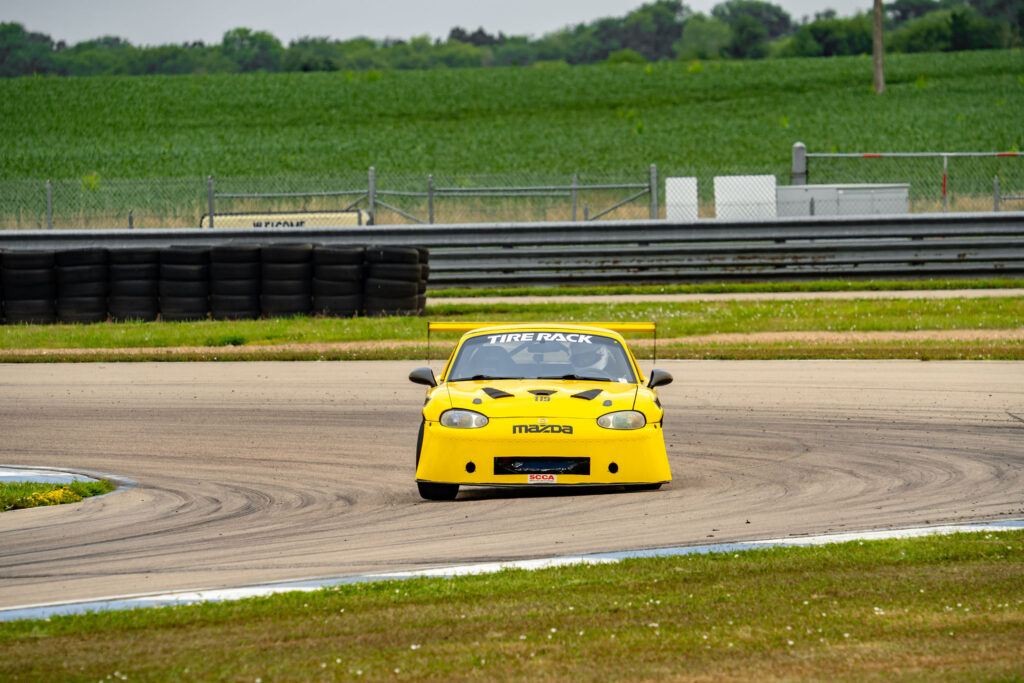
The 2024 season was defined by a heavy schedule of SCCA Time Trials and track days, totaling 16 days on circuit and 392 completed laps. The vehicle’s performance at several key Midwest and High Plains venues demonstrated significant driver development and mechanical synergy.
Motorsports Park Hastings (MPH)
August 2024 marked a high point in the competitive season at Motorsports Park Hastings. Having extensive experience at this venue, the owner achieved a personal best lap time of 1:39.19. For context, this time is notably faster than the established NASA Spec Miata track record of 1:40.415 and the NASA TT6 record of 1:39.625. While it did not reach the elite NASA TT5 record of 1:34.110, the performance placed the vehicle at the top of its class for every session of the event.
Ozarks International Raceway and Hallett Motor Racing Circuit
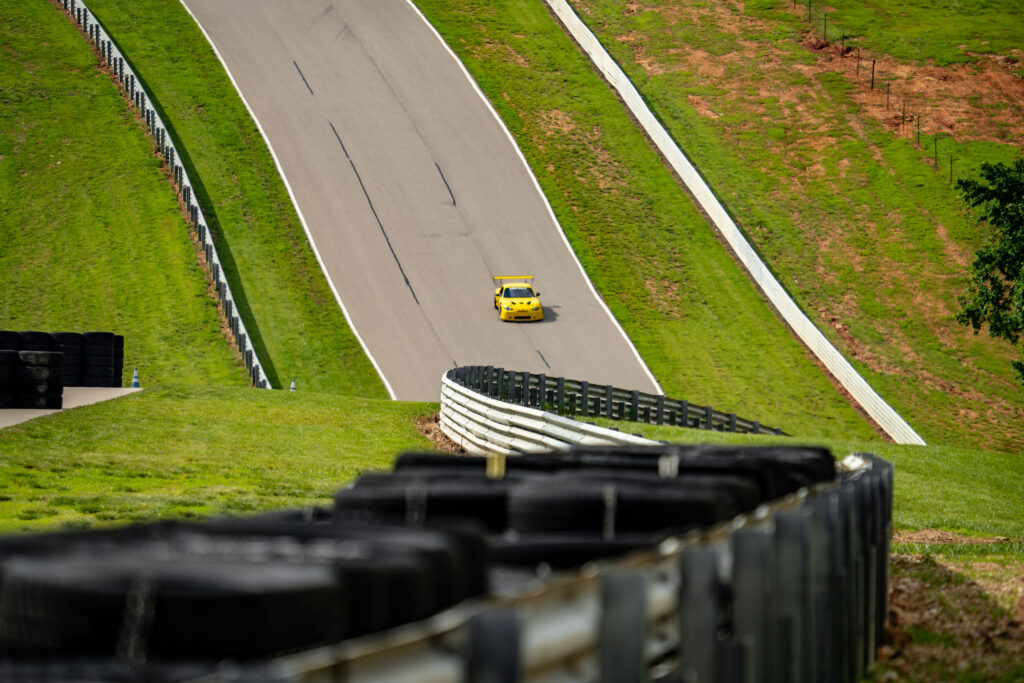
The season also included visits to Ozarks International Raceway in June and Hallett Motor Racing Circuit in November. Ozarks is characterized by its extreme elevation changes and technical complexity, making it one of the most demanding tracks in the region. At Hallett, the owner participated in SCCA Time Trials that utilized both clockwise and counter-clockwise configurations in a single day. Despite the challenge of adapting to the directional switch mid-day, the owner reported improved lap times in both directions compared to the previous year, securing first-place finishes in several sessions.
Logistical Infrastructure and "Track-Side" Living
A significant portion of the 2024-2025 period was dedicated to improving the logistics of track-day attendance. Recognizing the limitations of driving a highly modified, stiffly sprung race car to distant venues, the owner transitioned to a dedicated towing setup.
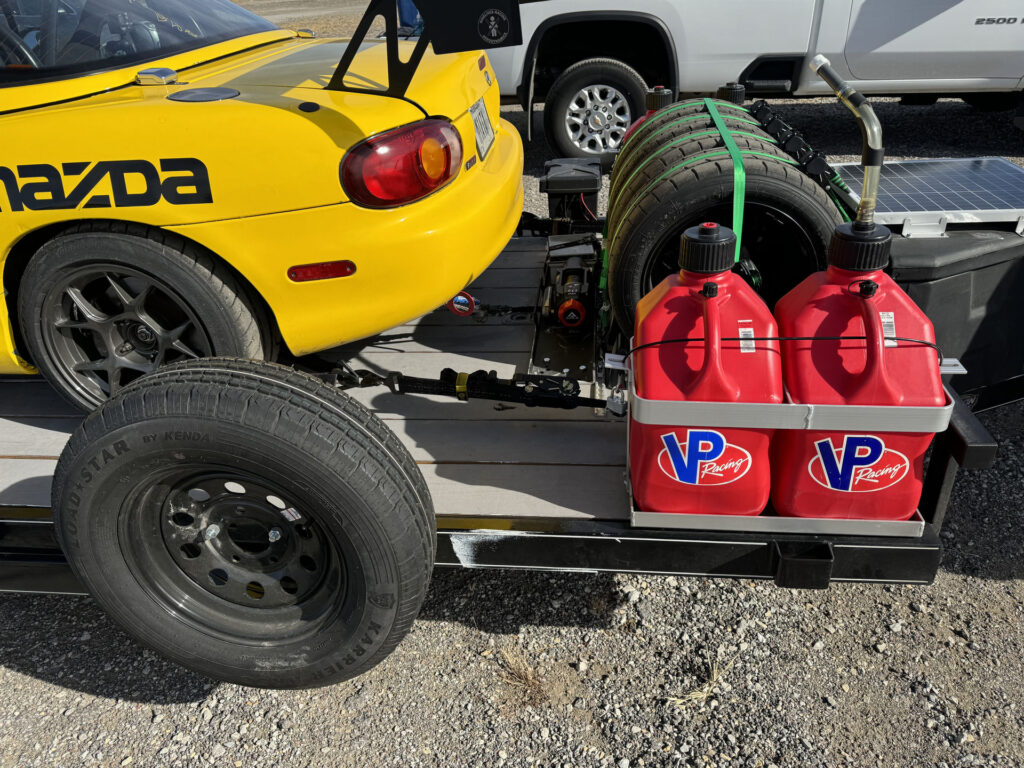
In June 2024, the acquisition of a towing truck allowed for the transport of the Miata on an 18-foot open car hauler. The trailer underwent several modifications to suit the low-profile Miata, including:
- An electric tongue jack for ease of hitching.
- A front-mounted tool box and a four-tire rack.
- A 12,000-lb winch for loading non-running vehicles.
- Custom decking and "over-the-tire" tie-down straps to secure the car without stressing the suspension.
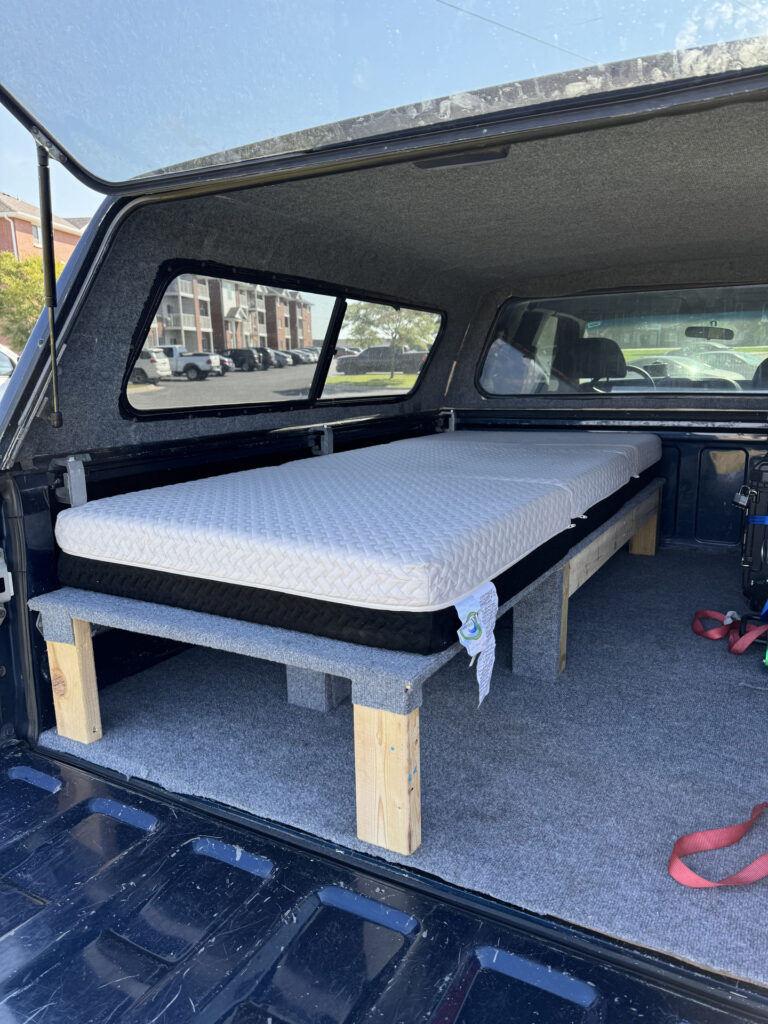
The transition to towing significantly reduced driver fatigue during long-distance trips, such as the 900-mile round trip to High Plains Raceway in July. Furthermore, the owner converted the truck bed into a mobile sleeping quarters by installing a color-matched camper shell, a memory foam mattress platform, and a MaxxFan Deluxe RV roof vent powered by solar panels. This "truck-bed camping" setup eliminated the time-consuming process of pitching tents and provided a weather-resistant environment for multi-day events.
Winter Developments and 2025 Preparations
As the 2024 season concluded, the owner returned to the workshop to address long-term performance goals. In December, a post-mortem analysis of the failed VVT engine revealed minor scratches on the cylinder head and evidence of out-of-round cylinder walls. This discovery led to a strategic pause on the VVT swap, with the owner opting to continue utilizing the reliable BP4W block while preparing a separate, professionally machined block for future use.
In January 2025, a Skunk2 intake manifold was installed. While the power gains from this component are often marginal (estimated at 1-4 wheel horsepower), the manifold is designed to shift the power curve higher into the RPM range. For a track-focused vehicle that spends the majority of its time above 5,000 RPM, this modification is intended to prevent power drop-off as the engine approaches its 7,000+ RPM limit.
The final major update of the year occurred in February 2025 with the installation of a GMRS (General Mobile Radio Service) communication system. Utilizing a Baofeng UV-5R radio hard-wired to the car’s 12V system and a steering-wheel-mounted Push-To-Talk (PTT) button, the system allows the driver to communicate with family and crew in the pits. This provides real-time access to live timing data and situational awareness, a critical component for competitive time-trial racing.
Conclusion and Future Outlook
The fourth year of NB Miata ownership for this enthusiast has been a case study in the evolution of a grassroots racing program. By the end of February 2025, the vehicle had accumulated a lifetime total of 1,023 laps and 34.6 hours of track time, as recorded by the Garmin Catalyst optimization system.
The data suggests that while mechanical upgrades like engine swaps can offer significant theoretical advantages, they also introduce new failure points that require meticulous execution. Conversely, "quality of life" upgrades—such as dedicated towing setups, communication systems, and thermal management—often yield more consistent improvements in competitive performance and overall sustainability. As the 2025 season begins, the vehicle stands as a highly refined example of the NB platform, optimized not just for speed, but for the rigorous logistical demands of modern amateur motorsport.