Retno Hari Mulyono
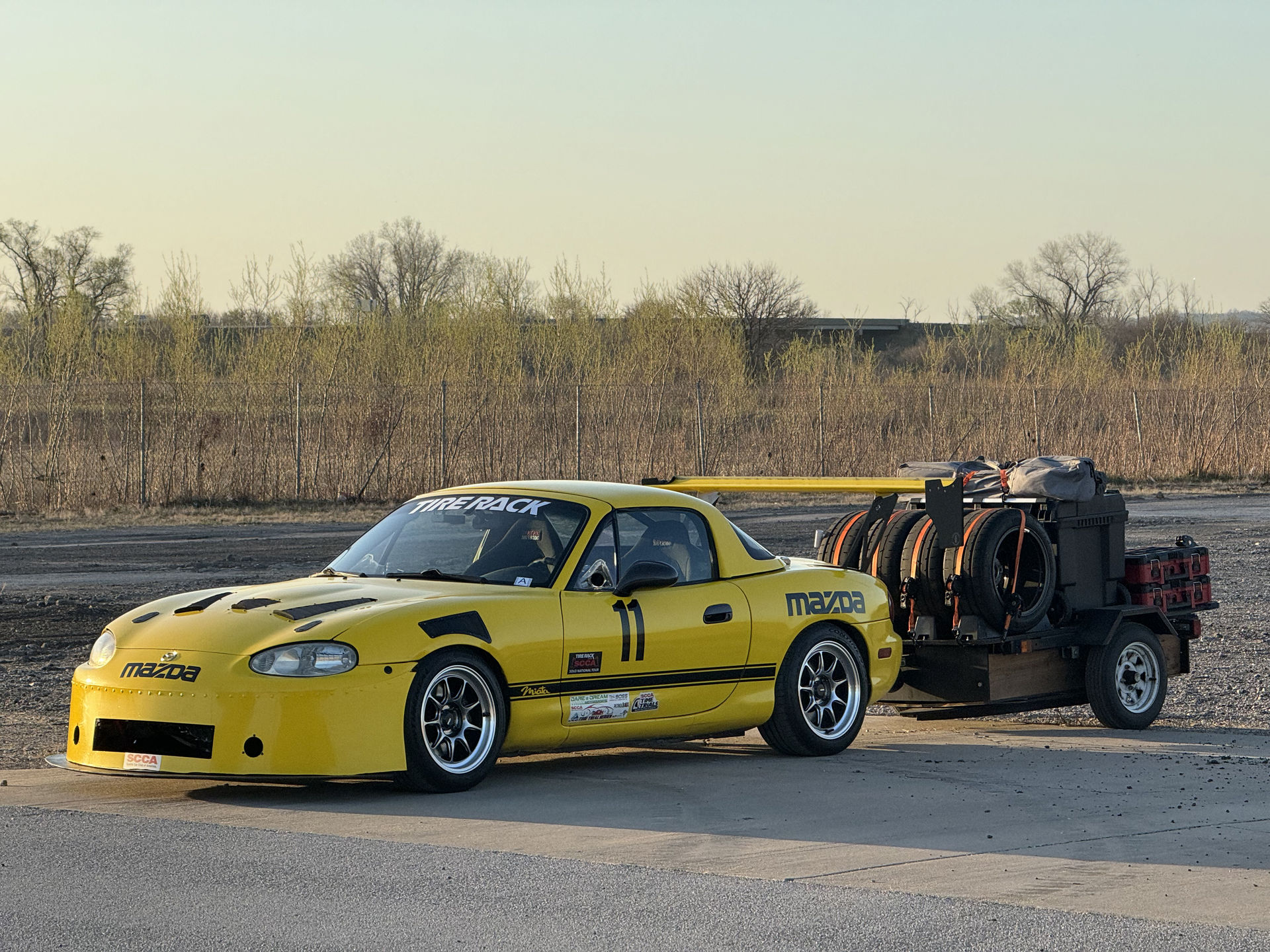
The logistical challenges of participating in high-performance driving events (HPDE), autocross, and track days are often magnified for owners of compact sports cars, such as the Mazda Miata. As drivers transition from standard high-performance street tires to specialized track-oriented rubber—specifically those with a 200 Treadwear (TW) rating or lower—the necessity for a dedicated transportation solution becomes apparent. While larger vehicles can accommodate a spare set of wheels and support gear within their cabins, small-platform vehicles require external solutions. The tire trailer has emerged as a primary engineering response to this need, offering a modular, cost-effective way to transport specialized equipment without compromising the vehicle’s streetability or the tires’ longevity.
The Technical Necessity: Preserving Specialized Racing Compounds
The primary motivation for utilizing a tire trailer stems from the chemical and physical properties of modern track tires. Compounds found in tires such as the Hankook Ventus RS4, Michelin Pilot Sport Cup 2, or the Bridgestone Potenza RE-71RS are designed for maximum grip within specific temperature windows. Driving these tires on public highways to and from a racing circuit introduces several detrimental factors.
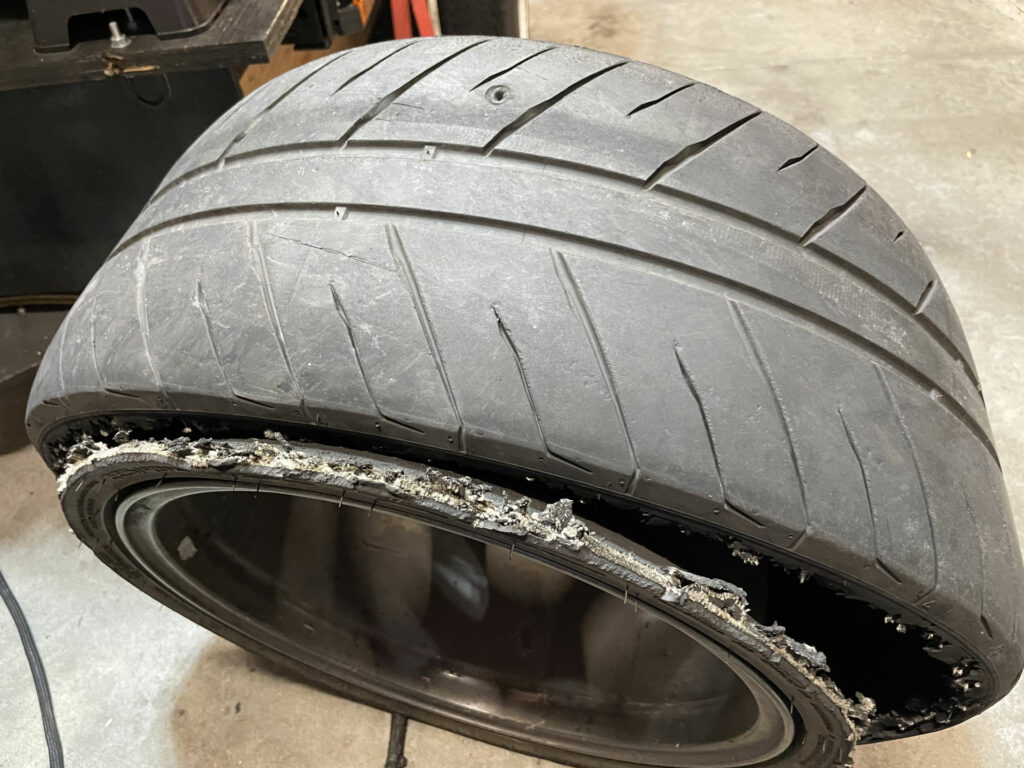
First, track tires are subject to "heat cycles." Each time the rubber is heated through friction and subsequently cooled, the chemical composition of the tire changes, gradually becoming harder and less compliant. Using these tires for mundane highway transit consumes these finite cycles, potentially reducing the tire’s peak performance before it even reaches the track. Furthermore, the shallow tread depth characteristic of 200TW tires makes them susceptible to hydroplaning in wet conditions and vulnerable to road debris. A single puncture from a stray nail on a highway can result in a costly replacement of a tire that may have only seen a fraction of its intended track life.
Data from amateur racing circuits suggest that a set of high-performance tires can cost between $800 and $1,500. By transporting these tires on a trailer rather than driving on them, enthusiasts can extend the usable life of their investment by an estimated 20% to 30%, depending on the distance to the venue.
Chronology of the Tire Trailer Build: From Assembly to Optimization
The development of a bespoke tire trailer typically follows a phased approach, beginning with a foundational frame and progressing toward a highly specialized mobile pit station.

Phase I: Foundation and Frame Selection
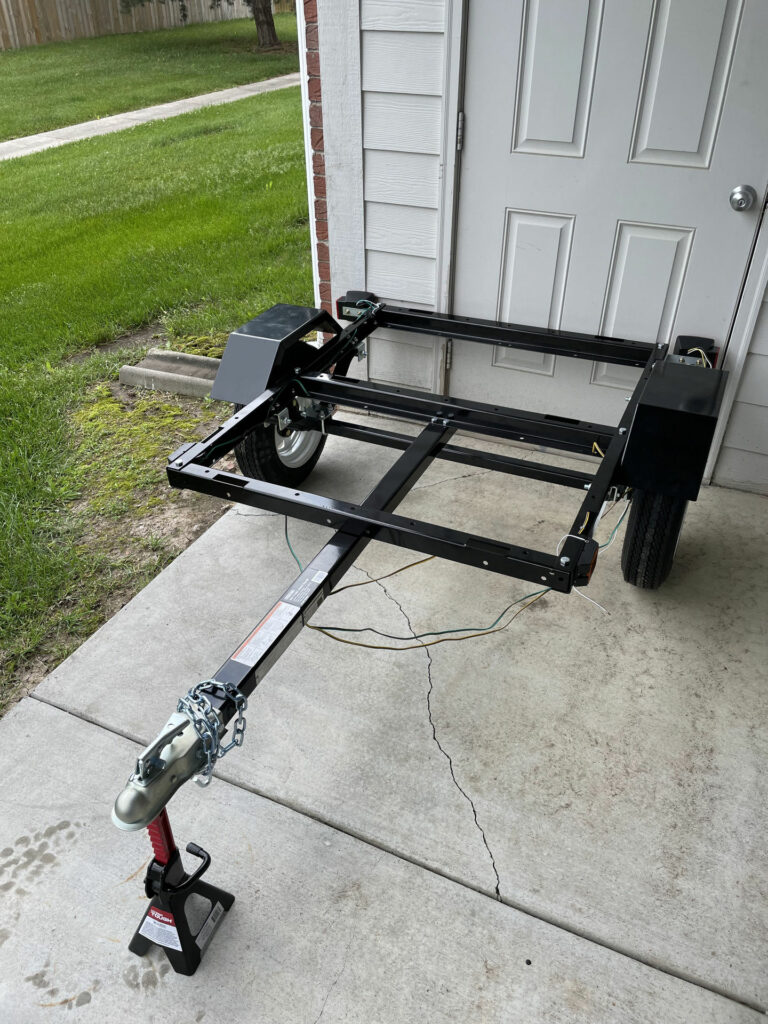
The construction process generally begins with a small utility trailer frame, such as the 40-inch by 48-inch model provided by Northern Tool or the folding 4-foot by 8-foot alternative from Harbor Freight. These kits are delivered in a knocked-down format, requiring manual assembly of the steel chassis, axle, and leaf spring suspension. For the Mazda Miata, the 40×48 frame is the preferred footprint due to its low weight and minimal impact on the vehicle’s aerodynamic profile.
Phase II: Decking and Primary Storage
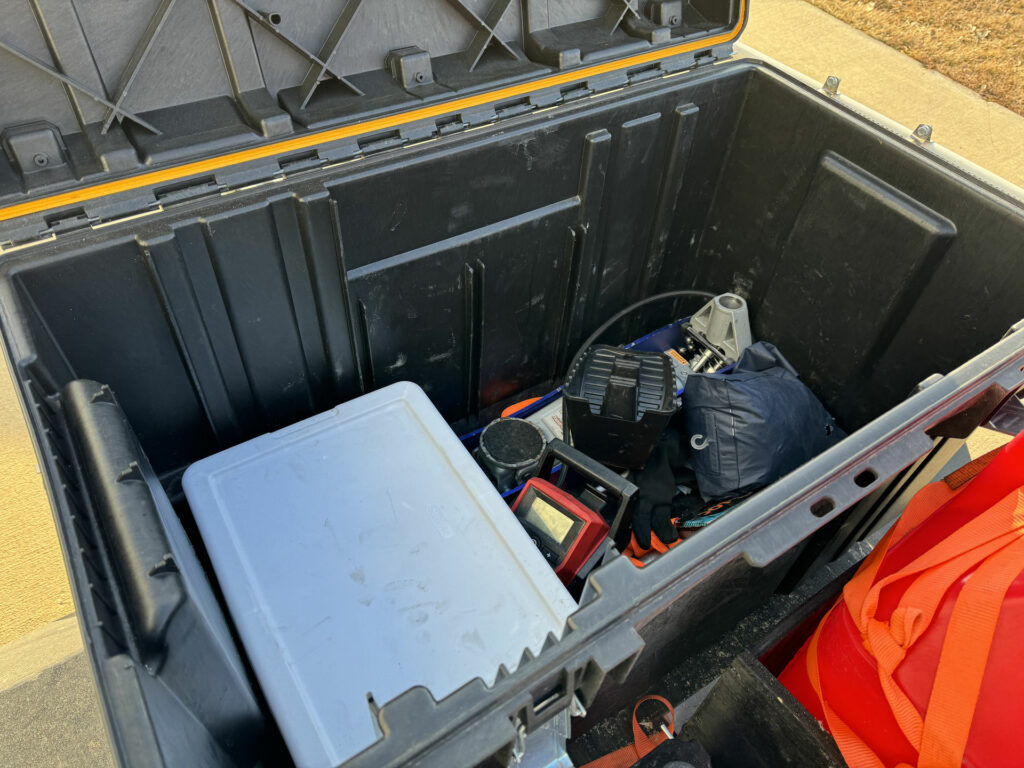
Once the frame is established, a deck—often constructed from 3/4-inch marine-grade or Sande plywood—is secured using recessed carriage bolts. This provides a stable platform for mounting hardware. A central weatherproof toolbox, such as the DeWalt DWST38000, is frequently integrated. This serves as the "hub" for the trailer, housing essential track-side tools:
- High-torque impact wrenches and deep-well sockets.
- Calibrated tire pressure gauges and air compressors.
- Torque wrenches for wheel lug verification.
- Pyrometers for measuring tire surface temperatures.
Phase III: Specialized Load Management
The securement of the wheels is the most critical aspect of the build. To maintain a safe tongue weight—ideally 10% to 15% of the total trailer weight—the wheels are typically mounted toward the front of the trailer. Securement methods involve a three-point redundancy system: a central steel rod through the hubs, heavy-duty ratchet straps, and a secondary locking cable for theft prevention.
Advanced Modifications: Enhancing Logistics and Fuel Capacity
As drivers gain experience, the tire trailer often undergoes significant upgrades to handle the demands of multi-day events.
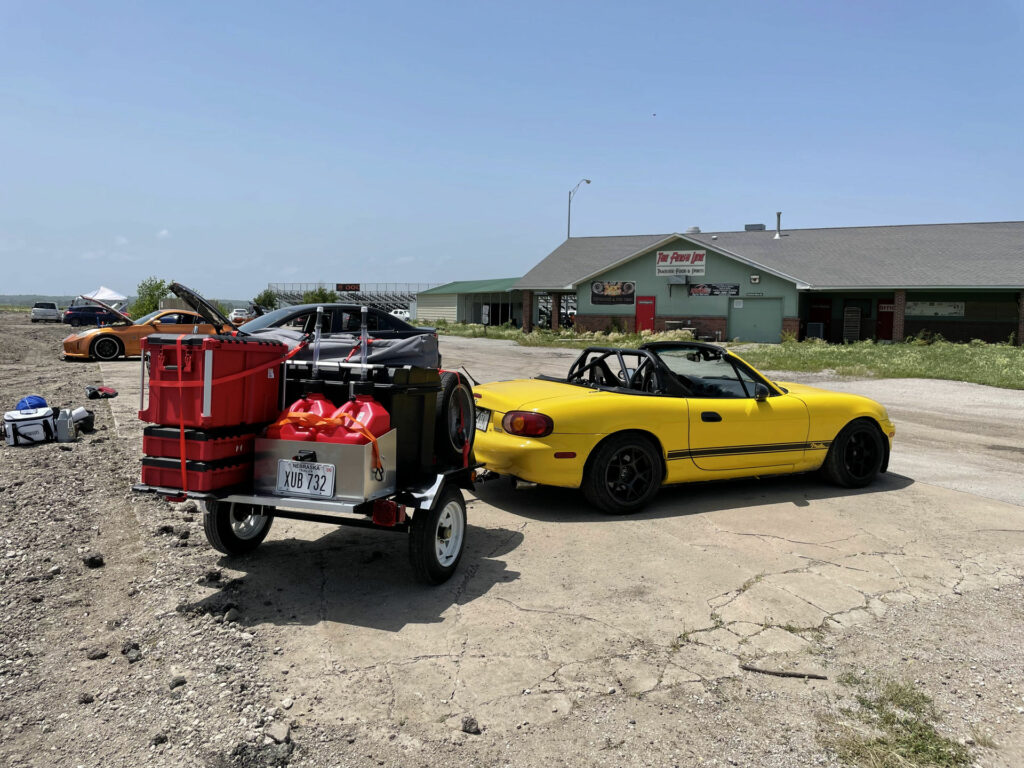
The Implementation of a Secondary Deck
To maximize the vertical footprint of the 40×48 frame, many builders implement a "lower deck" or sub-chassis. By utilizing 2×10 lumber and 1/2-inch plywood, a storage cavity can be created beneath the primary deck. This area is ideal for heavy, low-profile items such as jack stands, canopy weights, and spare aerodynamic components like splitters. This modification lowers the center of gravity while increasing total storage volume without expanding the trailer’s width.
Fuel Management and E85 Logistics
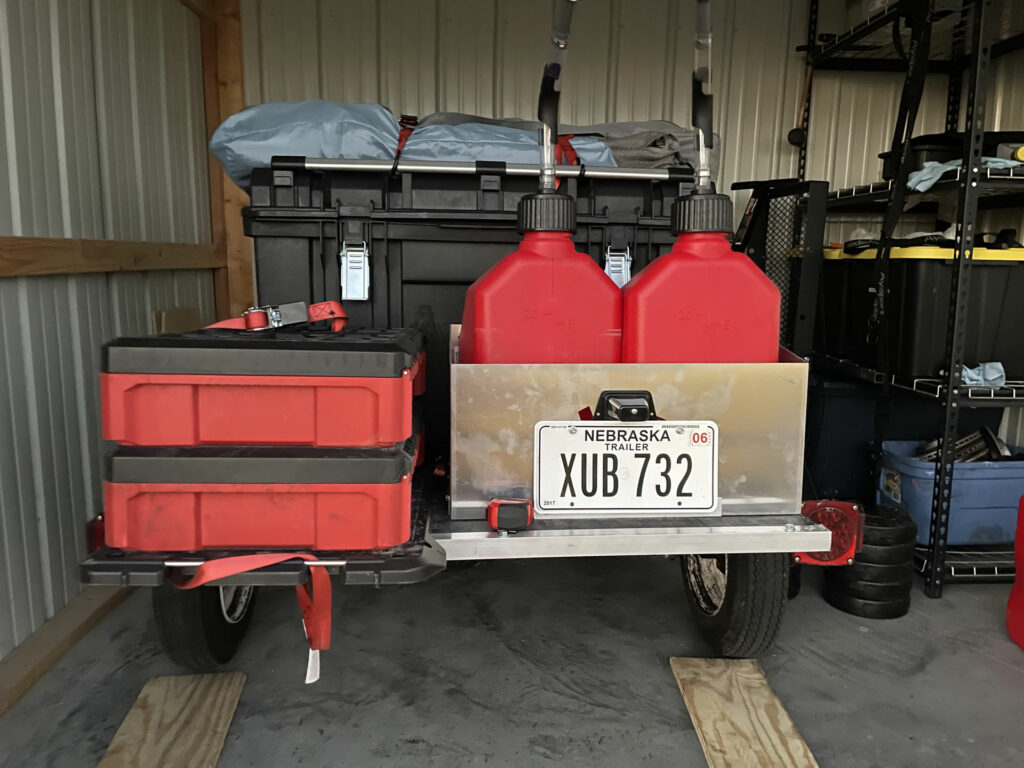
For vehicles tuned to run on E85 ethanol or high-octane racing fuel, availability at or near the track can be inconsistent. To combat "fuel deserts," enthusiasts often integrate high-capacity fuel storage. While initial builds may use 5-gallon VP Racing jugs, advanced trailers may feature 15-gallon Flo-Fast fuel containers equipped with hand-crank pumps. This allows for rapid refueling in the paddock, ensuring the vehicle remains at optimal performance levels throughout the heat of competition.
Tool Modularization via the Packout System
The integration of modular storage systems, such as the Milwaukee Packout, has become a standard in modern paddock management. By bolting mounting plates to the rear of the trailer, drivers can quickly attach or detach toolboxes containing spare sensors, brake fluid, fuses, and specialized hand tools. This "plug-and-play" approach reduces the time spent searching for equipment and allows for a more organized pit area.
Technical Analysis of Trailer Dynamics: Tires and Safety
A critical but often overlooked aspect of tire trailer performance is the choice of the trailer’s own tires. Most entry-level kits are equipped with 4.80-12 bias-ply tires. While functional, these tires are often limited by low speed ratings and high heat generation.
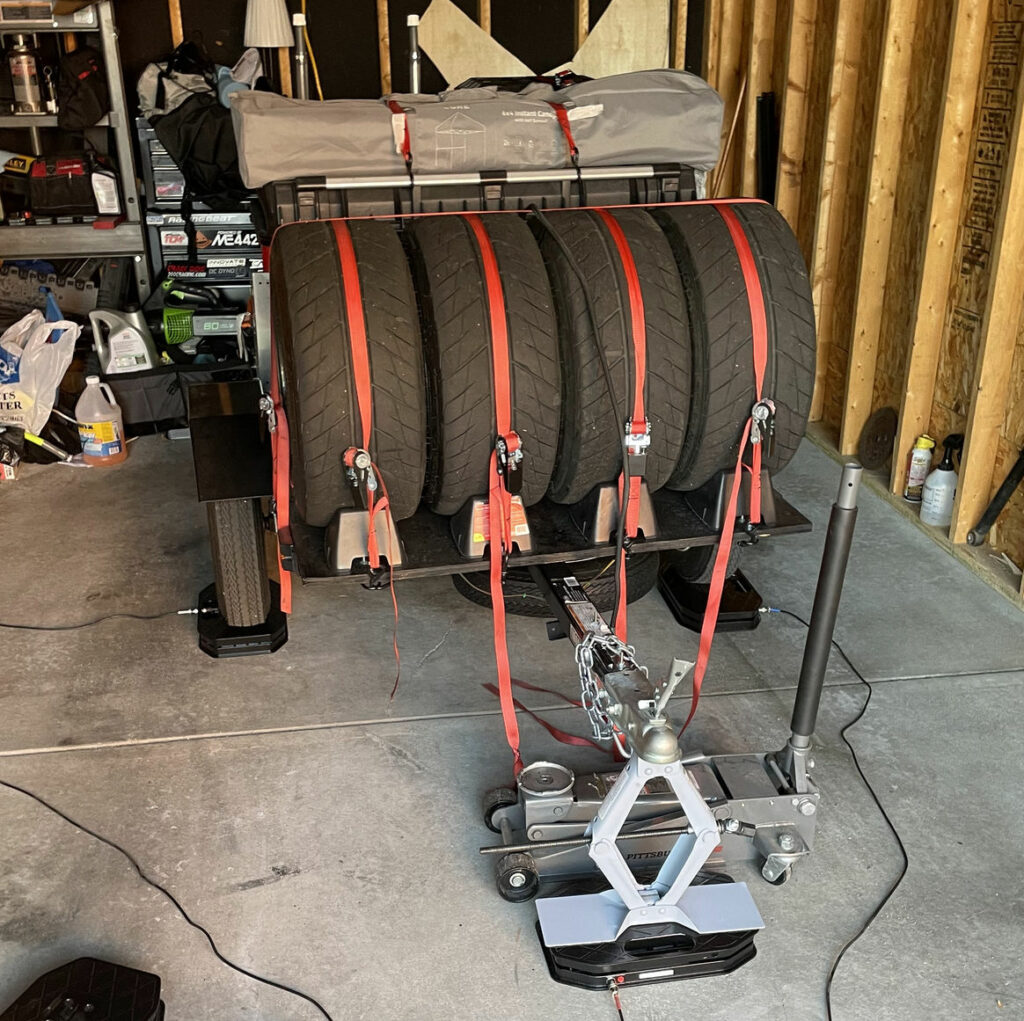
Technical assessments of trailer failures on the highway indicate that bias-ply tires are more prone to blowouts during sustained high-speed transit. Upgrading to 145R12 radial tires offers several advantages:
- Lower Operating Temperatures: Radial construction allows for better heat dissipation, protecting the rubber compound during long hauls.
- Increased Stability: The stiffer sidewall and broader footprint of a radial tire reduce "trailer sway," a dangerous harmonic oscillation that can occur at speeds above 65 mph.
- Bearing Longevity: Radial tires often run truer than bias-ply counterparts, reducing the vibration-induced wear on the trailer’s wheel bearings.
Furthermore, safety standards dictate that the trailer must be equipped with DOT-approved lighting and a Class I hitch capable of supporting a 1,000-pound gross trailer weight. For the Mazda Miata, which is not factory-rated for towing in the United States, enthusiasts typically utilize aftermarket hitches that bolt directly to the subframe, ensuring structural integrity.
Economic Impact and Broader Implications for the Racing Community
The rise of the DIY tire trailer reflects a broader trend in the amateur racing community toward "attainable logistics." The cost of a fully outfitted tire trailer ranges from $800 to $1,800, depending on the complexity of the storage systems. In contrast, the alternative—purchasing a dedicated towing vehicle (such as a 1/2-ton pickup truck) and a full car hauler—can easily exceed $40,000 in capital investment, plus increased fuel and maintenance costs.
Statements from track-day organizers suggest that the tire trailer has lowered the barrier to entry for many enthusiasts. It allows the "drive-to-track" culture to persist even as vehicle technology becomes more specialized. By enabling a small car to carry its own support infrastructure, the tire trailer preserves the spirit of the amateur racer who seeks to maximize performance without the need for a professional-grade support team.

However, the transition from a tire trailer to a full truck-and-trailer setup remains the eventual trajectory for many high-level competitors. As vehicles become more track-focused—incorporating aggressive aerodynamic splitters and lowered suspensions—the difficulty of loading them onto a trailer or driving them on public roads increases. Despite this, the tire trailer remains a vital intermediate step, offering a sophisticated balance of utility, economy, and performance preservation.
Conclusion
The tire trailer is more than a simple utility tool; it is a specialized piece of racing infrastructure that addresses the unique constraints of small-platform sports cars. Through careful selection of frames, the integration of modular storage, and the adoption of radial tire technology, enthusiasts have turned a logistical hurdle into a streamlined mobile pit station. As the HPDE and autocross communities continue to grow, the tire trailer stands as a testament to the ingenuity of drivers who refuse to let the size of their vehicle limit the scale of their racing ambitions. For the Mazda Miata owner, it represents the ultimate "force multiplier," ensuring that when the green flag drops, the only thing they need to focus on is the line through the next apex.