Retno Hari Mulyono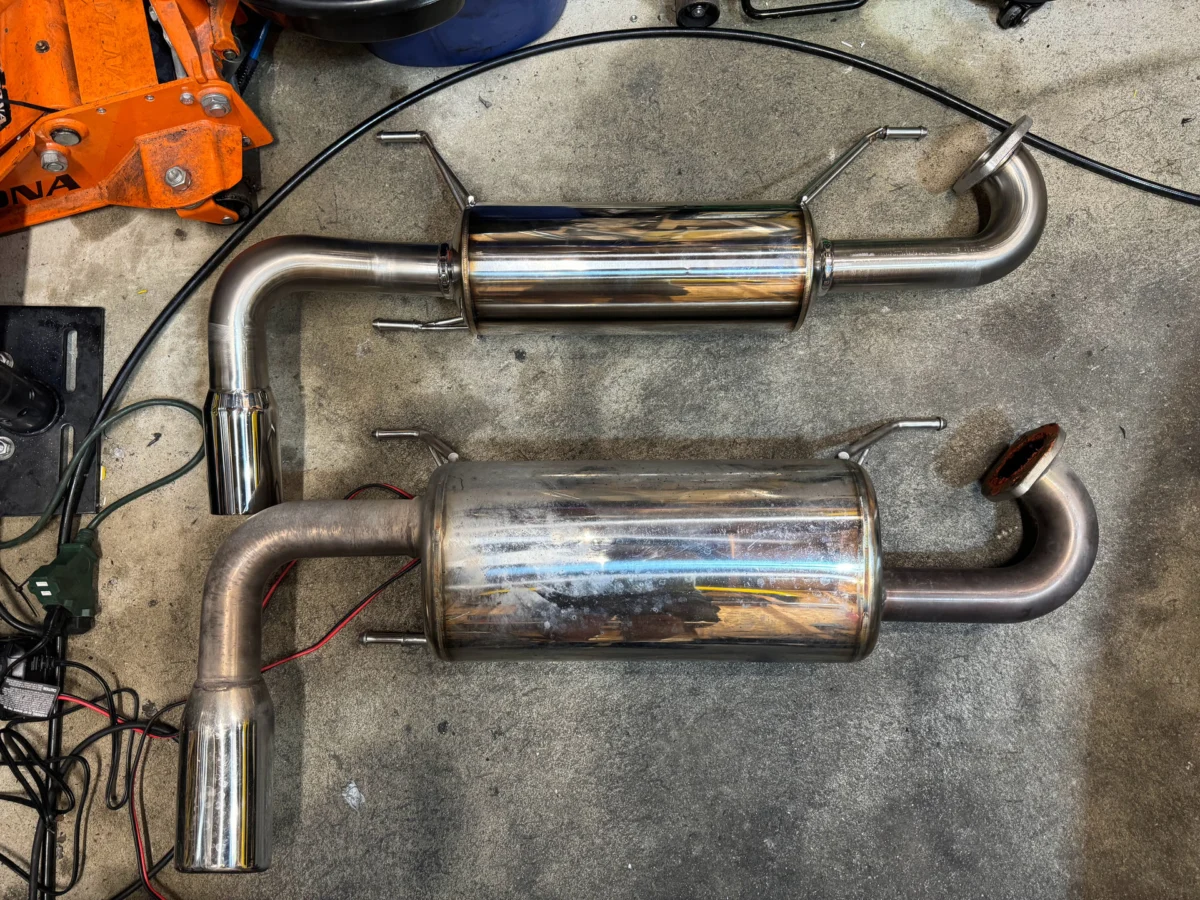
The landscape of grassroots motorsports is often defined by the iterative development of accessible platforms, with the second-generation Mazda MX-5, known internally as the NB, serving as a primary subject for performance optimization. A comprehensive four-year ownership and development cycle recently concluded its latest phase, spanning March 2024 through February 2025. This period represented a significant transition for the vehicle, moving from a multi-purpose enthusiast car to a dedicated track-focused machine supported by a sophisticated logistical infrastructure. The development cycle highlights the technical challenges of engine swaps, the necessity of thermal management in braking systems, and the logistical evolution required for competitive regional time trials.
Technical Milestones and the VVT Engine Transition
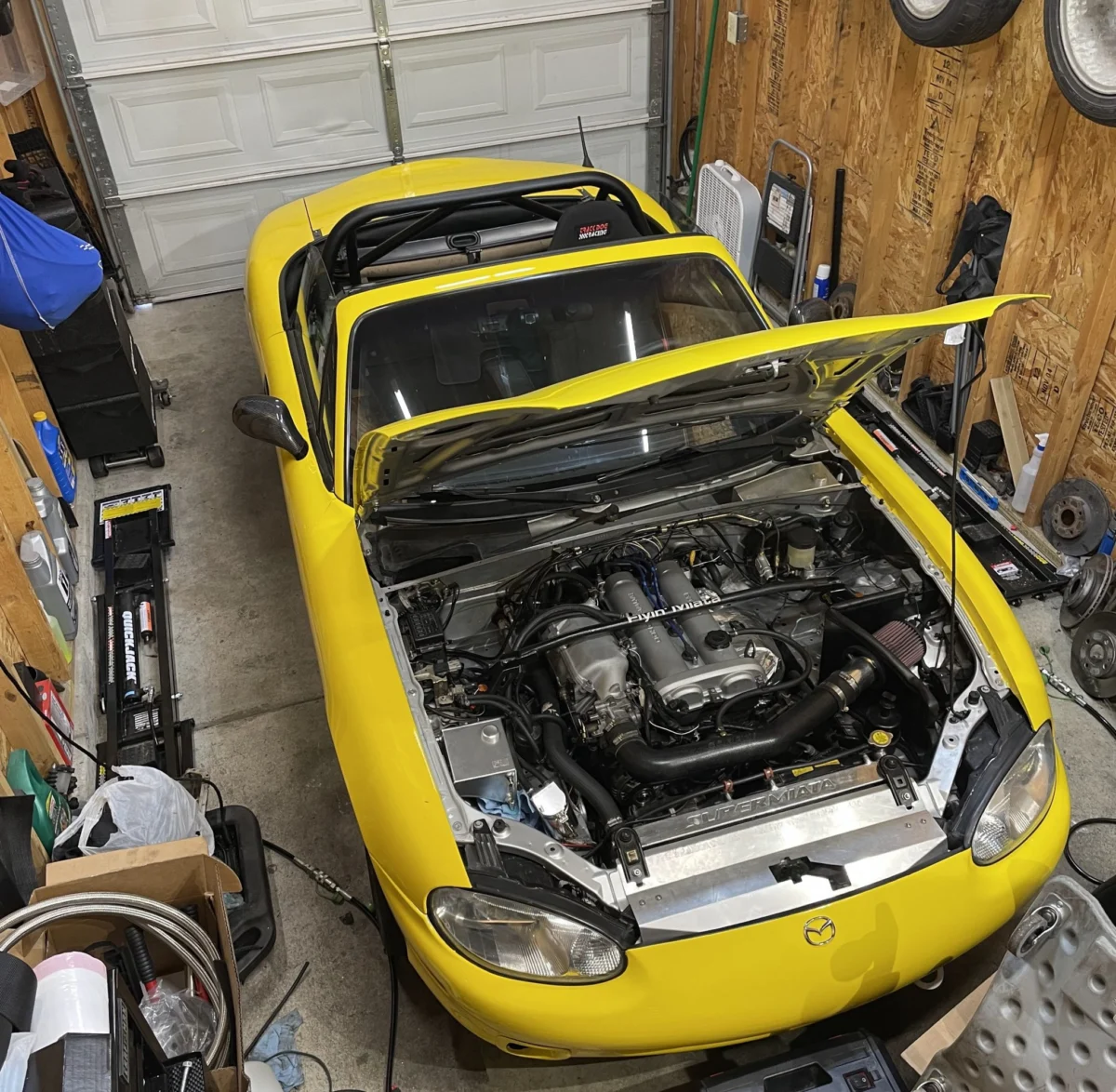
The 2024 season began with an ambitious mechanical overhaul aimed at increasing the vehicle’s power-to-weight ratio and refining its torque curve. In March 2024, the project lead initiated a swap from the original BP4W engine to a rebuilt BP6D unit. The BP6D, sourced from later NB models, features Variable Valve Timing (VVT), a technology that allows for more aggressive cam timing at high RPMs without sacrificing low-end drivability.
During the preparation phase, the engine underwent a comprehensive "while-you-are-in-there" restoration. Although the initial plan called for a direct drop-in, diagnostic testing revealed inadequate valve sealing. This necessitated a cylinder head rebuild, a DIY cylinder hone, and the installation of new OEM rings paired with aftermarket pistons. However, the limits of grassroots engine building were tested during an early-season autocross event. Under sustained high-RPM loads, a minor head gasket failure led to a cooling system over-pressurization, resulting in a blown freeze plug.
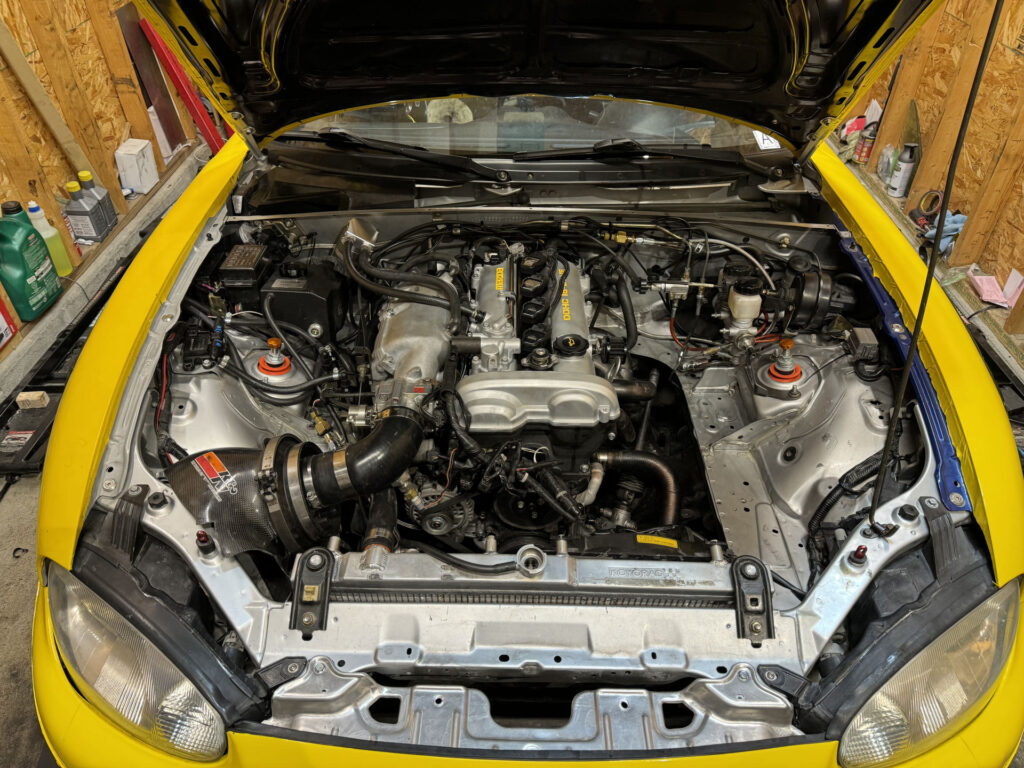
The mechanical setback forced a strategic pivot. While the original BP4W engine was reinstalled to ensure season reliability, the vehicle retained its newly installed six-speed manual transmission. This upgrade from the factory five-speed unit provided tighter gear ratios, allowing the driver to maintain the engine’s power band more effectively on technical circuits.
Thermal Management and Braking Efficiency
By April 2024, the focus shifted to durability and consumables management. The vehicle utilized a Supermiata BX11 performance brake kit, which offered significant stopping power but suffered from accelerated pad wear due to the thinness of the friction material. To mitigate this, a custom brake cooling duct system was engineered.
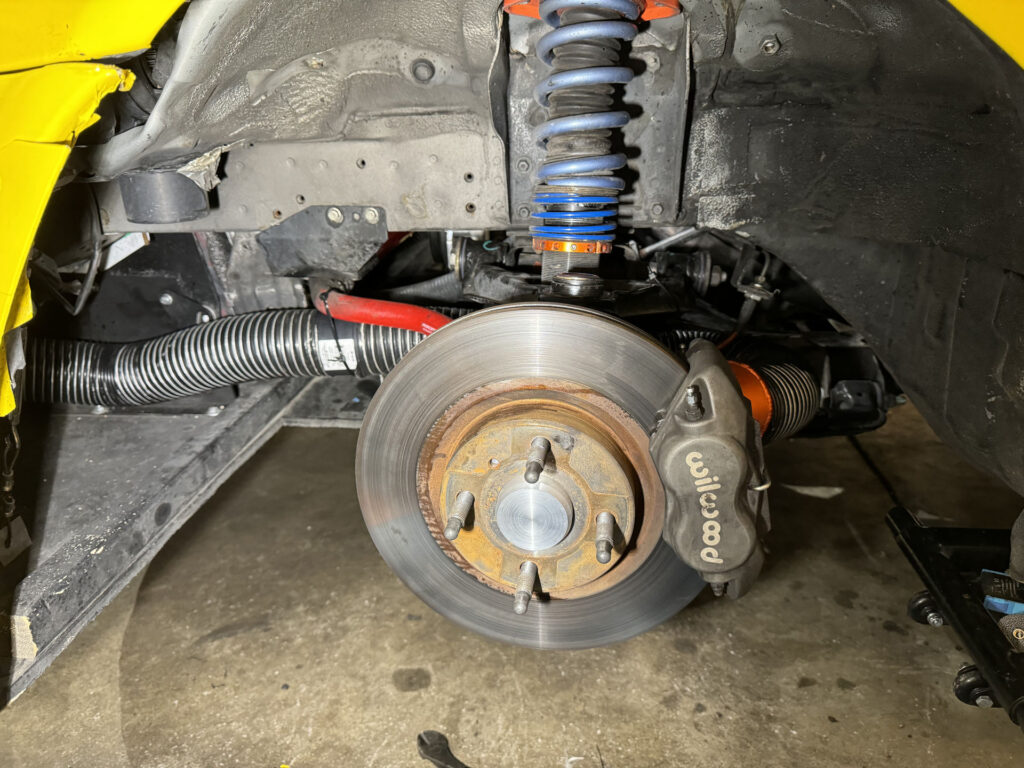
The system utilized a modular design, featuring two sections of high-temperature hose connected by a central coupler. This configuration allowed for more cost-effective maintenance; if a section of the hose were damaged by road debris or tire rub, only the affected portion required replacement. Data collected throughout the season indicated that the implementation of these ducts approximately doubled the lifespan of the brake pads. This enhancement highlights a critical reality in amateur racing: performance is not merely about peak force, but about the consistent management of thermal energy to reduce long-term operational costs.
Aerodynamics and Exhaust Optimization
In May 2024, the vehicle’s exhaust system was refined to balance weight reduction with sound-level compliance. The existing Racing Beat Power Pulse muffler was replaced with a Racing Beat Race Muffler. This modification, paired with a Raceland header and a resonated midpipe, achieved a marginal weight saving while increasing the auditory feedback provided to the driver.
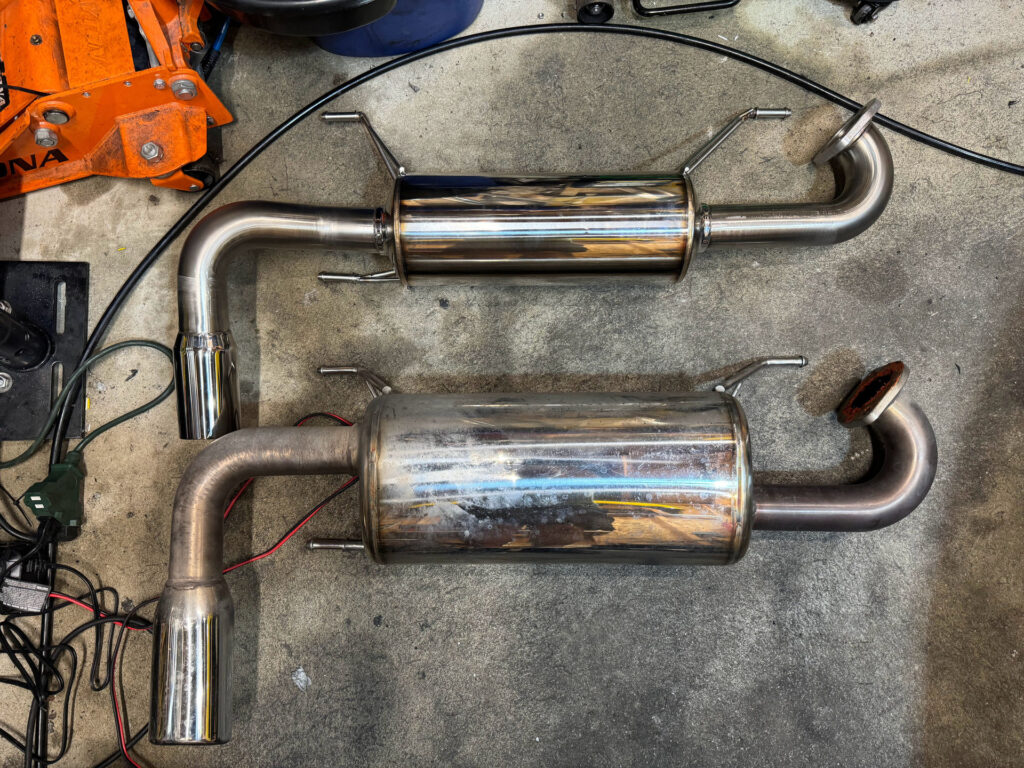
Crucially, the setup remained within the decibel limits enforced by various regional tracks. Excessive noise can lead to disqualification at "quiet" tracks or attract unwanted law enforcement attention during transit. This modification underscored the project’s goal of creating a "gentleman’s racer"—a vehicle that is aggressive on the circuit but remains mechanically and socially compliant.
Competitive Performance and Track Analysis
The mid-season months of June through August 2024 were dedicated to the SCCA Time Trials series and various track-day events across the American Midwest and High Plains regions.
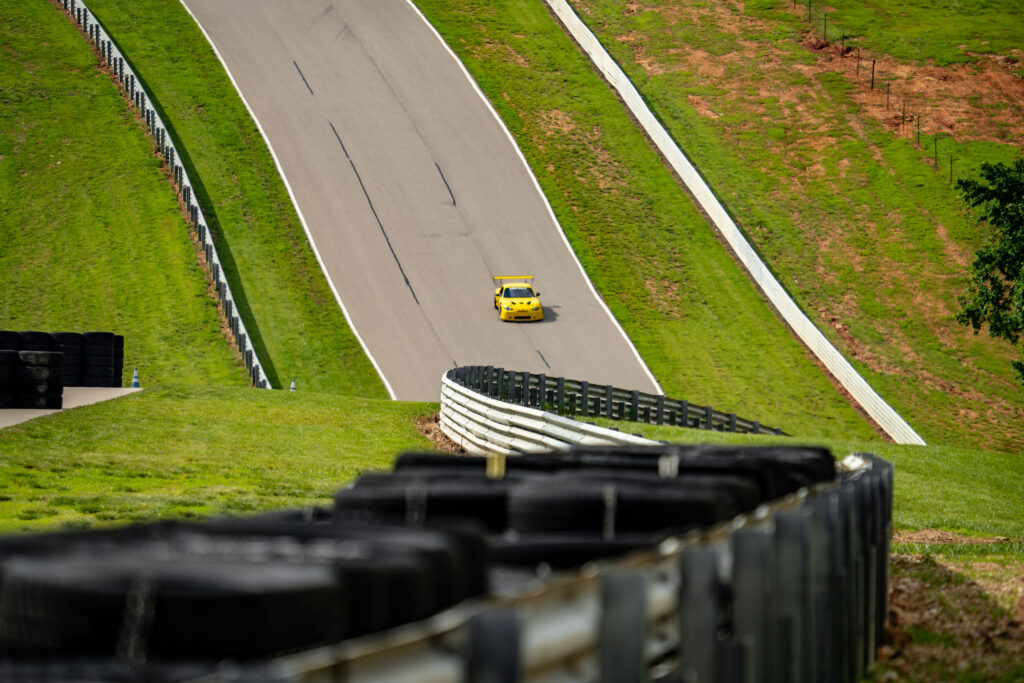
Ozarks International Raceway (June 2024)
Ozarks International Raceway is noted in the racing community for its extreme elevation changes and highly technical layout. The development team noted significant lap time improvements over the previous year, attributing the gains to increased driver confidence and the refined transmission gearing. The track’s complexity serves as a primary benchmark for chassis balance and suspension tuning.
High Plains Raceway (July 2024)
The July outing to High Plains Raceway marked a transition in logistics. For the first time, the vehicle was towed a total of 900 miles round-trip. This shift allowed the driver to arrive at the circuit without the fatigue associated with driving a track-tuned car on public highways. It also provided a safety net; should a mechanical failure occur on track, the vehicle could be transported home regardless of its operational status.
Motorsports Park Hastings (August 2024)
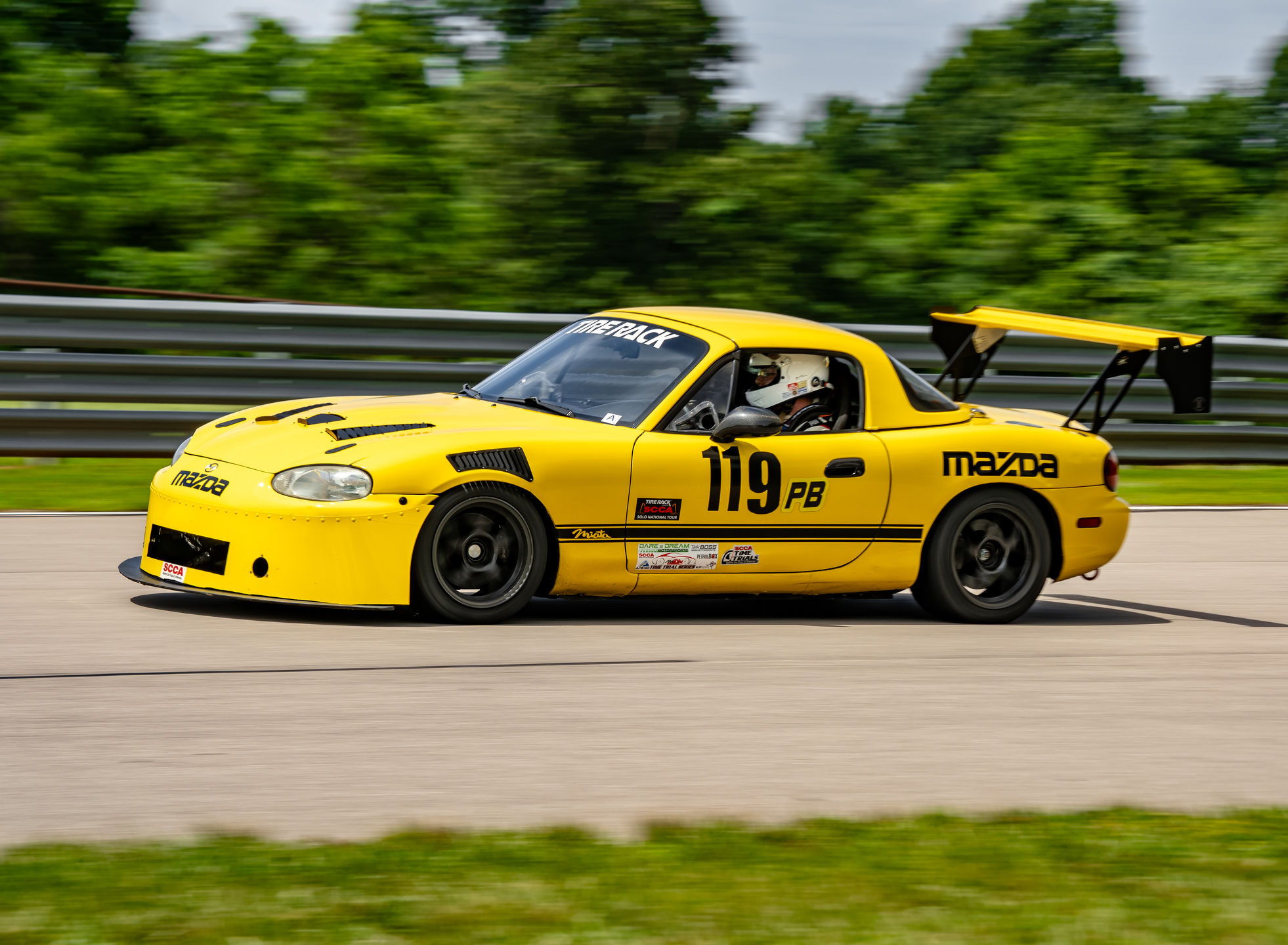
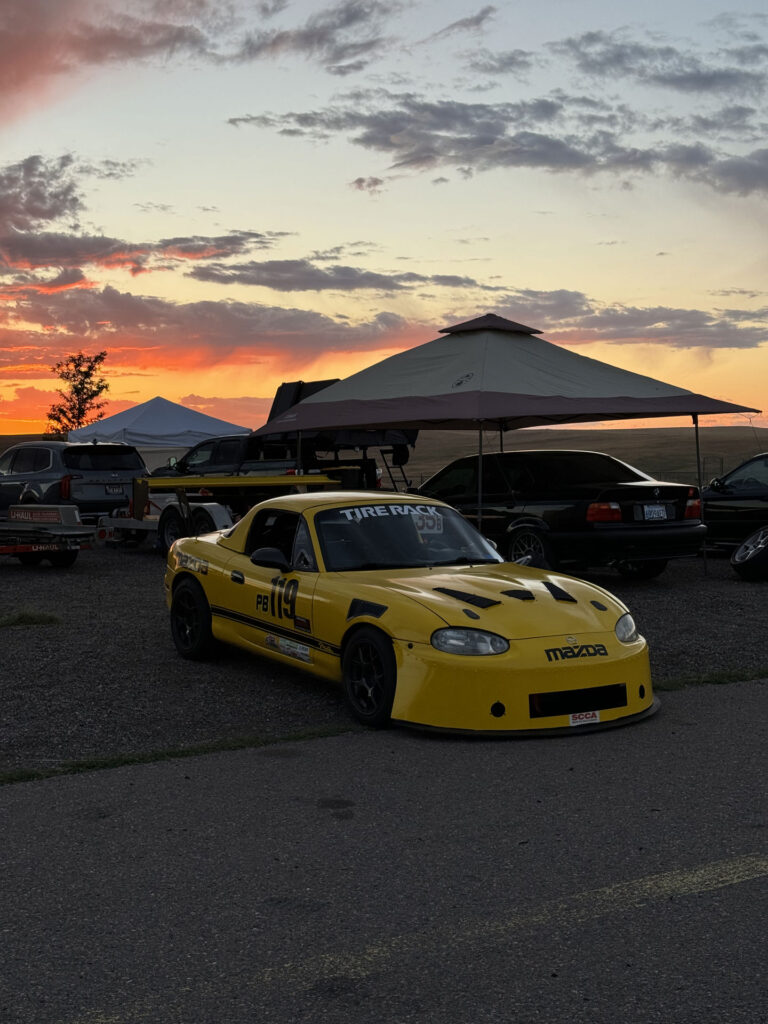
At Motorsports Park Hastings, the vehicle demonstrated its competitive viability. Competing in the SCCA Time Trials, the Miata led every session in its class. The fastest recorded lap of 1:39.19 represented a 3.59-second improvement over the previous year. For context, this time surpassed the NASA Spec Miata track record of 1:40.415 and the NASA TT6 record of 1:39.625. These benchmarks place the vehicle in a high-performance bracket, bridging the gap between entry-level production classes and highly modified Time Trial 5 (TT5) machines.
Logistical Infrastructure: The Towing and Camping Ecosystem
As the frequency of multi-day events increased, the project expanded to include a dedicated support ecosystem. In September 2024, a truck-bed camping configuration was developed to replace traditional ground-tent camping. The setup included:
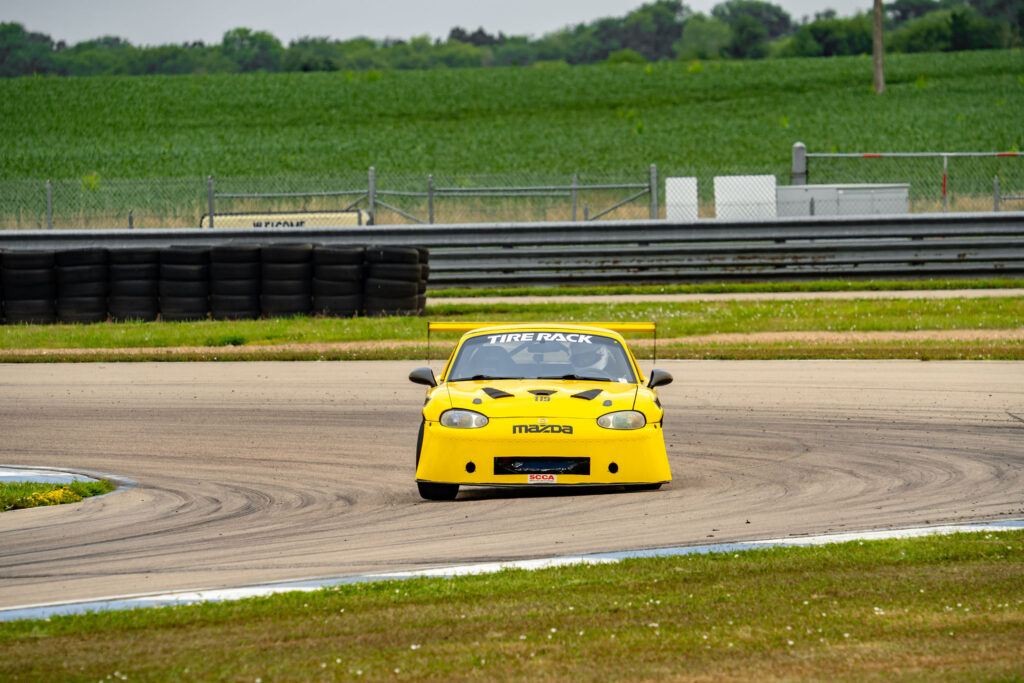
- A custom-built wooden platform above the wheel wells.
- A tri-fold memory foam mattress.
- A MaxxFan Deluxe RV roof vent for climate control.
- Roof-mounted solar panels to power internal lighting and ventilation.
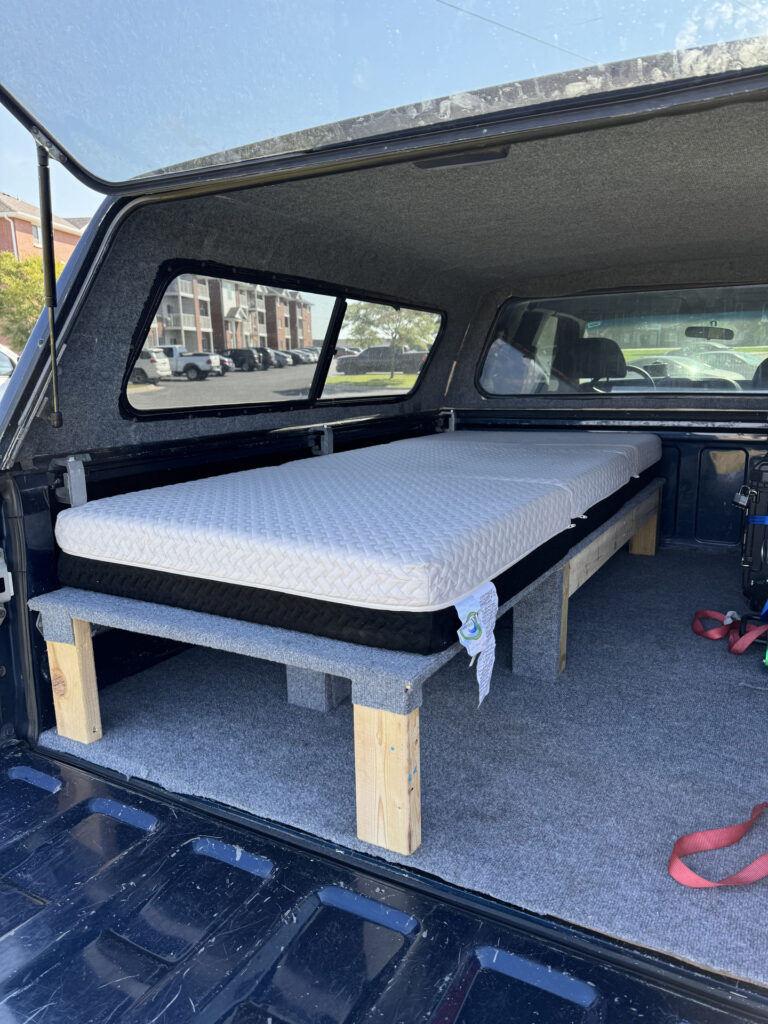
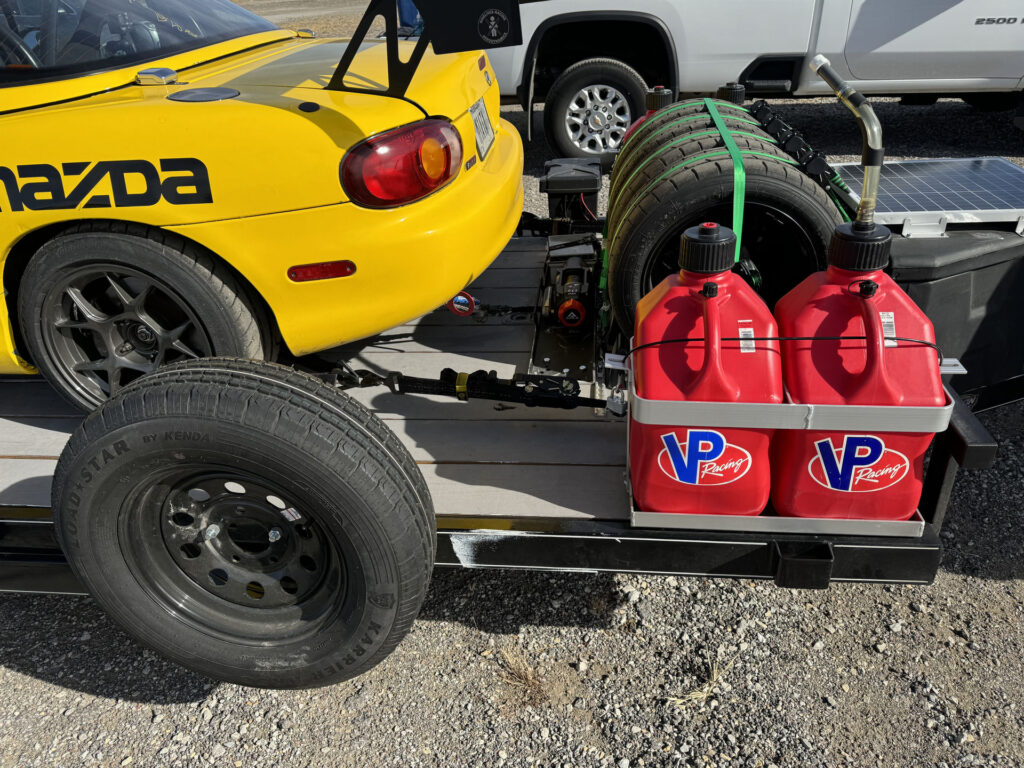
By October 2024, the infrastructure was finalized with the completion of a custom 18-foot open car hauler. The trailer underwent significant modifications, including the installation of a 12,000-lb winch, a tongue-mounted toolbox, a dedicated battery system with solar charging, and a comprehensive LED lighting package. A notable challenge identified was the "dovetail" angle of the trailer, which proved too steep for the Miata’s low ground clearance. This necessitated the use of wooden leveling blocks and the removal of the front splitter during loading—a common technical hurdle for aerodynamic-focused builds.
Data Acquisition and Communication Systems
The final months of the 2024-2025 cycle focused on the "soft" technologies of racing: data and communication. Following a successful outing at Hallett Motor Racing Circuit in November—where the driver competed in bi-directional sessions—the need for real-time feedback became apparent.
In February 2025, a GMRS (General Mobile Radio Service) racing radio system was integrated. Utilizing a Baofeng UV-5R base unit hard-wired to the car’s electrical system, the setup allowed for direct communication between the driver and the pit crew. The system was customized with a Nerdy Racing NASCAR-style harness, adapted to an IMSA connector for future compatibility with intercom systems. This allows the pit crew, who have access to live timing data, to provide the driver with real-time gap analysis, enabling more strategic decisions during Time Trial sessions.
Seasonal Conclusion and Future Outlook
The fourth year of the NB Miata project concluded with impressive metrics. Over the course of 16 track days, the vehicle completed 392 laps, totaling 12.1 hours of high-speed operation. Cumulative data from the vehicle’s Garmin Catalyst—a specialized performance optimizer and 10Hz GPS logger—shows a total of 1,023 laps and 34.6 hours of track time since the device’s inception.
Looking forward to the 2025 season, the project has moved away from autocross to focus exclusively on track performance. Despite the temporary setback with the VVT engine, the installation of a Skunk2 intake manifold in January 2025 aims to optimize the existing BP4W engine’s high-RPM breathing. While consensus in the Miata community suggests a modest gain of 1-4 wheel horsepower, the manifold is expected to flatten the power drop-off after 7,000 RPM, providing a more usable range on long straights.
The evolution of this NB Miata serves as a case study in the systematic refinement of a performance platform. It demonstrates that success in grassroots racing is as much about logistical preparation and thermal management as it is about raw horsepower. As the vehicle enters its fifth year, it stands as a highly optimized, data-driven example of the enduring potential of the Mazda MX-5 platform.