Chalid Lutfie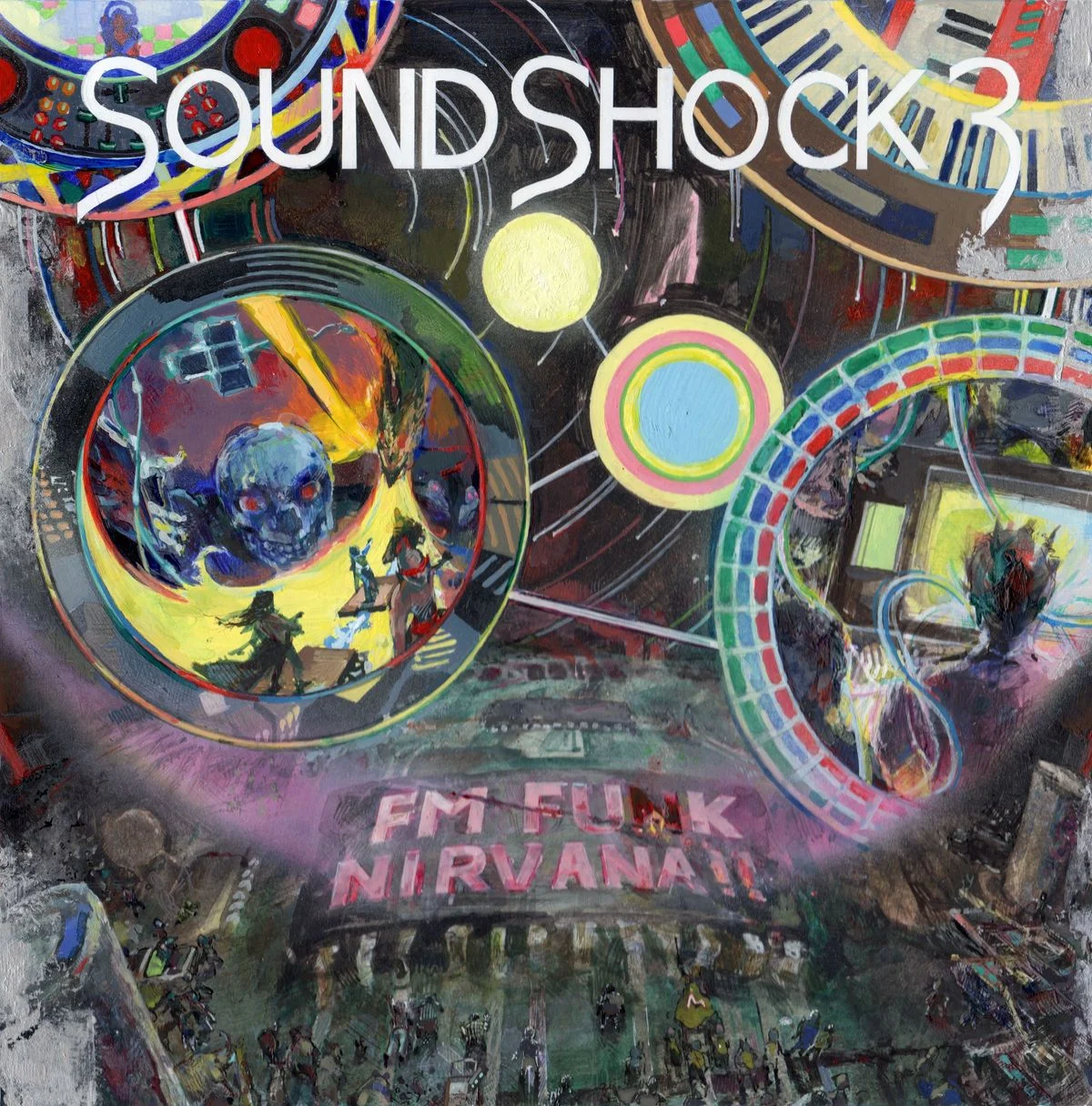
The SOUNDSHOCK compilation series has emerged as a cornerstone of the contemporary chiptune and FM synthesis movement, representing a decade-long effort to bridge the cultural and technical divides between Western digital art scenes and Japanese video game music traditions. Initiated in 2010 through a collaboration between the creative producer known as zinger and the independent music label Ubiktune, the project has transitioned from a conceptual exploration of hardware limitations into a prestigious platform for international electronic composers. The recent development and release of SOUNDSHOCK 3: FM FUNK NIRVANA!! marks a significant milestone in this trajectory, highlighting the enduring relevance of Frequency Modulation (FM) synthesis in the modern musical landscape.
Historical Foundations and the Genesis of the SOUNDSHOCK Project
The origins of the SOUNDSHOCK series are rooted in the personal and professional history of its founder, zinger. In 2010, C-jeff, the head of the Ubiktune label, initially approached zinger with the proposition of producing a solo album. However, zinger identified a broader opportunity to create a collaborative project that would encapsulate the aesthetic of the 16-bit era. This pivot led to the formal establishment of the SOUNDSHOCK project, a series dedicated to exploring the specific sonic textures afforded by legacy hardware.
The project’s inspiration is deeply tied to the hardware of the early 1990s, specifically the Sega Mega Drive (known as the Genesis in North America) and its reliance on Yamaha FM synthesis chips. For many creators in this space, the soundtracks of titles such as Golden Axe II and Sonic the Hedgehog served as primary catalysts for entering the tracker and demo scenes. These subcultures, which prioritize the creation of music and art within strict computational constraints, provided the technical framework for what would eventually become the SOUNDSHOCK aesthetic. Over fifteen years of immersion in the "chip music" scene—both as a composer and an organizer—zinger cultivated a collection of Japanese computer hardware, arcade cabinets, and hardware synthesizers, all of which informed the series’ direction.
Technical Context: The Role of FM Synthesis in Digital Music History
To understand the impact of the SOUNDSHOCK series, it is necessary to examine the technical significance of FM synthesis. Unlike subtractive synthesis, which was common in early analog synthesizers, FM synthesis generates complex timbres by modulating the frequency of one waveform with another. This technology became synonymous with the 1980s and 1990s due to the ubiquity of Yamaha’s DX series synthesizers and the integration of FM sound chips into arcade boards and home computers.
In Japan, computers such as the NEC PC-8801 and the Sharp X68000 utilized FM synthesis to create intricate, layered soundtracks that differed significantly from the 8-bit, pulse-wave-heavy sounds of the Nintendo Entertainment System (Famicom). The SOUNDSHOCK series specifically targets this "FM sound," characterized by its metallic textures, sharp transients, and deep, percussive basslines. By focusing on these specific technical parameters, the series has managed to cultivate a "funk" aesthetic that resonates with both retro-gaming enthusiasts and modern electronic music producers.
Chronology of Development and Global Collaboration
The development of the SOUNDSHOCK series follows a clear timeline of increasing complexity and international cooperation.
- 2010: The Conceptual Phase: The initial meeting between zinger and C-jeff takes place. The decision is made to move away from a solo venture in favor of a curated compilation that would unite the Western demoscene with the Japanese game music community.
- 2011–2013: Bridging the Cultural Gap: During this period, the project organizers began establishing contacts within the Japanese music scene. Despite language barriers, a shared vocabulary based on game titles and composer names (such as Ryu Takami and hex125) allowed for the formation of a cross-continental network.
- The Mid-Series Expansion: As the series progressed through its first and second volumes, it began to feature a diverse roster of artists. This included veterans of the Japanese industry, such as Keishi Yonao, known for his work on titles like Asuka 120% and Mad Stalker, alongside prominent figures from the Western demoscene like zabutom and Metal.
- Present: The Release of SOUNDSHOCK 3: The latest installment, FM FUNK NIRVANA!!, represents the culmination of these efforts, featuring high-profile contributions from artists such as shogun, Utabi, and MmcM.
Analysis of the Global Chiptune Community and Cultural Exchange
One of the most significant achievements of the SOUNDSHOCK series is its role as a facilitator of cultural exchange. Historically, the Western "demoscene"—a computer art subculture that originated in the 1980s—and the Japanese video game music (VGM) scene operated in parallel but with limited direct interaction. The demoscene was largely driven by hobbyists pushing the limits of Commodore 64 and Amiga hardware, while the Japanese scene was centered around professional composers working within the constraints of arcade and console hardware.
The SOUNDSHOCK project has successfully demonstrated that these two worlds share a common creative philosophy. Organizers noted that Japanese composers like Keishi Yonao had often fantasized about Western computer culture in the same way Western enthusiasts admired the hardware of NEC and Sharp. By placing artists like shogun and Utabi on the same tracklist as European composers like Torben "Metal" Hansen, the series has validated the idea that these niche communities belong to a singular, global movement.
The involvement of Haruhisa "hally" Tanaka, a renowned music historian and pioneer in the Japanese chiptune scene, was instrumental in this process. Tanaka provided the necessary cultural bridge, introducing the SOUNDSHOCK organizers to the Japanese chiptune and gaming communities and ensuring that the project remained authentic to its inspirations.
Supporting Data and Production Excellence
The success of SOUNDSHOCK 3: FM FUNK NIRVANA!! is also a result of a rigorous production and curation process. The project involved a diverse team of specialists, including Tsuyoshi Shimokura, Megus, Rufus Blacklock, and MmcM, who contributed to the technical and visual aspects of the release. The Ubiktune label, under the direction of C-jeff, has been recognized by industry observers as a premier outlet for high-quality chip-influenced music, maintaining a standard of production that rivals mainstream electronic music labels.
Data from independent music platforms suggests that interest in FM synthesis and retro-hardware music has seen a resurgence in recent years. This is evidenced by the increasing number of "software trackers" (such as DefleMask and Furnace) that allow modern producers to emulate legacy sound chips with high precision. The SOUNDSHOCK series has capitalized on this trend by providing a professional showcase for what these tools can achieve in the hands of expert composers.
Broader Implications and Industry Impact
The SOUNDSHOCK series carries implications that extend beyond the niche of chiptune music. It serves as a model for how digital art communities can preserve and revitalize "obsolete" technology through creative practice. By treating the limitations of FM synthesis as a stylistic choice rather than a technical hurdle, the series contributes to the broader field of media archaeology, keeping the sounds of the 1990s alive for new generations.
Furthermore, the project highlights the shifting dynamics of the music industry, where independent, community-driven labels like Ubiktune can facilitate international collaborations that were previously the sole domain of major corporations. The ability to unite artists from Russia, Japan, Europe, and North America under a single conceptual umbrella demonstrates the power of shared digital aesthetics in the 21st century.
Conclusion and Future Outlook
The release of SOUNDSHOCK 3: FM FUNK NIRVANA!! marks a high point for the series, fulfilling zinger’s original vision of a unified, global FM synthesis community. The project has moved beyond simple nostalgia, establishing itself as a legitimate contemporary genre that honors its roots while pushing for technical excellence. As the series continues to influence new producers and listeners, it stands as a testament to the enduring appeal of the 16-bit era and the collaborative spirit of the international digital art scene.
The organizers have expressed profound gratitude to the contributors and supporters who have sustained the project for over a decade. With the support of figures like hally and C-jeff, and the participation of legendary composers, the SOUNDSHOCK series has successfully explored, expanded, and cultivated a unique musical realm that shows no signs of waning in its cultural relevance. For the listeners and creators involved, the series is more than a collection of albums; it is a manifestation of a shared passion for the depths of video game aesthetics and the limitless possibilities of synthesized sound.