Chalid Lutfie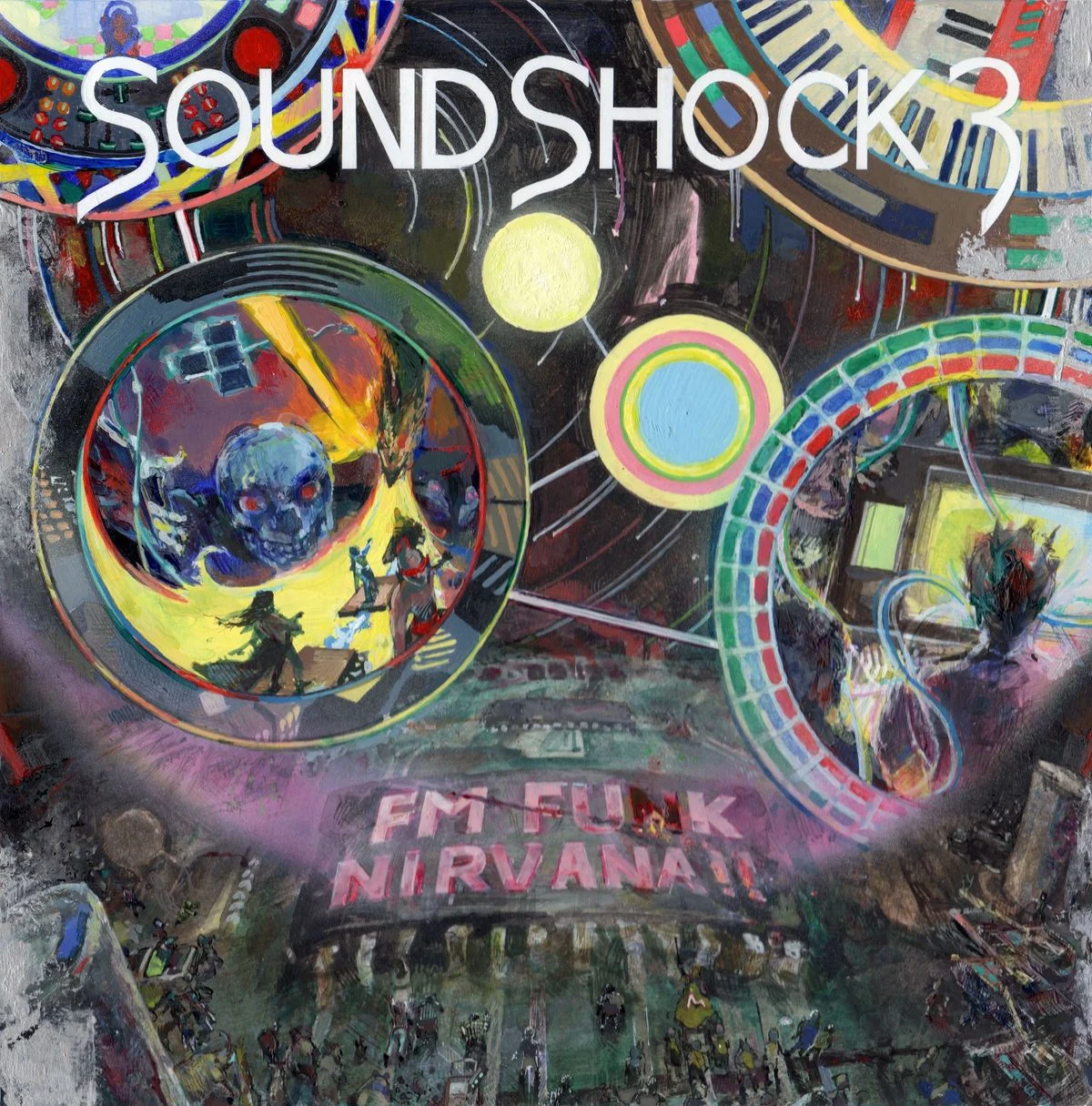
The release of SOUNDSHOCK 3: FM FUNK NIRVANA!! marks a significant milestone in the decade-long trajectory of a project that began as a niche collaborative effort and evolved into a definitive anthology of modern FM synthesis music. Initiated in 2010 through the combined efforts of the creative director known as zinger and the independent record label Ubiktune, the SOUNDSHOCK series has transitioned from a conceptual compilation into a cross-cultural phenomenon. This project has effectively bridged the gap between Western demoscene aesthetics and the technical legacy of Japanese arcade and home computer audio, creating a unified platform for artists specializing in Frequency Modulation (FM) synthesis.
The Genesis of a Collaborative Vision
The origins of the SOUNDSHOCK series can be traced back to a 2010 proposal from C-jeff, the founder of the chiptune-centric label Ubiktune. Originally, the label had approached zinger regarding the production of a solo album. However, zinger pivoted the discussion toward a broader collaborative project that would encapsulate a specific era of digital sound. This shift in focus led to the birth of the SOUNDSHOCK album series, a project dedicated to exploring the depths of FM synthesis—a method of sound generation that defined the audio landscape of the 1980s and early 1990s.
The project was fueled by zinger’s lifelong fascination with 16-bit gaming consoles and hardware. Drawing inspiration from iconic titles such as Golden Axe II and Sonic the Hedgehog on the Sega Mega Drive (known as the Genesis in North America), zinger sought to replicate and expand upon the gritty, metallic, and often funky textures associated with the Yamaha YM2612 and YM2151 sound chips. This obsession eventually expanded into the collection of obscure Japanese computer hardware, including systems from the NEC PC-8801 and Sharp X68000 series, which are renowned for their sophisticated FM audio capabilities.
Technical Foundation: The Legacy of FM Synthesis
To understand the impact of the SOUNDSHOCK series, it is necessary to examine the technical context of FM synthesis. Unlike subtractive synthesis, which was common in early Moog and Roland synthesizers, FM synthesis relies on the frequency of one waveform (the modulator) altering the frequency of another (the carrier). This technique, pioneered by John Chowning at Stanford University and later commercialized by Yamaha, allowed for the creation of complex, harmonically rich sounds that could mimic acoustic instruments like brass and bells, or create entirely new, "alien" electronic textures.
In the late 1980s, Japanese developers embraced FM synthesis for arcade cabinets and home computers. The SOUNDSHOCK series serves as a modern tribute to this era, utilizing both original hardware and sophisticated software emulations to push the boundaries of what FM chips can achieve. By focusing on "FM Funk," the third installment of the series highlights the percussive and rhythmic flexibility of the medium, showcasing how the limitations of 1980s technology can be leveraged to create contemporary, high-fidelity compositions.
Chronology of the SOUNDSHOCK Series
The development of the series follows a distinct timeline of increasing complexity and international cooperation:
- 2010 – Project Inception: The initial discussions between zinger and Ubiktune set the stage for a compilation that would move beyond simple "chiptune" (often associated with the 8-bit sounds of the NES or Game Boy) and focus specifically on the 16-bit FM era.
- The Launch of SOUNDSHOCK 1: The first volume established the aesthetic, featuring a mix of Western tracker musicians and Japanese composers. It served as a proof of concept that there was a global audience for FM-based electronic music.
- Expansion and Cultural Exchange: Between the first and third volumes, the project became a conduit for cultural exchange. Zinger and his team began integrating more heavily with the Japanese "doujin" music scene, a thriving community of independent creators.
- The Release of SOUNDSHOCK 3: The latest iteration, "FM FUNK NIRVANA!!", represents the culmination of this journey, featuring a tracklist that integrates legendary Japanese game composers with prominent figures from the European demoscene.
Bridging the East-West Divide
One of the most significant achievements of the SOUNDSHOCK series is its role in fostering a sense of community between geographically and linguistically separated music scenes. Historically, the Western "demoscene"—a subculture focused on pushing the limits of computer hardware to create audiovisual presentations—operated largely independently of the Japanese game music and doujin scenes.
Zinger’s personal experiences illustrate the challenges and eventual triumphs of this integration. Early interactions with Japanese artists such as Ryu Takami and hex125 were initially limited by language barriers. However, the shared vocabulary of hardware specifications, composer names, and game titles provided a foundation for collaboration. This "name-dropping" of niche interests allowed artists to recognize a mutual passion for the aesthetics of the NEC and Sharp computer lines, which were largely unknown in the West during their peak years.
The inclusion of Keishi Yonao, a veteran composer known for his work on classic Japanese titles, further solidified the series’ legitimacy. Yonao’s involvement highlighted a fascinating parallel: while Westerners were romanticizing Japanese arcade culture, Japanese composers were equally intrigued by Western computer culture and the demoscene. The SOUNDSHOCK series effectively unified these two worlds, placing artists like zabutom and Metal alongside Japanese luminaries like Utabi and shogun.
Official Responses and Key Contributors
The success of SOUNDSHOCK 3 is attributed to a wide network of contributors who provided both creative and logistical support. C-jeff, through Ubiktune, provided the infrastructure necessary for a global release, while Hally (Haruhisa Tanaka), a respected researcher and musician in the chiptune community, served as a vital link to the Japanese scene. Hally’s expertise in both the history of game music and the modern chiptune movement was instrumental in recruiting talent and ensuring the project’s authenticity.
The production team also acknowledged the contributions of Tsuyoshi Shimokura, Megus, Rufus Blacklock, and MmcM. These individuals provided everything from visual art and design to technical mastering, ensuring that the final product met the high standards expected by audiophiles and retro-tech enthusiasts. The collective sentiment among the contributors is one of "satisfaction and joy," noting that the final compositions far exceeded the initial expectations set during the project’s planning phases in 2010.
Broader Impact and Implications for the Music Industry
The SOUNDSHOCK series represents more than just a collection of songs; it is a case study in the preservation and evolution of digital art forms. As technology advances, the specific "sound" of older hardware often risks being lost to history or relegated to mere nostalgia. However, projects like SOUNDSHOCK demonstrate that these limitations can serve as a catalyst for innovation.
From a journalistic perspective, the series highlights three major trends in the modern independent music landscape:
- The Globalization of Niche Genres: Digital platforms and netlabels have allowed hyper-specific genres—like FM-synthesis-focused chiptune—to build sustainable global audiences. The collaboration between Swedish, Russian, and Japanese artists on a single album is a testament to the power of decentralized creative networks.
- Hardware as an Aesthetic Choice: Much like the resurgence of vinyl or analog synthesizers in mainstream pop, the use of FM synthesis represents a conscious aesthetic choice. Producers are not using these sounds because they lack better tools, but because the specific timbre of the YM2612 offers a unique "grit" that modern digital workstations cannot easily replicate.
- The Influence of the Demoscene on Modern Production: The "tracker" method of composition—which involves sequencing music in a vertical interface—has influenced a generation of electronic musicians. By bringing tracker artists into a professional compilation alongside industry veterans, SOUNDSHOCK validates the demoscene as a legitimate school of musical thought.
Conclusion
As SOUNDSHOCK 3: FM FUNK NIRVANA!! reaches listeners, the project stands as a monument to fifteen years of dedicated exploration into the "depths of computer and video game aesthetics." What began as a childhood fascination with the Sega Mega Drive has matured into a sophisticated international operation that honors the past while contributing to the future of electronic music. The series confirms that the excitement surrounding these "niche interests" is not waning but is instead being cultivated into a robust, enduring community of creators and listeners. Through the support of Ubiktune and the vision of zinger, the SOUNDSHOCK series has successfully turned a personal obsession with FM synthesis into a definitive cultural record of the digital age.