Vera Clarissa
Before Apple revolutionized the mobile landscape with its custom in-house silicon, the company relied on Samsung for the crucial processors powering its earliest iOS devices. The debut of the A4 chip with the iPhone 4 marked a pivotal shift, ushering in an era where every subsequent Apple device has featured custom-designed System on a Chip (SoC) technology, known as the "A-Series." This lineage of chips, tracing its naming convention from 2010 onward, has been instrumental in Apple’s sustained dominance in performance and efficiency within the smartphone and tablet markets. As we look towards 2026, the iPhone 17 lineup is expected to feature the ultra-powerful A19 and A19 Pro chips, pushing the boundaries of mobile processing to deliver desktop-class multicore performance, advanced graphical capabilities, and unprecedented responsiveness. While current mobile Apple SoCs already rival high-end computing chips, this progress is a testament to years of incremental innovation and strategic development.
The Genesis: From Samsung to Apple’s First In-House Silicon
The journey of Apple’s A-Series chips began with foundational processors that, while effective for their time, laid the groundwork for more sophisticated designs.
The "APL0098" – The Apple A1 Chip
The very first chip to bear the Apple A-Series designation, internally known as "APL0098" and manufactured by Samsung as the S5L8900, powered the original iPhone, the first-generation iPod touch, and the iPhone 3G. These S5L89xx chips were adopted after early iPhone prototypes utilized Freescale i.MX31 processors. The initial design philosophy for these chips prioritized power efficiency over raw performance, a critical consideration for the nascent smartphone market.
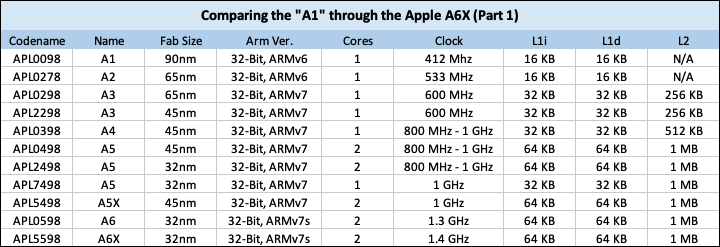
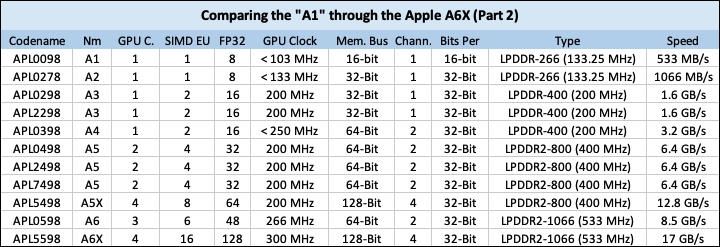
Technically, the A1 chip was a 32-bit ARMv6 processor fabricated on a 90-nanometer process. It operated at an underclocked 412 MHz, down from its default 666 MHz potential. Its cache configuration was modest by today’s standards, featuring 16 Kilobytes of Level 1 Instruction cache and another 16 KB for L1 data. Crucially, there was no L2, L3, or shared system cache. The chip featured a single processor core and was paired with 128 MB of 133.25 MHz LPDDR-266 RAM, resulting in a memory bandwidth of 533 MB/s. This configuration, while limited, was a significant achievement for mobile computing at the time, enabling the foundational functionalities of the first iOS devices.
The A2 Chip: A Subtle Refinement
While Apple never officially marketed an "Apple A2" chip, the designation is fitting for the processor used exclusively in the second-generation iPod touch. This chip, closely resembling the A1’s S5L8900, represented an incremental improvement through a transition to a 65nm fabrication process, a reduction from the A1’s 90nm. This manufacturing shrink typically leads to better power efficiency and potentially higher clock speeds, although specific performance gains were not as dramatic as in later generations.

The A3: Doubling Down on Performance
The S5L8920 chip, powering the iPhone 3GS, and its variant the S5L8922, found in the third-generation iPod touch, marked a more significant leap forward. These chips, colloquially referred to as the "Apple A3," introduced key architectural enhancements. A primary differentiator was the doubling of L1 instruction and data caches to 32 KB per core, directly contributing to improved processing speeds.
Furthermore, memory bandwidth was effectively doubled to 1.6 GB/s, supported by 256 MB of LPDDR-400 (200 MHz) RAM. This increase in memory performance allowed for more fluid multitasking and faster data access. The GPU clock speed also saw an increase to 200 MHz, enhancing graphical capabilities. Perhaps the most notable addition was the inclusion of a 256 KB L2 cache, a feature entirely absent in previous iOS devices. This addition of an L2 cache was critical for bridging the performance gap between the CPU and main memory, significantly boosting overall system responsiveness.

The Dawn of Apple’s In-House Silicon: The A4 Chip
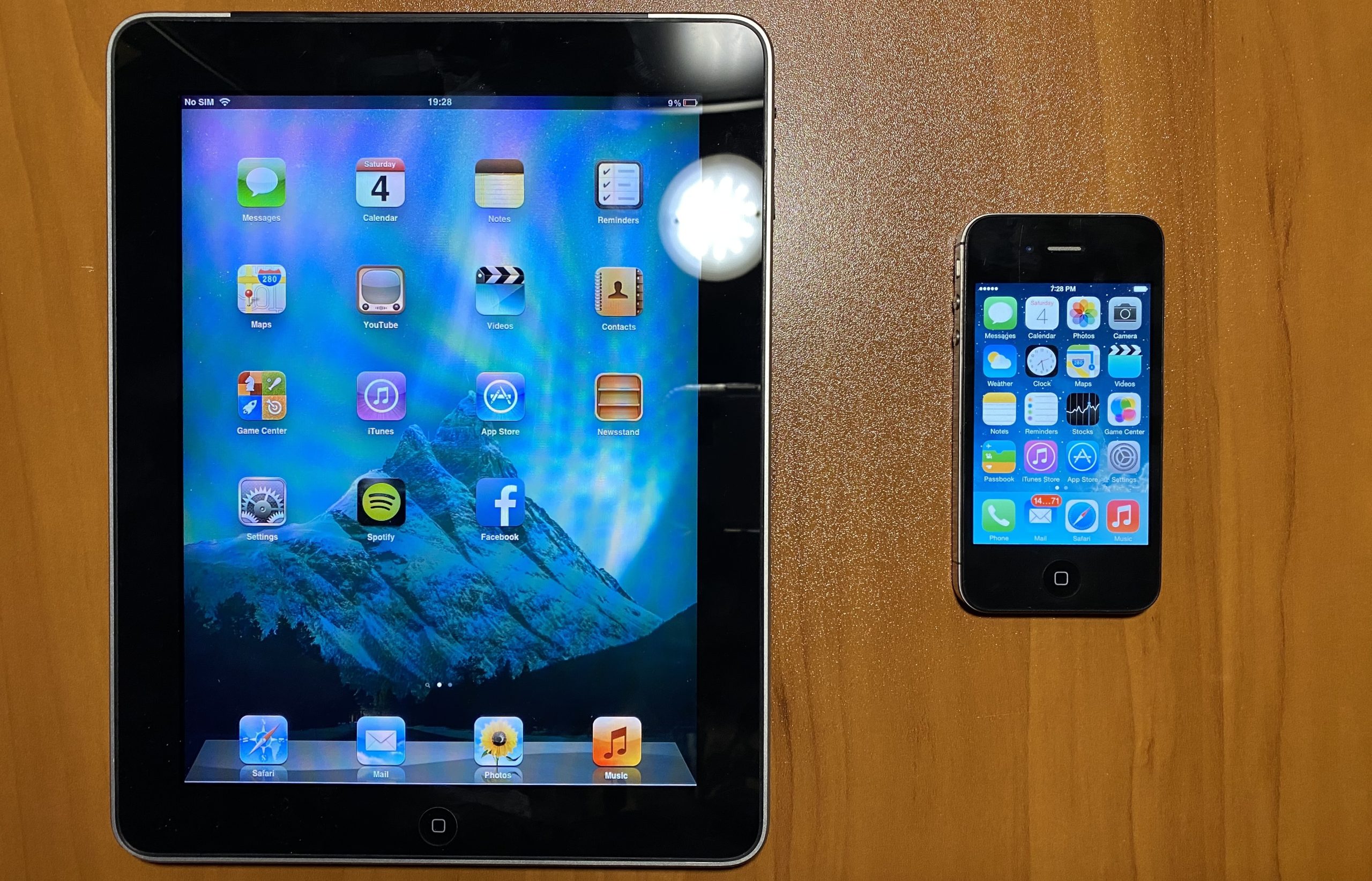
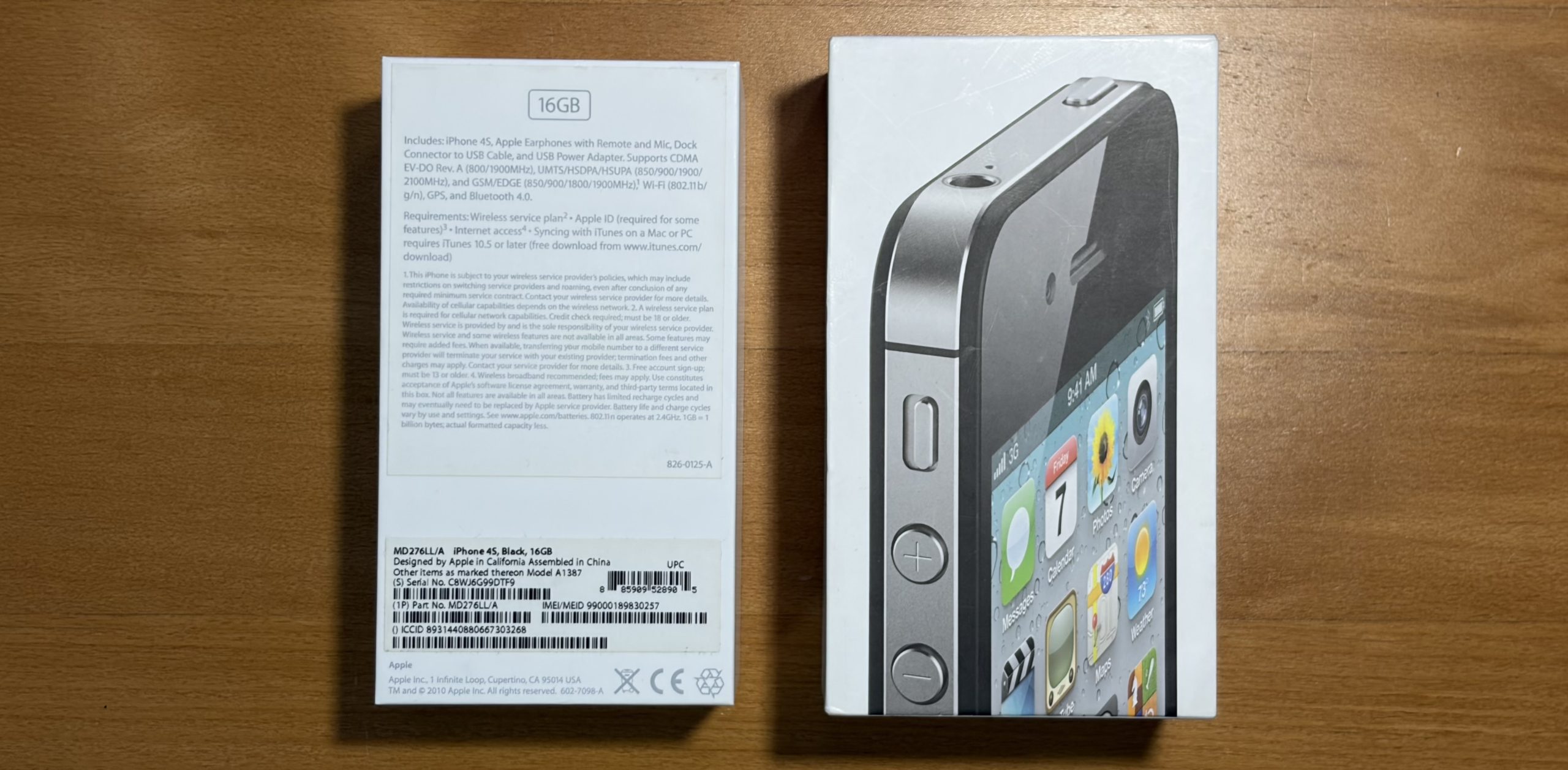
The introduction of the A4 chip in 2010 with the iPhone 4 represented a monumental shift for Apple. This was the company’s first truly custom-designed, in-house silicon, mirroring the philosophy behind the later M-series chips for Macs. While still a 32-bit architecture, the A4 powered a new generation of flagship devices, including the original iPad and the fourth-generation iPod touch.
The A4 chip doubled the L2 cache size to 512 KB compared to the A3 generation. CPU clock speeds saw a notable increase, ranging from 800 MHz to 1 GHz depending on the device. Memory bandwidth also saw a substantial jump to 3.2 GB/s across all devices utilizing this SoC. This combination of increased cache, higher clock speeds, and enhanced memory bandwidth laid the foundation for the richer user experiences and more demanding applications that would define the iOS ecosystem.

Iterative Advancements: The A5, A6, and A7 Generations
Apple’s commitment to iterative improvement became evident with the subsequent generations of A-Series chips, each building upon the successes of its predecessor.
The A5 and A5X: Dual-Core Power and Enhanced Graphics
The A5 chip, launched in March 2011 with the second-generation iPad, was a significant step forward, featuring a dual-core design. Apple claimed it could "do twice the work" of the A4 and deliver nine times the graphical performance. All A5 and A5X chips boasted an improved 1 MB L2 cache, faster memory, and a more powerful graphics core.
Interestingly, the A5 family included variations. A locked-down, single-core version was specifically designed for the third-generation Apple TV, highlighting Apple’s ability to tailor its silicon for specific product needs. The A5X, introduced with the third-generation iPad, was a higher-performance variant featuring a quad-core graphics chip. This significantly boosted graphical capabilities to an estimated 25.6 Gigaflops and incorporated further technical refinements over the standard A5.
The A6 and A6X: Breaking the Gigahertz Barrier
The A6 and A6X chips, powering devices like the iPhone 5/5c and the fourth-generation iPad respectively, finally pushed past the 1 GHz CPU clock speed threshold. The iPhone 5 and 5c featured chips clocked at 1.3 GHz, while the A6X in the fourth-generation iPad reached 1.4 GHz.
Memory technology also saw an upgrade with the A5 series, moving to LPDDR2-1066. This resulted in memory bandwidth figures of 8.5 GB/s for the iPhone models and an impressive 17 GB/s for the fourth-generation iPad. The GPU clock speeds also saw incremental increases, with the A6X in the iPad reaching 300 MHz compared to the 266 MHz found in the iPhone 5/5c’s A6.
The A7: A Landmark Shift to 64-Bit Computing
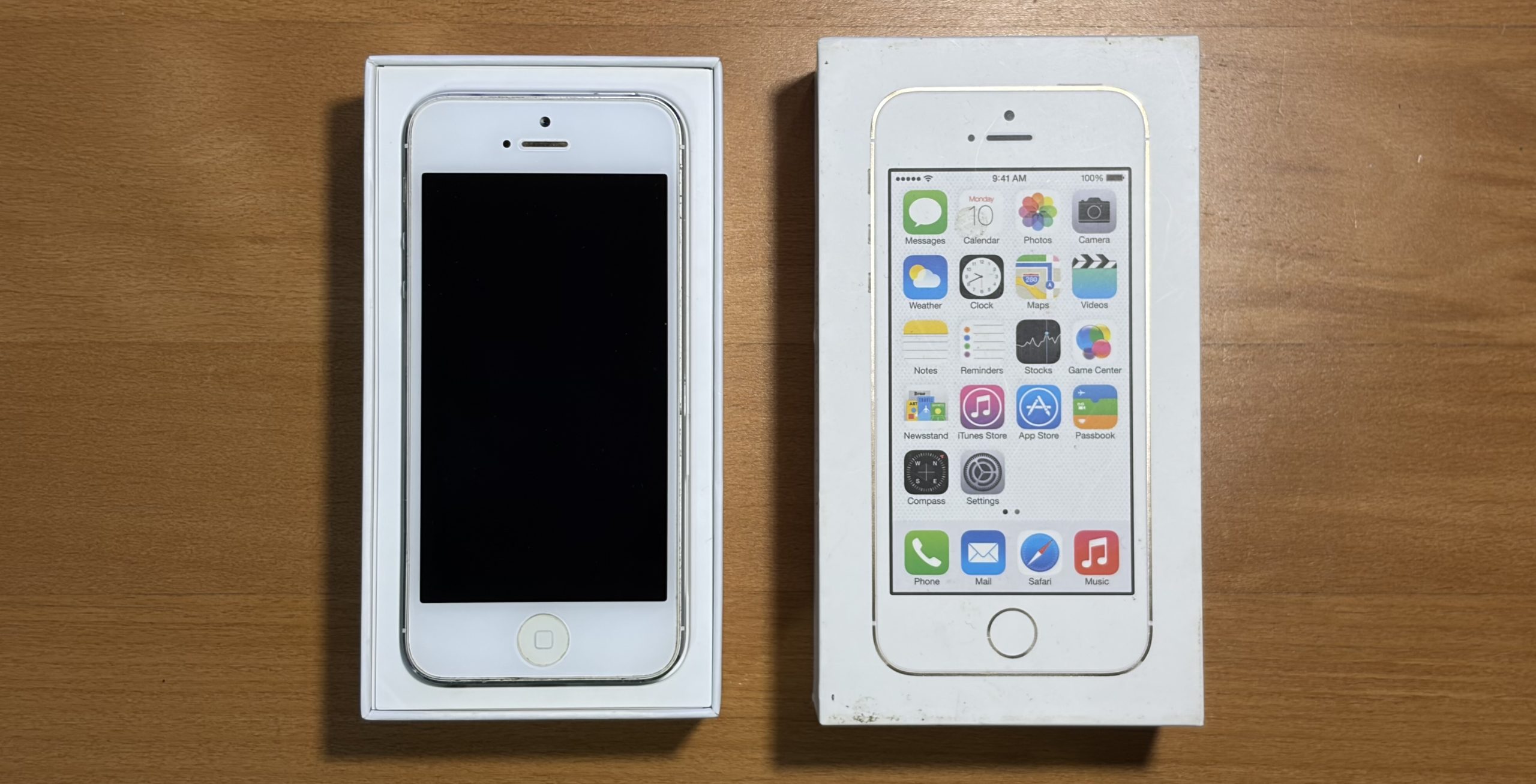
September 10th, 2013, marked a watershed moment in mobile computing with the introduction of the Apple A7 chip. This processor, found in the iPhone 5s, second and third-generation iPad mini, and the original iPad Air, was the world’s first 64-bit mobile SoC. Featuring over one billion transistors and manufactured on an even smaller process node, the A7 delivered substantial improvements over its predecessors.
The transition to 64-bit architecture enabled a vastly expanded addressable memory space and allowed for more complex instructions, paving the way for more sophisticated applications and operating system features. This shift was a strategic move by Apple to future-proof its mobile devices and maintain a performance edge over competitors.
The Era of Mass Adoption and Manufacturing Diversification
As iPhones grew in popularity, so did the demand for their core components. This period saw significant leaps in sales and a diversification of manufacturing partners.
The A8: Powering Mass Popularity
The Apple A8 chip powered the iPhone 6 and 6 Plus, devices that achieved unprecedented global sales, with approximately a quarter of a billion units sold worldwide. This made them the most popular iPhones ever and, at the time, the most popular smartphones globally. The A8 represented a refinement of the A7’s architecture, focusing on improved performance and efficiency to support the larger displays and enhanced features of these flagship devices.
The A9, A9X, and the Rise of TSMC
The A9 chip introduced a significant change in manufacturing. While an initial version was produced by Samsung, Apple later partnered with TSMC (Taiwan Semiconductor Manufacturing Company) for a second, nearly identical version that powered the iPhone SE. This partnership with TSMC would become increasingly important for Apple’s silicon production in the following years.
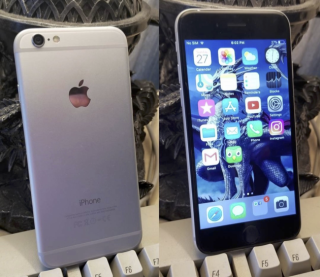
A key innovation with the A9 was the integration of a custom Apple-designed NVMe controller. This enabled the use of PCI Express and introduced significantly faster internal storage speeds for the iPhone 6s and subsequent models, a crucial upgrade that enhanced overall device responsiveness and application loading times. The A9 was also among the first Apple devices to utilize DDR4 RAM, predating its adoption in Macs by nearly two years.
The A10 Fusion, A10X Fusion, and the T2 Chip: Efficiency Cores and Security
September 16th, 2016, saw the release of the iPhone 7 and 7 Plus, powered by the A10 Fusion. This chip was groundbreaking as the first quad-core Apple SoC, introducing the concept of "Efficiency Cores." Alongside high-performance cores, the A10 Fusion incorporated dedicated cores designed for less demanding tasks, significantly improving power efficiency and extending battery life. Apple reported a 40% increase in CPU performance and a 50% boost in GPU performance over the A9.
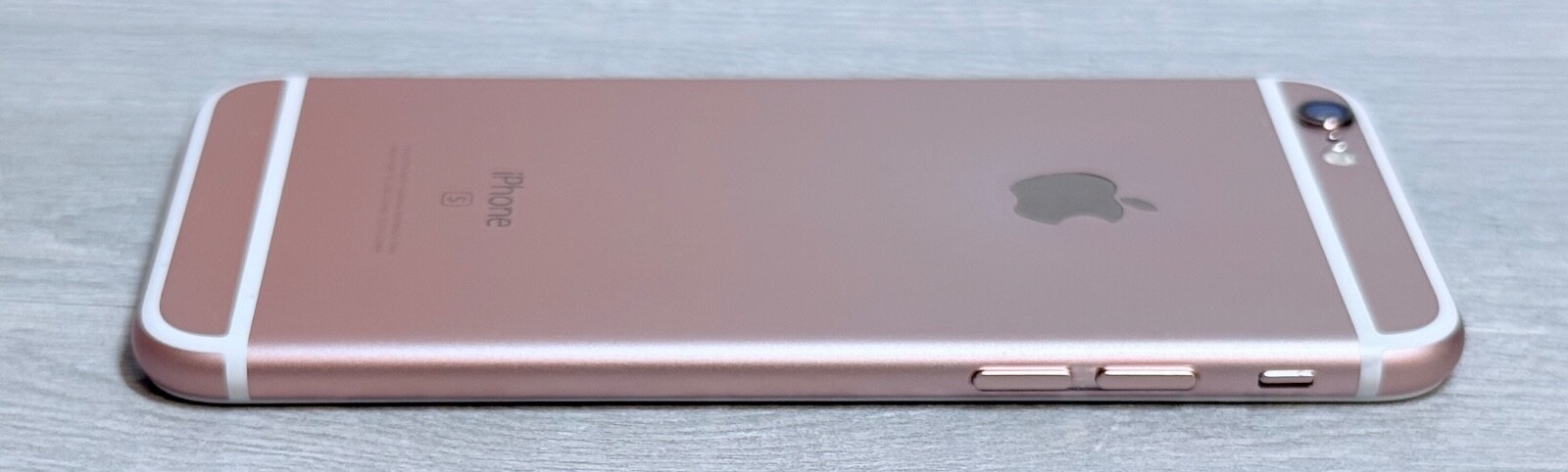
The A10X Fusion, found in the third-generation iPad Pro, further enhanced performance with a more powerful CPU and GPU configuration. The introduction of the T2 chip also marked a new direction, integrating several discrete controllers, including storage, audio, and Secure Enclave, into a single chip. This enhanced security and system management capabilities for Apple’s devices.
The Road Ahead: Sustained Innovation and Future Prospects
The trajectory of Apple’s A-Series chips demonstrates a consistent commitment to pushing the boundaries of mobile technology. From the foundational Samsung-produced processors to the sophisticated, custom-designed SoCs of today, each generation has brought significant advancements in performance, efficiency, and features. As Apple continues to innovate, the upcoming A19 and A19 Pro chips in the iPhone 17 lineup are poised to redefine user expectations for what a smartphone or tablet can achieve, further solidifying Apple’s position at the forefront of the semiconductor industry. The company’s strategic control over its silicon design and manufacturing partnerships has proven to be a critical differentiator, enabling it to deliver integrated hardware and software experiences that continue to set industry benchmarks.