Vera Clarissa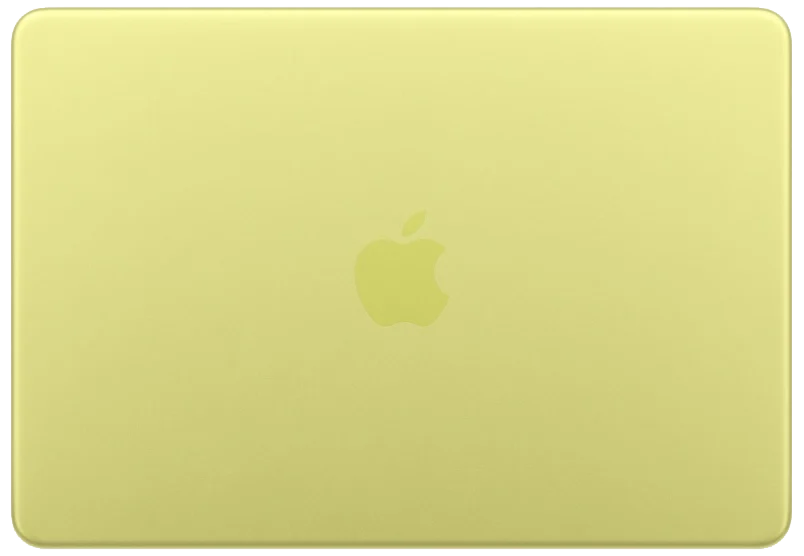
Apple has embarked on a significant strategic shift in its notebook division, introducing the MacBook Neo. This new offering marks a departure from traditional MacBook pricing and design, aiming to capture a broader market segment with an emphasis on affordability, lightweight construction, and vibrant aesthetics. With a starting price point of $599 USD, and a further reduced $499 through Apple’s Education Store, the MacBook Neo stands as the most accessible MacBook-branded device to date, signaling a potential recalibration of Apple’s product segmentation strategy. This move positions the Neo directly against budget-friendly Chromebooks and mid-range Windows laptops, promising a blend of Apple’s signature build quality and performance at an unprecedented price for the ecosystem.
The MacBook Neo’s performance is anchored by the A18 Pro chip, a processor previously found in Apple’s iPhone lineup. This integration represents a notable crossover, leveraging mobile-first chip architecture for a portable computing device. Benchmarking data indicates that the A18 Pro delivers nearly double the CPU performance of the M1 MacBook Air, a popular model from a previous generation. This leap in performance, especially when considering the Neo’s price point, is significant. While many Chromebooks in this category are often criticized for utilizing underpowered Intel processors, and Windows notebooks at a similar price often compromise on build materials and overall user experience, Apple’s approach with the Neo appears to prioritize both robust construction and potent processing capabilities. The device boasts a sturdy aluminum chassis, a meticulously redesigned trackpad, and remarkably, its single-core CPU performance has been shown to rival that of AMD’s high-end Ryzen 9 9950X3D processor, a claim that underscores the advanced nature of Apple’s mobile silicon when applied to a laptop form factor.
This strategic deployment of iPhone-derived silicon into a MacBook marks a pivotal moment for Apple’s product development. Historically, MacBooks have utilized processors designed specifically for the Mac architecture, often a step above those found in iPhones. However, the success and efficiency of Apple’s A-series chips have evidently reached a point where they can serve as the primary engine for a capable laptop. This integration not only democratizes access to Apple’s performance but also suggests a more unified silicon development roadmap across Apple’s product lines, potentially leading to further efficiencies and cross-platform synergies in the future. The performance metrics, particularly the single-core comparison to a desktop-class Ryzen processor, are likely to generate considerable interest among consumers and industry analysts alike, prompting a re-evaluation of performance expectations within the sub-$600 laptop market.

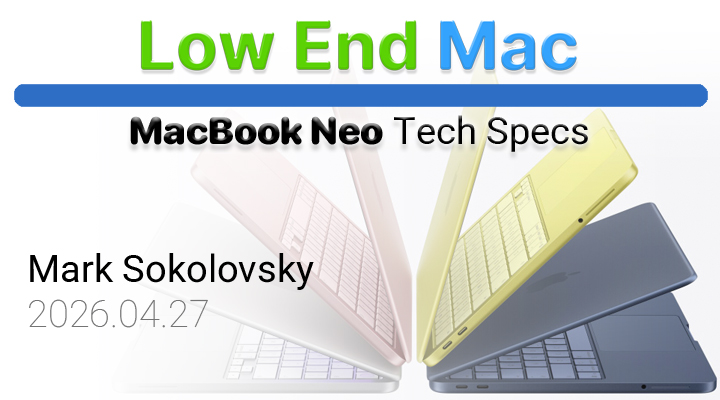
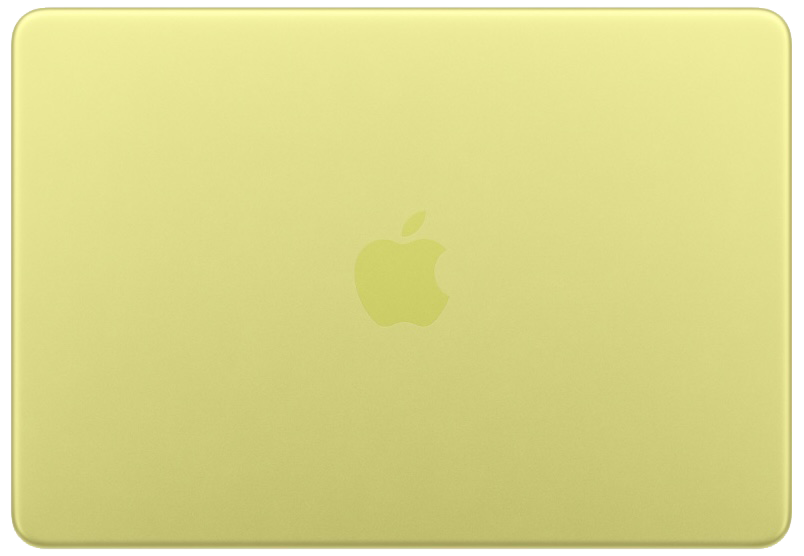
The MacBook Neo is available in four distinct color options: classic Silver, a soft Blush (pink), a vibrant Citrus (reminiscent of lime green), and a deep Indigo (a muted blue). This chromatic diversity is a clear attempt to appeal to a younger demographic and users seeking a more personalized computing experience, a departure from the more restrained color palettes often associated with professional-grade laptops. The display is a 13-inch IPS LCD panel with a brightness of 500 nits and a pixel density of 219 pixels per inch. It boasts a resolution of 2408 x 1506, offering sharp visuals for everyday tasks and media consumption. Under the hood, the Neo comes standard with 8GB of 3750 MHz LPDDR5X-7500 SDRAM, a 5-core GPU, and the aforementioned A18 Pro chip, which is manufactured using TSMC’s advanced 3-nanometer N3E FinFET process. This combination of components suggests a device engineered for efficient multitasking and responsive performance, even with its budget-friendly positioning.
Storage on the MacBook Neo is handled by PCIe NVMe K8A5 NAND flash memory, offering read and write speeds of approximately 1.4 GB/s. While this speed is more than adequate for typical user workloads, it’s important to note that, similar to the RAM, the onboard storage is soldered directly to the logic board. However, a significant point of interest for tinkerers and those looking to maximize their investment is the potential for storage upgrades. As demonstrated by independent repair specialist DosDude1, it is possible to upgrade the internal storage to 1TB with the appropriate tools and expertise. This aspect adds a layer of upgradability that is increasingly rare in modern ultraportable laptops. In terms of retail configurations, the MacBook Neo is offered with either 256GB of SSD storage for $599, or a 512GB SSD for $699, providing a clear tiered pricing structure based on storage capacity.

The introduction of the MacBook Neo also signifies certain trade-offs that are inherent to its aggressive pricing. Notably, this model marks the first MacBook since 2020 to omit the MagSafe charging connector, relying instead on its USB-C port for power delivery. Connectivity is also somewhat limited, featuring one USB 3.0 port and one USB 2.0 port. A significant omission for many users will be the lack of a backlit keyboard; instead, the Neo features a light-toned, color-matched keyboard that, while aesthetically pleasing, may prove challenging in low-light environments. Touch ID, a feature that has become a staple for convenient and secure authentication, is reserved exclusively for the higher-priced $699 model, further differentiating the two configurations. Beyond the USB ports, a standard 3.5mm headphone jack is included.
A significant highlight for the MacBook Neo, and indeed for all Apple Silicon Macs, is its support for Apple Intelligence. This advanced suite of AI features is integrated into macOS and is available on any Mac powered by Apple Silicon. The compatibility extends to most iPads with an M-chip and iOS devices running iOS 18 and later with an A17 Pro chip or better, including the iPhone 15 Pro/Pro Max and all iPhone 16 models and beyond. This broad integration of AI capabilities across Apple’s ecosystem suggests a future where intelligent assistance and enhanced productivity are standard across the company’s product lines, regardless of the device’s tier.
Key Features and Specifications of the MacBook Neo:
Processor: Apple A18 Pro chip (3nm N3E FinFET process by TSMC)
Graphics: 5-core GPU
Memory: 8GB 3750 MHz LPDDR5X-7500 SDRAM
Display: 13-inch IPS LCD, 500 nits, 219 ppi, 2408 x 1506 resolution
Storage: PCIe NVMe K8A5 NAND Flash (256GB standard, upgradeable to 1TB)
Ports: 1x USB 3.0, 1x USB 2.0, 1x 3.5mm Headphone Jack
Connectivity: Wi-Fi 6E, Bluetooth 5.3
Colors: Silver, Blush, Citrus, Indigo
Operating System: macOS (with Apple Intelligence support)
Battery Life: Up to 11 hours wireless web, up to 16 hours video streaming

What You Need to Know:
Closed Lid Mode: The MacBook Neo supports clamshell mode, allowing users to operate the device with the lid closed when connected to an external display. This mode requires the MacBook Neo to be plugged into AC power and connected to an external monitor, along with a USB or Bluetooth mouse and keyboard. Upon waking the device, the internal display remains inactive, with all resources dedicated to the external display. To resume use of the internal display, the external display must be disconnected, and the MacBook Neo put to sleep and then woken by opening the lid.
Performance Metrics and Comparisons:
The integration of the A18 Pro chip in the MacBook Neo positions it as a formidable contender in its price bracket. The chip’s architecture, optimized for both power efficiency and high performance, allows it to punch above its weight class. Comparisons with the M1 MacBook Air reveal a significant generational leap in CPU performance, indicating that Apple is effectively leveraging its mobile silicon advancements. The single-core performance benchmark, matching that of the AMD Ryzen 9 9950X3D, is particularly noteworthy. While this comparison is for single-core metrics and does not represent overall system performance, it highlights the raw processing power available in the A18 Pro. This allows for a more responsive user experience, faster application launches, and smoother multitasking than typically expected from devices in this price range. The A18 Pro is built on TSMC’s 3nm N3E process, which offers improvements in transistor density and power efficiency over previous generations, contributing to both performance gains and battery life.
Broader Market Implications and Analysis:
Apple’s decision to launch the MacBook Neo at such an aggressive price point has significant implications for the personal computing market. It directly challenges the dominance of Chromebooks in the education sector and the entry-level consumer market. By offering a device with a premium build, a capable processor, and access to the macOS ecosystem, Apple is likely to attract a new segment of users who may have previously been priced out of the Mac experience. This could lead to increased adoption of macOS, potentially driving app development and ecosystem growth.

Furthermore, the strategy suggests a potential shift in Apple’s market segmentation. While the MacBook Air and MacBook Pro lines continue to cater to premium and professional users, the MacBook Neo carves out a distinct niche. This approach mirrors Apple’s strategy in the iPhone market, where the SE models offer a more affordable entry point into the iOS ecosystem. The success of the MacBook Neo could prompt competitors to re-evaluate their own budget offerings, potentially leading to a broader wave of innovation in the affordable laptop segment. The inclusion of Apple Intelligence further sweetens the deal, providing advanced AI features that are often a premium offering on other platforms.
The timing of this release also appears strategic, potentially coinciding with back-to-school seasons and a general market demand for cost-effective computing solutions. The emphasis on color options and a lightweight design further underscores Apple’s intent to appeal to a wider, more diverse consumer base. While certain compromises have been made, such as the absence of MagSafe and a backlit keyboard, these trade-offs are likely deemed acceptable by the target demographic in exchange for the performance and ecosystem benefits at this price. The potential for storage upgrades, though requiring user intervention, adds a layer of future-proofing that will resonate with budget-conscious consumers looking for longevity from their devices. The MacBook Neo represents a bold step by Apple, demonstrating a commitment to accessibility without a significant compromise on core performance and user experience.