Chalid Lutfie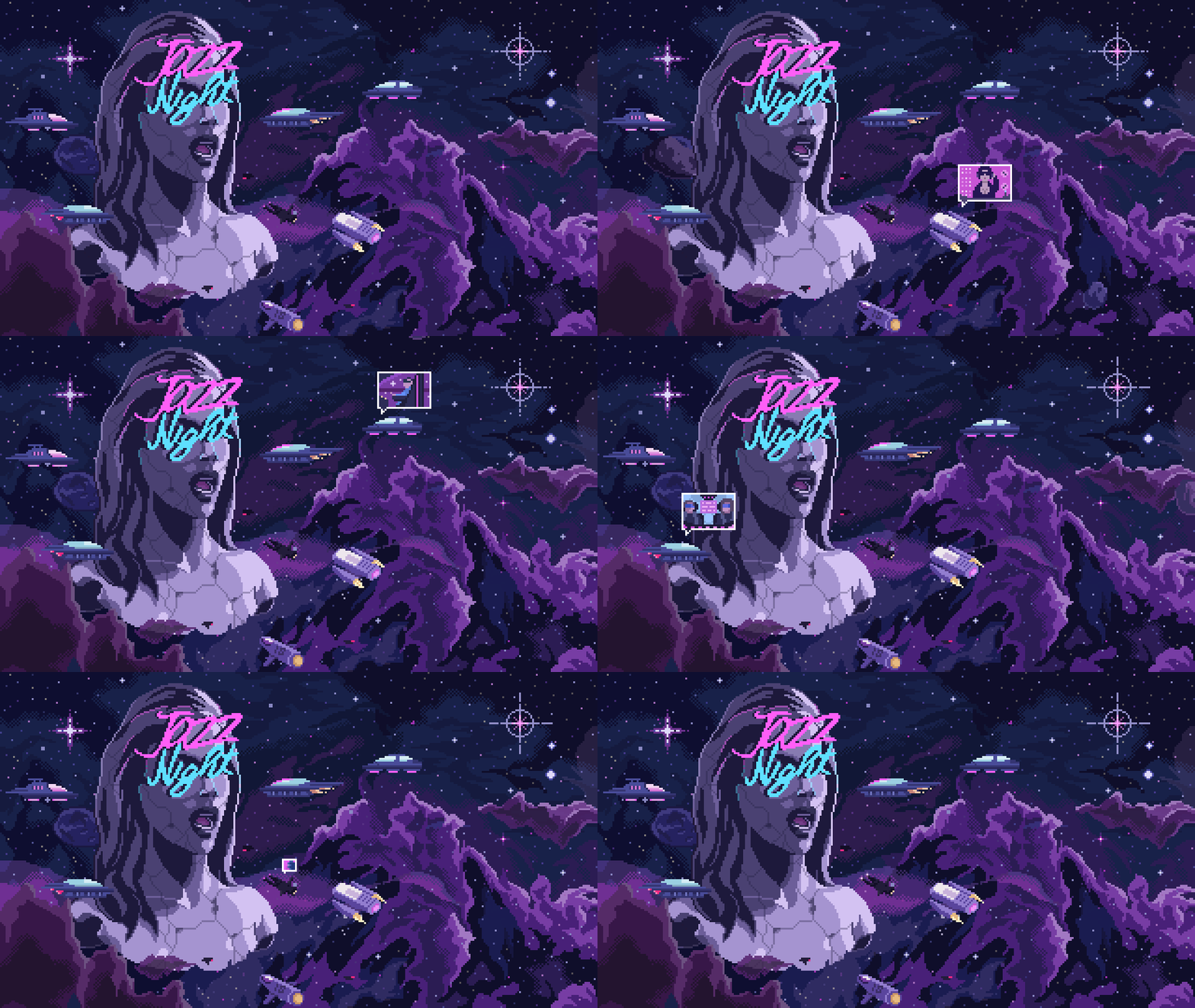
On April 25, 2017, the electronic music label Ubiktune expanded its catalog with the release of a high-concept project that bridges the gap between digital synthesis and traditional jazz performance. Juan Irming, the Los Angeles-based composer, sound designer, and keyboardist operating under the alias Amplitude Problem, introduced his latest work, The Frequency Modulators Orchestra, Vol. 1. This album represents a significant departure from standard chiptune fare, utilizing exclusive frequency modulation (FM) synthesis and lo-fi percussion to replicate the improvisational spontaneity of a jazz ensemble. The project serves as an experimental exploration into the capacity for "cold" digital algorithms to emulate the warmth and organic nuance inherent in human-performed jazz.
A Legacy of Demoscene Origins
The trajectory of Juan Irming’s career spans three decades, beginning in the late 1980s within the competitive European demoscene. Irming was a key composer for SYNC, an Atari ST demo group renowned for pushing the hardware limitations of early home computers. During this era, Irming secured multiple first-place rankings in demo music competitions, establishing a reputation for technical prowess in sound design.

Following his tenure in the demoscene, Irming relocated to the United States to study at the Musicians Institute in the early 1990s. This formal training transitioned him from hobbyist demoscene production into professional video game composition and collaborative studio work. Over the subsequent twenty-five years, Irming has been credited on over ten long-playing records. His portfolio includes contributions to the cyberpunk-inspired works of YTCracker, most notably the 2014 album Introducing Neals, and collaborations with prominent synthwave artists such as Mitch Murder, Lazerhawk, and GUNSHIP. His influence has also extended to the interactive media landscape, where he has provided scores and sound design for projects including Power Drive 2000 and the retro-futuristic title VirtuaVerse.
Conceptualizing the Frequency Modulators
The genesis of The Frequency Modulators Orchestra, Vol. 1 can be traced back to a specific creative turning point during the production of YTCracker’s 2014 album. While composing the track "Feel Like Leisure Suit Larry," Irming identified a unique potential in FM synthesis to produce percussive, jazzy, and "zany" grooves that standard subtractive synthesis often failed to capture. This discovery was further refined during the development of his 2015 solo effort, Blue Bots Dots, which featured the track "Funky Mustache."
By late 2015, the concept for an entire album dedicated to this aesthetic had solidified. The resulting ten-month production cycle was defined by a commitment to instrumental improvisation. Irming chose to forgo the traditional safety of vocal-led song structures, opting instead to place the burden of narrative and audience engagement entirely on the instrumental composition. He viewed this as a challenge to maintain listener interest through complex, real-time keyboard performances rather than lyrical cues.
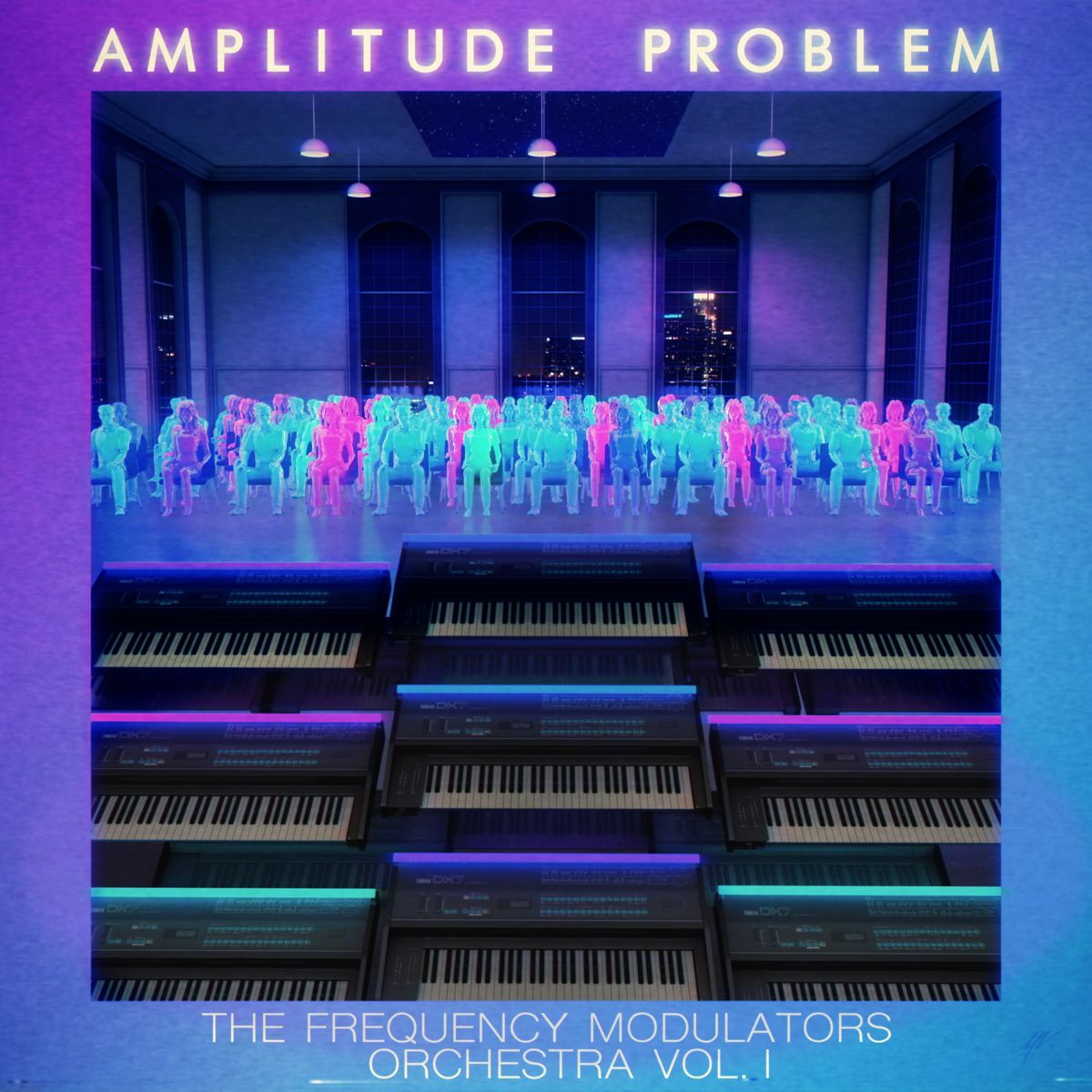
The project title itself reflects this approach. Irming conceptualized each FM instrument as an individual member of an ensemble, granting each "voice" the autonomy to improvise and contribute to the rhythmic texture of the tracks. This personification of the synthesizer patches allowed the artist to treat the software as a collaborative partner rather than a mere tool.
Technical Production and Mastering
To achieve the professional standards required for a genre as technically demanding as jazz, Irming sought the expertise of Grammy Award-winning mastering engineer Don Grossinger. Grossinger, whose resume includes extensive work with jazz luminaries such as Miles Davis, was brought in to ensure that the FM-synthesized tracks achieved the necessary sonic depth and texture. The goal was to provide a polished final output that would satisfy the critical ears of jazz enthusiasts while retaining the gritty, pixelated aesthetic of the source material.
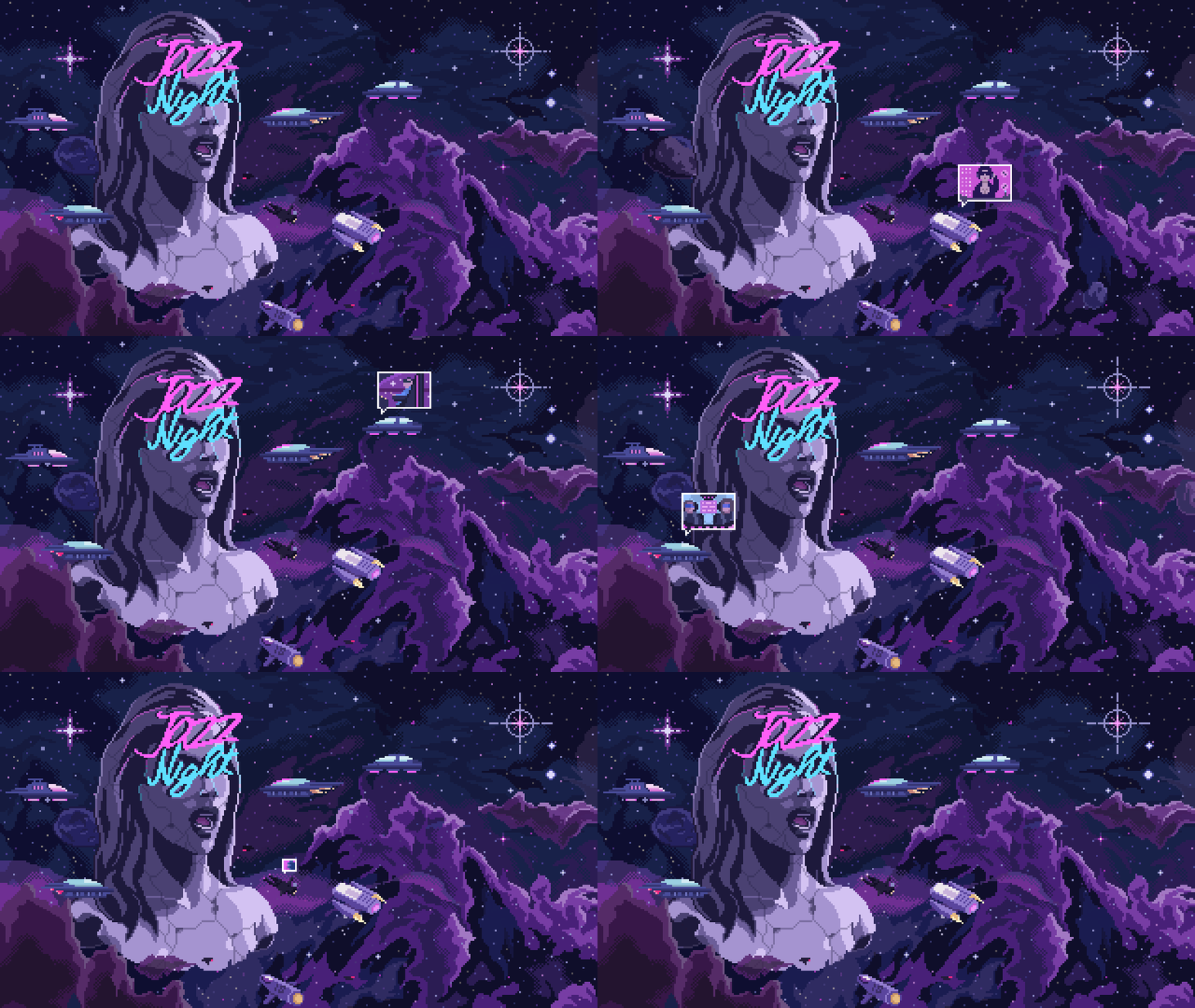
Visual presentation was considered an integral component of the album’s identity. The project features cover artwork by Mythical Vigilante, with additional animations and visual contributions provided by pixel-artist Valenberg. Valenberg, who had previously collaborated with Irming, created a "Jazz Night" pixel-art animation to serve as a visual companion to the music. This integration of audio-visual media underscores the project’s roots in the chiptune and demoscene subcultures, where the synergy between visual aesthetics and sound design is paramount.

Industry Impact and Artistic Context
The release of The Frequency Modulators Orchestra, Vol. 1 represents a notable point of convergence between the underground chiptune community and the broader electronic music market. By integrating the technical rigidity of FM synthesis—a technology defined by its mathematical precision—with the fluid, human-centric language of jazz, Irming has positioned his work as a meta-commentary on the evolution of digital sound.
The album is structured as a narrative arc. According to the artist, the first four tracks are intended to serve as a deep, introspective look at the human condition, while the final three tracks offer a broader commentary on the nature of life and the universe. This deliberate structure aims to elevate the album from a collection of songs into a singular, cohesive experience. The release has been made available across all major digital music platforms and streaming services, providing a case study for how independent producers can leverage retro-computing hardware and software synthesis to innovate within contemporary music genres.
The Evolution of FM Synthesis in Modern Music
FM synthesis, which gained popularity in the 1980s through hardware such as the Yamaha DX7, was historically characterized by its glass-like, bell-tone qualities and sharp percussive attacks. While it dominated the pop music landscape of the 80s, it eventually fell out of favor as analog modeling and sample-based synthesis became more accessible. Irming’s return to these specific sound engines serves as an aesthetic rebellion against the prevalence of ubiquitous, high-fidelity digital audio.
By utilizing "lo-fi" drums alongside these high-precision FM synthesizers, Irming highlights the contrast between the warmth of traditional jazz percussion and the clinical sharpness of frequency modulation. This juxtaposition is the defining characteristic of the album. The implications of this work suggest a growing trend among veteran producers to return to "limited" synthesis tools, not out of necessity, but out of a desire to reclaim the specific, idiosyncratic textures that modern, high-definition software often obscures.
As of its release in April 2017, the project stands as a testament to the longevity of the demoscene ethos. The ability of a composer to translate decades of experience in small-scale, hardware-constrained music production into a sophisticated, full-length jazz-fusion record illustrates the persistent influence of early digital pioneers on contemporary music theory. The success of this transition, supported by industry-standard mastering and professional distribution, confirms that the technical discipline of the 1980s remains a potent foundation for modern artistic expression.