Cecilia Chamidah Nur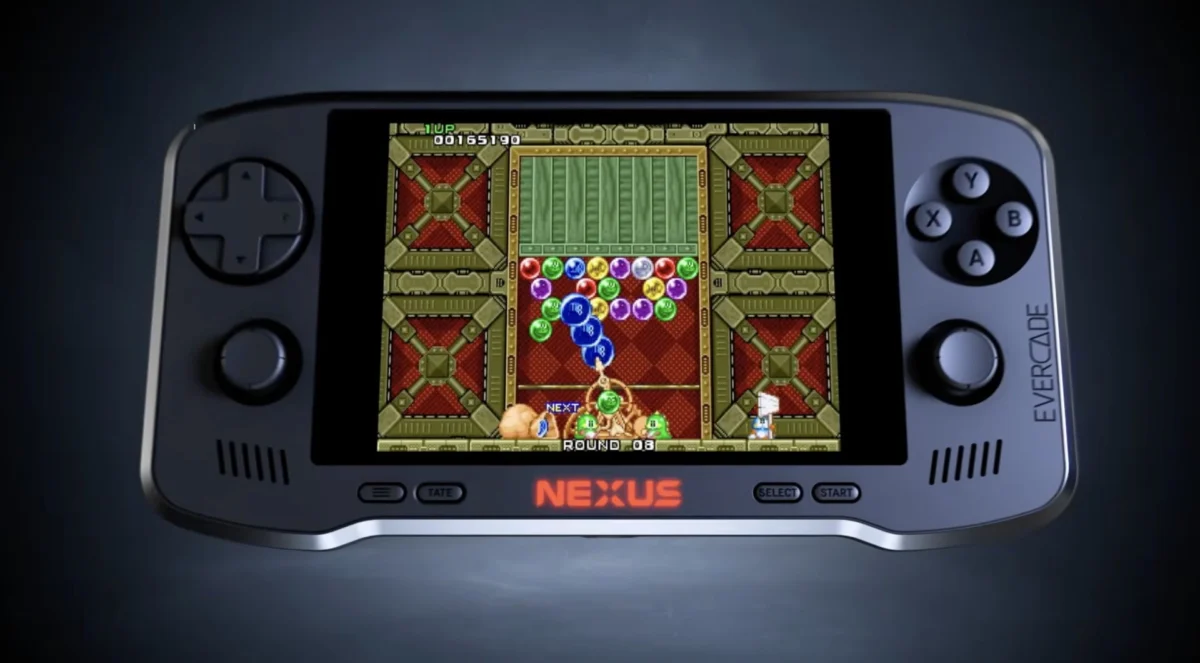
The Evercade Nexus, the latest iteration in Blaze Entertainment’s growing line of retro gaming handhelds, is poised to redefine the portable classic gaming experience, introducing significant advancements over its predecessors. Key among these improvements are a substantially larger display, integrated dual analogue controls, and a pioneering single-cartridge multiplayer feature, allowing two Nexus owners to share a game from a single physical cartridge. This innovative functionality, reminiscent of Nintendo’s acclaimed consumer-friendly sharing mechanisms, underscores Evercade’s commitment to both modernizing retro play and fostering social gaming.
Scheduled for release on October 30, 2026, the Evercade Nexus will be available at a retail price of £169.99 / $199.99 / €199.99. Pre-order opportunities have begun to emerge through various retailers, with a staggered global rollout anticipated. This article compiles available information and delves into the implications of this new device for the retro gaming community and the broader handheld market.
The Evolution of Evercade: A Commitment to Physical Preservation
Since its inception in 2019, the Evercade platform, developed by Blaze Entertainment, has carved a unique niche in the retro gaming landscape. Distinguishing itself from the proliferation of emulation devices, Evercade’s core philosophy revolves around licensed, physical cartridge-based gaming. This approach not only provides a tangible collecting experience for enthusiasts but also ensures that publishers and developers receive proper remuneration for their classic intellectual properties, thereby supporting game preservation through official channels.
The journey began with the original Evercade Handheld, a device lauded for its ergonomic design and vibrant 4.3-inch display, which offered a gateway to curated collections from iconic publishers like Atari, Namco, and Data East. This was followed by the Evercade VS, a home console variant that brought the cartridge-based experience to living room televisions, complete with four-player support. Most recently, the Evercade EXP integrated a vertical play mode (TATE mode) and a more powerful processor, pushing the boundaries of what was possible within the Evercade ecosystem. Each iteration has incrementally refined the user experience, but the Nexus represents a more comprehensive leap forward, directly addressing key areas of user feedback and contemporary gaming expectations.
Technical Innovations Driving the Nexus Experience
The Evercade Nexus is not merely an incremental upgrade; it introduces several hardware enhancements designed to elevate both the visual and interactive aspects of retro gaming.
Expanded Visual Real Estate: The most immediately noticeable improvement is the "larger display." While specific dimensions have yet to be fully detailed, this typically implies a screen size in the range of 5.5 to 6 inches, a considerable increase from the Evercade EXP’s 4.3-inch panel. Such an expansion is crucial for several reasons: it enhances readability for text-heavy RPGs, provides a more immersive canvas for action titles, and generally reduces eye strain during extended play sessions. Coupled with what is expected to be an IPS panel with improved resolution (likely 800×480 or higher, compared to previous 480×272), the Nexus promises crisper images, wider viewing angles, and more vibrant color reproduction, making classic sprites and polygons truly pop.
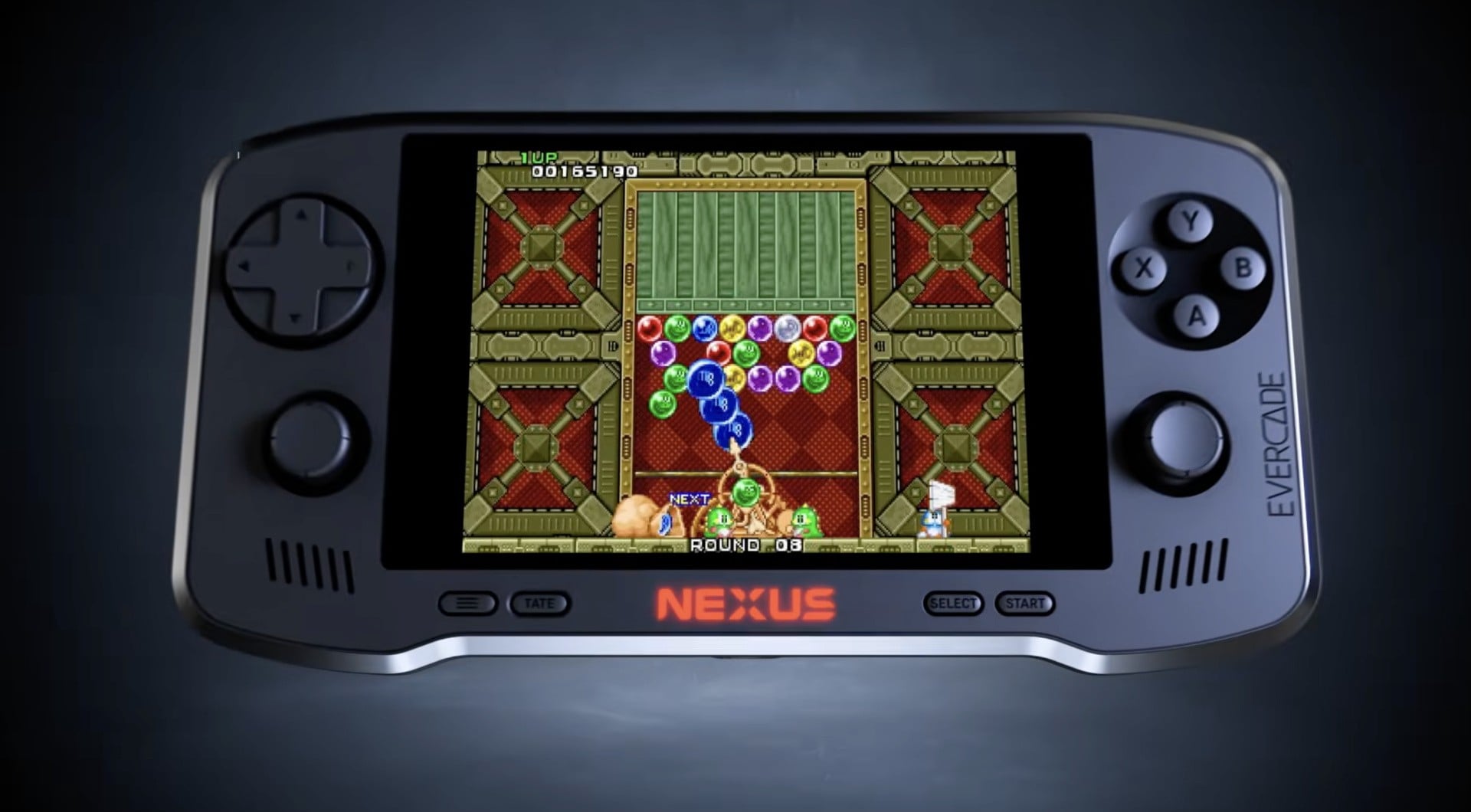
Integrated Dual Analogue Controls: The inclusion of dual analogue sticks marks a significant modernization for the Evercade line. While many classic 8-bit and 16-bit titles primarily relied on D-pads, the advent of 3D gaming on platforms like the PlayStation and Nintendo 64 made analogue input indispensable. Dual sticks open the door to more precise control in games that benefit from camera manipulation or nuanced movement, and critically, positions the Nexus to comfortably handle more advanced retro titles from later console generations that may eventually join the Evercade library. This ergonomic enhancement ensures a more fluid and contemporary control scheme, aligning the Nexus with modern handheld gaming expectations.
The "Nintendo-esque" Single-Cart Multiplayer Feature: Perhaps the most innovative and consumer-friendly addition is the ability for two Evercade Nexus owners to play multiplayer titles using just a single game cartridge. This feature directly echoes Nintendo’s highly praised "Download Play" functionality, first popularized on the Nintendo DS and later refined on the 3DS. In practice, one Nexus console would act as the "host," wirelessly transmitting game data to a second "client" Nexus, enabling simultaneous play without the need for each player to own a separate copy of the game. This drastically lowers the barrier to entry for social gaming, making impromptu multiplayer sessions more accessible and cost-effective. It fosters a sense of community and spontaneous interaction, a quality often celebrated in the golden age of gaming. The reference to "Banjo" in the original article likely alludes to the type of cooperative or competitive experiences this feature enables, similar to how certain Nintendo titles leveraged Download Play for quick, shared fun. This move positions Evercade as a platform not just for solitary nostalgia, but for shared experiences.
While not explicitly detailed in the initial announcement, logical inferences suggest other underlying improvements. These could include an upgraded internal processor to handle more demanding emulation, enhanced battery life to support the larger screen and wireless multiplayer, and refinements to the user interface for smoother navigation. The robust build quality that Evercade devices are known for is also expected to be maintained, ensuring durability for on-the-go gaming.
Pricing, Pre-Order Strategy, and Market Positioning
The Evercade Nexus’s pricing at £169.99 / $199.99 / €199.99 positions it as a premium offering within the dedicated retro handheld market. This price point reflects the enhanced hardware, the unique licensed cartridge ecosystem, and the innovative multiplayer capabilities. For context, the Evercade EXP launched at a slightly lower price point (around $149.99), indicating that the Nexus’s improvements come with a modest increase in cost.
Compared to other options in the handheld space, the Nexus occupies a distinct segment. It is more expensive than many open-source emulation handhelds from brands like Anbernic or Miyoo, which often retail for under $150 but typically rely on ROMs (often unlicensed) and lack the physical media aspect. Conversely, it is significantly more affordable than high-end PC handhelds like the Steam Deck or ROG Ally, which offer vastly more power but cater to modern PC gaming. The Nintendo Switch Lite, a direct competitor in the dedicated handheld console market, typically retails for around $199-$200, offering a library of modern digital and physical titles but lacking the retro focus and physical cartridge collecting appeal of Evercade.
The value proposition of the Evercade Nexus lies in its unique blend of official licensing, physical media, and a curated retro experience. Consumers are paying not just for hardware, but for the assurance of legal game ownership, ongoing support from Blaze Entertainment, and a tangible collection. The announcement of pre-order links going live indicates a strategic rollout, with retailers gradually making the device available for reservation. This phased approach builds anticipation and allows Blaze Entertainment to manage demand effectively. Transparency regarding affiliate links in the original news brief also highlights a commitment to ethical reporting, a standard for reputable technology journalism.
The Evercade Ecosystem: A Growing Library of Classics
The success of any gaming platform hinges on its library, and Evercade has consistently expanded its catalog with officially licensed game collections. The Evercade Nexus will be fully compatible with the entire existing library of Evercade cartridges, which spans hundreds of games across dozens of collections. These collections often group titles by publisher (e.g., Atari Collection, Namco Museum) or genre, offering a diverse range from 8-bit arcade classics to 16-bit console gems and even some more recent indie titles presented in a retro style.

This commitment to licensed content is a cornerstone of the Evercade philosophy. It provides a legal and ethical way to play classic games, a stark contrast to the often legally ambiguous world of ROMs and emulators. For collectors, the physical cartridges, complete with full-color manuals and bespoke artwork, are a significant draw, transforming each game purchase into a tangible piece of gaming history. The introduction of the Nexus, with its enhanced capabilities, may also pave the way for Evercade to license and release collections from later console generations that demand more robust hardware, further diversifying its content offering.
Industry Reactions and Broader Implications
While official statements from Blaze Entertainment regarding the Nexus are typically concise, the product’s features speak volumes about the company’s vision. Industry analysts and retro gaming commentators are likely to view the Nexus as a strategic move to solidify Evercade’s position in a competitive market. The emphasis on improved ergonomics and a larger, higher-quality screen addresses common desires among handheld users, while the single-cart multiplayer feature is a genuine differentiator that could attract a new segment of social gamers.
"The Evercade Nexus represents a thoughtful evolution of the brand," noted a hypothetical industry analyst. "In a market saturated with emulation devices, Blaze Entertainment continues to stand out by offering a premium, officially licensed experience. The dual analogue sticks and the innovative multiplayer sharing feature are not just bells and whistles; they are fundamental improvements that enhance playability and broaden the device’s appeal, especially for those looking to introduce friends to retro gaming."
For the broader retro gaming community, the Nexus reinforces the value of physical media and official licensing. In an increasingly digital world, the tangibility of Evercade cartridges offers a counter-narrative, appealing to collectors and those who appreciate the permanence of physical game ownership. It also underscores the ongoing commercial viability of classic games, encouraging rights holders to preserve and re-release their valuable archives rather than letting them fade into obscurity.
The Future is Nexus: A Flagship for Retro Gaming
The Evercade Nexus is poised to become the new flagship device for Blaze Entertainment, embodying the pinnacle of their retro handheld offerings. Its combination of a superior display, modern control scheme, and revolutionary single-cart multiplayer capability sets a new standard for the platform. By launching just before the holiday season of 2026, the Nexus is strategically positioned to capture the attention of gift-givers and retro enthusiasts alike.
As pre-order links continue to go live and the October 30th launch date approaches, anticipation within the retro gaming community is building. The Evercade Nexus is not just another handheld; it is a statement from Blaze Entertainment about the enduring appeal of classic games, the importance of physical preservation, and the potential for innovation within the retro space. It promises a more immersive, comfortable, and socially engaging way to revisit the golden age of gaming, ensuring that these cherished titles continue to be played and celebrated for years to come.